dogmindlab
Work with me

Russian Tsvetnaya Bolonka · Toy

Russian Tsvetnaya Bolonka: temperament, coat care, alone time and training

The Russian Tsvetnaya Bolonka, often just called the Bolonka, is a small bichon-type lap dog in every colour except white. Its long, soft, wavy coat sheds very little, and its whole personality is built around people: it follows you from room to room, greets guests like old friends and is usually happy to fit into a flat. The things owners struggle with are the flip side of that charm. A Bolonka can find being left alone hard, mats quickly if brushing slips, and learns fast that whining or a cute bark gets attention.

  • Job: A toy bichon-type companion in brown, black, black and tan, grey, red, fawn and other colours (never all white); AKC Foundation Stock Service, UKC and the Russian kennel club, not FCI.
  • Energy: Friendly, gentle and very attached to its people; usually good with visitors and other pets.
  • Home: Suits a home where someone is around most of the day and is happy to brush a long coat several times a week.
WhatsApp consult

First, the point

A small dog that wants to be where you are

Bolonka owners often laugh about the same thing: they have not been to the bathroom alone since the puppy came home. This breed was made to be a companion, and most of them take the job very seriously.

The messages I get are rarely about wild behaviour. They are about a dog that cries when the door closes, barks to be picked up, hides from the brush or still has accidents on the rug at eight months because toilet breaks were too far apart for such a small bladder.

The fix is almost always a calm routine rather than more exercise. Short absences built up in small steps, a quiet bed of its own, brushing done in two-minute sessions with treats, toilet trips on a timetable and small games that use its quick brain. With that, a Bolonka is one of the easiest small dogs to share a home with.

Talk through your situation

Height
Usually about 20–26 cm (8–10 in) at the shoulder
Weight
Usually about 2–4.5 kg (4.5–10 lb)
Energy
Moderate
Coat / shed
Long, soft, wavy or loosely curled coat with an undercoat; sheds very little but tangles easily. Any solid or mixed colour except pure white: brown, black, black and tan, grey, red, fawn, sable and parti-colours
Job
Bred as an indoor companion and lap dog for city flats in Moscow and Leningrad in the second half of the twentieth century

Temperament in one minute

Russian Tsvetnaya Bolonka temperament: what they are like at home

Short answer: Russian Tsvetnaya Bolonkas are small, soft-coated bichon-type companions in every colour except white. They are friendly, gentle and very attached to their people, usually good with guests and other pets, and easy to live with in a flat. They need daily company, short walks and games, coat combing several times a week and careful, step-by-step training to be left alone.

Are Bolonkas affectionate?

Very. Most follow their people everywhere. Teach short absences early.

Are Bolonkas easy to train?

Yes, with food and short sessions. Start with a name game and a quiet cue.

Are Bolonkas friendly with strangers?

Usually yes. Teach calm greetings; see jumping up.

Are Bolonkas good with kids and other dogs?

Good with gentle kids and calm dogs. See children and guests.

Bolonka behavior problems to expect

The common four are trouble being alone, attention barking, toilet accidents and fussing at grooming. The list below links a guide for each.

Living with a Bolonka in an apartment

A very good fit, as long as someone is around for much of the day.

Breed history

From city flats to a breed of its own

A companion breed shaped by small homes, few imports and a lot of love for colour.

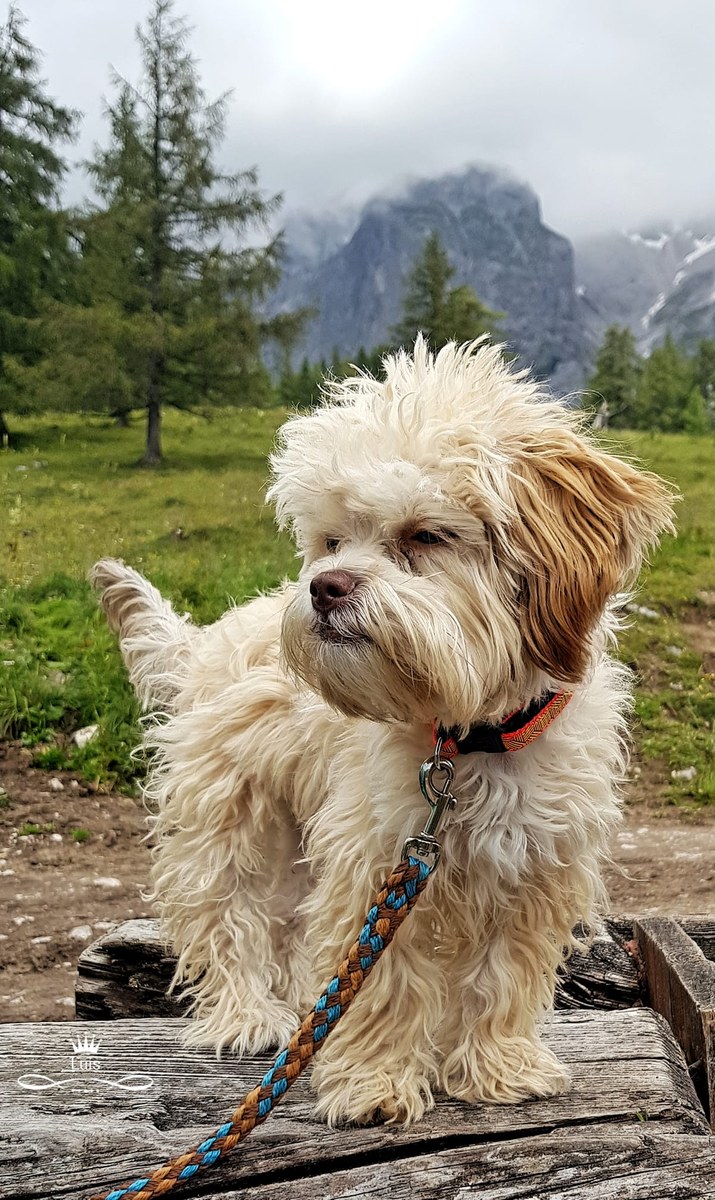
A cream Bolonka out on a mountain walk: small, but happy to come along on an easy hike.

Before the 1950s

Little dogs from the French court

Small white bichon-type dogs were popular with fashionable ladies in both France and Tsarist Russia, and the breed's name still means French lapdog. After the Revolution those dogs lived on in Russian homes with no new dogs coming in from abroad.

Toy dogs had little place in a country that valued working dogs, so they were kept quietly by private owners rather than bred as a recognised breed.

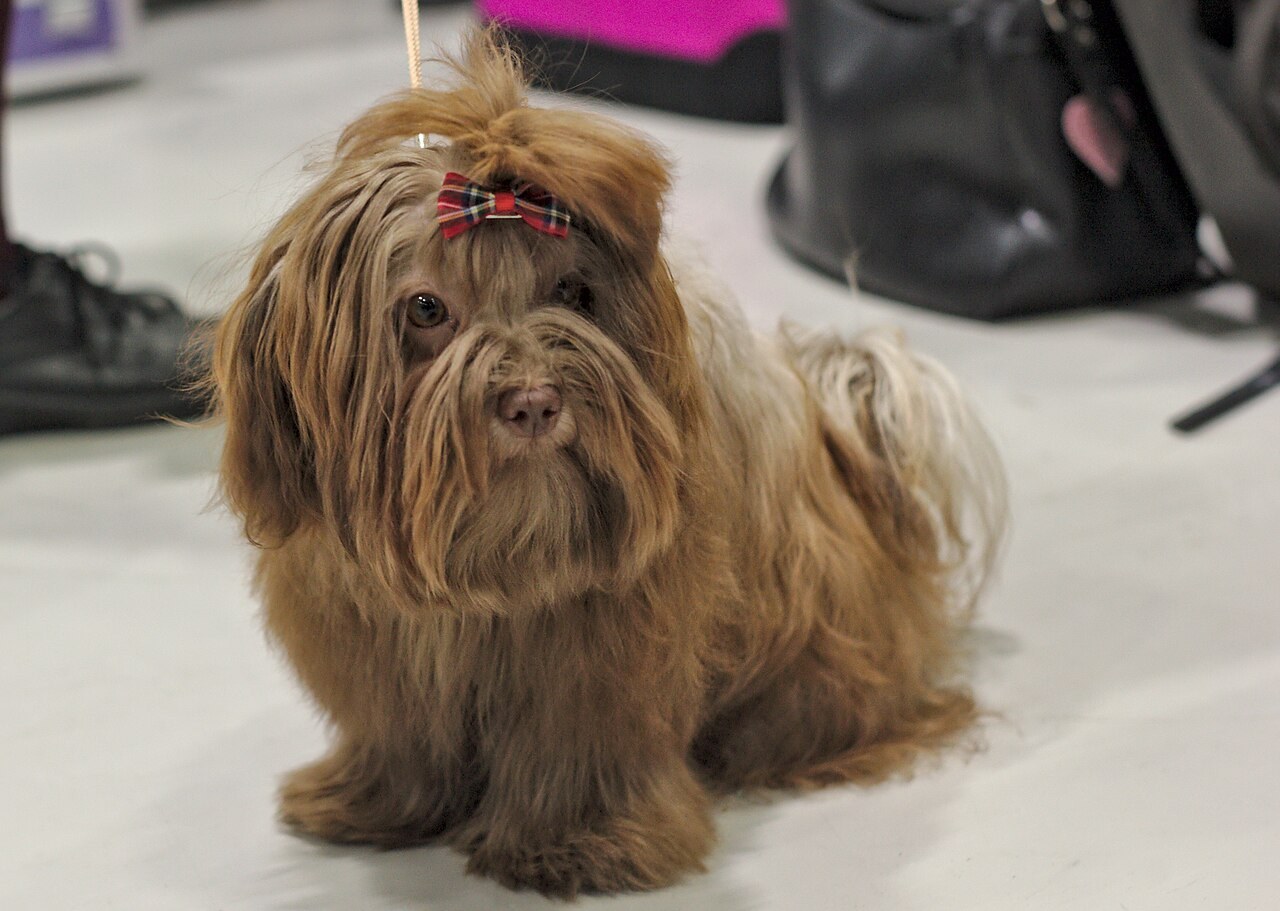
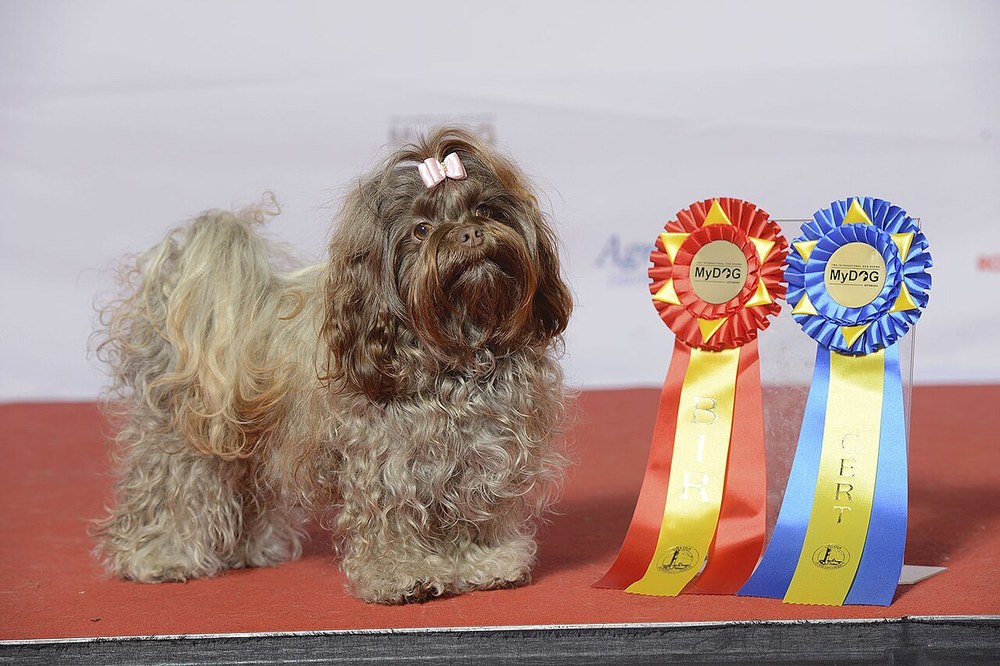
Brown Russian Tsvetnaya Bolonka with a pink bow standing on a red show table next to two winner rosettes, a second Bolonka beside it
A Bolonka on the winners' table at a large Nordic dog show: the breed is now shown across Europe.

From the 1950s

Colour becomes the point

From the 1950s, dog lovers in Moscow and Leningrad (now St Petersburg) began breeding small, soft-coated dogs on purpose, using bichon-type dogs, small poodles, Shih Tzu and other long-coated toys. They wanted a happy lap dog that would live well in a city flat, and they wanted colour. Since 1966 these dogs have been called the Russian Tsvetnaya Bolonka, which means coloured lapdog.

After the Iron Curtain fell, the breed spread to Germany, where it is known as the Bolonka Zwetna, and on to the Nordic countries and the United States. The AKC records it in its Foundation Stock Service and the UKC has a standard for it. The white variety is a separate breed, the Franzuskaya Bolonka.
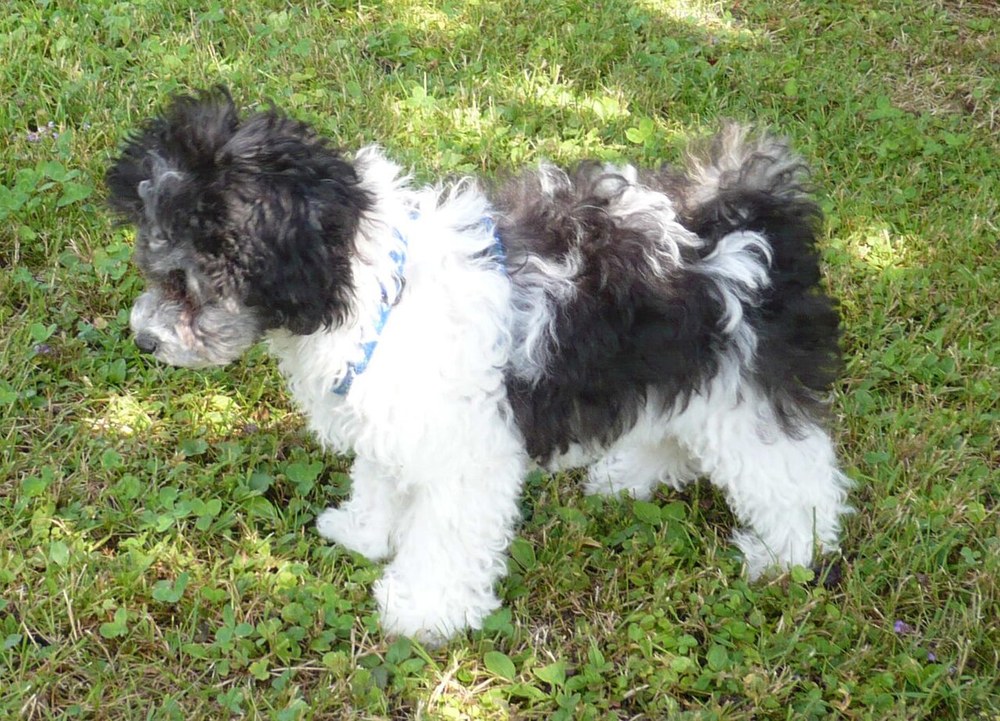
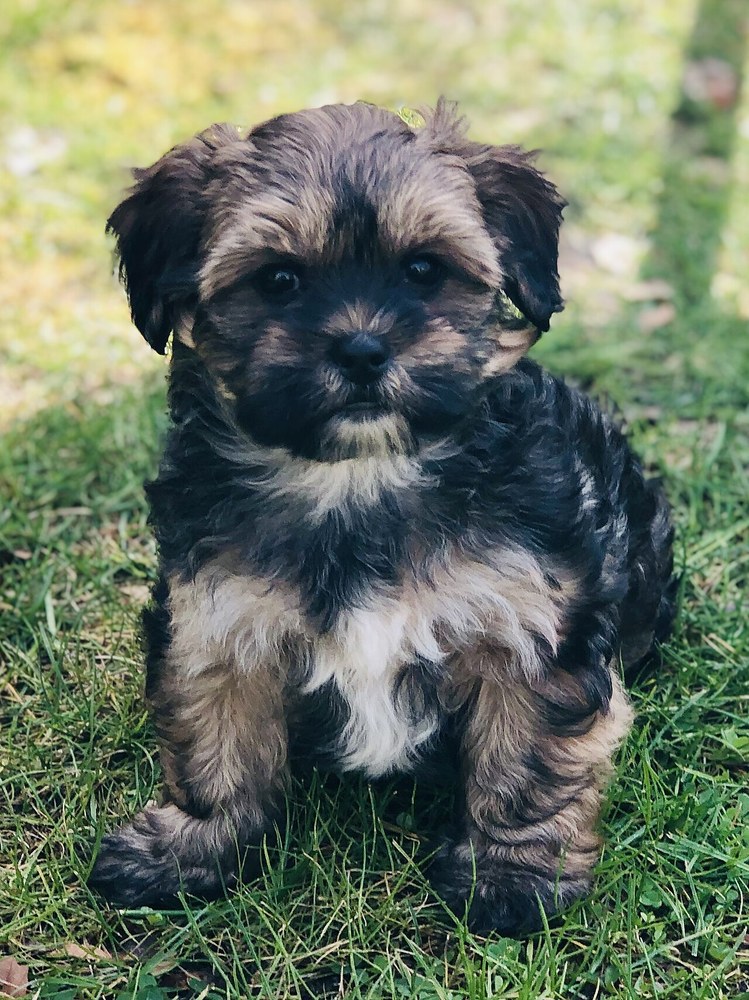
Black and white parti-coloured Russian Tsvetnaya Bolonka with a fluffy coat standing on sunny grass, head turned to the left
A black and white parti Bolonka: any colour except plain white is allowed.

What the breed was bred for

Sweet, social and a little clingy

A well-raised Bolonka is cheerful, gentle and keen to please. Most like visitors, children who are kind to them and other pets, and learn simple tricks quickly with food.

The same closeness means many of them dislike being alone, and some learn to bark or whine to get your attention. Plan for both from the first week.

  • Bond: very close
  • Strangers: friendly
  • Energy: moderate
  • Barking: some, often for attention

Public references: AKC Russian Tsvetnaya Bolonka, UKC Russian Tsvetnaya Bolonka standard, Bolonka overview.

Life together

A good Bolonka day has short walks, small games and calm time apart

Most adult Bolonkas are happy with two or three walks of 20 to 30 minutes, a few short play and trick sessions and a lot of time near their people. They tire quickly in heat and do not need long runs.

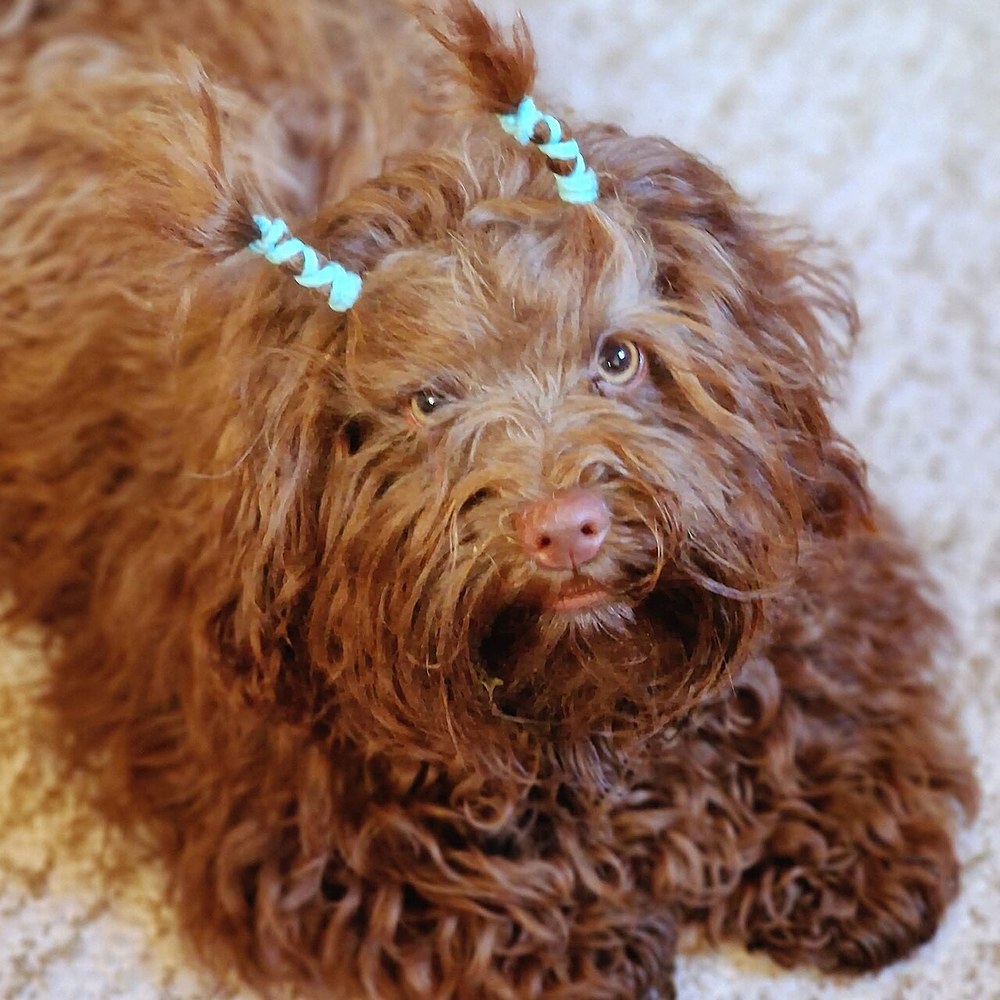
Close-up of a curly chocolate-brown Russian Tsvetnaya Bolonka with two blue clips in its fringe, lying on a white rug and looking up
Morning · coat check

Two minutes with the comb

Run a comb through the ears, armpits and back legs while the dog is calm after breakfast. Small daily checks stop the mats that turn a groomer visit into a full shave.

See brushing without a fight and chin rest.

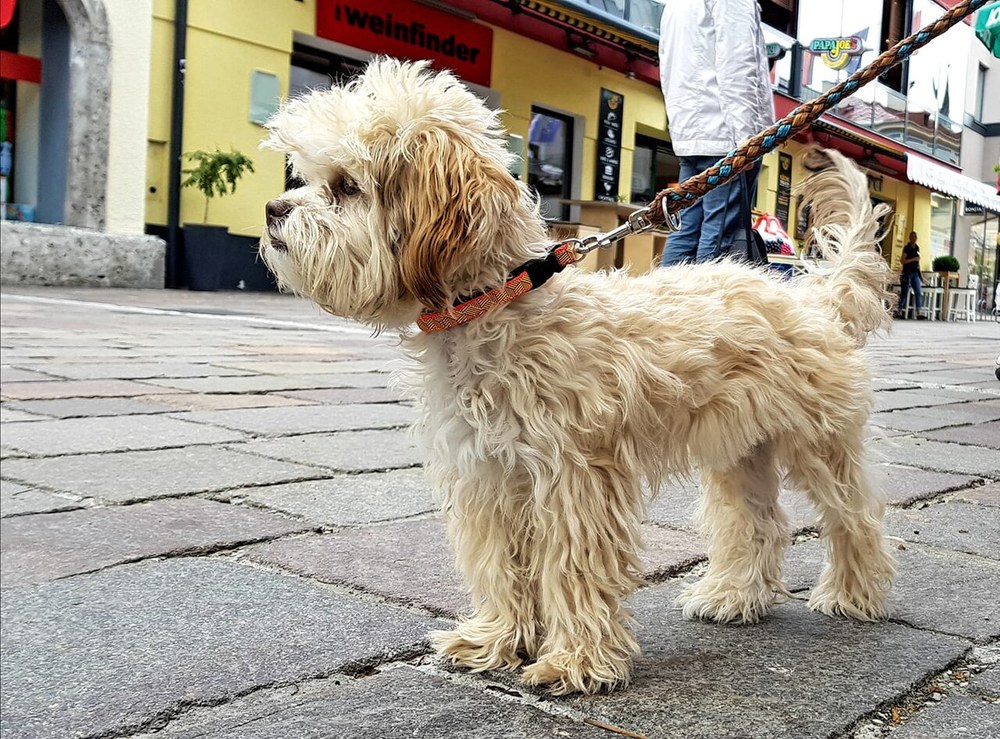
Cream Russian Tsvetnaya Bolonka male with a shaggy coat on a red lead, standing on a cobbled town street and looking up at the owner
Midday · the walk

A town walk with sniff stops

A slow walk with time to sniff does more for this dog than a long march. Let it greet calm people and dogs, and pick it up only when it truly needs help.

See loose leash walking and frustrated greeter.

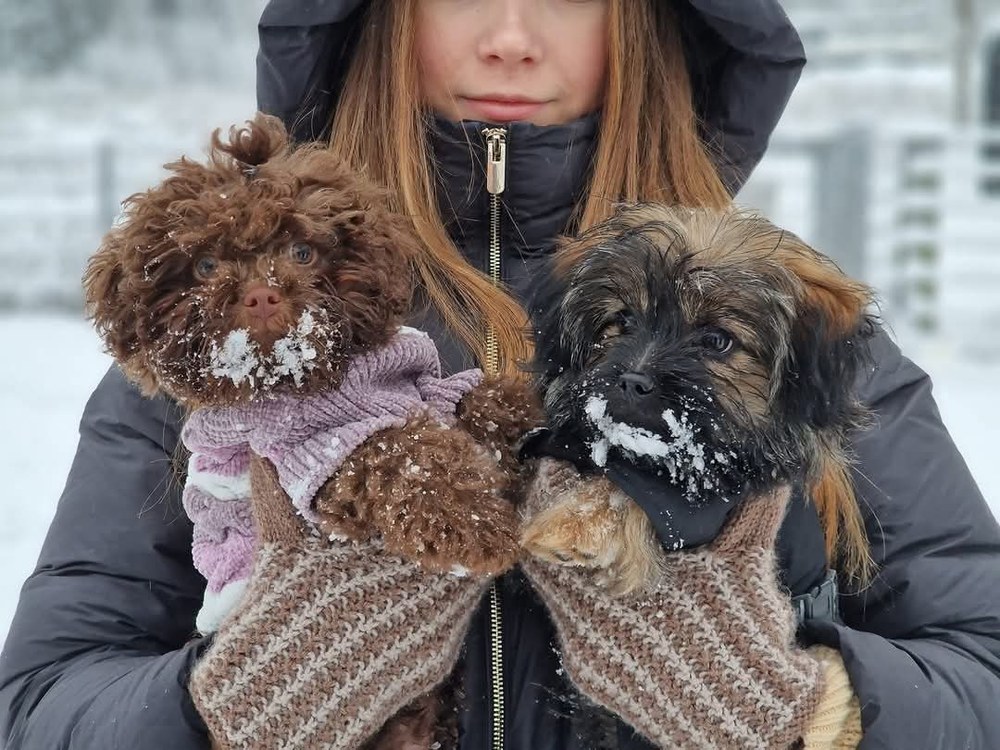
Woman in a winter coat holding two Russian Tsvetnaya Bolonka puppies in knitted jumpers, snow on their faces
Afternoon · alone time

Leave calmly, come back calmly

Start with a few minutes behind a closed door while the dog has a chew, and add time only when it stays relaxed. Skip the long goodbye and the big hello.

See first absences and how long a dog can be left alone.

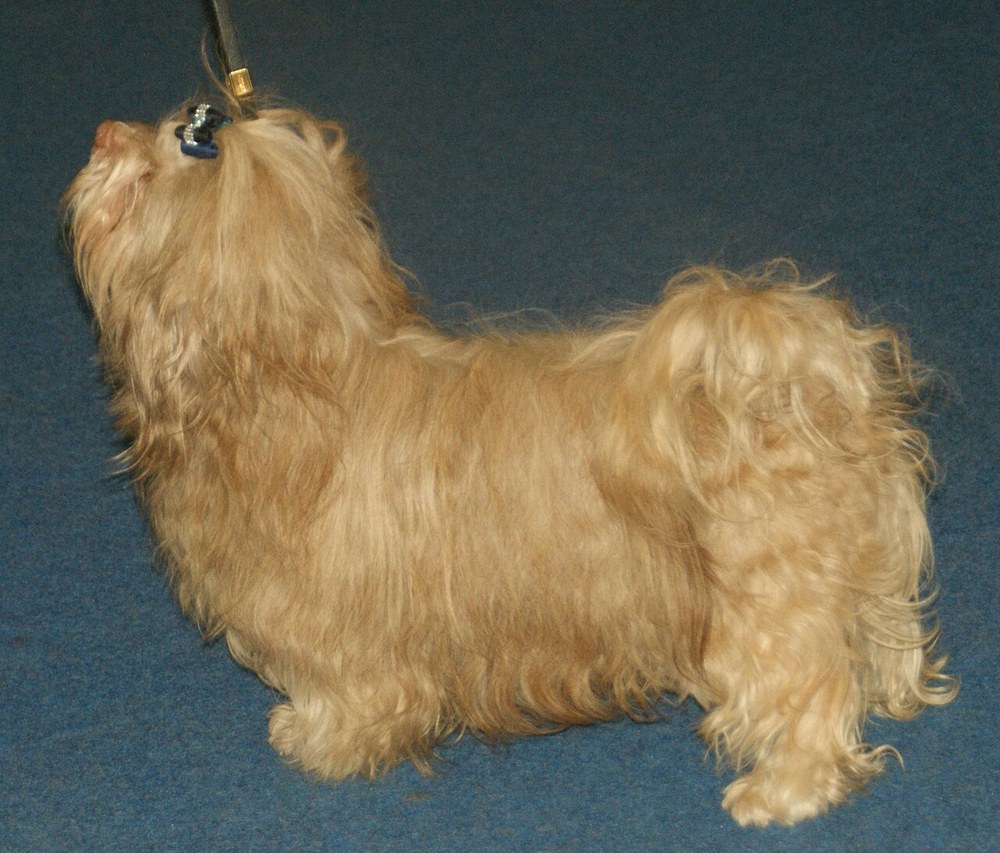
Fawn Russian Tsvetnaya Bolonka with a long straight coat standing side-on on a blue mat, looking up at its handler
Evening · tricks

A quick brain needs small jobs

Five minutes of hand targets, a spin or a find-it game with kibble uses up a surprising amount of energy. It also gives the dog a way to get your attention that is not barking.

See hand target and find it game.

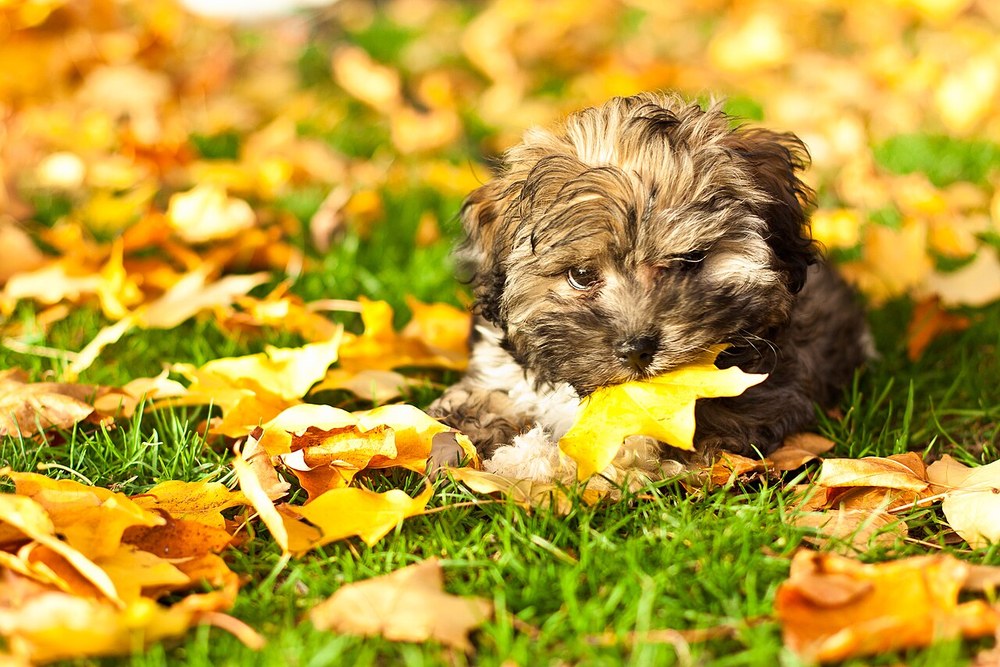
Young brown and cream Russian Tsvetnaya Bolonka lying in fallen yellow autumn leaves on a lawn
Night · last toilet trip

Small bladder, fixed times

Take the dog out last thing at night, even in rain or cold. Toy dogs often hold on poorly, and a fixed last trip keeps the rug clean.

See potty training and potty training in cold weather.

Care and health themes

What to watch monthly — not only before purchase

General awareness only. I am not a veterinarian. Bolonka owners most often notice mats behind the ears and in the armpits, hair growing over the eyes, tear staining, teeth that need regular brushing, small dogs that slip on shiny floors and a little dog that gains weight quickly from treats. For red flags, leave this page and open when to call the vet.

Mats

Comb right down to the skin several times a week, more during the change from puppy to adult coat.

Eyes and face

Keep hair out of the eyes with a clip or a short trim; ask your vet about any red or weeping eye.

Teeth

Small mouths crowd. Brush the teeth often and ask the vet to check them at every visit.

Parent checks

Ask which knee, eye and other checks the national breed club recommends for both parents, and see the paperwork.

Lines and types

Pick a breeder who raises calm, confident puppies in the house

No bloodline selling. Ask to meet the mother, ask how both parents behave with visitors and when left for a short time, look at the club-recommended health checks and ask what the puppies have already seen and heard at home.

Show and club breeding

  • Coat and size closer to the standard.
  • Often handled and groomed from birth.
  • Usually used to travel and crowds.
  • Still needs alone-time training.

Suits owners who want a predictable size and coat and may enjoy showing.

Pet and family breeding

  • Raised in a busy family home.
  • Coat type can vary more.
  • Size can vary more.
  • Ask hard questions about health checks.

Suits families who want a friendly house dog, if the breeder does the same checks.

Socialization windows

What to introduce — and what not to overload — by age

AVSAB-aligned in spirit: short, clean exposures at a distance the puppy can still eat, with hygiene while vaccines finish. See the puppy socialization schedule.

2–4 months

First weeks

Introduce: toilet trips every hour or two, food-rewarded handling and combing, a playpen or crate for rest, short calm outings, a few minutes alone.

Do not overload: carrying the puppy everywhere so it never walks or meets the world on its own feet.

~5–7 months

Coat and habits

Introduce: loose-lead walking, a quiet cue, short tricks, longer alone time, a first groomer visit.

Do not overload: picking it up every time it barks or paws at you.

~8–12 months

Adult coat

Introduce: daily combing as the puppy coat changes, calm visitors, a bed of its own at night if you want one.

Do not overload: letting mats build up until the only fix is a shave.

~1–2 years

Young adult

Introduce: longer walks, scent games, trick training or a small-dog sports class.

Do not overload: jumping off high furniture or long, hot walks.

~3 years+

Steady routine

Introduce: brushing several times a week, tooth care, weight checks, regular vet visits.

Do not overload: skipping the alone-time practice because the dog now seems fine.

Before you buy

Who a Russian Tsvetnaya Bolonka usually fits

Fit comes down to company, coat care and a calm routine.

Good match

More likely a good fit if you…

  • Someone is at home or nearby most of the day
  • You enjoy brushing and do not mind groomer visits
  • You want a small, friendly dog for a flat or house
  • You like short walks and simple trick games
  • Your children are gentle and can sit down to cuddle the dog

Mismatch risk

A Russian Tsvetnaya Bolonka may be a poor choice if…

  • The dog would be alone for a full workday most days
  • You want a running or hiking partner for long distances
  • You want a dog that needs no grooming
  • You have toddlers who may pick up or squeeze the dog
  • You need a dog that never barks for attention

If you are torn between breeds

Russian Tsvetnaya Bolonka vs Havanese and Bolognese

All three are small, soft-coated bichon-type companions that love people. The Havanese is a little bigger and sturdier, very sociable and often more playful. The Bolognese is always white, often a bit more reserved and very attached to one person. The Bolonka comes in many colours, has a wavy coat, and is usually easy-going with guests and other pets.

Colour

Russian Tsvetnaya Bolonka Any colour except plain white.

Bolognese Always white.

Size

Russian Tsvetnaya Bolonka About 20–26 cm, 2–4.5 kg.

Havanese About 22–29 cm, 3–6 kg.

Coat

Russian Tsvetnaya Bolonka Long, soft and wavy.

Havanese Long and silky, often wavy.

With strangers

Russian Tsvetnaya Bolonka Usually friendly.

Bolognese Often reserved at first.

Ownership without surprises

Where a Russian Tsvetnaya Bolonka owner’s budget goes

Costs vary a lot by country, so use these as headings for your budget rather than fixed prices.

Veterinary

A yearly check-up, the vaccines your own vet recommends, dental care and any breed club health checks.

Grooming

A trim every six to eight weeks if you keep the coat long or short, plus a good comb and slicker brush.

Gear

A light harness, a crate or playpen, a ramp for the sofa and rugs for slippery floors.

Pet sitting

This breed should not spend long days alone, so budget for a sitter or day care.

Finding a puppy

A rare breed in many countries: expect waiting lists and maybe travel.

A few minutes with the comb each day costs far less than a mat shave every spring.

Before day one at home

What to prepare for a Russian Tsvetnaya Bolonka puppy

A Bolonka puppy is cuddly, curious and very tiny. Plan toilet trips on a timetable, food-rewarded handling and combing, calm meetings with new people, short absences and plenty of sleep from the first week, and let it walk on its own feet.

If the dog is already yours

Training a Bolonka works best with food, short sessions and a steady routine

Most problems with this breed get smaller once five habits are in place: a toilet timetable, kind handling and combing, alone time built in small steps, a quiet cue and a bed or mat the dog likes to settle on.

Bolonkas learn quickly with treats and praise, and they are sensitive. A sharp voice can make one shut down or hide. Two or three short sessions a day beat one long lesson.

Watch what you reward without meaning to. If barking, pawing or whining at you always gets a cuddle, the dog will do more of it. Reward the quiet moments instead.

Load balance

Small body, careful exercise

Puppies should not jump off sofas, run up long stairs or go on long walks while they grow. Use ramps, carry it on steep stairs and see a vet about any limp or skipping step.

Sniff walk Trick game Comb check Alone practice Rest

For this breed, a short sniff walk plus a trick game often settles the dog better than an extra long walk.

A Bolonka that gets company, short games and a calm routine is usually an easy, happy little dog.

Alone time and attention barking

How to help a Bolonka cope on its own

Start with short absences while you are still at home, keep leaving and coming back calm, give a chew or puzzle toy, reward quiet rather than barking and build time up only when the dog stays relaxed.

  1. 01

    Practise at home

    Gate or playpen while you are in the room.

  2. 02

    Calm exit

    No long goodbye.

  3. 03

    Chew or puzzle

    Something good only when you leave.

  4. 04

    Reward quiet

    Not barking, pawing or whining.

  5. 05

    Add time slowly

    Only when the dog stays relaxed.

One scene close-up

Why a Bolonka finds being alone hard

This breed was made to live close to people, and many puppies have never been more than a few metres from someone. A closed door can feel like a big loss to a dog like that.

Work on it in small steps: time in a playpen while you are in the room, then a short spell behind a gate, then a few minutes out of the flat. Film the dog if you are unsure how it copes. Keep the time short enough that it stays calm.

A dog that howls, chews the door or soils the floor every time it is left should be seen by a qualified behaviour professional, after a vet has looked for pain or illness.

First absences Attention barking Destruction when left alone

Typical household scenes

Where Russian Tsvetnaya Bolonka owners most often need help

A breed page is only a starting point; the fix depends on health, environment, and the dog in front of you. Each row opens a step-by-step guide.

Andrew Darov, professional dog trainer and Dogmindlab author

Practical view

“With a Bolonka, most of my work is about calm time apart and rewarding quiet. The dog already wants to please; we just show it how.”

We look at your actual week: who is home when, walks, grooming, toilet breaks, visitors and time alone. Medical questions go to your vet; I work on behaviour.

Andrew DarovProfessional dog trainer and instructor
WhatsApp consult

Talk through your Russian Tsvetnaya Bolonka

Before we talk, note the dog's age, how long it is alone each day, when it barks or cries, how it reacts to the brush and what goes wrong first. Opens WhatsApp to Andrew.

Short answers

FAQ

Is a Russian Tsvetnaya Bolonka a good family dog?
Often yes. Bolonkas are gentle and friendly. They are small and easy to hurt, so they suit families with calm children who sit down to hold them.
Is a Bolonka a good first dog?
For many people, yes. It is friendly and quick to learn. The main work is coat care and teaching it to be alone.
Do Bolonkas bark a lot?
Some do, mostly to get attention or at the door. Rewarding quiet and having a door plan usually keeps it low.
How big does a Bolonka get?
Usually about 20–26 cm at the shoulder and about 2–4.5 kg (4.5–10 lb). The AKC lists about 11 inches and 6–9 lb.
Do Bolonkas shed?
Very little, but the coat tangles. Comb it to the skin several times a week. No dog is truly allergy-free.
Can a Bolonka be left alone?
For short periods, once it has been taught step by step. Long workdays alone are hard for this breed.
Bolonka vs Havanese: what is the difference?
The Havanese is a little bigger and sturdier. Both are friendly; the Bolonka is often a bit calmer indoors.
Bolonka vs Bolognese: what is the difference?
The Bolognese is always white and often more reserved with strangers. The Bolonka is never plain white and is usually outgoing.
Is the Bolonka the same as the Bolonka Zwetna?
Yes. Bolonka Zwetna is the German name for the same coloured breed. The white Franzuskaya Bolonka is a separate breed.
How much exercise does a Bolonka need?
About 45–60 minutes a day, split into short walks and a few play or trick sessions.
What health themes should I ask about?
Ask the breeder which knee, eye and other checks the national breed club recommends for both parents. This is general awareness, not a diagnosis.
How long do Bolonkas live?
Breed sources usually quote about 12–16 years, and the AKC gives a wider range. Every dog is different.

If a Bolonka sounds like the wrong fit

The teddy-bear face and the soft coat win many hearts. The coat care and the need for company are what to weigh before you choose.

Havanese

A cheerful Cuban companion with a silky coat that loves people and needs company, brushing and patient house training.

Bolognese

A calm, devoted white bichon from Bologna. Gentle and often shy with strangers; needs time alone taught early, gentle socialization and regular brushing.

Cavalier King Charles Spaniel

An equally affectionate small dog with a silky coat that is quicker to brush, and a little more keen on longer walks.

More Toy group breeds

Other guides from the same group in the breed library. Same group does not mean same dog: read the fit and the failure modes, not only the outline.

Shih Tzu

A friendly, long-coated companion from the Chinese court that needs regular grooming, house training and care in heat.

Silky Terrier

A toy-sized Australian terrier with Yorkie looks and real terrier drive: alert, bold and affectionate. Needs a barking plan, a long line and a daily comb.

Volpino Italiano

A small, fox-faced Italian spitz, usually white or red. Lively and loving with its family, wary of strangers and quick to sound the alarm.

Yorkshire Terrier

A tiny, bold terrier from northern England with a silky coat that needs calm door routines, grooming and house training.

Affenpinscher

A bold German toy with terrier spirit. Needs door manners, face-care handling and small-dog rules that still apply at toy size.

Biewer Terrier

A cheerful tricolour toy from Germany, related to the Yorkshire Terrier. Affectionate and playful; needs a toilet plan, gentle training and regular coat care.

Training problems Russian Tsvetnaya Bolonka owners ask about

Step-by-step guides for the issues that come up most with this kind of dog.

Need a read on your exact situation?

Send me a short message about your Bolonka: its age, how long it is alone, when it barks or cries, how grooming goes and what goes wrong first. We check for health issues first, then choose one skill to start with.

Enlarged breed photo