Volpino Italiano: temperament, barking, coat care and training a small Italian spitz
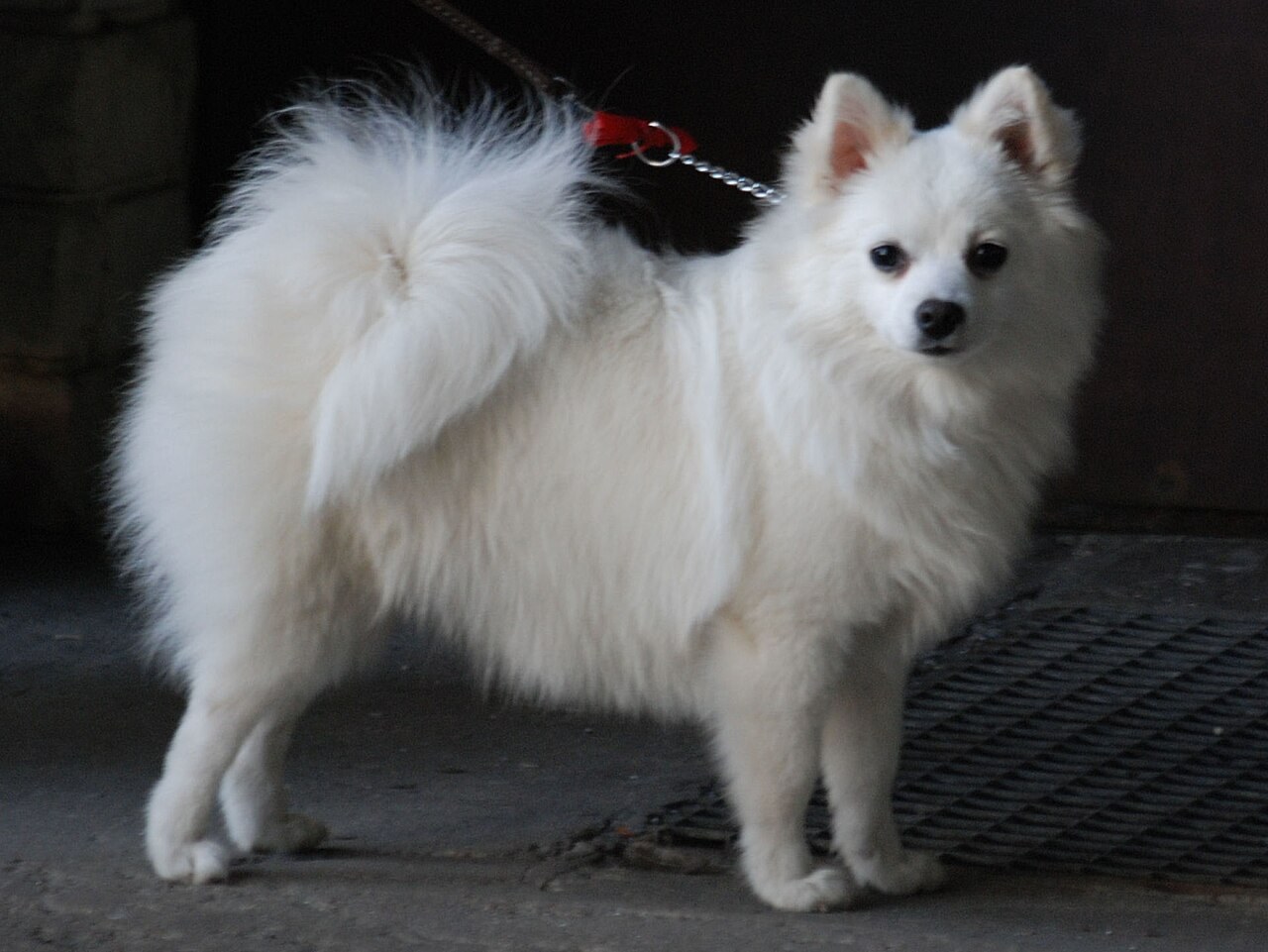
The Volpino Italiano is a small Italian spitz with a fox-like face, a stand-off coat and a tail curled over its back. For centuries it was the alarm bell of Tuscan carts and farmyards, and it still notices everything. At home a Volpino is lively, playful and devoted to its family; at the window or the gate it can be loud. It is tougher and more active than its size suggests, learns quickly and gets bored quickly. Plan for a door routine, a quiet cue, daily walks with sniffing and weekly brushing of a coat that sheds.
Job: A small European spitz, usually white or red, also black and other colours in some countries; FCI Group 5 (FCI 195), AKC Foundation Stock Service.
Energy: Lively, affectionate with its family and quick to raise the alarm at sounds and strangers.
Home: Suits an owner who is happy to teach calm at the door, enjoys short training games and does not mind a dog with plenty to say.
A Volpino does not miss much. A delivery van, a cat on the wall, a neighbour on the stairs: each one gets announced. That alertness made it useful to carters and farmers long before it became a pet.
Most calls I get about the breed are about noise. A young dog that barks at every sound from the hallway, spins and yaps on the lead when it sees another dog, or will not let guests sit down without a running commentary.
What helps is giving that watchful brain a plan. A spot to go to when the doorbell rings, a reward for one bark and then quiet, walks with real sniffing time, short training games and less view of the street from the sofa. A Volpino that knows its job is a cheerful, sweet and very loyal little dog.
FCI: males 27–30 cm, females 25–28 cm at the shoulder
Weight
Usually about 4–5 kg (9–11 lb)
Energy
Moderate to high
Coat / shed
Long, dense stand-off double coat that forms a ruff around the neck; sheds steadily and more in spring and autumn. Colours are solid white and solid red in the classic standard; black and champagne are also seen
Job
Watchdog and companion for Tuscan carters, farmers and city households, valued for raising the alarm at anything unusual
Temperament in one minute
Volpino Italiano temperament: what they are like at home
Short answer: Volpino Italianos are small Italian spitz dogs, usually white or red, with a fox-like face and a full stand-off coat. They are lively, playful and very affectionate with their family, wary of strangers at first and quick to bark at sounds and passers-by. They need about an hour of activity a day, short training games, weekly brushing and a clear plan for the door and the window.
Are Volpinos affectionate?
Very, with their own people. Teach short absences early.
The common four are door barking, night barking, yapping at dogs on walks and fussing at brushing. The list below links a guide for each.
Living with a Volpino in an apartment
Possible and common, as long as the barking at the door and hallway is worked on.
Breed history
From Florentine carts to near extinction and back
A small spitz kept for its sharp ears, its loyalty and its voice.
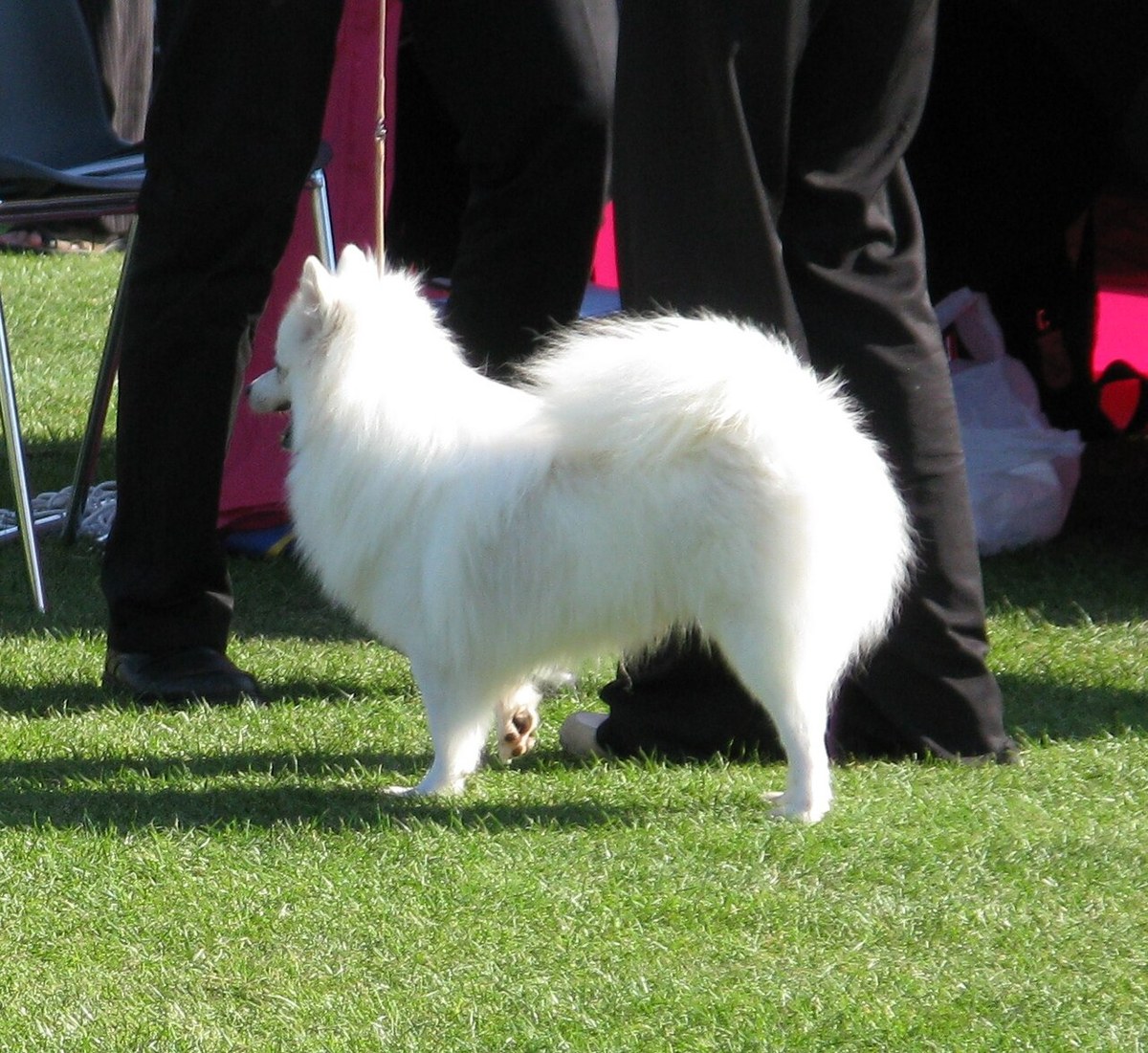
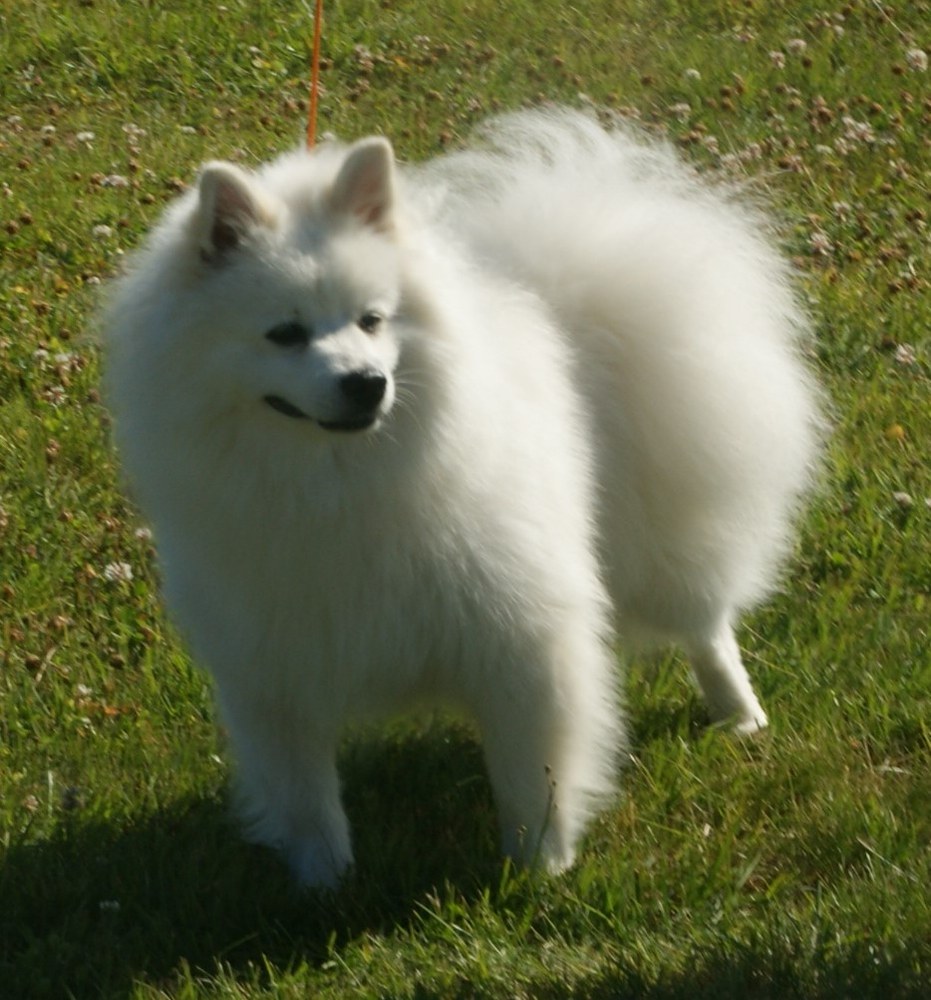
A white Volpino from a Danish kennel out on the grass: the breed now has small followings across Europe.
Renaissance to 1900s
The carter's alarm
Small spitz dogs much like the Volpino appear in Italian paintings from around 1500. By the eighteenth and nineteenth centuries the type was common in Tuscany, where it was called the Cane di Firenze, and in Lazio, where it was known as the Cane del Quirinale.
Carters and farmers kept these dogs because they barked at anything strange. A small dog on a cart or in a farmyard would warn of a thief and wake the larger guard dogs.
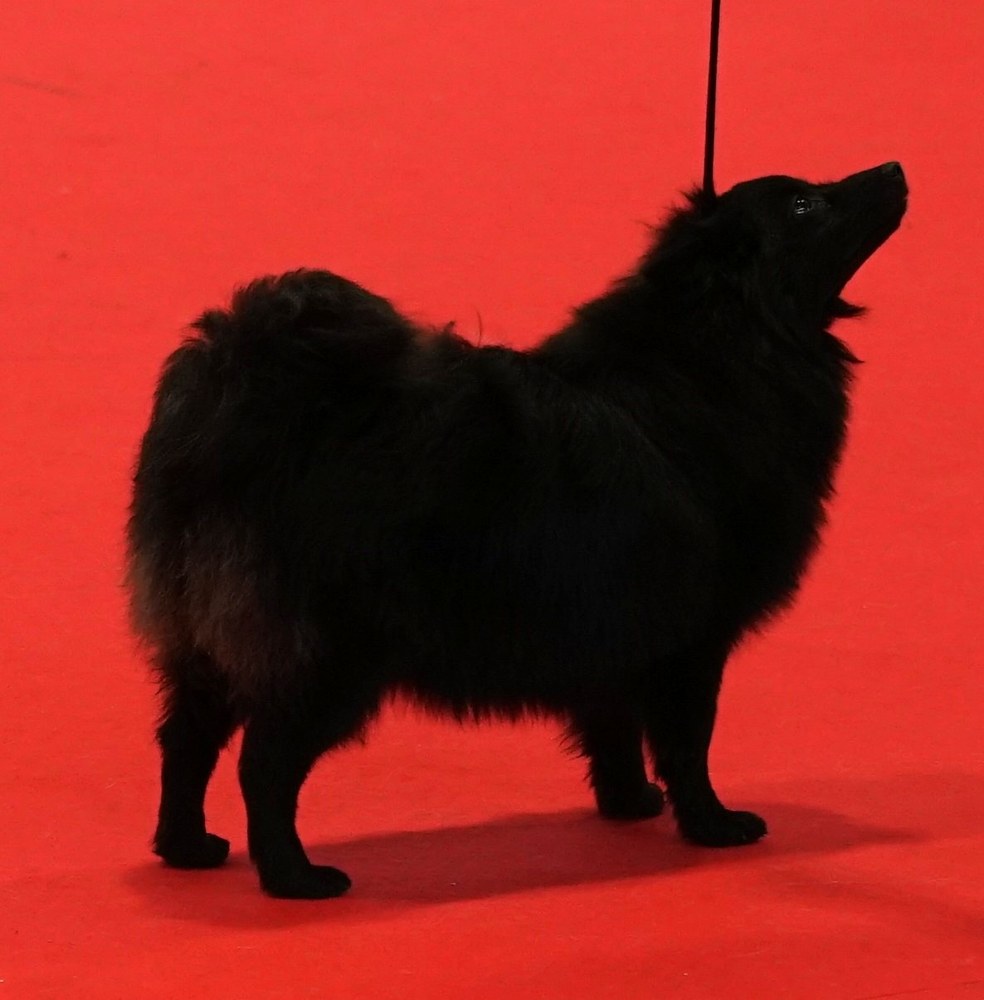
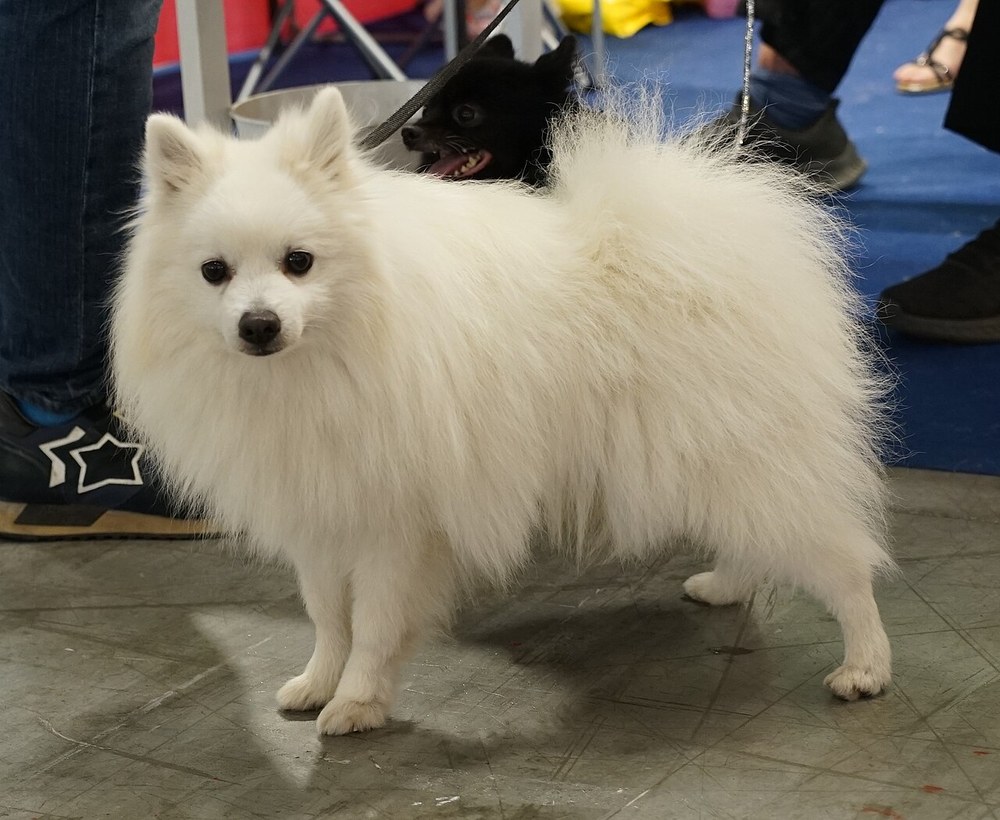
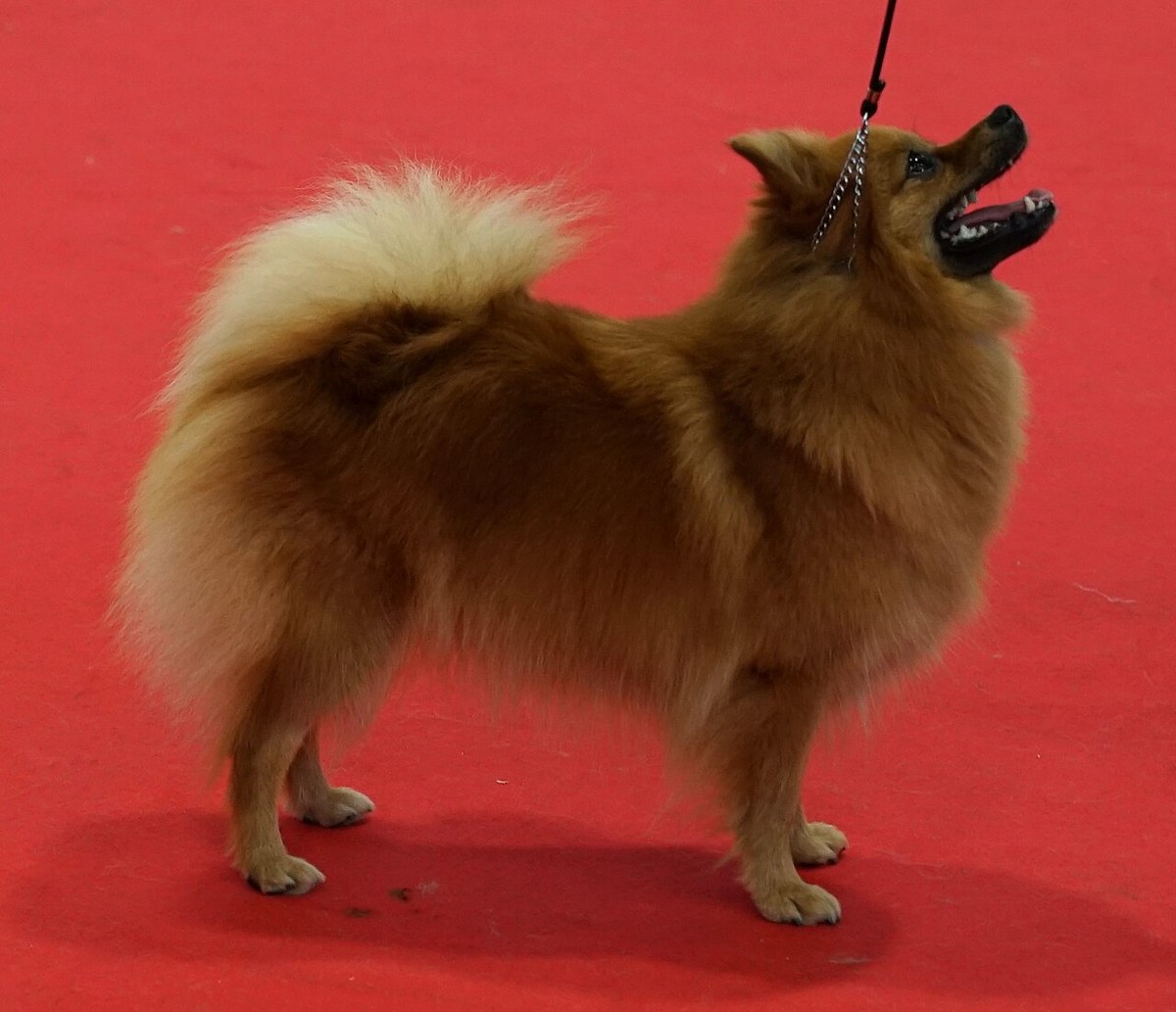
A black Volpino in the show ring: white and red are the classic colours, but other colours are now accepted.
From 1913
Almost lost, then saved
The Italian kennel club drew up the first standard in 1913, and the FCI accepted the breed in 1956. Even so, by the 1960s the Volpino had almost disappeared. A few dogs were found in 1968, and registrations started again in 1972.
Today it is still a rare breed, with a few hundred puppies registered in Italy each year and small groups of breeders in other countries. The AKC records it in its Foundation Stock Service.
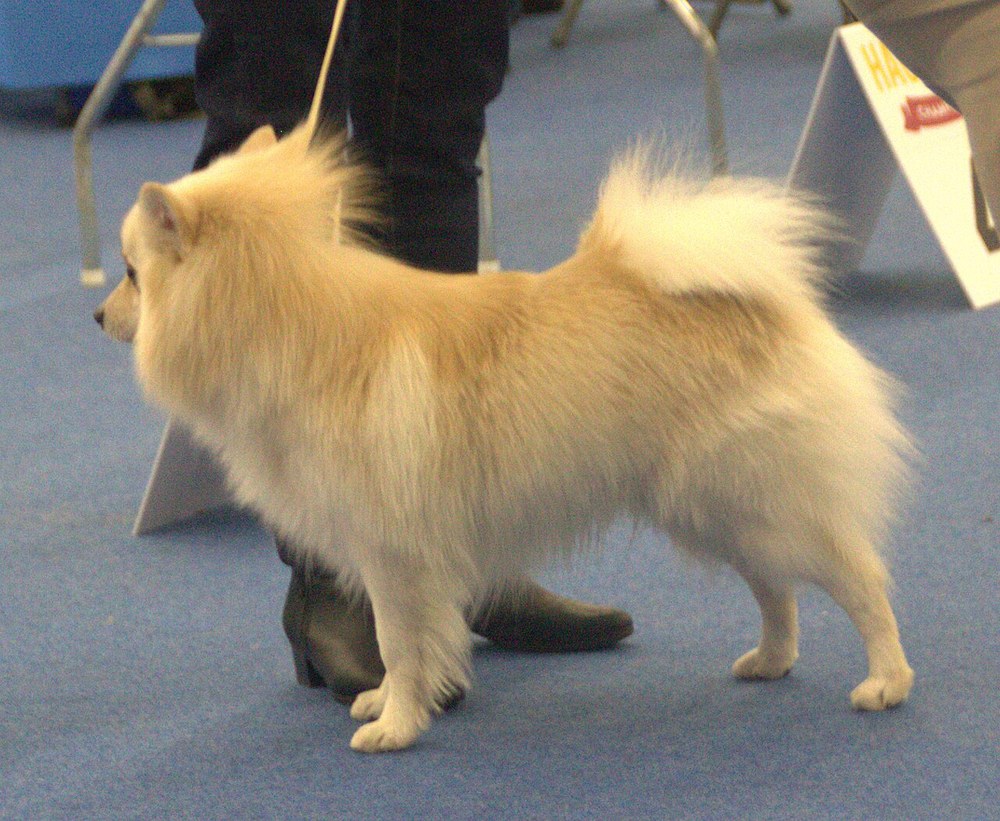
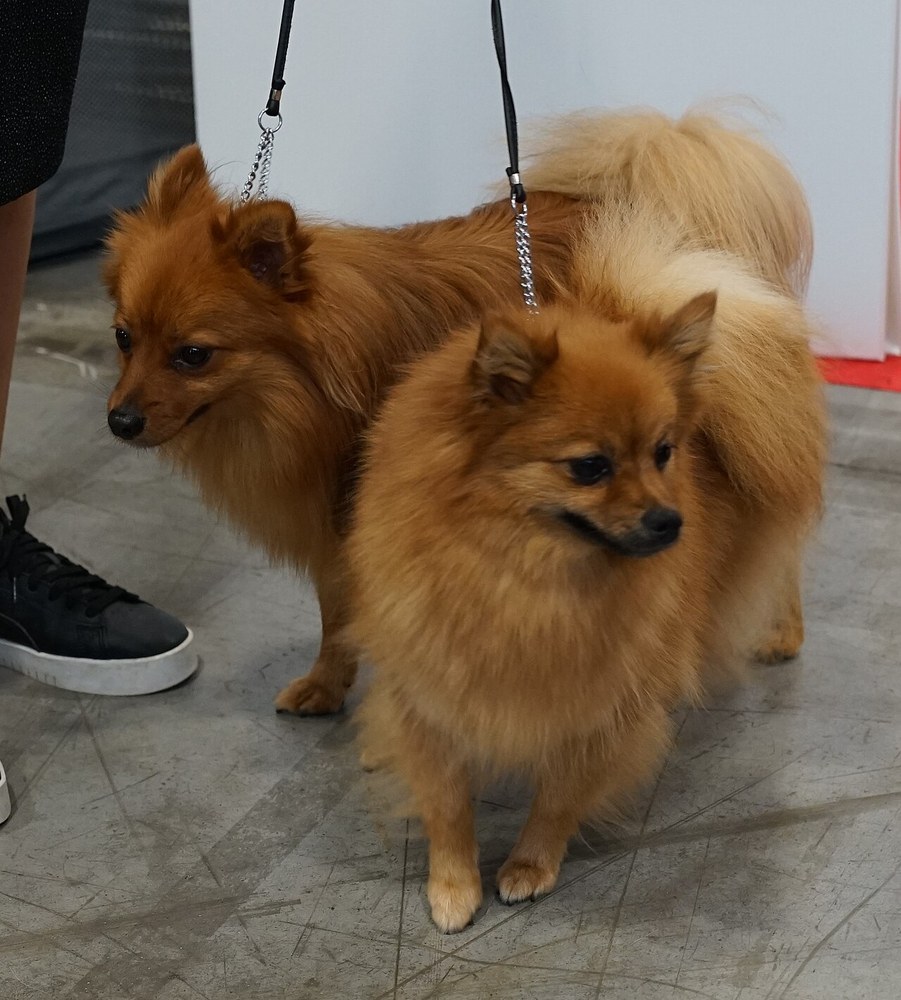
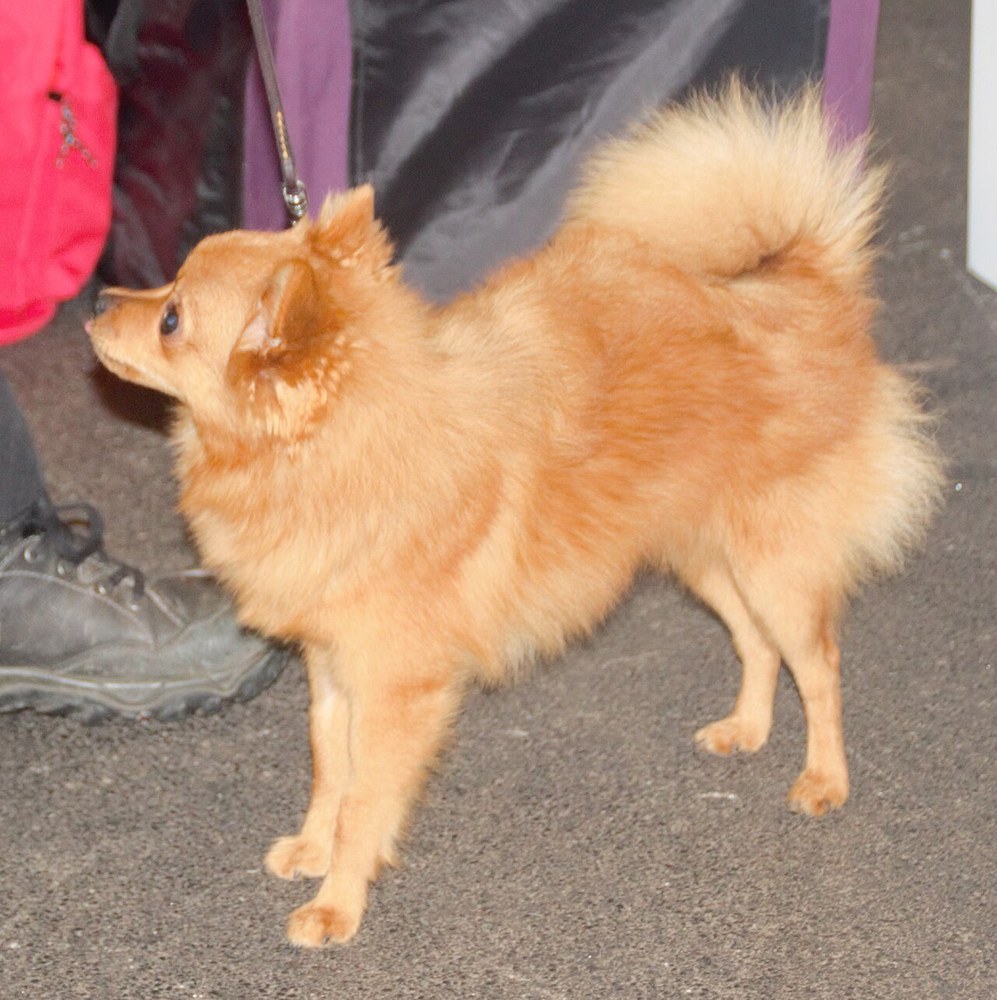
A champagne Volpino at an indoor show: the same spitz outline in a softer colour.
What the breed was bred for
Bright, busy and close to its people
A well-raised Volpino is cheerful, playful and very affectionate with its family. Many love learning tricks and do well in dog sports such as agility and scent work.
It is also quick to bark, wary of strangers at first and can be bossy with bigger dogs. Plan the door, the window and dog meetings early.
A good Volpino day has sniffing, a small job and quiet at the window
Most adult Volpinos need about an hour of activity a day: one longer walk with time to sniff, a shorter one and a couple of training or play sessions. A dog that gets this is far quieter at home.
Morning · the walk
Let the nose work first
Start the day with a slow walk where the dog can sniff hedges and corners. A Volpino that has checked the neighbourhood with its nose is less likely to shout about it from the window later.
Meet other dogs at a distance first and reward calm looks. Many small spitz dogs yap at big dogs because they feel crowded, not because they are brave.
Block the view of the street with window film or a closed door, and leave a chew or food puzzle. Alone time should be dull and quiet, not a guard shift.
Let the dog bark once when the bell rings, thank it, then send it to its bed for a treat. Practise with family ringing the bell before real guests arrive.
Close the curtains, run a fan or soft music to cover outside noise and give a chew at bedtime. Night barking often drops once the dog cannot hear every footstep in the hall.
General awareness only. I am not a veterinarian. Volpino owners most often notice a big coat drop in spring and autumn, knots behind the ears and in the trousers, teeth that need regular brushing, a small dog that jumps off furniture and weight that creeps up with treats. For red flags, leave this page and open
when to call the vet.
Shedding seasons
Twice a year the undercoat comes out. Brush every day for those weeks with a slicker and a comb.
No shaving
Do not shave the coat short; it protects the dog from heat and cold and may grow back badly.
Teeth
Brush the teeth often; small dogs need extra dental care.
Parent checks
Ask which eye, knee and other checks the national breed club recommends for both parents, and see the paperwork.
Pick a breeder who raises relaxed puppies in an ordinary home
No bloodline selling. Volpino litters are few, so plan ahead. Ask to meet the mother, ask how both parents behave with visitors, at the door and with other dogs, look at the club-recommended health checks and ask what household sounds the puppies already know.
Italian and show breeding
Closer to the classic white or red type.
Often well used to grooming and travel.
Still alert and vocal.
Ask how the parents are at home, not just in the ring.
Suits owners who want a typical Volpino and may enjoy shows.
Sport and companion breeding
Often raised with children and other pets.
Colours beyond white and red may appear.
Often keen on tricks and agility.
Same need for a door and window plan.
Suits active households that want a small, keen training partner.
Socialization windows
What to introduce — and what not to overload — by age
AVSAB-aligned in spirit: short, clean exposures at a distance the puppy can still eat,
with hygiene while vaccines finish. See the
puppy socialization schedule.
2–4 months
First weeks
Introduce: food-rewarded handling and brushing, a toilet routine, calm outings, normal home sounds, people who let the puppy come to them, a few minutes alone.
Do not overload: letting it bark at the window all day while you are out.
~5–7 months
Finding its voice
Introduce: a quiet cue, a bed to go to when the bell rings, loose-lead walking, calm dog meetings at a distance.
Do not overload: shouting at it to stop barking; it sounds like you are joining in.
~8–18 months
Teenage test
Introduce: visitors in the house, longer alone time, the first big coat drop, trick and scent games.
Do not overload: free-for-all play with much bigger dogs.
~2 years
Young adult
Introduce: agility, scent work or a trick class, longer walks and hikes.
Do not overload: leaving it alone in the garden where it can bark at passers-by.
~3 years+
Steady routine
Introduce: daily walks, brushing, tooth care, weight checks, regular vet visits.
Do not overload: giving up the door routine because the dog seems older.
Before you buy
Who a Volpino Italiano usually fits
Fit comes down to noise, time and a calm, patient hand.
Good match
More likely a good fit if you…
You are fine with a dog that barks at real news
You enjoy short training games every day
You want a small dog that still likes long walks
Someone is home for much of the day
You are happy to brush a full coat every week
Mismatch risk
A Volpino Italiano may be a poor choice if…
You live with thin walls and strict neighbours
You want a dog that is silent at the door
You want a dog that never sheds
The dog would be alone all day facing the street
You have toddlers who may grab or chase it
If you are torn between breeds
Volpino Italiano vs German Spitz and Pomeranian
All three are small European spitz dogs with stand-off coats and curled tails. The Pomeranian is the smallest and the most toy-like, often fragile and very vocal. The German Spitz comes in several sizes and many colours and is a classic watchdog. The Volpino is close in size to a small German Spitz, usually white or red, and is often a little leggier and more of a working-farm dog in spirit.
Size
Volpino Italiano
About 25–30 cm.
Pomeranian
About 18–24 cm.
Weight
Volpino Italiano
Usually about 4–5 kg.
Pomeranian
Usually about 2–3.5 kg.
Colour
Volpino Italiano
Mostly white or red.
German Spitz
Many colours.
Rarity
Volpino Italiano
Rare outside Italy.
German Spitz
Common in much of Europe.
Ownership without surprises
Where a Volpino Italiano owner’s budget goes
Costs vary a lot by country, so use these as headings for your budget rather than fixed prices.
Veterinary
A yearly check-up, the vaccines your own vet recommends, dental care and any breed club health checks.
Grooming
A slicker brush, a metal comb and maybe a groomer for a bath and tidy in shedding season.
Gear
A light harness, a lead, a crate or playpen, a ramp and window film for the main lookout spot.
Classes
A puppy class and maybe a trick, agility or scent class later.
Finding a puppy
A rare breed: expect waiting lists and maybe travel or import costs.
A strip of window film and a bed by the door cost less than most complaints from the neighbours.
Before day one at home
What to prepare for a Volpino Italiano puppy
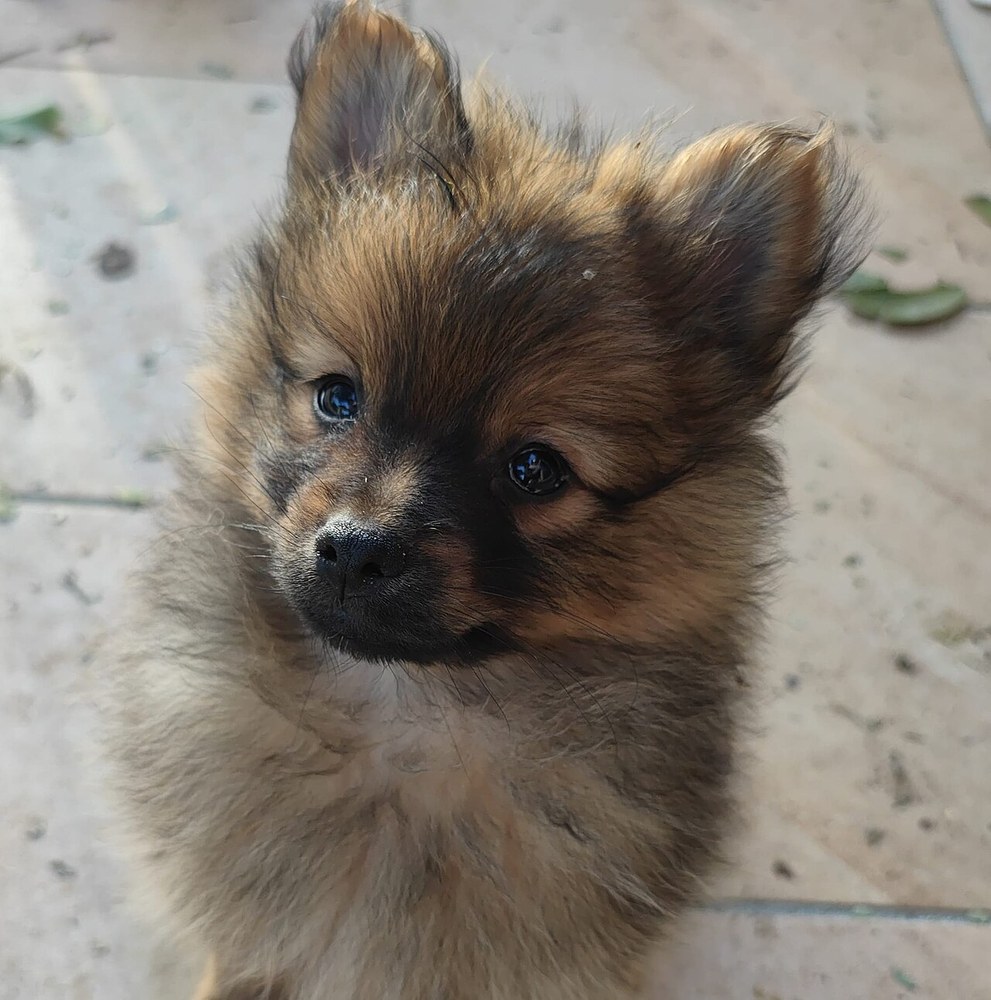
A Volpino puppy is bright, bold and noisy for its size. Plan food-rewarded handling and brushing, calm outings, a few minutes alone, ordinary home sounds and a quiet cue from the first week, and keep the view of the street small.
Training a Volpino works best with clear routines, short games and rewards for quiet
Most problems with this breed get smaller once five habits are in place: a bed to go to when the bell rings, a quiet cue, less view of the street, calm dog meetings at a distance and short daily training games.
Volpinos learn fast and love to work for food and play, but they switch off with long, repetitive drills. Three minutes of tricks, a break and three more minutes work better than a twenty-minute session.
Barking is part of the breed, so aim for less, not none. One or two barks, then quiet and a treat, is a fair goal for most homes.
Load balance
Small dog, real exercise
Young dogs should not jump off sofas or go on long runs while they grow. Build up walks slowly and see a vet about any limp or skipping step.
Sniff walkTrick gameDoor practiceCalm chewRest
For this breed, a sniff walk plus a short training game often settles the dog better than an extra long walk.
A Volpino with a door routine, some brain work and less to watch out of the window is usually a happy, easy dog.
Barking at the door and window
How to turn down a Volpino's alarm bell
Limit the view of the street, teach a bed spot for the doorbell, reward one bark and then quiet, practise with friendly fake visitors and give the dog a chew to settle with once guests are in.
01
Less to watch
Cover the lookout windows.
02
Bed spot
A place to go when the bell rings.
03
One bark, then quiet
Reward the quiet.
04
Fake visitors
Family rings the bell for practice.
05
Chew to settle
Once guests are in.
One scene close-up
Why a Volpino barks at everything
For centuries this dog's job was to raise the alarm on carts and farms. A sound in the hall or a stranger at the gate is exactly what it was kept for.
Manage first: cover the lookout windows, close doors to the front of the house and do not leave the dog in the garden alone. Then teach a quiet cue and a bed spot step by step, starting with family ringing the bell, and reward calm every time.
A dog that snaps at guests, panics when left or attacks other dogs should be seen by a qualified behaviour professional, after a vet has looked for pain.
Before we talk, note the dog's age, what sets off the barking, where it watches from, how it is with guests and other dogs, and what goes wrong first. Opens WhatsApp to Andrew.
A lively German watchdog in small and medium sizes: devoted, clever, wary of strangers and a keen barker. Needs a barking plan, brushing and short daily training.
A cheerful tricolour toy from Germany, related to the Yorkshire Terrier. Affectionate and playful; needs a toilet plan, gentle training and regular coat care.
A calm, devoted white bichon from Bologna. Gentle and often shy with strangers; needs time alone taught early, gentle socialization and regular brushing.
Dog barking for attention during calls, on the sofa or at dinner? Stop answering the bark, teach a quiet way to ask, and plan attention before it starts.
Puppy only sleeps on you? Move naps to a pen or crate in small steps. Contact naps are fine early; build a second option so rest works without your lap.
Need a read on your exact situation?
Send me a short message about your Volpino: its age, what sets off the barking, where it watches from, how it is with guests and other dogs, and what goes wrong first. We check for health issues first, then choose one skill to start with.