dogmindlab
Work with me

Yorkshire Terrier · Toy

Yorkshire Terrier: temperament, training & handling

The Yorkshire Terrier is a tiny terrier from northern England with a long, silky blue-and-tan coat. Most are bold, lively and affectionate. Life goes well with calm door routines, regular grooming, patient house training and safe meetings with bigger dogs.

  • Job: Yorkshire ratter turned lapdog — bold and lively.
  • Energy: Moderate; walks, scent games and play.
  • Home: Needs grooming and a plan for barking.
WhatsApp consult

First, the point

A Yorkie is a bold toy terrier that still needs real manners training

Public breed histories describe a 19th-century ratter from Yorkshire that became a Victorian lapdog.

Most Yorkies are confident and loving. The challenges are barking, house training, boldness and coat care.

From the first weeks, teach handling, brushing, toilet routines and calm door manners.

Talk through your situation

Height
7–8 in (18–20 cm)
Weight
Up to 7 lb (3.2 kg) typical show outline
Energy
Moderate
Coat / shed
Silky coat — mats; often kept in a pet clip
Job
Yorkshire ratter turned companion

Breed history

From Yorkshire mills to Victorian laps

History does not decide what one puppy becomes, but it explains a lot: most Yorkshire Terriers are bold, lively and affectionate — tiny terriers with big confidence and a silky coat.

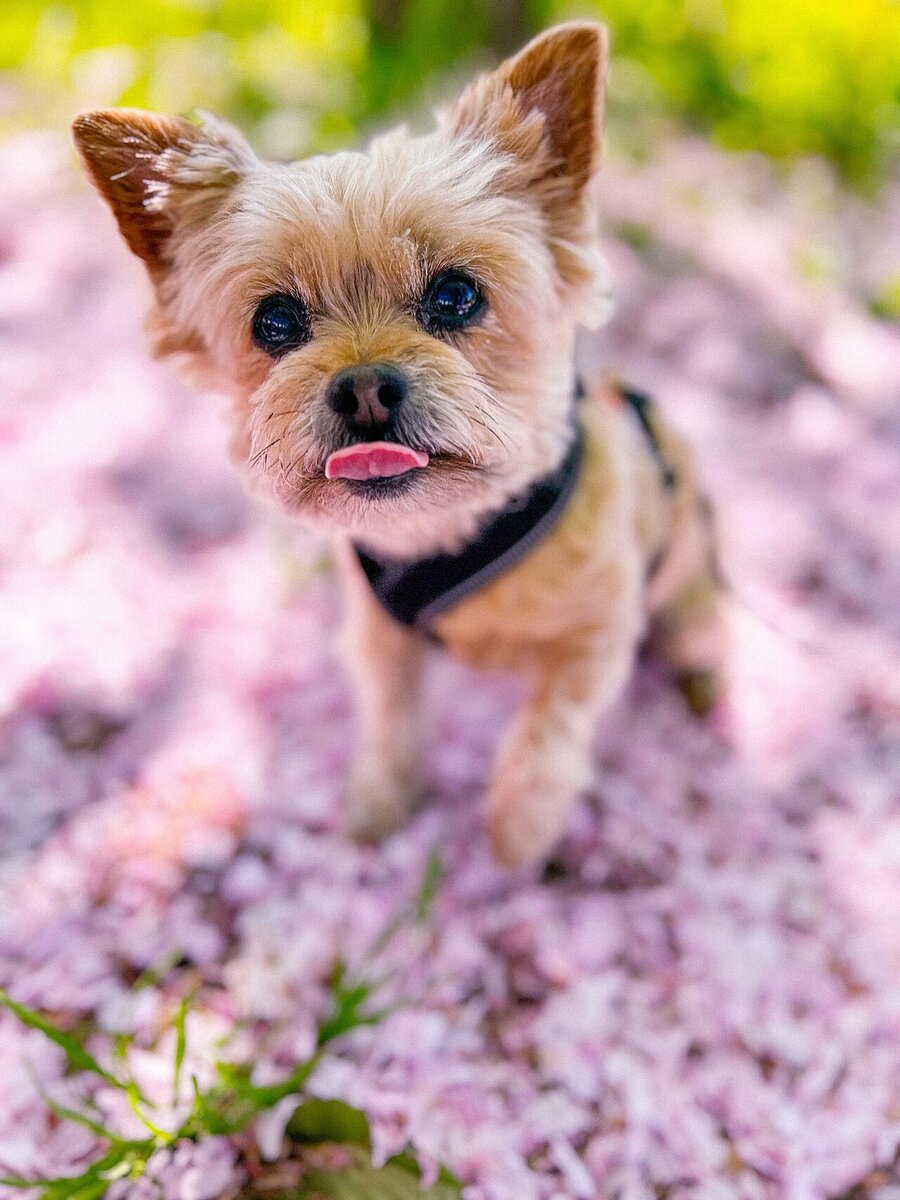
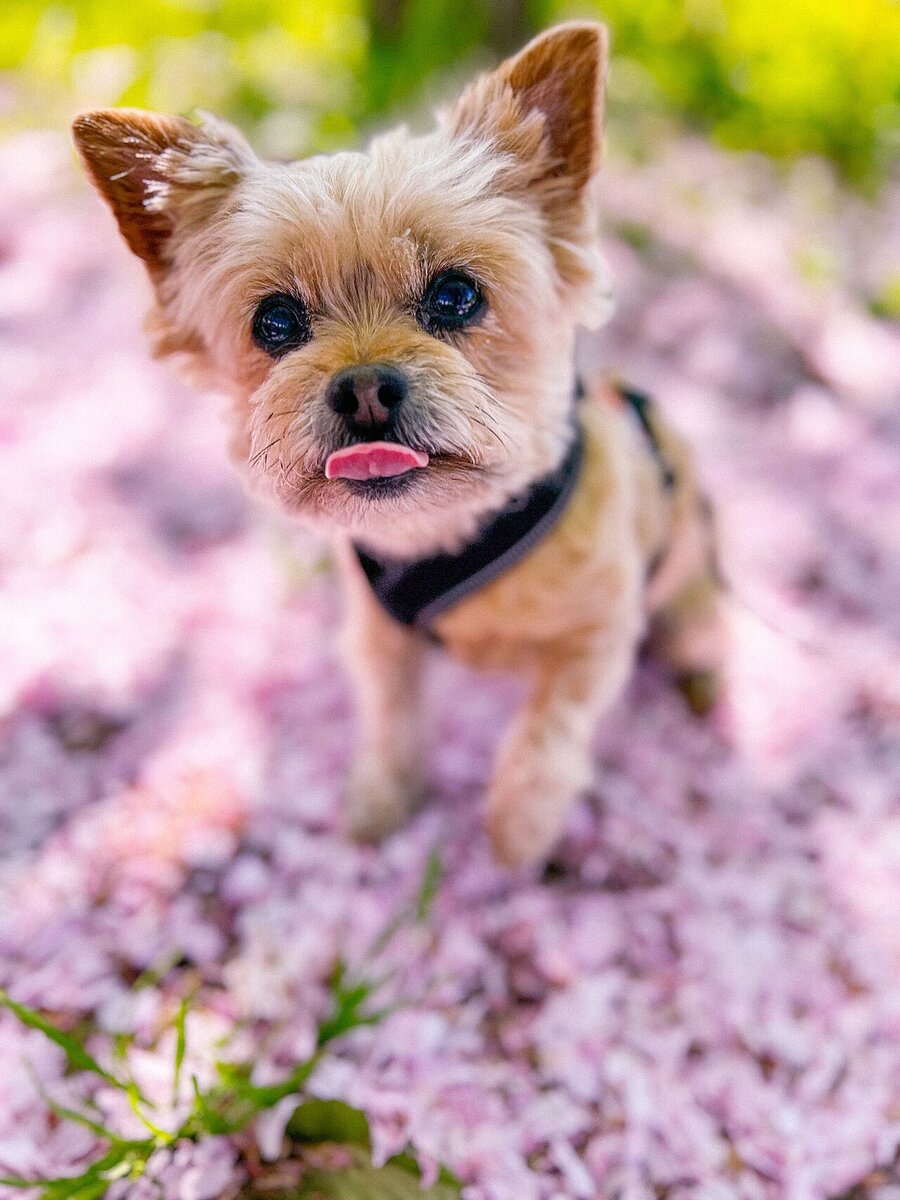
A Yorkshire Terrier among cherry blossoms (modern photograph). Under the silky coat is a real terrier.

Northern England → ratter

A working-class terrier

Public breed histories describe the Yorkshire Terrier developed in 19th-century Yorkshire and Lancashire from small terriers brought by Scottish workers. Early dogs caught rats in mills and mines.

That terrier background explains the boldness, alertness and quick reactions in a tiny body.

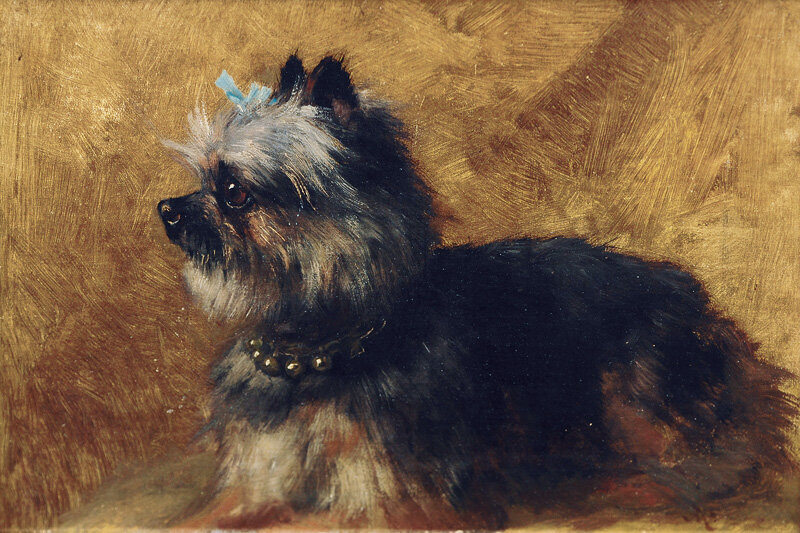
Painting of a Yorkshire Terrier lying down by Henriette Ronner
A Yorkshire Terrier painted by Henriette Ronner-Knip (19th century). The silky coat was already prized.

Show ring → fashionable lapdog

A Victorian star

A dog called Huddersfield Ben is often named as an influential early sire. Shows and Victorian fashion made the Yorkie a favourite lapdog.

Today Yorkies are among the most popular toy breeds. Meet the parents and see their confidence and barking.

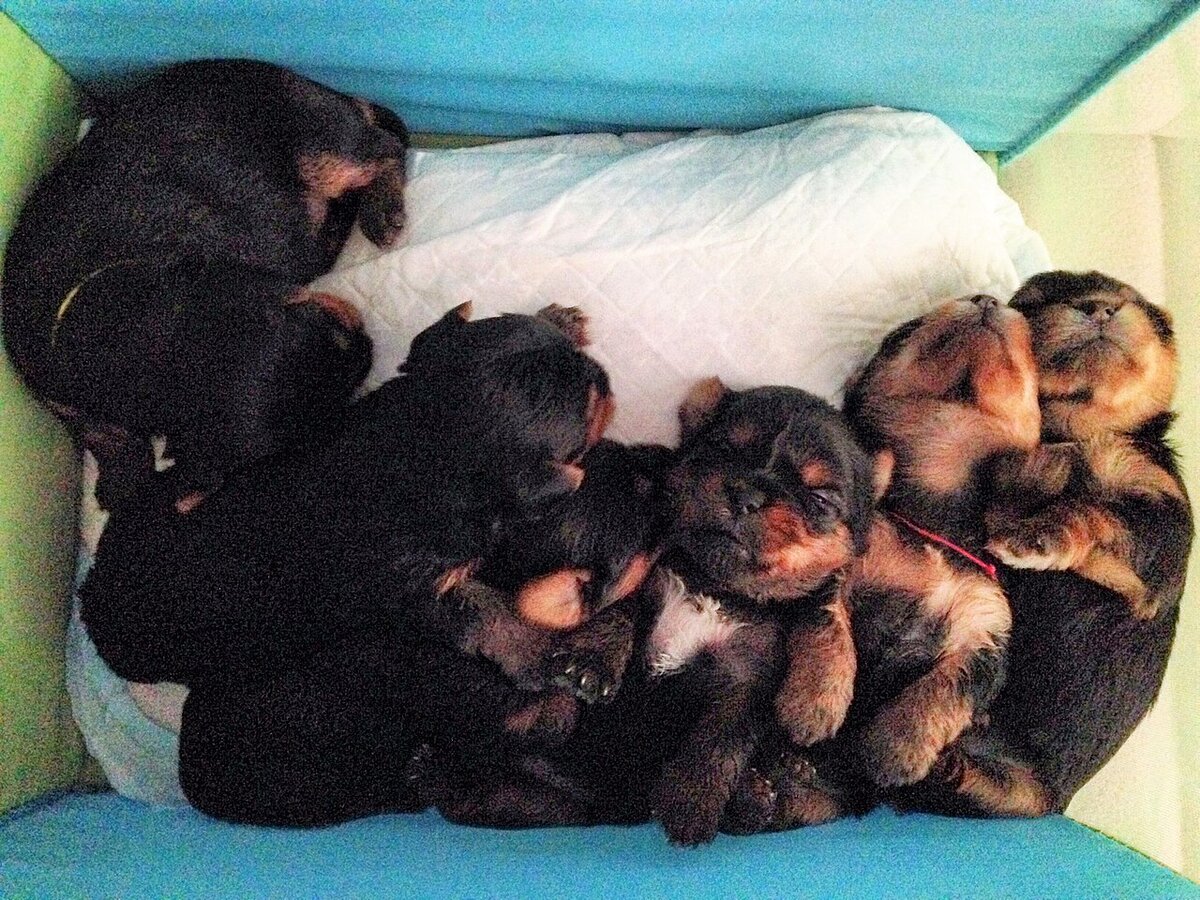
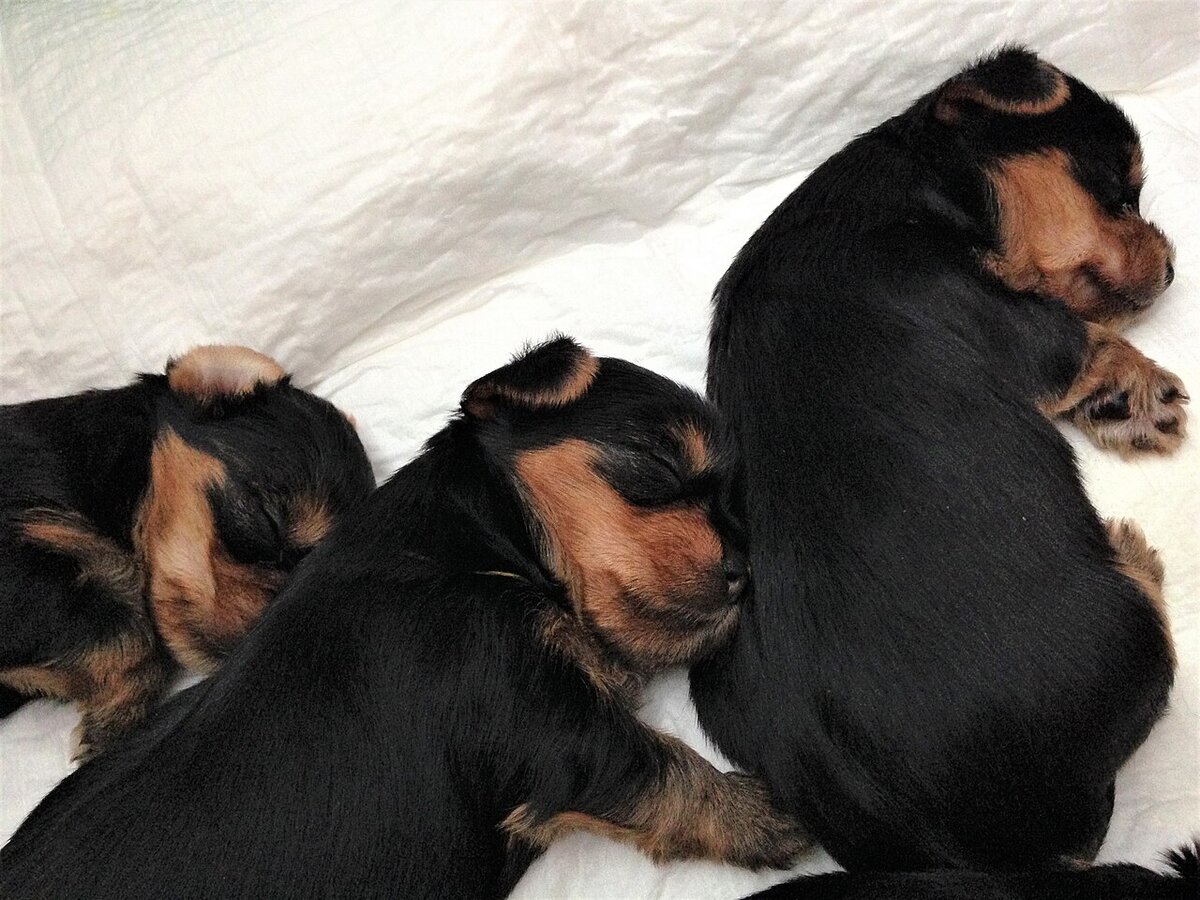
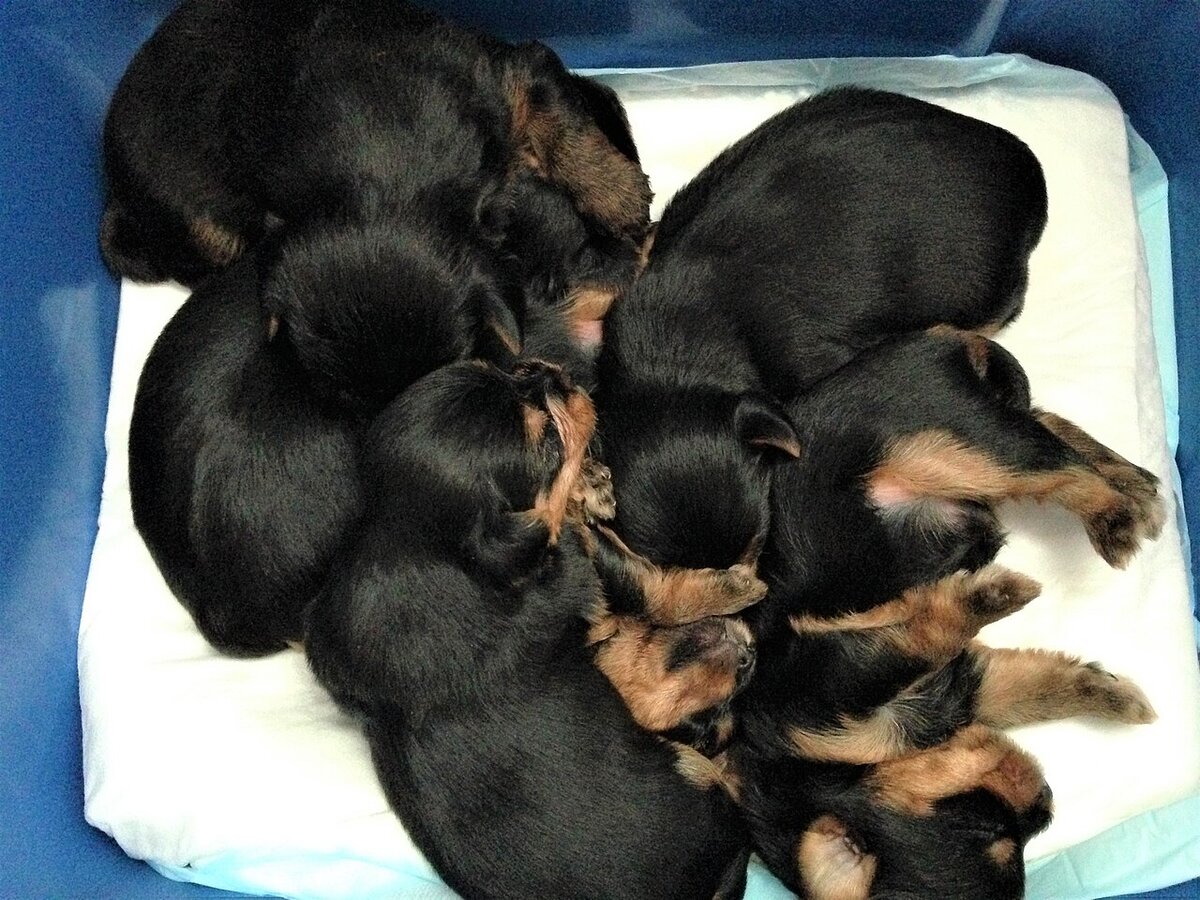
Litter of Yorkshire Terrier puppies sleeping in a box
Yorkshire Terrier puppies (modern photograph). Puppies are born black and tan; the adult blue-and-tan coat comes later.

What the breed was bred for

Bold, lively and affectionate

In plain trainer language: Yorkies are confident terriers that love their people. Most are alert, curious and quick to bark.

The challenges are barking, house training, boldness with big dogs and coat care. Routines and calm training help.

  • Calm door routines
  • Daily brushing or a short trim
  • Patient house training
  • Safe meetings with bigger dogs

Public references: FCI 86, AKC Yorkshire Terrier, RKC.

Life together

A day is walks, games, grooming and lap time

Yorkies suit small homes. They need daily walks, play and a plan for barking.

Yorkshire Terrier sitting on cherry blossom petals
Spring · walk

A terrier on a walk

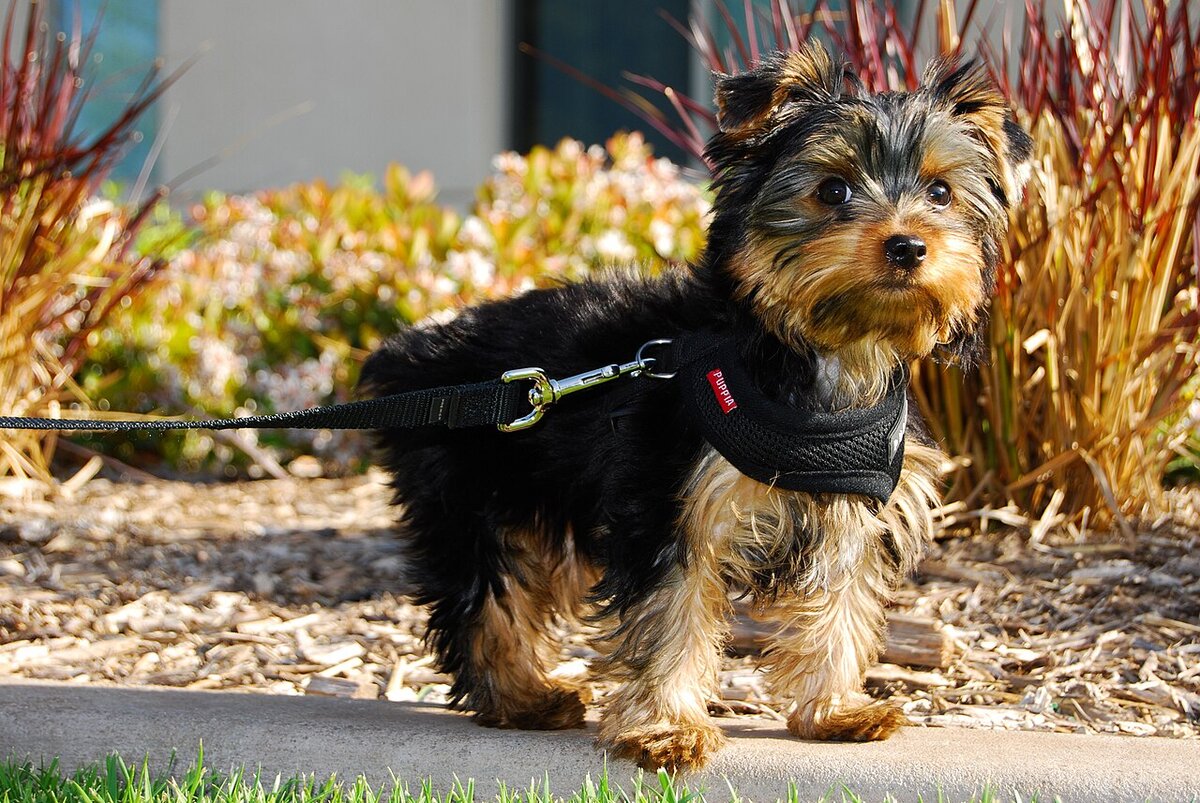
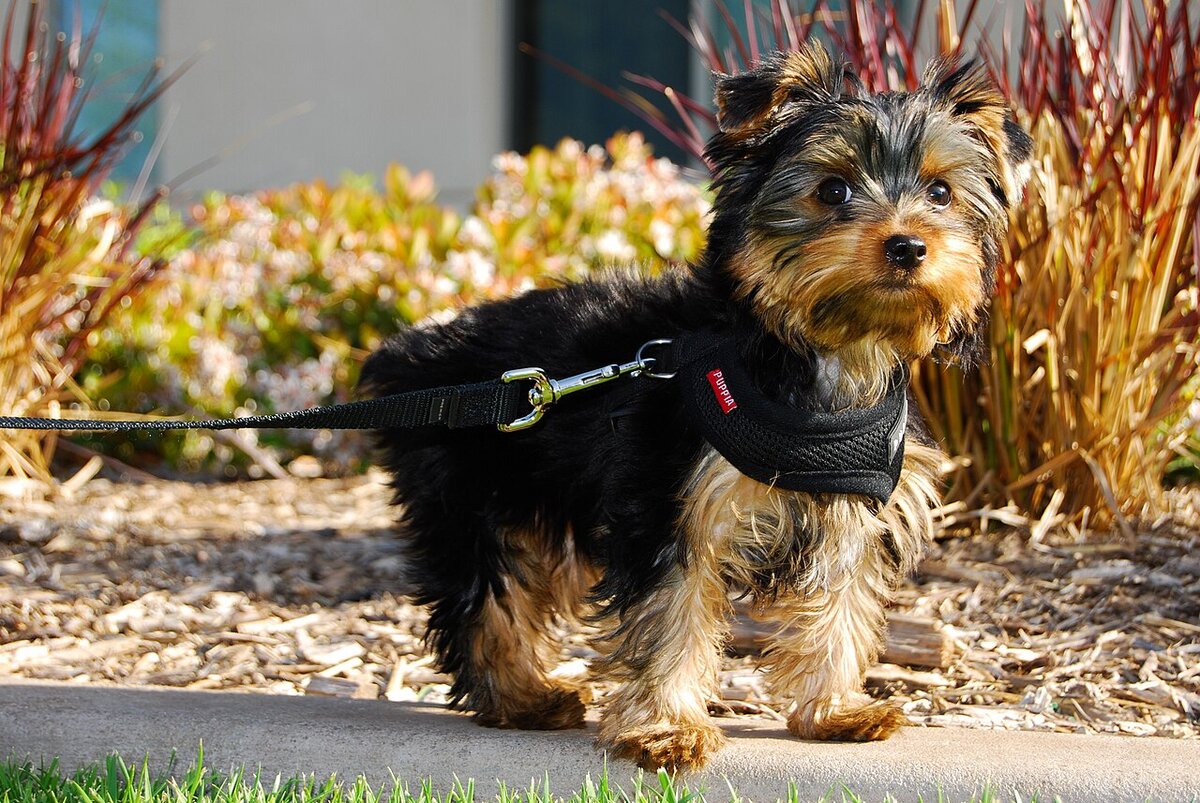
Yorkies enjoy exploring. Use a harness on a small neck.

See loose-leash walking.

Yorkshire Terrier puppies sleeping
Home · puppies

Gentle early handling

Handle puppies gently and often.

See puppy handling.

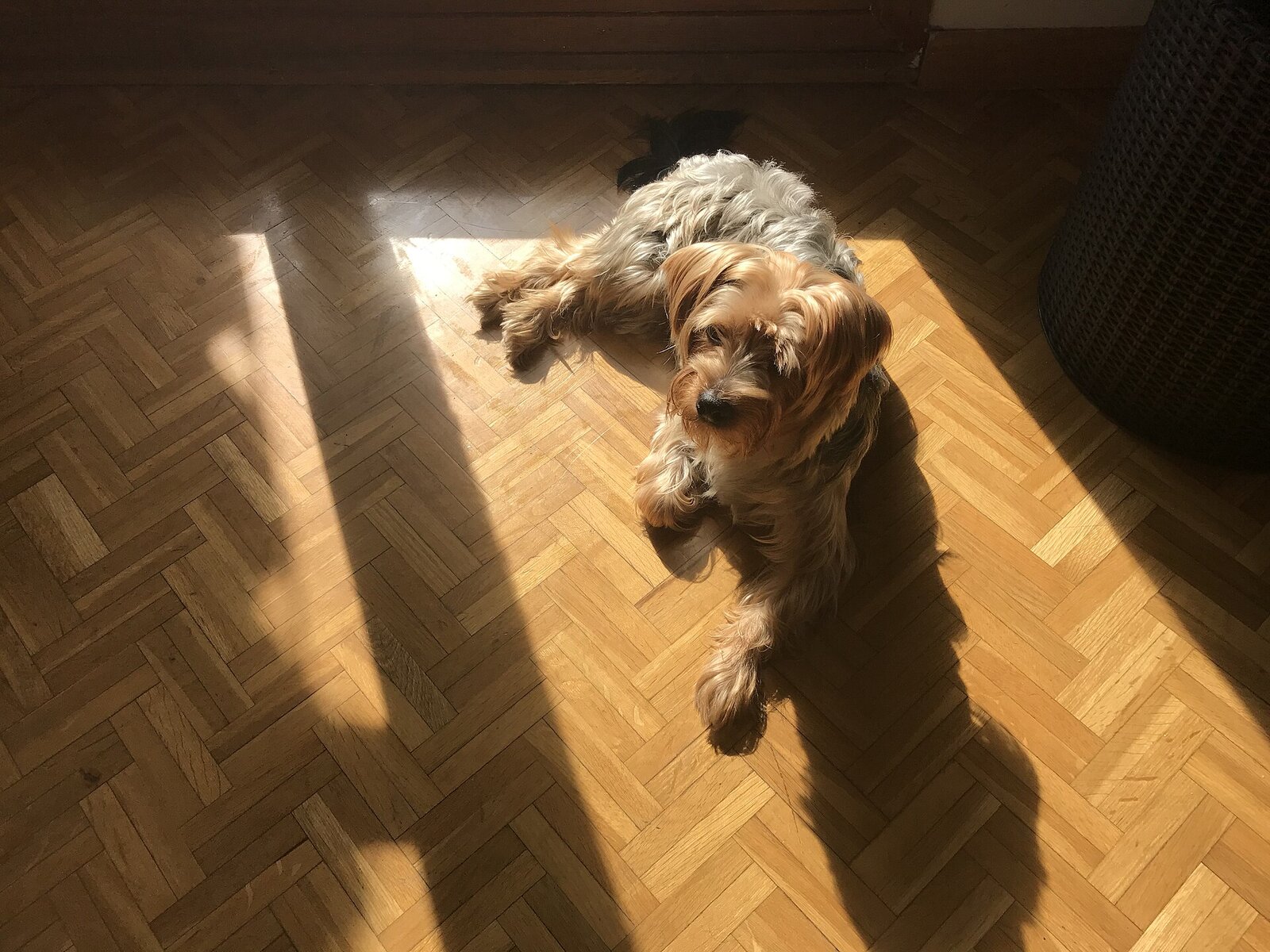
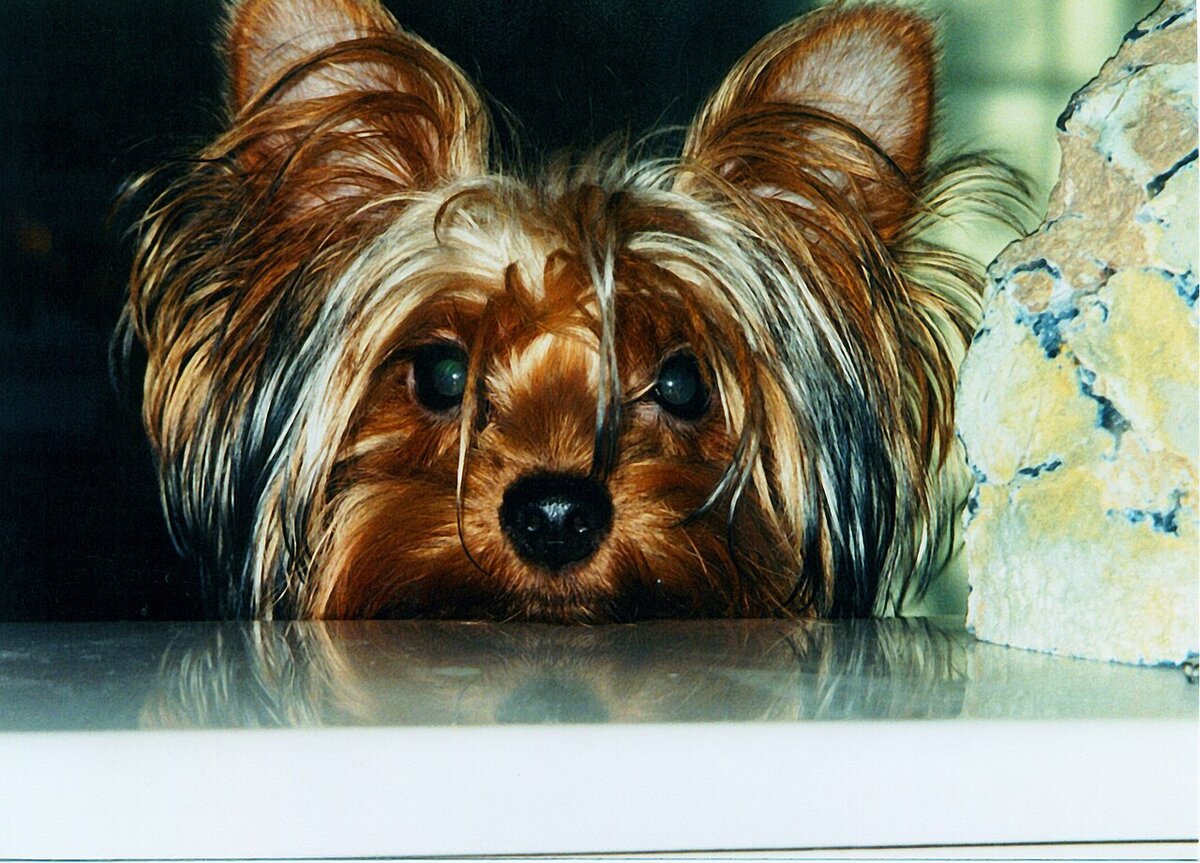
Close-up of a young Yorkshire Terrier’s face
Home · face

Alert at the window

Yorkies bark at sounds. Reward quiet.

See window barking.

Litter of Yorkshire Terrier puppies resting
Evening · rest

Cosy evenings

A chew and a warm bed help the dog settle.

See place.

Care and health themes

What to watch monthly: coat, teeth, weight and safety

General awareness only — I am a trainer, not a veterinarian. Notice changes in teeth, coat or energy. For urgent signs, see when to call the vet.

Coat

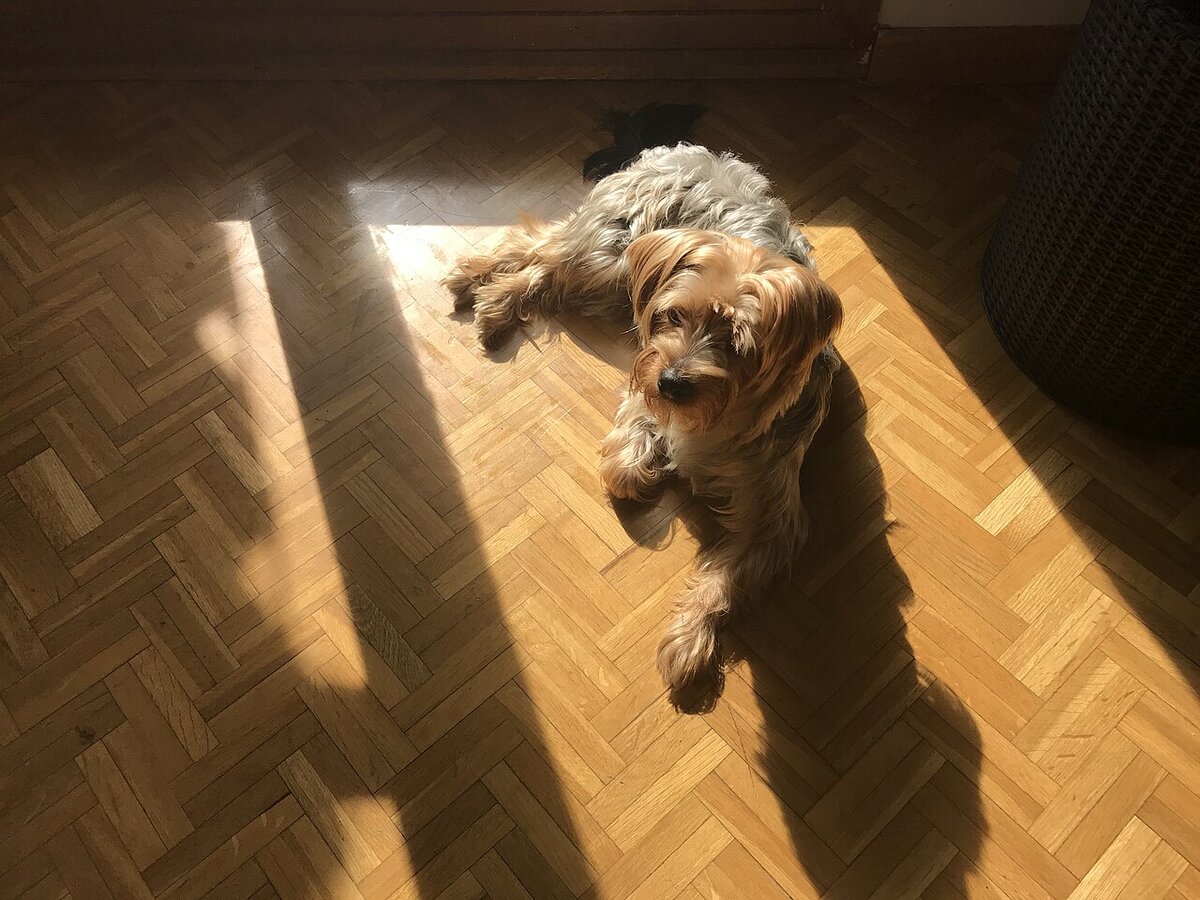
Silky, hair-like coat that tangles. Brush daily or keep a short trim.

Teeth

Brush daily; tiny mouths need dental checks.

Safety

Prevent falls and rough play with big dogs.

Warmth

A coat helps in cold, wet weather.

Health screening (not a diagnosis)

Ask the breeder which screenings the national breed club recommends and see results for both parents.

Toxins

I do not publish toxin amounts. Call a vet or poison-control line if the dog eats something dangerous.

Lines and types

Puppy coat to adult coat

Yorkie puppies are born black and tan. The adult steel-blue and tan coat develops over the first years.

Puppy coat

  • Black and tan.
  • Softer and shorter.
  • Brushing practice starts here.
  • Colour changes gradually.

A good time to build grooming habits.

Adult coat

  • Steel blue and rich tan.
  • Silky, hair-like texture.
  • Grows long if not trimmed.
  • Short trims are popular.

Choose a coat length that fits your time.

Socialization windows

What to introduce — and what not to overload — by age

AVSAB-aligned in spirit: short, clean exposures at a distance the puppy can still eat, with hygiene while vaccines finish. See the puppy socialization schedule.

2–4 months

Handling and brushing

Introduce: brushing, handling, toilet schedule, crate.

Do not overload: jumping from furniture.

~6 months

Door manners

Introduce: calm door routine, recall, short absences.

Do not overload: rewarding barking.

~12 months

Terrier outlets

Introduce: scent games, tricks, walks.

Do not overload: boredom.

~18 months

Adult outings

Introduce: calm walks and visits.

Do not overload: unmanaged meetings with big dogs.

~24 months

Maintain routines

Introduce: refreshed door and toilet routines.

Do not overload: weight gain.

Before you buy

Who a Yorkshire Terrier usually fits

A Yorkie fits people who want a tiny dog with terrier spirit and will manage barking and grooming.

Good match

More likely a good fit if you…

  • Want a small, bold companion
  • Live in a flat or a house
  • Will brush daily or book trims
  • Enjoy short walks and games
  • Are home often

Mismatch risk

A Yorkshire Terrier may be a poor choice if…

  • Barking would be a big problem
  • Toddlers may handle the dog roughly
  • Grooming feels like a chore
  • You want a sturdy hiking dog
  • Long hours alone are routine

If you are torn between breeds

Yorkshire Terrier vs Norfolk Terrier and Chihuahua

Yorkies are compared with the Norfolk Terrier and Chihuahua — other small, bold dogs.

Type

Yorkshire Terrier Toy terrier.

Norfolk Terrier Small working terrier.

Coat

Yorkshire Terrier Long, silky, blue and tan.

Norfolk Terrier Short, wiry.

Size

Yorkshire Terrier Tiny.

Chihuahua Similar or smaller.

With strangers

Yorkshire Terrier Alert, often friendly.

Chihuahua Often wary.

Barking

Yorkshire Terrier Vocal.

Both compares All three need calm door routines.

Ownership without surprises

Where a Yorkie owner’s budget goes

Costs depend on your area and groomer. Plan for these — not quotes.

Grooming

Trims or daily brushing.

Dental care

Brushing and checks.

Clothing

Coat for cold weather.

Veterinary care

Ask which screenings the national breed club recommends.

Gear

Harness, steps.

Training

Puppy class.

With a Yorkie, grooming and dental care are the steady costs.

Before day one at home

What to prepare for a Yorkshire Terrier puppy

A Yorkie puppy is tiny and bold. Start brushing, toilet routines and door manners early.

If the dog is already yours

Training is terrier-friendly: short, fun and consistent

Yorkies learn quickly but get bored. Keep sessions short and fun.

Focus on calm door routines, house training, grooming and safe dog meetings.

Scent games and tricks satisfy terrier curiosity.

Load balance

Walks, games and grooming

Daily walks and play suit most Yorkies.

Walk Sniff Tricks Brush Nap

Walks, scent games, tricks and tug suit most Yorkies.

A Yorkie with routines is a bright, loving companion.

Door barking

How to teach a Yorkshire Terrier to settle when visitors arrive

Practise with friends and reward quiet on a mat.

  1. 01

    Teach a mat

    Reward the dog on a mat.

  2. 02

    Thank one bark

    Say thank you after the first bark.

  3. 03

    Call to the mat

    Reward quiet on the mat.

  4. 04

    Practise with friends

    Repeat with familiar visitors.

  5. 05

    Release calmly

    Let the dog greet when calm.

One scene close-up

Why your Yorkie barks at every visitor

Yorkies are alert terriers and quick to sound the alarm.

Thank one bark, call the dog to a mat and reward quiet.

If barking continues, practise with friends and ask a trainer for help.

Barking at the door Guest entry plan Place

Typical household scenes

Where Yorkshire Terrier owners most often need help

A breed page is only a starting point; the fix depends on health, environment, and the dog in front of you. Each row opens a step-by-step guide.

Practical view

“With a Yorkshire Terrier, I remember the terrier first. We build a calm door routine, easy grooming and safe meetings with bigger dogs — because a tiny terrier still thinks like a ratter.”

Sessions cover real scenes: barking at the door, toilet accidents, grooming, big dogs on walks, and time alone. I am a trainer, not a veterinarian. No invented reviews.

Andrew Darov Professional dog trainer and instructor
WhatsApp consult

Talk through your Yorkshire Terrier

Describe age, living setup, and where the dog breaks first — barking at the door, toilet accidents, grooming, or meetings with bigger dogs. Opens WhatsApp to Andrew.

Short answers

FAQ

Is a Yorkshire Terrier a good first dog?
It can be for an owner who trains and grooms.
Are Yorkies good with children?
Better with older, gentle children.
Do Yorkies shed?
Very little, but the coat tangles.
How much exercise does an adult need?
Short daily walks and play.
Do Yorkies bark a lot?
Many do; teach a calm door routine.
Why did my Yorkie puppy change colour?
Puppies are born black and tan and lighten to blue and tan.
Are Yorkies good with big dogs?
They can be bold; supervise meetings.
Can a Yorkie live in an apartment?
Yes, with a plan for barking.
What about health?
Ask which screenings the national breed club recommends and see the parents' results.
What is the typical lifespan of a Yorkshire Terrier?
Public breed references often give about 13 to 16 years. Individual dogs vary.
Is a Yorkie a real terrier?
Yes — bold, curious and quick.

If a Yorkie feels too delicate

If you want terrier spirit in a sturdier, low-maintenance coat, consider this one.

French Bulldog

A compact companion with a clown reputation and a respiratory system you do not get to ignore.

Poodle

A water-retrieving athlete that people mistake for a decoration once the coat is clipped.

Cairn Terrier

Small, sturdy Scottish terrier with a weatherproof coat.

More Toy group breeds

Other guides from the same group in the breed library. Same group does not mean same dog: read the fit and the failure modes, not only the outline.

Affenpinscher

A bold German toy with terrier spirit. Needs door manners, face-care handling and small-dog rules that still apply at toy size.

Chihuahua

The smallest recognised breed: a bold, loyal Mexican companion that needs gentle handling, warmth and real training.

Chinese Crested

A graceful companion in hairless and powderpuff varieties that needs company, gentle socialization and skin or coat care.

Havanese

A cheerful Cuban companion with a silky coat that loves people and needs company, brushing and patient house training.

Italian Greyhound

A slender miniature sighthound that is gentle at home and needs warmth, safe places to sprint and patient house training.

Japanese Chin

A soft East Asian lap companion. Needs confident handling, flat manners without spoiling and cool-weather walking sense.

Need a read on your exact situation?

Describe your Yorkshire Terrier’s age and the scene that repeats most: barking at the door, toilet accidents, grooming, or meetings with bigger dogs. We check safety first, then pick the first skill.

Written by Andrew Darov, professional dog trainer. Not veterinary advice and not a diagnosis. Not a kennel club. No invented reviews. No vaccine schedules or toxin doses. Photo credits in /images/breeds/yorkshire-terrier-guide/credits.md.