
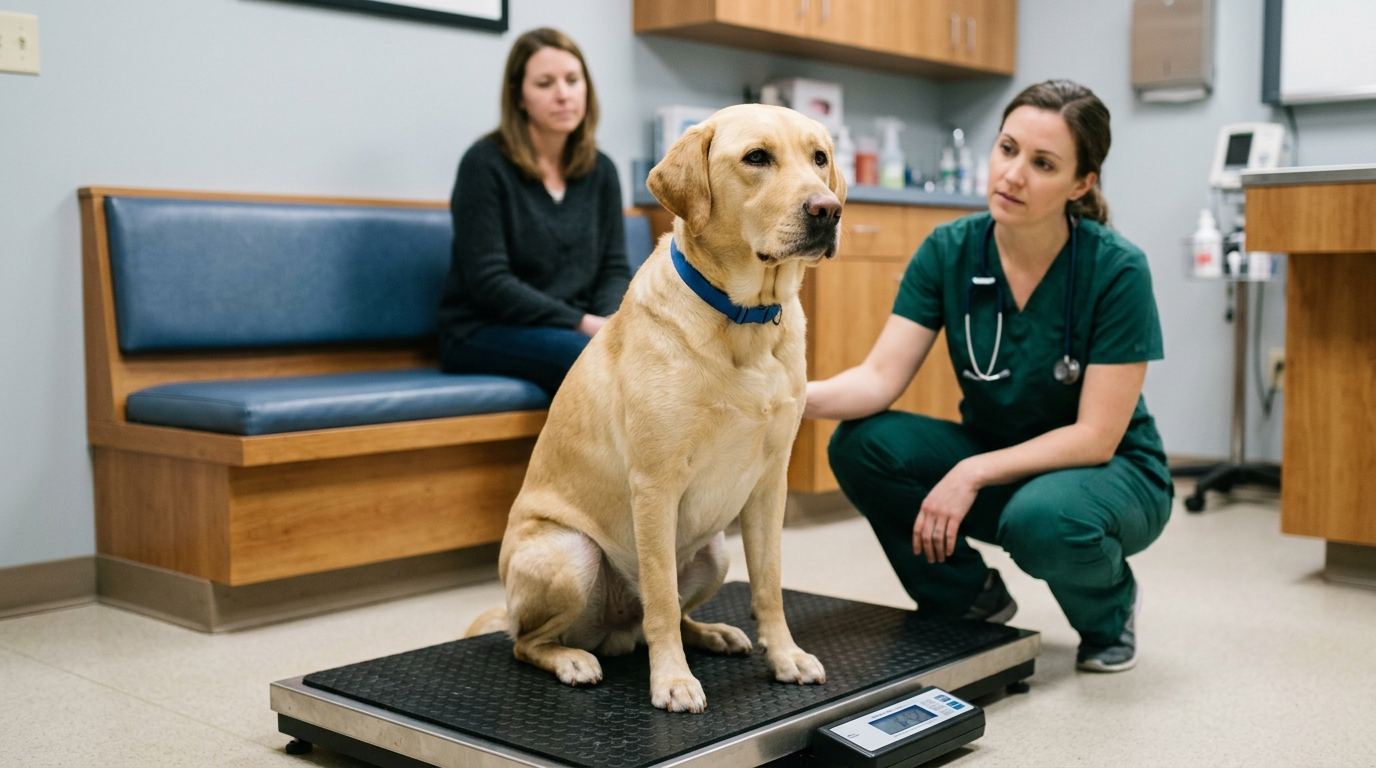
Trainer–vet desk
Dog health red flags
Use this hub to decide when to stop the session and call a veterinarian, and how a trainer and a clinician share a case. These pages do not diagnose.
This is a trainer–vet desk, not a clinic. Use it to decide when to stop the session and call a veterinarian, and how a trainer and a clinician share a case. These pages do not diagnose, do not publish vaccine schedules, and do not list toxin doses. If the dog is in trouble tonight, leave the training floor.
I teach veterinarians at seminars. That sentence is about how cases get handed across a room. It is not a veterinary licence, not a “vet reviewed” badge, and not permission to treat a page as an exam. Andrew Darov is a professional dog trainer. Read not veterinary advice before you treat a red flag as optional.
When should you stop training and call the vet?
Stop the session when the body is the loudest fact in the room: collapse, seizure, a belly that looks wrong, blood where it should not be, a dog who cannot bear weight, a suspected toxin, or a sudden change in a dog who was previously ordinary. The when to call the vet page is the stop list I actually use on a training floor. Gait-specific stops live on limping stop-list. Ordinary post-work water access is water after exercise. Days after the clinic are post-vet rest protocol. On-leash pictures that may be pain-driven live on when reactivity is pain.
In the United States, a suspected poison is ASPCA Animal Poison Control at (888) 426-4435 — their number, their fee, their protocol. In the UK, start with your own practice or a 24-hour service such as Vets Now. I will not invent milligrams or homemade emetics. That is how blogs kill dogs.
How do a trainer and a veterinarian share a case?
The veterinarian owns the medical question. The trainer owns the learning question. A dog who snaps when the ear is touched may be in pain, may be rehearsed, or both. You do not settle that argument with a dominance story. You get the dog examined, you manage the room so nobody is bitten, and you train only what the body can do. The trainer and veterinarian page is the hand-off, including why “he’s being dominant” is usually a trainer who skipped the clinic.
Why is pain not dominance?
Pain changes what a dog will offer. A stiff sit, a sudden “no” on a previously easy cue, a growl over a collar, a limp that appears after play — those are data. They are not proof the dog has decided to take over the household. I have watched competent vets and competent trainers waste a month because each assumed the other had already ruled the body out. Start with the body when the change is sudden. Then train.
What will you not find on this hub?
No vaccine timetable. No toxin chart. No dose. No “natural” dewormer. No claim that a seminar I taught makes these pages a medical document. If you need a clinician, you need a clinician in your country who can see the animal. This hub exists so you stop rehearsing a training protocol on a dog who needed a table.
In this section
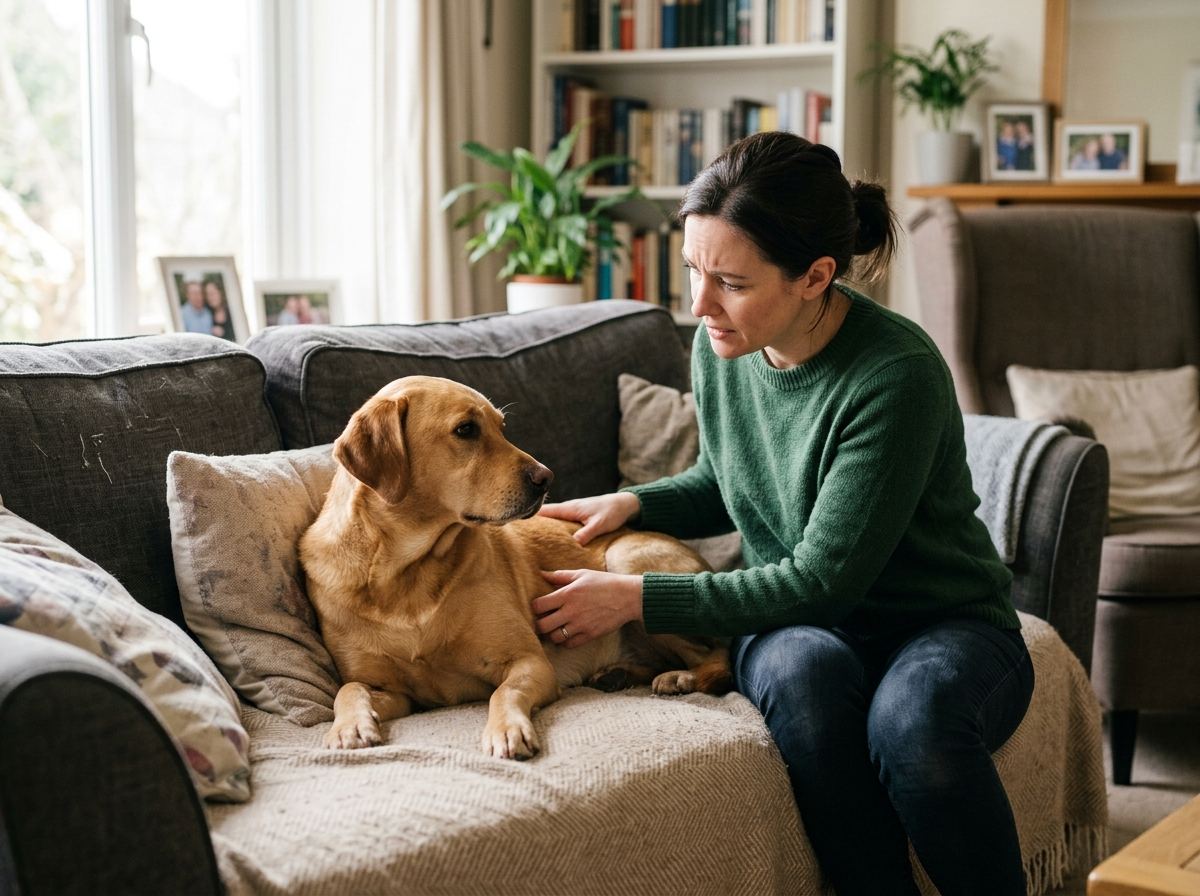
Expert advice
When to call the vet Stop-training red flags, US poison control, UK emergency paths, and the line where this lab ends.
Expert advice
Trainer and veterinarian How a trainer and a vet share a case. Pain is not dominance. Seminars are not a licence.
Expert advice
Water after exercise Post-work water and cool-down logistics. Not a heatstroke diagnosis protocol.
Expert advice
Limping stop-list Gait change ends the session. Not a diagnosis. Hand-off to the vet.
Expert advice
Post-vet rest protocol Crate, leash-only toilets, trainer pauses criteria. Duration from the discharge sheet.
Expert advice
When reactivity is pain On-leash reactivity may be pain-driven. Stop list and vet hand-off. Not a diagnosis.Work with me
A $150 consultation or $500 monthly curatorship. Opens WhatsApp to Andrew.