The Shih Tzu is a small, long-coated companion dog from the Chinese imperial court. Most are friendly, easygoing and affectionate. Life goes well with regular grooming, patient house training, care in hot weather and gentle training.
Job: Chinese palace companion — friendly and easygoing.
Energy: Low to moderate; walks and gentle play.
Home: Needs grooming, heat care and patient house training.
History does not decide what one puppy becomes, but it explains a lot: most Shih Tzus are friendly, easygoing and affectionate — companion dogs that love people and need regular coat care.
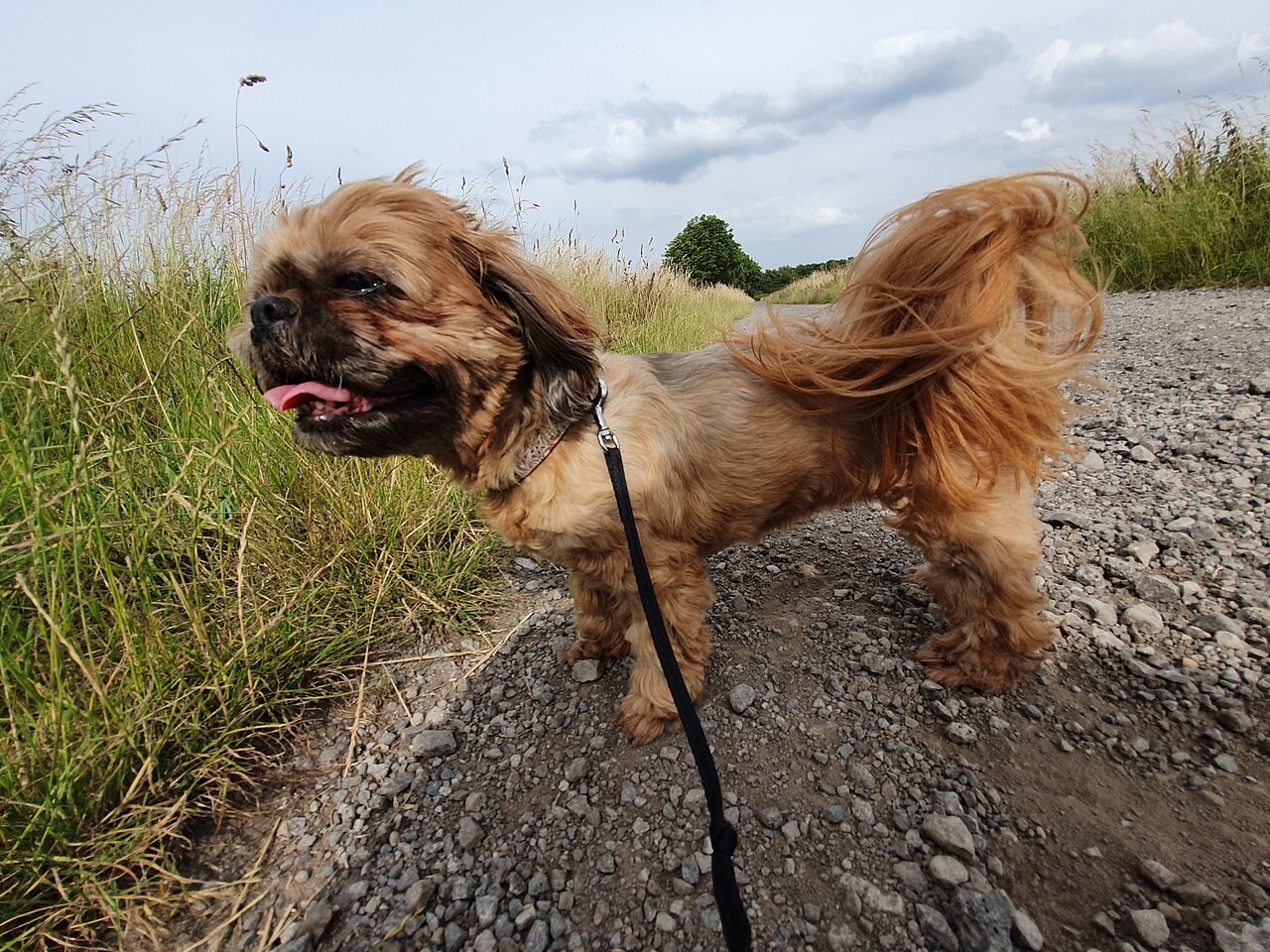
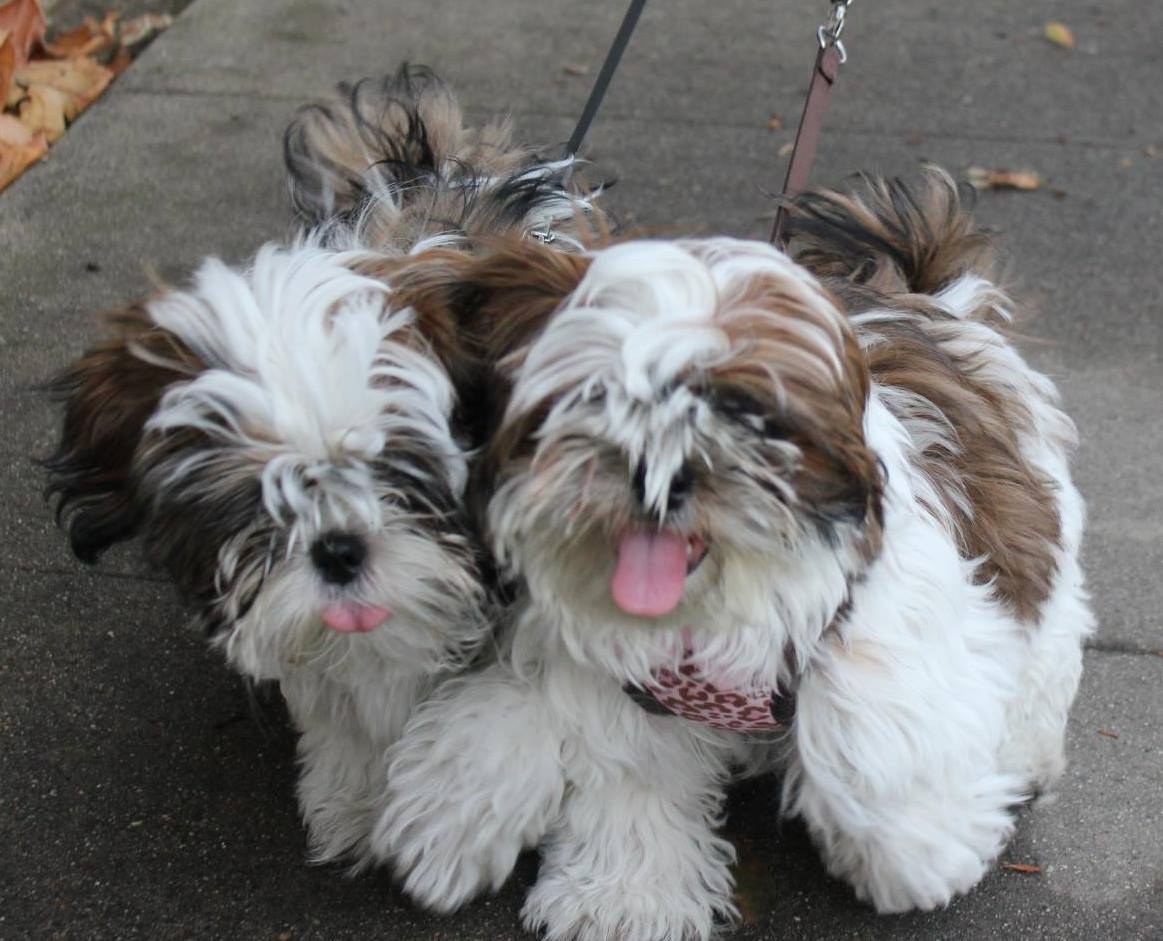
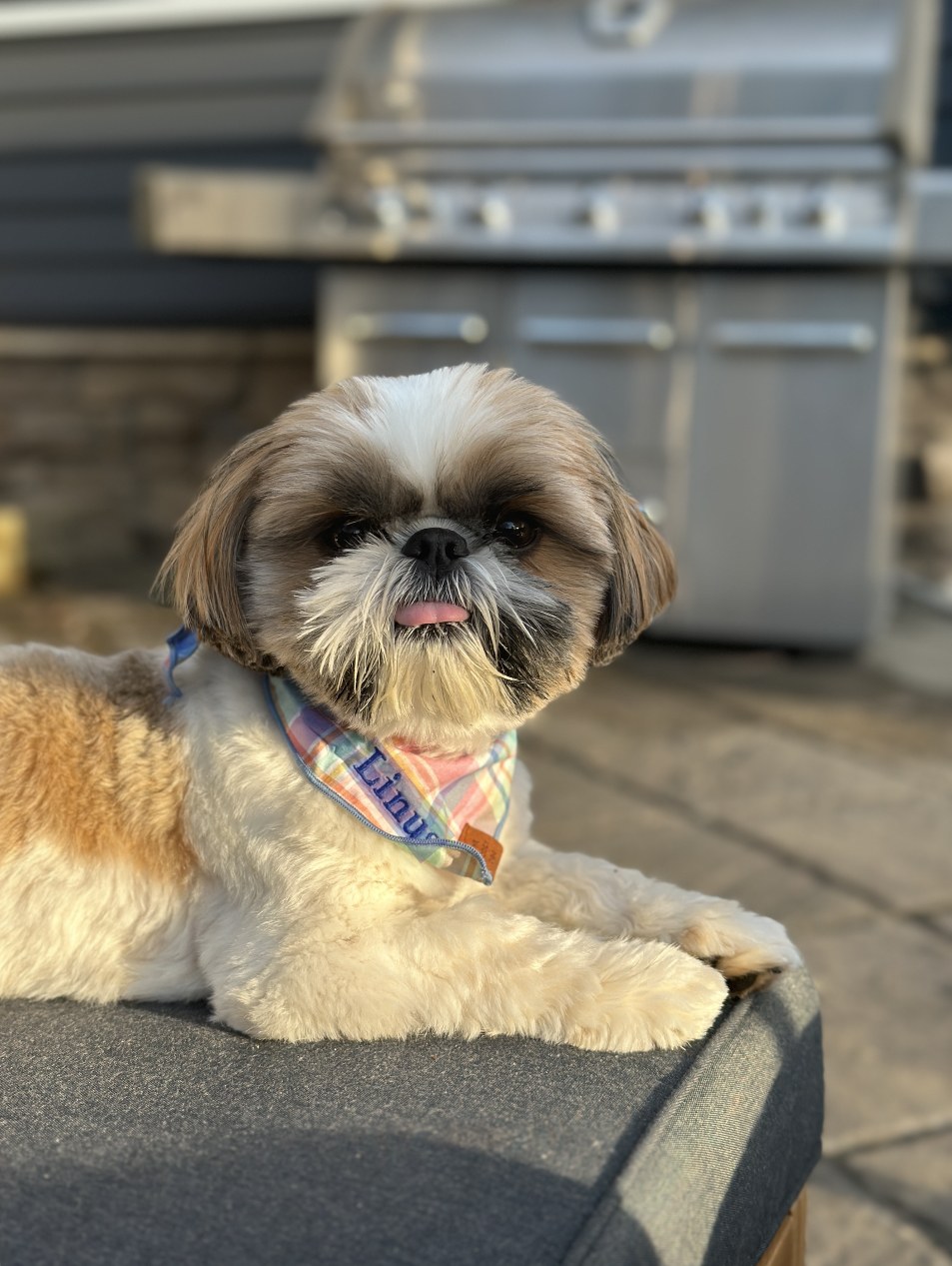
A Shih Tzu on a walk in Sutton-on-Trent, England (modern photograph). Most enjoy daily walks at their own pace.
Tibet → Chinese palace
A palace companion
Public breed histories describe small long-coated dogs bred at the Chinese imperial court, probably from Tibetan dogs. The name is often translated as “lion dog”.
They were companions and palace pets, which explains their friendly, people-focused nature.
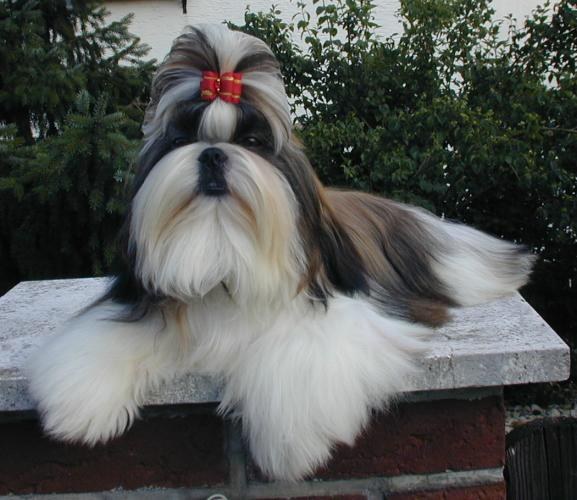
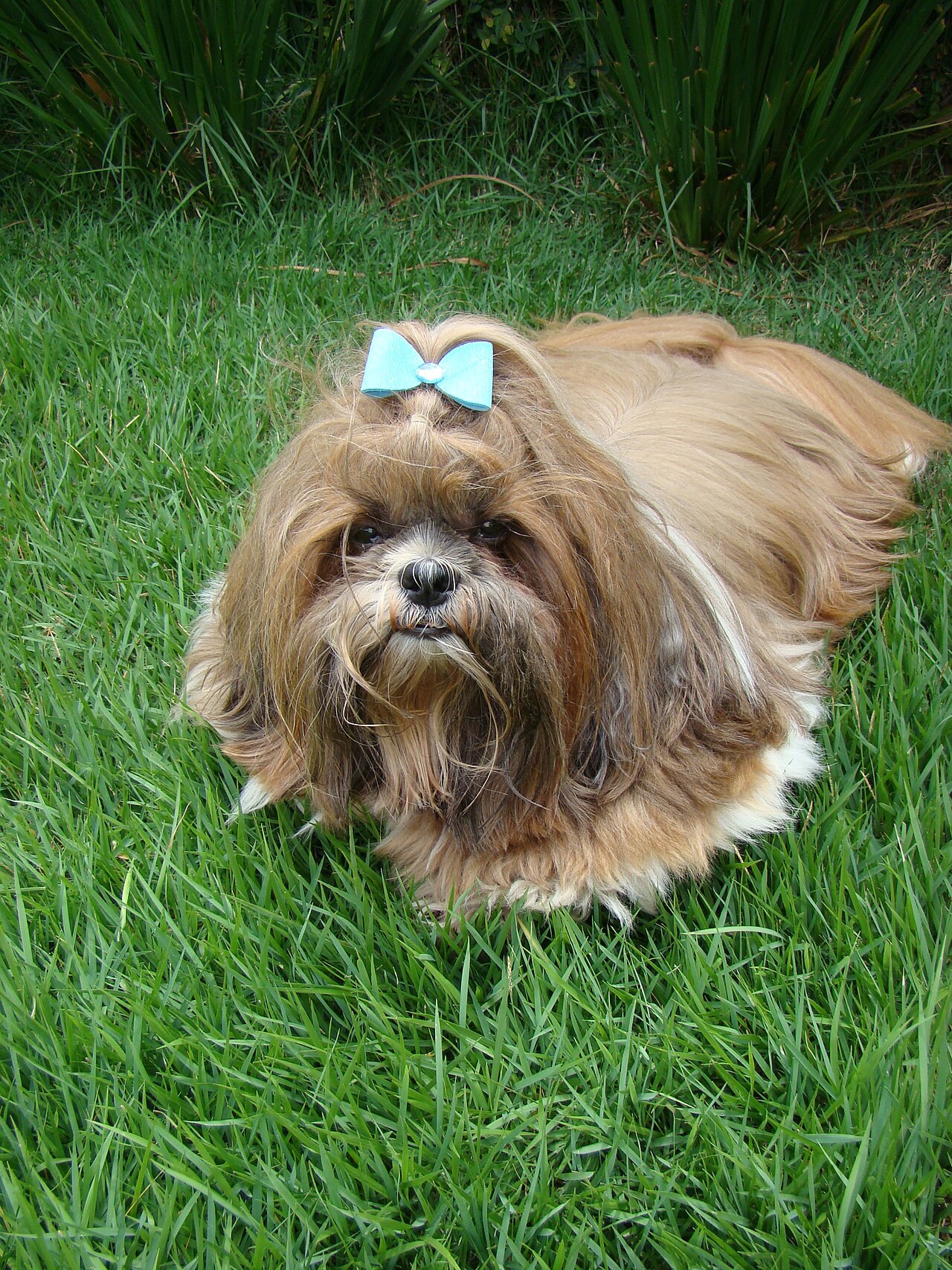
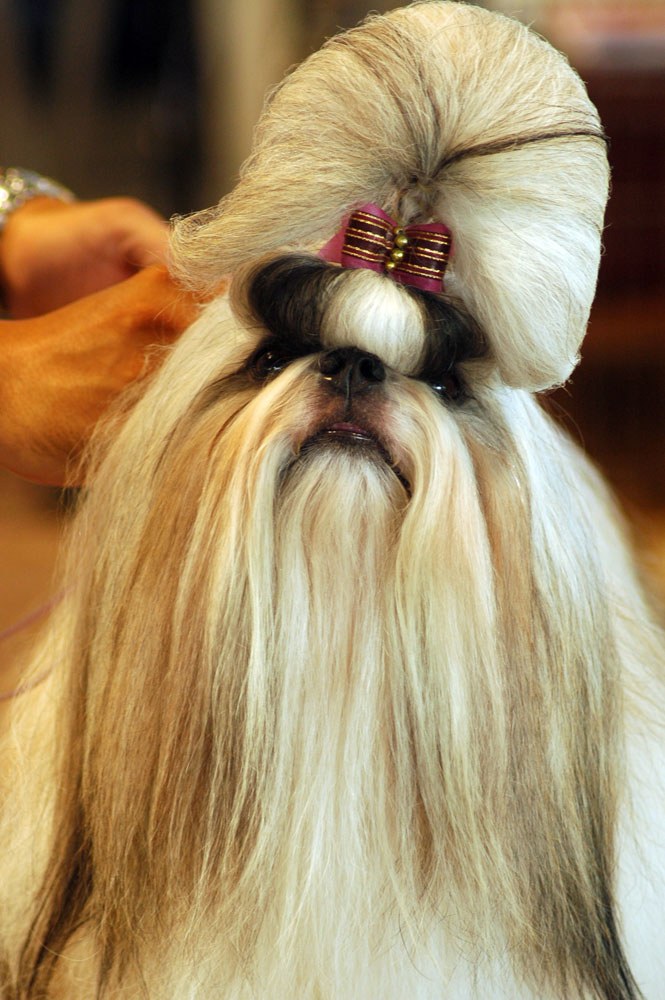
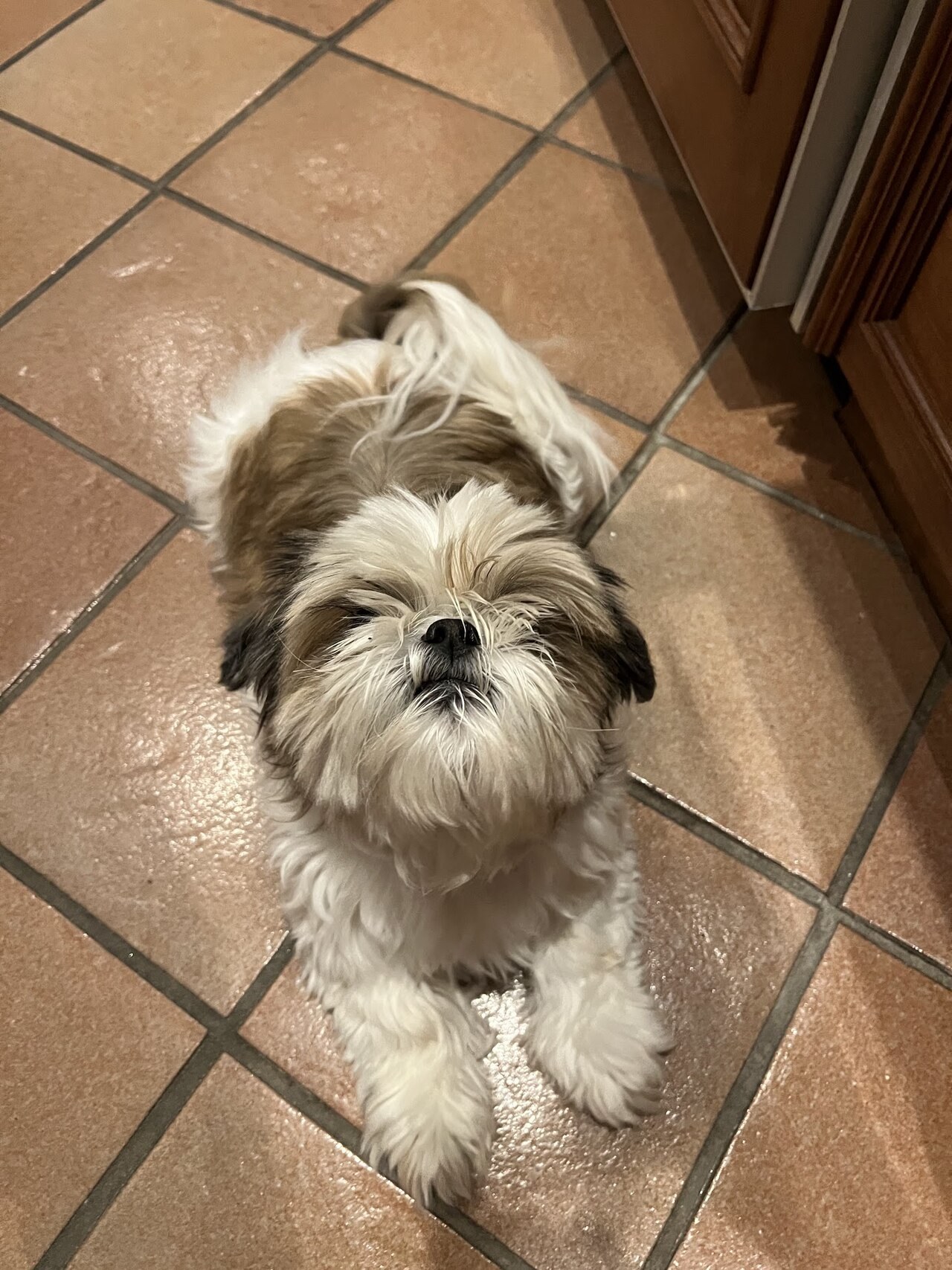
A Shih Tzu with a long, silky coat (modern photograph). The “lion dog” look comes from the full coat and face hair.
Revolution → Britain → worldwide
Saved abroad
After the fall of the imperial court the breed became rare in China. Dogs taken to Britain and elsewhere in the 1930s formed the basis of the modern breed.
Today the Shih Tzu is a popular family dog. Meet the parents and see their temperament and breathing.
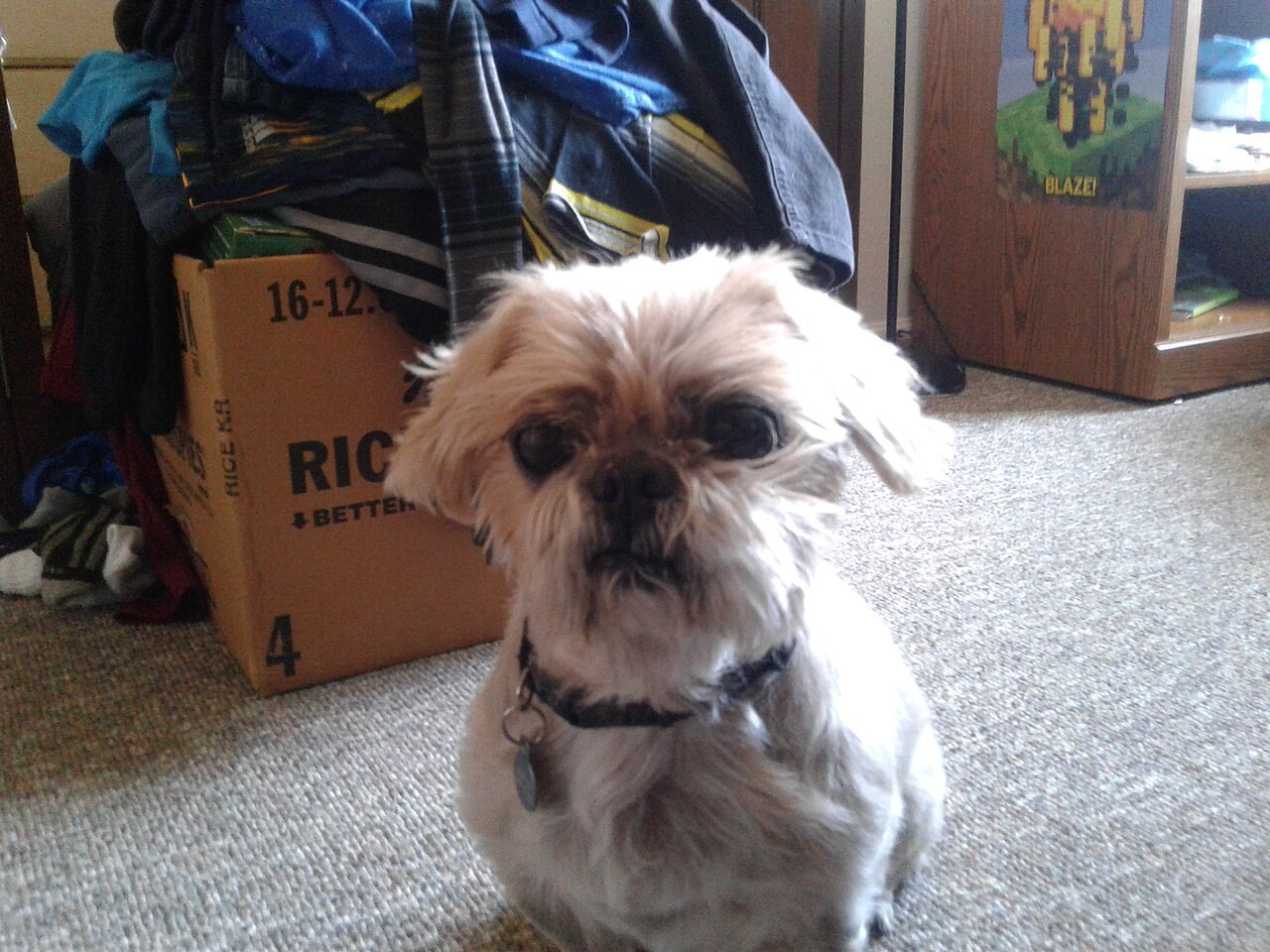
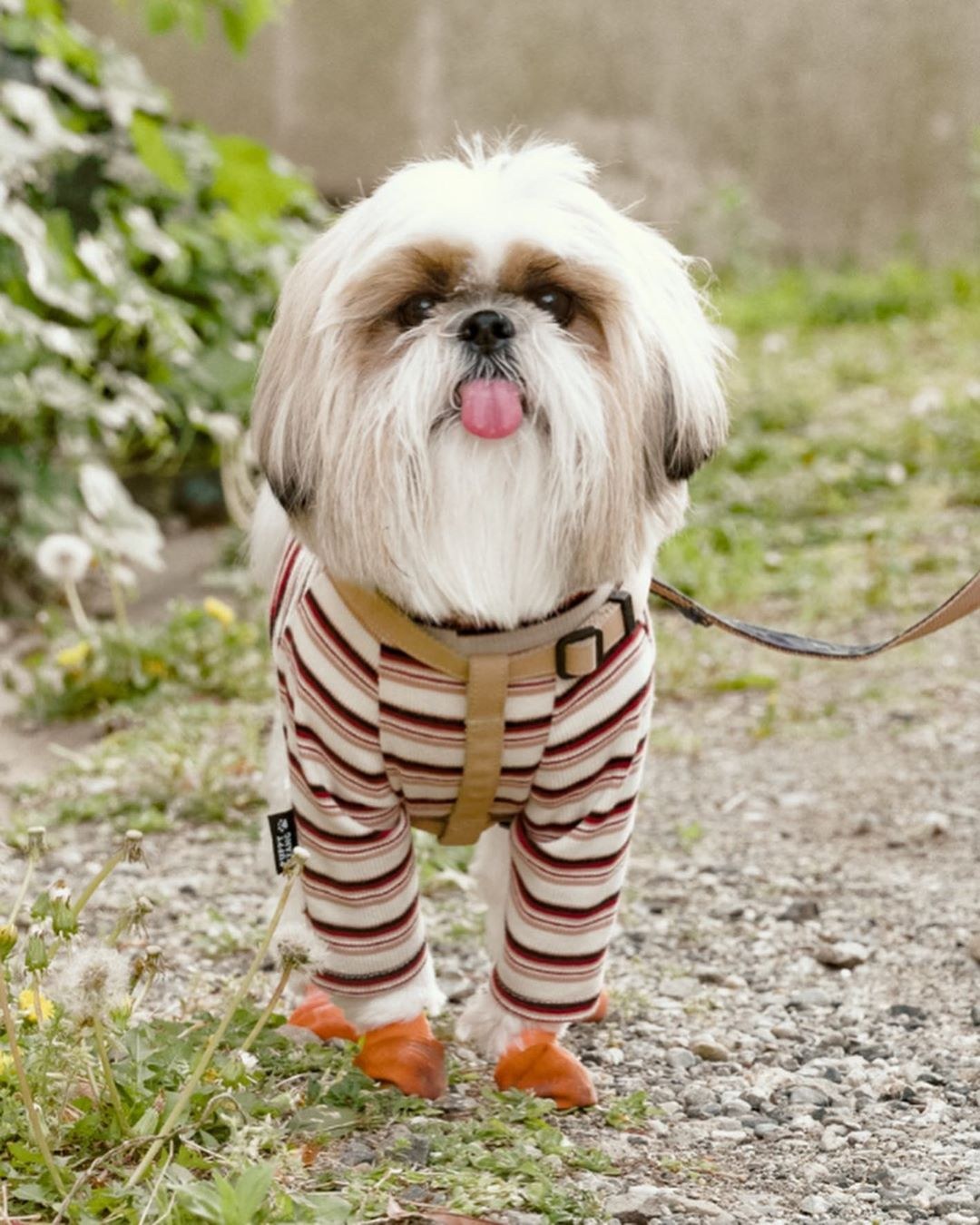
A pet Shih Tzu in a short trim (modern photograph). Many owners choose a short cut for easier care.
What the breed was bred for
Friendly, easygoing and affectionate
In plain trainer language: Shih Tzus were selected to be companions. Most are friendly with everyone, gentle and fond of comfort.
The challenges are house training, coat care, heat and stubbornness. Routines and food-rewarded training help.
What to watch monthly: coat, eyes, breathing and teeth
General awareness only — I am a trainer, not a veterinarian. Notice changes in eyes, breathing or energy. For urgent signs, see
when to call the vet.
Coat
Long double coat that mats. Brush daily or keep a short trim.
Eyes
Keep hair out of the eyes; see the vet for redness.
Heat
Short muzzle: keep the dog cool in warm weather.
Teeth
Brush daily; ask for dental checks.
Health screening (not a diagnosis)
Ask the breeder which screenings the national breed club recommends and see results for both parents.
Toxins
I do not publish toxin amounts. Call a vet or poison-control line if the dog eats something dangerous.
Lines and types
Topknot and full coat, or teddy-bear trim
Some owners keep the long coat with a topknot; many choose a short “teddy-bear” trim. Personality is unchanged.
Topknot and full coat
Long, flowing coat.
Hair tied up off the eyes.
Daily brushing.
Classic show look.
Suits owners who enjoy grooming.
Teddy-bear trim
Short body coat, rounded face.
Easier daily care.
Trims every few weeks.
Keeps hair out of the eyes.
Suits most family homes.
Socialization windows
What to introduce — and what not to overload — by age
AVSAB-aligned in spirit: short, clean exposures at a distance the puppy can still eat,
with hygiene while vaccines finish. See the
puppy socialization schedule.
2–4 months
Handling and brushing
Introduce: brushing, face handling, toilet schedule, crate.
Do not overload: long hours alone.
~6 months
Manners
Introduce: calm greetings, recall, short absences.
Do not overload: skipping toilet routine.
~12 months
Grooming routine
Introduce: regular trims, walks, tricks.
Do not overload: mats building up.
~18 months
Adult outings
Introduce: calm walks and visits.
Do not overload: heat.
~24 months
Maintain routines
Introduce: refreshed toilet and handling routines.
Do not overload: weight gain.
Before you buy
Who a Shih Tzu usually fits
A Shih Tzu fits people who want a friendly, relaxed small dog and will keep up with grooming.
Good match
More likely a good fit if you…
Want a gentle, sociable companion
Live in a flat or a house
Will brush daily or book trims
Are home often
Prefer moderate exercise
Mismatch risk
A Shih Tzu may be a poor choice if…
Grooming feels like a chore
You want a running partner
You live somewhere hot without cooling
Long hours alone are routine
You expect instant obedience
If you are torn between breeds
Shih Tzu vs Lhasa Apso and Maltese
Shih Tzus are compared with the Lhasa Apso and Maltese — other small long-coated companions.
Origin
Shih Tzu
Chinese palace companion.
Lhasa Apso
Tibetan watchdog.
With strangers
Shih Tzu
Usually friendly.
Lhasa Apso
Often wary.
Face
Shih Tzu
Short muzzle.
Maltese
Longer muzzle.
Coat
Shih Tzu
Long double coat, many colours.
Maltese
Silky white single coat.
Grooming
Shih Tzu
Daily brushing or trim.
Both compares
All three need regular coat care.
Ownership without surprises
Where a Shih Tzu owner’s budget goes
Costs depend on your area and groomer. Plan for these — not quotes.
Grooming
Trims every few weeks.
Eye care
Gentle wipes.
Dental care
Brushing and checks.
Veterinary care
Ask which screenings the national breed club recommends.
Cooling
Shade and water in summer.
Training
Puppy class.
With a Shih Tzu, grooming is the steady monthly cost.
Before day one at home
What to prepare for a Shih Tzu puppy
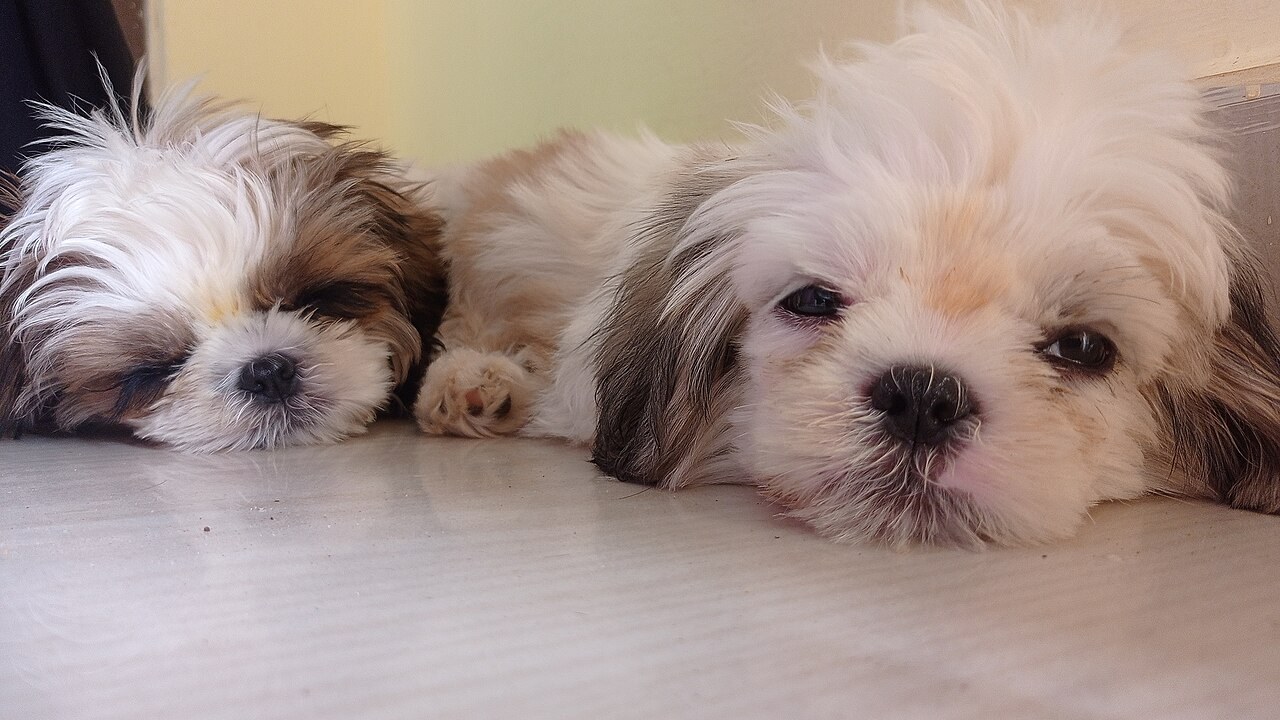
A Shih Tzu puppy is sweet and sociable. Start brushing and toilet routines early.
“With a Shih Tzu, I look at grooming and house training first. We make brushing easy, tighten the toilet routine and build short absences — because a companion dog relaxes when daily care is calm.”
Sessions cover real scenes: toilet accidents, grooming, time alone, barking at the door, and guarding toys or food. I am a trainer, not a veterinarian. No invented reviews.
Andrew DarovProfessional dog trainer and instructor
A soft East Asian lap companion. Needs confident handling, flat manners without spoiling and cool-weather walking sense.
Need a read on your exact situation?
Describe your Shih Tzu’s age and the scene that repeats most: toilet accidents, grooming, time alone, or barking at the door. We check safety first, then pick the first skill.
Written by Andrew Darov, professional dog trainer. Not veterinary advice and not a diagnosis.
Not a kennel club. No invented reviews. No vaccine schedules or toxin doses. Photo credits in
/images/breeds/shih-tzu-guide/credits.md.