
Dog training by Andrew Darov, dog trainer
New puppy? Start here.
Plain, step-by-step help for the three things that keep new owners up at night. Pick the one you need today.
Also: first night home · puppy schedule · potty training · reactivity · all puppy guides
Find a breed
Know the dog before you buy the week.
Original breed guides from Andrew Darov: temperament, training and the problems owners actually meet.




Popular breeds

Sporting
Labrador Retriever A friendly, food-loving retriever that needs daily exercise, training and a job for its nose and mouth.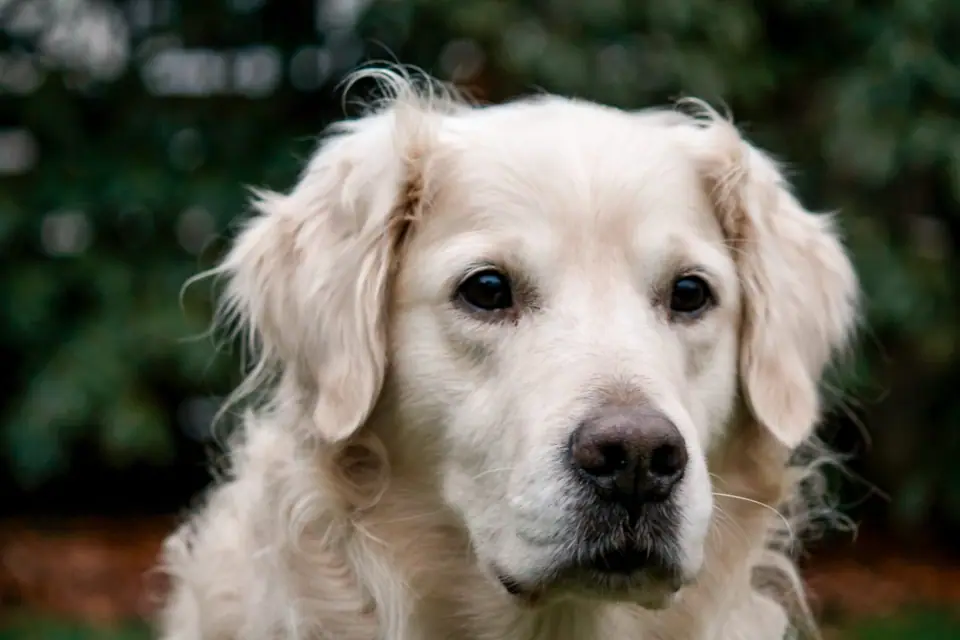
Sporting
Golden Retriever A fetching, people-facing sporting dog whose gold coat does not lower the daily mileage.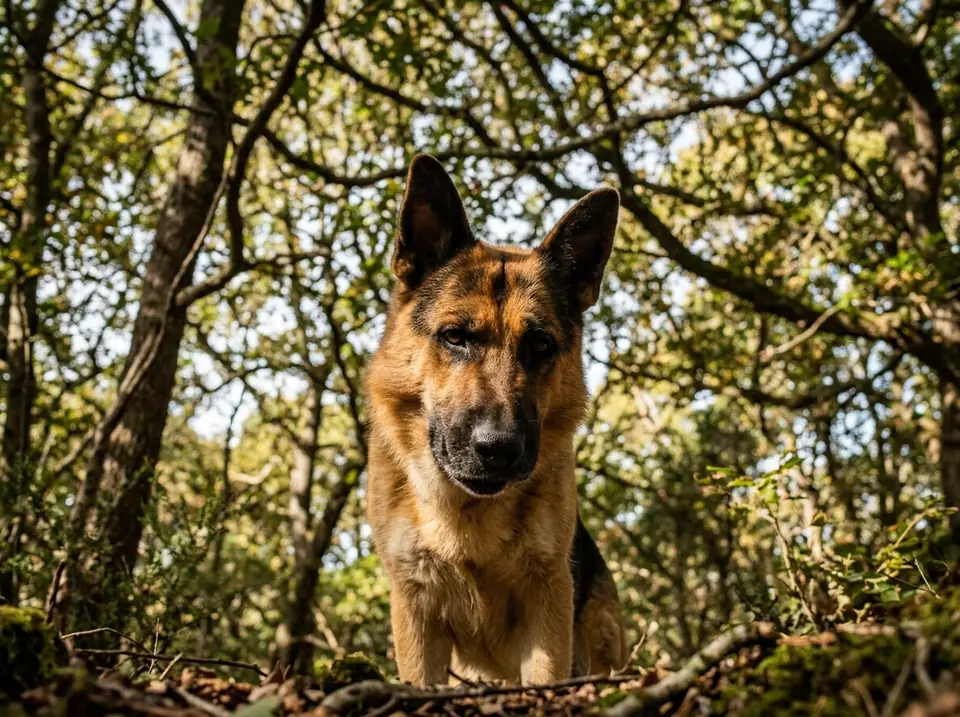
Herding
German Shepherd Dog A versatile German working shepherd that needs daily training, real exercise and a calm settle taught on purpose.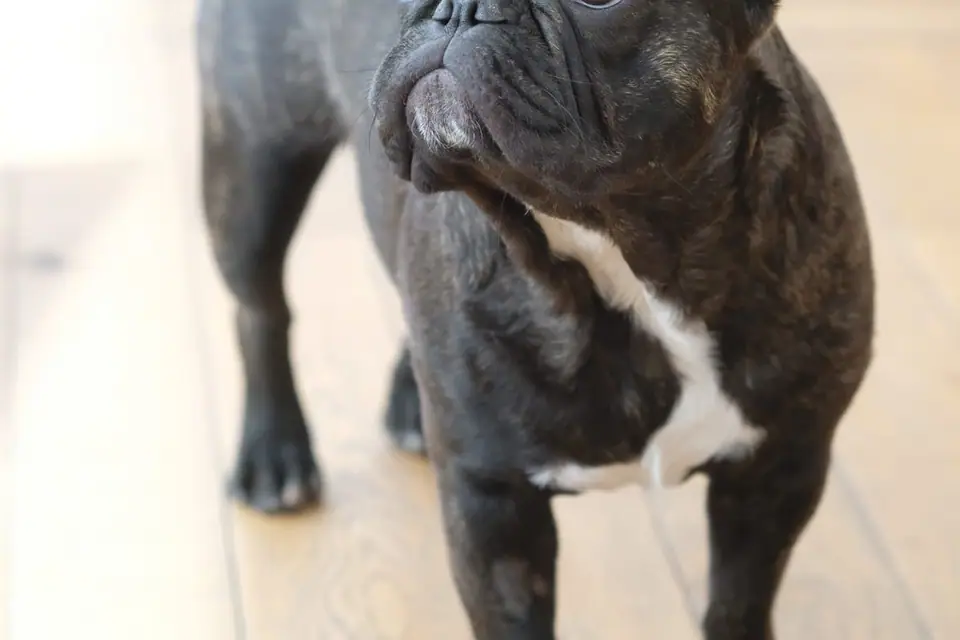
Non-Sporting
French Bulldog A compact companion with a clown reputation and a respiratory system you do not get to ignore.
Non-Sporting
Poodle A water-retrieving athlete that people mistake for a decoration once the coat is clipped.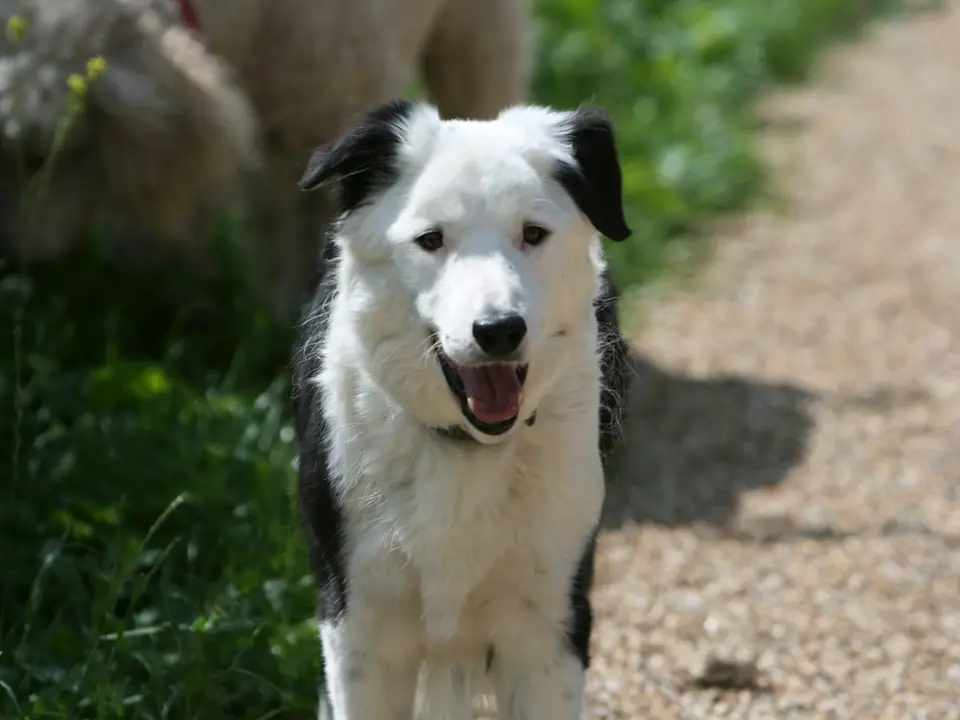
Herding
Border Collie A brilliant, intense sheepdog that needs real daily work, training and a taught off-switch.
Toy
Cavalier King Charles Spaniel A toy spaniel that wants your sofa and still has a nose that will follow a crumb into the garden.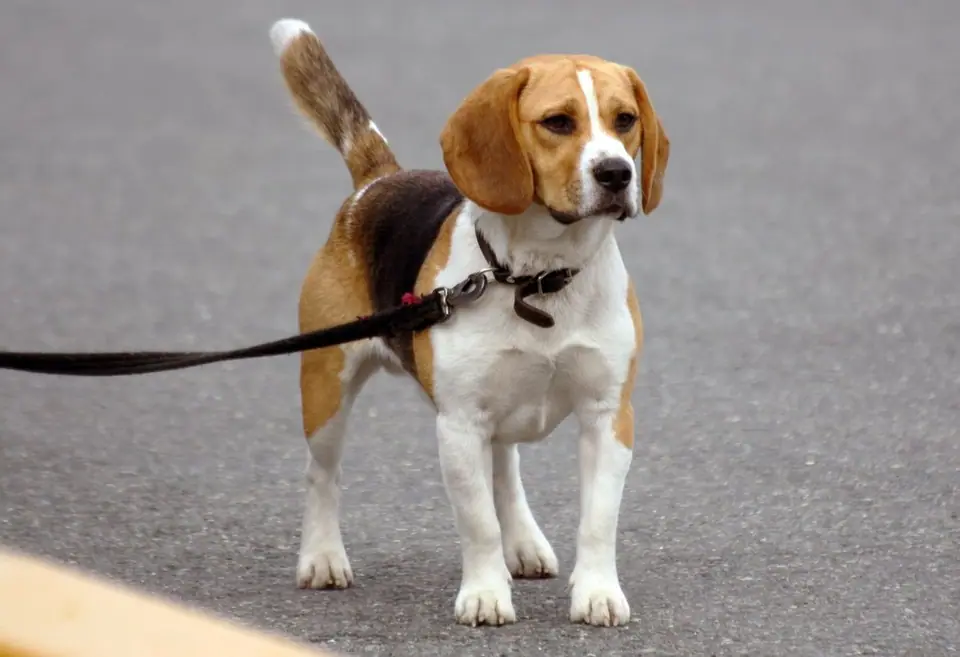
Hound
Beagle A friendly scent hound that follows its nose and needs patient recall training, sniffing walks and a secure garden.Expert advice

Puppy · 7 min
Puppy zoomies: why they happen and what to do Zoomies are short, wild laps of running that most puppies do every day. They are usually normal play and pass in a minute or two. Your job is a safe space, a calm wait, and a quiet way out when the zoomies tip into nipping, which usually means the puppy needs sleep.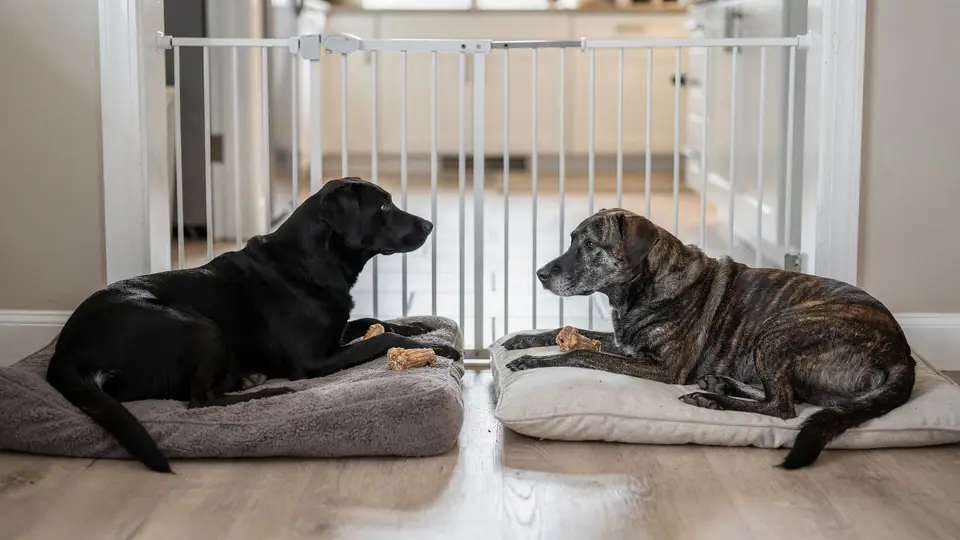
Behavior · 8 min
Dogs in the same house fighting: what to do now When two dogs who live together start fighting, the first job is to stop more fights, not to make them friends again by tomorrow. Separate with gates and doors, rotate who gets which room, write down what happened before each fight, and bring in your vet and a qualified behavior professional if anyone was hurt.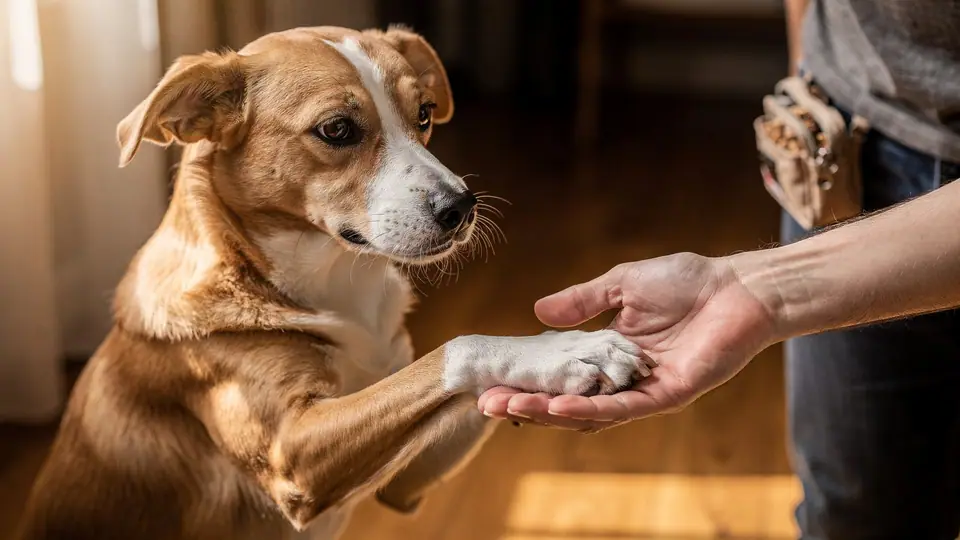
Skills · 7 min
How to teach a dog paw (and use it for nail trims) Paw, or shake, is an easy first trick that also has a real use: a dog that offers its paw on cue is easier to towel dry, check for thorns and get used to nail trims. Teach it with food in a closed hand, mark the lift, then fade the food and add a word.
Puppy · 8 min
When to stop crating a puppy at night: signs and steps Most puppies are ready for a crate-free night somewhere between about six months and two years. Readiness is about dry mornings, calm chewing and a dog that settles on its own, not a birthday. Start with the crate door open, keep the dog in one gated room, and step back for a week if chewing or accidents return.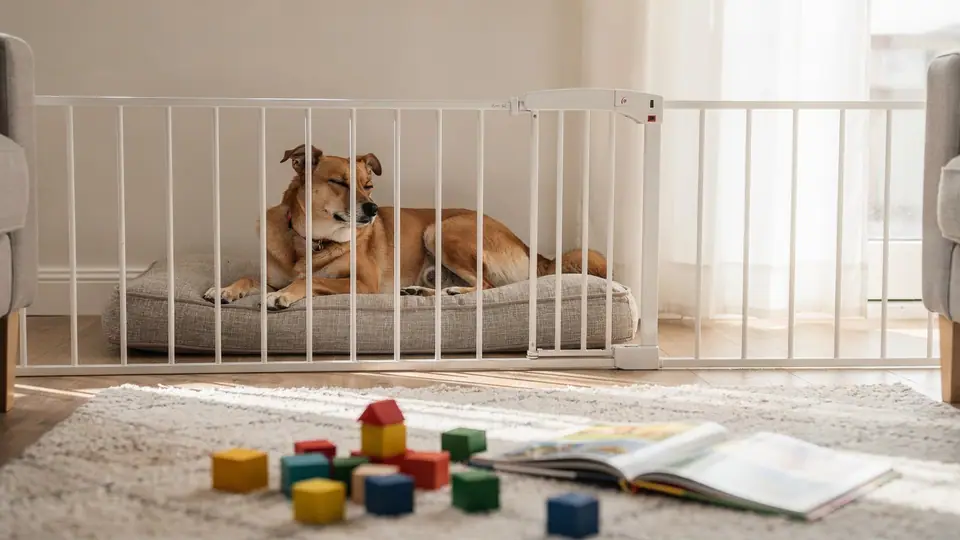
Behavior · 9 min
Dog growling at a child: what to do today A growl is a warning, and it is the safest one a dog can give. Separate the dog and the child today with gates and a lead, write down what happened just before the growl, ask your vet to check for pain, and get a qualified trainer or behaviour professional to see the dog. Punishing the growl only removes the warning.
Expert Advice · 8 min
Can Cavaliers be left alone? Realistic alone time Cavalier King Charles Spaniels were bred to stay close to people, so many find being alone harder than other dogs do. With alone time built up slowly from a few minutes, many adult Cavaliers cope with about three to four hours. Longer days need a walker, a sitter or daycare, and panic signs need qualified help.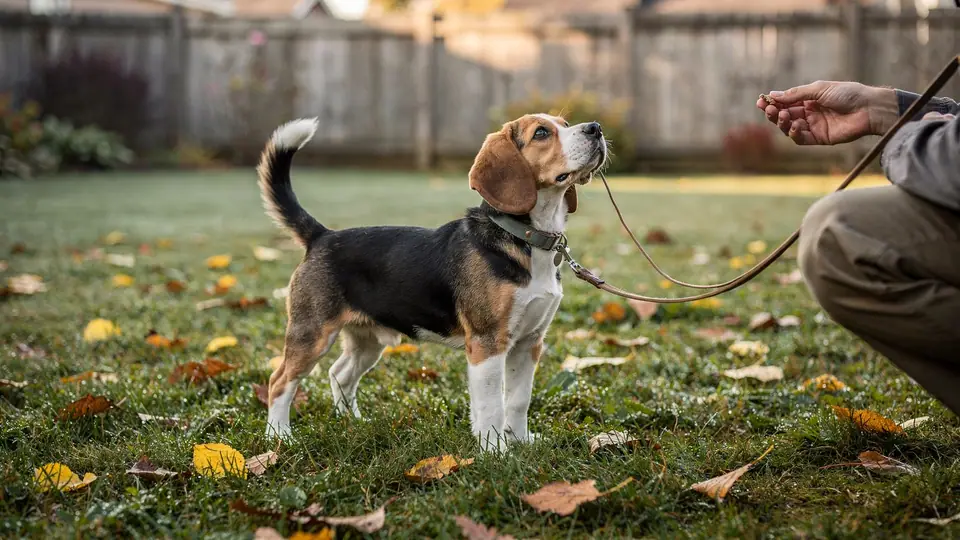
Puppy · 8 min
Puppy eating poop: why it happens and how to stop it Many puppies eat their own poo or other dogs' poo for a while. Pick up straight away, take the puppy out on a lead, reward it for coming back to you after it goes, and teach leave it. Ask your vet about diet, worms or sudden changes.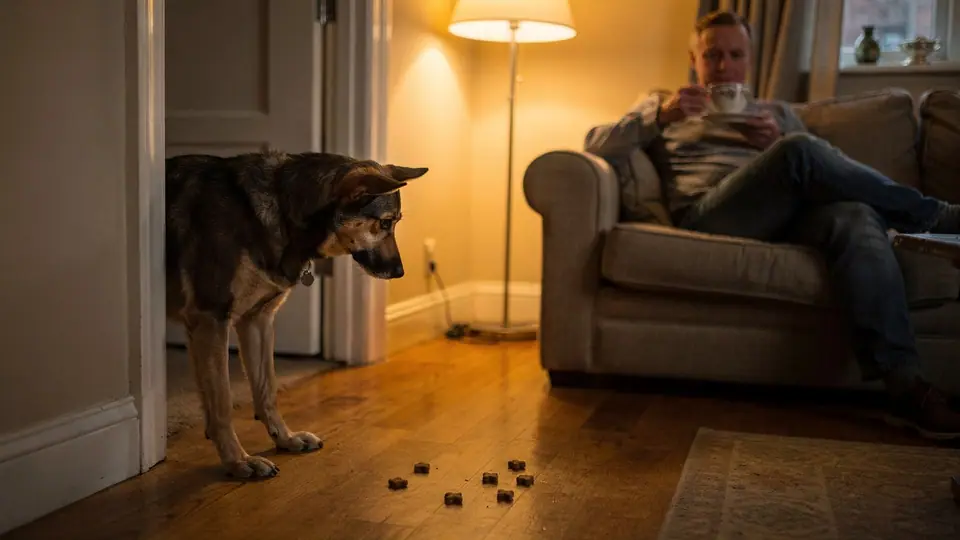
Reactivity · 9 min
Dog scared of visitors: how to help a fearful dog A dog that hides, barks and backs away from guests is scared, not rude. Give it a safe room, ask visitors to ignore it, toss treats away from people so the dog can retreat, and let it choose to come closer. Growling, snapping or bites mean get qualified help.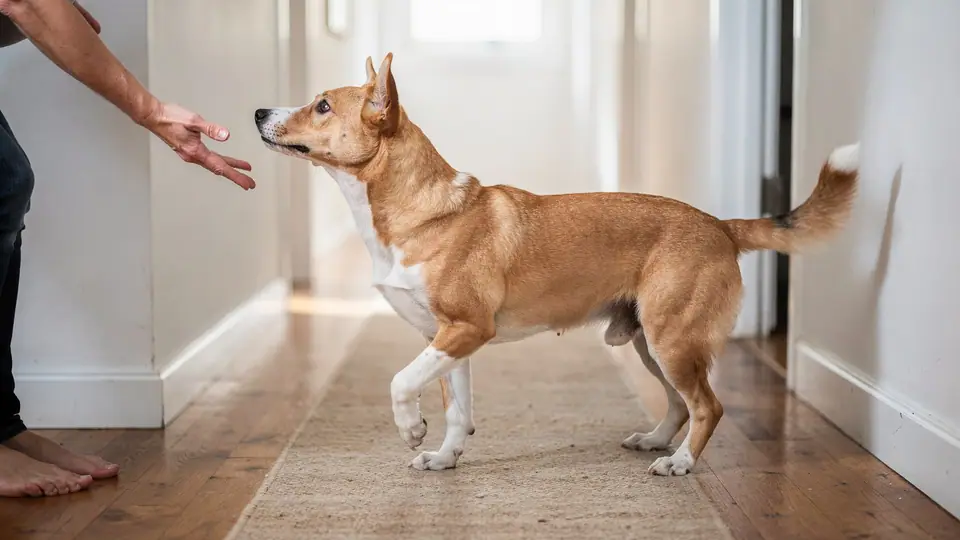
Skills · 8 min
How to teach a dog to back up: a simple step-by-step Back up means the dog steps backwards, straight, away from you. Teach it in a narrow hallway or beside a sofa so the dog moves in a straight line, reward each step, add a hand signal and a word, then use it at doors, gates and in tight spaces.
Puppy · 8 min
Potty training a puppy in winter: cold, snow and dark Cold, snow and dark mornings make puppies rush back inside before they go. Pick a sheltered spot close to the door, clear a patch, keep trips short and calm, light the way and help small or thin-coated puppies stay warm.
Behavior · 8 min
Herding dog nipping kids: how to stop heel nipping Collies, shepherds and corgis often chase and nip running children because movement switches on herding. Separate the dog during wild games, teach children to stand still, give the dog a toy to chase instead, and get help if nips become bites.
Expert Advice · 8 min
How long can a dog be left alone at home? Most healthy adult dogs cope with about four hours alone, and some with a little more after training. Plan around toilet breaks, exercise and company, use a walker, sitter or friend for longer days, and watch for signs that it is too long.
Byline
Andrew Darov
Andrew Darov is a professional dog trainer. He runs a boarding and holding business and takes dogs in for a month-plus residential correction, then publishes that method in these articles. He leads seminars and teaches other trainers and veterinarians. He writes this English site for owners in the US, the UK, and the EU. He is not a veterinarian.
Every page on Dogmindlab carries this byline. Read the veterinary disclaimer and the editorial policy before you treat a protocol as a diagnosis.
Paid work
Work with me
A $150 consultation with Andrew Darov, or $500 monthly curatorship (three sessions, homework review, one problem for the month). Message opens WhatsApp.