Bolognese: temperament, time alone, grooming and training for the white Italian bichon
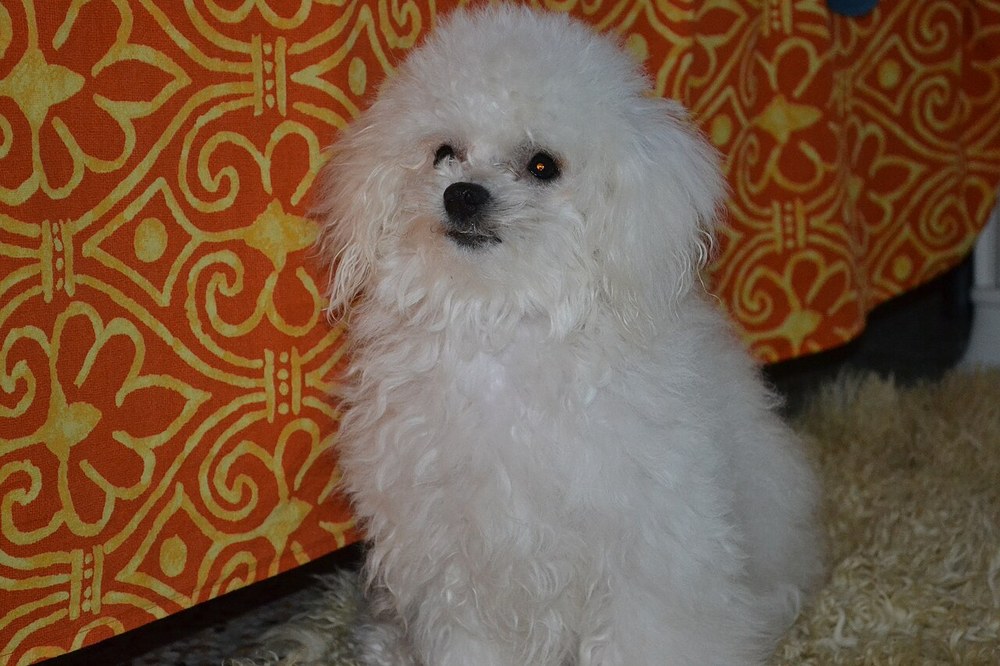
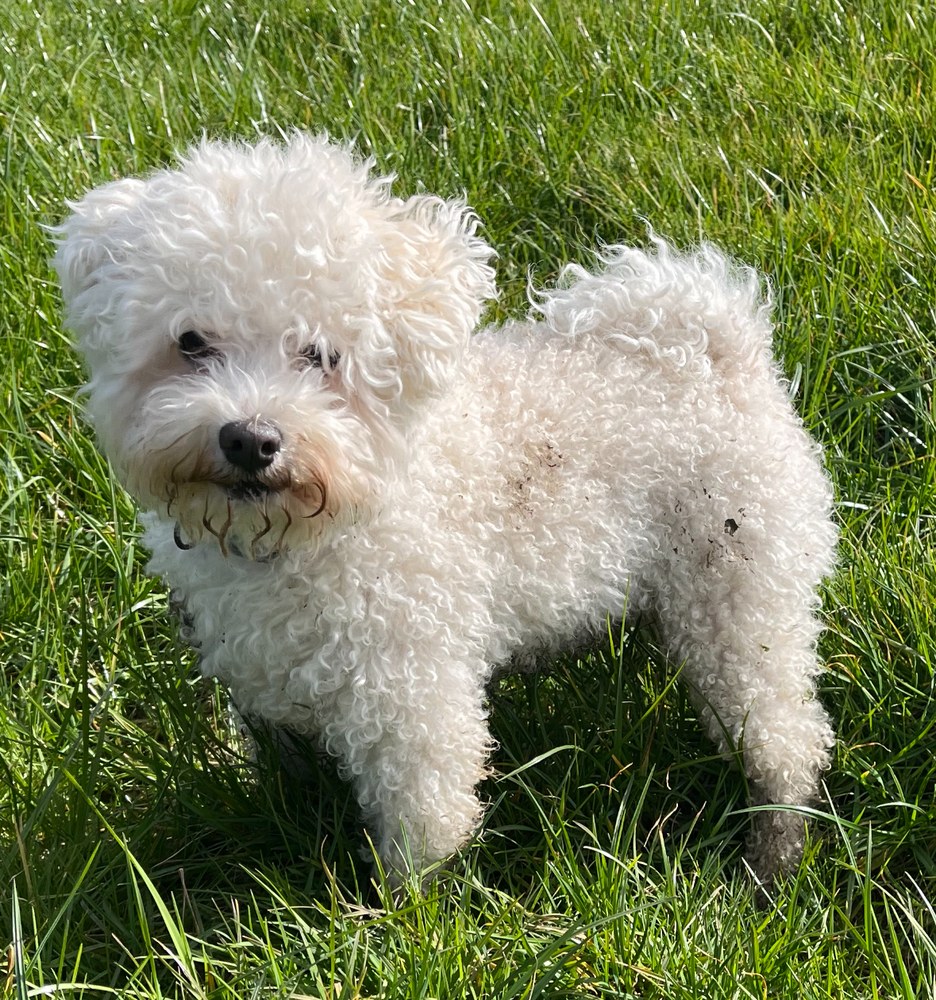
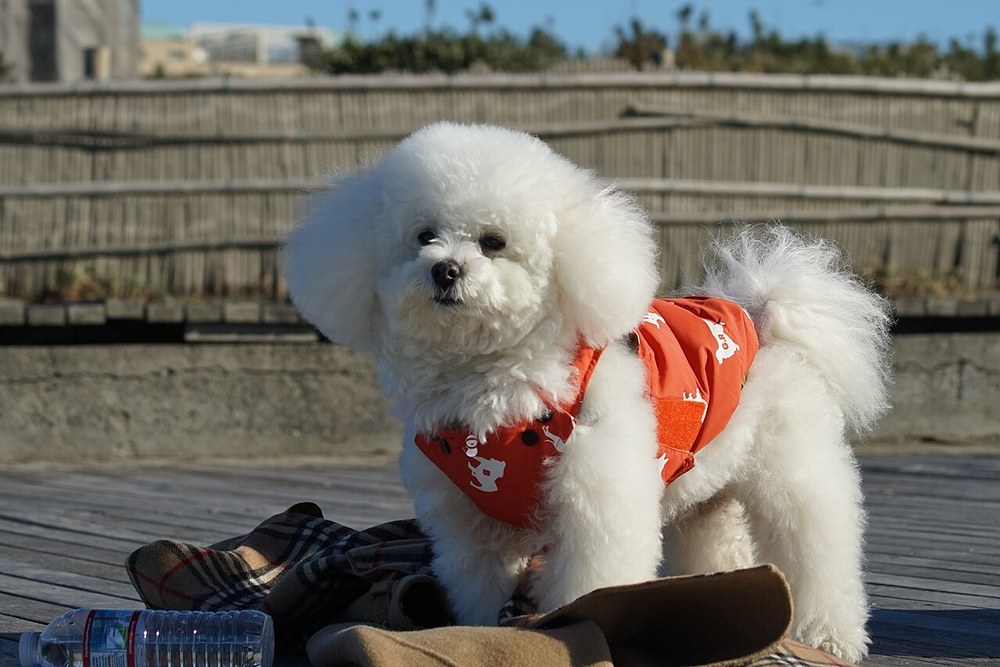
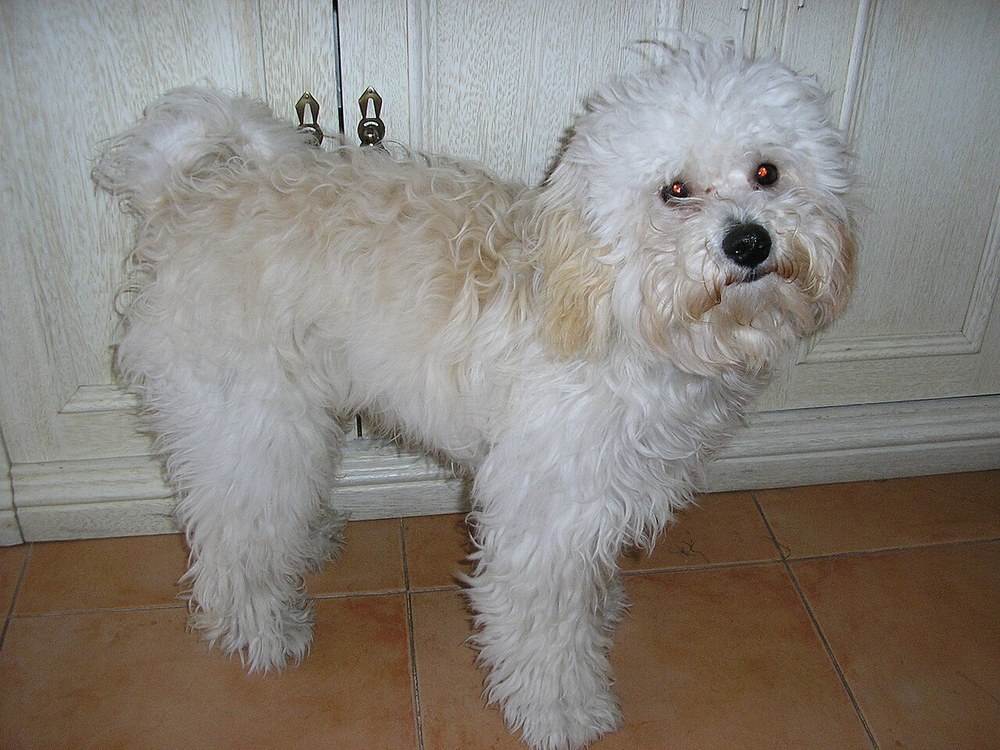
The Bolognese is a small, pure white bichon from northern Italy, named after the city of Bologna and kept for centuries as a companion by Italian nobles. It has a soft, fluffy coat in loose curls and a calm, gentle way about it. Living with one means a quiet, devoted little dog that wants to be close to its person all day, can be shy with strangers and needs regular grooming. What works is teaching time alone in small steps from the first week, gentle socialization, short, kind training with food, a toilet routine planned for a tiny dog and coat care as a normal part of the week.
Job: A small white Italian bichon; FCI Group 9, UK Toy group.
Energy: Calm, gentle, devoted and often reserved with strangers.
Home: Suits someone who is home a lot and enjoys a close companion.
Many people see a fluffy white dog and expect a bouncy little clown. The Bolognese is calmer than that. It likes to watch first, stay near its person and join in at its own pace.
That closeness is the reason people love the breed. It is also where most problems start. The ones I meet at home are a dog that cries or barks when left even for a minute, hides behind its owner when guests arrive, has toilet accidents in a quiet corner and fights the brush.
My approach is to build confidence in small steps. Short absences long before they are needed, visitors who let the dog decide, a clear toilet routine, gentle grooming practice and training with food. A Bolognese that feels safe is a sweet and easy companion.
FCI: males 27–30 cm (about 10.5–12 in), females 25–28 cm (about 10–11 in)
Weight
FCI: 2.5–4 kg (about 5.5–9 lb)
Energy
Low to moderate; short daily walks plus brain games
Coat / shed
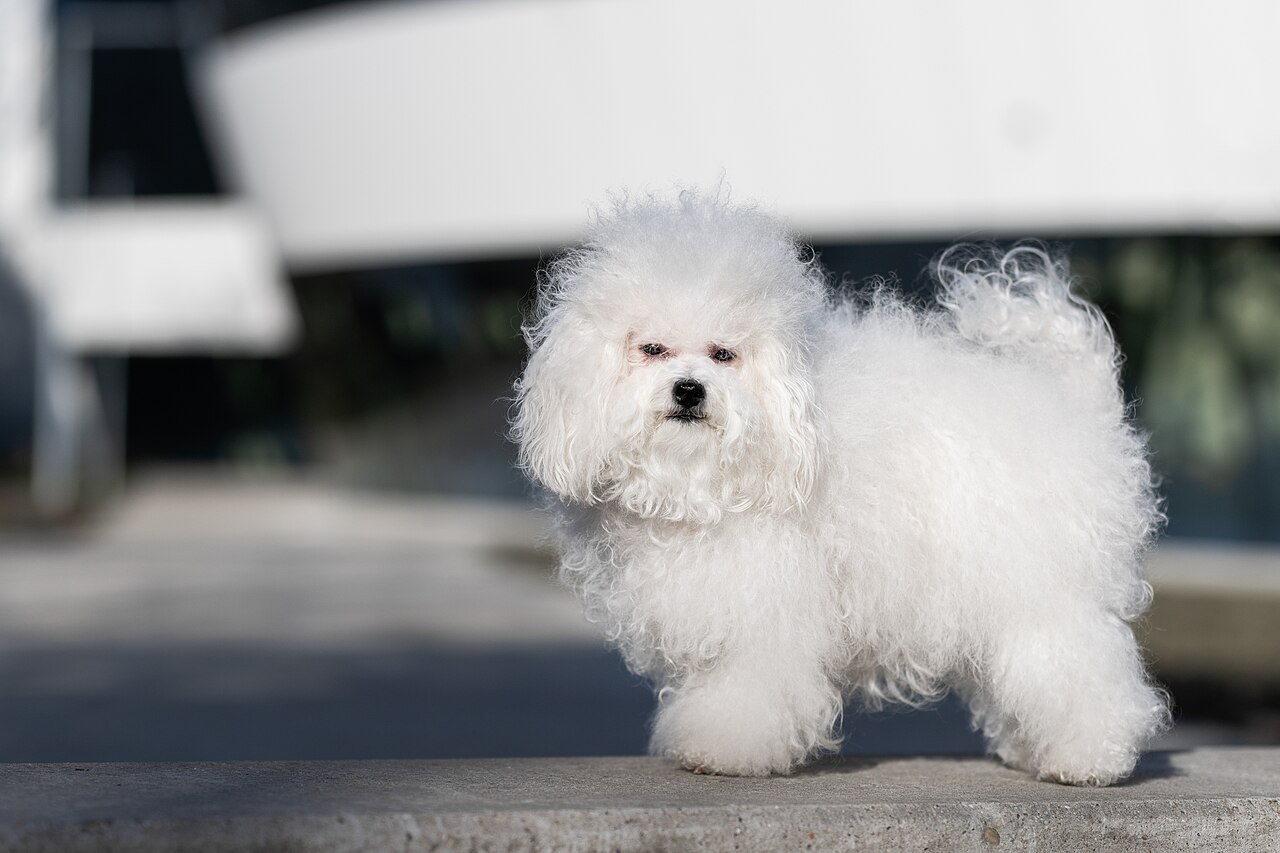
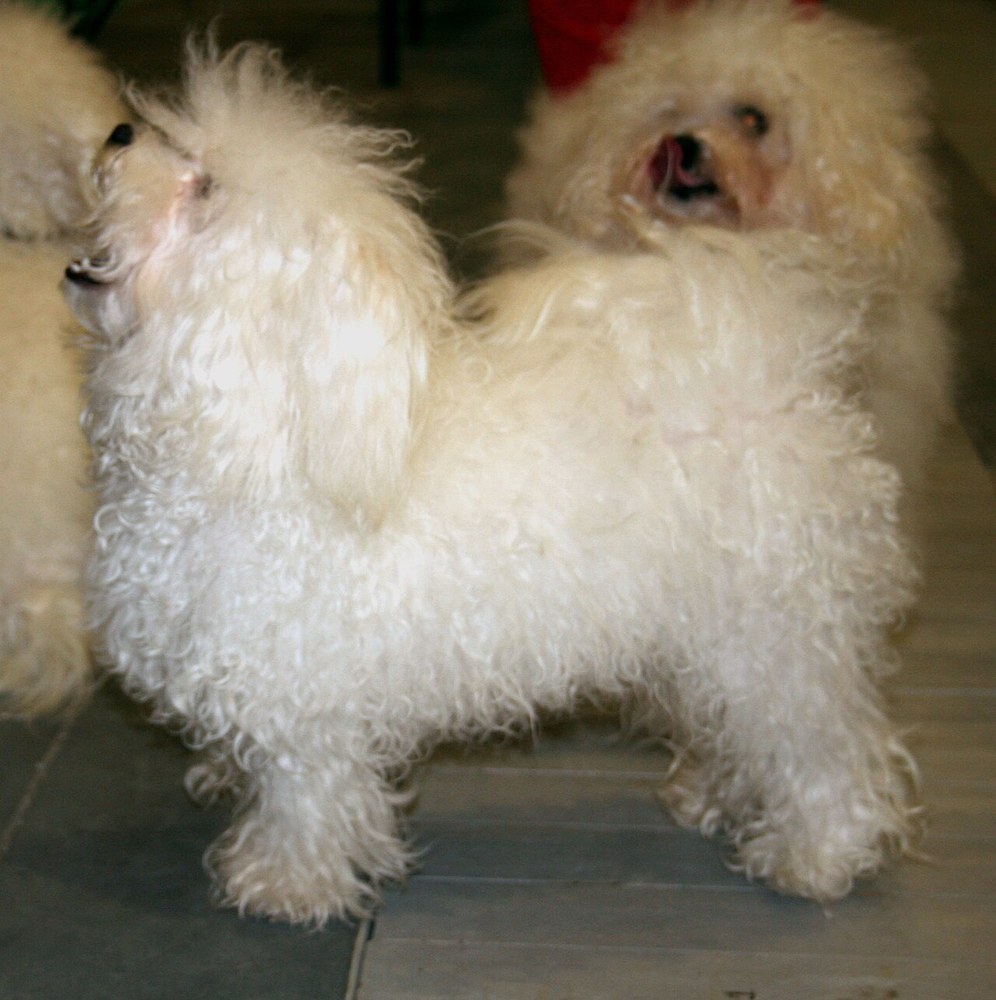
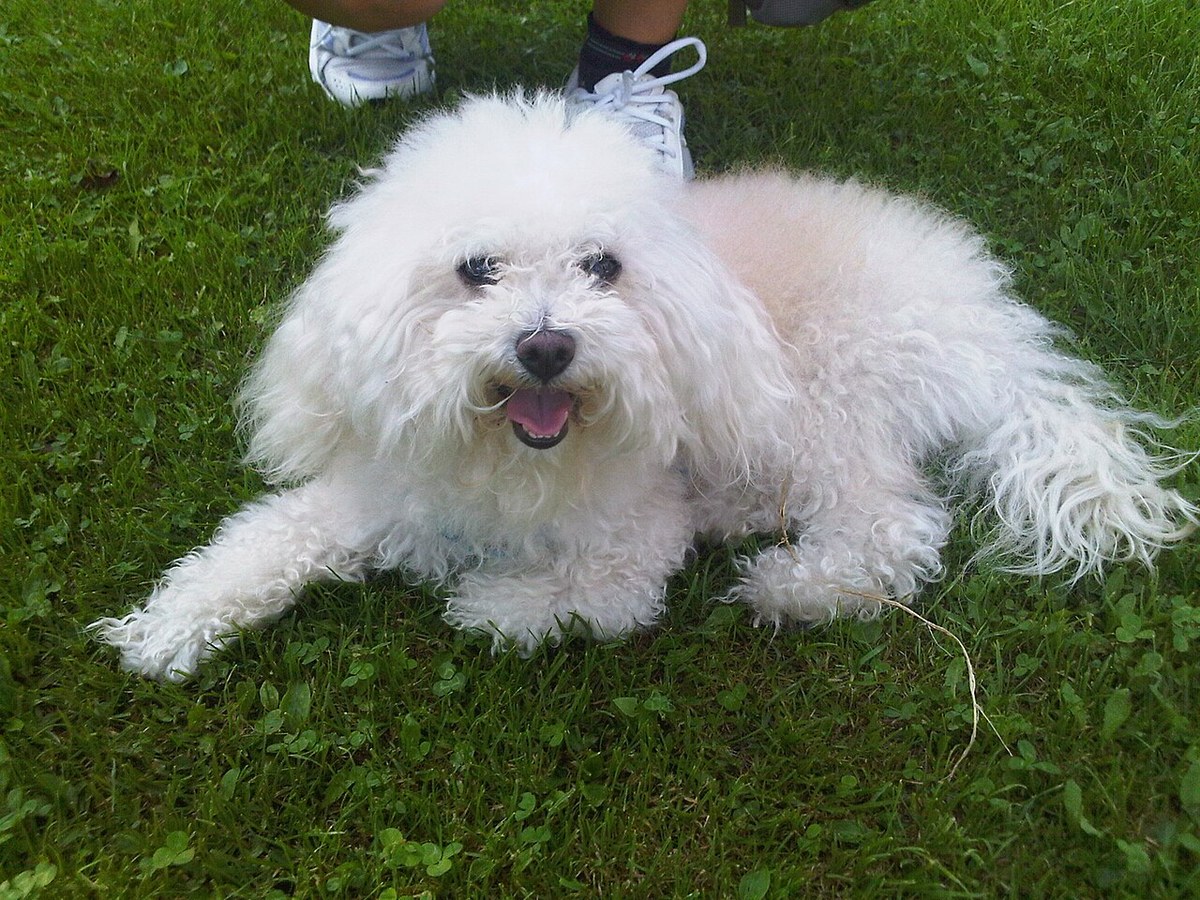
Long, soft, fluffy pure white coat in loose curls, with no undercoat
Job
Italian companion dog kept by nobles since the Renaissance (FCI Group 9, bichons and related breeds)
Temperament in one minute
Bolognese temperament: what they are like at home
Short answer: The Bolognese is a calm, gentle and devoted little dog that likes to stay close to its people and is often reserved with strangers. It is usually quieter and less busy than a Bichon Frise, but it can become anxious or bark when left alone and may hide from guests. It needs time alone taught in tiny steps, gentle socialization, short training with food, a clear toilet routine and brushing several times a week.
Are Bolognese dogs affectionate?
Very, and often with one favourite person. Build short absences from the first week.
Are Bolognese dogs easy to train?
Yes, with food and a soft voice. Keep sessions short; start with a hand target and a name check-in.
Are Bolognese dogs friendly with strangers?
Often careful at first and warm later. Guests should sit and let the dog come; see guest entry steps.
Are Bolognese dogs good with kids and other dogs?
Good with calm, gentle children and gentle dogs; protect it from rough play. See children and guests.
Bolognese behavior problems to expect
The usual four are stress when left alone, shyness with guests, toilet accidents and fighting the brush. The list further down links a guide for each.
Living with a Bolognese in an apartment
A very good fit with short daily walks and a toilet plan. Teach calm time alone early so neighbours do not hear crying.
Breed history
From Bologna palaces to a rare modern companion
The history will not train your dog, but it explains the closeness, the calm manner and the white coat.
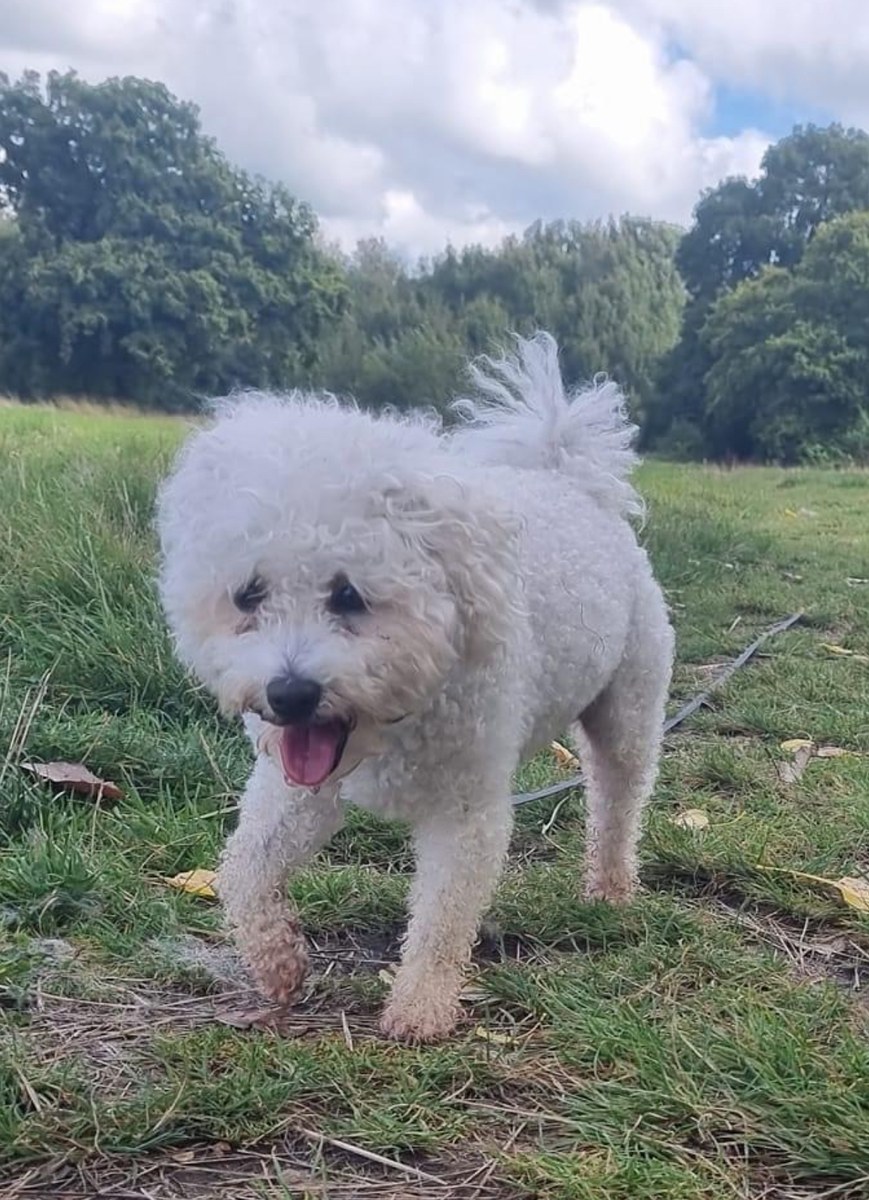
A male Bolognese out on a walk: the breed was made as a companion, but it still enjoys a daily walk with time to sniff.
Northern Italy · 1400s–1700s
A gift for princes
Small white bichon-type dogs were kept in Bologna and other northern Italian cities from at least the late Middle Ages. Noble families gave them to each other and to royal courts across Europe as gifts.
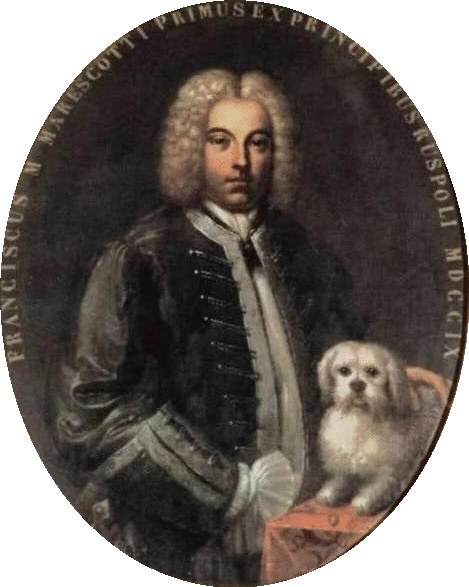
The dogs appear in Italian and European portraits of the 1500s to the 1700s, sitting on laps or next to their owners. They had no farm or hunting job. Their work was to be good company.
A historical oil portrait of Prince Francesco Maria Marescotti Ruspoli with his Bolognese dog: Italian nobles kept these little white dogs as companions.
1900s–today
Almost lost, then saved
After the two World Wars the breed became very rare. Italian and other European breeders worked in the second half of the 1900s to rebuild it from the few dogs left.
The FCI lists the Bolognese as an Italian breed in Group 9. The Kennel Club in the UK places it in the Toy group, and in the US it is in the AKC Foundation Stock Service. It is still not a common dog, so puppies can be hard to find.
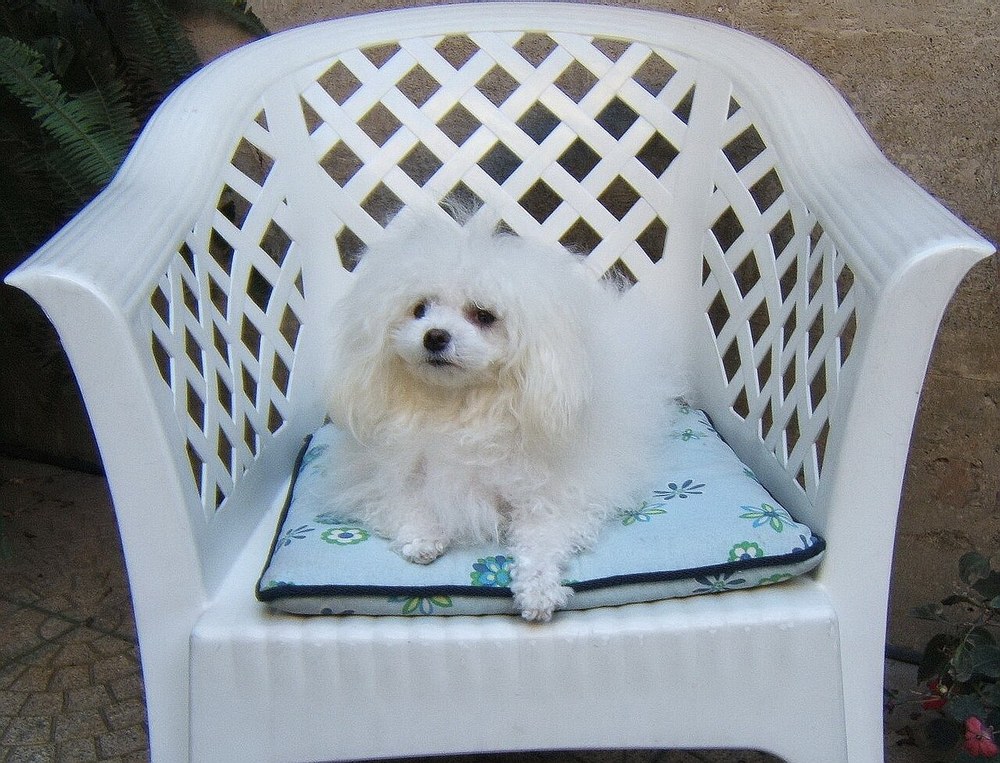
A Bolognese aged three and a half resting in a garden chair: the breed is often happy to watch the world from a comfortable seat near its people.
What the breed was bred for
Gentle, calm and close to its people
At home a well-raised Bolognese is calm, gentle and affectionate, and it often picks one favourite person. It is usually less busy than a Bichon Frise and quieter than many small dogs.
With strangers it is often careful at first. It can bark at the door and may become anxious when left alone, so confidence and time alone need work from the start.
A good day has a short walk, a little training, a brush and time with you
An adult Bolognese usually needs one or two easy walks a day with time to sniff, a few minutes of training or a nose game, a short brush and plenty of rest near its people. Trouble usually comes from never being left alone, too little gentle contact with the outside world and a coat left to mat.
Morning · toilet and brush
A toilet trip, then two minutes with the brush
Take the dog out first thing to the same spot and reward it there. Then brush one small area with a treat after each section. Daily short sessions keep mats away and make handling normal.
Leave for a minute while the dog has a chew, come back calmly and carry on. Build up very slowly. A Bolognese that learns you always come back copes far better with a working day later.
Walk on a light harness and let the dog stop and look at new things. Reward it for watching people, bikes and other dogs from a distance. Carry it away from big, rough dogs.
Ask visitors to sit, ignore the dog and drop a treat on the floor now and then. The Bolognese can come and sniff when it is ready. Being grabbed and lifted by strangers makes shyness worse.
Give the dog a bed or crate in a quiet spot near you and the same evening routine every day. A calm bedtime helps a sensitive dog relax and sleep through.
General awareness only. I am not a veterinarian. With a Bolognese, owners often notice trouble first as mats behind the ears and in the armpits, red or itchy skin under the coat, sore eyes or stained fur around them, a dog that suddenly hates being touched, or limping after a jump from a sofa. For red flags, leave this page and open
when to call the vet.
White coat
Brush and comb to the skin several times a week; many pet owners keep a shorter clip.
Eyes and face
Wipe around the eyes and mouth and keep hair out of the eyes.
Small body
Use steps or lift the dog from high sofas and beds. See limping stop list.
Teach calm handling of paws, ears, eyes and mouth with food while the puppy is small.
Ask the breeder
Ask which screenings the national breed club recommends for the parents and see the results. Do not invent disease claims from a blog.
Lines and types
Choose a confident, healthy dog, not just the smallest puppy
No bloodline selling. The Bolognese is rare and litters are small, so be careful of sellers who always have puppies. Meet the mother, watch how she copes with a stranger, a noise and being handled, and ask what health checks the parents have had.
Homes where someone is around
Someone home for much of the day.
Short daily walks with sniffing.
Brushing at home a few times a week.
Calm visitors and gentle children.
Suits retired owners, people who work from home and calm families who want a close companion.
Active small-dog homes
Trick training or rally with food.
Scent games at home.
Gentle exercise for a small body.
A quiet place to rest.
Suits owners who enjoy training a soft, clever little dog and want more than a lap dog.
Socialization windows
What to introduce — and what not to overload — by age
AVSAB-aligned in spirit: short, clean exposures at a distance the puppy can still eat,
with hygiene while vaccines finish. See the
puppy socialization schedule.
2–4 months
Settling in and meeting the world
Introduce: very short absences, calm visitors who let the puppy decide, daily handling and brushing, the toilet spot, short car rides, gentle adult dogs.
Do not overload: being passed from lap to lap, crowded places, rough dogs.
~6 months
Growing confidence
Introduce: longer absences step by step, name check-in, recall games indoors, loose lead walking on a harness, a bed cue.
Do not overload: carrying the dog everywhere so it never walks past new things.
~9–18 months
Young adult
Introduce: new places on lead, calm meetings with friendly dogs, a trick or rally class, a full groom at a groomer.
Do not overload: leaving the dog alone for a full day before it is ready.
~2 years
Settled companion
Introduce: a steady routine, nose games, regular grooming visits.
Do not overload: stopping practice with guests and time alone.
~3 years+
Maintenance
Introduce: daily walks and games, weight checks, yearly vet visits.
Do not overload: letting the coat mat between grooms.
Before you buy
Who a Bolognese usually fits
Fit comes down to how much time you are at home, grooming, how you feel about a shy or clingy dog and the toilet routine.
Good match
More likely a good fit if you…
You are home a lot or can bring the dog with you
You want a calm, gentle small dog
You enjoy brushing and grooming
You can be patient with a shy dog
You like short, kind training with food
Mismatch risk
A Bolognese may be a poor choice if…
You are out at work all day every day
You want a bold, busy dog for long hikes
You want a dog that loves every stranger at once
You will not brush the coat
You prefer correction-based or force training
If you are torn between breeds
Bolognese vs Bichon Frise and Maltese
All three are small white companion dogs from the Mediterranean. The Bichon Frise is usually more outgoing and playful, the Maltese has a long, flat, silky coat and is often livelier and more vocal, and the Bolognese has a fluffy coat in loose curls and a calmer, more reserved manner.
Coat
Bolognese
Fluffy, loose curls, no undercoat.
Bichon Frise
Dense, curly coat, often scissored round.
With strangers
Bolognese
Often reserved at first.
Bichon Frise
Usually outgoing and friendly.
Energy
Bolognese
Calm and gentle.
Maltese
Often livelier and more vocal.
Time alone
Bolognese
Needs careful steps.
Both compares
All three are close companions.
Ownership without surprises
Where a Bolognese owner’s budget goes
Costs depend on country, city and your choices. These are themes to plan for, not quotes.
Veterinary
Annual vet visits, the vaccines your vet recommends and the health tests the breed club recommends.
Grooming
A good comb and slicker brush, plus a groomer every 6–8 weeks if you keep a trim.
Food
A tiny dog eats little, so treats need counting.
Training
A gentle puppy class, then trick or rally classes.
Finding a puppy
A rare breed, so plan for waiting lists and travel to a breeder.
Time spent teaching short absences early saves far more than fixing a dog that panics when you leave.
Before day one at home
What to prepare for a Bolognese puppy
A Bolognese puppy is gentle, curious and very attached, and it is tiny enough to have accidents in quiet corners. Have gates, a crate or pen, a soft brush, chews and a planned toilet spot ready before it comes home.
Training a Bolognese means gentle steps, good food and confidence
Five skills cover most of daily life: a name check-in, staying calm when you leave, walking on a loose lead, going to a bed to settle and meeting guests calmly.
The Bolognese learns well with food and soft, short sessions. It is sensitive, so a sharp voice or rough handling makes it shut down or hide. Small steps and success build a braver dog.
Be realistic about time alone. A Bolognese can learn to rest calmly at home, but it is a companion breed and will not enjoy long days on its own. Plan for a dog walker or a dog-friendly job.
Load balance
Short walks and brain games are enough
Keep jumping off furniture to a minimum, as the breed is small and light-boned. A limp, a change in mood or a dog that suddenly hates being touched means a vet visit before more training.
Sniffing walkBrushing minuteThree-minute lessonFind it gameQuiet nap
For this breed, a few minutes of searching for treats or learning a trick often tires the dog more than an extra walk.
A Bolognese that feels safe is a sweet, easy companion; one that is pushed will hide.
Time alone
How to teach a Bolognese to stay calm when you leave
Give a chew and step out for seconds, come back calmly, build up the time very slowly, practise the leaving routine without leaving and keep absences shorter than the dog can cope with.
01
Chew and step out
Give a chew and leave the room for seconds.
02
Come back calmly
Return before the dog fusses; no big hello.
03
Add time slowly
Only a little longer each time.
04
Practise the signs
Keys and shoes without leaving.
05
Stay under the limit
Keep absences shorter than the dog can cope with.
One scene close-up
Why a Bolognese needs time alone in tiny steps
The Bolognese was bred for centuries to stay with its people. A puppy that is never left learns that being alone is strange and scary, and the first full working day becomes a crisis.
Start with seconds: give a chew, step out of the room, come back before the dog fusses. Add time very slowly. Pick up keys and put on shoes without leaving, so these signs stop meaning panic.
A dog that cannot settle, bites when handled or seems frightened needs a qualified professional; a vet check helps rule out pain.
“With a Bolognese, I begin with short absences, guests who let the dog decide, a clear toilet routine and grooming in small steps. Give this gentle dog confidence and you get a calm, loving companion.”
We work on what your days look like: time alone, guests, walks, the toilet routine and grooming. I am a trainer, not a veterinarian.
Andrew DarovProfessional dog trainer and instructor
Write down the dog's age, how long it is left alone, what happens when you leave and when guests arrive, how grooming goes and the first thing that goes wrong. Opens WhatsApp to Andrew.
For a calm family, often yes. It is gentle and affectionate. It is small and can be shy, so young children need to be taught to be gentle and let the dog come to them.
Is a Bolognese a good first dog?+
Often yes, for a first-time owner who is home a lot, enjoys grooming and will teach time alone early.
Do Bolognese dogs bark a lot?+
They are usually quieter than many small dogs, but some bark at the door or when left alone. A door routine and alone-time training help.
How big does a Bolognese get?+
About 10–12 in (25–30 cm) at the shoulder and about 5.5–9 lb (2.5–4 kg).
Do Bolognese dogs shed?+
They shed very little, but the coat mats easily and needs brushing to the skin several times a week.
Bolognese vs Bichon Frise: what is the difference?+
Both are white bichons. The Bichon Frise has a dense, curly coat and is usually more outgoing; the Bolognese has a fluffy coat in loose curls and is calmer and more reserved.
Bolognese vs Maltese: what is the difference?+
The Maltese has a long, flat, silky coat and is often livelier. The Bolognese has a fluffy, curly coat and a quieter manner.
Can a Bolognese be left alone?+
For a few hours, once it has been taught in small steps. It is a companion dog and copes badly with long days alone.
Are Bolognese dogs good with other dogs?+
Usually yes with gentle dogs. Protect it from rough play with big dogs, which can hurt or frighten it.
How much exercise does a Bolognese need?+
An adult usually needs one or two easy walks a day with sniffing, plus a short training session or nose game.
What health themes should I ask about?+
Ask the breeder which screenings the national breed club recommends for the parents and see the results. Tell your vet the breed. This is general awareness, not a diagnosis.
How long do Bolognese dogs live?+
Public breed references usually give about 12–14 years. Individual dogs vary.
If a Bolognese seems too quiet or too clingy for your home
Many people fall for the white coat and the gentle face. The need for company, the shy streak and the grooming are what to be sure about first.
Why dogs bark at the door, knocks and patio glass, and how to stop it: block the view, manage arrivals and teach a calm go-to-mat job at the knock.
Need a read on your exact situation?
Send me a few lines about your Bolognese: its age, how long it is alone, what happens when you leave or guests arrive, how grooming goes and what goes wrong first. We rule out health issues first, then pick one skill to start with.