Expert Advice · Skills · 13 min read
Hand target / touch: a cueable positioning skill
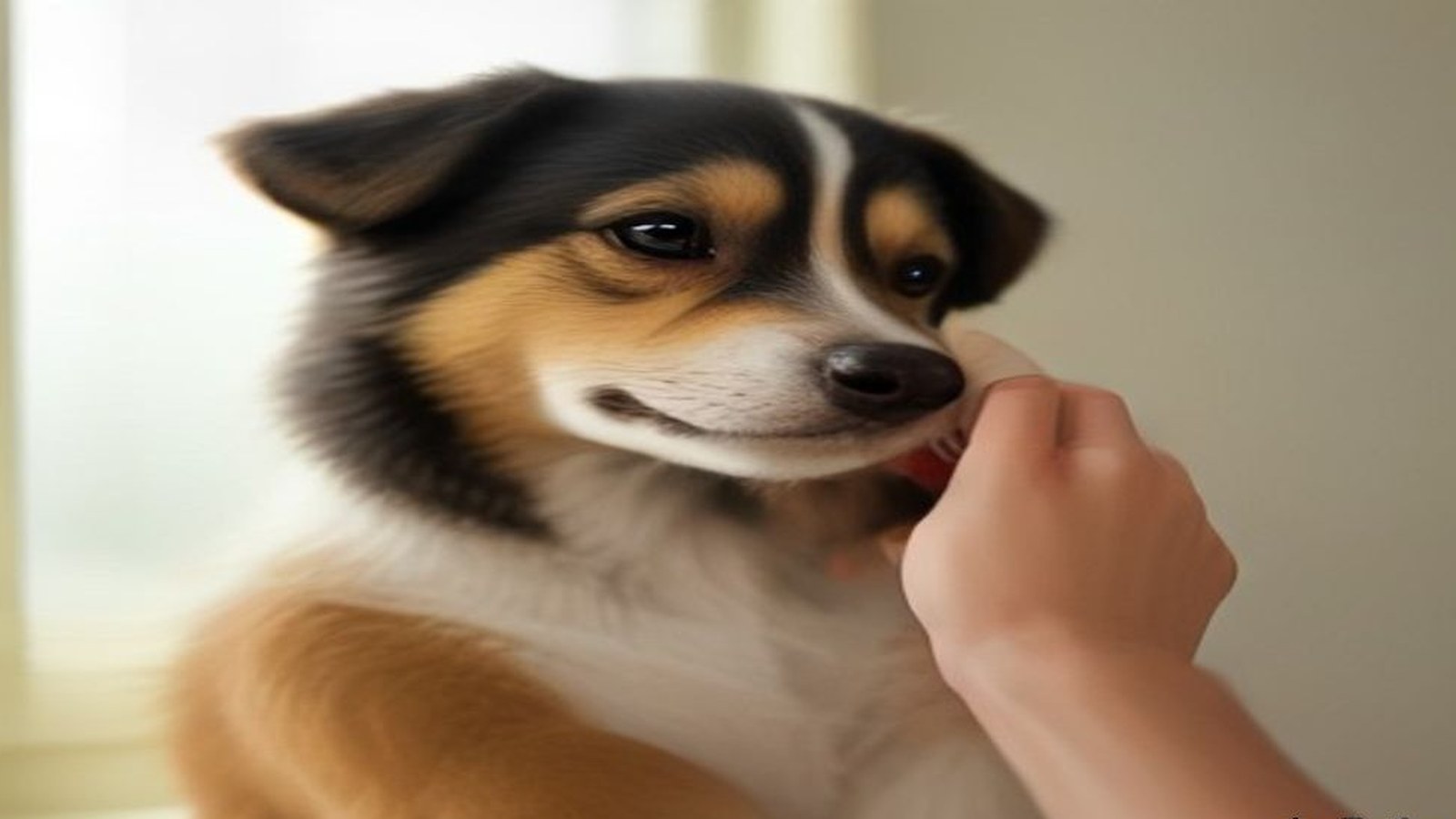
Nose to palm is a clean criterion you can put on cue. Use it to move the dog, set up cooperative care, and redirect soft attention — not as a chin-rest substitute.
Hand target — often cued as “touch” — is a nose-to-palm skill you can put on cue and carry into real rooms. Markers and criteria owns how marking and raises work. This page owns the touch ladder: clean contact, cue, distance, and useful jobs for positioning and soft redirects. Chin-rest is a different later skill and is not written here.
I train on month-plus residential stays from Russia. I am not a veterinarian. No affiliate toys, no fake reviews.
This is a skills protocol. For cooperative care context see puppy handling and fear of vet handling. For hands-as-toys problems see mouthed hands during play.
How do you teach a hand target?
Make the bump obvious. Pay it. Name it later.
Stand slightly sideways. Present an open palm a few centimetres from the nose so the easiest win is a bump, not a leap. The instant the nose touches skin or a flat palm target, mark and feed. Reset the hand. Repeat until the dog offers the bump when the palm appears. Then add a short cue as the dog is already moving in. Keep the rate of reinforcement high while the picture is new — see markers and criteria.
The cue names a bump you already built, not a hope.
What does a touch ladder look like?
One raise at a time.
- Palm appears, nose bumps, mark, feed. Quiet kitchen.
- Add the verbal cue as the dog commits. Keep palm presentation honest.
- Step back one pace. Then present from the other side.
- Send the dog a short distance to the palm near a mat or doorway for positioning.
- Use as a redirect: palm appears, touch, pay, then return to the job (mat, harness, calm settle).
Do not wave a begging hand across the room and chant the cue louder. That is not raising criteria. That is smearing the picture.
What jobs does touch do well?
Positioning and soft attention.
Use touch to move a dog off a counter line, to turn a shoulder toward you before clipping a harness, to approach a mat without a collar drag, and to set up cooperative-care positions that fear of vet handling and puppy handling can then pay. Touch is not chin-rest. Chin-rest will be its own page when that queue item ships.
US kitchen versus UK flat?
Same criterion. Different first distractions.
US (typical): open-plan kitchens leak traffic. Stake a boring corner as the office until touch is cheap, then add fridge-walk distractions on purpose.
UK (typical): narrow hallways and stair landings are excellent mid-ladder raises once kitchen bumps are easy — short distances, real life, still winnable.
When is touch the wrong tool?
Hard mouthing and tooth-on-skin games belong on mouthed hands during play and biting and nipping, not on more palm targets. Pain on face touch, aggression to hands, or panic needs veterinary or qualified professional help. See when to call the vet.
What are the usual failure modes?
- You added the cue before the bump was reliable. The word means nothing yet.
- You raised distance and distraction together. One variable at a time.
- You used touch to replace chin-rest. Different skill. Later queue.
- You ignored hard mouthing of the hand. That is a mouth problem page, not more targeting.
- You skipped markers and criteria. Late food smears the wrong second.
- You cloned recall or loose-leash here. Touch is positioning, not a come cue.
Sources
AVSAB position statements on humane dog training. Marker-based skill teaching is standard reward-based practice; see also this site’s markers and criteria page. Paraphrased as public training standards, not a research paper dump. avsab.org/resources/position-statements/
Questions on this page
What is a hand target or touch cue?
The dog touches an open palm (or target hand) with the nose on cue. You mark the contact and pay. It is a positioning and redirect skill, not free petting chaos. Chin-rest is a different later skill and is not this page.
How do you teach touch in a short session?
Present an open palm slightly aside from the dog’s nose. When the nose bumps it, mark and feed from the other hand or drop food. Add a quiet cue when the bump is reliable. Raise distance and angle one at a time. See markers and criteria for how marking works.
What is hand target useful for?
Moving a dog off a counter line, onto a mat approach, into position for cooperative care setups, and soft redirects when attention drifts. It supports vet-handling prep without replacing fear-of-vet-handling or puppy-handling pages.
US kitchen versus UK flat practice spots?
Same skill. A narrow UK flat hallway is a great early distraction raise once kitchen touch is cheap. US open-plan kitchens need a deliberate “office” corner so the fridge traffic is not the first distraction test.
When is touch the wrong tool?
Hard mouthing of hands as a game belongs on mouthed-hands and biting pages, not more palm targets. Pain, aggression to hands, or panic needs veterinary or qualified professional help. This page is not chin-rest and not a medical procedure.
Work with me
A $150 consultation or $500 monthly curatorship. Opens WhatsApp to Andrew.