dogmindlab
Work with me

Havanese · Toy

Havanese: temperament, training & companion velcro

The Havanese is a small, cheerful companion dog from Cuba with a soft, silky coat. Most are social, playful and easy to train. Life goes well with plenty of company, daily walks, patient house training and regular brushing.

  • Job: Cuban companion dog — social and playful.
  • Energy: Moderate; walks, play and tricks.
  • Home: Needs company, grooming and patient house training.
WhatsApp consult

First, the point

A Havanese is a cheerful little companion that needs regular grooming and a calm place

Public breed histories describe a Cuban companion dog from the Bichon family, rebuilt in the United States after 1959.

Most Havanese are friendly with everyone. The challenges are time alone, house training, barking and coat care.

From the first weeks, teach toilet routines, short absences, brushing and calm greetings.

Talk through your situation

Height
8.5–11.5 in (22–29 cm)
Weight
7–13 lb (3–6 kg)
Energy
Moderate
Coat / shed
Silky coat — little shedding but mats without brushing
Job
Cuban companion dog

Breed history

From Cuban salons to family homes: the Havanese story

History does not decide what one puppy becomes, but it explains a lot: most Havanese are cheerful, social and people-focused — small companions that thrive on company and gentle training.

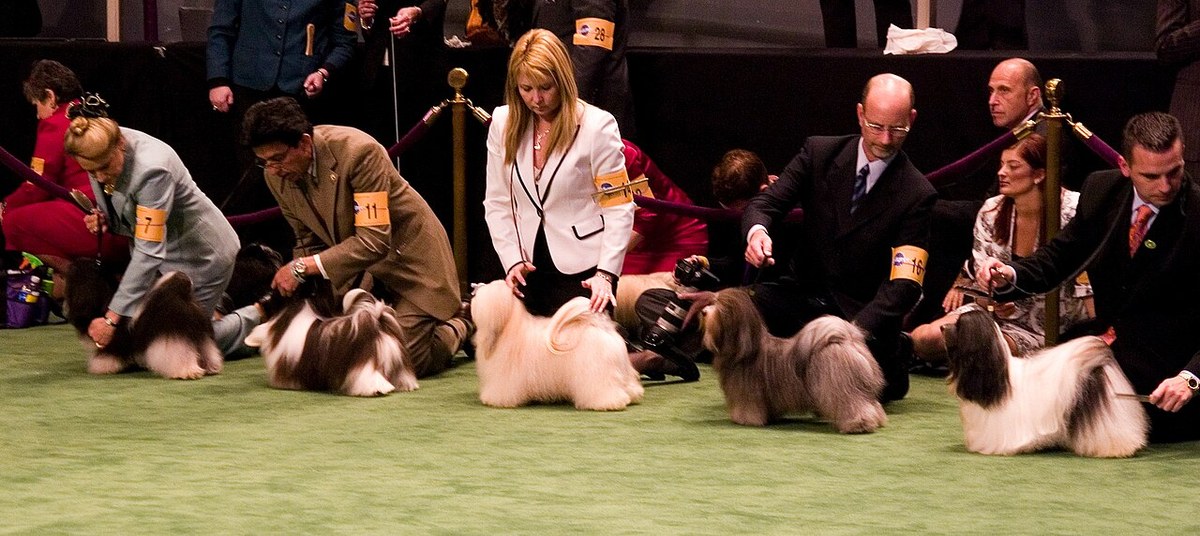
Havanese in the ring at the Westminster Kennel Club dog show (modern photograph). The breed is now popular in many countries.

Bichon family → Cuba

Cuba’s national dog

Public breed histories place the Havanese in the Bichon family of small companion dogs, brought to Cuba by Spanish settlers and traders. It became a pet of wealthy Cuban families.

The breed was always a companion: playful, affectionate and keen to be part of family life.

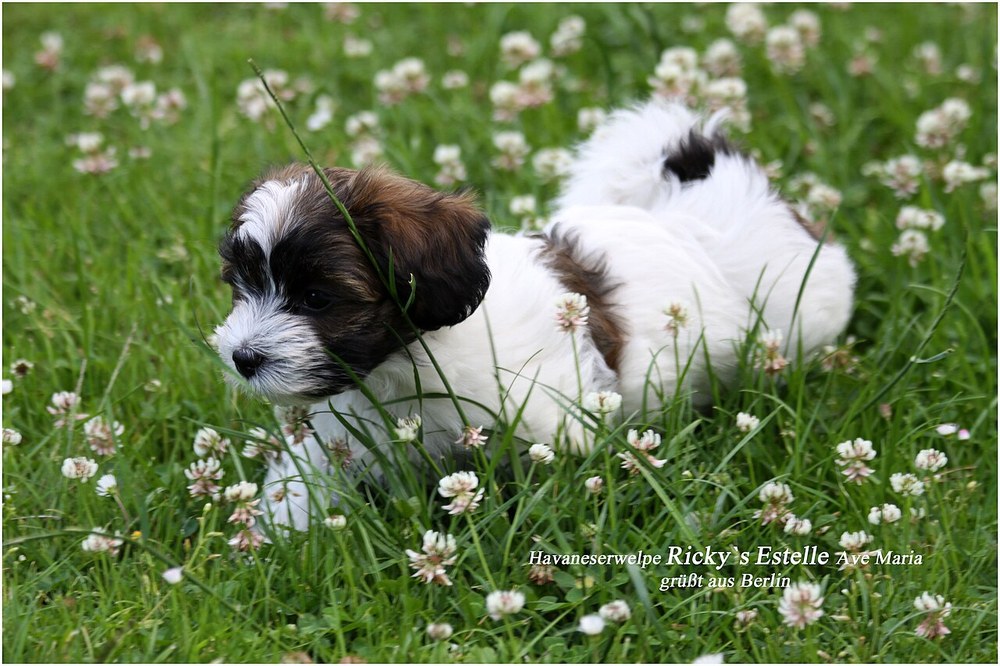
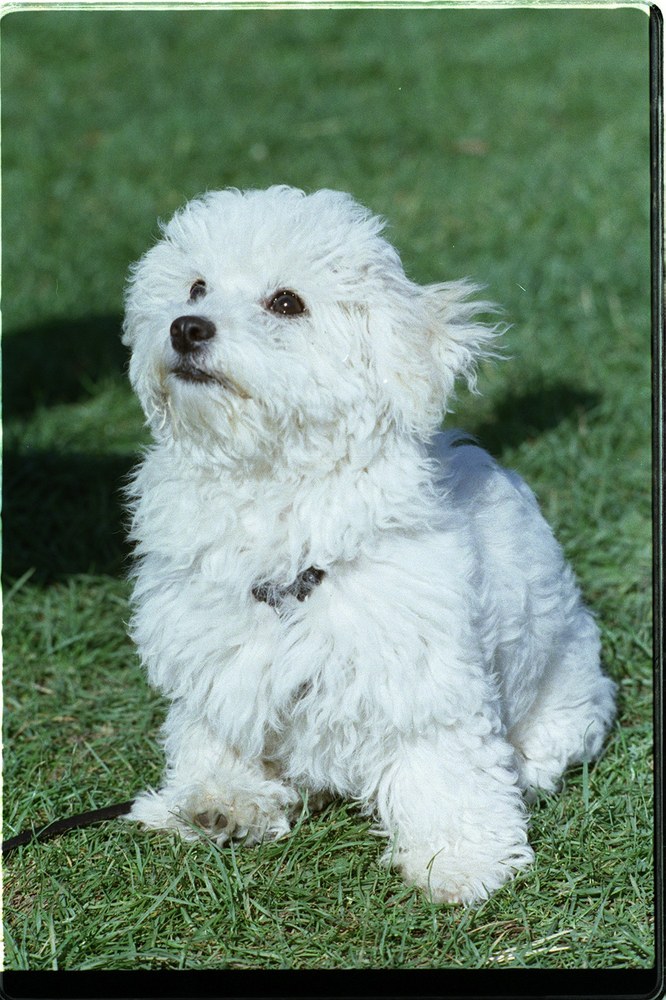
Havanese puppy lying in clover
A Havanese puppy in the grass (modern photograph). Puppies are bright, playful and quick to bond.

Revolution → exile → revival

Rebuilt in the United States

After the 1959 Cuban revolution, a few families left with their dogs. Breeders in the United States used those dogs to rebuild the breed from the 1970s.

Today the Havanese is a popular family dog. Meet the parents and ask how they cope with being alone.

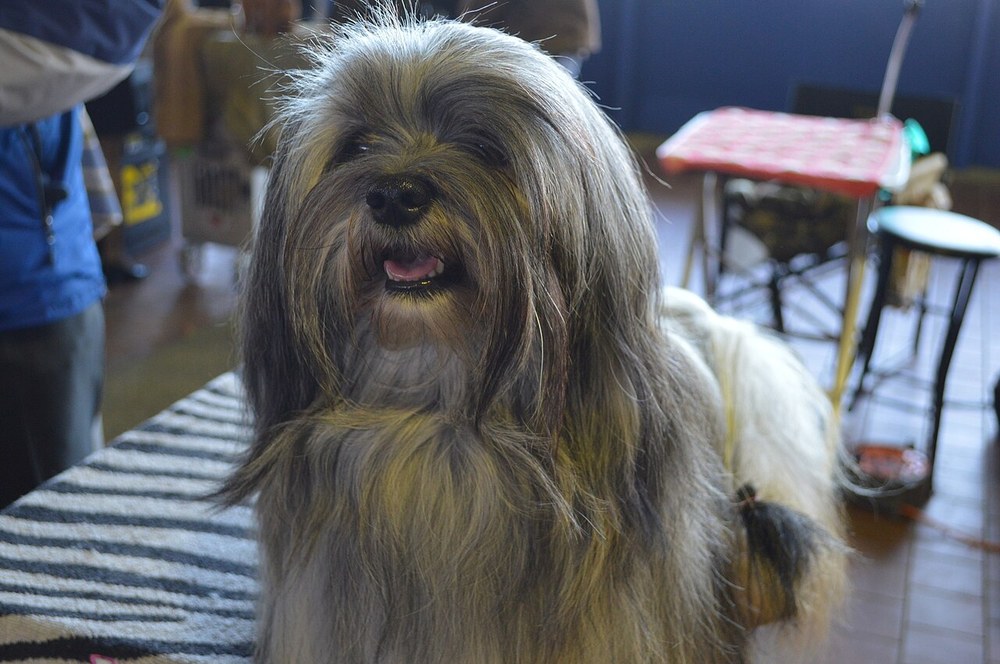
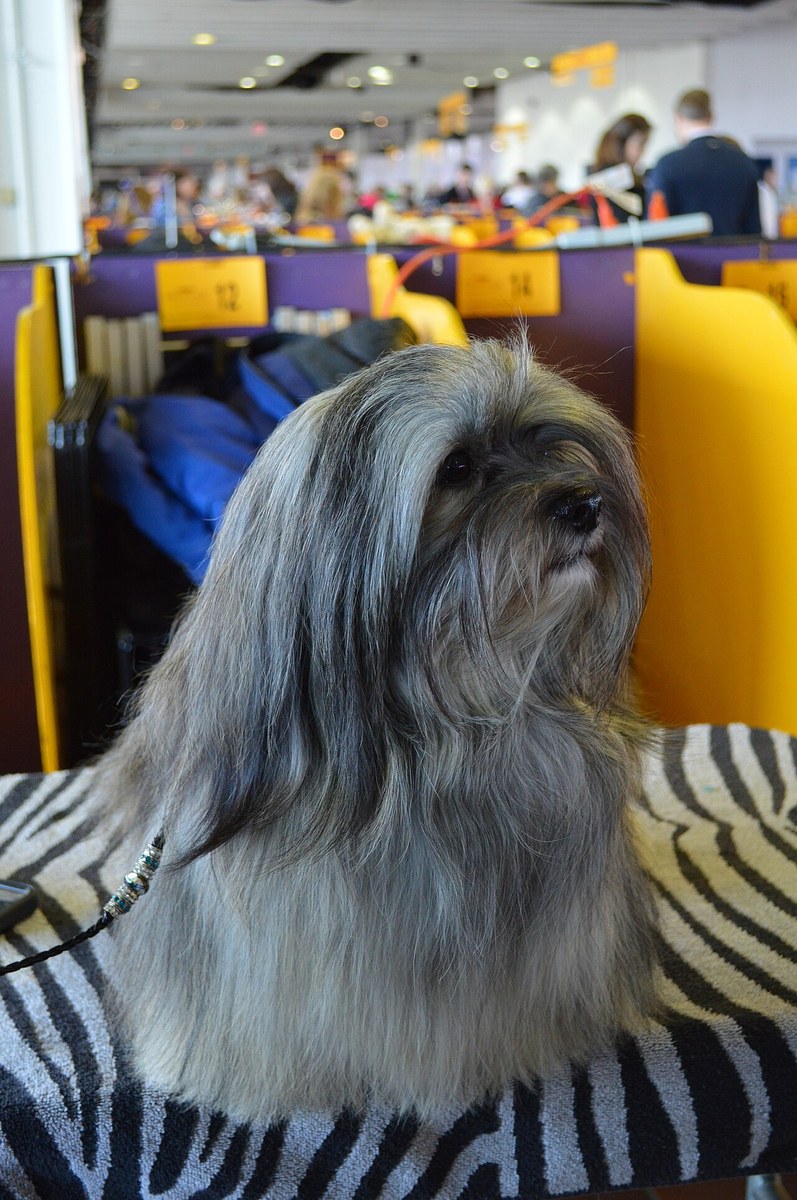
Grey long-coated Havanese at a dog show
A Havanese with a full coat at a show (modern photograph). The coat is soft and can be long and wavy.

What the breed was bred for

Cheerful, social and playful

In plain trainer language: Havanese were selected to be close companions. Most love people, other pets and games, and learn tricks quickly.

The challenges are time alone, house training, barking and coat care. Company, routines and regular brushing keep a Havanese happy.

  • Plenty of company
  • Regular brushing or a pet trim
  • Patient toilet routines
  • Trick games and short walks

Public references: FCI 250, AKC Havanese, RKC.

Life together

A day is walks, play, company and a little coat care

Havanese adapt to flats and houses. They need people around, daily walks and play.

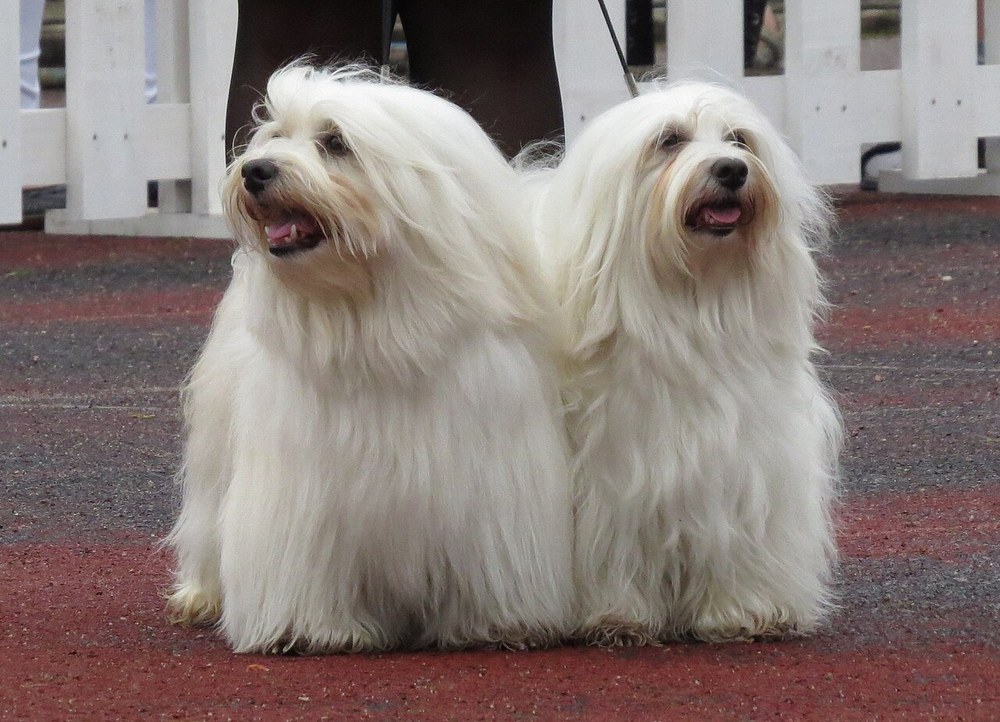
Two white Havanese sitting together at a dog show in Tallinn
Show · ring

Calm around crowds

Many Havanese enjoy busy places once they are socialized.

See socialization schedule.

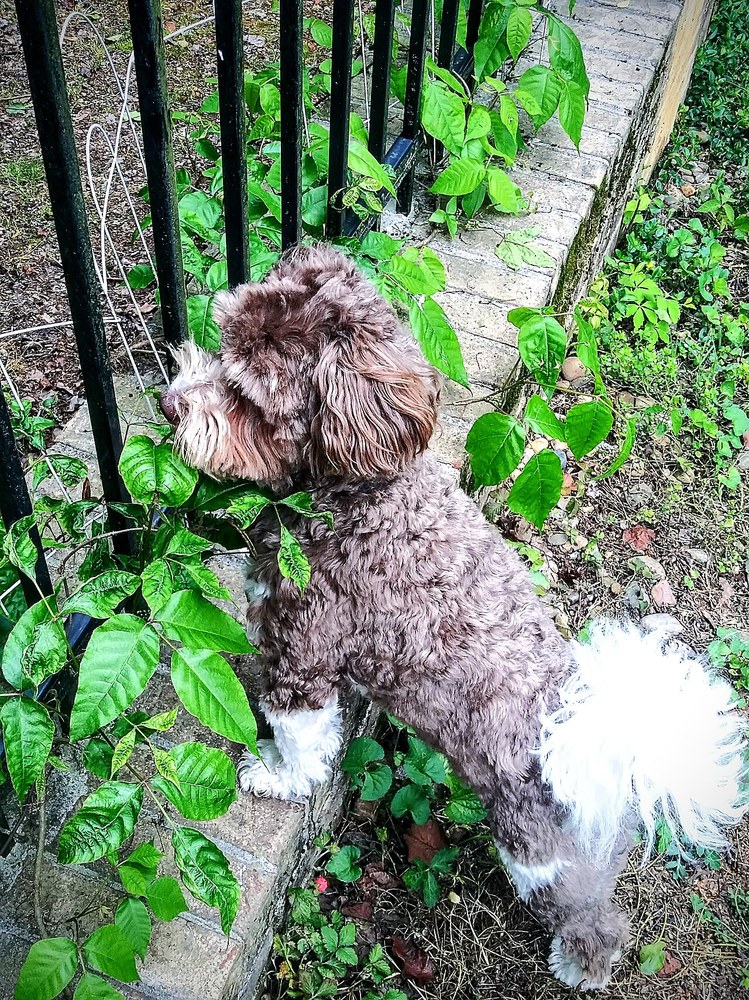
Brown Havanese standing beside a garden fence
Garden · walk

Short walks and sniffing

Daily walks and sniffing suit most Havanese.

See loose-leash walking.

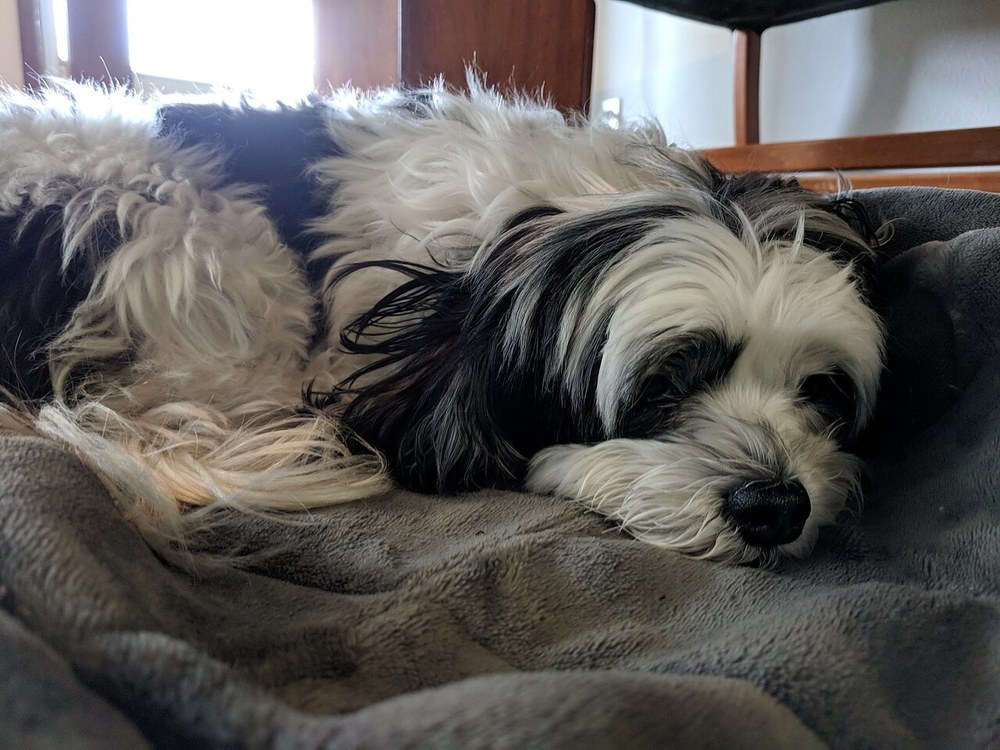
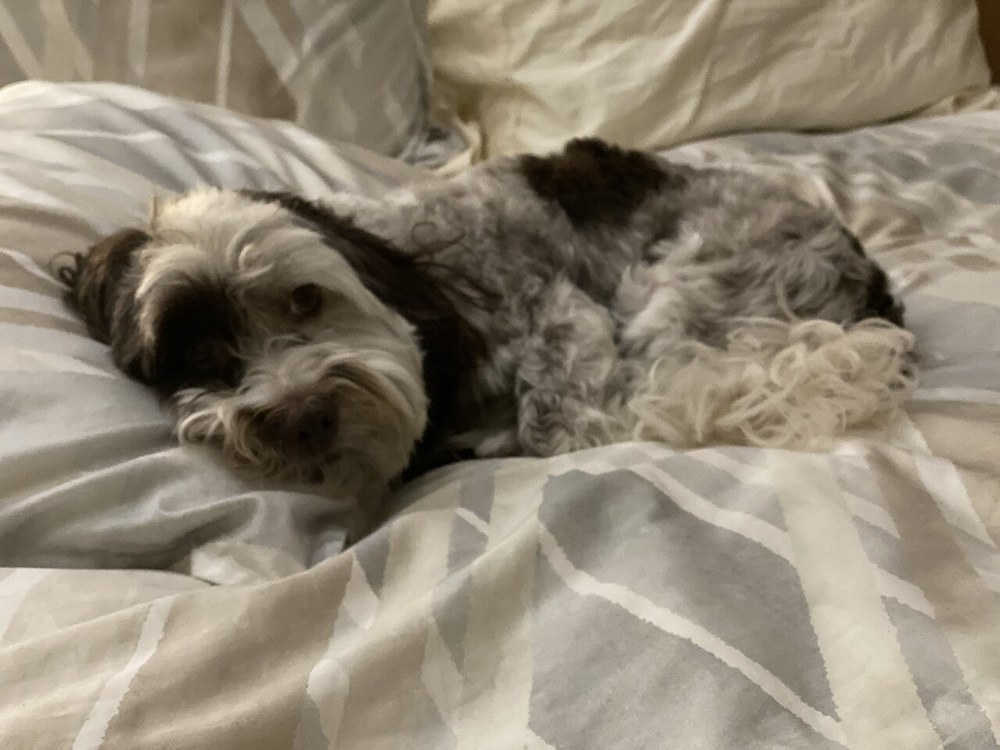
Black and white Havanese lying on a bed
Home · company

Not a dog for long hours alone

Build alone time gradually and offer a chew when you leave.

See first absences.

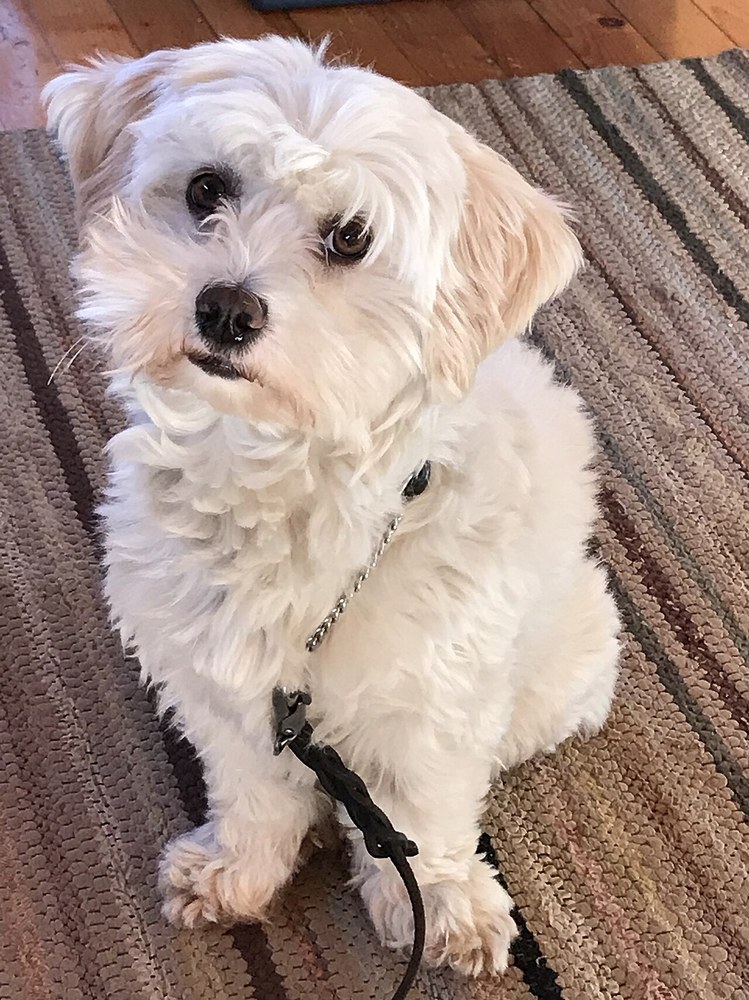
White Havanese sitting on a wooden deck
Deck · play

Tricks and games

Havanese love trick training and fetch.

See fetch that ends.

Havanese resting on a bed after a walk
Evening · rest

Settle after a walk

A walk, then a cuddle and a nap.

See place.

Care and health themes

What to watch monthly: coat, eyes, teeth and weight

General awareness only — I am a trainer, not a veterinarian. Notice changes in coat, eyes, eating or energy. For urgent signs, see when to call the vet.

Coat

Soft, long coat that tangles. Brush several times a week or keep a shorter trim.

Eyes

Keep hair out of the eyes; see the vet for redness.

Teeth

Brush daily; small dogs need dental care.

Health screening (not a diagnosis)

Ask the breeder which screenings the national breed club recommends and see results for both parents.

Toxins

I do not publish toxin amounts. Call a vet or poison-control line if the dog eats something dangerous.

Lines and types

Long silky coat or short trim

Havanese can be kept in a long natural coat or a short trim. Some are even shown corded. Care changes, temperament does not.

Long natural coat

  • Soft, wavy coat.
  • Brushing several times a week.
  • Typical show look.
  • Tangles after walks in wet grass.

Suits owners who enjoy grooming.

Short trim

  • Coat clipped short.
  • Quick to dry and brush.
  • Regular trims.
  • Popular with families.

Suits busy pet homes.

Socialization windows

What to introduce — and what not to overload — by age

AVSAB-aligned in spirit: short, clean exposures at a distance the puppy can still eat, with hygiene while vaccines finish. See the puppy socialization schedule.

2–4 months

Routines and handling

Introduce: toilet schedule, brushing, crate, friendly visitors.

Do not overload: long hours alone.

~6 months

Alone time

Introduce: short absences, recall, calm greetings.

Do not overload: rewarding barking.

~12 months

Adult habits

Introduce: grooming visits, tricks, longer walks.

Do not overload: skipping brushing.

~18 months

Social companion

Introduce: cafés, visits, dog-friendly outings.

Do not overload: carrying instead of walking.

~24 months

Maintain routines

Introduce: refreshed toilet and alone-time routines.

Do not overload: dropping training.

Before you buy

Who a Havanese usually fits

A Havanese fits families and individuals who want a small, social dog and are home often.

Good match

More likely a good fit if you…

  • Are home often or can bring the dog along
  • Want a friendly, adaptable small dog
  • Will brush regularly or book trims
  • Have children who are gentle
  • Enjoy trick training

Mismatch risk

A Havanese may be a poor choice if…

  • Long hours alone are routine
  • Grooming feels like a chore
  • You want a guard dog
  • You want a long-distance running partner
  • Barking would be a big problem

If you are torn between breeds

Havanese vs Bichon Frise and Maltese

Havanese are compared with the Bichon Frise and Maltese — close relatives in the Bichon family.

Coat

Havanese Soft, silky, wavy; many colours.

Bichon Frise Curly white coat.

Build

Havanese Sturdy, slightly longer than tall.

Bichon Frise Compact and round.

Colour

Havanese Many colours.

Maltese Always white.

Size

Havanese Small and sturdy.

Maltese Smaller and finer.

Temperament

Havanese Social and playful.

Both compares All three are cheerful companions.

Ownership without surprises

Where a Havanese owner’s budget goes

Costs depend on your area and groomer. Plan for these — not quotes.

Grooming

Brushes or regular trims.

Dental care

Brushing and checks.

Food

Small portions; treats count.

Veterinary care

Ask which screenings the national breed club recommends.

Training

Puppy class and tricks.

Pet care

Sitter or day care if you are out a lot.

With a Havanese, grooming and company plans are the main costs.

Before day one at home

What to prepare for a Havanese puppy

A Havanese puppy is sociable and quick to learn. Start toilet routines and alone time early.

If the dog is already yours

Training is play, tricks and a plan for alone time

Havanese learn quickly with treats and play.

Focus on toilet habits, alone time, calm greetings and grooming.

Trick training and simple dog sports keep a Havanese busy.

Load balance

Walks, play and company

Daily walks and play sessions suit most Havanese.

Walk Play Tricks Brush Nap

Walks, fetch, tricks and puzzle feeders suit most Havanese.

A Havanese with company and routines is a joyful family dog.

Alone time

How to help a Havanese cope when you go out

Build absences slowly, starting with a few seconds.

  1. 01

    Start at home

    Step out of the room for seconds.

  2. 02

    Add a chew

    Give a chew before you leave.

  3. 03

    Build time slowly

    Add time only when the dog stays calm.

  4. 04

    Keep it low-key

    No big goodbyes or greetings.

  5. 05

    Watch for stress

    Shorten absences if the dog cries.

One scene close-up

Why your Havanese follows you everywhere

Havanese were bred as companions and love being close.

Practise short separations at home, reward calm and keep departures low-key.

If distress continues, shorten absences and ask a trainer for help.

First absences Playpen or crate Place

Typical household scenes

Where Havanese owners most often need help

A breed page is only a starting point; the fix depends on health, environment, and the dog in front of you. Each row opens a step-by-step guide.

Practical view

“With a Havanese, I look at alone time and house training first. We build short absences, a toilet routine and easy brushing — because a dog bred for company finds empty hours hardest.”

Sessions cover real scenes: time alone, toilet accidents, barking, jumping on visitors, and grooming. I am a trainer, not a veterinarian. No invented reviews.

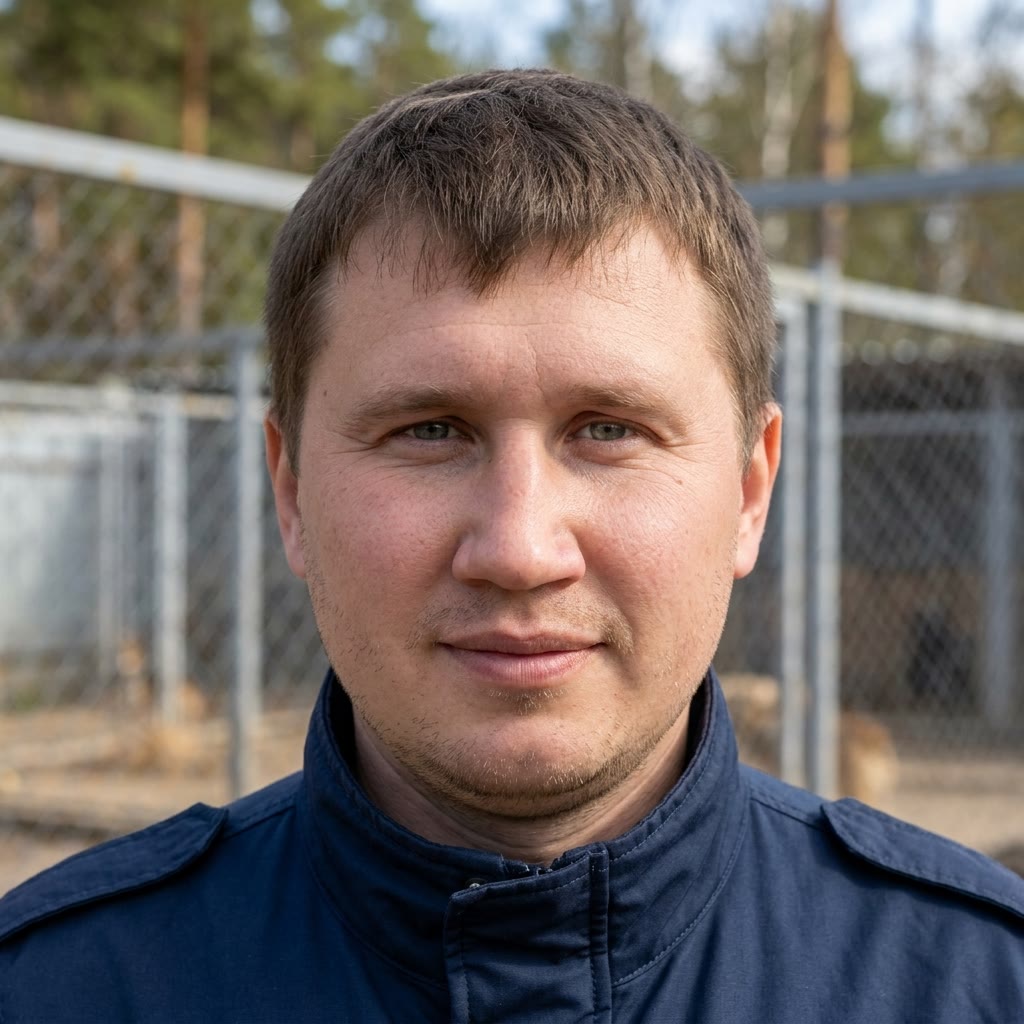
Andrew Darov Professional dog trainer and instructor
WhatsApp consult

Talk through your Havanese

Describe age, living setup, and where the dog breaks first — time alone, toilet accidents, barking, or grooming. Opens WhatsApp to Andrew.

Short answers

FAQ

Is a Havanese a good first dog?
Often yes, for an owner who is home and grooms.
Are Havanese good with children?
Usually very good with gentle children.
Do Havanese shed?
Little, but the coat tangles without brushing.
How much exercise does an adult need?
Daily walks and play.
Can a Havanese live in an apartment?
Yes, very well.
Do Havanese bark a lot?
Some do; teach calm door routines.
Can a Havanese be left alone?
Build up slowly; they prefer company.
Are Havanese easy to train?
Yes, they enjoy reward-based training.
What about health?
Ask which screenings the national breed club recommends and see the parents' results.
What is the typical lifespan of a Havanese?
Public breed references often give about 14 to 16 years. Individual dogs vary.
Is crate training a good idea?
Yes, as a cosy resting place.

If a Havanese needs more company than you can give

If you love small, smart dogs but are out more often, consider this one.

Bichon Frise

A cheerful, curly-coated companion dog that loves people and needs regular grooming, patient house training and company.

Shih Tzu

A friendly, long-coated companion from the Chinese court that needs regular grooming, house training and care in heat.

Poodle

Clever, adaptable and low-shedding; Miniature and Toy sizes suit small homes.

More Toy group breeds

Other guides from the same group in the breed library. Same group does not mean same dog: read the fit and the failure modes, not only the outline.

Italian Greyhound

A slender miniature sighthound that is gentle at home and needs warmth, safe places to sprint and patient house training.

Japanese Chin

A soft East Asian lap companion. Needs confident handling, flat manners without spoiling and cool-weather walking sense.

Maltese

A tiny, ancient white companion with a silky coat that needs daily grooming, house training and plenty of company.

Miniature Pinscher

A small, proud German ratter that needs exercise, door manners and loose-leash training.

Papillon

A bright, butterfly-eared toy spaniel that learns fast and needs training games, walks and calm door routines.

Pekingese

A dignified lion dog from the Chinese court. Needs handling taught with consent, real small-dog manners and careful heat, eye and back care.

Need a read on your exact situation?

Describe your Havanese’s age and the scene that repeats most: time alone, toilet accidents, barking, or grooming. We check safety first, then pick the first skill.

Written by Andrew Darov, professional dog trainer. Not veterinary advice and not a diagnosis. Not a kennel club. No invented reviews. No vaccine schedules or toxin doses. Photo credits in /images/breeds/havanese-guide/credits.md.