

The rest of the week
Living With a Dog: Home Management Guides
Most dogs do not fail in the training session. They fail in the eight hours you were answering email.
Life is where protocols collide with architecture. A US suburban kitchen with a dog door is not a UK third-floor flat with a lift. The learning is the same — mark the toilet, manage the unsupervised minutes, sleep the puppy enough — and the furniture is not.
Start with children and guests if the house has a child or a doorbell. The other published spokes that keep households from unravelling in week one are crate nights, house training, first absences, and introducing a new dog for resident-plus-new pairings, plus adolescent 6–12 months for expectations and criteria refresh, and what is residential dog training for the plain meaning of the term, board-and-train for what to ask and how transfer should work, plus elevator and hallway threshold for flat exits, and guest entry protocol for the arrival sequence, plus kids and food zones, baby gates, and multi-dog meal management for food stations and room splits, plus management before manners for the order-of-operations checklist, plus senior dog manners refresh for older cue criteria, plus how a residential month runs for month-plus phases and transfer, intake video for what to film before residential or consult work, ready for a consult for the readiness checklist, online curatorship vs one call for coaching formats, and when DIY is enough for honest solo stop lines. 3-3-3 rule for rescue dogs for adopted-adult day/week/month expectations. Are French Bulldogs good with kids for Frenchie-and-children house rules beside the breed guide. When do Labs calm down for Labrador energy by age and a settle plan beside the breed guide. Hotels remain in the queue.
Children and dogs share space only with management. The full protocol is on children and guests. No page here will claim a breed “nannies” a toddler. Gates, a rest place, and an adult who is actually watching are how you avoid a bite you will not get to retrain.
The multi-dog introduction spoke is live; travel notes will follow the same rule: you are an owner, not a film set. No fake client diaries. If a setup is specific to the US or the UK, it will be labelled as such, the way the toilet page already is.
In this section
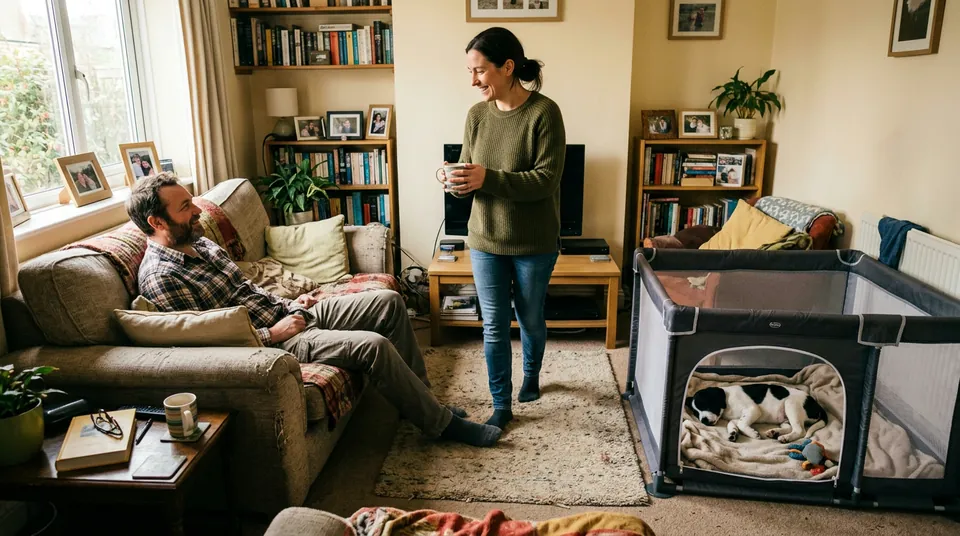
New puppy, unexpected overwhelm? Start with puppy blues: a practical support plan.
Expert advice
Puppy Blues: Coping With Regret and Overwhelm You can want your puppy and still feel overwhelmed. Make the care load smaller, ask for real support and know when professional help matters.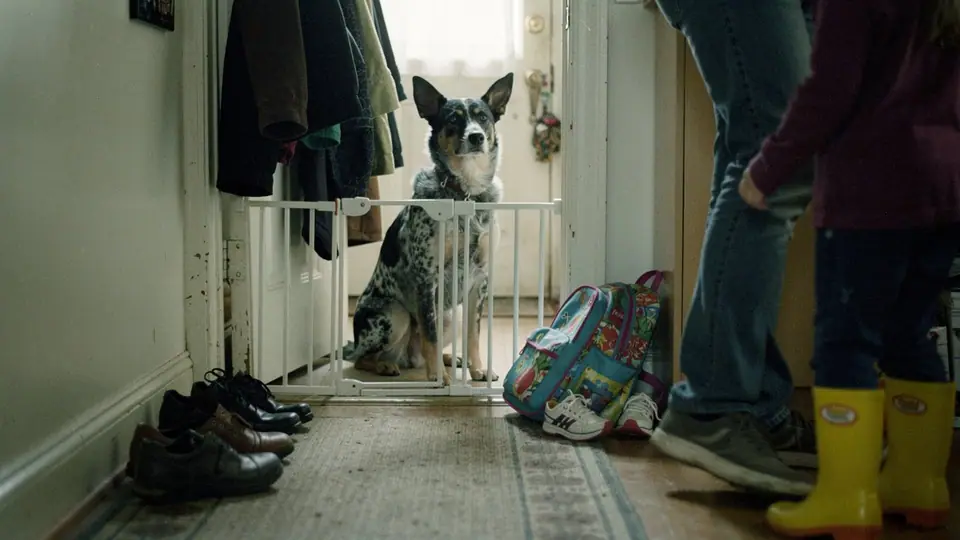
Expert advice
Children and guests Gates, a rest place, a guest plan. No breed nannies a toddler. An adult watches.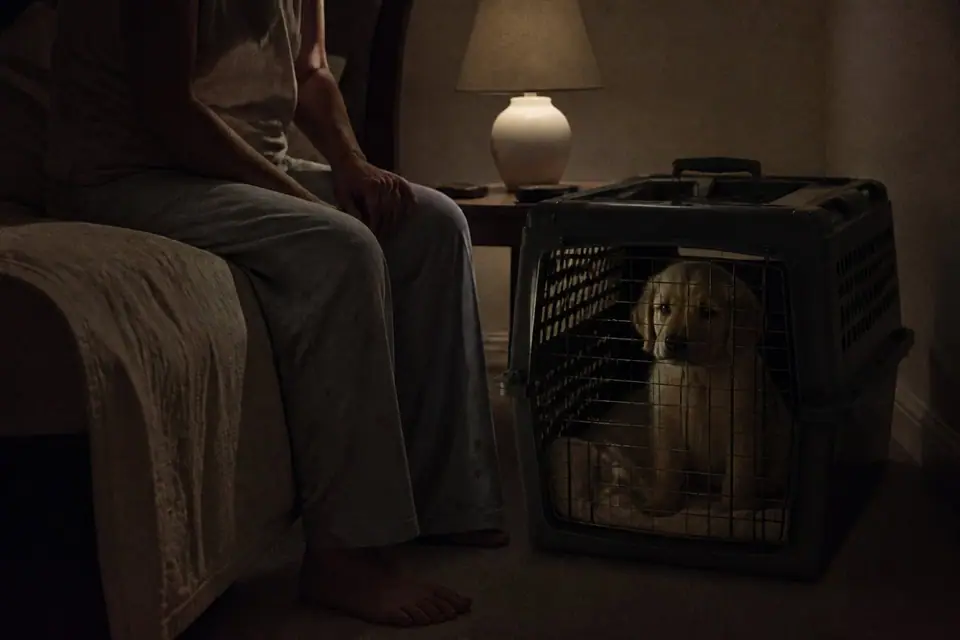
Expert advice
Nights The life protocol everyone meets first: a puppy in a crate after lights out.
Expert advice
Toilets in real homes US yards and UK flats. One learning rule, two setups.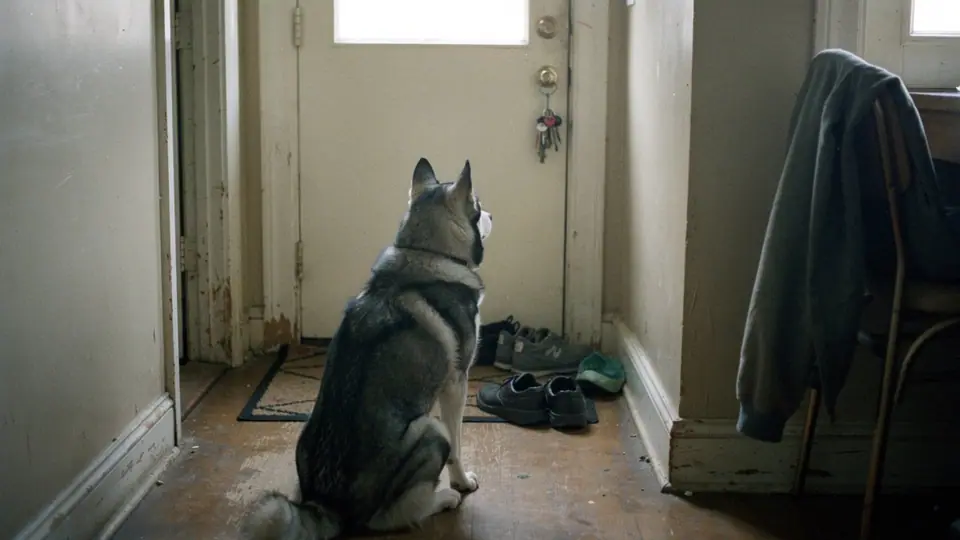
Expert advice
First absences Short, rehearsed exits. Not a separation-anxiety diagnosis. Crate as rest if already introduced.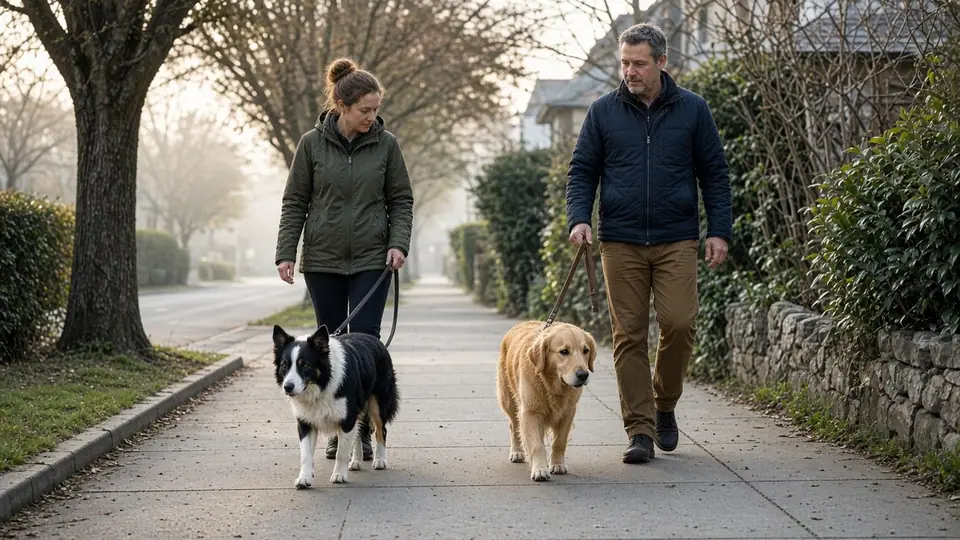
Expert advice
Introducing a new dog Neutral territory, parallel walks, short indoor sessions, managed resources. No hallway face-off.
Expert advice
Adolescent 6–12 months Expectations, criteria drift, sleep/exercise balance. Not a puppy-page clone.
Expert advice
Board-and-train / residential What residential training is, what to ask, transfer, red flags.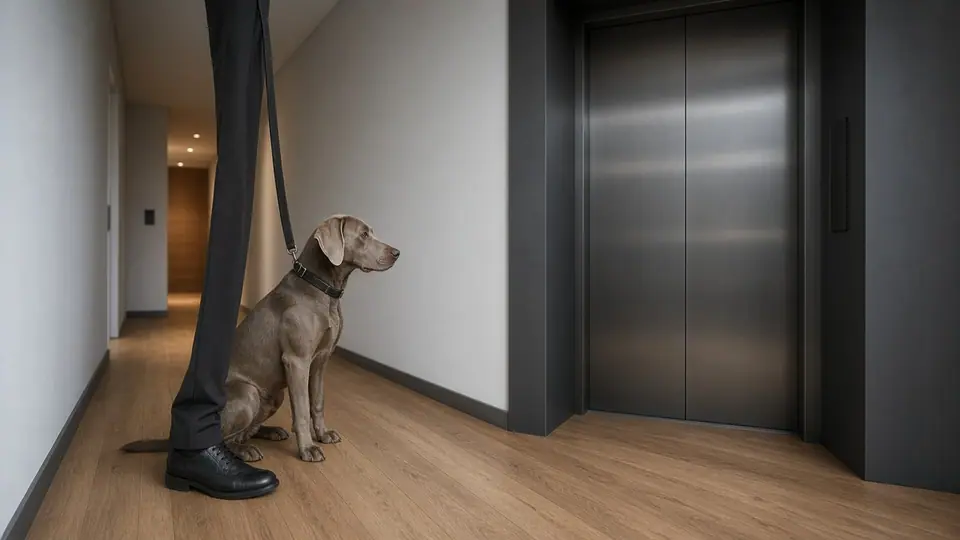
Expert advice
Elevator and hallway threshold Flat exits: empty corridor, soft body, then move. UK lift and US hallway.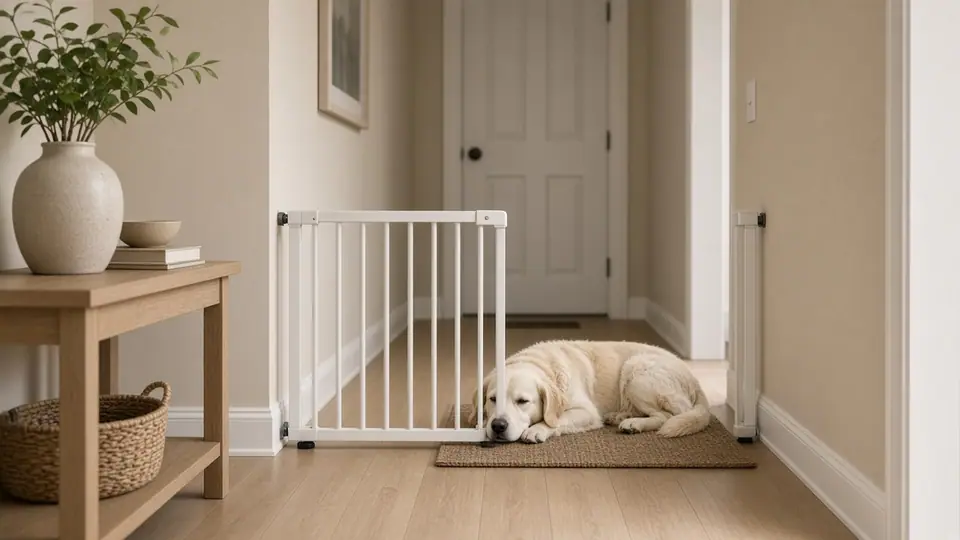
Expert advice
Guest entry protocol Contain before the latch, brief the guest, greet only on calm.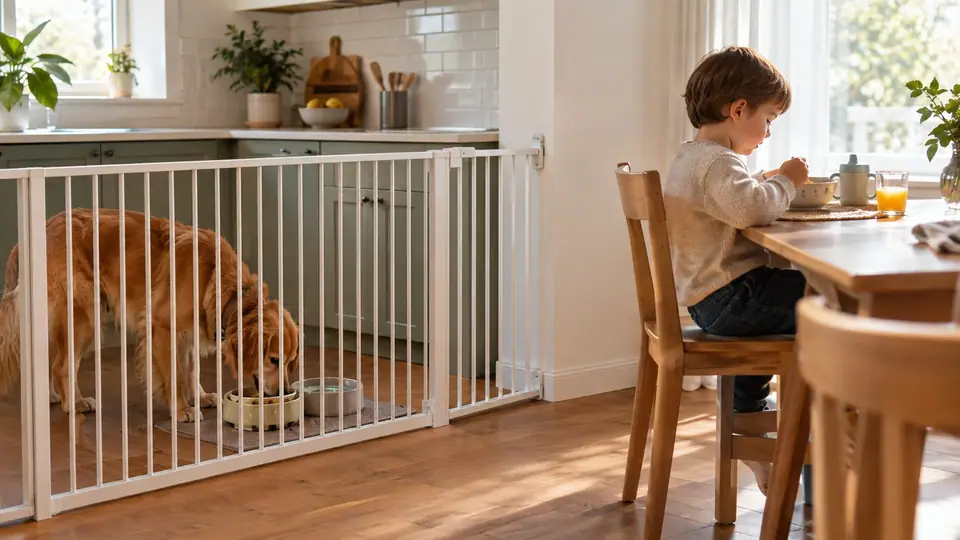
Expert advice
Kids and food zones Kid-free bowl and chew stations. Adults own the food picture.
Expert advice
Baby gates Gates as training furniture for rooms, stairs, kitchens.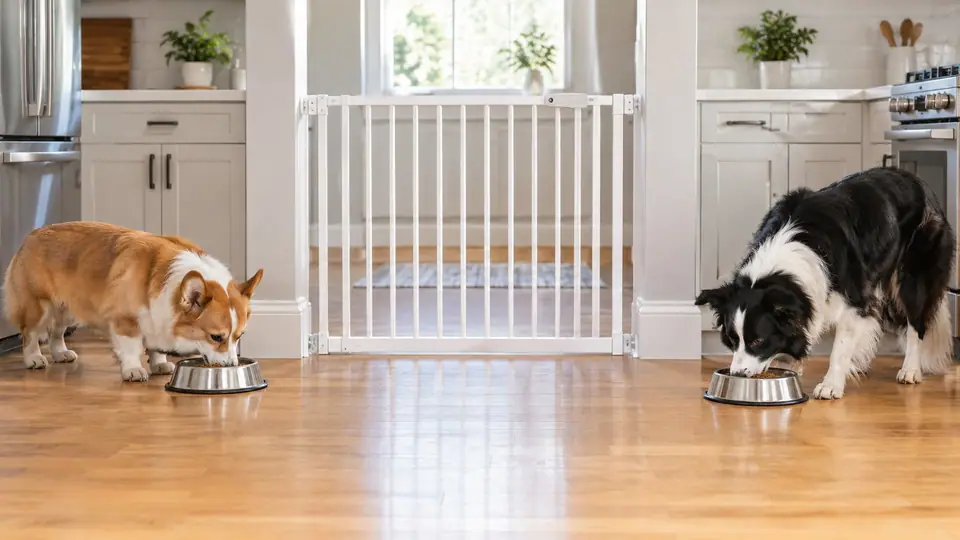
Expert advice
Multi-dog meal management Separate stations, fixed order, no free-for-all scramble.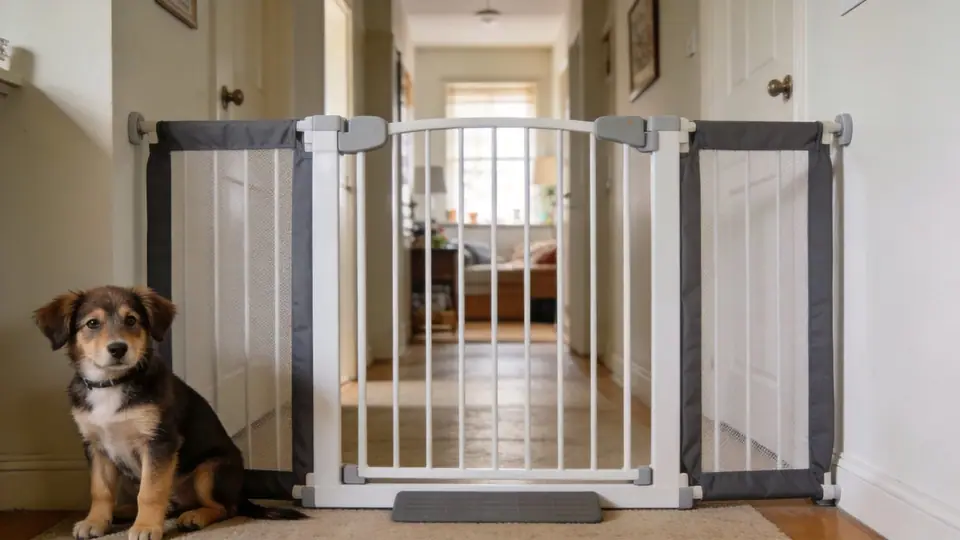
Expert advice
Management before manners Block unpaid rehearsal first. Train the skill second. Household checklist.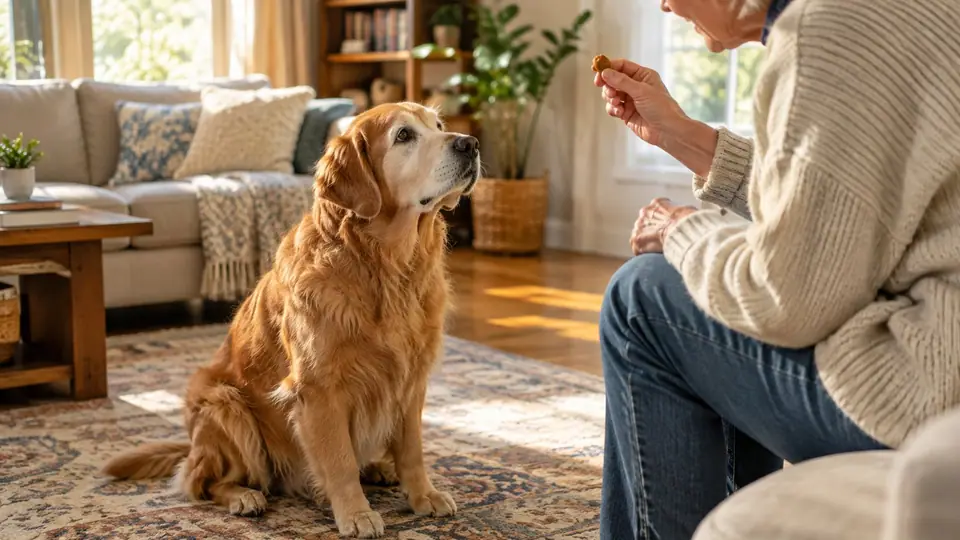
Expert advice
Senior dog manners refresh Refresh cues for hearing, vision, pain, arousal changes. Not a medical protocol.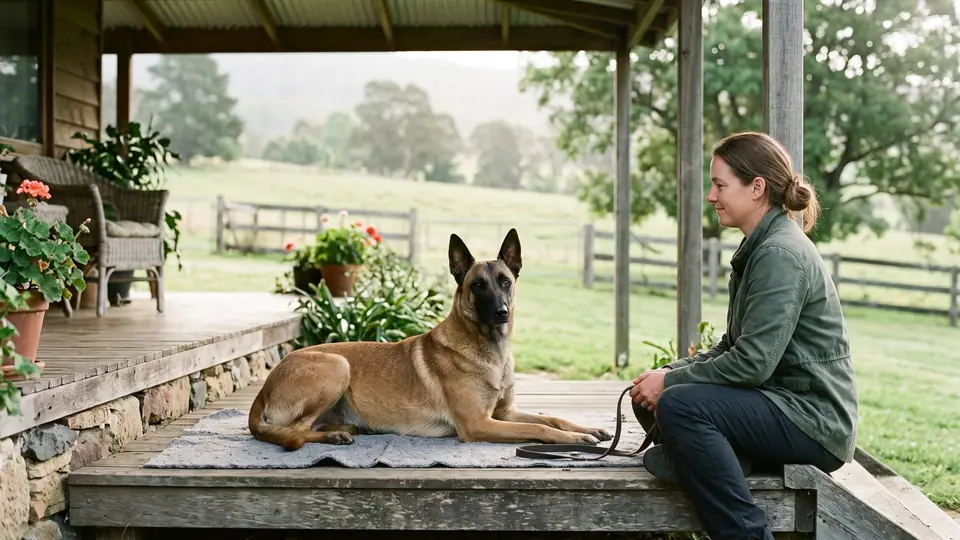
Expert advice
What is residential dog training? Residential training meaning in plain words: the dog lives with the trainer, then a handover to you.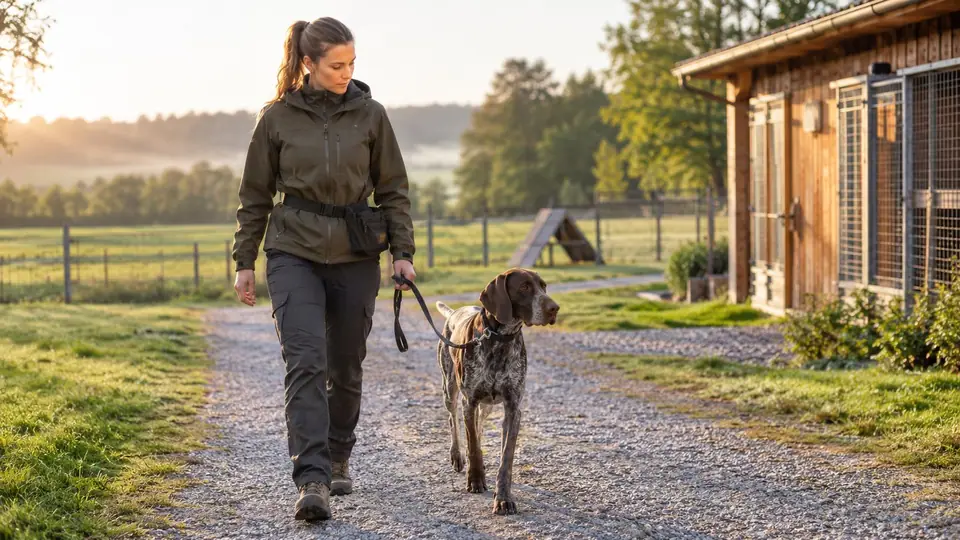
Expert advice
How a residential month runs Month-plus phases, transfer, owner homework. Logistics runbook, not a spa brochure.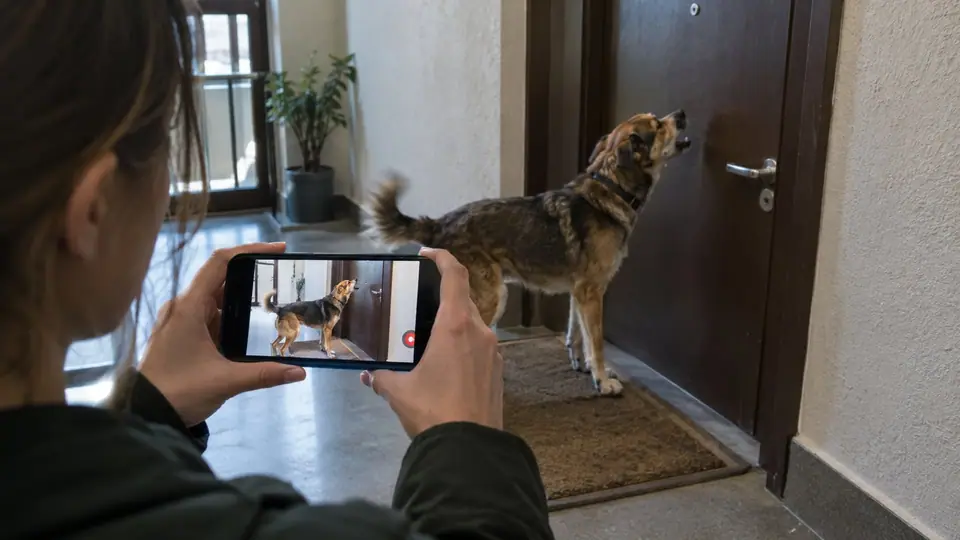
Expert advice
What to send on an intake video Angles, duration, what not to stage for residential or consult intake.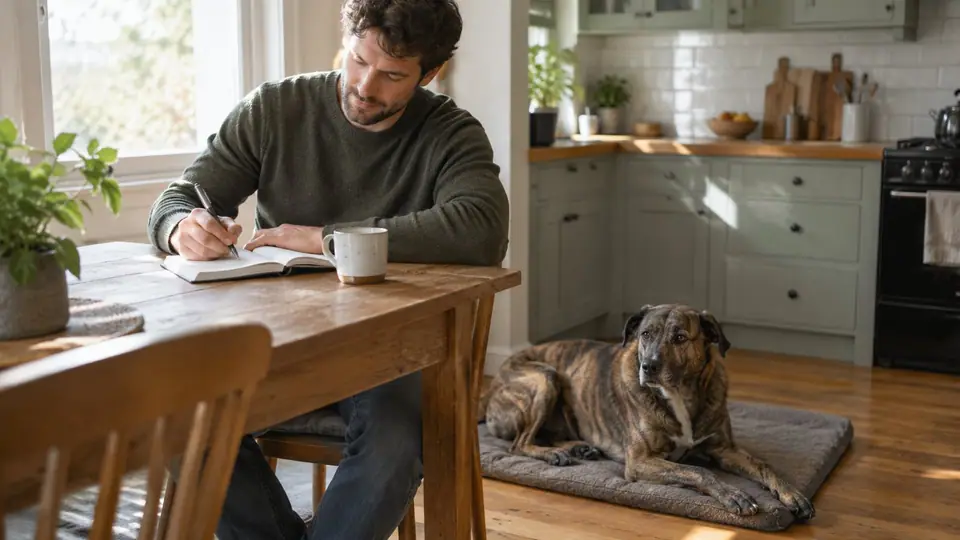
Expert advice
Ready for a consult Named picture, evidence, management, medical fence — readiness checklist.
Expert advice
Online curatorship vs one call Weekly coaching loop versus a single planning call.
Expert advice
When DIY is enough Honest stop lines for solo protocols versus hiring help.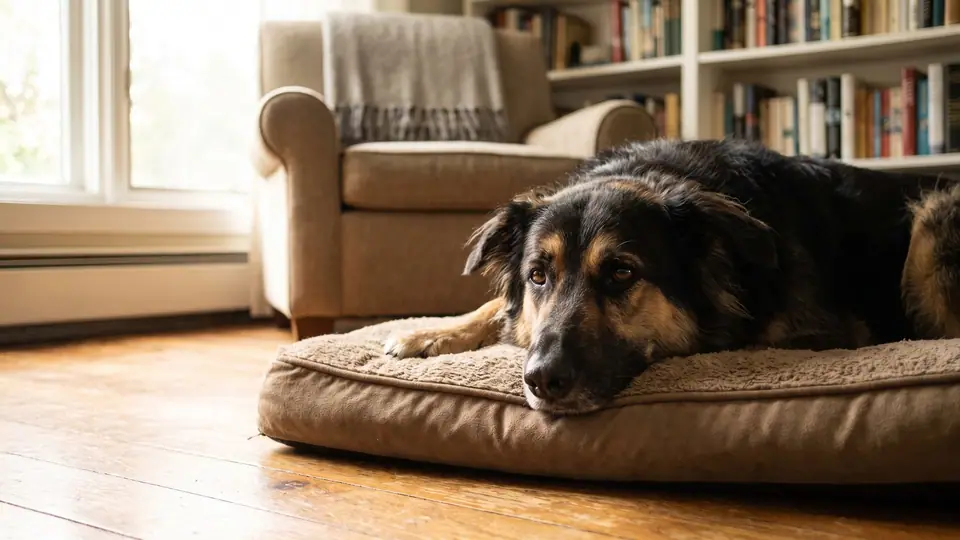
Expert advice
3-3-3 rule for rescue dogs First 3 days / 3 weeks / 3 months with an adopted adult. Expectation map, not a promise.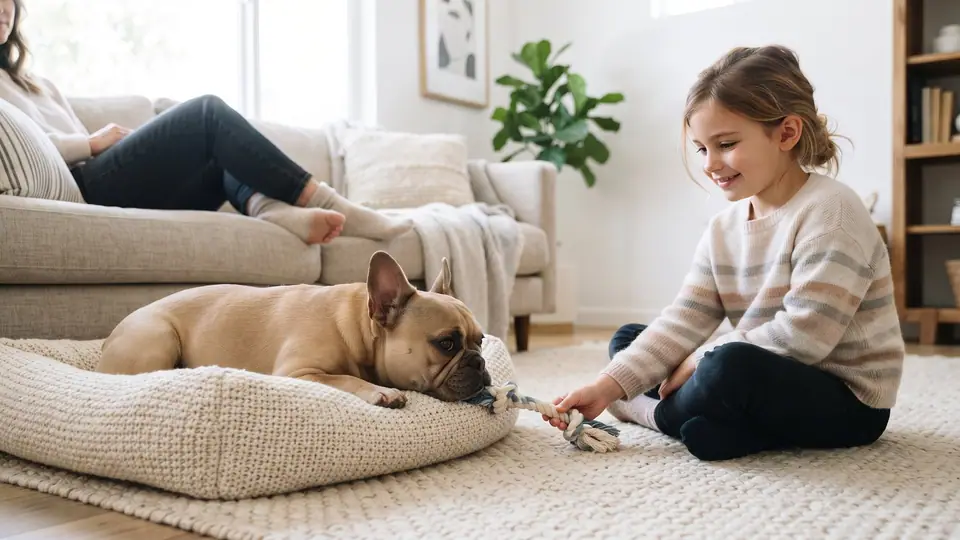
Expert advice
Are French Bulldogs good with kids? Frenchie and children: floor-level play, no lifting, toy rules, rest breaks, an adult watching.
Expert advice
When do Labs calm down? Lab energy by age, teenage volume, settle and food-work plan beside the breed guide.
Expert advice
How to choose a puppy from a litter Meet the mother, check the rearing room, handle each puppy, and let the breeder help match you.
Expert advice
Questions to ask a dog breeder Health screening of both parents, the mother, how the puppies are raised, the contract and take-back.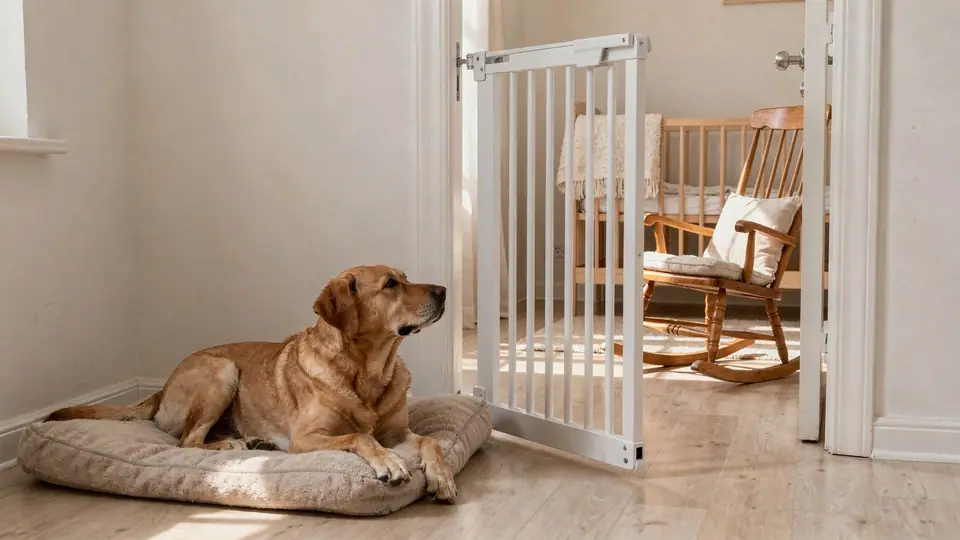
Expert advice
Dog and new baby Change rooms, gates and walk times months before the birth, practise around baby gear, plan a calm first meeting and supervise every contact.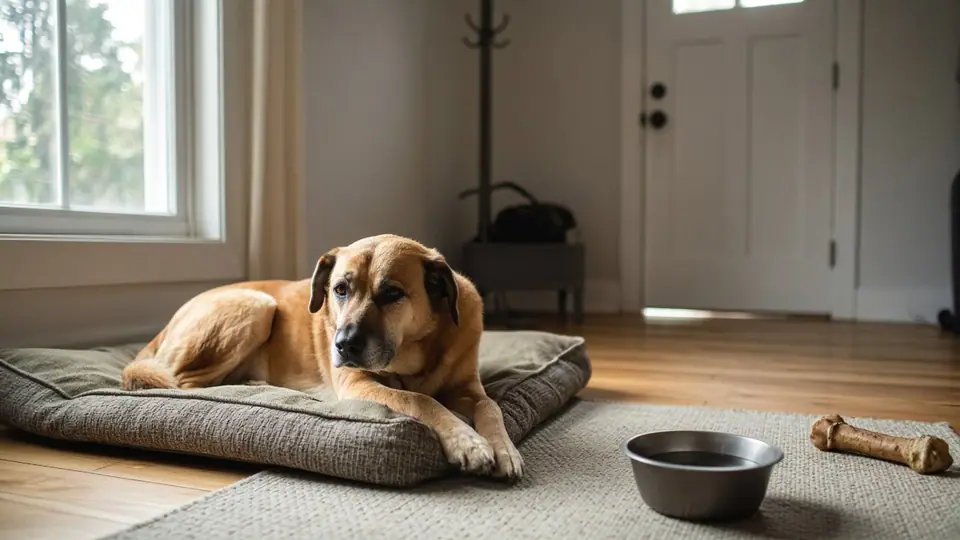
Expert advice
How long can a dog be left alone About four hours for most adult dogs: toilet gaps, a walker or sitter for long days and signs it is too long.
Expert advice
Can Cavaliers be left alone A people-focused toy spaniel: about three to four hours for many adults, built up from minutes, with cover for long days.
Expert advice
When to get a second dog When your first dog is settled, you have time, space and budget for two, and the new dog is a good match.
Expert advice
How much exercise does a dog need A daily mix of walks, sniff time, training, play and rest, adjusted by type, age and how well your dog settles.Work with me
A $150 consultation or $500 monthly curatorship. Opens WhatsApp to Andrew.