Affenpinscher: temperament, door manners and small-dog confidence for a monkey-faced toy with terrier spirit
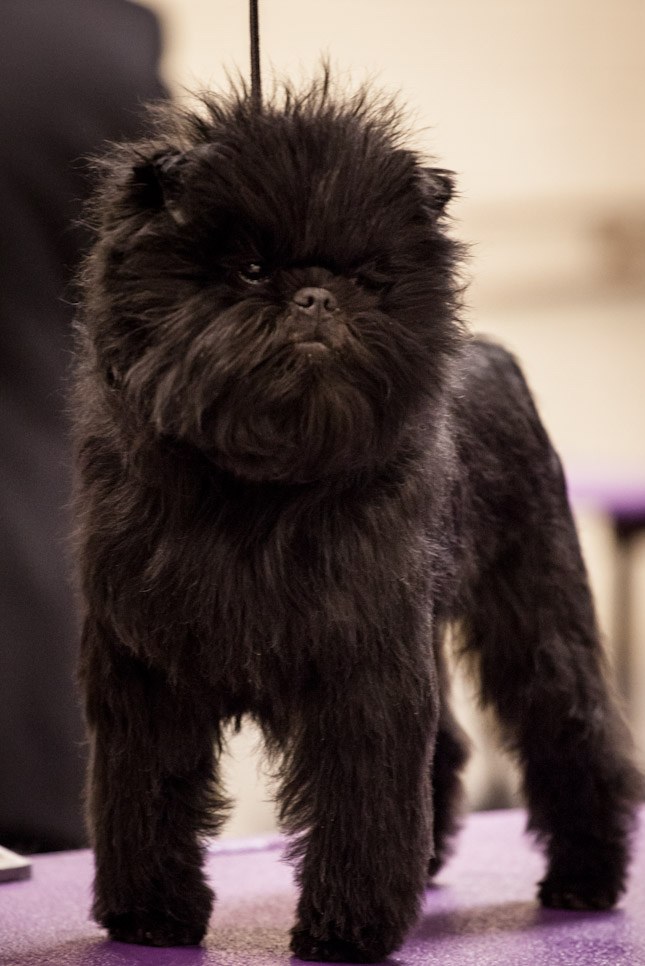
The Affenpinscher is a small German toy with a wiry monkey-like face and real terrier spirit. It was bred as a ratter and companion, not as a soft lap ornament. At home you usually get a bold, funny, alert little dog that notices the door, the doorbell and anything that moves. The fair plan is door manners, confident handling and small-dog rules that still apply at three to five kilos.
Job: German toy ratter and companion; monkey face, wiry coat, big opinions.
Energy: Moderate energy for a toy; short walks, play and mental work beat long lonely days.
Home: Fits a household ready for door manners, small-dog confidence and regular face-and-coat care.
An Affenpinscher is tiny and bold. Tiny does not cancel bold
Public histories place Affenpinscher-type dogs in Germany as small ratters and companions around stables and homes. The breed became a Western toy and show dog while keeping a sharp, comic, terrier-like manner. It was selected for catching vermin and for company, not for soft silence alone.
What I meet in family homes is usually a confident little dog that bonds hard, alerts at the door and can turn into a hallway dictator if guests and doorbells are never trained. None of that is a “bad dog”. All of it is predictable when a toy with terrier spirit never practises manners.
My structure is simple. Door and guest manners so alert barking has a clear end. Handling in tiny rewarded steps so face and coat care stay friendly. And flat rules that apply at toy size: four paws down for greetings, a bed of its own and no free pass because the dog is cute.
Wiry, dense coat; regular brushing; periodic stripping or clipping depending on line
Job
German toy ratter and companion (FCI Group 2 Pinscher-Schnauzer; AKC and RKC Toy)
Breed history
How a German ratter became a modern monkey-faced toy
History will not walk your dog, but it helps explain why Affenpinschers are bold, alert and rarely content as silent ornaments.
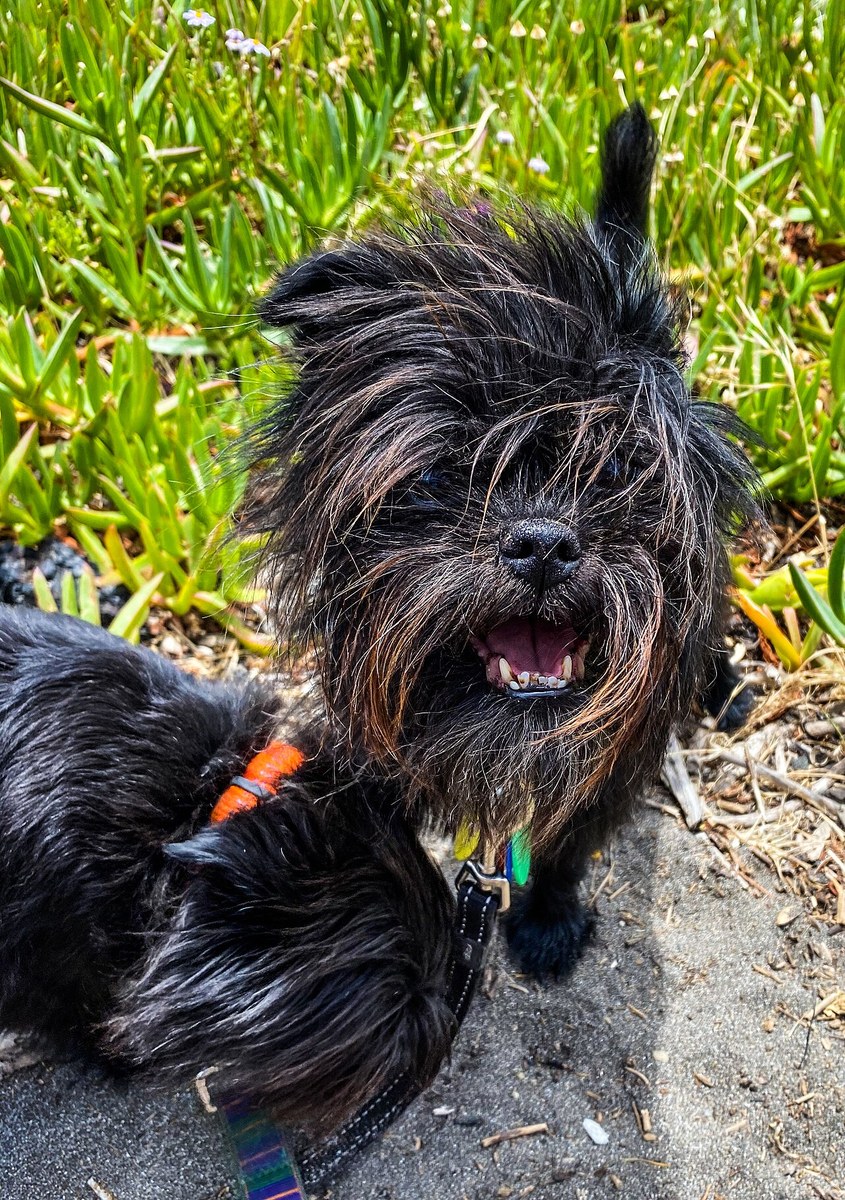
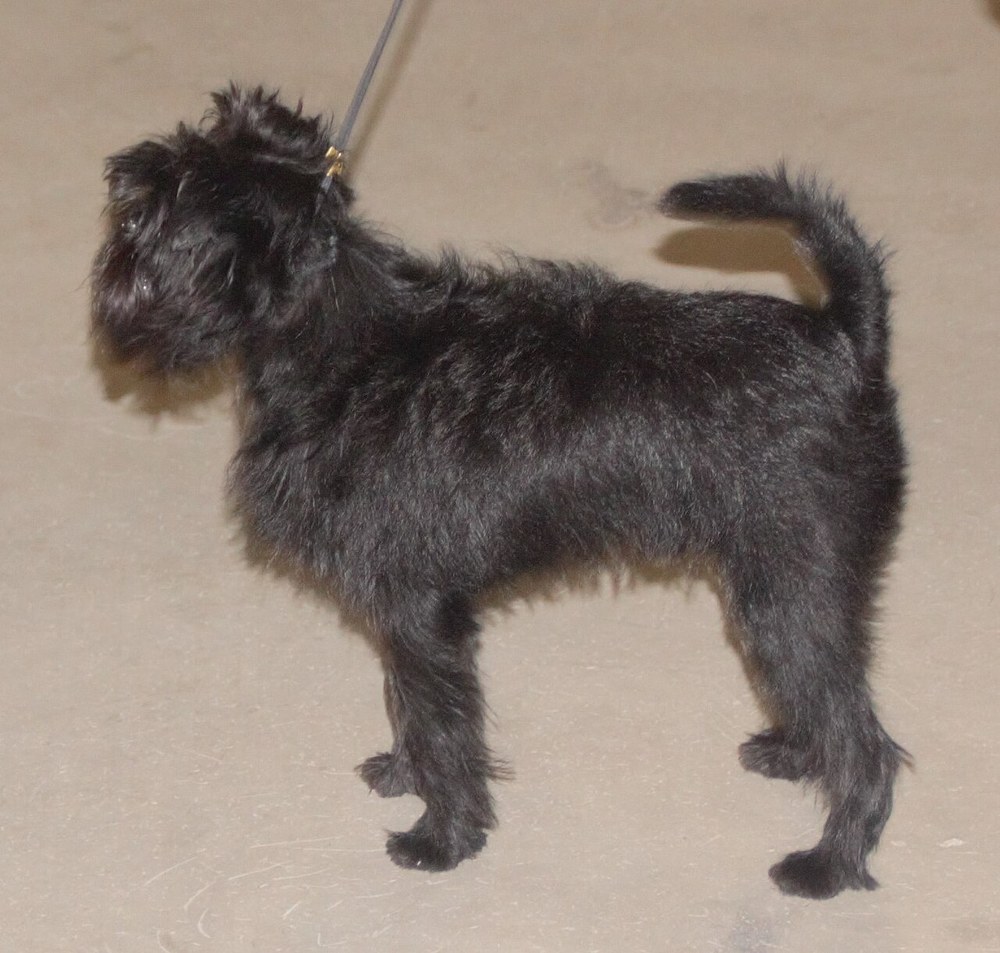
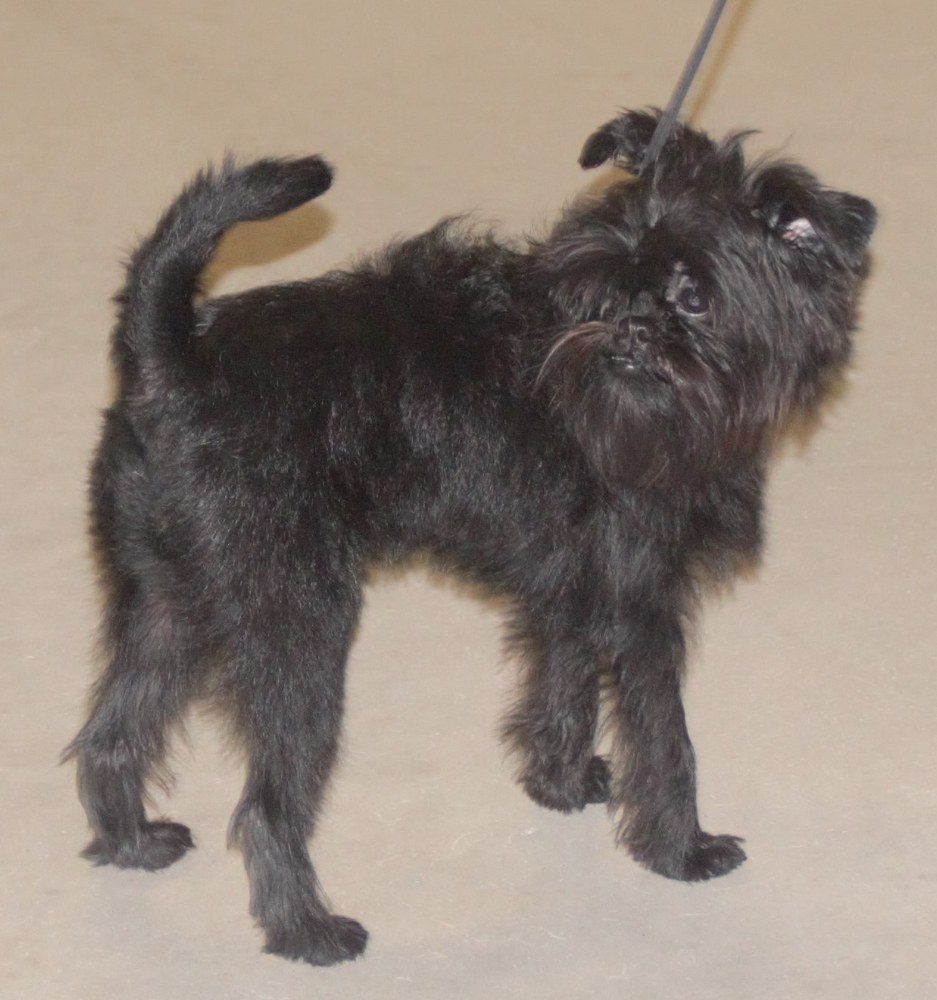
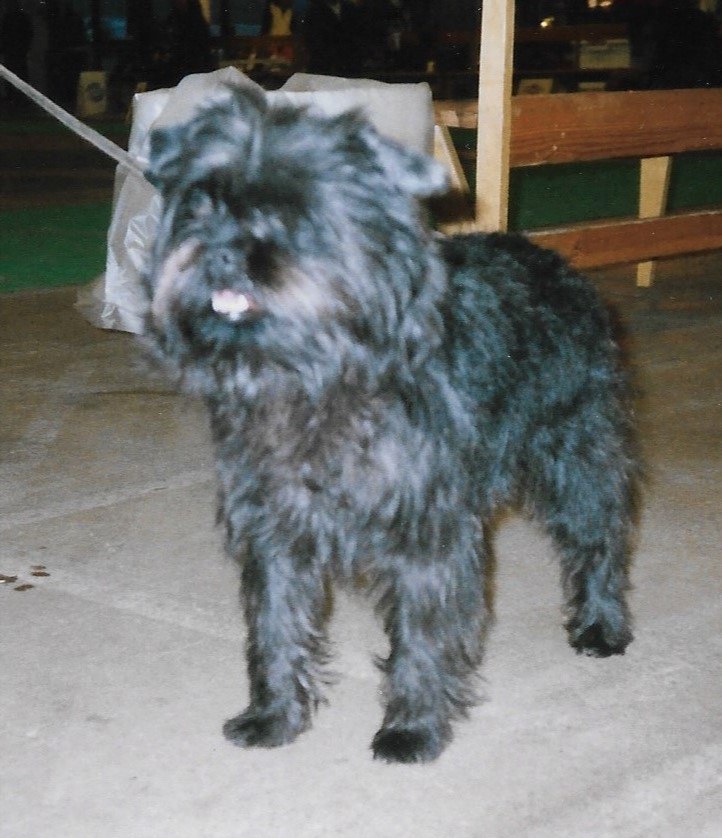
An Affenpinscher on an outing. Short walks and mental work suit the breed better than being carried everywhere.
Stables and homes → ratter companion
A small dog chosen to catch vermin and keep company
Public accounts describe small, wiry Affenpinscher-type dogs in German homes and around stables, kept to control rats and mice and to live close to people.
What matters for an owner is that the dog was a working companion with real prey interest, not only a cushion. Training should stay fair, short and clear — and door alert is part of the package.
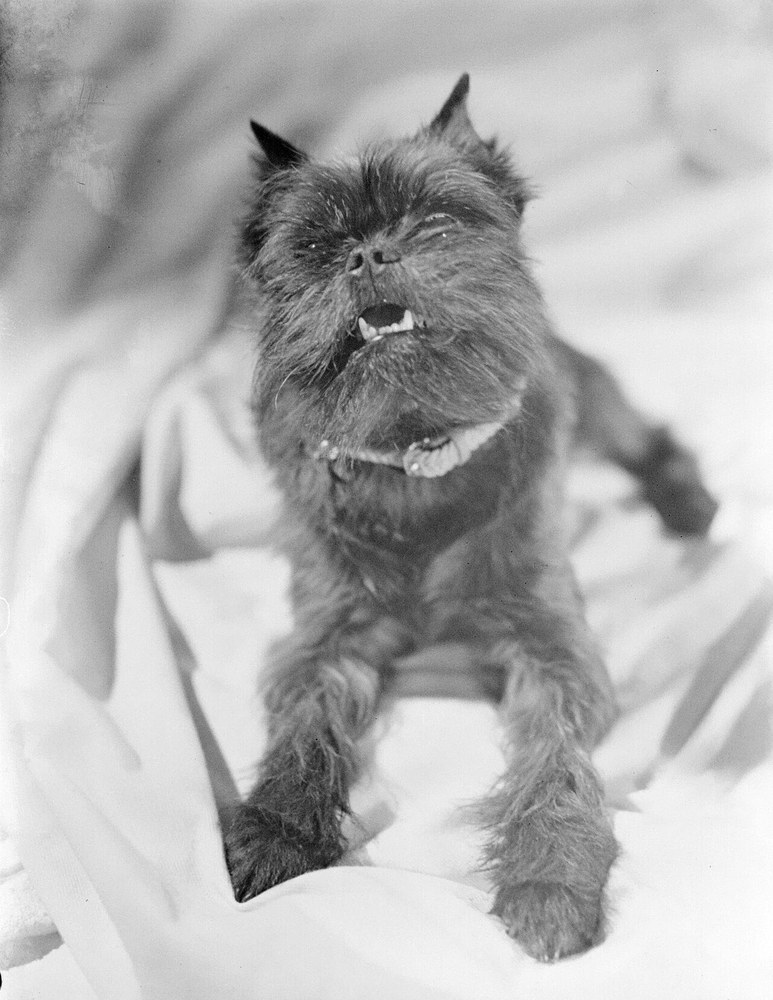
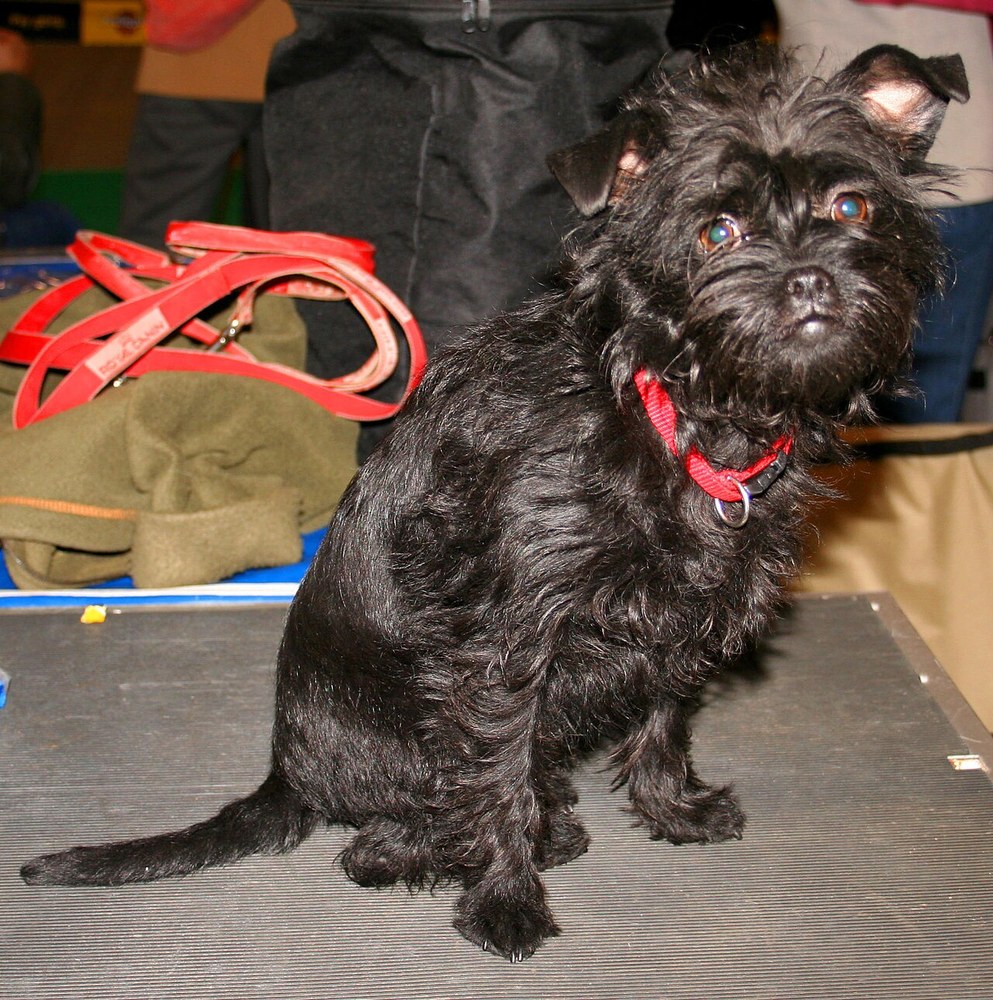
A historic photograph of an Affenpinscher (Van de Poll collection). The monkey-like expression was already clear.
Show ring → modern toy homes
From ratter to toy breed with the same opinions
The Affenpinscher became a recognised toy and show breed while keeping a bold, comic manner. Clubs formed in Germany, Europe, Britain and the United States.
Most Affenpinschers now live as family companions. They still carry alert barking, strong opinions about strangers at the door and a coat that needs regular care around the face.
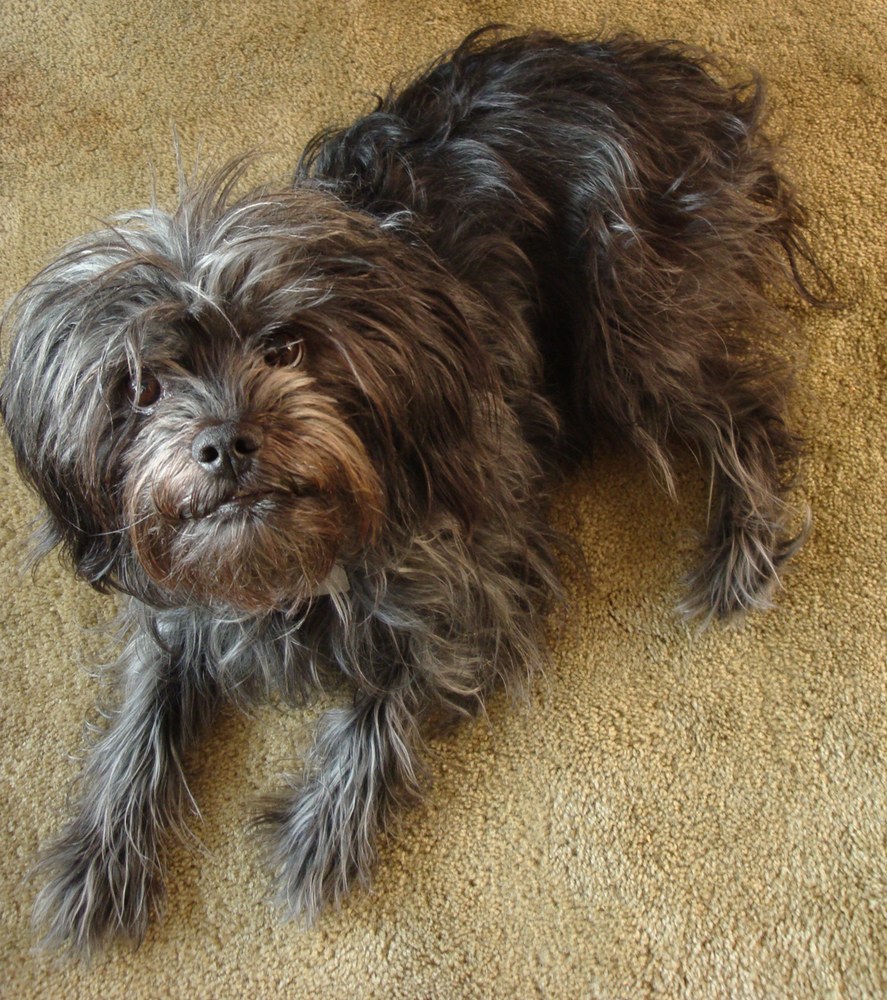
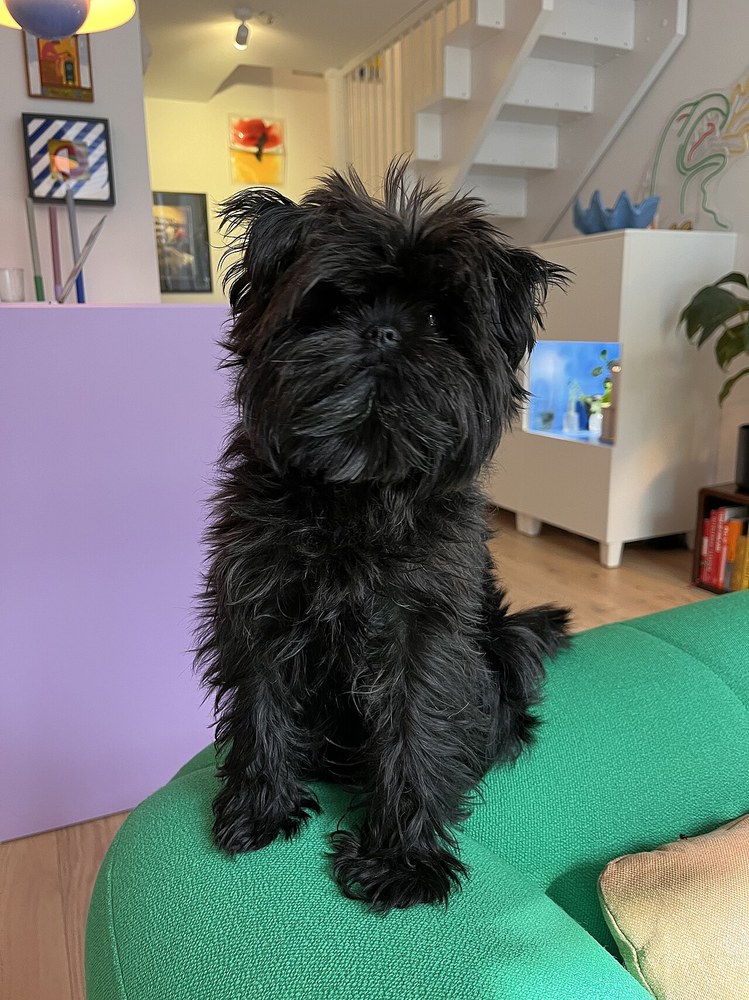
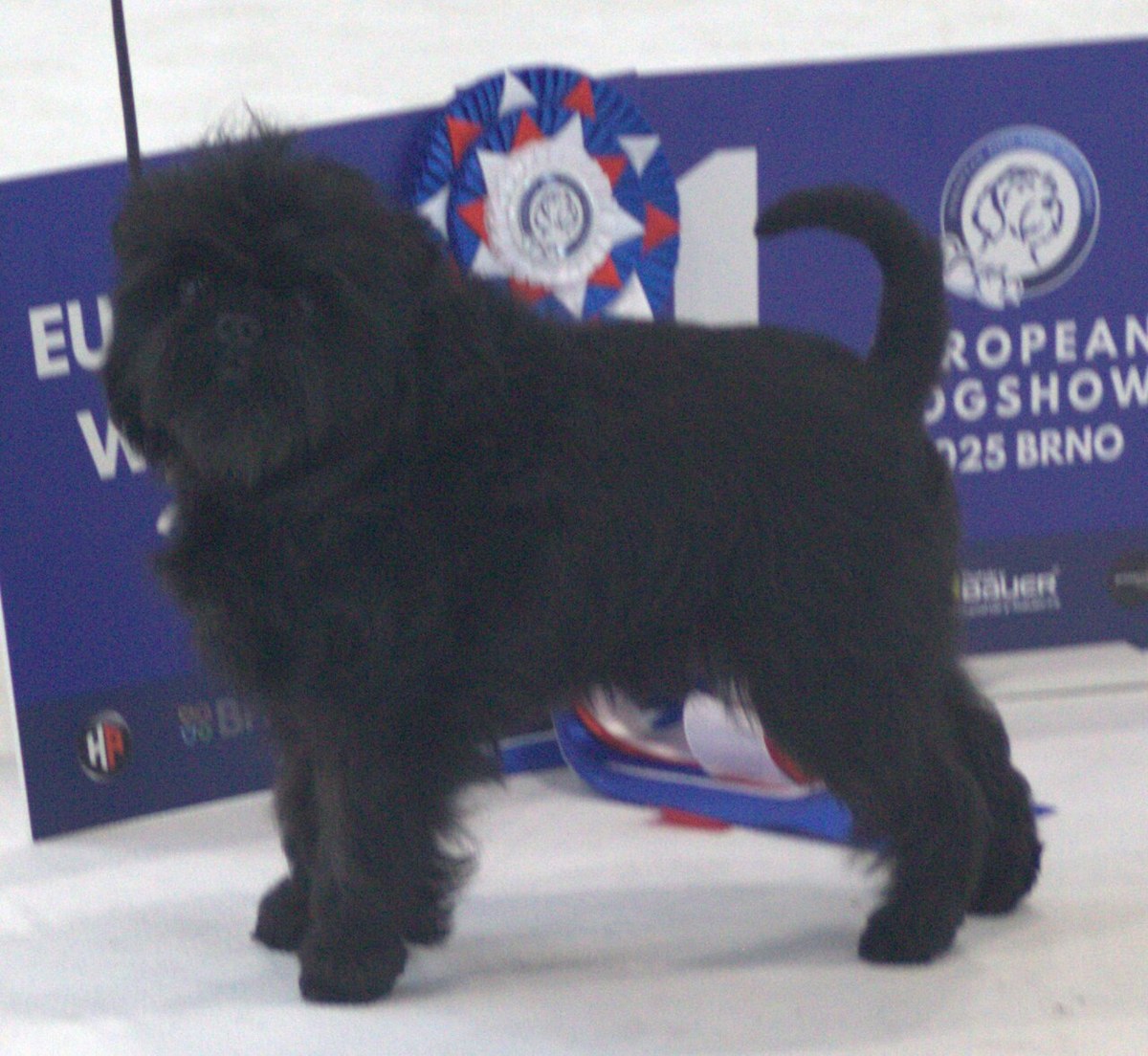
An Affenpinscher at rest. The same bold toy still needs door manners and handling practice.
What the breed was bred for
Boldness, alertness and a busy little brain
In trainer terms you get a dog with high people attachment, quick alerts and strong preferences about being lifted, brushed or ignored at the door. It learns well when the reward is worth it and the request is fair.
Because of the size, many owners skip manners. That is how you get a hallway dictator in a monkey face.
Bold toy: manners still apply at tiny size
Alert at doors: teach a clear end to barking
Terrier spirit: fair play and short training sessions
A good day is a short walk, play, door practice and calm rest
Most Affenpinschers are happy with a busy but not huge day. The friction points are usually door barking, spoiling around greetings, handling the face and alone time. Small routines done the same way every day help the dog feel safe and cooperate more.
Morning · short walk
Short walks and sniff time beat being carried
Two or three short walks a day at an easy pace suit most adults. Let the dog sniff and move on its own feet. A harness protects a small neck better than a tight collar.
Affenpinschers notice doorbells and footsteps. Teach a bark-then-settle pattern: thank the alert, call to a bed or place and reward quiet. Guests wait to greet until four paws are down.
Many Affenpinschers prefer their own people and do not enjoy being grabbed. Ask guests to ignore the dog first. Four paws on the floor for greetings is still the rule at toy size.
A minute a day brushing the face and checking eyes and beard is easier than a weekly fight. Reward staying still and stop before the dog pulls away. Tangled facial hair can pull and cause trouble.
Affenpinschers can guard sofas, beds and their favourite person. Give the dog its own bed and invite it up on your terms. Rest in its own space also makes alone time easier.
General awareness only. I am not a veterinarian. With Affenpinschers, owners often notice trouble first as face or eye irritation, reluctance to jump, skin smell in the coat, bad breath or sudden irritability when handled. For red flags, leave this page and open
when to call the vet.
Eyes and face
Prominent eyes and facial hair need daily checks. Squinting, rubbing or discharge is a same-day vet visit.
Knees and jumps
Small dogs still get hurt jumping off sofas. Use ramps and measure food. See BCS check at home.
Brush the wiry coat and keep the beard clean. Redness or smell deserve a vet check.
Weight
Extra weight makes joints and breathing harder. Measure food and treats.
Ask the breeder
Ask which screenings the national breed club recommends for the parents. Do not invent disease claims from a blog.
Lines and types
Show and companion Affenpinschers share the same need for kind structure
No bloodline selling. Differences show in coat texture, face furnishings and how bold or soft the dog feels. Every Affenpinscher needs door manners, handling practice and small-dog rules.
Show and companion lines
Often a fuller wiry coat that needs regular brushing.
Usually bold, people-focused family dogs.
Door barking and handling refusal are still common without a plan.
Ask how the parents accept grooming and strangers at the door.
Fits a household that wants a comic toy with terrier spirit and will practise manners.
Flats and busy homes
Can live well in flats with short walks and mental work.
Need alone-time training early.
Door routines matter more in apartments with shared hallways.
Harsh corrections usually damage trust fast.
Fits an owner who will keep door manners and handling, not only cuddles.
Socialization windows
What to introduce — and what not to overload — by age
AVSAB-aligned in spirit: short, clean exposures at a distance the puppy can still eat,
with hygiene while vaccines finish. See the
puppy socialization schedule.
2–4 months
Home, handling and rules
Introduce: name game, short brushing rewarded, sit for greeting, toilet plan, short outings.
Do not overload: carrying the puppy everywhere, skipping alone-time steps, free barking at every sound.
~6 months
The world at a distance
Introduce: strangers at a distance where the puppy can still eat, harness practice, guest manners, first chin-rest.
Do not overload: forcing cuddles, ignoring growls at handling, long repetitive drills.
~12 months
Adolescent opinions
Introduce: place during visitors, full face-care routine, alone-time ladder, door settle.
Do not overload: dropping manners because the dog is cute, harsh corrections, no door plan.
~18–24 months
Social maturity
Introduce: steady flat manners, calm greetings, varied short outings.
Do not overload: assuming puppy softness lasts without practice, adding a second dog without a plan.
~3 years+
Keep the structure
Introduce: refresh door and handling skills, keep short walks, yearly health checks.
Do not overload: dropping management because the dog has been good for a while.
Before you buy
Who a Affenpinscher usually fits
Fit comes down to door manners, handling, spoiling habits and your appetite for kind structure with a bold toy.
Good match
More likely a good fit if you…
You want a comic, bold toy with terrier spirit
You will practise door manners instead of yelling
You will practise face and coat handling
You like a little dog with big opinions
You will teach flat manners at tiny size
Mismatch risk
A Affenpinscher may be a poor choice if…
You want a silent lap ornament with no training
You prefer to carry the dog everywhere and skip manners
You cannot live with any alert barking
You dislike any grooming around the face
You need a soft, low-opinion companion first
If you are torn between breeds
Affenpinscher vs Miniature Pinscher and Yorkshire Terrier
All three are bold toys. The Miniature Pinscher is sleeker and often more of a high-stepping watchdog toy; the Yorkshire Terrier is a long-coated toy terrier. The Affenpinscher is a wiry monkey-faced ratter with comic boldness and strong door opinions.
Size
Affenpinscher
Toy; often about 9–11.5 in and roughly 7–10 lb.
Miniature Pinscher
Similar height; usually sleeker and smoother coated.
Original work
Affenpinscher
German ratter and companion.
Yorkshire Terrier
English ratter turned long-coated toy.
Coat
Affenpinscher
Wiry face and body; regular brushing.
Yorkshire Terrier
Long silky coat; different grooming load.
Manner
Affenpinscher
Comic, bold, alert at doors.
Miniature Pinscher
Often sharper watchdog energy; different outline.
Training focus
Affenpinscher
Door settle, handling, small-dog manners.
Both compares
Also need manners; coat and energy details differ.
Ownership without surprises
Where a Affenpinscher owner’s budget goes
Costs depend on country, city and your choices. These are themes to plan for, not quotes.
Coat care
Brushes and occasional professional grooming or stripping.
Veterinary
Routine care, eyes, teeth and joint-aware checks. Know your emergency clinic.
Food
Tiny rations; treats add up fast.
Training
Puppy class and private help with door manners if needed.
Gear
Harness, ramp or steps, place bed and safe chew options.
Time
Daily handling and door practice are the real recurring cost.
The biggest hidden cost is time: short handling and door sessions beat emergency fights with the brush or the hallway.
Before day one at home
What to prepare for a Affenpinscher puppy
An Affenpinscher puppy is bold, curious and easy to overprotect. Prepare handling and door rules before day one so bold manners grow into confidence rather than hallway chaos.
01
Set house rules
Decide where the puppy sleeps, which furniture is allowed and how greetings work.
02
Brush in tiny steps
Reward calm standing for a few strokes around the face. See puppy handling.
Training an Affenpinscher means kind structure, not spoiling or force
Affenpinschers do best with clear, kind rules: sit for greeting, place on its own bed, chin-rest for face care and a settle after door alerts. Every family member uses the same cues and rewards the same behaviours.
They are food-keen when the session is fair. Harsh corrections damage trust fast. Tiny rewards and choice work better than pinning a toy dog into compliance.
Management is part of training: a bed away from the door for settle practice, ramps for furniture, a bed of its own and no practice of grabbing the dog without a cue. You stop the old habit while the new one grows.
Load balance
Short work first — then ask for calm
Age, eyes, joints and weather all matter. Squinting, limping or sudden irritability need a vet check before more training.
Short sniff walkSit for greetingChin-rest or brushPlace with a chewQuiet settle after door
Short walks, simple find-it games and handling games all count. Carrying the dog everywhere does not meet the need for manners.
An Affenpinscher that has had a short outing, a fair handling session and a settle cue can greet guests with four paws down and rest on its own bed.
Door settle with a choice
How to teach an Affenpinscher to bark once and then settle
Thank the alert, guide to a bed, reward quiet and practise with doorbell sounds at a distance so door manners become a habit.
01
Mark the alert
When the dog barks at a sound, calmly say thank you once so the alert has a name.
02
Guide to a bed
Call or lure to a place bed away from the door. Reward four paws on the bed.
03
Reward quiet
Feed for quiet seconds. If barking restarts, wait for a pause, then reward the pause.
04
Practise with distance
Use a recorded doorbell at low volume from another room. Build up slowly.
05
Add real guests
Guests wait outside until the dog is on the bed. Greetings happen with four paws down.
One scene close-up
Why an Affenpinscher loses it at the doorbell
Many Affenpinschers were never taught what to do after the alert. Barking worked: people moved, guests arrived, excitement rose.
Manage first: a bed away from the door, better treats for quiet and practising with recorded doorbells at a distance. Then build the bark-then-settle pattern.
If barking escalates into panic or aggression toward guests, get help from a qualified professional and rule out pain with a vet.
“With an Affenpinscher, I start by giving the door a clear plan and by making face care worth the dog’s while. Once the dog knows when barking ends and trusts hands, the comic monkey-faced toy becomes easy to live with.”
Sessions cover real scenes: doorbell, guests, brushing, harness, settle and alone time. I am a trainer, not a veterinarian. No invented reviews.
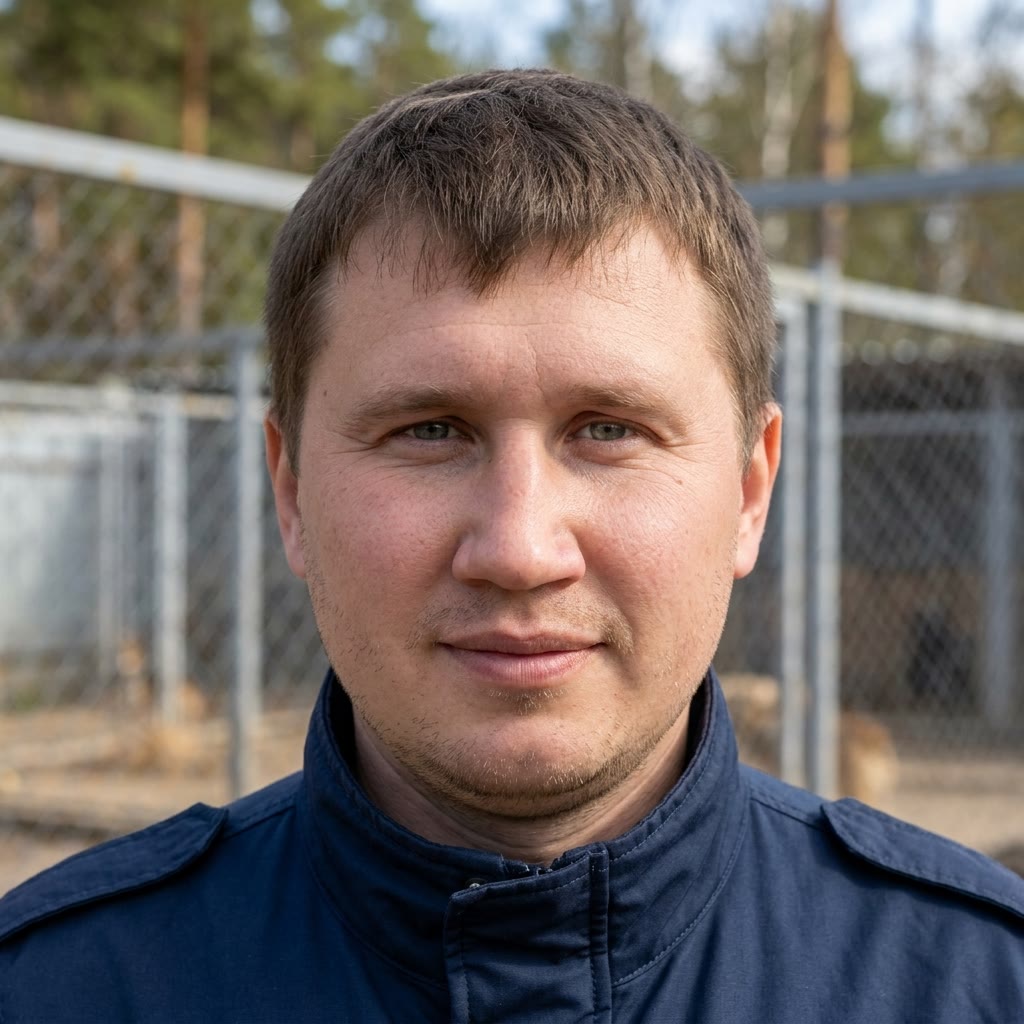
Andrew DarovProfessional dog trainer and instructor
It can be, for an owner who will practise door manners and handling. It is not a no-training ornament.
Do Affenpinschers bark a lot?+
Many are alert barkers. Door routines help a lot.
How much exercise does an Affenpinscher need?+
Most adults need several short walks and play daily, not long lonely days or being carried everywhere.
Are Affenpinschers good with children?+
Often good with respectful children. Supervise handling and never let kids corner or drop the dog.
Affenpinscher vs Miniature Pinscher: which fits better?+
The Min Pin is usually sleeker and often more of a high-stepping watchdog toy. The Affen is wiry, comic and monkey-faced.
Affenpinscher vs Yorkshire Terrier: what is the difference?+
The Yorkie is a long-coated toy terrier. The Affen has a wiry coat and a different face and outline.
Can an Affenpinscher live in a flat?+
Yes, with short walks, door manners and alone-time training.
Do Affenpinschers shed?+
Less than many double-coated breeds, but the wiry coat still needs brushing and face care.
What health themes should I ask about?+
Ask breeders which screenings the national breed club recommends, and ask about eyes, knees and general health of the parents. This is general awareness, not a diagnosis.
How long do Affenpinschers live?+
Public breed references often mention about 12–15 years. Individual dogs vary.
Are they good with other dogs?+
Often fine with calm dogs; plan introductions and protect the Affen from rough play.
Do they still have ratter drive?+
Many keep interest in small moving things. Manage rodents and small pets carefully.
If an Affenpinscher seems too bold or too barky for your home
It is a comic toy with terrier spirit, but door alert and handling practice do not fit every household.
A soft East Asian lap companion. Needs confident handling, flat manners without spoiling and cool-weather walking sense.
Need a read on your exact situation?
Tell me your Affenpinscher’s age and the scene that keeps repeating: door barking, face care, greetings or alone time. We check safety and health first, then pick the first skill.
Written by Andrew Darov, professional dog trainer. Not veterinary advice and not a diagnosis.
Not a kennel club. No invented reviews. No vaccine schedules or toxin doses. Photo credits in
/images/breeds/affenpinscher-guide/credits.md.