

What the papers actually say
Dog Behavior Research for Owners
Evidence for kitchen sessions and residential work — not a PubMed dump and not medical advice. Papers are paraphrased; the DOI is the source.
This hub is evidence for owners and trainers who run sessions in kitchens and flats, not a veterinary journal and not a conference proceedings dump. I paraphrase papers so you can decide what to try on the floor. I am Andrew Darov, a professional dog trainer — not a veterinarian. Nothing here diagnoses disease, replaces a vet, or claims to be a full literature review.
Read the originals. Some are paywalled; a working DOI still counts as the citation. If a paraphrase and the abstract disagree, trust the paper.
Start with the spoke on this page: ten studies that change how you brief a household. Deep dives: critical period for owners (Freedman 1961), food vs petting (Feuerbacher & Wynne 2014), training methods and welfare (Hiby 2004), dominance myth for households (Bradshaw 2009), and attachment / Strange Situation (Topál 1998). For how learning loops run day to day, go to training. For patterns that are already paying the dog, go to behavior. For the first months, go to puppy.
What belongs on Research?
Named papers, position statements you can open, and reading notes that stay honest about sample size and failure modes. Not “science says” with no link. Not affiliate product studies. Not clinic protocols dressed as journal club.
AVSAB position statements are a standards desk you should know — they are not one of the ten studies on the spoke. Use them when someone asks what “reward-based” means in public.
What does not belong here?
Medical advice. Breed-myth citations with no method. Invented reviews of my residential work. US residency claims I do not make. Checkout links. If you need hands-on help, see work with me — that page is separate from this reading list.
In this section

Expert advice
10 dog behavior studies every owner should know A trainer reading list: socialization window, attachment, pointing, C-BARQ, training methods, dominance myths, food vs petting — with live DOIs.
Expert advice
Critical period for owners (Freedman 1961) Sensitive-period deep dive: cliff myth, flood myth, ask-your-vet for disease risk. Not a ten-list clone.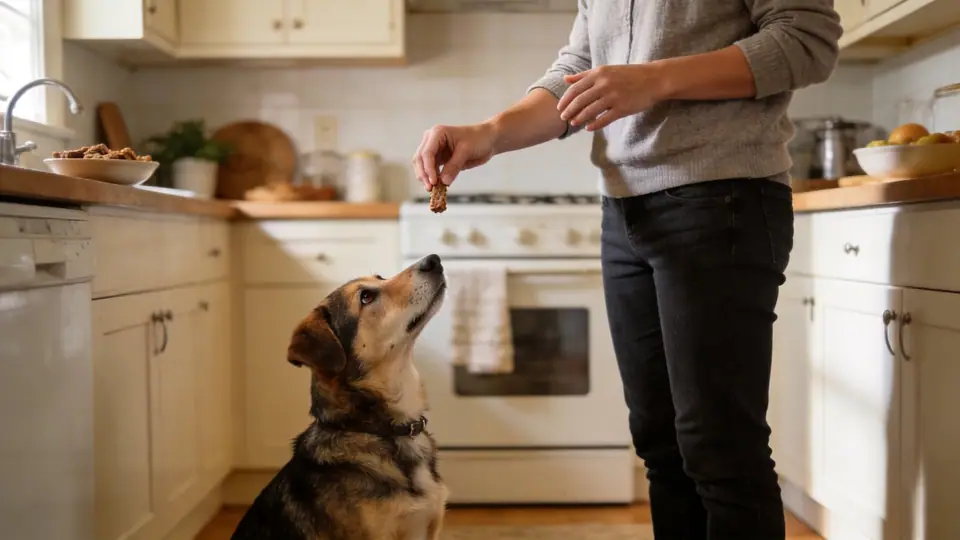
Expert advice
Food vs petting (Feuerbacher 2014) Preference food over petting — population and context. Kitchen implications. Paraphrase only.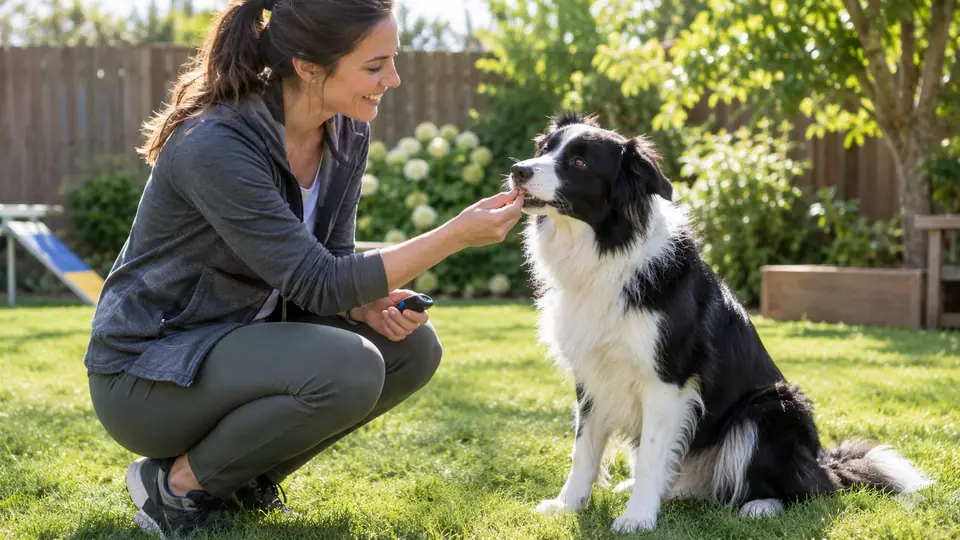
Expert advice
Training methods and welfare (Hiby 2004) Reward-based methods, reported problems, welfare indicators. Method choice is not a free aesthetic.
Expert advice
Dominance myth for households (Bradshaw 2009) Rigid wolf-pack rank is a bad habit for kitchen fights. Competition ≠ alpha theatre.
Expert advice
Attachment / Strange Situation (Topál 1998) Proximity, separation distress, reunion recovery — bond, not “just food.” Not a diagnosis page.Work with me
A $150 consultation or $500 monthly curatorship. Opens WhatsApp to Andrew.