Yakutian Laika: temperament, exercise, prey drive and training an Arctic sled dog
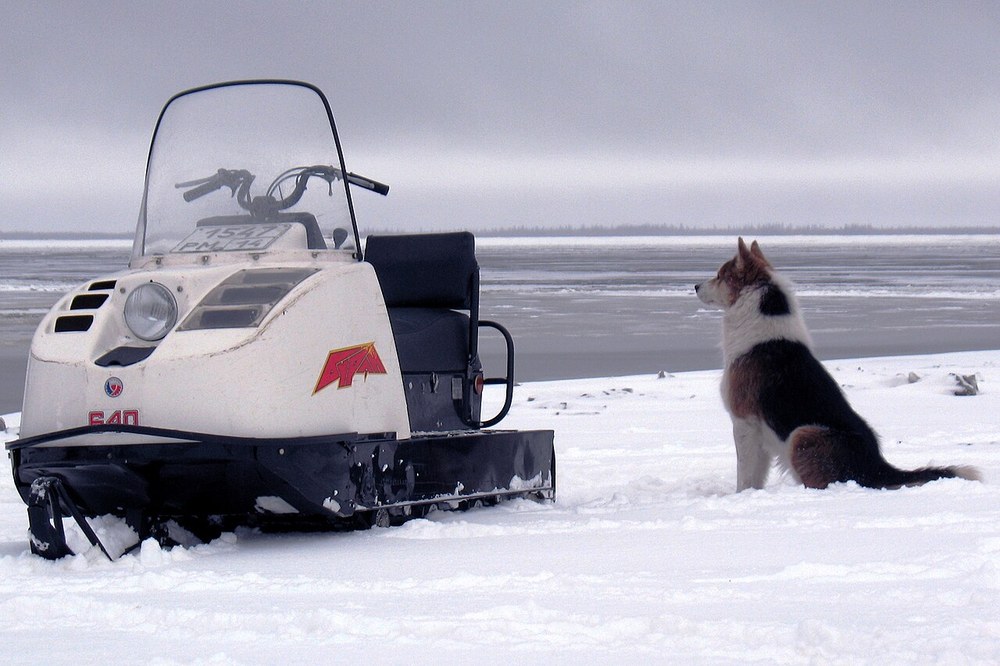
The Yakutian Laika is a medium, thick-coated spitz from Yakutia in north-eastern Siberia, one of the coldest inhabited places on earth. Local people used these dogs to pull sleds, help herd reindeer and hunt, so the breed is tough, quick and used to working with people. Today most Yakutian Laikas are friendly, playful and very social with their family and with visitors. They are also busy, vocal, hard to keep in a garden and keen to chase anything small that runs. They suit active owners who like being outdoors in all weathers and want a dog to share real exercise with.
Job: A medium Nordic sled and hunting spitz from Yakutia; FCI Group 5 (FCI 365), AKC Foundation Stock Service.
Energy: Friendly, sociable and close to its people; lively, vocal and often a strong chaser of small animals.
Home: Suits an active home with a secure garden, daily running or pulling work, and an owner who enjoys cold-weather walks.
Yakutian Laika owners tend to describe the same dog: one that greets the plumber like an old friend, plays with every dog in the park and talks to the family in howls and grumbles. Then it spots a cat across the road and forgets its own name.
Most calls I get are about a young laika that pulls like a sled team of one, climbs or digs out of the garden, howls when left alone, or has no recall once it is off the lead. Very few are about a dog that is unfriendly to people.
What helps is giving the dog the work it was bred for in a form that fits modern life. Running beside a bike, canicross, pulling a sled or scooter, long hikes, plus food games, a solid fence and recall trained on a long line. With that in place, a laika is a cheerful, easy-going companion in the house.
FCI: males 55–59 cm, females 53–57 cm at the shoulder
Weight
Usually about 18–25 kg (40–55 lb)
Energy
High
Coat / shed
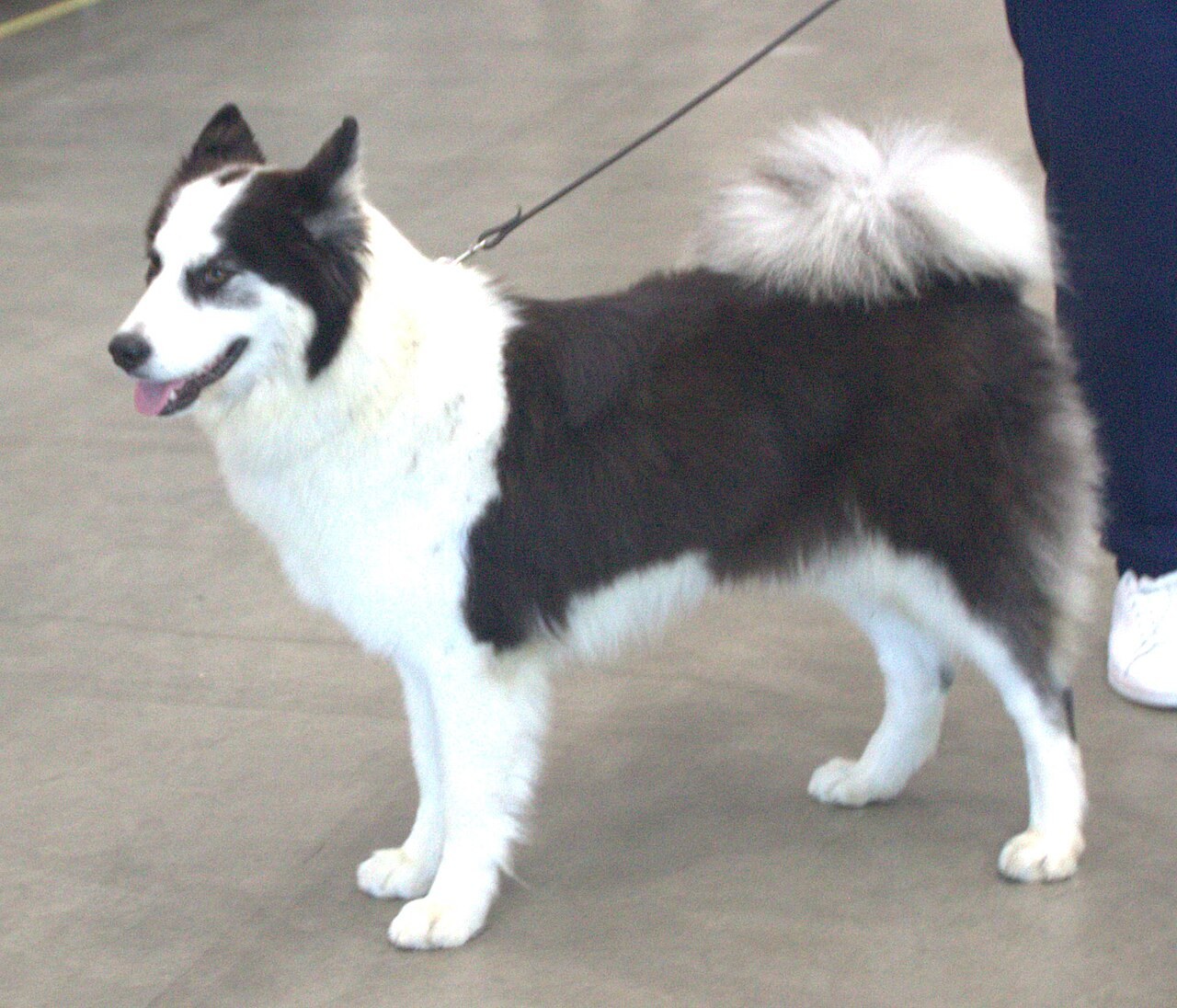
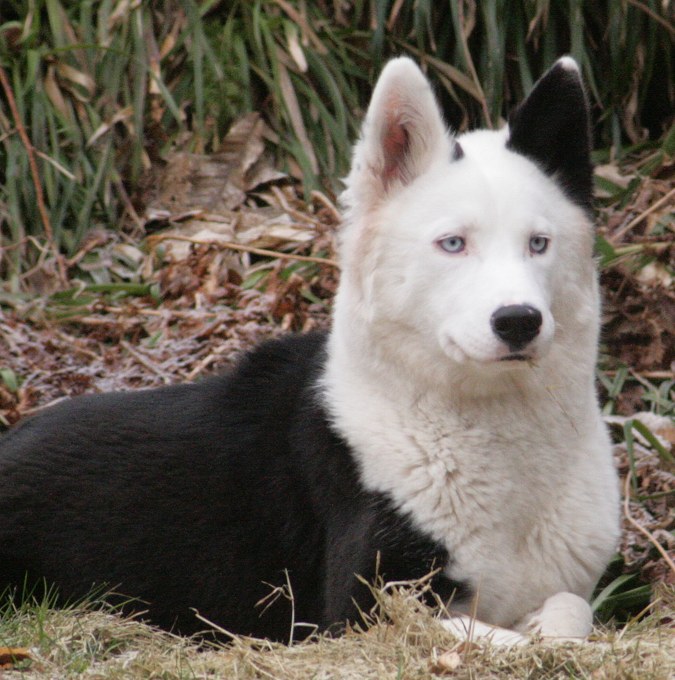
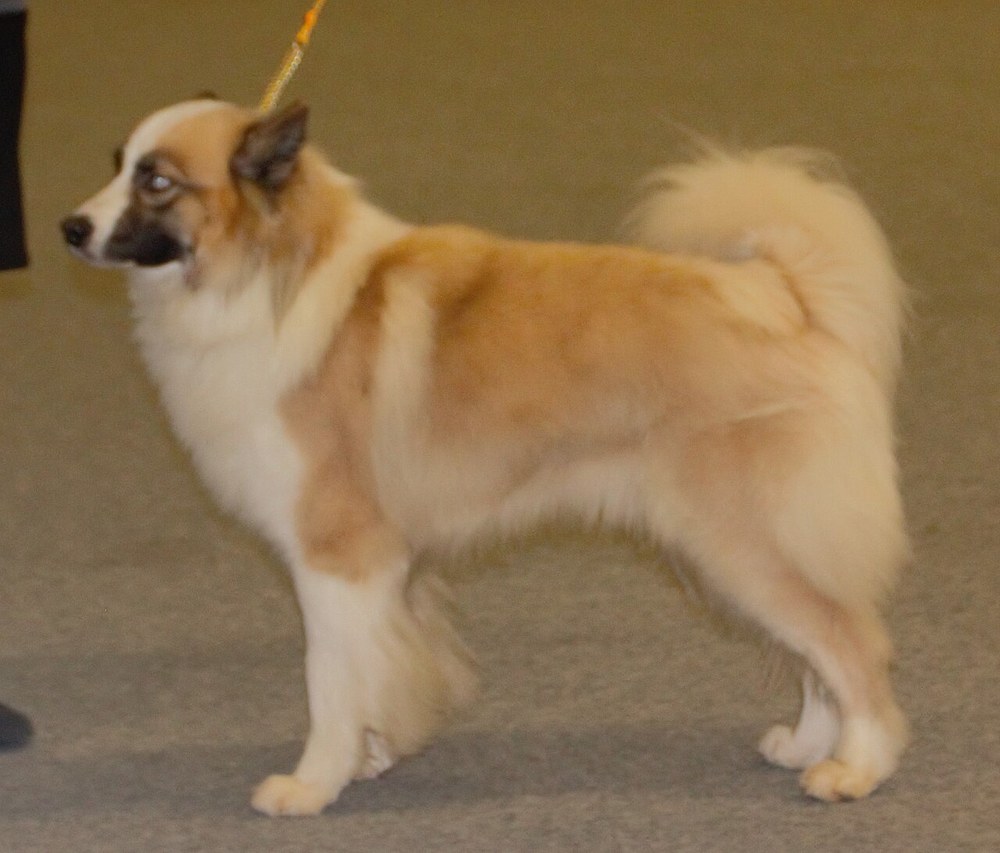
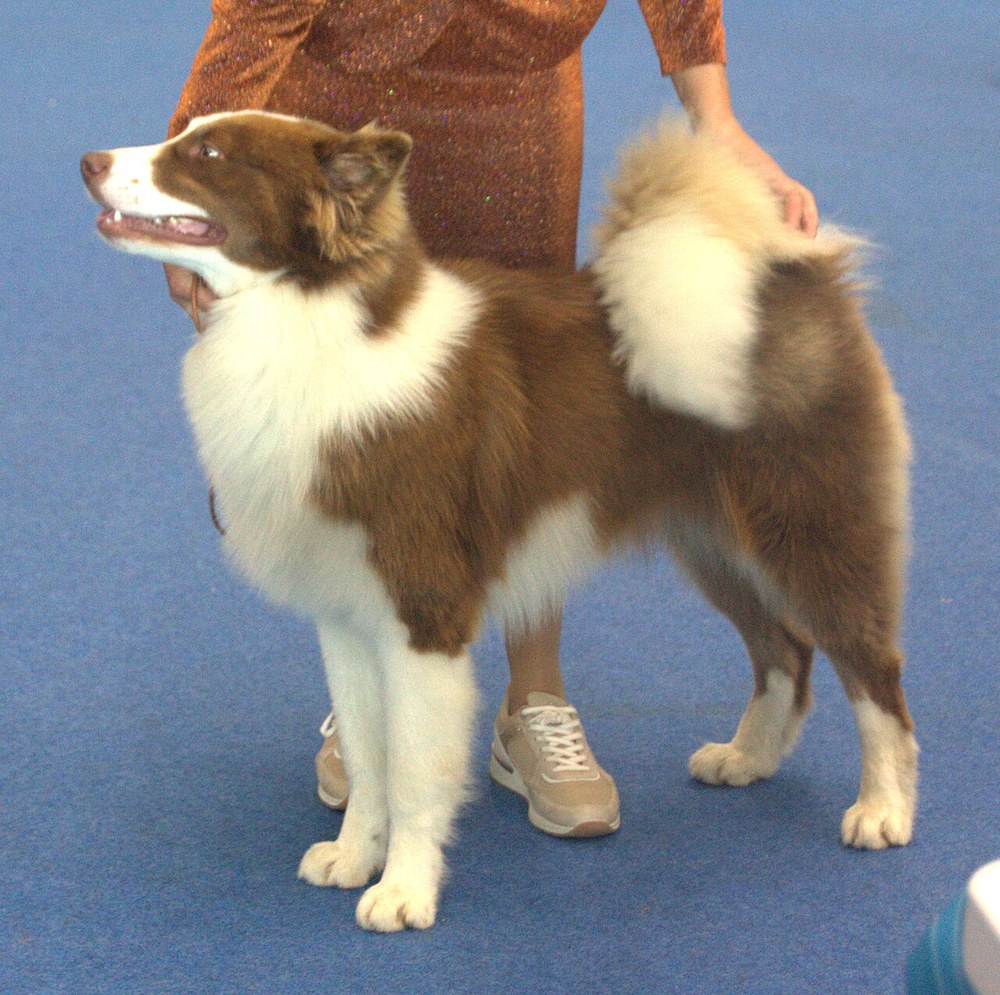
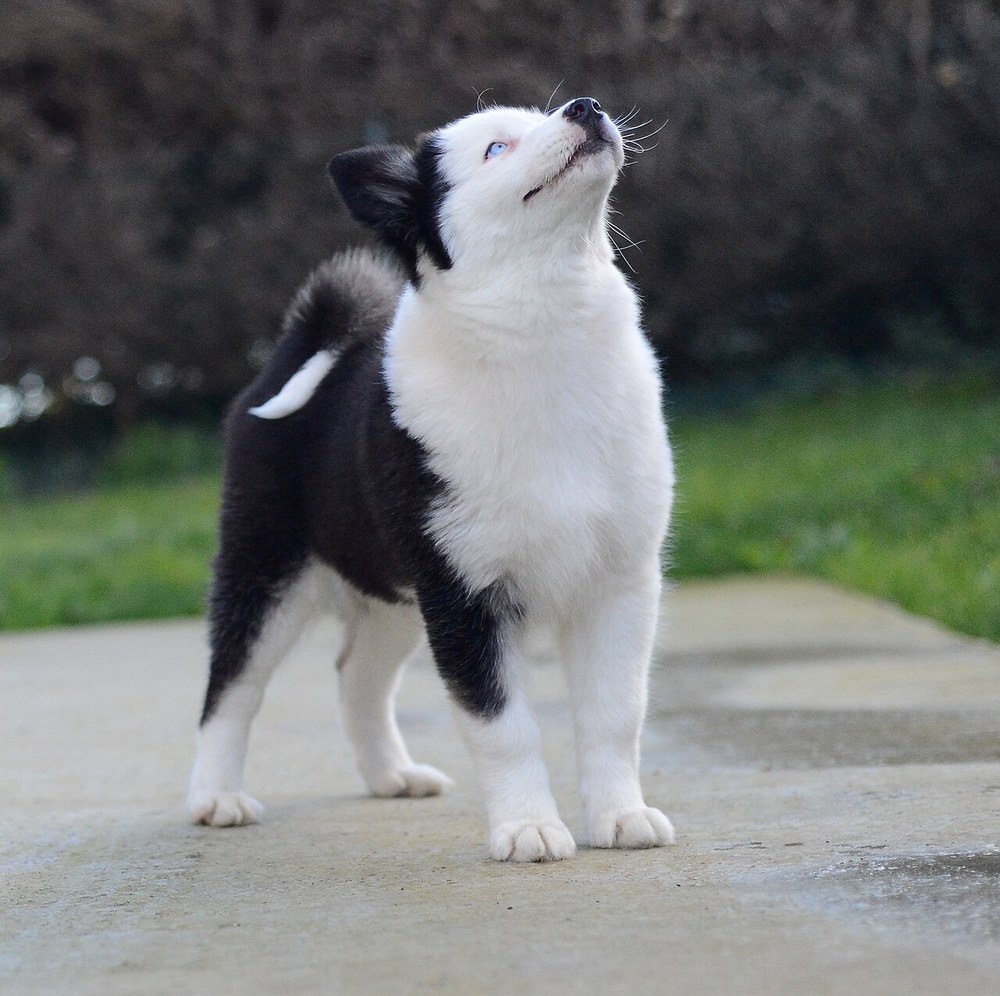
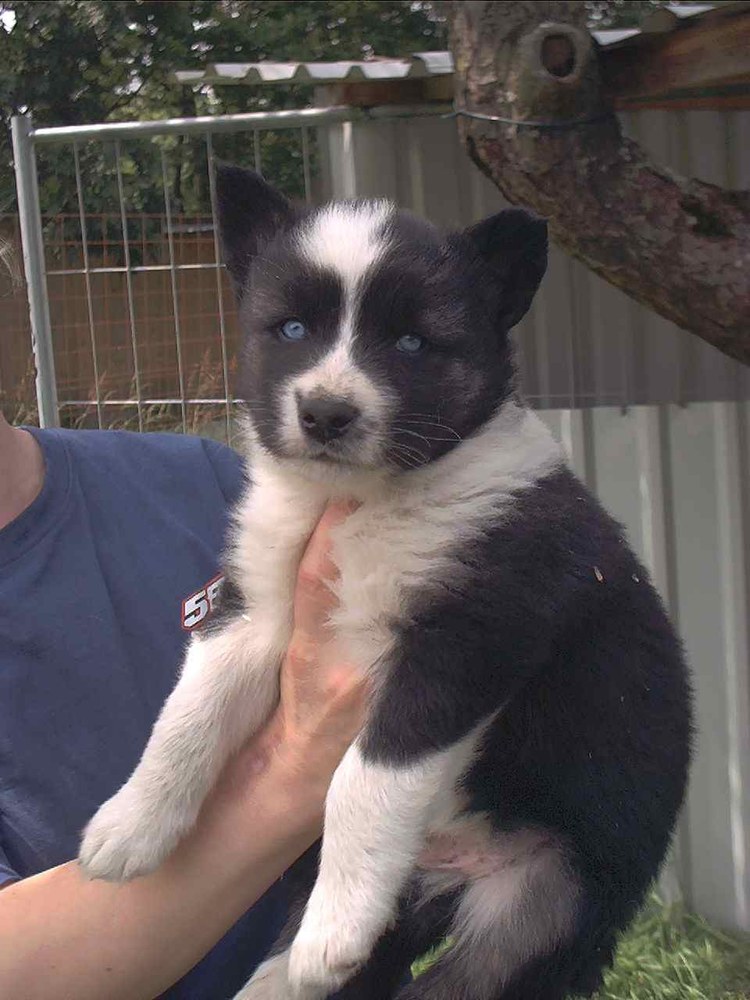
Thick, medium-length double coat with a dense undercoat, longer on the neck, legs and tail. White with black, grey, brown or red patches (bicolour or tricolour). Eyes brown, blue or one of each. Sheds heavily twice a year
Job
Sled dog, reindeer-herding helper and hunting dog of the peoples of Yakutia, working in deep cold over long distances
Temperament in one minute
Yakutian Laika temperament: what they are like at home
Short answer: Yakutian Laikas are medium, thick-coated sled and hunting dogs from Yakutia in north-eastern Siberia. They are friendly, playful and sociable with family, visitors and most dogs, but busy, vocal and quick to chase small animals. They need about two hours of exercise a day with real running or pulling, a secure garden, recall trained on a long line, weekly brushing and short, reward-based lessons.
Are Yakutian Laikas affectionate?
Yes, very social with their people. Teach short absences early.
The common four are escaping, chasing, weak recall and howling when alone. The list below links a guide for each.
Living with a Yakutian Laika in an apartment
Possible only with lots of daily running and outdoor time.
Breed history
From Yakutian sled teams to family homes
Hundreds of years of hauling, herding and hunting in the cold made a dog that is tough, social and always ready to move.
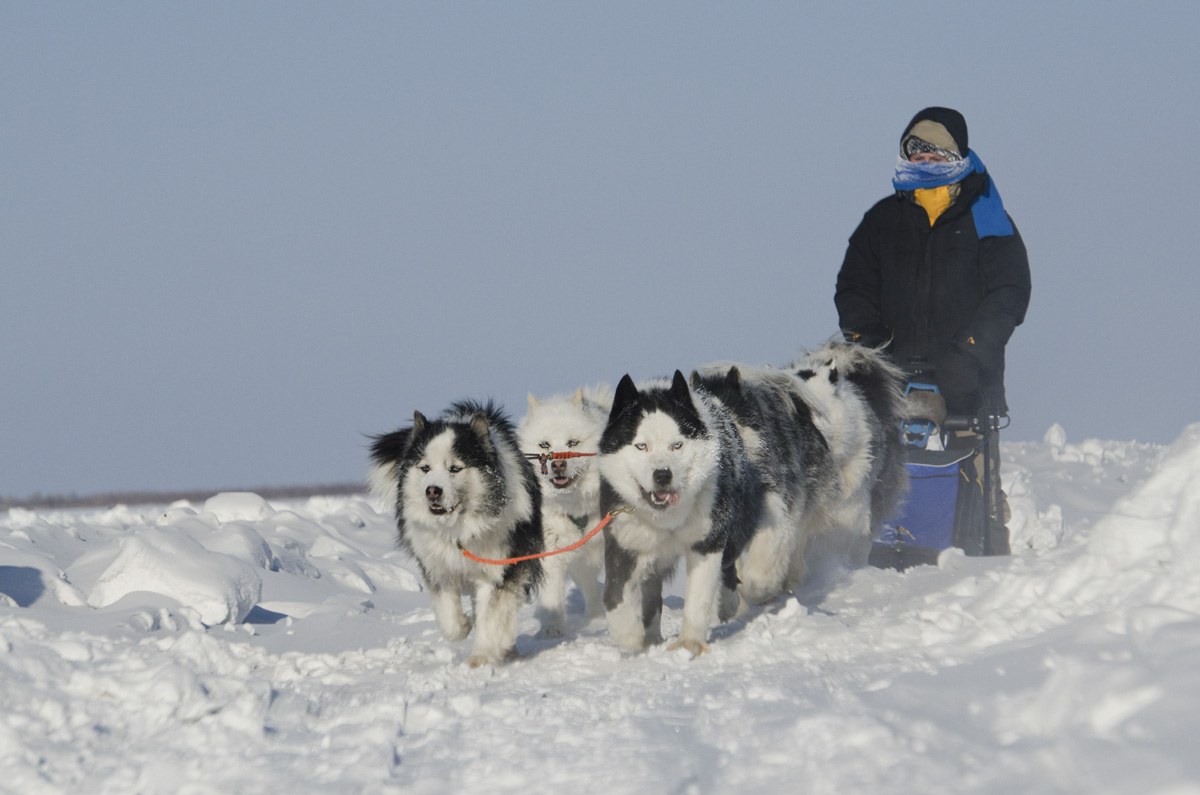
Yakutian Laikas in harness in the snow: pulling is the work these dogs were kept for.
Yakutia · for centuries
Dogs of the far north
Yakutia lies along the Lena River in north-eastern Siberia, with long winters far below freezing. Its people kept spitz-type dogs that pulled sleds over long distances, helped with reindeer and went hunting with them.
Dogs that worked well in a team, stayed friendly with people and coped with deep cold were kept and bred. The FCI standard describes the result as bold, lively, friendly, sociable and energetic, and close to people.
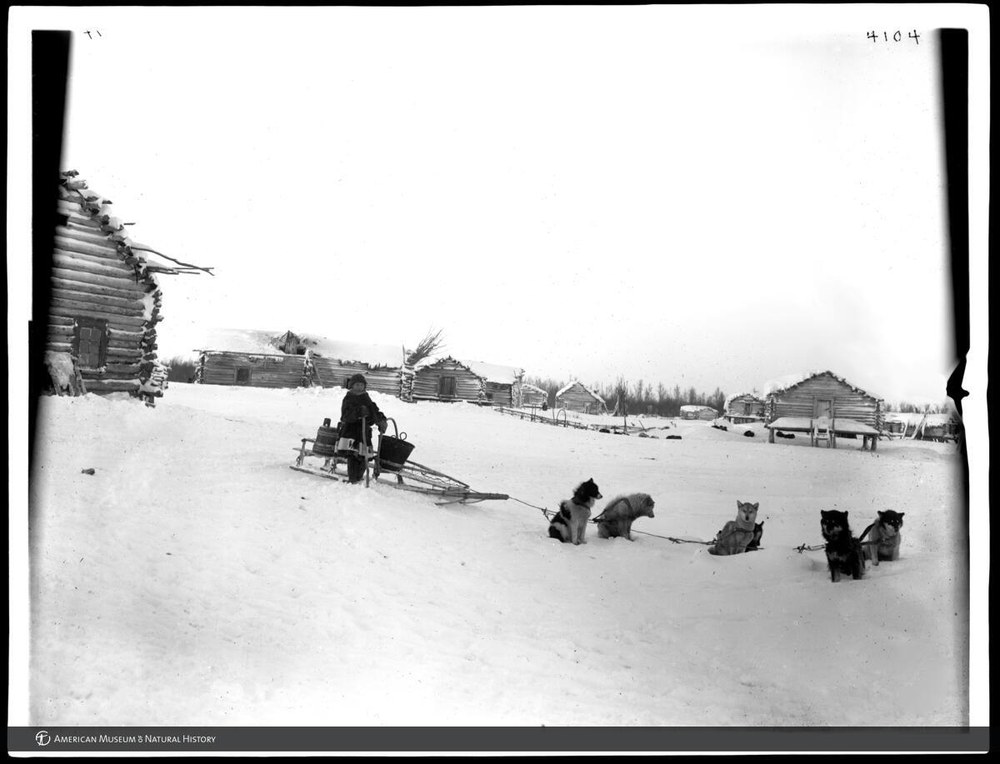
A boy bringing water by dog sled in north-eastern Siberia in 1901: hauling loads was daily work for these dogs.
From the 2000s
A northern dog saved from mixing
By the late 20th century motor sleds had replaced many dog teams, and the old northern dogs were mixing with other types. Breeders in Yakutia gathered typical dogs and wrote a breed standard in the early 2000s.
The FCI accepted the breed provisionally in 2019, and the AKC lists it in its Foundation Stock Service. Numbers outside its home are still small, with breeders in Europe and a few in North America.
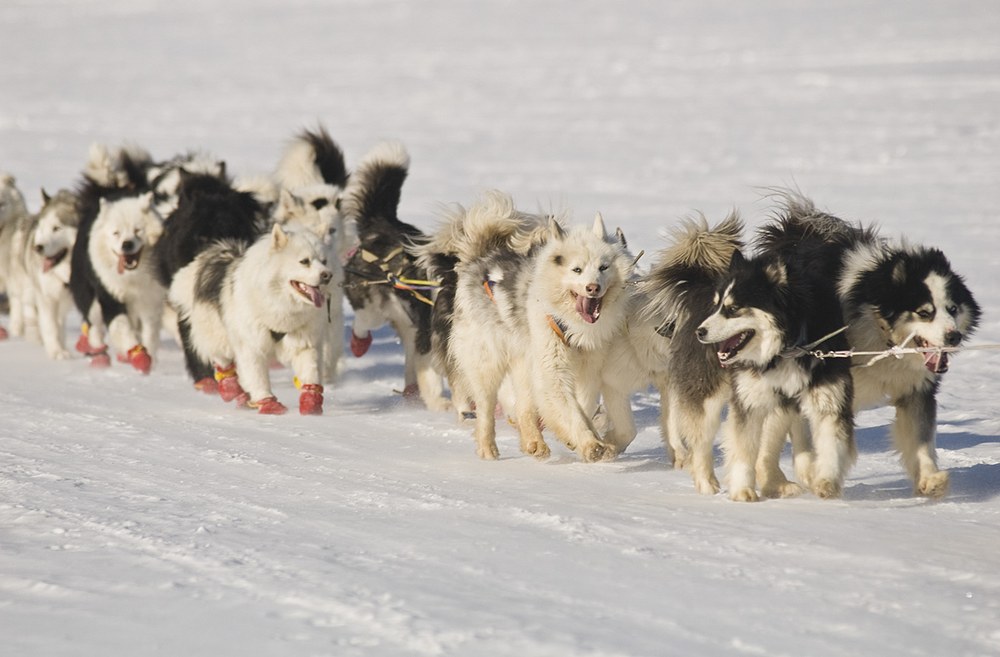
A sled team taking a break in the snow: these dogs rest well once the work is done.
What the breed was bred for
Friendly with people, keen on chasing
A well-raised Yakutian Laika is affectionate, cheerful and good with children it knows. Most like other dogs and are rarely suspicious of guests.
It is also busy, vocal, independent and quick to chase cats, birds and small animals. It was bred to make decisions in a team far from home, so recall needs real work and a garden needs a real fence.
A good laika day is a real run, a brain game and a calm evening
Most adult Yakutian Laikas need about two hours of activity a day, and at least part of it should be real effort: running beside a bike, canicross, pulling, or a long hike. In hot weather move the work to early morning and late evening.
Morning · the big outing
Run, pull or hike
Choose one real workout: a run in a pulling harness, a bike ride on quiet tracks or a long hill walk. Keep it steady rather than frantic, and build distance slowly over weeks.
These social dogs often howl when left. Build time alone in small steps, after exercise, with a chew or food toy, and come back before the dog gets upset.
General awareness only. I am not a veterinarian. Yakutian Laika owners most often notice huge coat drops, heat stress in summer, sore pads after running on hard ground, weight gain when exercise drops and a dog that hates being brushed if it was not taught young. For red flags, leave this page and open
when to call the vet.
Coat drops
Brush weekly and every day when the undercoat comes out. Do not shave the coat.
Hot days
Exercise early and late, and stop at the first sign of heavy panting. Give shade, water and a cool floor.
Feet
Check pads after runs on gravel or ice, and build distance slowly.
Parent checks
Ask which hip, eye and other checks the national breed club recommends for both parents, and see the paperwork.
Pick a breeder whose dogs are friendly, sound and used to everyday life
Ask to meet the mother, and the father if possible, and see how they greet you. Ask about the hip and eye checks the breed club recommends, what work or sport the parents do, and what the puppies have met: cars, children, other dogs, house noise.
Working and sled lines
Bred for pulling and endurance.
Often higher energy.
Often more vocal.
Best with a sled, bike or scooter plan.
Suits owners who want to run, pull or do dog sports several times a week.
Family and show lines
Often raised in the house.
Still very active.
Same strong chase.
Same need for a fence and recall work.
Suits active families who hike and walk long distances every day.
Socialization windows
What to introduce — and what not to overload — by age
AVSAB-aligned in spirit: short, clean exposures at a distance the puppy can still eat,
with hygiene while vaccines finish. See the
puppy socialization schedule.
2–4 months
First weeks
Introduce: treat-based handling and brushing, a harness, toilet routine, calm trips out, a name check-in, short times alone.
Do not overload: long runs, off-lead walks near roads and rough play with big dogs.
~5–9 months
Fast learning
Introduce: recall on a long line, loose-lead walking, leave it, calm meetings with dogs, cats if you have them.
Do not overload: free running in open country.
~10–18 months
Teenage stage
Introduce: first pulling sessions once your vet is happy with growth, a garden fence check, longer hikes, more alone-time practice.
Do not overload: expecting a teenage laika to come back from a chase.
~18 months–3 years
Full work
Introduce: canicross, bikejoring or sled work, longer distances, scent games.
Do not overload: running hard on hot days.
~3 years+
Steady routine
Introduce: daily runs or hikes, brushing, weight checks, regular vet visits.
Do not overload: cutting exercise without cutting food.
Before you buy
Who a Yakutian Laika usually fits
Fit comes down to daily exercise, a secure garden and patience with a dog that loves to chase.
Good match
More likely a good fit if you…
You run, cycle or hike most days
You enjoy being outside in cold and wet weather
You have a garden with a tall fence that is hard to dig under
You want a friendly dog that likes visitors and other dogs
You are happy to train recall on a long line
Mismatch risk
A Yakutian Laika may be a poor choice if…
You want a quiet dog for short walks
You live somewhere hot with no cool walking times
You have cats or small pets that run
You want off-lead walks everywhere
You want a dog that sheds little
If you are torn between breeds
Yakutian Laika vs Samoyed and Siberian Husky
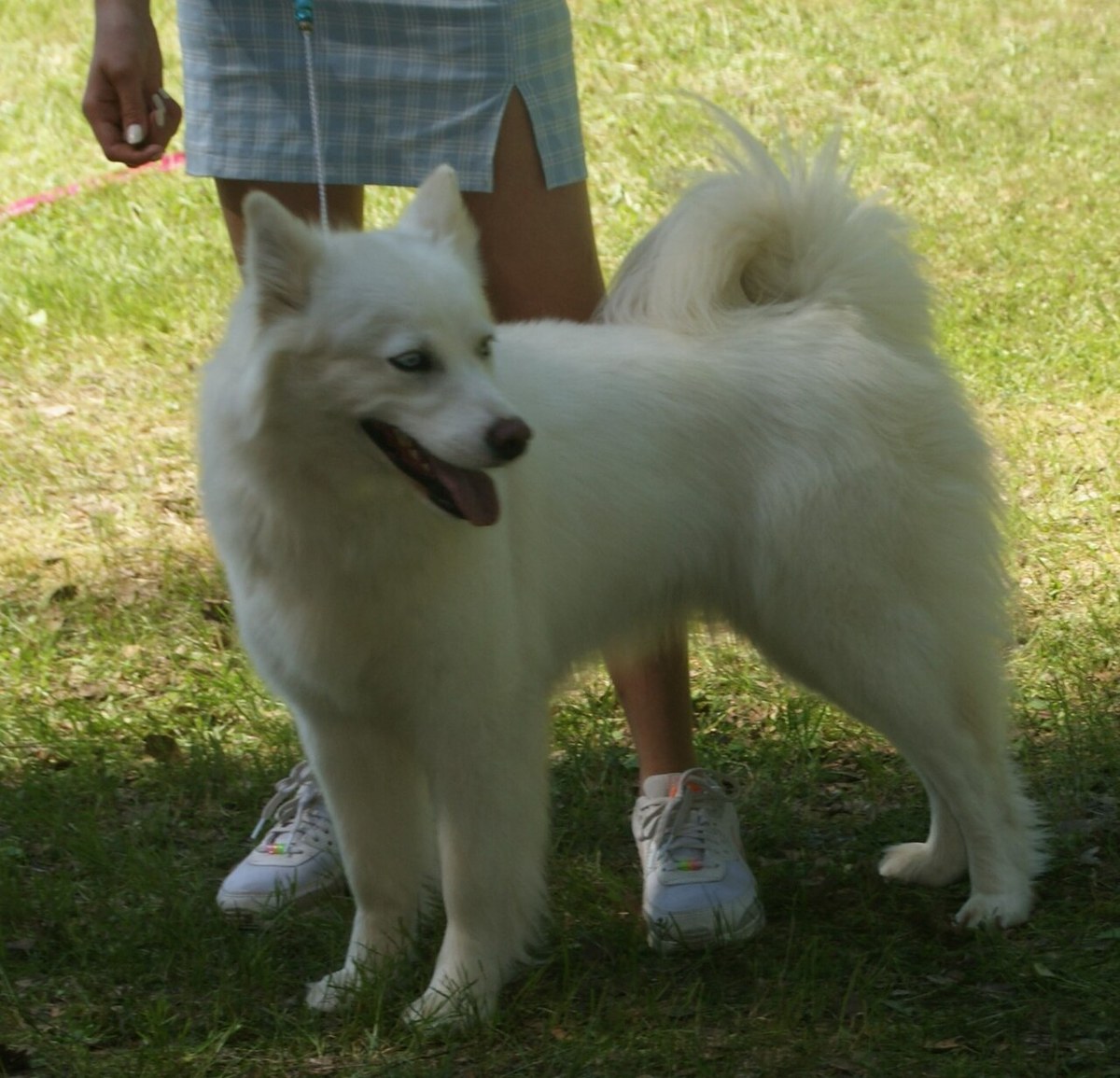
All three are friendly Arctic spitz dogs bred to pull and live close to people. The Samoyed is the all-white, fluffiest of the three, usually the most people-focused and the least intense chaser. The Siberian Husky is lighter and faster, famous for escaping and running off. The Yakutian Laika sits between them: a sturdy, patched team dog, sociable at home, with a strong chase and real stamina.
Origin
Yakutian Laika
Yakutia, north-eastern Siberia.
Samoyed
Northern Siberia.
Coat
Yakutian Laika
White with patches.
Samoyed
All white, very fluffy.
Build
Yakutian Laika
Sturdy, medium.
Siberian Husky
Lighter and faster.
Recall
Yakutian Laika
Needs long-line work.
Siberian Husky
Often even harder.
Ownership without surprises
Where a Yakutian Laika owner’s budget goes
Costs vary a lot by country, so treat these as budget headings, not fixed prices.
Veterinary
A yearly check-up, the vaccines your vet recommends and any breed club health checks.
Fencing
A tall fence with dig guards and a gate that latches.
Sport gear
A pulling harness, a bungee line, a waist belt for canicross or a bike attachment.
Grooming
An undercoat rake and slicker brush, or a groomer visit during coat drops.
Finding a puppy
Breeders are few outside Yakutia and Europe; expect waiting lists or travel.
A good fence and a long line cost less than one lost-dog search.
Before day one at home
What to prepare for a Yakutian Laika puppy
A Yakutian Laika puppy is a bold, fluffy explorer with a loud voice. From the first week plan brushing and handling with treats, a harness, a fast name check-in, recall games, calm outings and short times alone, and keep exercise gentle while the puppy grows.
Training a Yakutian Laika works best with real exercise, food and short lessons
Most laika problems get smaller once five habits are in place: daily hard exercise, a long line in open spaces, a name check-in, leave it on walks and short, planned absences.
Laikas learn fast when the reward is worth it, and they get bored with repeats. Do three good tries and move on. They are independent thinkers, so a cue that works in the kitchen still needs practice in the field.
Harsh corrections do not stop a chase; they only spoil your bond. Keep the dog on a line where it could chase, reward it for looking back at you, and give it safe ways to run and pull.
Load balance
Pulling comes later
Wait until your vet is happy with the dog's growth before regular pulling or long runs, often around a year to eighteen months. Build distance slowly and skip hard work in the heat.
Run or pullSniff walkShort lessonFood gameRest
For this breed, a steady run plus a sniff walk often settles the dog better than two long, slow walks.
A Yakutian Laika that has done real work is usually calm, cuddly and quiet at home.
Recall and chase
How to keep a laika safe off the sofa
Use a long line in open spaces, a fitted harness, a fast name check-in, leave it on walks and an emergency U-turn, and give the dog real running and pulling time.
01
Long line
In any open space.
02
Fitted harness
One for walks, one for pulling.
03
Name check-in
A treat for each look back.
04
Leave it
Practised far from cats first.
05
U-turn
Turn and jog away, then reward.
One scene close-up
Why a laika runs after anything small
These dogs were also hunters, and a fast-moving cat, hare or bird switches on that drive in a second. It is not bad manners; it is part of the dog.
Manage first: a long line near wildlife, a secure fence and care around cats and small pets. Then teach a look-back, leave it and a U-turn step by step, starting far from anything exciting.
A dog that injures other animals, guards food or toys from the family or fights other dogs should be seen by a qualified behaviour professional, after a vet has checked for pain.
“With a laika I never try to turn it into a quiet house dog. I give it real work, keep it safe around things it wants to chase and teach manners in short, fun lessons.”
We look at your real week: runs and walks, the garden and fence, other pets, time alone and brushing. Medical questions go to your vet; I work on behaviour.
Andrew DarovProfessional dog trainer and instructor
Before we talk, note the dog's age, how much running or pulling it gets, how your garden is fenced, what it chases, how it copes alone and what goes wrong first. Opens WhatsApp to Andrew.
Dog jumps on people? Stop rewarding the jump, reward four paws on the floor, and manage the door. A kind, step-by-step plan that works.
Need a read on your exact situation?
Send me a short message about your Yakutian Laika: its age, how much running or pulling it gets, how your garden is fenced, what it chases, how it copes alone and what goes wrong first. We rule out health issues first, then pick one skill to start with.