Anatolian Shepherd Dog: temperament, training & livestock guardian
The Anatolian Shepherd Dog is a large Turkish livestock guardian — calm, independent and protective. Most are gentle with their own family and animals, suspicious of strangers and unwilling to come back on command when they have decided something matters. It suits rural homes with secure fencing and experienced owners.
Job: Livestock guardian — watches over territory and decides for itself.
Energy: Moderate; patrols and watches more than it runs.
Home: Best with secure fencing, space and calm visitor routines.
Why the Anatolian Shepherd was built to guard flocks on its own
History does not decide what one puppy becomes, but it explains a lot: most Anatolians are calm, watchful and independent — and they were bred to make decisions about threats without waiting for a person to tell them.
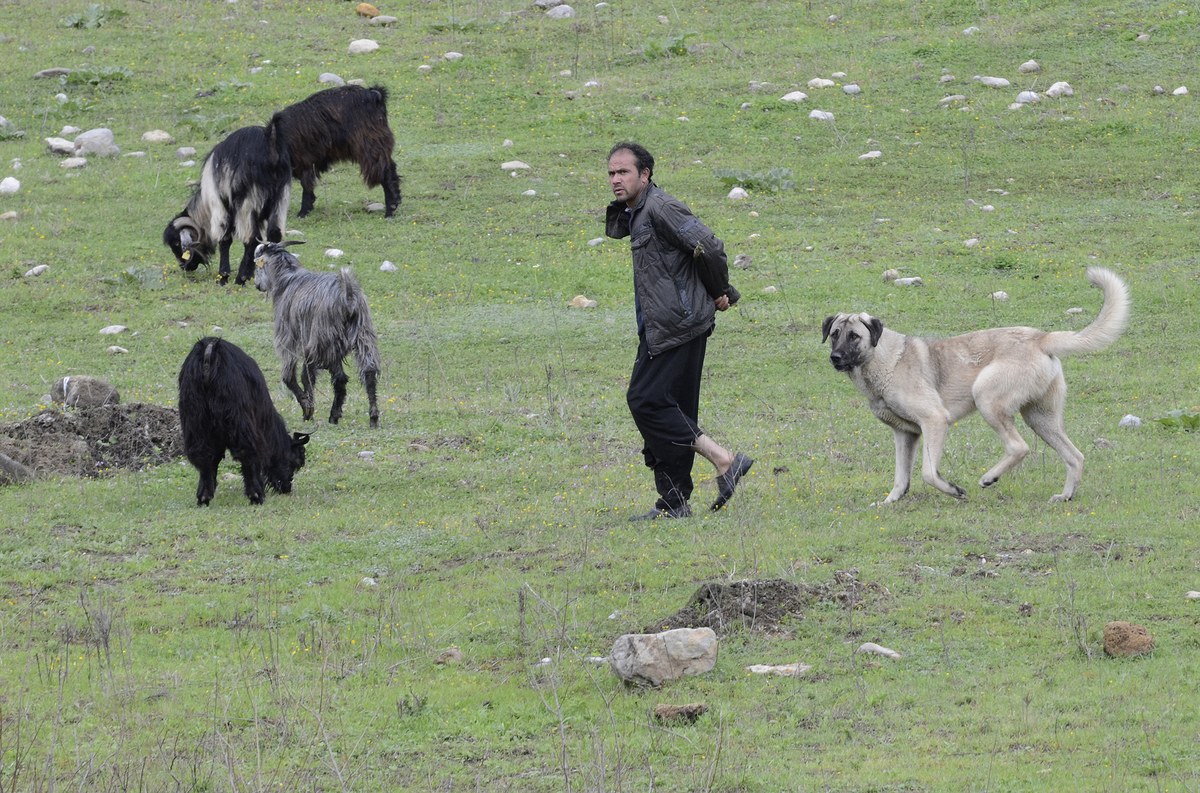
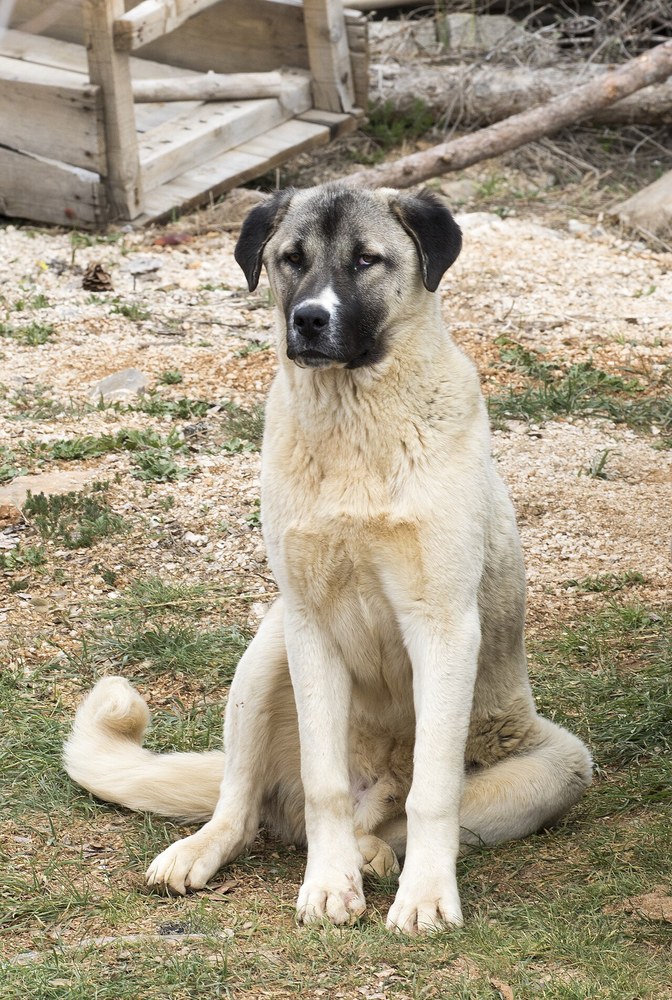
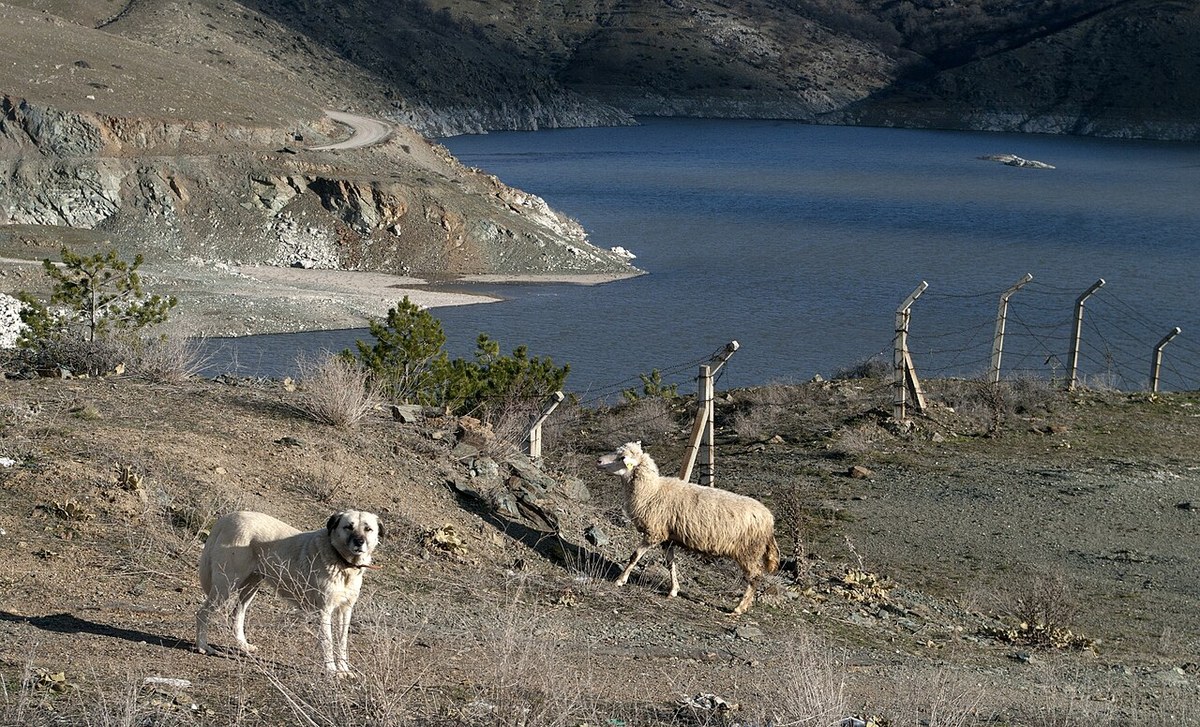
A goatherd and his Anatolian Shepherd Dog with the herd near Kozan, Adana, Turkey (modern photograph). The dog stays with the animals and watches the open country.
Central Anatolia → flock guardian
Living with sheep, facing wolves
Public breed histories describe large guardian dogs living with flocks across the Anatolian plateau in Turkey. They stayed with the sheep day and night and deterred wolves, bears and other predators, often with little direction from shepherds.
A dog bred for that job is calm until it decides something is wrong — then it acts fast and with conviction. That is why recall is often unreliable and why strangers and stray dogs are taken seriously.
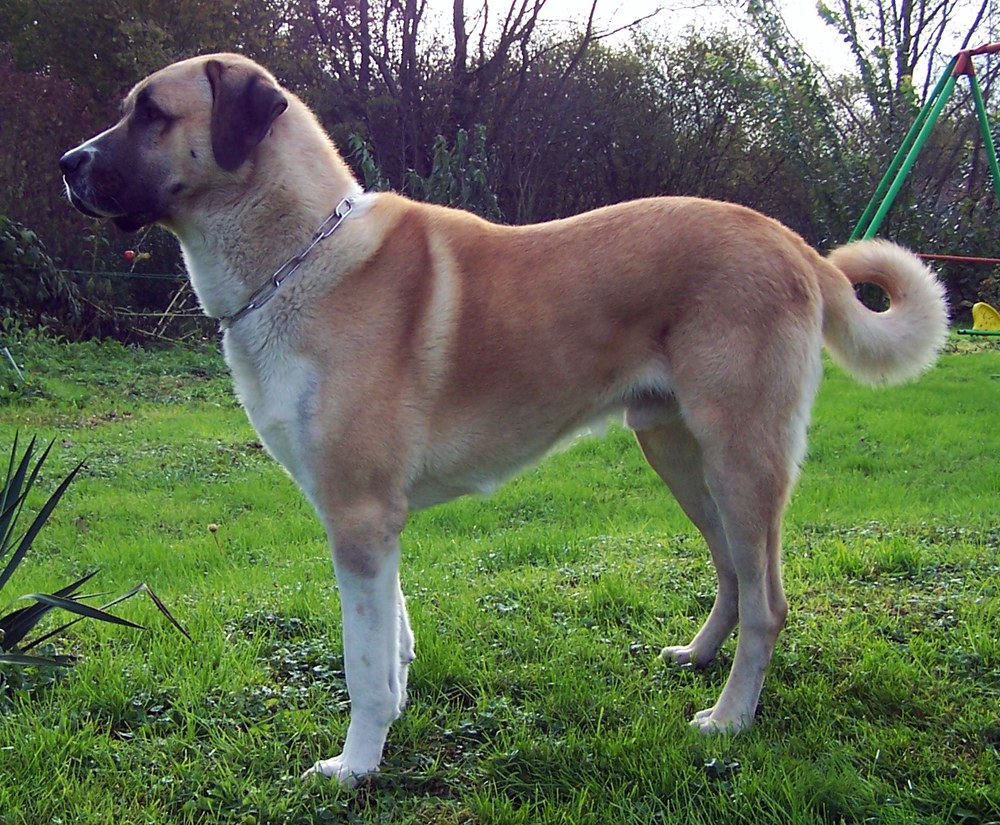
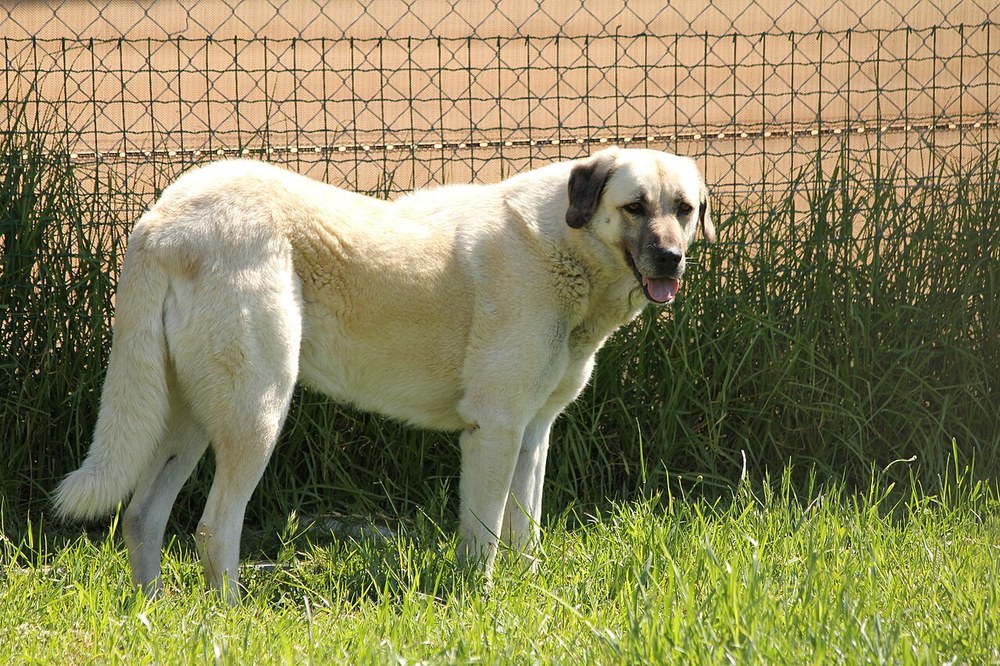
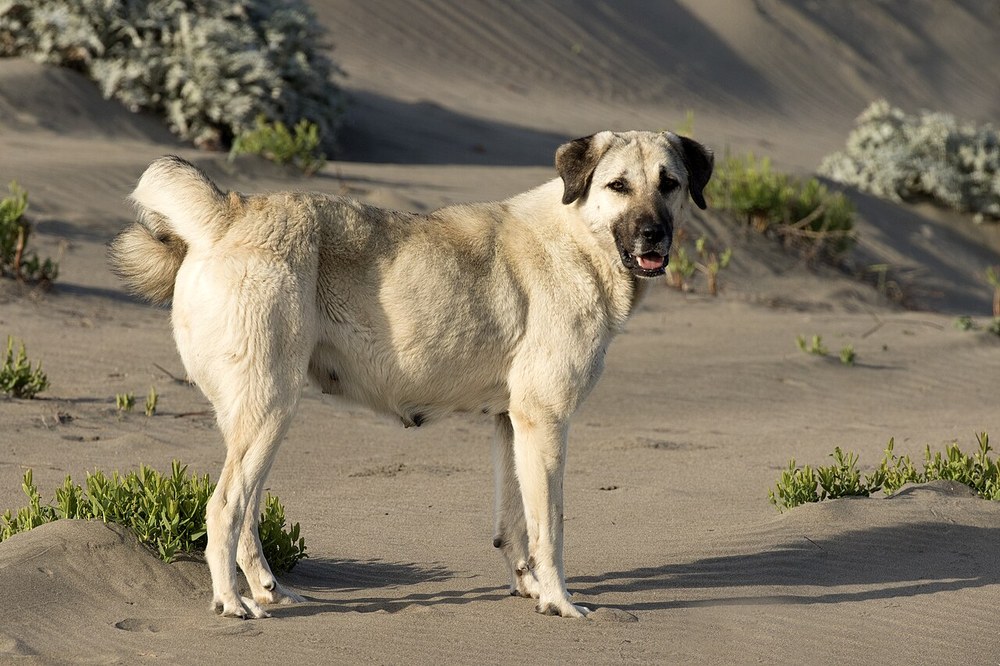
An adult Anatolian Shepherd Dog, a French show champion (modern photograph). Guardians grow fast but mature slowly, often over two to three years.
One family of dogs, several names
Anatolian, Kangal and the registry question
Kennel clubs handle these Turkish guardians differently. AKC registers the Anatolian Shepherd Dog; the UK Kennel Club lists the Anatolian Shepherd Dog and the Turkish Kangal Dog separately; FCI renamed its standard to Kangal Shepherd Dog in 2018.
Anatolians are also used outside Turkey to protect livestock from predators, including in a well-known cheetah conservation programme in Namibia. Working dogs and pet dogs need very different setups — ask breeders what the parents actually do.
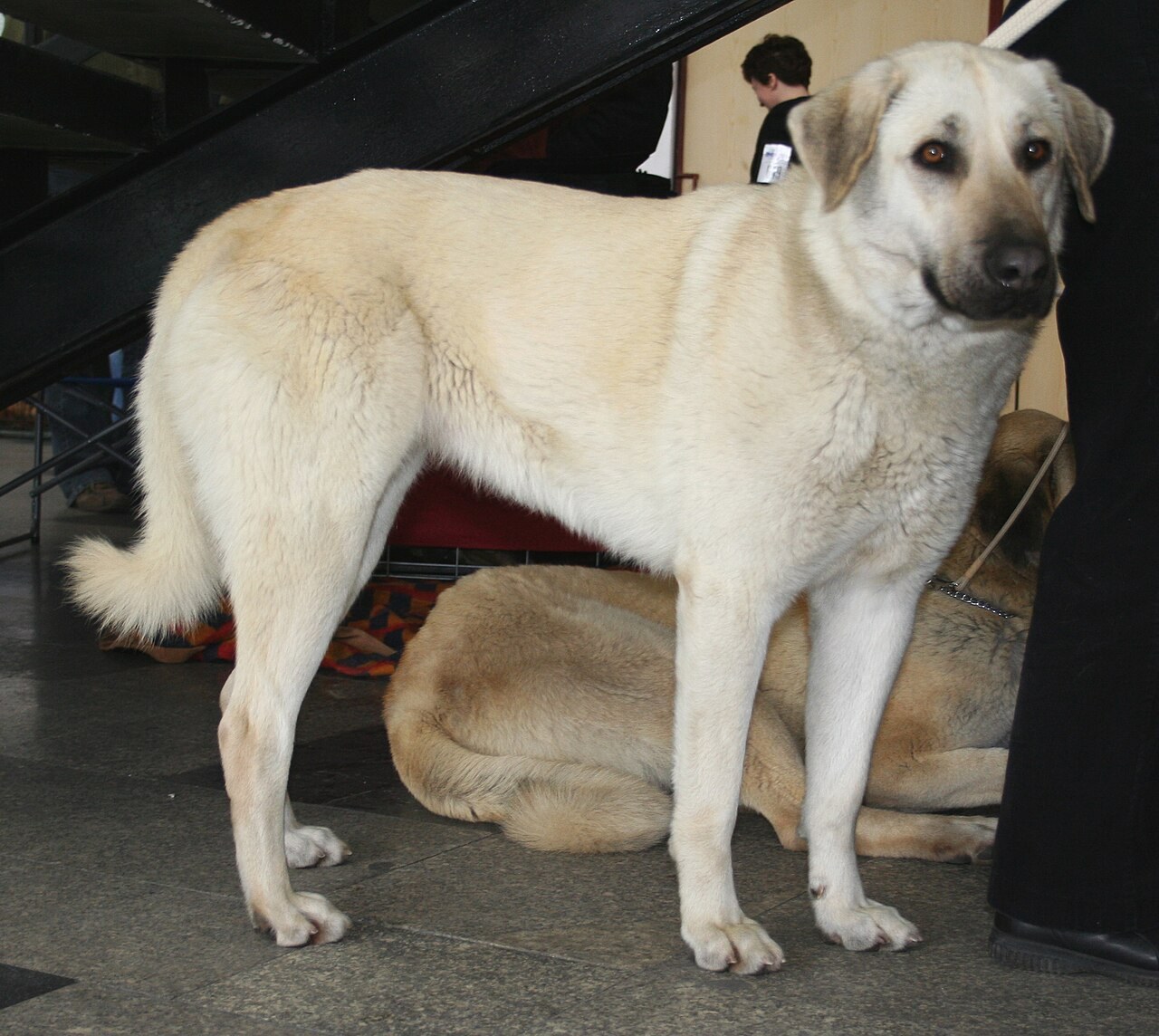
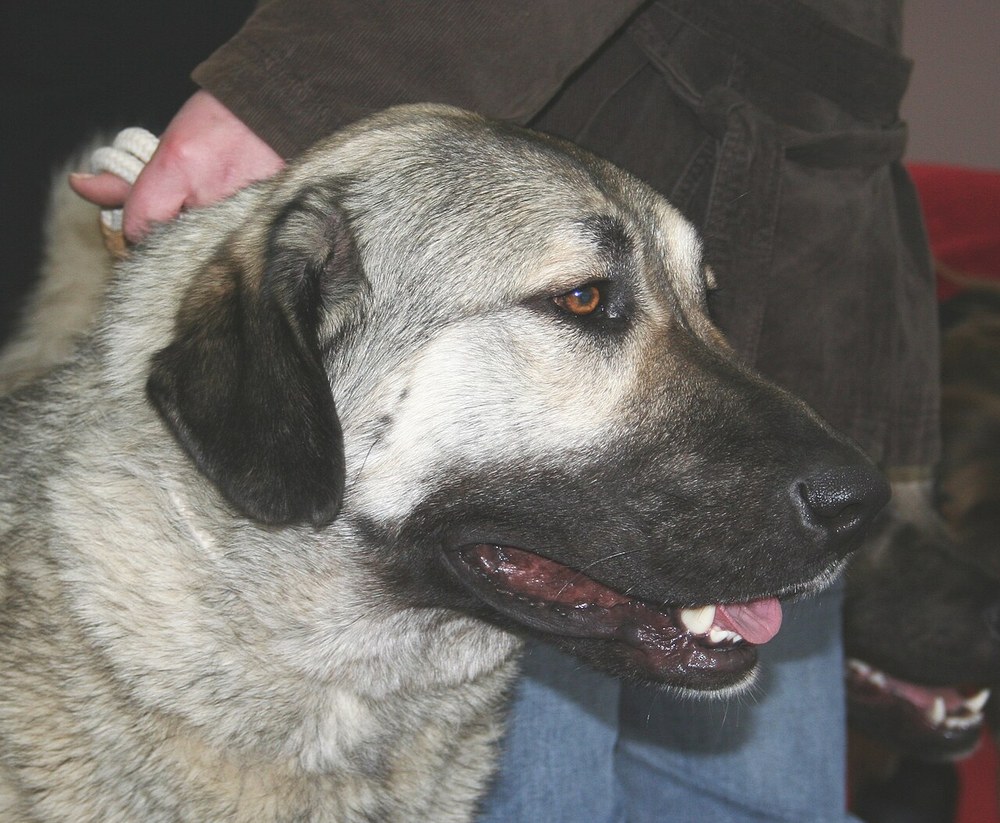
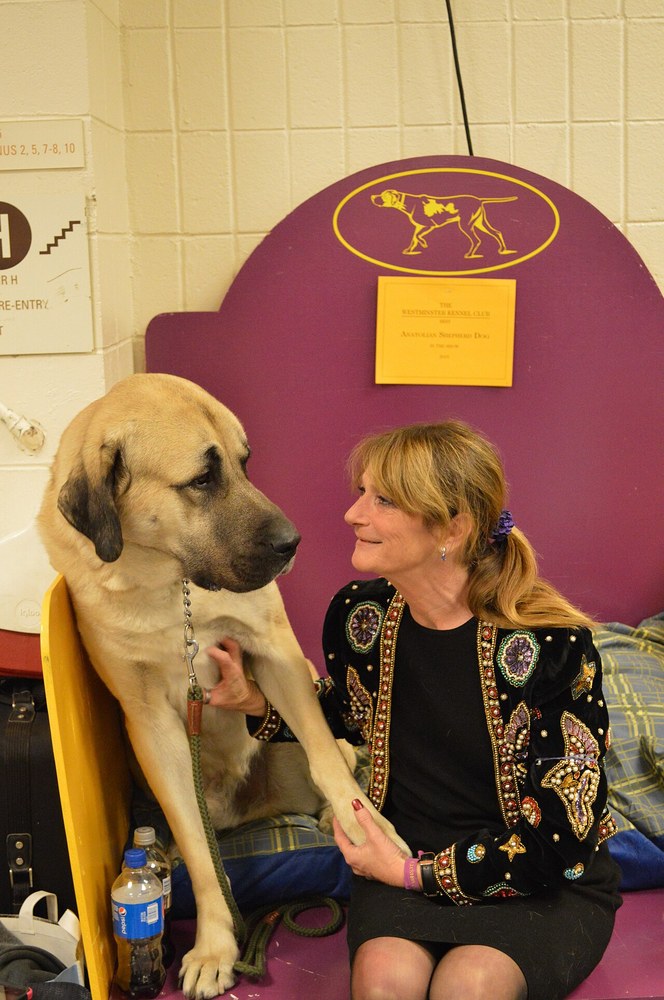
An Anatolian Shepherd Dog at an international dog show in Katowice, Poland, 2009 (modern photograph).
What the breed was bred for
Independence, calm watchfulness and protective instinct
In plain trainer language: Anatolians were selected to think for themselves, stay calm most of the time and protect what they consider theirs. They are often gentle with family and animals they know, and suspicious of the unfamiliar.
Training works best when it is calm, fair and based on cooperation. Obedience drills bore them. Management — fences, leads and visitor routines — does much of the work.
A day is patrol, rest and a calm guardian kept within its boundaries
Anatolians are often quiet and still for hours, then very alert when something changes. In a home they need space, secure boundaries and owners who manage visitors and other dogs carefully.
Morning · patrol walk
A steady walk around the territory
Many Anatolians like to walk the same route and check it. Keep them on lead or a long line — recall is rarely reliable.
What to watch monthly: coat, weight, movement and handling
General awareness only — I am a trainer, not a veterinarian. Guardians often hide discomfort, so watch for small changes in movement, appetite or temper. For urgent signs, see
when to call the vet.
Coat and seasonal shed
Short to medium double coat that sheds heavily in seasonal waves. Brush thoroughly during the shed.
Ask the breeder which screenings the national breed club recommends and see results for both parents.
Handling and the vet
Practise handling and muzzle comfort while the dog is young. See introducing a muzzle.
Heat and cold
The coat copes with cold well. In summer, provide shade and exercise in cooler hours.
Toxins and scavenging
I do not publish toxin amounts. If the dog eats something dangerous, call a vet or poison-control line immediately.
Lines and types
Working guardians and companion Anatolians need different homes
Some Anatolians come from working parents that live with livestock; others from companion homes. Both are guardians, but their needs and setups differ.
Working livestock lines
Raised with animals and bonded to them.
Very independent and territorial.
Often bark a lot at night.
Need land, livestock or a real job.
Suits farms and rural properties that need a guardian.
Companion lines
Raised in homes with people.
Still protective and suspicious of strangers.
Need secure fencing and visitor routines.
Meet the parents at home.
Suits experienced owners with space and a calm household.
Socialization windows
What to introduce — and what not to overload — by age
AVSAB-aligned in spirit: short, clean exposures at a distance the puppy can still eat,
with hygiene while vaccines finish. See the
puppy socialization schedule.
2–4 months
Bonding and handling
Introduce: family, handling, crate, calm visitors, family animals under supervision.
Do not overload: crowds, rough play, open gates.
~6 months
Calm observation
Introduce: people and dogs at a distance, lead walking, place cue.
Do not overload: dog parks, on-lead greetings with unknown dogs.
~12 months
Guarding emerges
Introduce: visitor routines, boundary rules, short training sessions.
Do not overload: unsupervised fence time, punishing growls.
~18 months
Adult decisions
Introduce: new places at the dog’s pace, careful introductions.
Do not overload: forcing contact with strangers, off-lead walks.
~24 months
Mature guardian
Introduce: refreshed visitor and handling routines.
Do not overload: relaxing fence and gate management.
Before you buy
Who an Anatolian Shepherd Dog usually fits
An Anatolian fits experienced owners with land, secure fencing and a calm routine, who respect an independent guardian.
Good match
More likely a good fit if you…
Have a rural property or large, securely fenced garden
Want a calm, protective guardian for family or livestock
Accept that recall may never be reliable
Can manage visitors and night barking
Prefer independence to obedience
Mismatch risk
An Anatolian Shepherd Dog may be a poor choice if…
You live in a flat or a busy town centre
You want off-lead walks in parks
Close neighbours would complain about barking
Visitors come and go without warning
You expect fast, eager obedience
If you are torn between breeds
Anatolian Shepherd Dog vs Great Pyrenees and Akita
Anatolians are compared with other livestock guardians and with independent spitz guardians.
Origin
Anatolian Shepherd Dog
Turkish flock guardian.
Great Pyrenees
French/Spanish mountain flock guardian.
Coat
Anatolian Shepherd Dog
Short to medium coat; easier to groom.
Great Pyrenees
Long, thick white coat.
Guarding style
Anatolian Shepherd Dog
Calm, quick to act when needed.
Akita
Quiet guardian, often dog-selective.
Barking
Anatolian Shepherd Dog
Barks to deter, especially at night.
Great Pyrenees
Also a strong night barker.
Training
Anatolian Shepherd Dog
Independent; cooperates for good reasons.
Both compares
Pyrenees similarly independent; Akitas more food-motivated.
Ownership without surprises
Where an Anatolian Shepherd owner’s budget goes
Costs depend on your area and breeder. These are the main areas to plan for — not quotes.
Fencing
High, strong fencing around a large area.
Food
Large-breed food; keep the dog lean.
Veterinary care
Ask which screenings the national breed club recommends.
Training help
A trainer experienced with guardian breeds.
Gear
Strong lead, long line, crate and muzzle.
Grooming
Undercoat rake for seasonal shedding.
With an Anatolian, fencing and management are the real costs.
Before day one at home
What to prepare for an Anatolian Shepherd Dog puppy
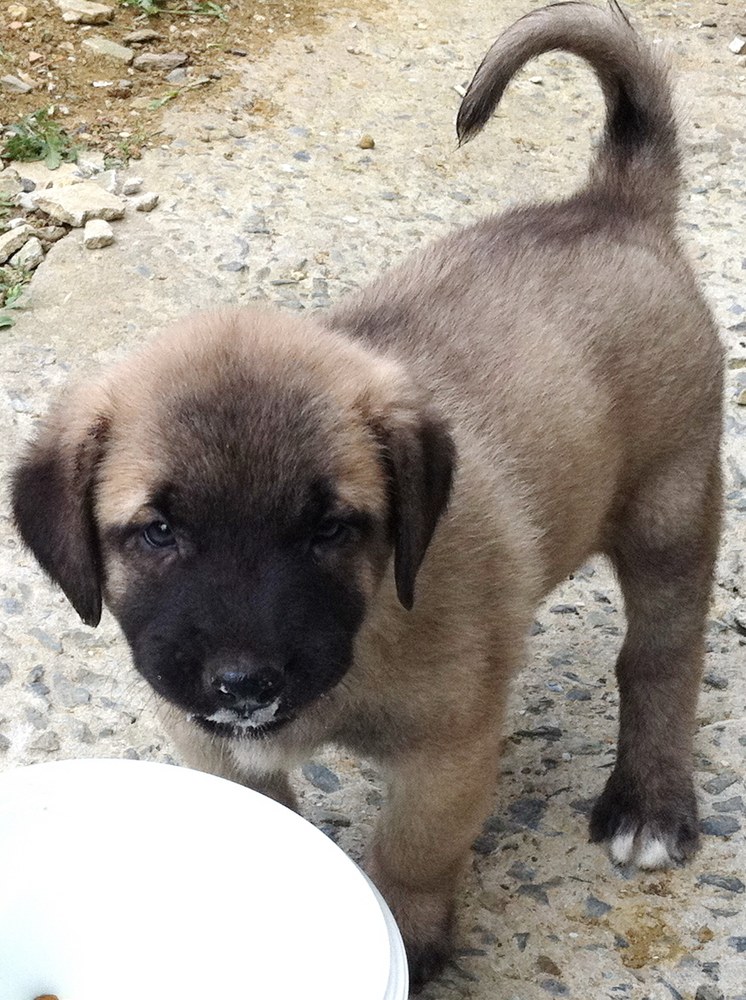
An Anatolian puppy is calm and cuddly but grows into a large, independent guardian. Start handling and visitor routines early.
“With an Anatolian, I start with the fence and the visitor plan, not with obedience drills. We secure boundaries, introduce guests outside first, manage night barking and practise calm handling — because a flock guardian was bred to decide for itself who is a threat.”
Sessions cover real scenes: visitors and strangers, fences and neighbours, night barking, long-line walks, and vet handling. I am a trainer, not a veterinarian. No invented reviews.
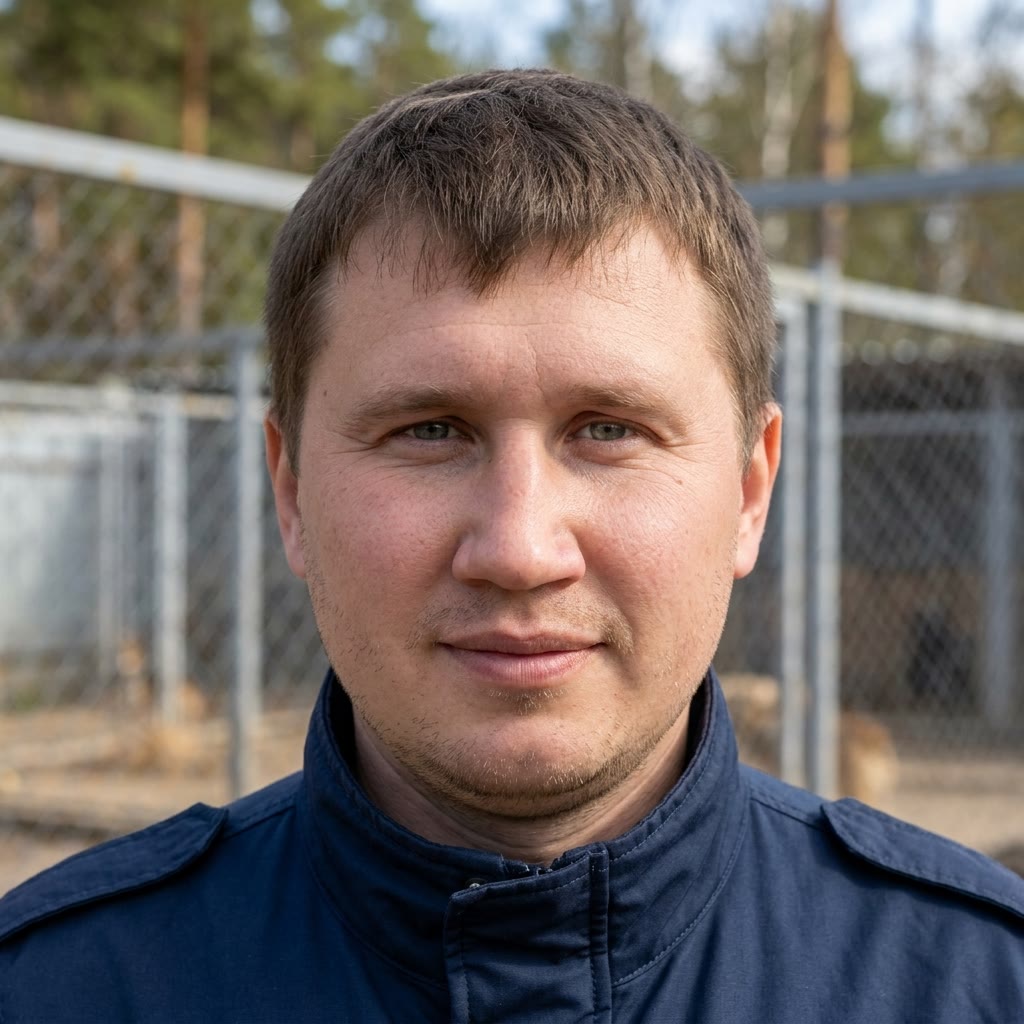
Andrew DarovProfessional dog trainer and instructor
Describe age, living setup, and where the dog breaks first — visitors and strangers, night barking, recall and roaming, or vet handling. Opens WhatsApp to Andrew.
A French mastiff with a big head and a devoted nature that needs early socialization, leash manners and care in hot weather.
Need a read on your exact situation?
Describe your Anatolian Shepherd Dog’s age and the scene that repeats most: visitors and strangers, night barking, recall and roaming, or vet handling. We check safety first, then pick the first skill.
Written by Andrew Darov, professional dog trainer. Not veterinary advice and not a diagnosis.
Not a kennel club. No invented reviews. No vaccine schedules or toxin doses. Photo credits in
/images/breeds/anatolian-shepherd-dog-guide/credits.md.