A Boxer is a strong, athletic German breed with a short coat and a famously playful nature. Most are affectionate, bouncy, mouthy in play, alert at the door, and slow to mature. City life works with daily exercise in cool weather, clear play rules, calm greetings, and a lot of settle practice.
Job: German working dog — guardian, sport dog and clown.
Energy: High; daily play, walks and training.
Home: Great with active families who teach calm greetings.
A Boxer is a bouncy, playful clown that needs exercise and a taught way to calm down
Public breed histories describe a dog developed in Germany from the hunting Bullenbeisser and the English Bulldog, later used as a police and military dog. The modern pet kept the strength, the courage, and the love of physical play.
Training usually goes well with food and fun. The common problems are jumping up, rough play, pulling, and finding it hard to calm down.
From the first month, build two habits. First: four paws on the floor earns attention. Second: play has a clear start, a clear end, and a settle afterwards.
Why the Boxer was built from German hunting and working dogs — and stayed a clown
A breed’s story does not decide one puppy, but it explains the Boxer: strong, bouncy, playful well into adulthood, devoted to family, alert at the door, and slow to grow up in the head.
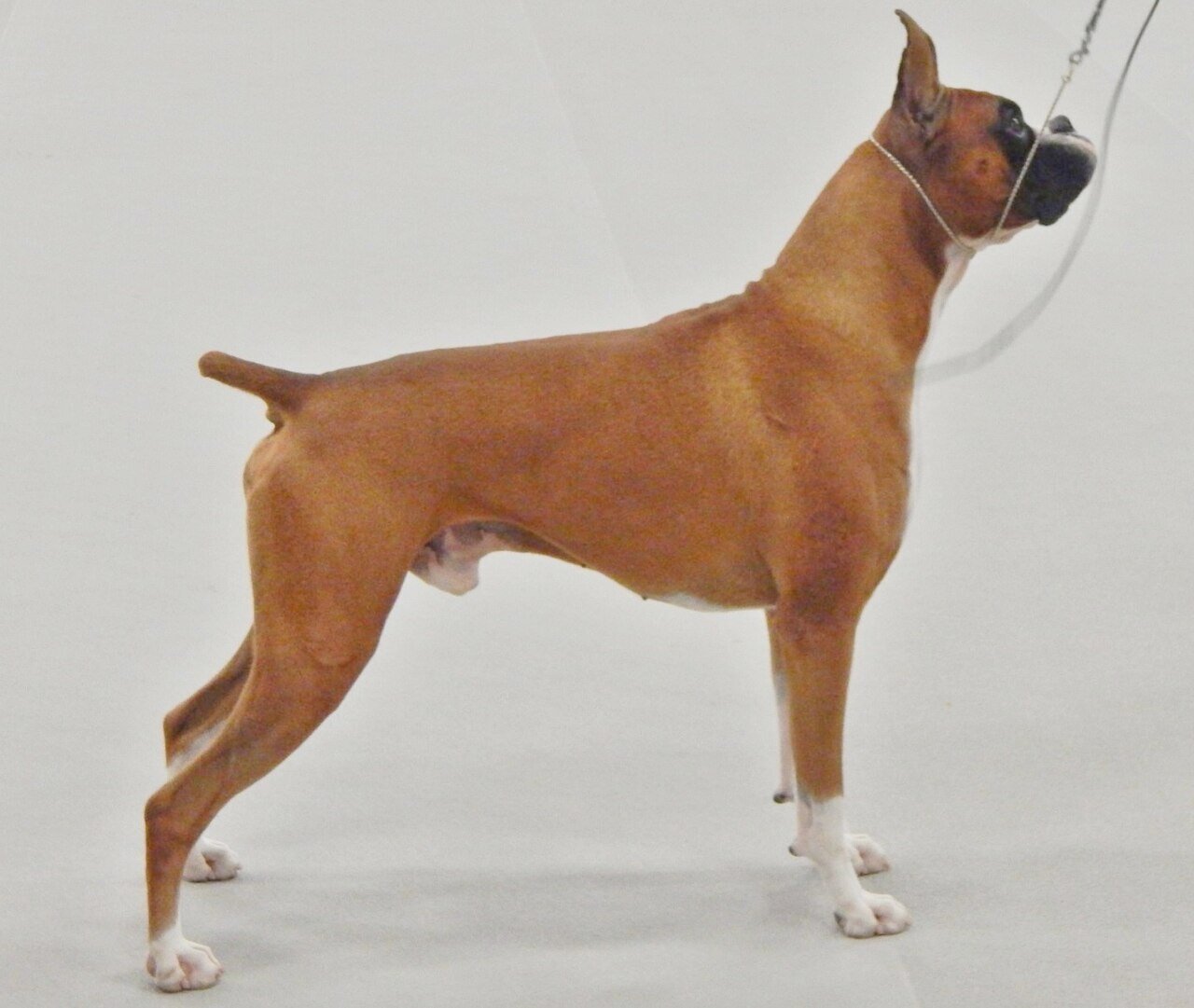
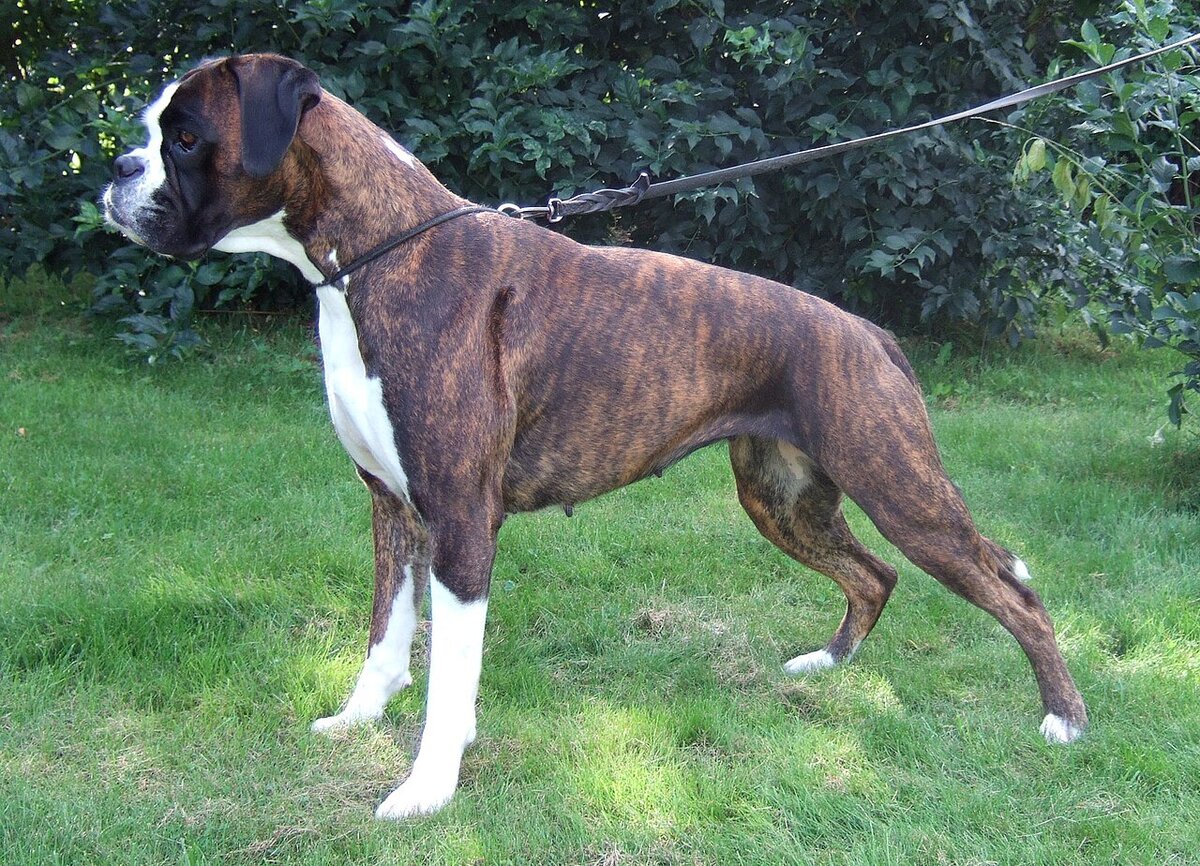
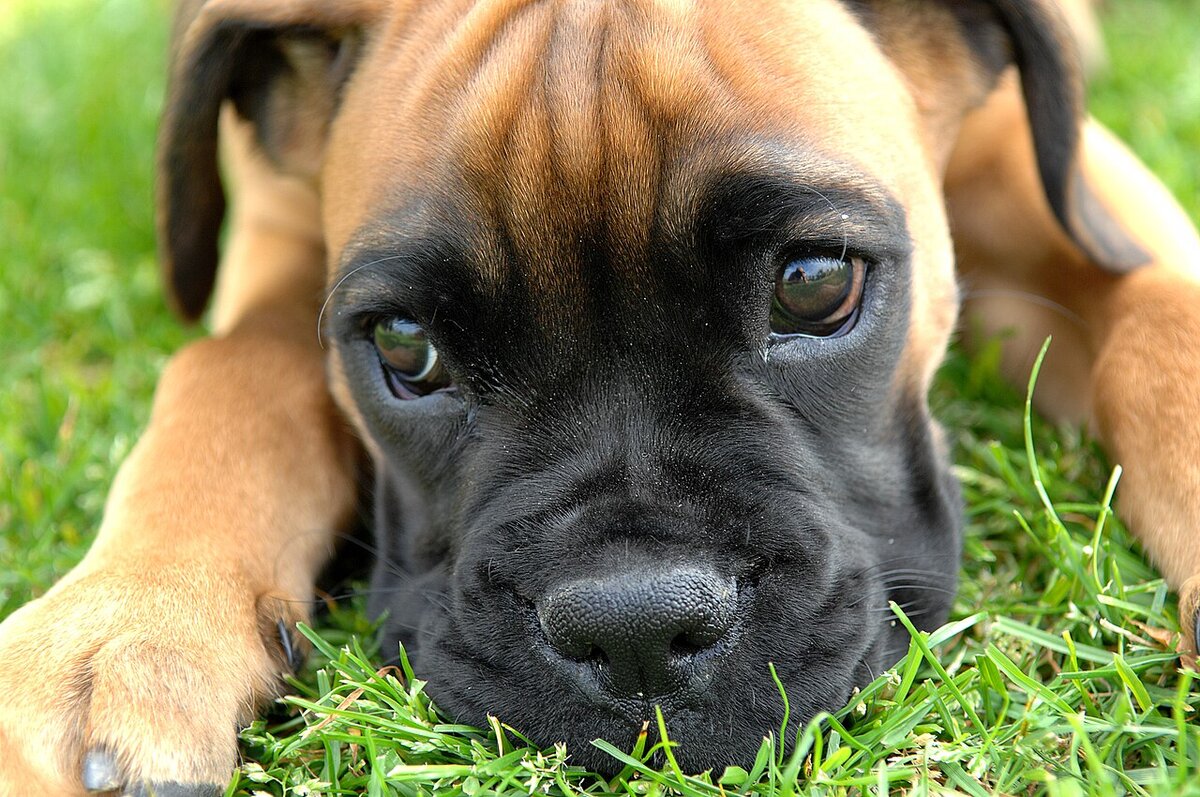
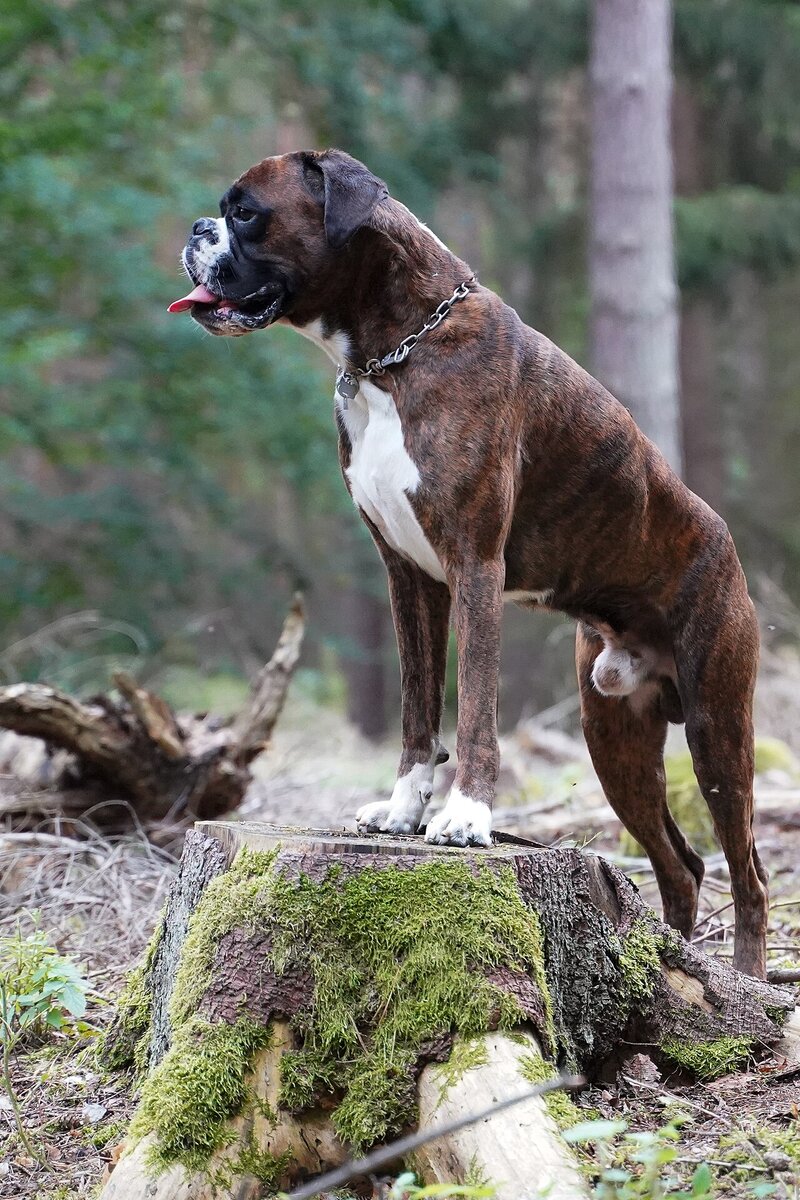
A one-year-old Boxer (modern photograph). Athletic, square, and usually ready to play.
Germany → from the Bullenbeisser to the Boxer
Holding game, then working beside people
Public breed histories trace the Boxer to the German Bullenbeisser, a strong dog used by hunters to catch and hold large game, crossed in the late nineteenth century with English Bulldogs. Breeders in Munich founded the first Boxer club in the 1890s.
A dog bred for strength, courage, and physical play does not become calm by being ignored. Boxers need exercise, rules for play, and practice at settling down.
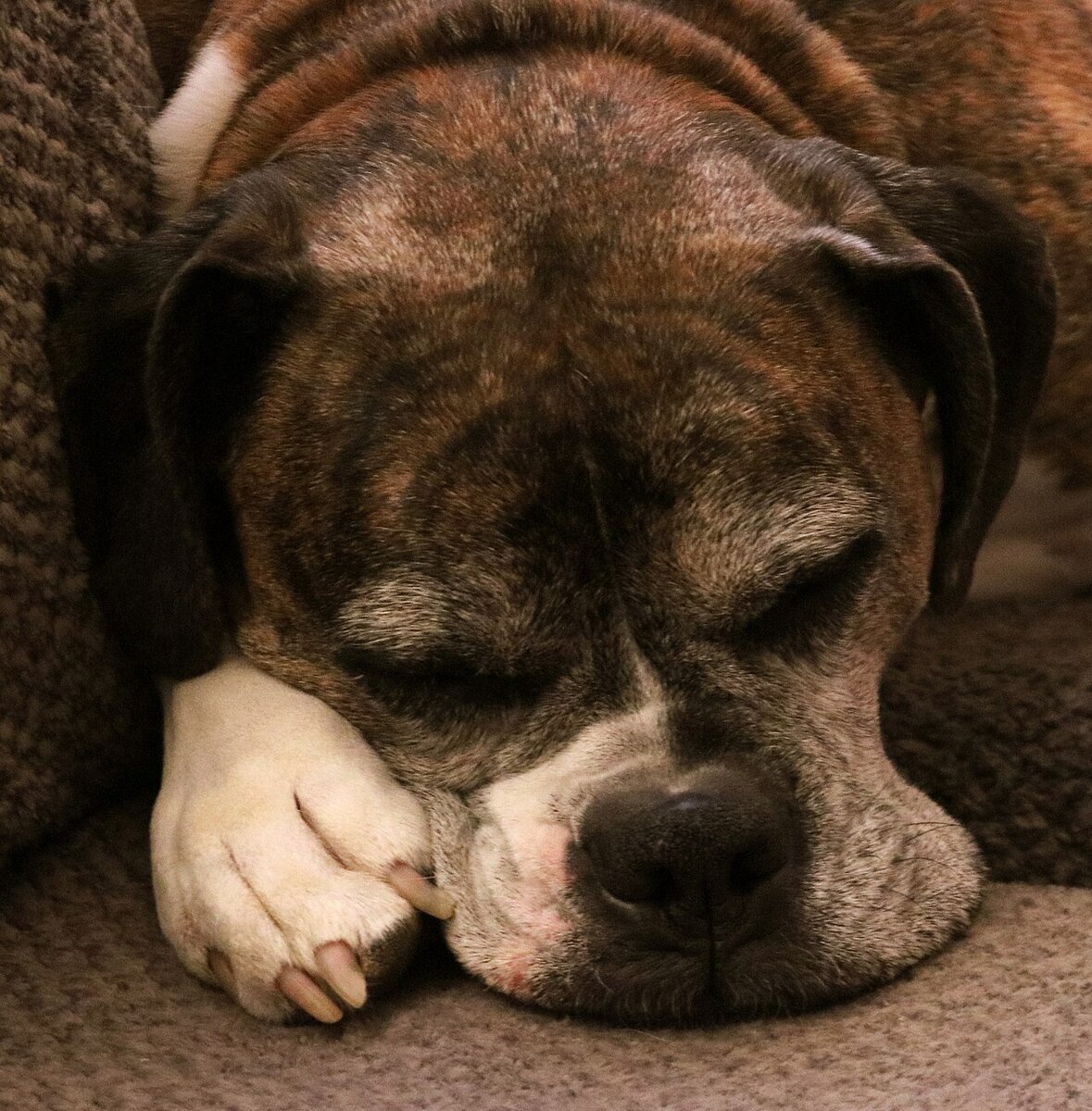
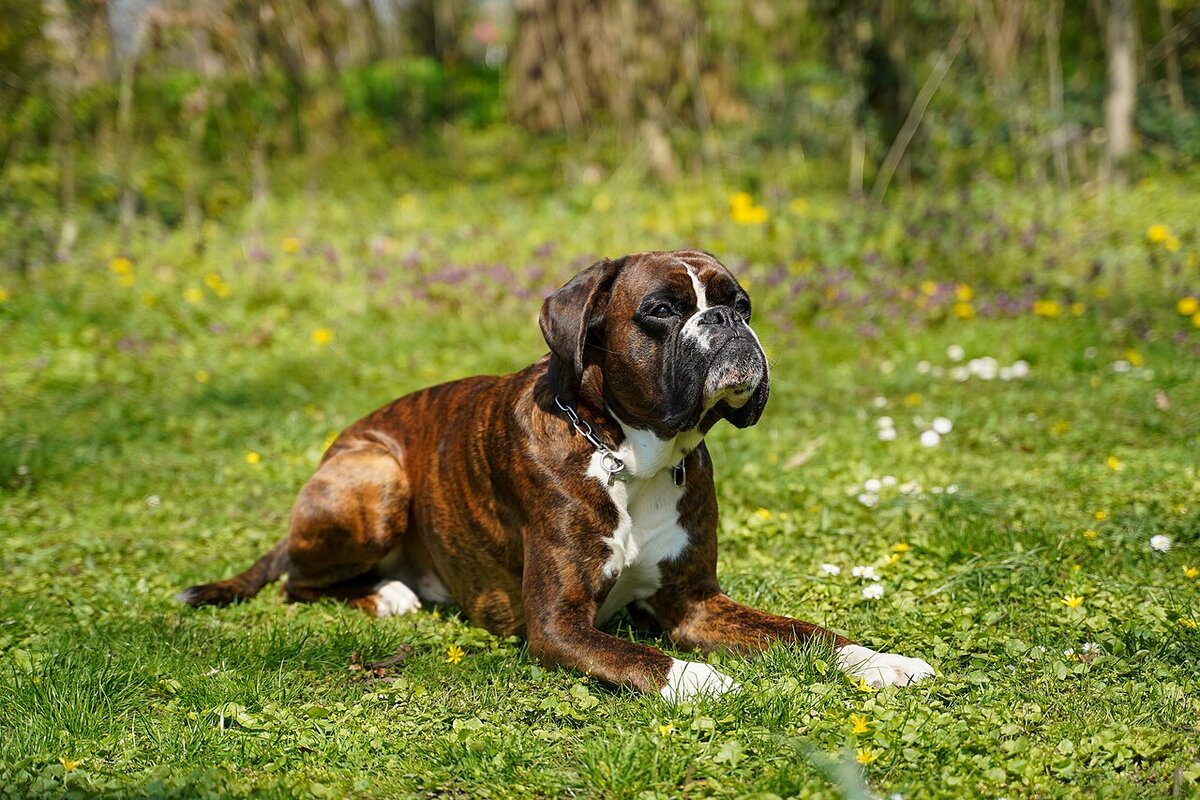
An older brindle Boxer asleep (modern photograph). Even a bouncy breed needs plenty of rest.
Messenger and guard dog → family companion
Wartime work and a reputation with children
Public breed lore records Boxers working as messenger, guard, and pack dogs with the German army in the First World War, and being among the early police dog breeds in Germany. After the wars the breed became a popular family dog in Europe and North America.
The Boxer’s reputation for patience with children is real for many dogs — but so is the size, the strength, and the bounce. Supervision still matters.
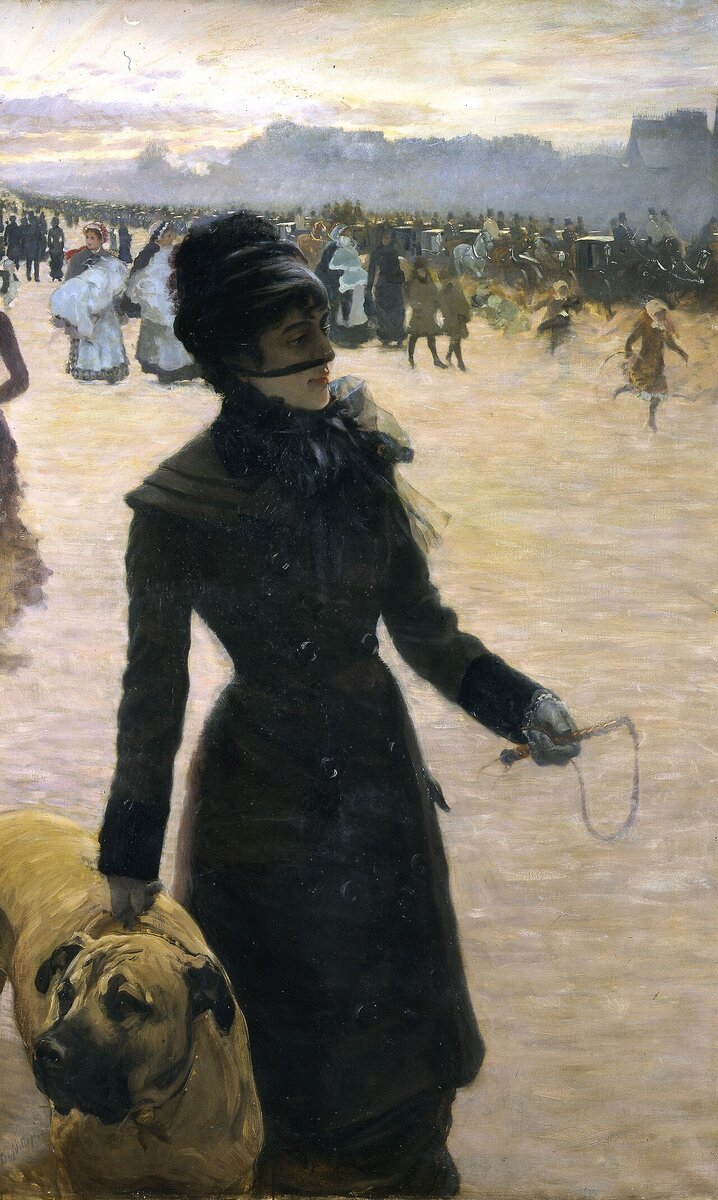
Giuseppe De Nittis, Lady with a Dog (1878). A fawn, black-masked dog of the bull-and-mastiff type, painted before the Boxer standard existed — art, not a pedigree record.
What the breed was bred for
Playfulness, courage, and a strong bond with family
In plain trainer language: the type was selected for strength, courage, and willingness to work with people. That is why a Boxer with exercise, training, and play rules is a joyful family dog — and why an under-exercised one jumps, mouths, and wrestles everyone in reach.
Boxers often mature slowly. Expect puppy-style energy for longer than in many breeds, and keep teaching calm greetings and an off-switch through adolescence.
Play has rules and an end
Greetings with four paws on the floor
Exercise in cool weather; short muzzle, take care in heat
A day is real play, cool-weather exercise, and a bouncy dog that has learned to switch off
In a city the Boxer’s working past shows up as jumping on people, mouthy play, pulling on the lead, and alert barking at the door. Most Boxers are friendly and affectionate. The work is channelling the bounce and practising calm.
Morning · first outing
Burn some energy before asking for manners
A brisk walk or a game in a safe area takes the edge off. In warm weather keep it short and early — a short-muzzled breed overheats easily.
What to watch monthly: heat, weight, skin, and energy
General awareness only. I am not a veterinarian. Early signals are changes in appetite, breathing, skin, energy, or movement. For red flags, leave this page and open
when to call the vet.
Short muzzle and heat
Boxers have a shortened muzzle and do not cool as efficiently as long-nosed dogs. Exercise in cool hours, provide shade and water, and stop early. Noisy breathing or collapse is an emergency.
Short coat and cold
The short coat is easy to groom with a rubber brush but gives little protection in cold, wet weather. A coat in winter is reasonable.
Skin and lumps
Run your hands over the dog weekly. Any new lump, sore, or skin change is a vet question.
Health screening (not a diagnosis)
Ask the breeder which health screenings the national breed club recommends and see both parents’ results. A breed page cannot diagnose your dog; your veterinarian can.
Weight and an athletic dog
Keep the dog lean and fit. Measure the ration and count training treats. See body condition and rations.
Toxins
I do not publish toxin amounts. If the dog ate something dangerous, call a veterinarian or a poison-control line; the footer lists public numbers.
Lines and types
Working and companion Boxers share the same bounce
Some European breeders still test Boxers for working ability; most Boxers come from show and companion breeding. Build and drive vary. Playfulness, strength, and slow maturity are shared.
Working-tested families
Parents may hold working or sport titles.
Often higher drive and stamina.
Need structured training and sport.
Ask what the parents do and how they behave at home.
Fits an active owner interested in obedience, tracking, or other dog sports.
Show / companion families
Often a classic show outline.
Still very energetic and playful.
Need exercise, play rules, and settle training.
Meet the parents relaxed at home.
Fits a family ready for a bouncy, affectionate dog and plenty of training.
Socialization windows
What to introduce — and what not to overload — by age
AVSAB-aligned in spirit: short, clean exposures at a distance the puppy can still eat,
with hygiene while vaccines finish. See the
puppy socialization schedule.
2–4 months
Play rules from the start
Introduce: tug with start and stop cues, gentle handling, calm visitors who greet a sitting puppy, a crate or pen.
Do not overload: wrestling with hands, rewarding jumping, long play sessions without breaks.
~6 months
Polite in public
Introduce: loose-lead practice, polite dog greetings, a place cue, short training sessions.
Do not overload: rough dog play without breaks, letting the puppy pull to every person.
~12 months
Adolescent bounce
Introduce: structured exercise in cool weather, settle practice after play, door routines.
Do not overload: exercise in the heat, ignoring rough play until it boils over.
~18 months
Adult sport and calm
Introduce: obedience, agility, or other sports with your vet’s approval, longer settles.
Do not overload: days without exercise, assuming the dog is grown up in the head.
~24 months
Keep the off-switch
Introduce: refreshed greeting, play, and settle routines.
Do not overload: dropping greeting rules because the dog is “just friendly”.
Before you buy
Who a Boxer usually fits
A Boxer suits active, fun-loving households that want a playful, affectionate dog and will teach manners and impulse control early.
Good match
More likely a good fit if you…
Enjoy an energetic, clownish dog that loves to play
Can give daily exercise and training games
Will teach calm greetings and impulse control from puppyhood
Are home often; Boxers like to be with their people
Can keep the dog comfortable in hot and cold weather
Mismatch risk
A Boxer may be a poor choice if…
You want a calm, low-energy dog
Jumping, bouncing and boisterous play would be a problem in your home
The dog would be alone for long hours most days
You live somewhere very hot without air conditioning
Snoring and some drool would bother you
If you are torn between breeds
Boxer vs Labrador Retriever and German Shepherd Dog
Boxers are often compared with Labradors as family dogs and with German Shepherds as working dogs. Each has different strengths and challenges.
Origins
Boxer
German breed developed from bullenbeisser-type dogs; later used as a working and family dog.
German Shepherd Dog
German herding dog later used for police and service work.
Play style
Boxer
Bouncy, physical and clownish; uses its front paws in play.
Labrador Retriever
Mouthy and retrieve-focused.
Face and heat
Boxer
Short muzzle; struggles in heat and needs care during exercise.
Labrador Retriever
Normal muzzle; copes better with exercise in warmth.
With strangers
Boxer
Usually friendly but alert; may watch over the home.
German Shepherd Dog
More naturally watchful and protective.
Training
Boxer
Clever and willing but easily bored; needs short, fun sessions.
Both compares
Labs are often easier; Shepherds are very handler-focused.
Ownership without surprises
Where a Boxer owner’s budget goes
Costs vary by country and breeder. These are the main areas to plan for before getting a Boxer — not exact prices.
Exercise and play
Daily walks, play and training. A bored Boxer can be destructive.
Food
Medium-large, active dog; measure meals and keep it lean.
Veterinary care
Routine care plus regular checks. Ask the breeder which screenings the national breed club recommends and see results for both parents.
Climate comfort
Air conditioning or fans in summer, and a coat for cold weather.
Toys and enrichment
Sturdy toys and food puzzles; Boxers can be hard on toys.
Training
Puppy classes and possibly help with jumping or impulse control.
With a Boxer, time for play and training is the cost that matters most.
Before day one at home
What to prepare for a Boxer puppy
A Boxer puppy is bouncy, playful and full of energy. Teach calm greetings and impulse control now, before the puppy becomes a strong adult.
01
Teach four paws on the floor
Reward calm greetings and ignore jumping. See jumping up.
02
Guide mouthing
Redirect to toys and end play if teeth touch skin. See biting and nipping.
03
Plan toilet trips
Go out after sleep, food and play. Follow potty training.
“With a Boxer, I do not punish the bounce out of the dog. We redirect it — four-on-the-floor greetings, tug with clear rules, a place cue between bursts and a proper off-switch — because this clown is also a strong, athletic working dog.”
Sessions cover real scenes: jumping on people, mouthy play, dog greetings, impulse control around kids and doors, and calm after exercise. I am a trainer, not a veterinarian. No invented reviews.
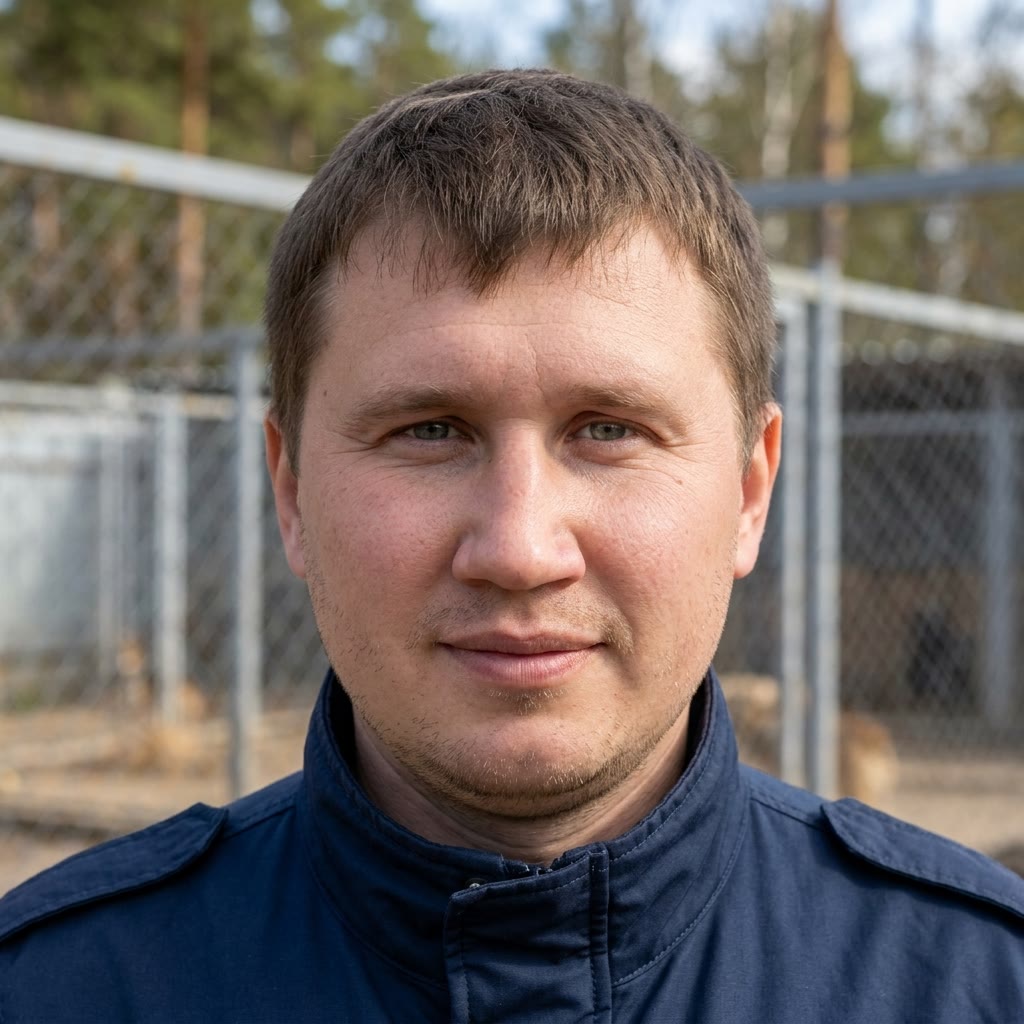
Andrew DarovProfessional dog trainer and instructor
Describe age, living setup, and where the dog breaks first — mouthing and jumping, over-excitement with guests, pulling, or settling after play. Opens WhatsApp to Andrew.
A powerful German working dog that needs daily exercise, training, grooming and an owner who enjoys an active, clever dog.
Need a read on your exact situation?
Describe your Boxer’s age and the scene that repeats most: mouthing and jumping, over-excitement with guests, pulling, or settling after play. We check safety first, then pick the first skill.
Written by Andrew Darov, professional dog trainer. Not veterinary advice and not a diagnosis.
Not a kennel club. No invented reviews. No vaccine schedules or toxin doses. Photo credits in
/images/breeds/boxer-guide/credits.md.