
Expert Advice · Skills · 13 min read
Emergency U-turn on walk: turn and go from a sudden trigger
The pattern is turn-and-go, paid and fluent, before you need it. Threshold distance work stays on reactivity pages; this owns the U-turn itself.
Emergency U-turn is a walk-safety skill: you turn and go, the dog comes with you, and you leave a sudden trigger. On-leash threshold owns working distance and eating. Leash reactivity to dogs and leash reactivity to people and bikes own those trigger classes. Recall ladder owns come-when-called. This page owns the U-turn pattern itself.
I train on month-plus residential stays from Russia. I am not a veterinarian. No affiliate leads, no fake reviews.
This is a skills protocol. Install it on boring walks before you need it on a bad day.
How do you teach the U-turn?
No trigger first. Fluent pattern second.
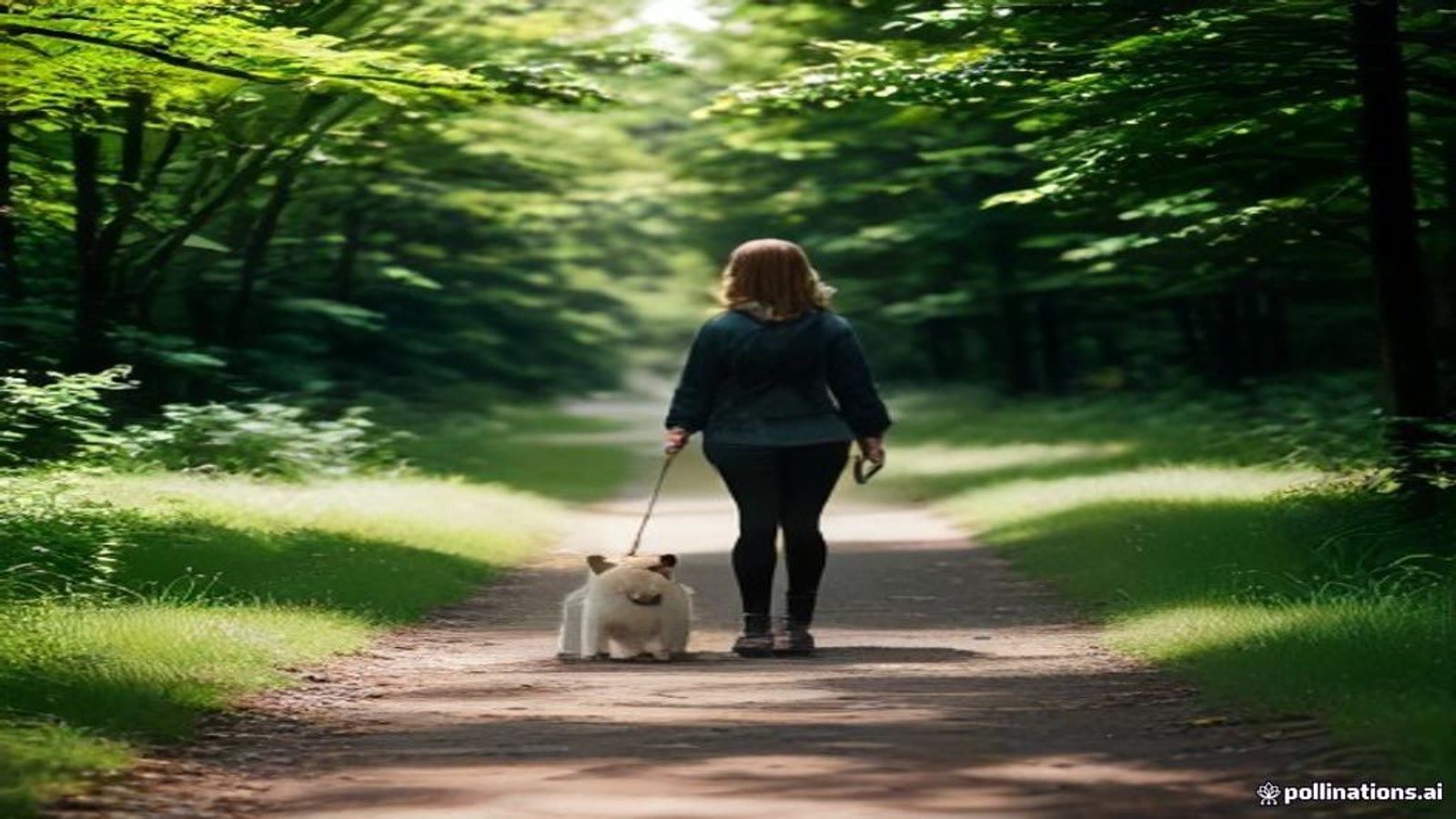
On a quiet pavement or park path, walk normally. Give a short cue, turn 180 degrees with your hips and shoulders, walk several steps the new way, and mark when the dog pivots and follows. Feed as you move or after a short trot. Soft lead. Repeat until the cue predicts a fun change of direction, not a fight.
Install the turn when nothing is wrong, so it works when something is.
What does a U-turn ladder look like?
One raise at a time.
- Quiet street, no trigger. Cue, turn, trot, mark follow, feed.
- Add a mild decoy you can leave easily (distant dog, far bike). Leave early.
- Raise your turn speed slightly. Keep the lead soft. Arc toward the safe side.
- Use on real sudden appearances: turn, go, pay when the dog is with you past the corner or car.
- If the dog cannot eat after, you were too close — rebuild on on-leash threshold. Do not stand and cue sit into a scream.
Do not yank the dog off its feet and call it training. A spike on the neck is not a U-turn skill.
How does this sit next to threshold and recall?
Different tools.
Threshold work finds a distance where the dog can still look and eat — see on-leash threshold. Recall brings the dog to you. U-turn moves both of you away on leash when a trigger appears suddenly inside that plan. You will often U-turn first, then feed, then reset the walk on a quieter block.
US sidewalk versus UK pavement?
Same criterion. Different edge.
US (typical): wider sidewalks let you arc cleanly. Practice the arc so you do not reverse into bike lanes.
UK (typical): narrow pavements and verge edges — every practice rep arcs toward the wall or verge, never into the carriageway. Quiet residential loops beat high-street first tests.
When is a U-turn not enough?
Already over threshold and injuring or about to: leave anyway, then manage routes and get qualified help. Rebuild distance on the reactivity spokes. Handler fear with a strong dog is a stop for DIY heroics. See when to call the vet if pain or sudden behavior change is in the picture.
What are the usual failure modes?
- You only practiced during real emergencies. The pattern was never fluent.
- You yanked instead of turning with your body. Pain is not a cue.
- You cloned recall ladder here. Different skill.
- You stood and argued after the trigger appeared. Leave first.
- You ignored on-leash threshold. U-turns without distance work become panic rehearsals.
- You flooded the same corner daily. Change the route. Management counts.
Sources
AVSAB position statements on humane dog training. Management, distance, and reward-based walk skills are standard practice; see also this site’s on-leash threshold and leash-reactivity pages. Paraphrased as public training standards, not a research paper dump. avsab.org/resources/position-statements/
Questions on this page
What is an emergency U-turn?
A trained turn-and-go on leash: you change direction smoothly, the dog comes with you, and you leave the sudden trigger. On-leash threshold owns distance and eating at working range. Leash-reactivity pages own dog/people/bike cases. This page owns the U-turn pattern as a walk-safety skill.
How is this different from recall?
Recall ladder is a come-to-handler cue, often off or on a long line. An emergency U-turn is an on-leash change of direction you initiate — the dog pivots with your body and follows away. Do not replace recall training with only U-turns, and do not clone recall here.
How do you teach it before you need it?
Practice in quiet streets with no real trigger: say a short cue, turn 180 degrees, trot a few steps, mark and feed as the dog comes with you. Raise speed and mild distractions later. First live use should feel boring because the pattern is already fluent.
US sidewalk versus UK pavement and verge?
Same skill. US wide sidewalks give room to arc. UK narrow pavements and verge edges need an earlier body-block habit so the turn does not dump the dog into the carriageway — practice the arc toward the safe side every rep.
When is a U-turn not enough?
If the dog is already over threshold and screaming, you still leave — but rebuild distance work on on-leash threshold and the matching leash-reactivity page. Injury, fear biting, or handler panic needs professional help. This is not flooding.
Work with me
A $150 consultation or $500 monthly curatorship. Opens WhatsApp to Andrew.