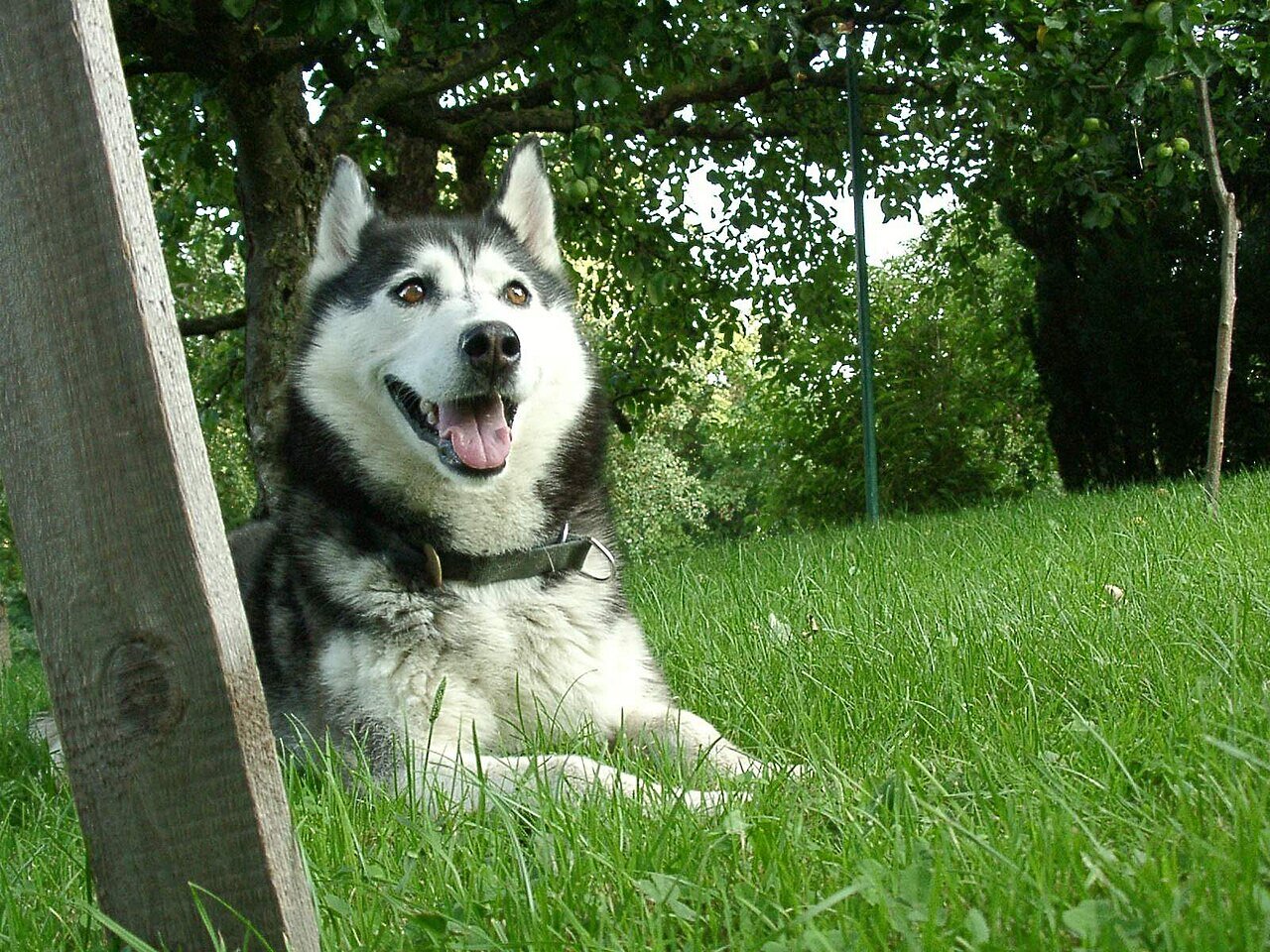
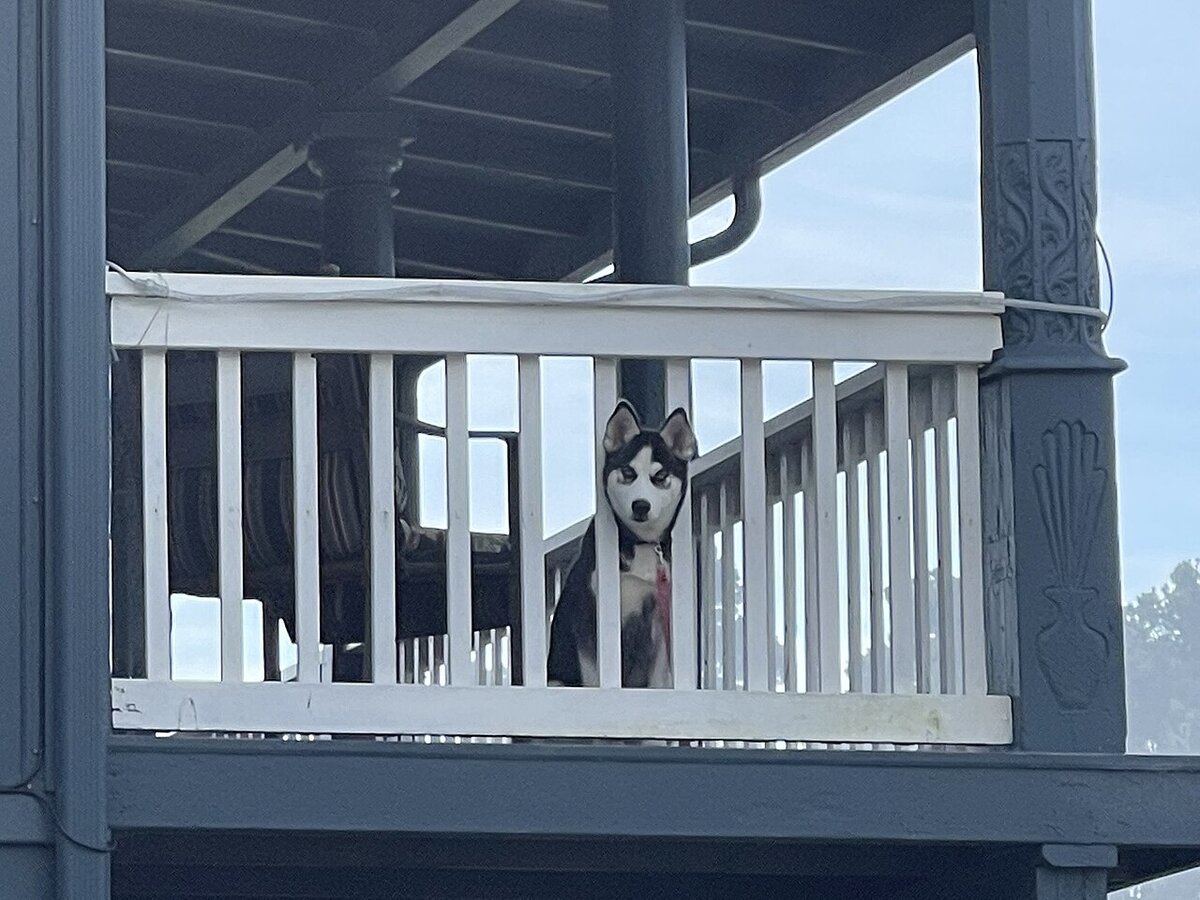
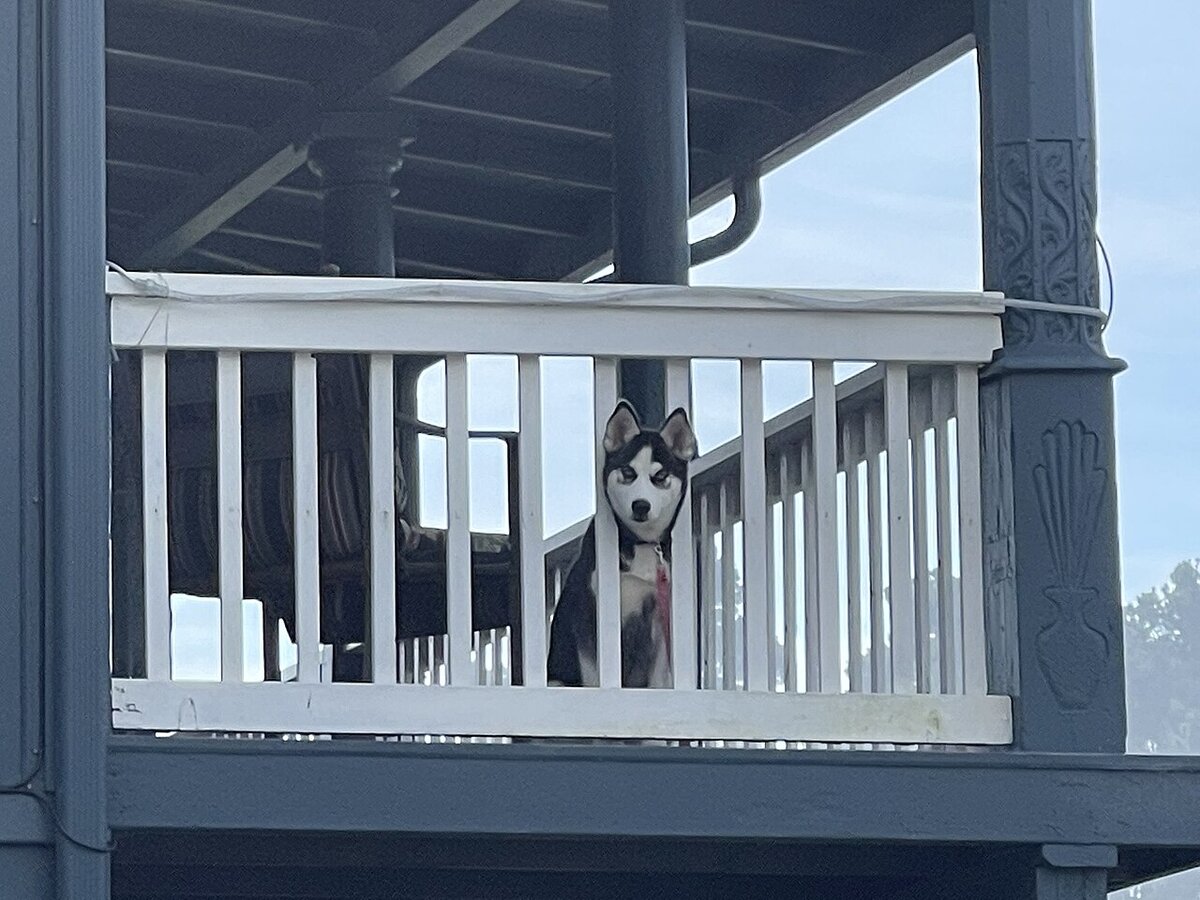
A Siberian Husky is a medium-sized sled dog built to run long distances with a team. Most are friendly with people, vocal, independent, keen on small animals, and talented escape artists. City life works when you give real running or pulling exercise, secure every fence and door, and keep a long line until recall is reliable.
Job: Siberian sled dog — fast, friendly and independent.
Energy: High; running, pulling or long walks every day.
Home: Needs secure fencing, exercise and coat care.
A Husky is a friendly sled dog that needs plenty of running and secure fencing
Public breed histories describe a sled dog of the Chukchi people of northeast Siberia, later made famous by Alaskan races and the 1925 serum run to Nome. The modern pet kept the stamina, the independence, and the interest in anything small that runs.
Training can be fun; Huskies learn fast when the reward is worth it. The hard parts are recall, door dashing, fence escapes, and cats. Freedom off lead is the biggest risk many owners take.
From the first month, build two habits. First: door opens, the dog waits until released. Second: on a long line, the dog checks in and gets a reward well, every time.
Why the Siberian Husky was built to run far, eat little, and keep going
One puppy is not its pedigree, but the pedigree explains the complaints: many Huskies pull, howl, dig under fences, and leave when the gate opens — because they were selected to cover distance with a team, not to stay on a porch.
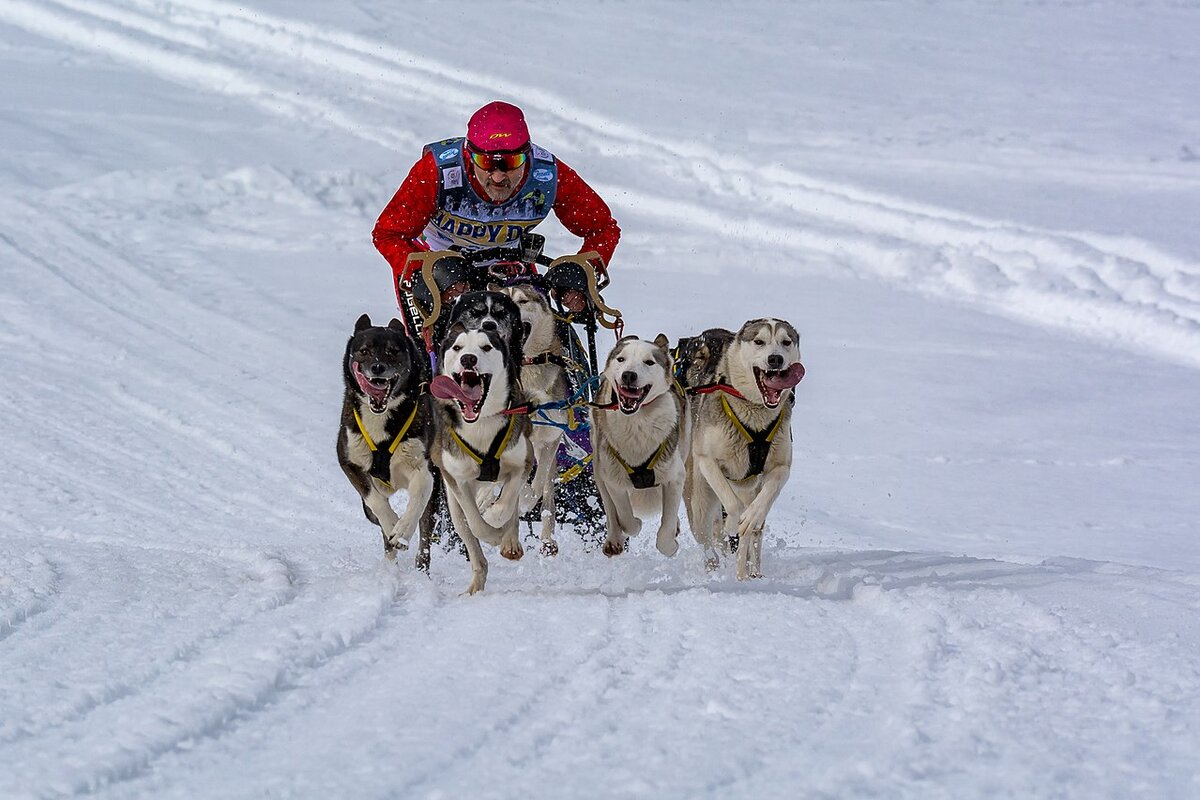
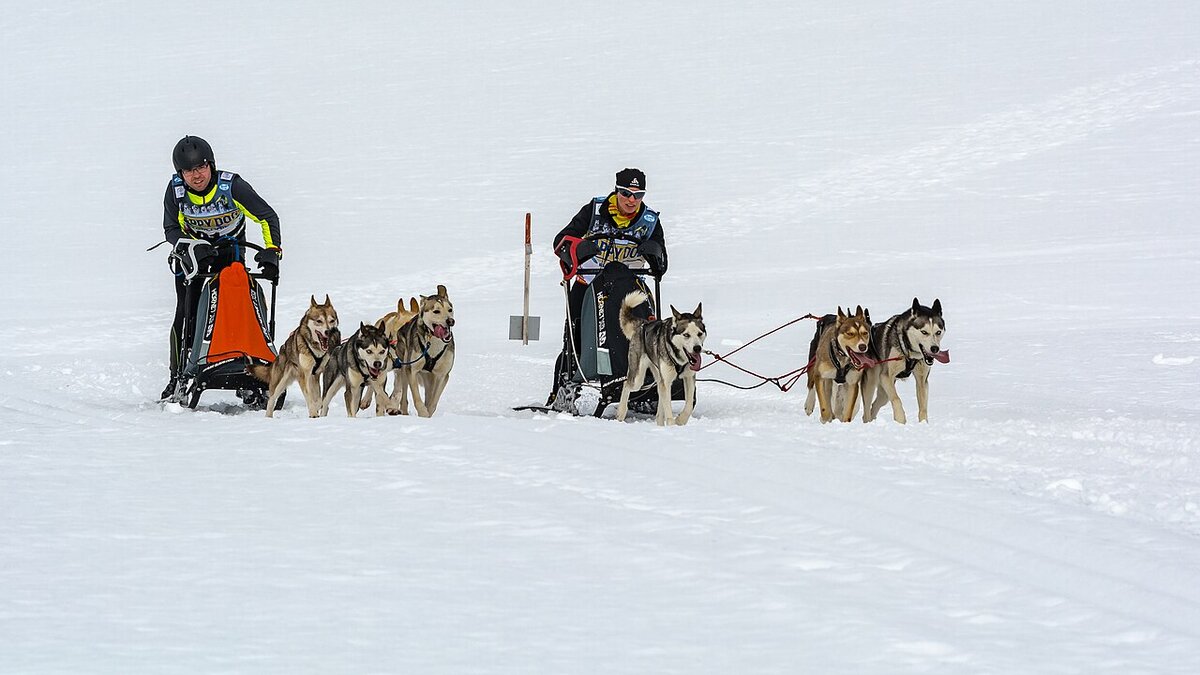
An eight-dog Siberian Husky team at the European Sleddog Championship, Inzell 2017 (modern photograph). This is the job the body was built for.
Northeast Siberia → Chukchi sled dogs
Light, fast, and efficient in the cold
Public breed histories trace the Siberian Husky to sled dogs kept by the Chukchi people of northeast Siberia: moderate-sized dogs that pulled light loads over long distances and needed little food for the work they did.
That endurance does not switch off in a flat. A dog selected to run for hours will find its own outlet — fence lines, sofas, or an open door — if the household does not provide one.
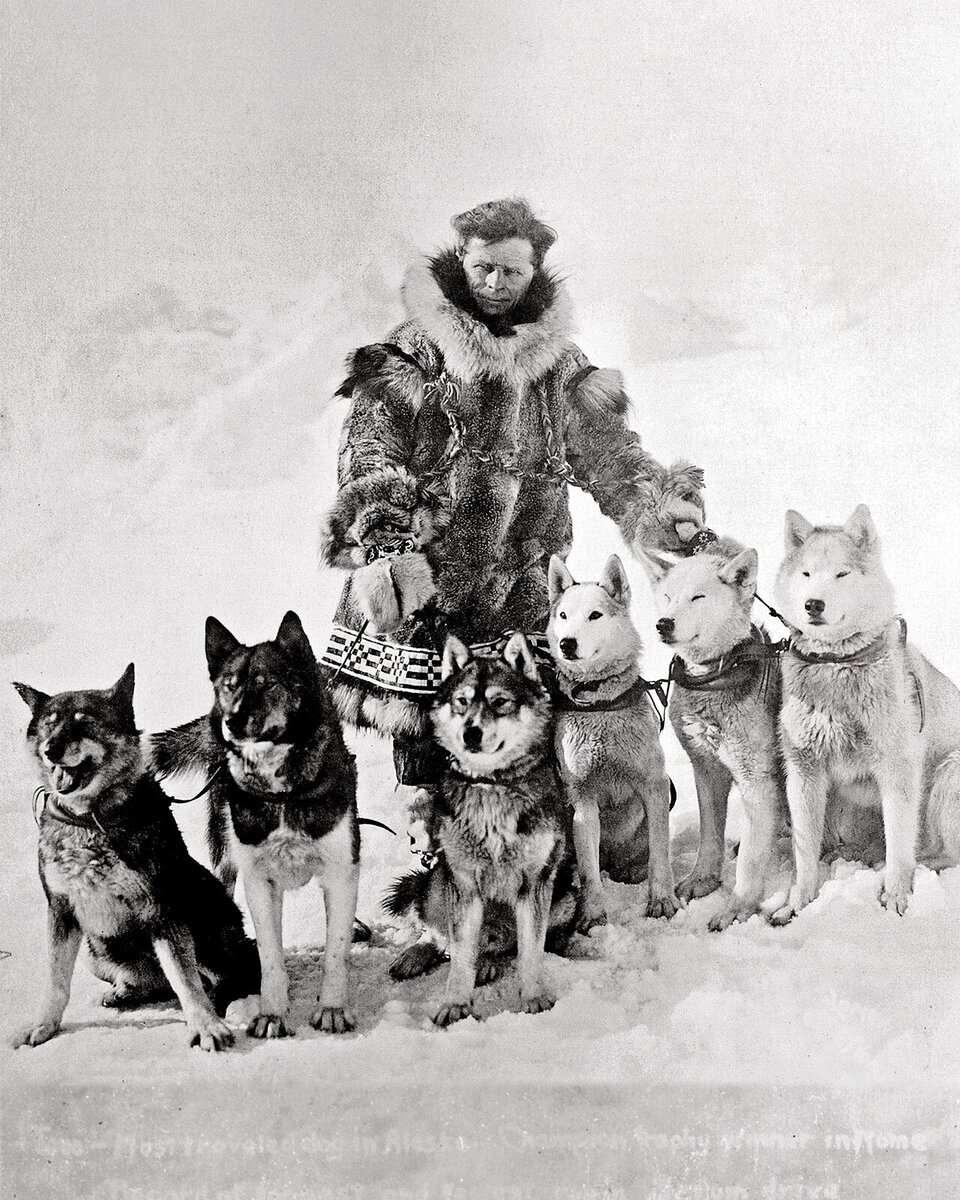
Leonhard Seppala with six of his sled dogs, around 1924–1925 (public domain). Seppala’s dogs ran in the 1925 serum relay to Nome.
Alaska races → 1925 serum run → kennel clubs
From Nome to the family sofa
Public breed lore records Siberian dogs arriving in Alaska in the early 1900s and doing well in long sled races. In 1925, relay teams carried diphtheria antitoxin to Nome; Seppala’s team led by Togo and Gunnar Kaasen’s team led by Balto made the breed famous.
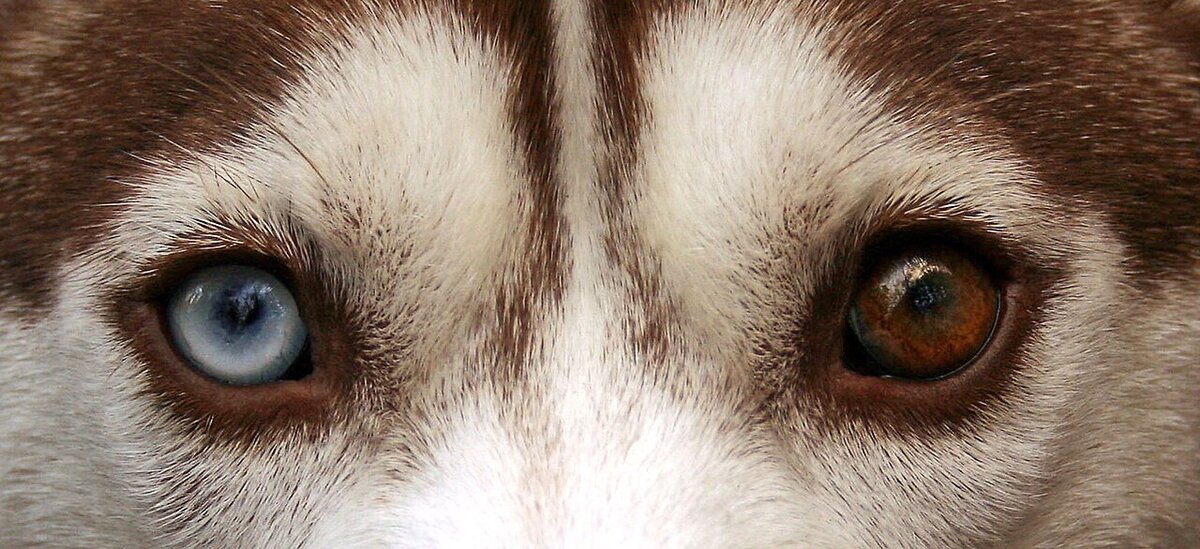
Kennel-club recognition followed, and the striking face and eyes made the Husky a popular pet. The running engine, the independence, and the interest in small animals stayed.
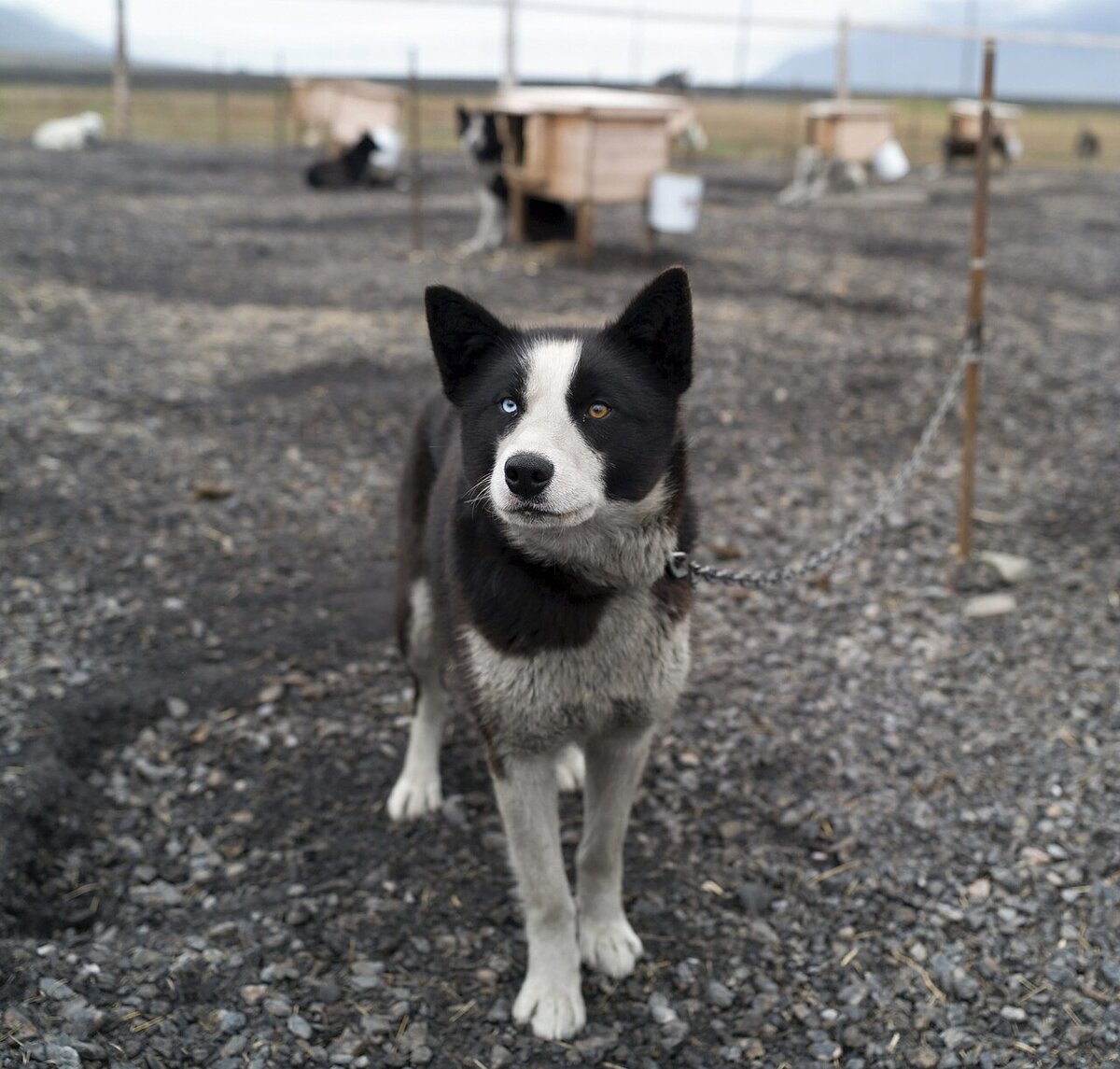
Sled dogs in Svalbard (modern photograph). Working “huskies” there are often mixed types; the Siberian Husky is the registered breed.
What the breed was bred for
Stamina, team sociability, and a mind of its own
In plain trainer language: the type was selected to run, to get along with a team, and to make decisions out on the trail. That is why a Husky with real exercise and clear routines is good company — and why a bored one becomes an escape artist with a loud opinion.
Independence is not defiance. Recall competes with distance, wind, and anything small that moves. Long lines, secure fencing, and rewarded check-ins are the plan; off-lead freedom in open country is a risk many owners never fully remove.
Exercise means running or pulling, not only a stroll
Fences are checked for gaps, height, and digging
Cats and small pets need careful management or separation
Howling and “talking” are normal; boredom makes them louder
A day is mileage, secure boundaries, and a dog that learns to rest between runs
In a city the Husky’s past shows up as pulling, howling, escape attempts, and a strong interest in cats and squirrels. Most problems are an exercise gap plus a boundary gap. Close both before you blame the dog.
Morning · first outing
Move first, ask for manners second
A young Husky usually needs a real outlet early: a long brisk walk, a run on a harness, or canicross with a trained dog. In warm weather, go at dawn and keep it gentle.
Bikejoring, canicross, or sled work give the breed the job it was built for. Use proper gear, build distance slowly in young dogs, and never pull a growing puppy hard.
Many Huskies come back when nothing interesting is happening and leave when something is. Keep a long line in open spaces and reward check-ins generously. A fenced field is safer than an open park.
Door dashing and digging under fences are common. Teach a wait at every door, check the fence line, and do not leave the dog alone in the garden for long periods.
What to watch monthly: coat blow, heat, paws, and weight
General awareness only. I am not a veterinarian. Changes in appetite, coat, eyes, gait, or energy are early signals. For red flags, leave this page and open
when to call the vet.
Double coat and seasonal blow
The Husky’s undercoat usually comes out in large amounts during seasonal sheds. Brush with an undercoat rake during the blow. The coat is otherwise low-maintenance; shaving is not a cooling plan.
Heat and hard exercise
Run in cool weather only. In warm months, walk early or late with water and shade, and stop before the dog wants to. Heavy panting that will not settle or weakness is an emergency.
Paws after running
Check pads and nails after long runs, rough trails, ice, or salted pavements. Booties are common in sled sports for a reason.
Lean, not thin
Working Huskies are naturally lean. Measure the ration and adjust it to the exercise the dog actually gets. See body condition and rations.
Health screening (not a diagnosis)
Ask the breeder which health screenings the national breed club recommends and read the results for both parents. A breed page cannot diagnose your dog; your veterinarian can.
Toxins and escapes
I do not publish toxin amounts. A Husky that gets out can eat anything on the way; if it ate something dangerous, call a veterinarian or a poison-control line. The footer lists public numbers.
Lines and types
Racing and show Huskies share a running engine
Some breeders select for sled racing and working ability, others for the show ring and companion homes. Build, coat, and drive vary. The need to run, the escape talent, and the prey interest are shared.
Racing / working families
Often lighter, leaner, and very driven to run and pull.
Need serious daily exercise or a sled sport.
Recall and small-animal management are critical.
Ask what the parents do and how they live at home.
Fits an active owner involved in mushing, canicross, or bikejoring with secure facilities.
Show / companion families
Often heavier coat and striking markings.
Still need much more exercise than a casual walk.
Escape and prey behaviour remain common.
Meet the parents in a home setting, not only at a show.
Fits a household ready for daily running, secure fencing, and a talkative, independent dog.
Socialization windows
What to introduce — and what not to overload — by age
AVSAB-aligned in spirit: short, clean exposures at a distance the puppy can still eat,
with hygiene while vaccines finish. See the
puppy socialization schedule.
2–4 months
Home, doors, and handling
Introduce: family routines, a wait at every door, gentle handling, a crate or pen, calm meetings with cats if you have them.
Do not overload: open doors and gates, unsupervised garden time, chasing games with the family cat.
~6 months
Long line and secure spaces
Introduce: long-line recall, loose-lead practice, polite dog greetings, short alone-time sessions.
Do not overload: off-lead in open spaces, long runs on hard ground, hours alone with nothing to do.
~12 months
Adolescent escape attempts
Introduce: fence checks, structured exercise such as gentle harness work, chew and puzzle outlets.
Do not overload: trusting a fence you have not checked, heavy pulling before maturity, running in warm weather.
~18 months
Adult sport and settle
Introduce: canicross, bikejoring, or sled work with your vet’s approval, longer settles indoors.
Do not overload: skipping exercise for days, letting recall practice lapse, free access to small pets.
~24 months
Keep the boundaries
Introduce: refreshed door, recall, and settle routines; new trails on a long line.
Do not overload: off-lead “trust” near roads, open gates, ignoring new digging spots.
Before you buy
Who a Siberian Husky usually fits
A Husky fits energetic owners who love being outside, can keep a dog securely contained and do not need off-lead freedom to enjoy their walks.
Good match
More likely a good fit if you…
Run, cycle, hike or want to try canicross, bikejoring or sledding
Can provide escape-proof fencing and keep doors and gates closed
Enjoy a friendly, playful dog that likes people and usually other dogs
Are fine with a lead or long line on almost every walk
Can give company and work most days instead of leaving the dog alone for long hours
Mismatch risk
A Siberian Husky may be a poor choice if…
You want a dog that comes back reliably off lead in open countryside
Cats, rabbits or poultry live in the house or nearby without separation
Howling would cause trouble with neighbours
You live in a hot climate and cannot keep the dog cool
You need a watchdog — Huskies tend to welcome strangers
If you are torn between breeds
Siberian Husky vs German Shepherd Dog and Border Collie
Huskies are often chosen by active people who also consider a German Shepherd or Border Collie. All three need work, but they want very different things from their owners.
Bred for
Siberian Husky
Long-distance sled pulling in a team with light loads at speed.
German Shepherd Dog
Herding and guarding, then police and service work alongside a handler.
Focus on the owner
Siberian Husky
Independent; enjoys people but is not built to wait for instructions.
Border Collie
Extremely handler-focused and sensitive to cues.
Recall
Siberian Husky
Weak point for many; the urge to run and chase is strong.
Border Collie
Usually excellent recall, but may chase moving things.
Guarding
Siberian Husky
Little to none; friendly with strangers.
German Shepherd Dog
Naturally watchful and protective of home and family.
Mental needs
Siberian Husky
Physical work is the priority; boredom shows as escaping, howling and chewing.
Both compares
Shepherds and Collies need a lot of mental work; without it they invent jobs.
Ownership without surprises
Where a Siberian Husky owner’s budget goes
Exact costs depend on your area and choices. These are the main areas to plan for before a Husky arrives — not quotes.
Daily exercise
Time is the biggest cost. A Husky needs real running or pulling work, not just a walk around the block.
Fencing and containment
High fencing, dig guards and secure gates. Huskies are known escape artists.
Running and pulling gear
A well-fitted harness, bungee line and possibly a bike attachment or scooter.
Food
Active medium-sized dog; measure meals and adjust to the season and workload.
Veterinary care
Routine care plus a vet you trust. Ask the breeder which screenings the national breed club recommends, including eye checks if advised.
Grooming
Undercoat rake, de-shedding tools and maybe professional help during coat changes.
With a Husky, secure containment and time outside are the costs that matter most.
Before day one at home
What to prepare for a Siberian Husky puppy
A Husky puppy is curious, bold and quick to explore. The habits you build now — around recall, doors and being alone — decide how much freedom the adult can have.
01
Make the house and garden escape-proof
Check fences, gates and doors before the puppy arrives. Teach a wait at the door from the start. See wait at the door.
02
Start recall as a game
Call the puppy in the house and garden and reward well every time. See the name game.
03
Plan toilet trips
Take the puppy outside after sleep, meals and play. Follow potty training.
04
Introduce small animals carefully
Cats and small pets should be introduced behind a barrier, and the puppy should never be left alone with them.
05
Teach alone time early
Short absences while the puppy is tired help prevent howling and chewing later. See first absences.
06
Protect sleep
Busy puppies need rest. Use a crate or pen and enforced naps to prevent overtired chaos.
If the dog is already yours
Training is about recall management, legal running and clear rules
Huskies are intelligent and learn quickly, but they are not built to wait for instructions. Training works best when you make cooperation worth it and use the dog’s love of running as a reward.
Management is half of the training plan: secure fences, a long line in open areas and closed doors stop the dog from practising escape.
Give the urge to run a safe outlet through canicross, bikejoring or sledding. A Husky that runs with you has less reason to run away from you.
Load balance
Plenty of running — on the right terms
Huskies can work hard, but heat and growth set limits. Keep hard pulling for adult dogs, exercise in the cool hours and watch for overheating.
Run or pullLong-line walkShort trainingChewRest
Running, pulling, long-line walks and food games cover most needs. Off-lead freedom in unfenced areas is not needed to keep a Husky happy and is often unsafe.
A well-exercised Husky is usually a relaxed, friendly house dog.
Recall on a long line
How to build recall with a Siberian Husky
Start in the house and garden, then move to a long line in quiet places before adding distractions.
01
Charge the recall cue
Say the cue and immediately give a great reward, many times, before using it to call the dog away from anything.
02
Practise in easy places
Call the dog in the house and garden when it is already close and paying attention.
03
Move to a long line
Practise in quiet outdoor areas with a long line so the dog cannot practise running off.
04
Add distractions slowly
Increase difficulty one step at a time: other people, then dogs, then wildlife at a distance.
05
Reward big and release
Reward with food or a short run together, then often send the dog back to explore so coming back does not always end the fun.
One scene close-up
Why your Husky ignores you when it sees a cat
Huskies have a strong prey drive. When a cat or squirrel runs, the urge to chase can be stronger than any reward you have in your pocket.
Practise recall at a distance where the dog can still respond, and reward with something big — food, a game or a short run together. Keep the long line on whenever wildlife might appear.
If the dog becomes fixated on animals and cannot respond at any distance, ask a qualified trainer for help and keep it safely on lead in the meantime.
“With a Husky, I do not expect off-lead freedom from a dog bred to run. We give legal running and pulling work, a secure fence, a long line for recall and a real settle — because a friendly, athletic dog with a strong prey drive needs management more than lectures.”
Sessions cover real scenes: escape prevention, small animals, recall on a long line, alone time and howling, and rest after work. I am a trainer, not a veterinarian. No invented reviews.
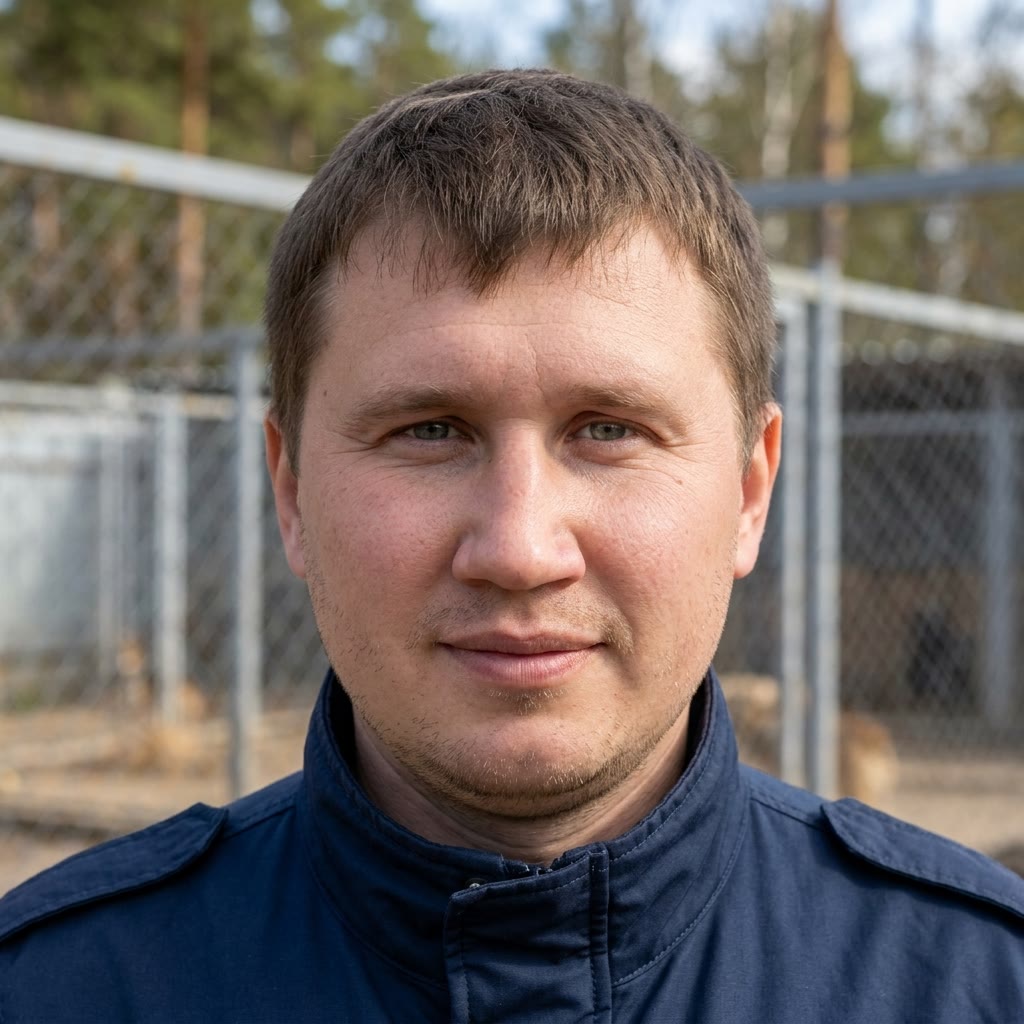
Andrew DarovProfessional dog trainer and instructor
A large Soviet-bred working guardian. Needs early socialization, door manners and daily training — not casual ownership.
Need a read on your exact situation?
Describe your Siberian Husky’s age and the scene that repeats most: howling, pulling, fence escapes, or settling after exercise. We check safety first, then pick the first skill.
Written by Andrew Darov, professional dog trainer. Not veterinary advice and not a diagnosis.
Not a kennel club. No invented reviews. No vaccine schedules or toxin doses. Photo credits in
/images/breeds/siberian-husky-guide/credits.md.