Bernese Mountain Dog: temperament, training & coat/settle
A Bernese Mountain Dog is a large, tricoloured Swiss farm dog with a long coat and a gentle nature. Most are affectionate, people-focused, sensitive, and happiest close to their family. City life works when you train manners while the puppy is small, exercise in cool weather, and do not leave the dog alone for long days.
Job: Swiss farm dog — drafting, droving and family company.
Energy: Moderate; daily walks, careful with heat.
Home: Family dog that needs coat care and leash manners taught early.
A Bernese is a gentle farm giant that needs leash manners, room and a cool place to rest
Public breed histories describe an all-round farm dog from the Bern region that pulled carts, moved cattle, and watched the farmyard. The modern pet kept the gentle temperament, the strength, and the strong attachment to people.
Training usually goes well with food and kind handling. The common problems are pulling, jumping up while young, and distress when left alone.
From the first month, build two habits. First: the lead stays loose and the walk continues. Second: short absences are practised so the dog learns that you come back.
Why the Bernese Mountain Dog was built for Swiss farms, carts, and close family
Breed background does not program one puppy, but it explains the Berner: a gentle, people-loving farm dog that wants to be where you are, carries a heavy coat, and matures slowly into a large, strong adult.
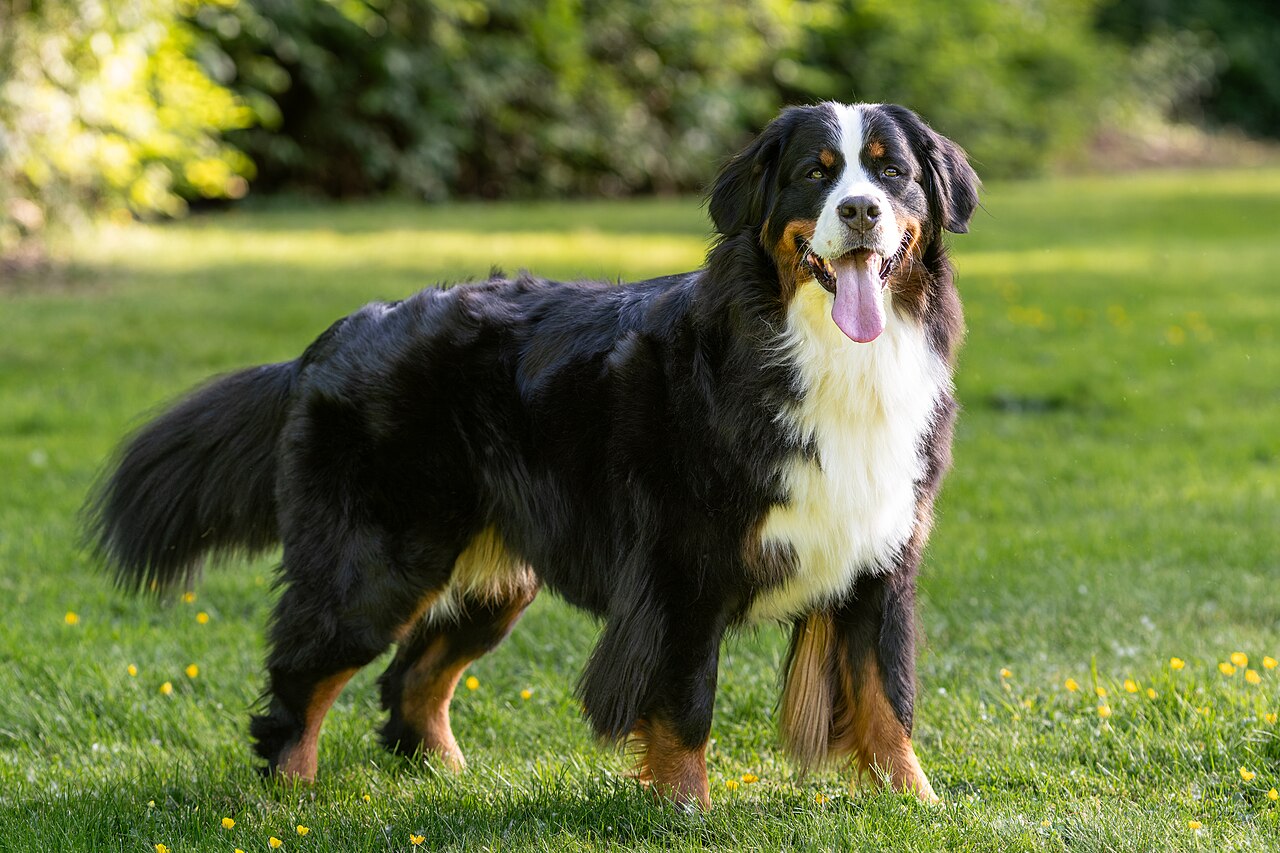
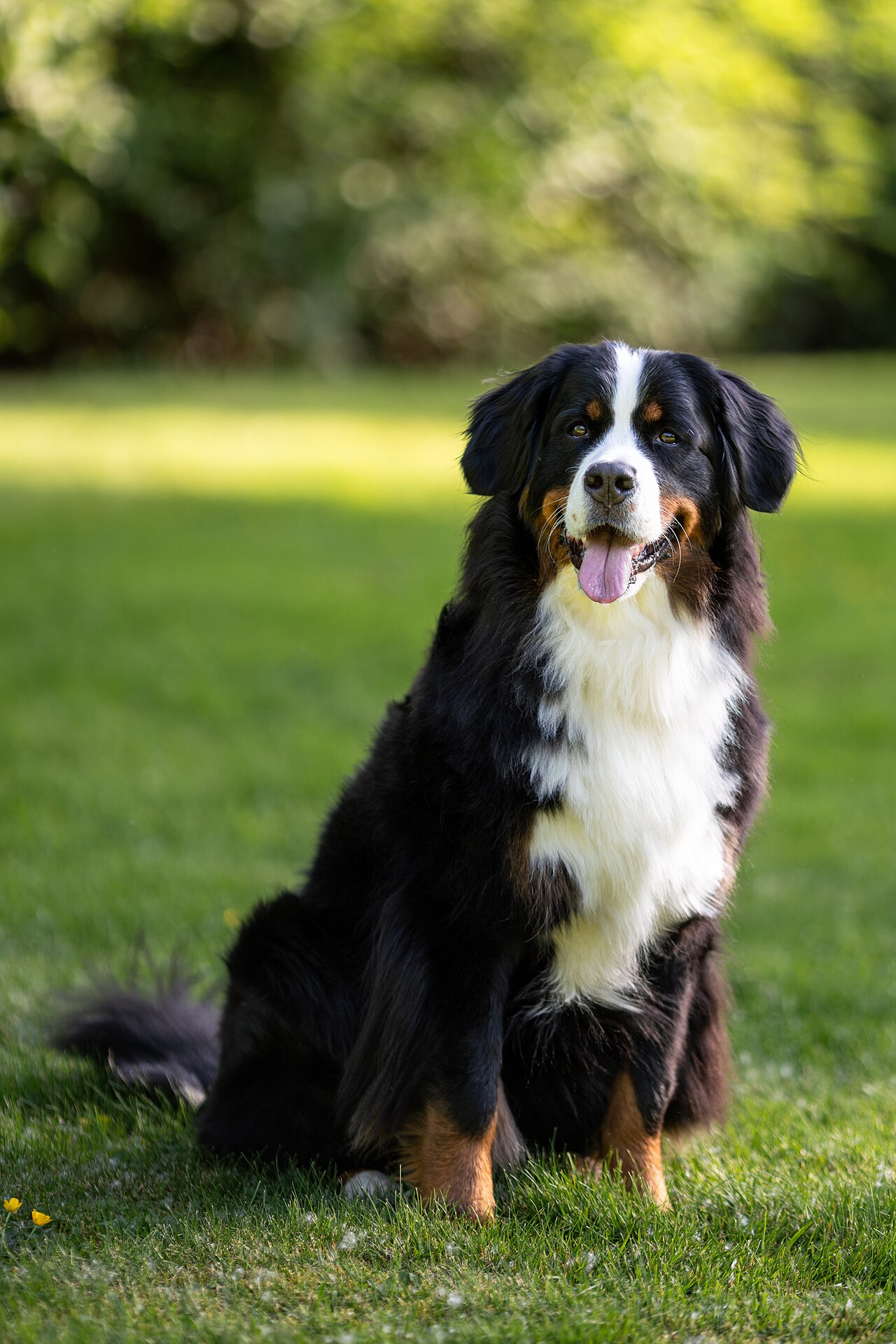
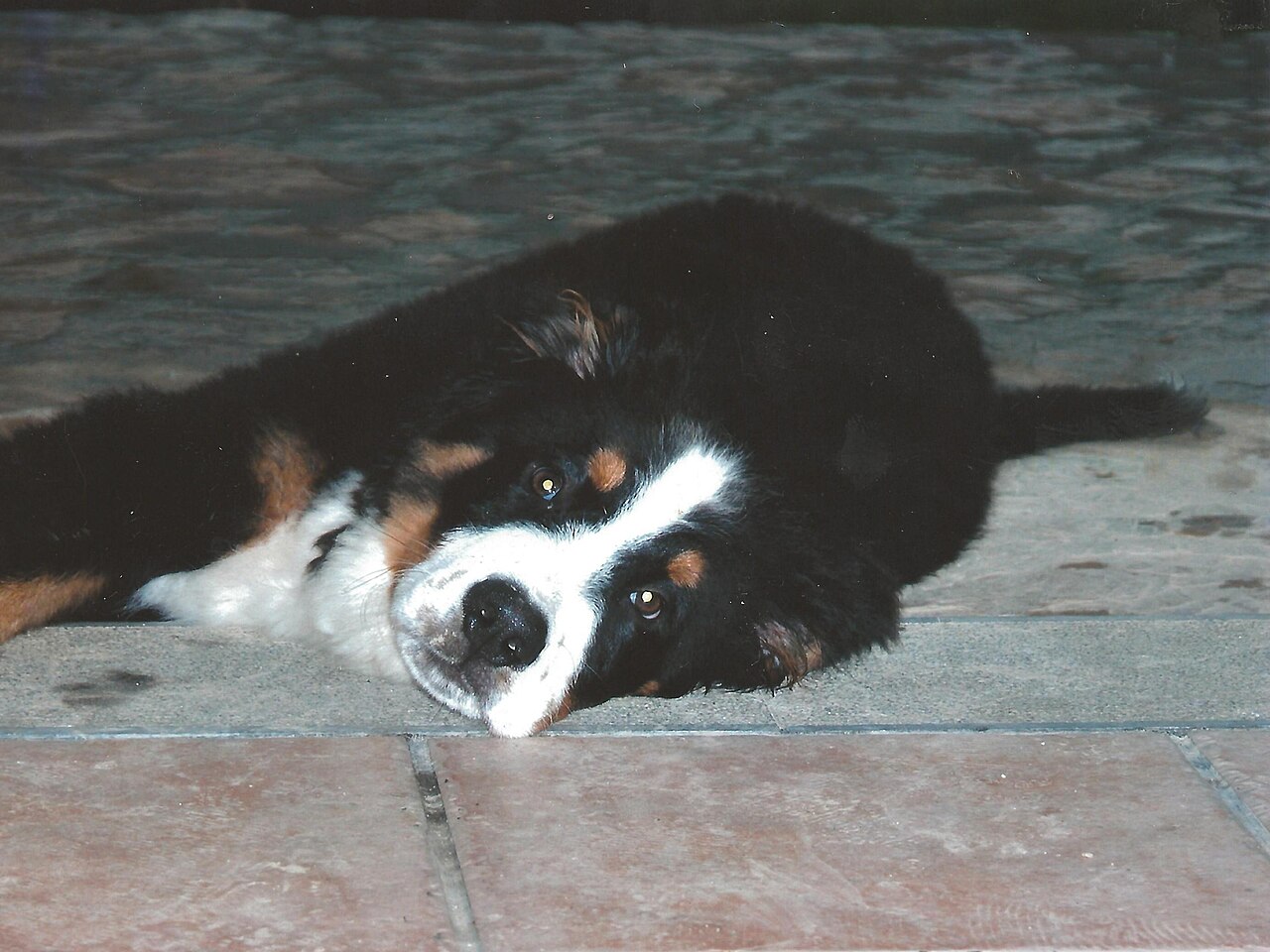
A two-year-old Bernese Mountain Dog female (modern photograph). Calm, solid, and attentive to her people.
Canton of Bern → all-round farm dog
Drafting, droving, and watching the farm
Public breed histories place the Bernese in the farmland around Bern, Switzerland, where tricolour dogs pulled small carts of milk and cheese, helped move cattle, and watched the farmyard. It is one of the four Swiss Sennenhund breeds.
That farm life rewarded a steady, good-natured dog that stayed close to its family. Modern Berners still tend to follow their people from room to room and do poorly when left out of family life.
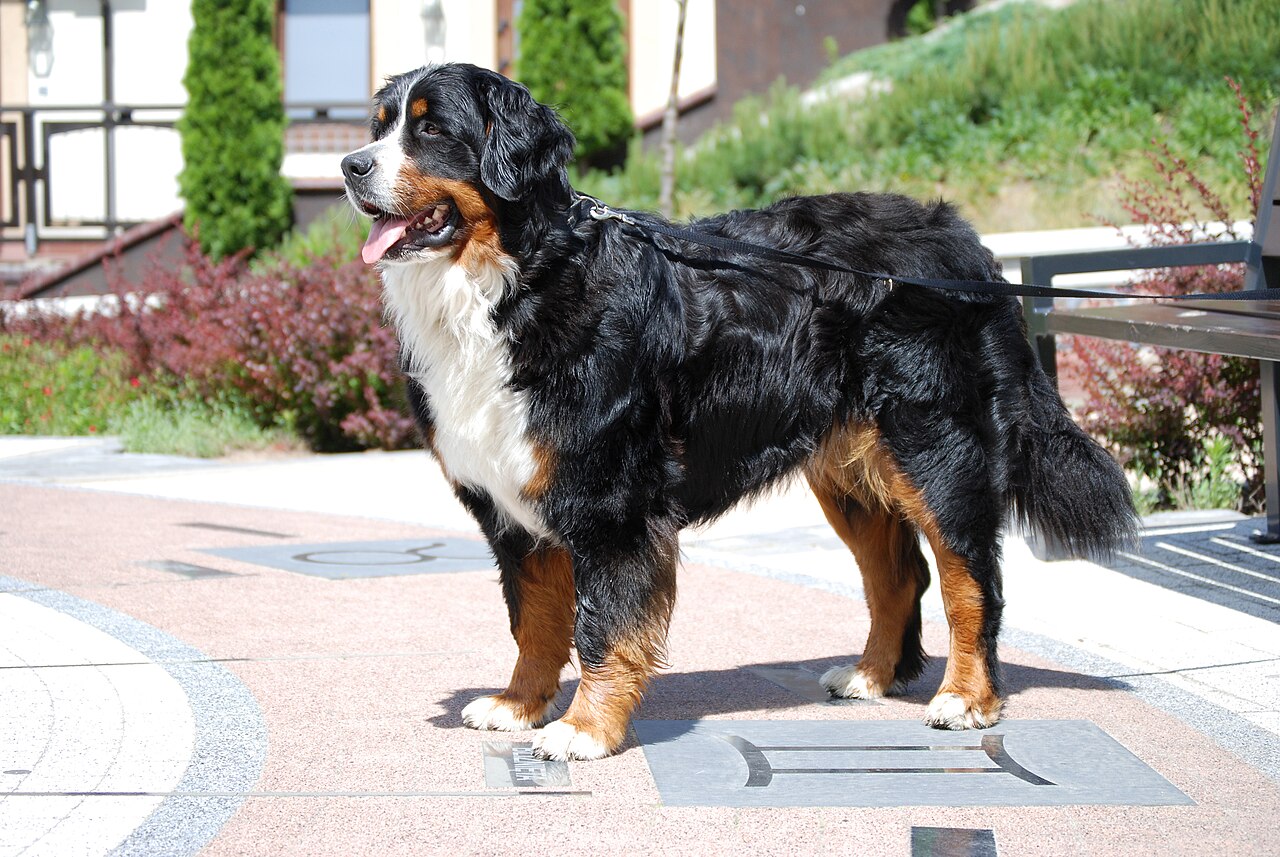
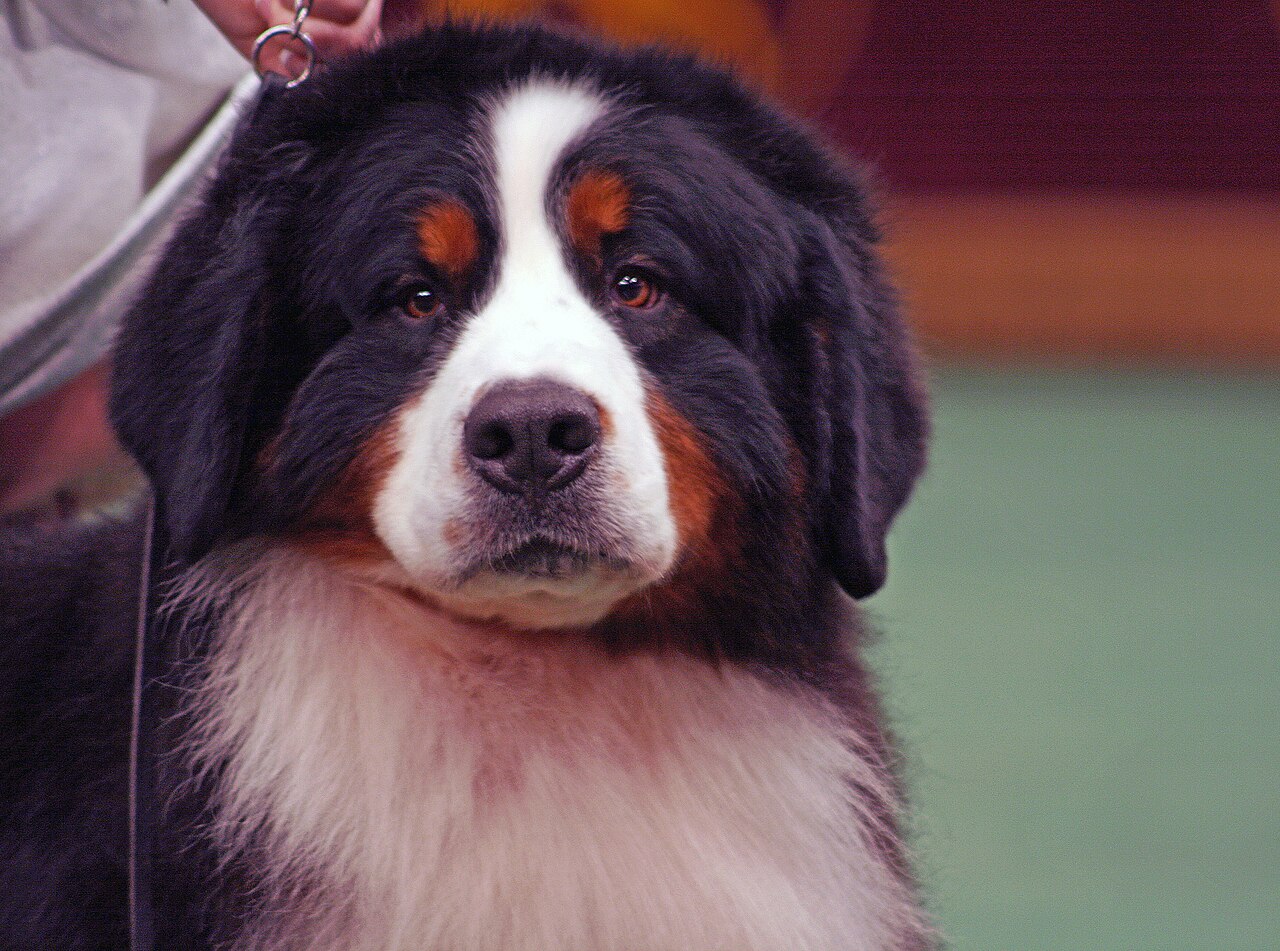
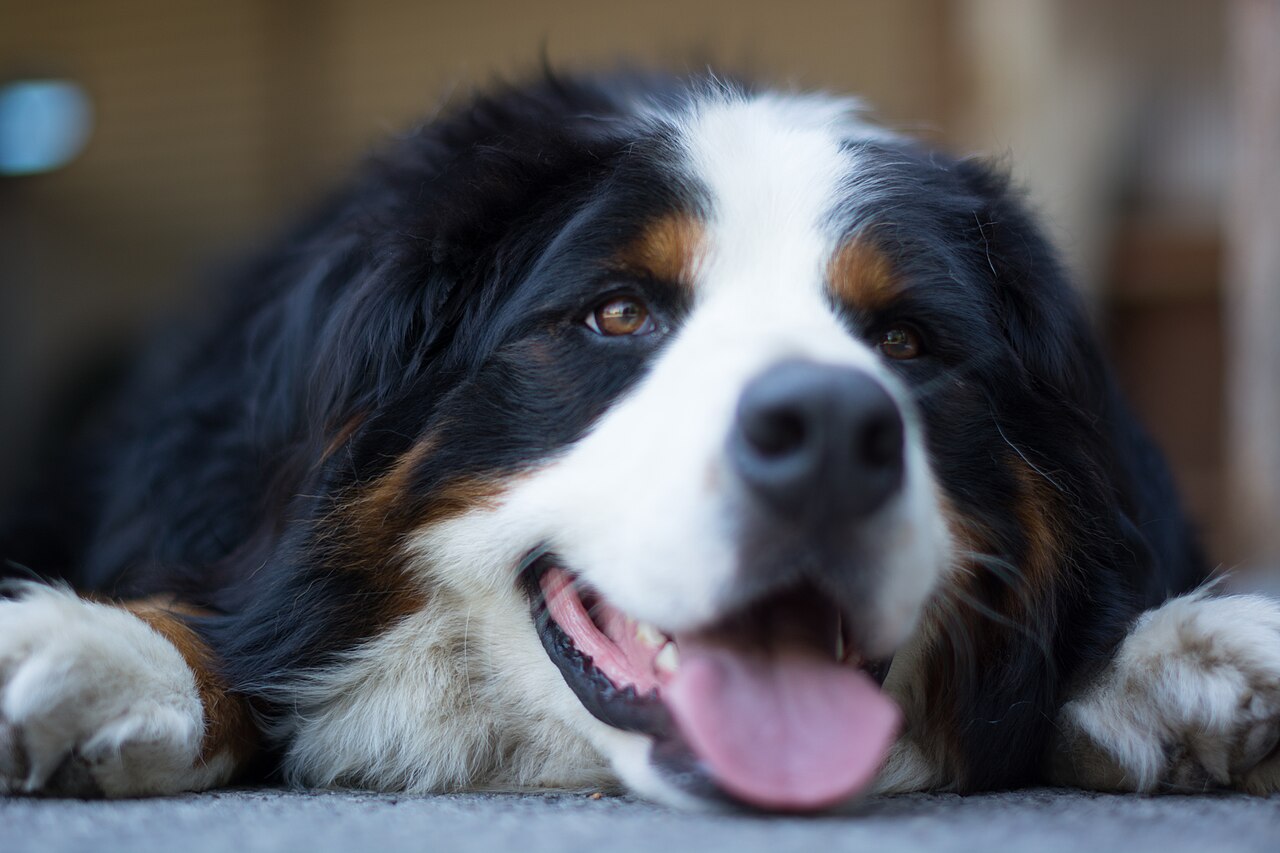
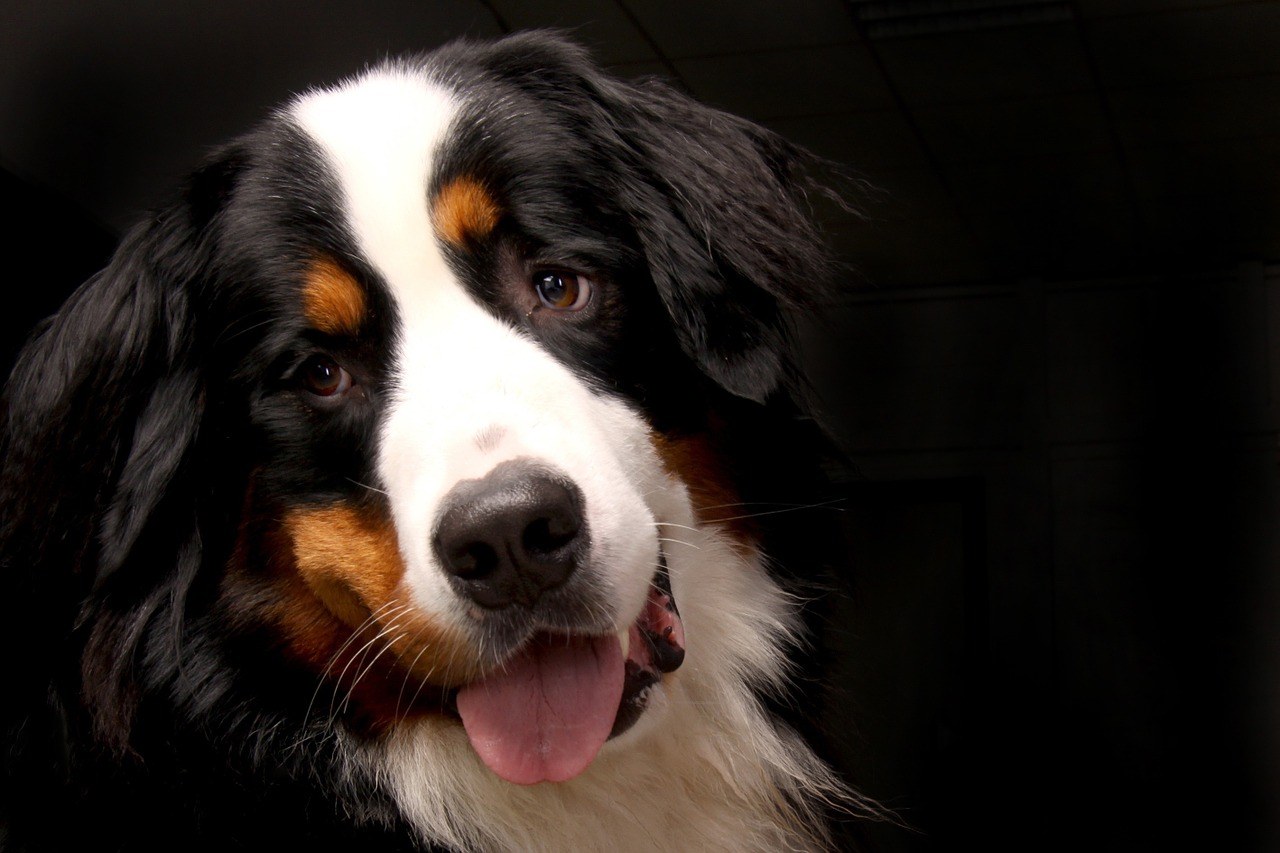
Bernese Mountain Dog portrait (modern photograph). The symmetrical tricolour markings are a breed hallmark.
Revival → breed clubs → family companion
From local farm dog to an international favourite
Public breed lore describes Swiss enthusiasts in the early twentieth century collecting and promoting the farm dogs of the Bern region, then founding a breed club. The breed later spread across Europe and North America as a companion.
Carting (drafting) is still offered as a sport in some countries. For most Berners today the job is family life, moderate exercise, and a lot of brushing.
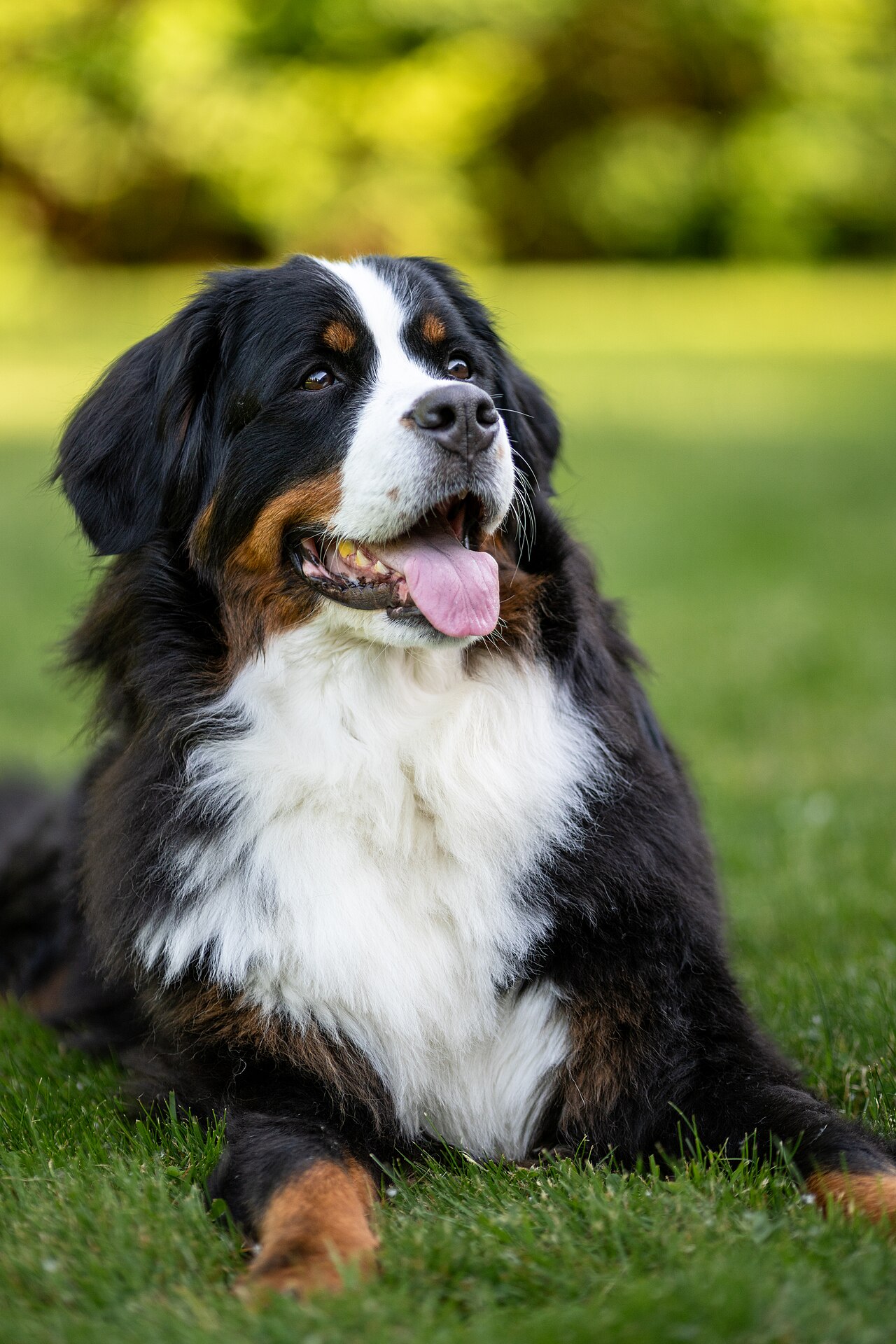
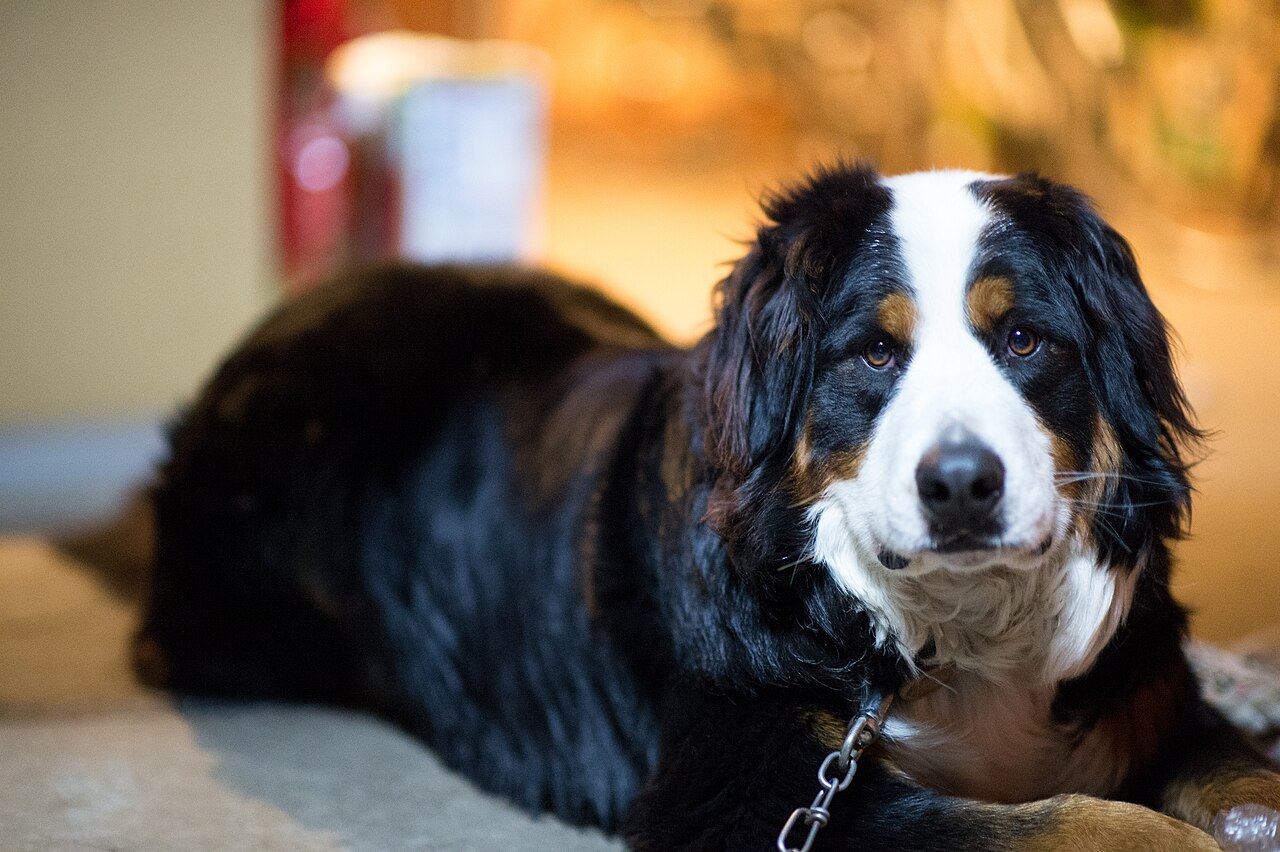
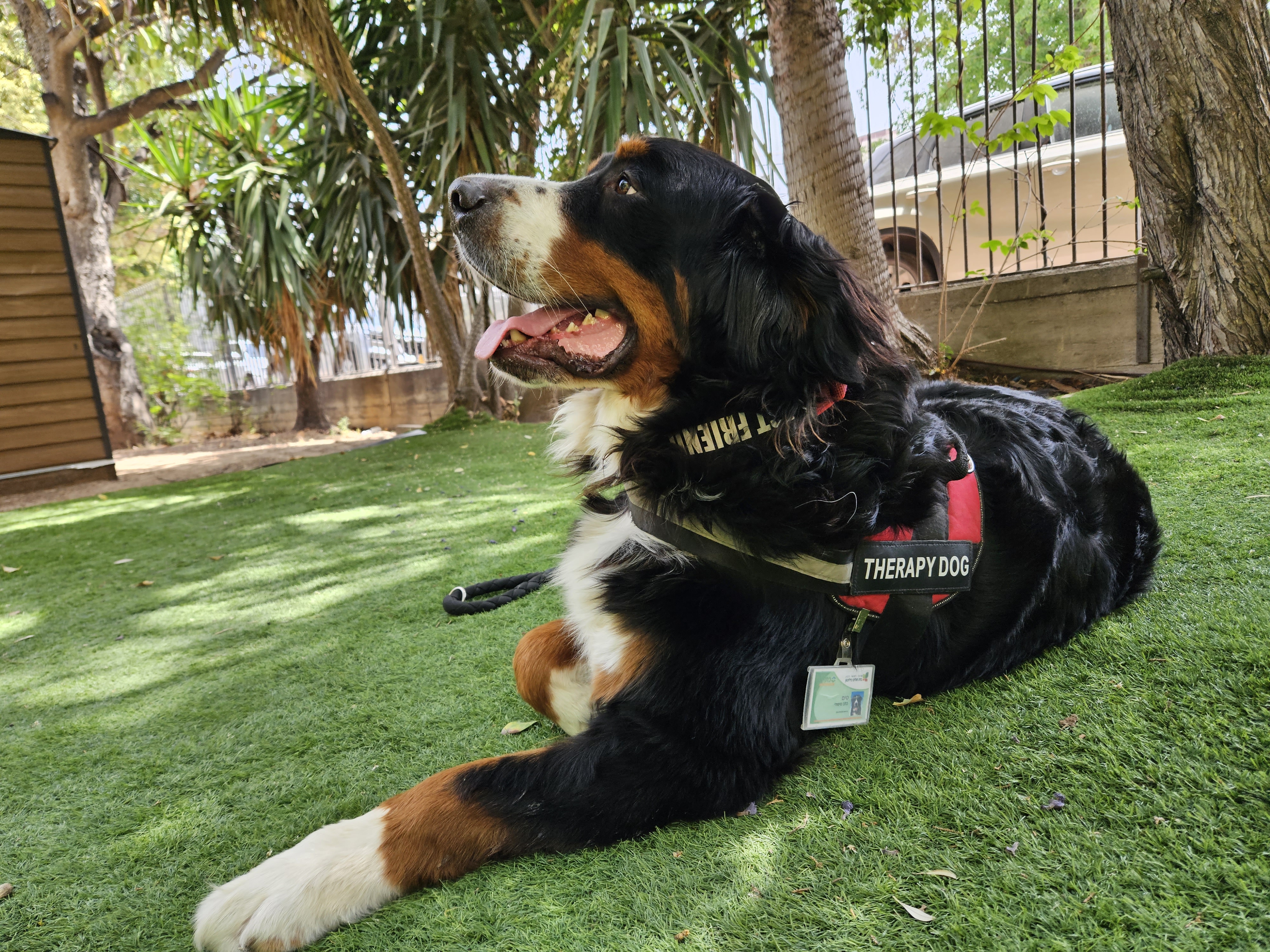
Piper, a three-and-a-half-year-old Bernese female, resting (modern photograph). Adults are often calm indoors.
What the breed was bred for
Gentleness, cooperation, and a sensitive streak
In plain trainer language: the type was selected for steady work with people and a friendly, even temperament. That is why a Berner raised with kind, clear training is a lovely family dog — and why harsh handling or long isolation can make a sensitive one worried and clingy.
Size arrives before maturity. A bouncy adolescent can weigh as much as an adult person. Teach loose-lead walking, polite greetings, and a settle while the puppy is still small.
Family time is the main need
Kind, reward-based training; sensitive dogs shut down under pressure
A day is family company, moderate exercise, and a big gentle dog that knows how to settle
In a city the Berner’s farm past shows up as following people everywhere, heat sensitivity, and a strong, slow-maturing body. Most are friendly with people and dogs. The work is manners at size, cool exercise, and not leaving the dog alone too long.
Morning · getting ready
A calm start beats a frantic exit
Many Berners wait patiently while you get ready. Reward that calm, then head out on a walk at a cool hour.
What to watch monthly: long coat, heat, weight, and growing joints
General awareness only. I am not a veterinarian. Early signals are changes in appetite, coat, movement, or energy. For red flags, leave this page and open
when to call the vet.
Long tricolour double coat
The coat sheds steadily and heavily during seasonal changes. Brush to the skin a few times a week; check behind the ears and the trousers for mats.
Heat and a mountain coat
Exercise at cool hours with shade and water. Heavy panting that will not settle, weakness, or collapse is an emergency.
Growth and weight
Large puppies grow for a long time. Keep them lean and avoid forced exercise while growing. See body condition and rations.
Health screening (not a diagnosis)
Ask the breeder which health screenings the national breed club recommends and see both parents’ results. A breed page cannot diagnose your dog; your veterinarian can.
Changes in energy or movement
A Berner that suddenly tires easily, limps, or loses interest in food needs a vet visit, not more training. See limping stop list.
Toxins
I do not publish toxin amounts. If the dog ate something dangerous, call a veterinarian or a poison-control line; the footer lists public numbers.
Lines and types
Choosing a Bernese is mostly choosing a breeder
There is no strong working-versus-show split today; most Berners are companions, some do draft or obedience sports. The bigger difference is how carefully the puppies were bred and raised.
From a careful breeder
Health screening results available for both parents.
Parents calm, friendly, and confident with visitors.
Puppies raised in the home and handled daily.
Breeder will talk openly about the breed’s health discussions.
Fits a family that wants a gentle companion and is ready for hair, size, and regular vet care.
From casual or mass breeding
Parents may not be available to meet.
Health information often missing.
Puppies may be shy or poorly socialised.
Problems are harder to fix in a large adult.
If you already have one, start socialisation and manners now, and build a relationship with your vet early.
Socialization windows
What to introduce — and what not to overload — by age
AVSAB-aligned in spirit: short, clean exposures at a distance the puppy can still eat,
with hygiene while vaccines finish. See the
puppy socialization schedule.
2–4 months
Gentle start, short walks
Introduce: family routines, gentle handling and brushing, a crate or pen, calm visitors, short sniffy outings.
Do not overload: long walks, stairs drills, long periods alone.
~6 months
Manners before the size arrives
Introduce: loose-lead walking, sit for greetings, short alone-time practice, polite dog meetings.
Do not overload: jumping up rewarded, rough play, exercise in the heat.
~12 months
Adolescent strength
Introduce: continued lead practice, moderate exercise in cool weather, regular grooming.
Do not overload: forced running or heavy carting before maturity, harsh corrections for a sensitive dog.
~18 months
Adult activities
Introduce: hiking, carting, or obedience with your vet’s approval, longer settles indoors.
Do not overload: summer outings without shade, skipping brushing during sheds.
~24 months
Keep the routine
Introduce: refreshed greeting, lead, and alone-time skills.
Do not overload: assuming a calm adult needs no practice, extra weight from treats.
Before you buy
Who a Bernese Mountain Dog usually fits
A Bernese suits families who want an affectionate, gentle farm dog, are home a lot and can handle shedding and the realities of a large breed.
Good match
More likely a good fit if you…
Want a gentle, people-loving dog that enjoys being with the family
Are home often; Berners are happiest close to their people
Can manage heavy shedding and regular brushing
Live in a cool climate or can keep the dog cool in summer
Enjoy calm walks, hikes and perhaps carting or drafting work
Mismatch risk
A Bernese Mountain Dog may be a poor choice if…
The dog would be alone for long hours most days
You live somewhere hot without a cool indoor space
Dog hair on clothes and furniture would bother you
You want a dog with a long lifespan — giant breeds usually have shorter lives
You need a high-energy running partner
If you are torn between breeds
Bernese Mountain Dog vs Great Dane and Golden Retriever
Berners are often compared with other large, friendly family dogs. Coat, size and temperament differ more than people expect.
Origins
Bernese Mountain Dog
Swiss farm dog used for drafting carts, driving cattle and watching the farm.
Great Dane
Large hunting dog later developed as a guardian and companion.
Coat
Bernese Mountain Dog
Long, thick tricolour coat that sheds heavily.
Great Dane
Short coat with little grooming.
Temperament
Bernese Mountain Dog
Gentle, sensitive and affectionate; may be shy with strangers.
Golden Retriever
Outgoing and friendly with almost everyone.
Energy
Bernese Mountain Dog
Moderate; enjoys walks and work but is calm at home.
Golden Retriever
More energetic and needs more exercise.
Training
Bernese Mountain Dog
Eager to please but sensitive; harsh methods backfire.
Both compares
Danes can be slow to mature; Goldens are often the easiest to train.
Ownership without surprises
Where a Bernese Mountain Dog owner’s budget goes
Costs vary by location and breeder. Plan for these areas before bringing a Berner home — not exact prices.
Food
Large-breed puppy food during growth and measured meals for the adult.
Veterinary care
Large-breed care costs more. Ask the breeder which screenings the national breed club recommends and see results for both parents.
Grooming
Undercoat rake, slicker brush and possibly professional help during shedding.
Cooling
Shade, fans or air conditioning in summer.
Training
Puppy classes and possibly help with greetings or shyness.
Transport
A large car or crate and a ramp for older dogs.
With a Bernese, vet care and grooming are the costs owners underestimate most.
Before day one at home
What to prepare for a Bernese Mountain Dog puppy
A Bernese puppy is soft, sweet and grows fast. Use positive, gentle training and protect the growing body.
Short brushing sessions with rewards. See puppy handling.
06
Teach short absences
Berners like company; build alone time slowly. See first absences.
If the dog is already yours
Training is gentle, positive and consistent
Bernese Mountain Dogs are sensitive and eager to please. Soft voices, food rewards and short, positive sessions work best; harsh corrections make them shut down.
Teach loose-lead walking and calm greetings early, while the dog is still light. A heavy, excited adult is hard to manage.
Some Berners are shy with strangers. Build confidence with calm, positive experiences rather than forcing contact.
Load balance
Moderate exercise — careful in heat and during growth
Berners need daily walks but not intense exercise. Heat is hard on the thick coat; exercise in cool hours and avoid hard exercise for puppies.
WalkCarting or trackingShort trainingGroomingCool rest
Walks, hikes, carting, tracking and calm training games are good choices. Long runs are not needed.
A Bernese that is with its family and gets steady exercise is calm and happy at home.
Confidence with strangers
How to help a shy Bernese feel comfortable with new people
Start with calm visitors who follow instructions, and let the dog set the pace.
01
Set up a calm visit
Choose a quiet visitor and a calm environment.
02
Ask for no contact
The visitor ignores the dog: no eye contact, no reaching.
03
Toss treats
The visitor tosses treats away from themselves so the dog can choose to approach or not.
04
Reward brave steps
Reward the dog for looking at, approaching or relaxing near the visitor.
05
Keep it short
End the visit while the dog is still relaxed and practise again another day.
One scene close-up
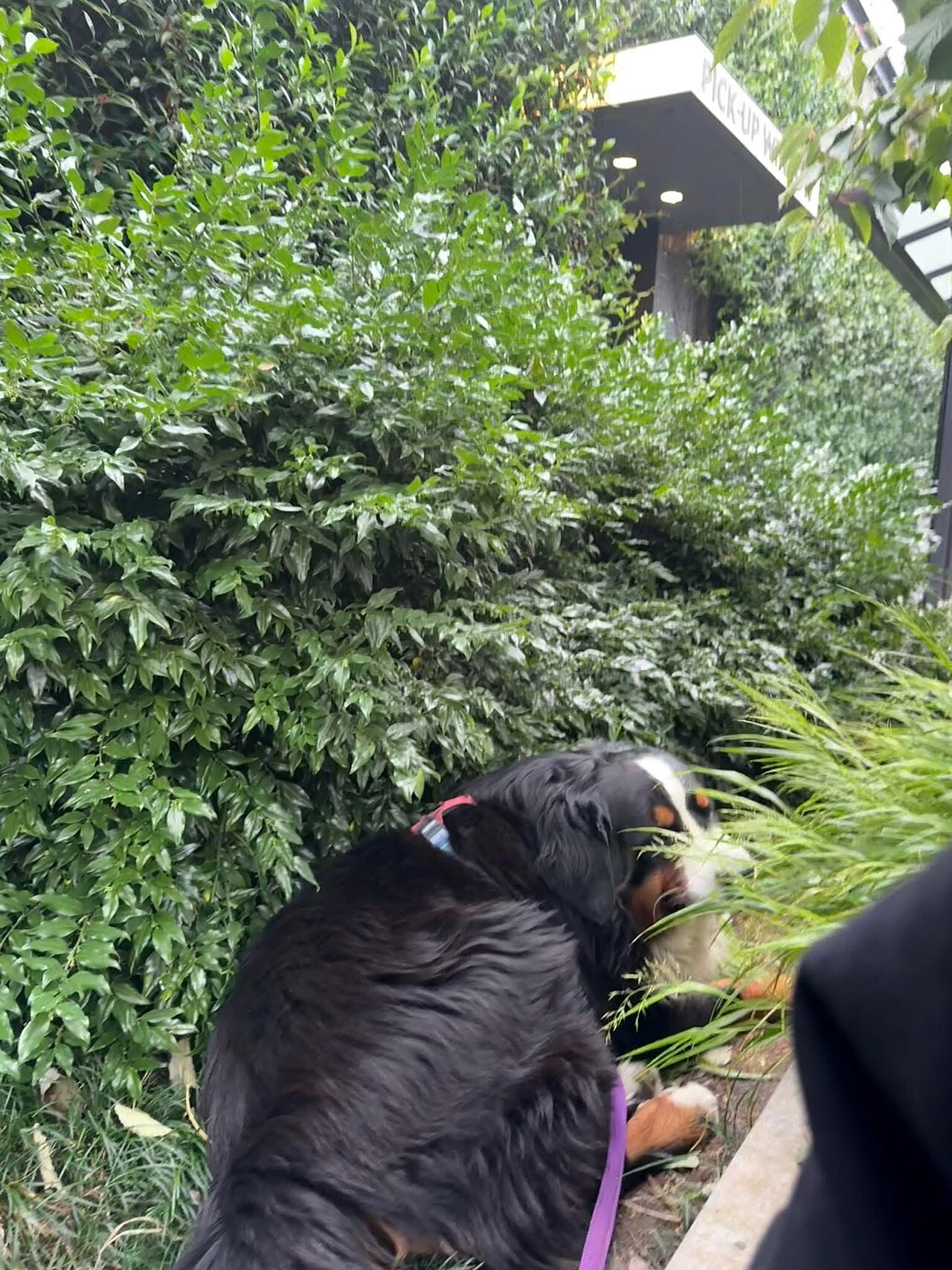
Why your Bernese hides behind you when strangers approach
Some Berners are naturally cautious with new people. Hiding is a sign the dog needs more time and distance.
Ask people to ignore the dog and toss treats. Let the dog approach in its own time and reward any brave step. Never force a greeting.
If shyness turns into growling or panic, ask a qualified behaviour professional for help.
“With a Bernese, I do not rush a slow, soft giant. We teach loose leash early while the dog is still light, gentle greetings, calm handling and short, upbeat sessions — because a sensitive farm dog learns best when the pressure stays low and the routine stays steady.”
Sessions cover real scenes: greeting guests, leash manners at full size, handling and grooming, cart or tracking games, and rest in warm weather. I am a trainer, not a veterinarian. No invented reviews.
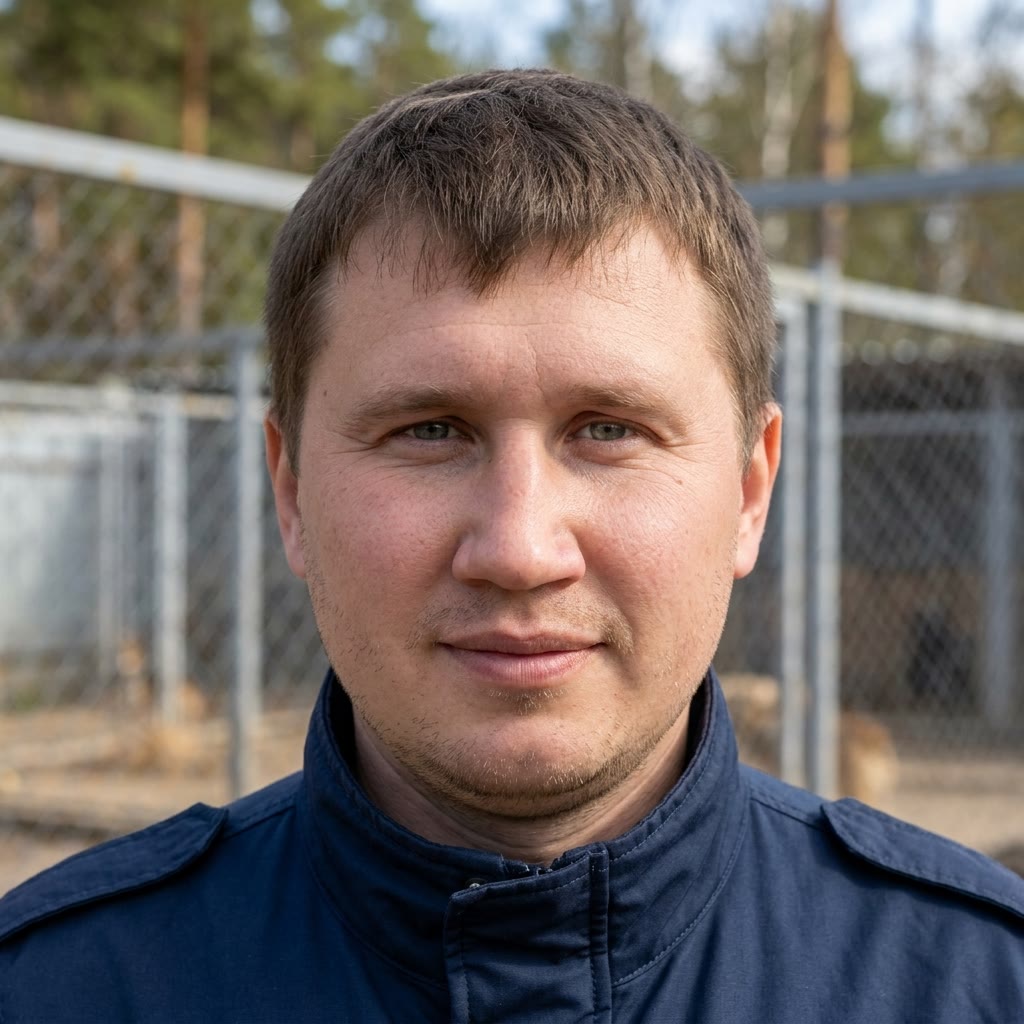
Andrew DarovProfessional dog trainer and instructor
Describe age, living setup, and where the dog breaks first — jumping on visitors, pulling as the dog grows, coat care, or settling after walks. Opens WhatsApp to Andrew.
A French mastiff with a big head and a devoted nature that needs early socialization, leash manners and care in hot weather.
Need a read on your exact situation?
Describe your Bernese Mountain Dog’s age and the scene that repeats most: jumping on visitors, pulling as the dog grows, coat care, or settling after walks. We check safety first, then pick the first skill.
Written by Andrew Darov, professional dog trainer. Not veterinary advice and not a diagnosis.
Not a kennel club. No invented reviews. No vaccine schedules or toxin doses. Photo credits in
/images/breeds/bernese-mountain-dog-guide/credits.md.