German Spitz: temperament, barking and coat care for the Klein and Mittel spitz
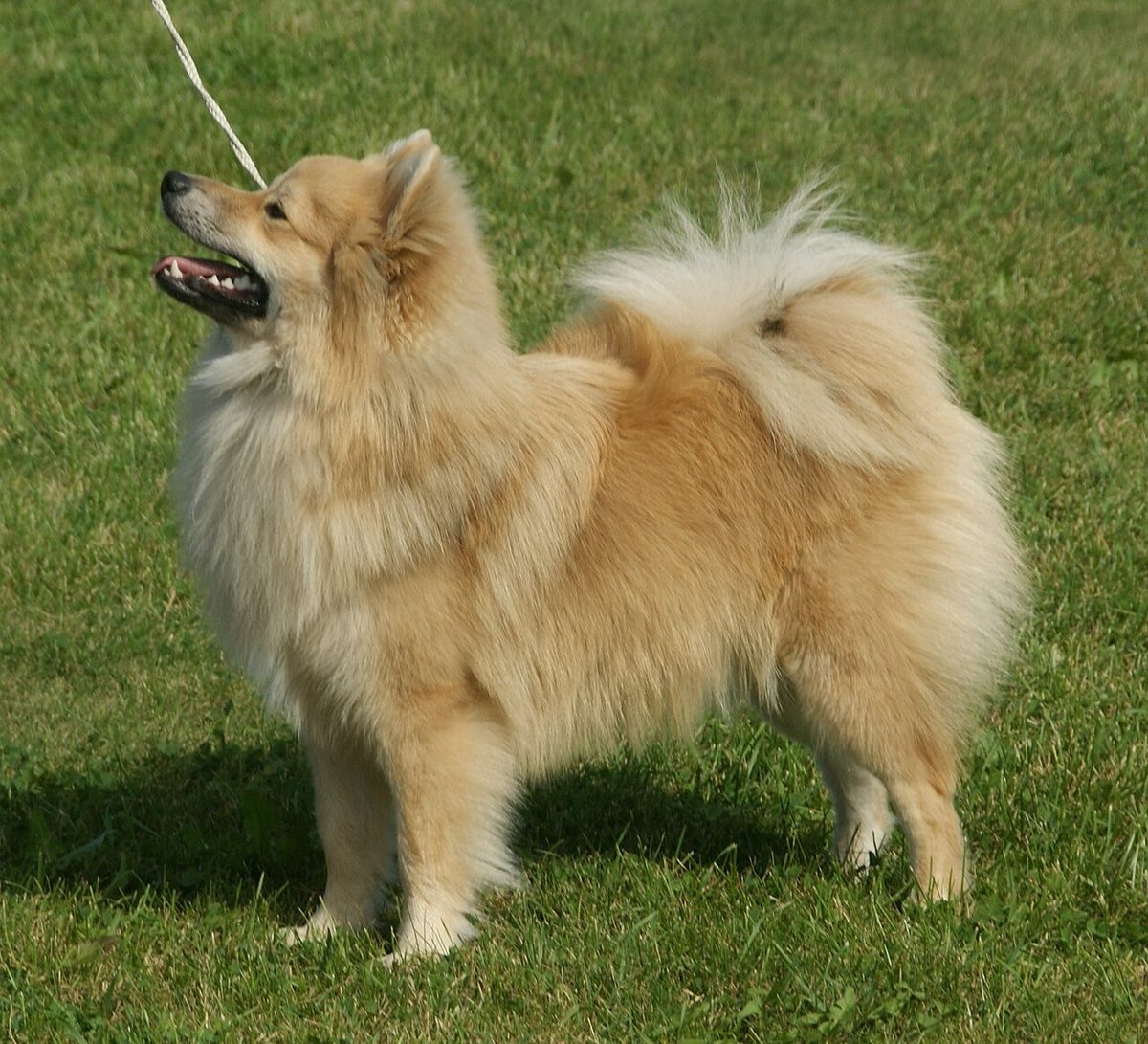
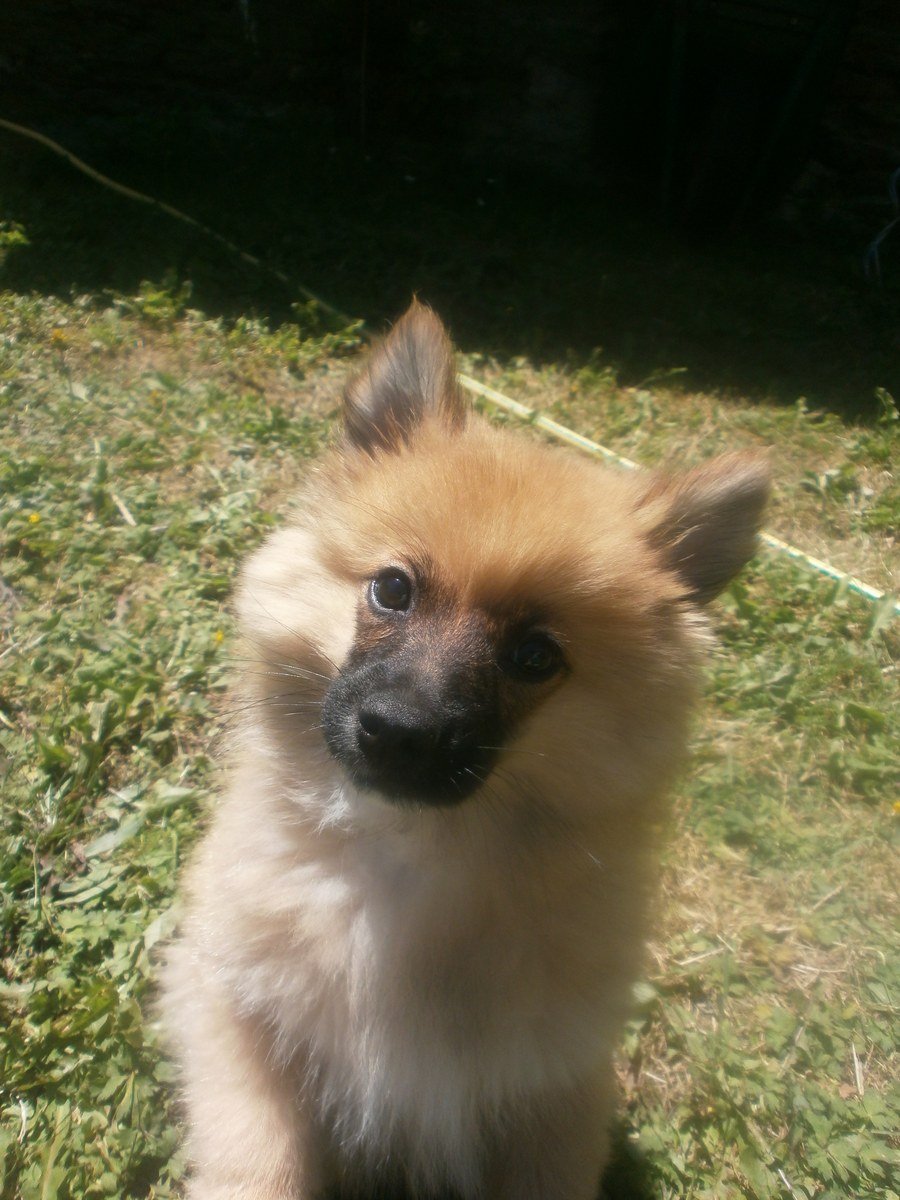
The German Spitz is an old European watchdog with a fox face, a big ruff and a tail curled over its back. Most pet homes have the Klein (small) or Mittel (medium) size. You get a lively, clever, very devoted dog that notices everything and tells you about it. What works is a plan for alert barking from week one, calm and confident handling, short daily training and a brushing routine for a thick double coat.
Job: A German spitz-type watchdog, FCI Group 5; Klein and Mittel sizes are the usual pets.
Energy: Lively and alert, a keen barker, close to its family, wary of strangers.
Home: Suits a home that likes an involved small dog and will teach quiet early.
A German Spitz is a watchdog in a small, fluffy body
People see a bright little teddy bear and expect a lap dog. The German Spitz was kept for centuries on farms, in vineyards and in town houses to watch the gate and raise the alarm. That job is still in its head.
What I meet in family homes is a clever, cheerful dog that loves its people and is suspicious of everyone else. The hard parts are barking at every sound, at the window and at the door, a dog that guards its favourite person or the sofa, and a coat that mats behind the ears if nobody brushes it. The good news: Spitz learn fast, and most of this can be shaped early.
My plan has four parts. A clear routine for alert barking: one or two barks are fine, then quiet for food. Calm, confident handling, so grooming and the vet are easy. Short daily training sessions with food. And enough walks and games, so the dog has something better to do than patrol the windows.
Klein 24–30 cm (about 9.5–12 in), Mittel 30–38 cm (about 12–15 in) at the shoulder
Weight
In proportion to height (the FCI standard sets no weight); Klein is a small dog, Mittel a light medium dog
Energy
Medium; lively and alert, enjoys walks and games
Coat / shed
Double coat: long, straight stand-off outer hair over a thick woolly undercoat; heavy seasonal shed
Job
House and farm watchdog, companion (FCI Group 5)
Temperament in one minute
German Spitz temperament: what they are like at home
Short answer: German Spitz are lively, clever and very devoted dogs that bond closely with their family and are wary of strangers. They were kept as watchdogs, so most bark readily at sounds, the door and the window, and they need a clear barking plan from the start. They learn fast with food, enjoy walks and tricks, and carry a thick double coat that needs regular brushing.
Are German Spitz affectionate?
Very, with their own people. Many follow one person everywhere and want to be part of every job. Build short absences early so time alone is not a shock.
Are German Spitz easy to train?
Quick to learn with food, bored by long drills. Keep sessions to a few minutes and use the same rules from everyone. A hand target and a bed cue are good first skills.
Usually good with calm children they know; grabbing and hugging can cause snapping. Some are bossy with other dogs. See children and guests.
German Spitz behavior problems to expect
Barking, suspicion of visitors, guarding a sofa or person, and dislike of brushing if it was never practised. Each has a plan in the problems list on this page.
Living with a German Spitz in an apartment
Size is fine. Noise is the issue. Move the bed away from the window, plan a door routine and give the dog real walks and a bed to settle on.
Breed history
How the old watchdog of German towns and farms became a family companion
The history will not train your dog, but it explains the alert ears, the loud voice and why a spitz cares so much about who comes through the gate.
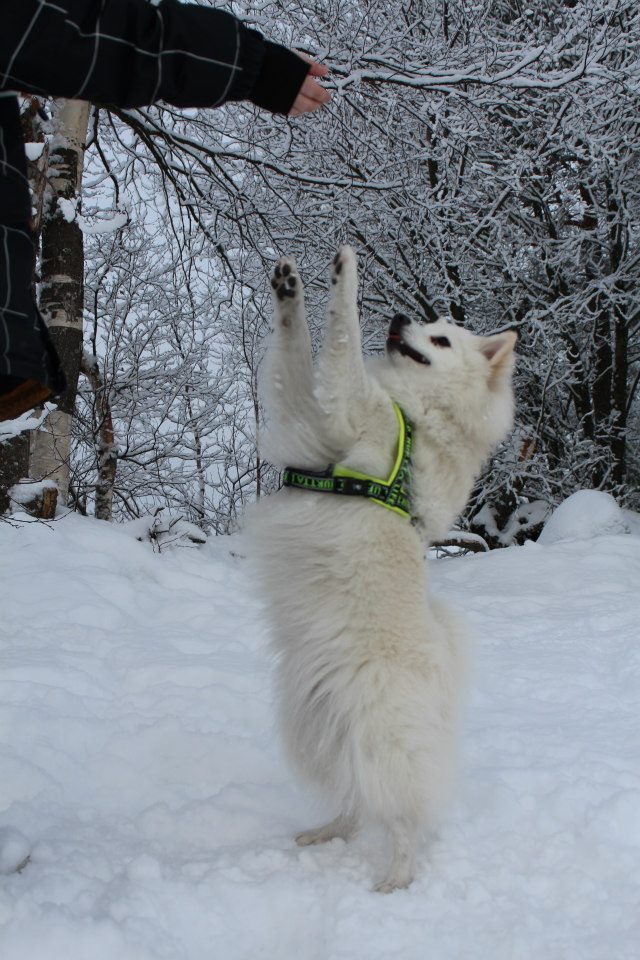
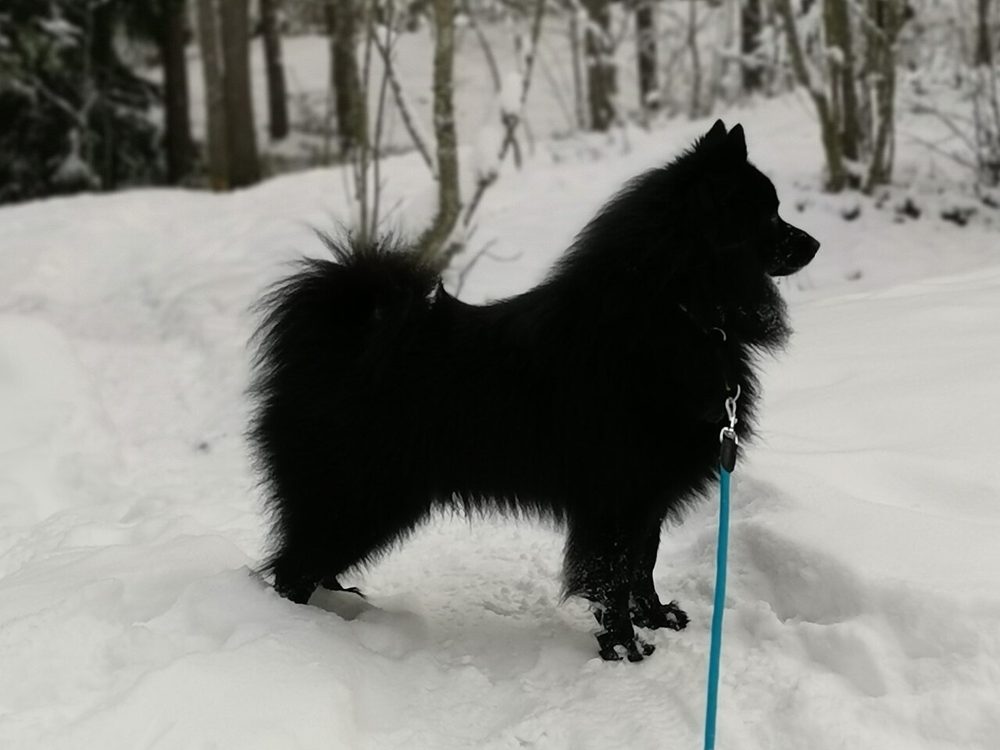
A Mittelspitz doing a trick for its owner in the snow: clever, quick to learn and keen to please its own people.
Central Europe · watchdog
One of the oldest dog types in Europe
Spitz-type dogs with pointed ears, a ruff and a curled tail have lived in central Europe for a very long time. In Germany they were kept as watchdogs on farms, in vineyards and in towns, and as company in the house.
The breed standard still describes a dog that is attentive, lively and devoted to its owner, distrustful of strangers and without much hunting interest. That is a recipe for a good watchdog, and for a lot of barking.
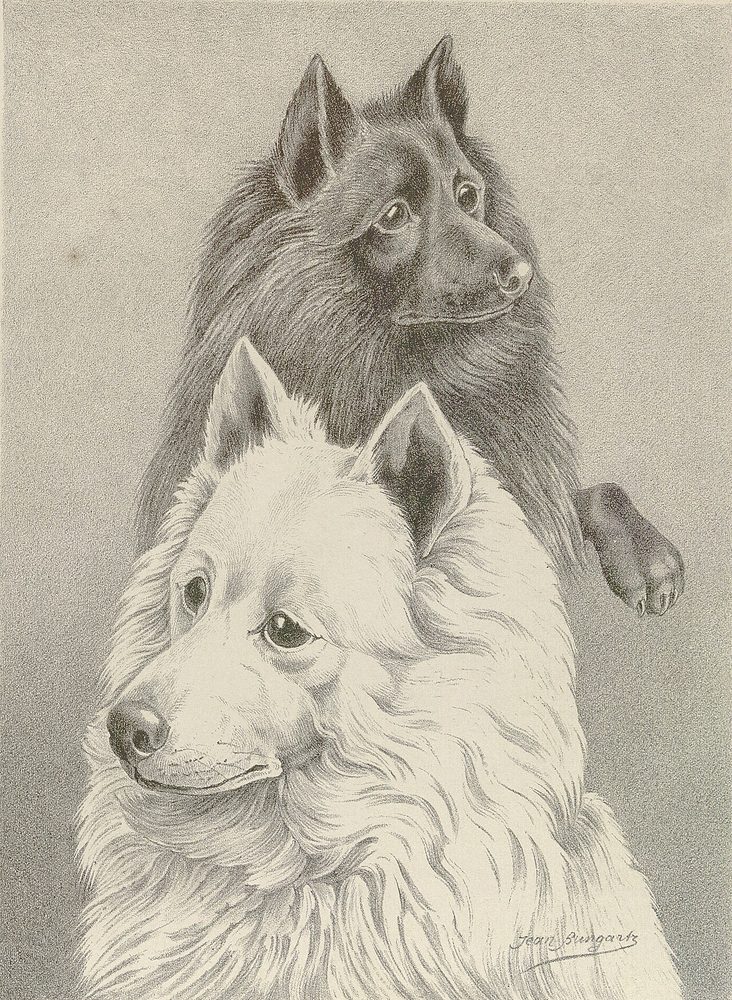
A plate from the Illustrirtes Muster-Hunde-Buch (Hamburg, 1890), drawn from prize-winning dogs: the spitz look has changed little.
One breed, several sizes
From Wolfspitz to Zwergspitz
The FCI keeps the German Spitz as one breed in five sizes: Wolfspitz (known in English as the Keeshond), Grossspitz (giant), Mittelspitz (medium), Kleinspitz (small) and Zwergspitz (toy, known as the Pomeranian). In Britain, the Kennel Club lists the Klein and the Mittel as two separate breeds.
Breed histories link the Pomeranian to spitz dogs taken from Germany to Britain in the 18th century. The Klein and Mittel stayed closer to the older, sturdier type.
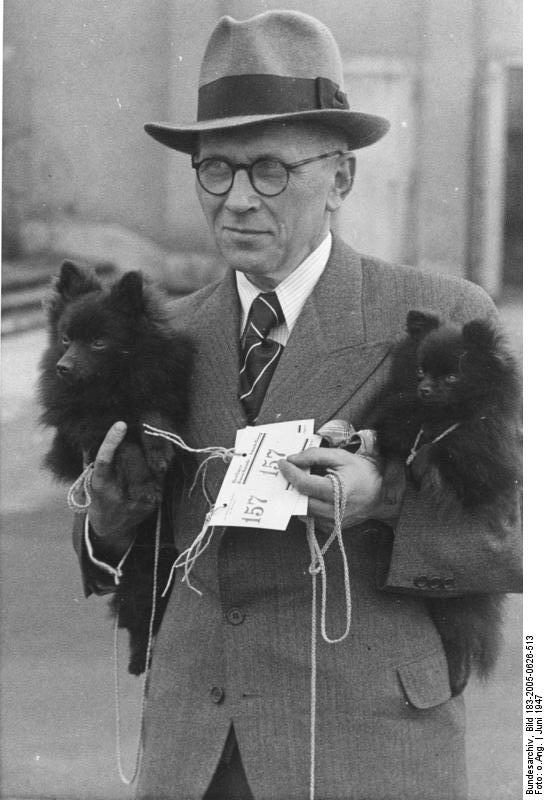
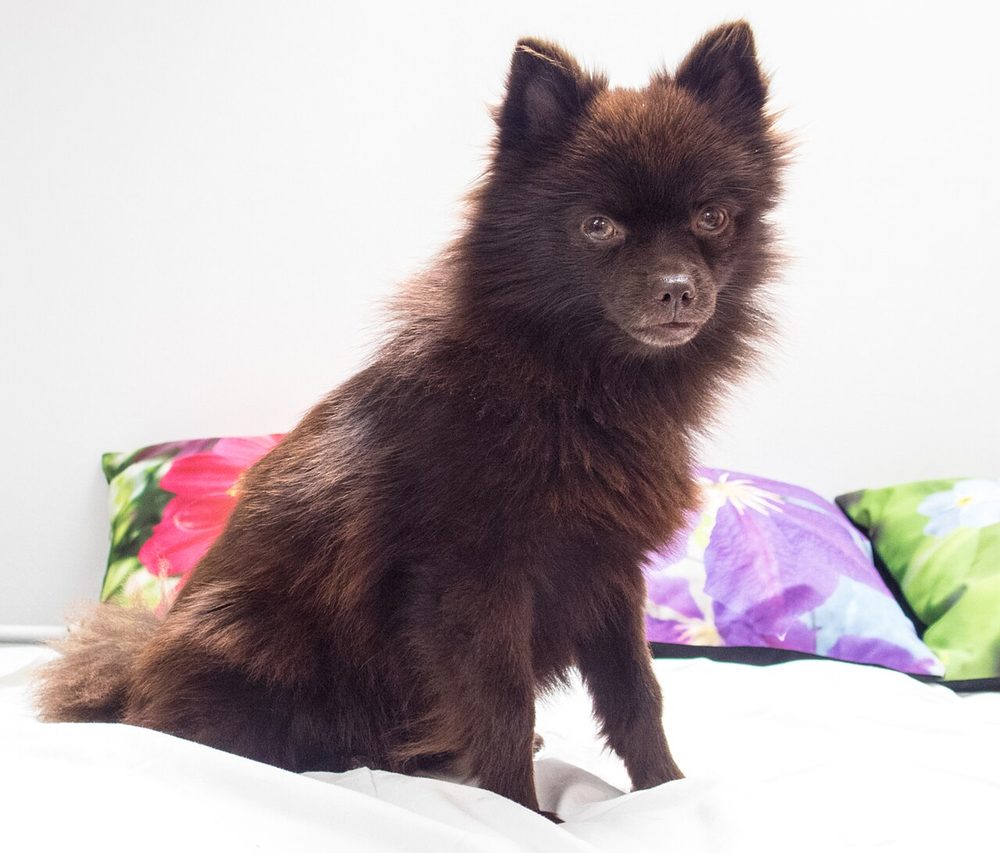
A dog show at the Berlin Funkturm in 1947: the archive caption names a brown Kleinspitz.
What the breed was bred for
Devoted at home, loud at the gate
Day to day you live with a cheerful, curious dog that wants to be part of everything. Many are playful well into old age.
The same dog can be noisy, bossy with other dogs and suspicious of visitors. Calm rules, food rewards and plenty to do make it easier. Shouting at a barking spitz only adds your voice to the noise.
A good day is a walk with sniffing, a short training game, a brush and a quiet spot away from the window
Most German Spitz do well with one or two real walks, short training games with food, a few minutes of brushing and a resting place where they cannot see the street. Trouble usually starts with a bed by the window, laughter or shouting after barking, or a coat that is only brushed when it is already matted.
Morning · walk
A real walk, even for a small dog
A spitz is a busy, sturdy dog, not a toy. A walk with time to sniff, explore long grass and look around takes the edge off the day. Reward it for checking in with you and for walking past barking dogs.
Most spitz love the family they grow up with. Teach children to call the dog, not grab it, and to leave it alone on its bed. A spitz that is often picked up or hugged against its will may start to snap.
The thick coat keeps a spitz warm in snow, and many love winter walks. In hot weather walk in the cool hours, keep play short and give shade and water. The coat is insulation: brush it out, do not shave it.
Many spitz choose a high spot with a view of the door or window and bark from there. Move the bed away from the window, block the view at dog height and teach a bed cue so the dog has a better place to be.
After the walk and a short training game, give the dog a chew on its bed. Same routine every evening. It helps an alert dog switch off instead of reacting to every noise in the building.
General awareness only. I am not a veterinarian. With German Spitz, owners often notice trouble first as mats and sore skin under the coat, a change in how the dog walks or jumps off the sofa, or bad breath and tartar in a small mouth. For red flags, leave this page and open
when to call the vet.
Coat and skin
Brush through to the skin, especially behind the ears, in the armpits and on the trousers. Mats pull and hide sore skin.
Teeth
Small mouths collect tartar. Start tooth brushing early and ask your vet about dental checks.
Knees and joints
Watch for skipping steps or a dog that stops jumping. Treat any limp as a vet question. See limping stop list.
Weight
The coat hides extra weight. Feel the ribs, not the fluff, and ask your vet to judge condition. See BCS check at home.
Vet visits
Practise handling paws, ears and mouth at home so exams stay calm for a dog that dislikes strangers.
Ask the breeder
Ask which screenings the national breed club recommends for the parents, and ask to see the results. Do not invent disease claims from a blog.
Lines and types
Klein and Mittel are the same spitz in two sizes
No bloodline selling. Dogs differ in how loud they are, how wary of strangers and how much coat they carry. The Klein is easier to carry and travel with; the Mittel is sturdier and often a little calmer. Meet the parents and listen: how much do they bark when you arrive, and how quickly do they stop?
Kleinspitz homes
Small and portable, still a real dog.
Teach four feet on the floor, not constant carrying.
Protect from rough play with big dogs.
Same barking plan as a bigger spitz.
Suits a home that wants a small, lively dog and will train it like a real dog, not a toy.
Mittelspitz homes
Sturdier and keen on longer walks.
Enjoys tricks, scent games and dog sports.
More coat to brush.
Often a better match for active children.
Suits an owner who wants a medium, outdoor-ready companion that still fits in a flat.
Socialization windows
What to introduce — and what not to overload — by age
AVSAB-aligned in spirit: short, clean exposures at a distance the puppy can still eat,
with hygiene while vaccines finish. See the
puppy socialization schedule.
2–4 months
Home, handling and a quiet routine
Introduce: calm visitors with food, gentle handling and brushing, short trips to new places, toilet plan, short alone-time steps.
Do not overload: being passed around by many strangers, constant picking up, rewarding barking with attention.
~6 months
Teenage spitz
Introduce: a bed cue, loose-lead walks, a doorbell routine, meeting calm dogs, coat care as a daily habit.
Do not overload: letting the puppy bark at every passer-by from the window.
~12 months
Adult coat and adult opinions
Introduce: quiet after one or two barks, recall on a long line, settle during visits, trick training.
Do not overload: shouting at barking, skipping brushing during the first big shed.
~18–24 months
Growing up
Introduce: steady routines at home, longer walks, dog sports or scent games if you enjoy them.
Do not overload: assuming a grown dog no longer needs new places and people.
Do not overload: letting old barking habits creep back.
Before you buy
Who a German Spitz usually fits
Fit comes down to tolerance for an alert, vocal dog, time for brushing, patience with a dog that is wary of strangers and enough daily walks and training.
Good match
More likely a good fit if you…
You want a lively, involved small or medium dog
You are happy to teach quiet early and keep at it
You can brush a thick coat several times a week
You enjoy short training games and tricks
Your home is fine with a dog that announces visitors
Mismatch risk
A German Spitz may be a poor choice if…
You need a quiet dog for thin walls and close neighbours
You want a dog that loves every stranger
You dislike dog hair and grooming
You want a dog that is carried more than walked
You are away from home most of the day
If you are torn between breeds
German Spitz vs Keeshond and Pomeranian
All three are German spitz in the FCI system, in different sizes. The Klein and Mittel sit in the middle. The Keeshond (Wolfspitz) is larger, wolf-grey and often more easygoing. The Pomeranian (Zwergspitz) is a toy dog, much smaller and more fragile, with a fuller, puffier coat.
Size
German Spitz
Small to medium, sturdy.
Keeshond
Larger, medium-sized spitz.
Barking
German Spitz
A keen watchdog; teach quiet early.
Pomeranian
Also a keen barker, in a toy body.
Coat
German Spitz
Thick double coat in many colours.
Both compares
All three shed heavily and need regular brushing.
Home fit
German Spitz
Active family or single owner who likes training.
Both compares
All three are people-focused and dislike long days alone.
Ownership without surprises
Where a German Spitz owner’s budget goes
Costs depend on country, city and your choices. These are themes to plan for, not quotes.
Veterinary
Routine care plus dental checks and the screenings the breed club suggests.
Food
A small dog eats little, but treats add up fast with a dog you train every day.
Grooming
A slicker brush, a comb, a strong vacuum and the odd professional bath and de-shed.
Training
A class or private help with barking, visitors and handling.
Time
Daily walks, training games and brushing are the cost that never stops.
A barking plan matters more than anything you buy: a German Spitz that knows what to do after the doorbell is far easier to live with than one that barks for ten minutes.
Before day one at home
What to prepare for a German Spitz puppy
A German Spitz puppy is a bold, fluffy, very vocal little dog. Have a bed spot away from the window, a brush and a comb, food for visitors and a quiet routine ready before it comes home.
Training a German Spitz means short lessons, a barking plan and calm handling
The skills that matter most are few: quiet after one or two barks, a bed cue during visits, a loose lead, a recall and calm acceptance of the brush and the vet.
Spitz are clever and quick with food, but they get bored with long drills and can be independent. Two to five minutes, a few times a day, works better than one long lesson.
A lot of the work is set-up: a resting place away from the window, a door routine and enough to do so the dog does not invent its own job.
Load balance
Walks and brain games first, then ask for quiet
Age, joints and heat all change what is safe. A limp, a dog that stops jumping or sudden snapping when touched mean a vet visit before more training.
Sniff walkShort training gameBrushingChew on the bedNap
Walking, sniffing, tricks and play all count. A spitz with nothing to do turns the window into its job.
A German Spitz that has walked, trained and been brushed rests on its bed instead of barking at every step in the hallway.
Quiet at the door
How to teach a German Spitz to stop barking after the doorbell
Allow one or two barks, say thanks, call the dog to its bed, reward quiet and practise with fake doorbells.
01
Allow one or two barks
Let the dog sound the alarm once. That is its job.
02
Say thanks
Use the same calm word every time, such as “thank you”.
03
Call to the bed
Call the dog away from the door to its bed or crate.
04
Reward quiet
Drop food on the bed while the dog is quiet and lying down.
05
Practise with fake doorbells
Ring or knock yourself, a few times a day, before real visitors come.
One scene close-up
Why a German Spitz barks at every sound
Barking at sounds is what the breed was kept for. Most barking spitz are doing their old job with no one telling them when it is done.
Start with set-up: move the bed away from the window, cover the bottom of the glass, and give the dog walks and games. Then teach a clear end: one or two barks, a thank-you, a call to the bed and food for quiet.
If the dog snaps, bites or panics, get help from a qualified professional.
“With a German Spitz, I begin with three things: a resting place away from the window, a clear end to every barking spell, and short daily handling and brushing. Once those are in place, this alert little dog becomes a cheerful companion that still tells you when someone is at the gate.”
Sessions cover the scenes that matter: barking, visitors, handling and grooming, walks and being left alone. I am a trainer, not a veterinarian.
Andrew DarovProfessional dog trainer and instructor
A loyal, clean Korean hunting dog that often bonds to one family. Needs a secure home, a long line instead of off-lead walks and slow, patient socialization.
A cheerful little lion dog from the bichon family. Loving, alert and quick to bark; needs regular grooming, short games and early practice at time alone.
Leash reactivity is a distance problem first. Train where your dog can still look, breathe and eat, and leave before it explodes. Step by step.
Need a read on your exact situation?
Tell me your German Spitz’s age and the scene that keeps repeating: barking, visitors, guarding, brushing or alone time. We check safety and health first, then pick the first skill.