Japanese Spitz: temperament, barking and white-coat care for the Japanese companion spitz
The Japanese Spitz is a small, pure white spitz developed in Japan in the 1920s and 1930s from white spitz dogs. You get a bright, playful, people-focused companion that wants to be wherever you are. It is alert and will tell you about the doorbell, but it is often less yappy than it looks if quiet is taught early. What works is a barking plan from day one, short training with food, calm alone-time steps and a brushing routine for the white double coat.
Job: A Japanese companion spitz, FCI Group 5; pure white double coat.
Energy: Playful and alert, close to its people, usually friendly once it knows you.
Home: Suits a home where someone is around a lot and enjoys a busy small dog.
A Japanese Spitz is a people dog first and a watchdog second
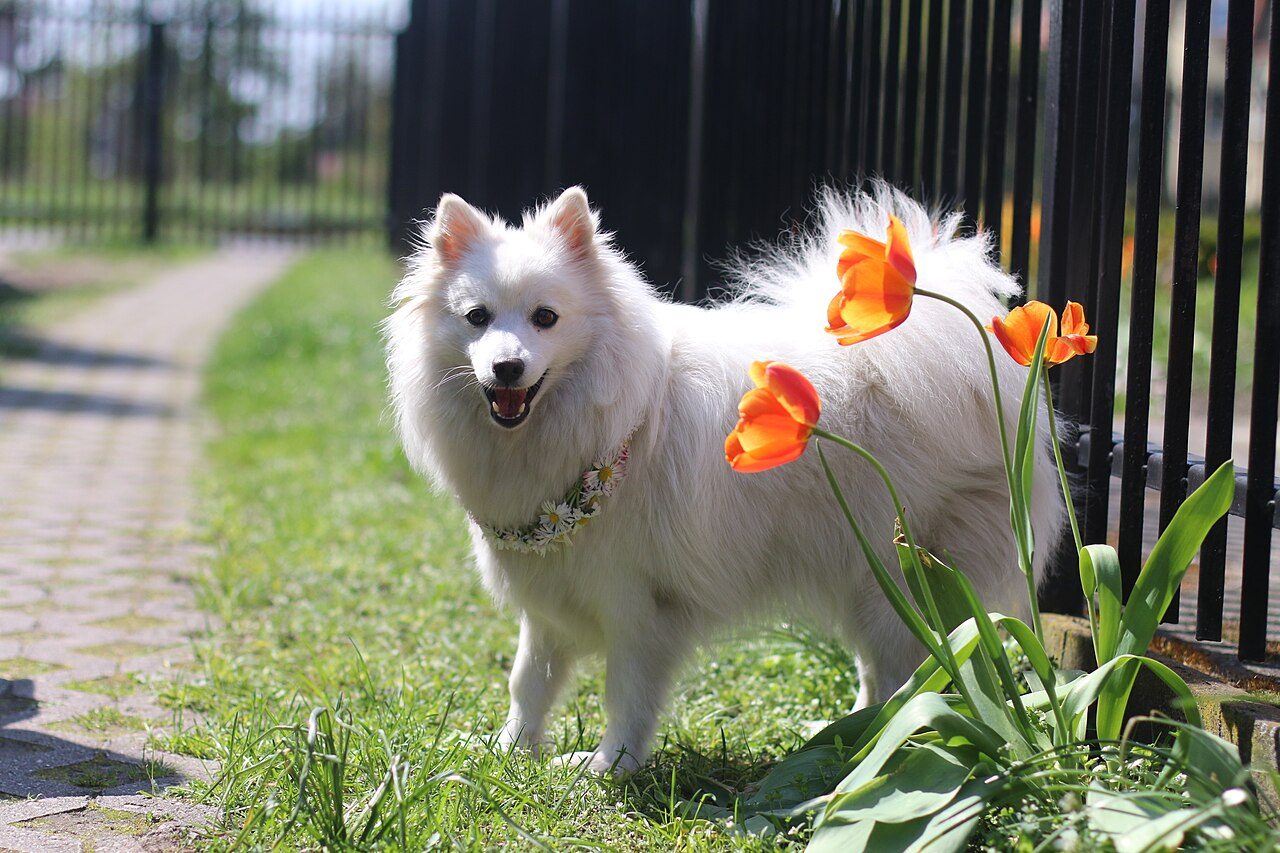
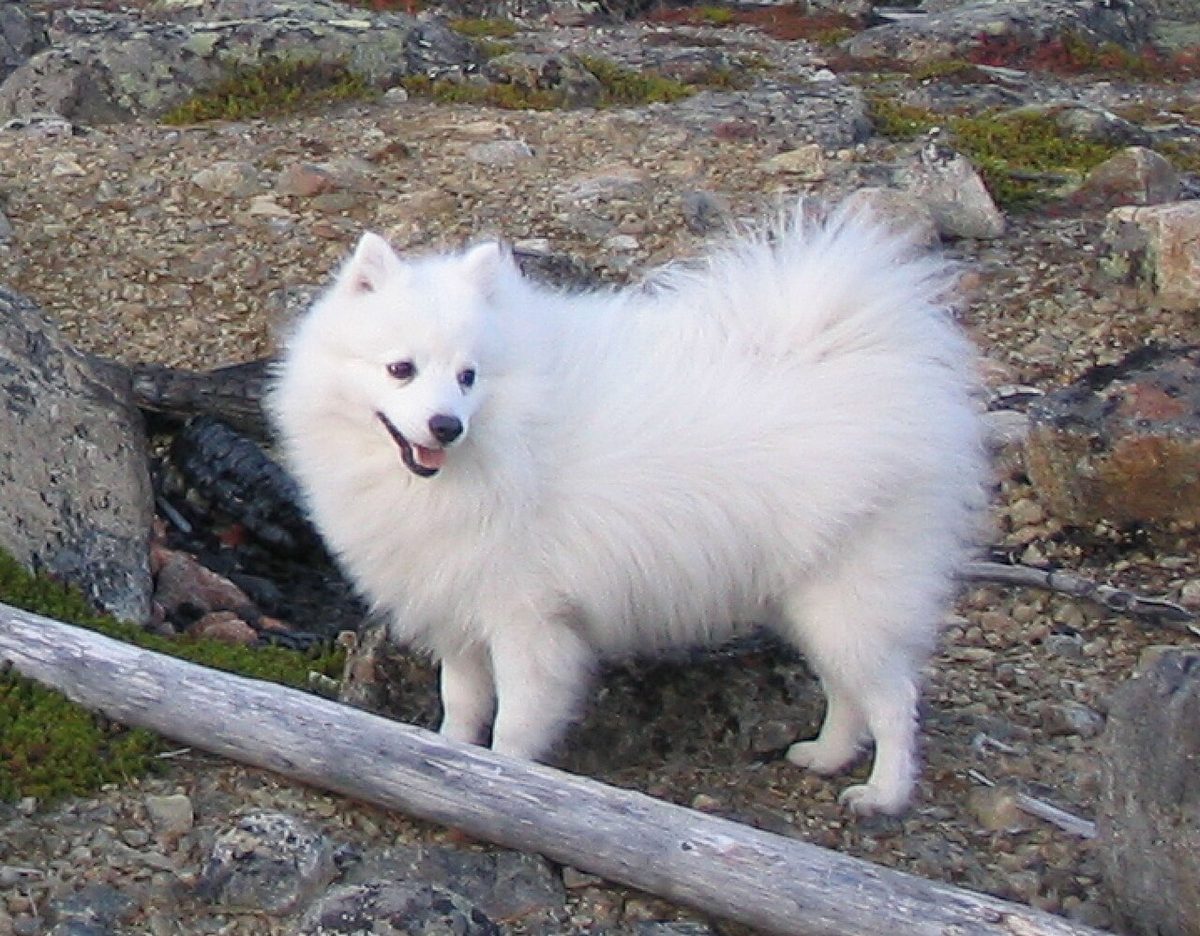
People see a little white cloud with black eyes and expect either a fragile lap dog or a nonstop barker. Most Japanese Spitz are neither. They are sturdy, cheerful companion dogs that love games and their family.
What I meet in family homes is a dog that follows its people from room to room, greets everyone it knows with a lot of joy and keeps a close eye on the front door. The hard parts are barking at the door and window when nobody has taught an end to it, crying when left alone, jumping on guests and a white coat that shows every muddy puddle.
My plan has four parts. A barking routine from the first week, so one or two alerts are fine and then quiet earns food. Short daily training with games. Slow alone-time steps, because this breed really wants company. And a brushing routine, so the white coat stays clean and the shed stays on the brush.
FCI: males 30–38 cm (about 12–15 in), females slightly smaller; UK standard 34–37 cm for males, 30–34 cm for females
Weight
Commonly about 5–10 kg (11–22 lb); standards set height, not weight
Energy
Medium; playful and lively, enjoys walks and games
Coat / shed
Pure white double coat: straight stand-off outer hair, dense soft undercoat, ruff and plumed tail; seasonal shed
Job
Companion dog and house watchdog (FCI Group 5)
Temperament in one minute
Japanese Spitz temperament: what they are like at home
Short answer: Japanese Spitz are playful, affectionate and alert companion dogs that want to be close to their people. Most are friendly once they know you and good with children they grow up with. They will bark at the door and window, but many are less yappy than they look if quiet is taught early. They learn fast with food, dislike long days alone and carry a white double coat that needs regular brushing.
Are Japanese Spitz affectionate?
Very. Most follow their people from room to room and want to join in. Build short absences from the first week so time alone is not a crisis.
Are Japanese Spitz easy to train?
Yes, for short, fun sessions with food. They learn tricks quickly and switch off with long drills. A hand target and sit for greeting are good first skills.
Do Japanese Spitz bark a lot?
They are alert and bark at sounds, but many stop quickly if they learn early that quiet earns food. See barking at the door and attention barking.
Are Japanese Spitz good with kids and other dogs?
Usually yes. Most enjoy gentle children and friendly dogs. Show kids how to invite the dog over and stroke its chest instead of lifting it. See children and guests.
Japanese Spitz behavior problems to expect
The usual four are yapping at the door, howling when alone, bouncing on visitors and pulling toward smells. The list further down links a guide for each.
Living with a Japanese Spitz in an apartment
Usually a good fit for size. Plan daily walks, a bed to settle on, a resting place away from the window and a door routine for the neighbours’ sake.
Breed history
How white spitz dogs became a Japanese companion breed
The history will not train your dog, but it explains the white coat, the companion nature and why this spitz is calmer at the door than its looks suggest.
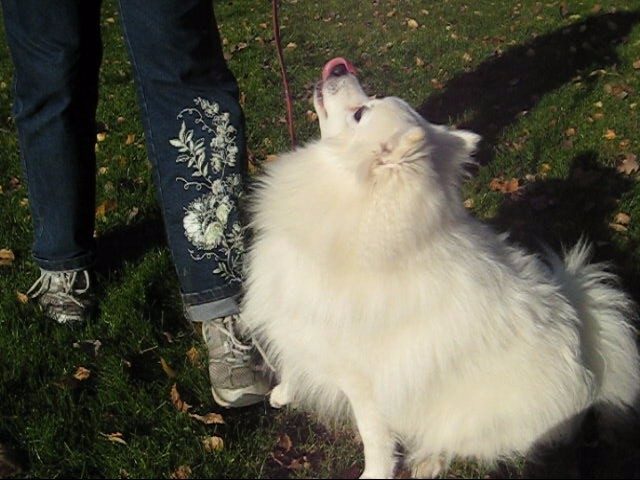
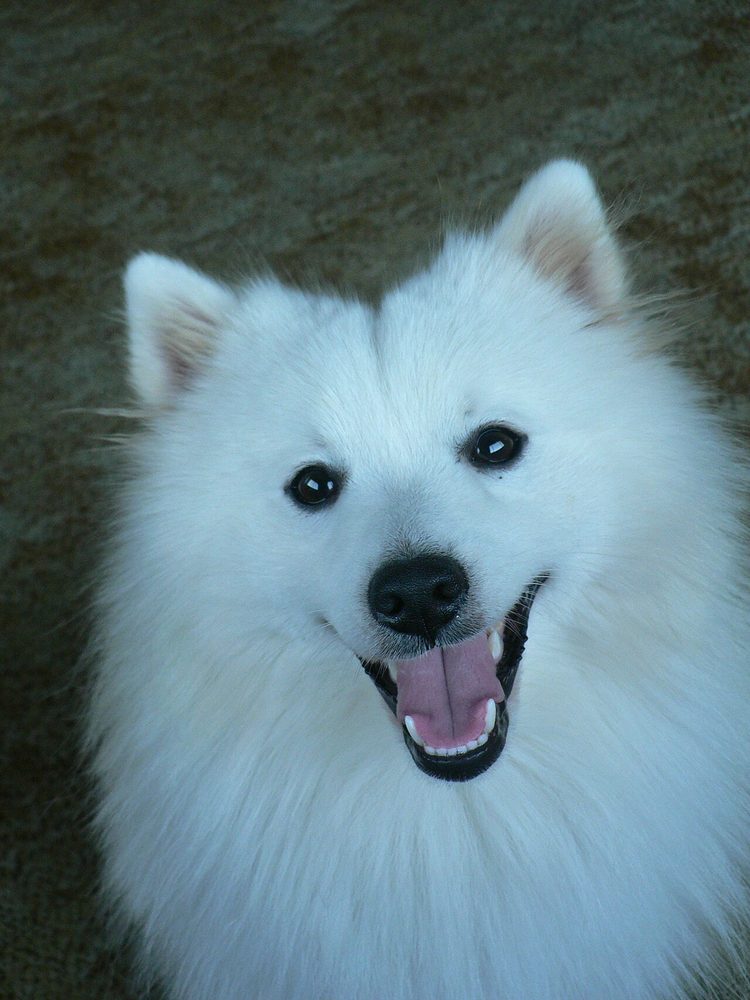
A Japanese Spitz looking up at its owner during a training session: quick to learn with food and attention.
Japan · 1920s–1930s
White spitz dogs in Japan
Breed histories describe white spitz dogs, often linked to the white German Spitz, arriving in Japan in the early 20th century and being shown in Tokyo in the 1920s. Between the 1920s and 1930s Japanese breeders crossed several small white spitz types to build one breed.
The goal was a companion: a lively, friendly house dog with a white stand-off coat. The breed standard was written after the Second World War and accepted by the Japan Kennel Club.
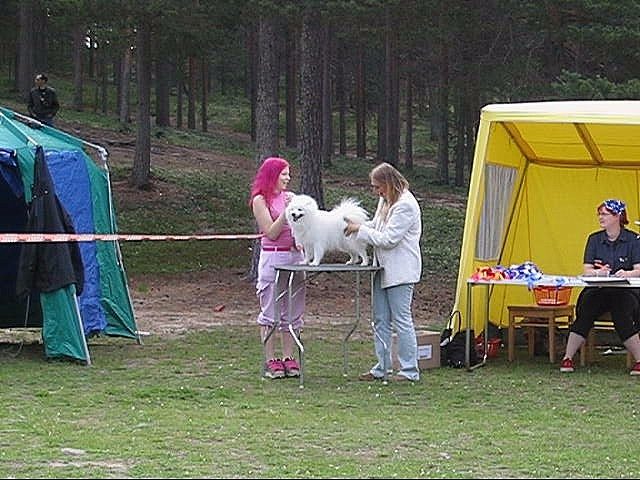
A judge checks a Japanese Spitz at a dog show in Haukipudas, Finland: the breed spread from Japan to Europe in the second half of the 20th century.
From Japan to Europe
Sweden, Britain and beyond
The breed became popular in Japan in the 1950s and reached Sweden around the same time. From there it went to Britain, where the Kennel Club recognized it in the Utility group in 1977.
Today the FCI lists the Japanese Spitz in Group 5, spitz and primitive types. It is a popular family dog in Europe, Australia and parts of Asia.
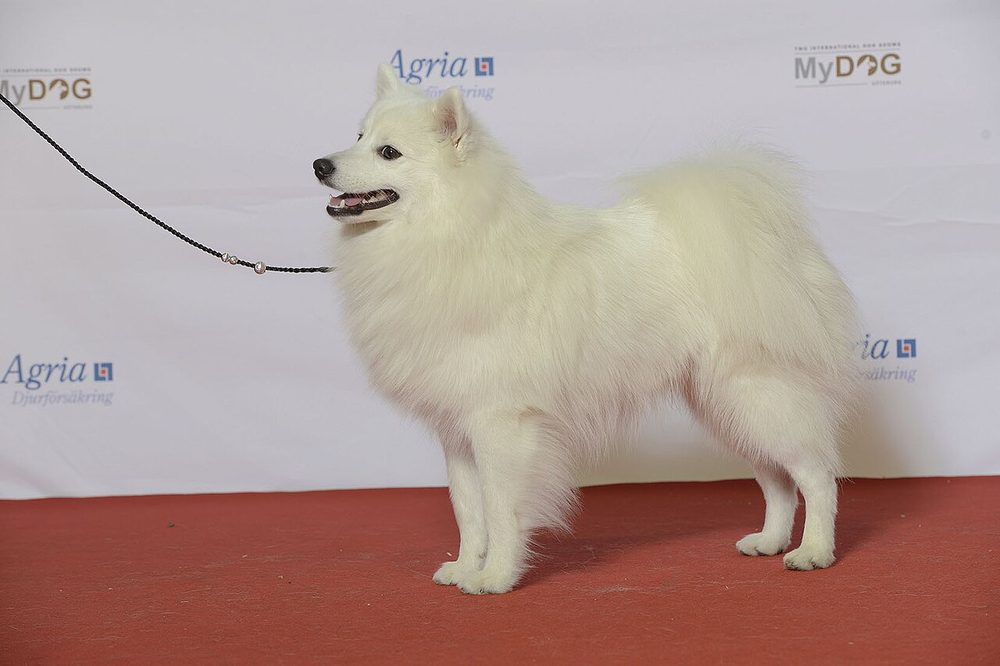
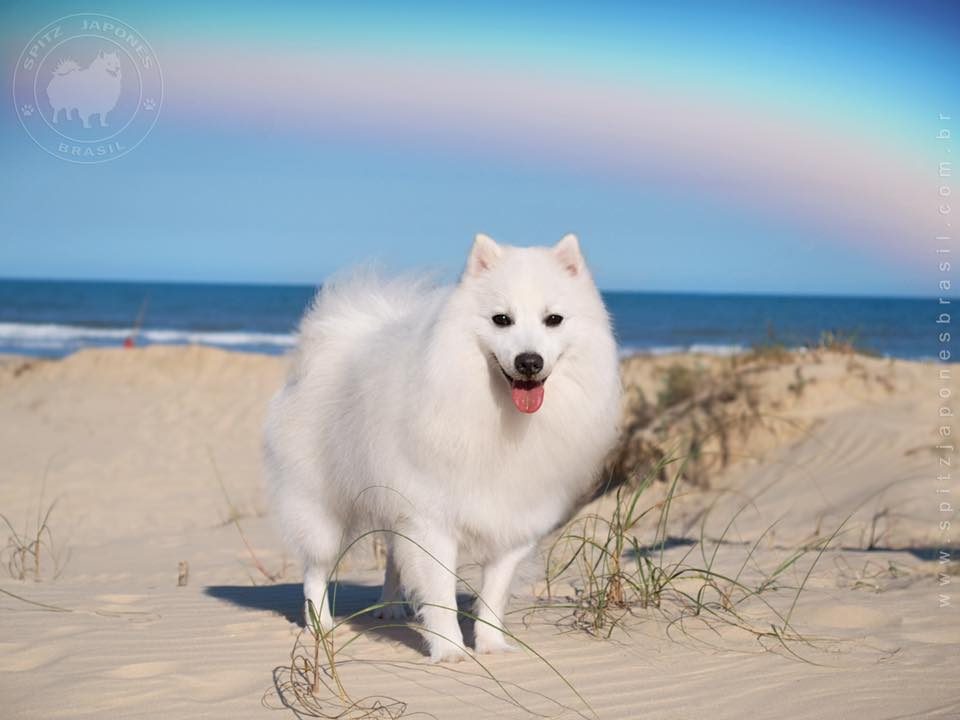
A Japanese Spitz at a show in Sweden: pointed ears, black eyes and nose, a big ruff and a pure white coat.
What the breed was bred for
Cheerful at home, alert at the door
Day to day you live with a playful, affectionate dog that likes to be involved. Many are good with children they grow up with and enjoy tricks and games.
The same dog notices every sound at the door. The standard asks for a dog that is not noisy, and most can be taught to stop after a bark or two. The earlier you start, the easier it is.
A good day is a walk, a game, a little training and a nap close to its people
Most Japanese Spitz do well with one or two daily walks, a few short games and training sessions, and plenty of time near their family. Trouble usually starts with long days alone, a resting place with a view of the street, or laughing at barking until it becomes a habit.
Morning · walk
A walk with time to explore
A Japanese Spitz is small but sturdy and enjoys real walks, even in cold weather. Let it sniff and explore on a loose lead, and reward it for looking back at you. Wipe the paws and legs afterwards, and the white coat stays clean.
Many Japanese Spitz enjoy living with another dog. New dogs and puppies still need calm, slow introductions and separate places to eat and rest, so the first weeks stay friendly.
Japanese Spitz pick up spins, paw touches and sits for greeting in a few tries when food is involved. Three quick games beat one twenty-minute lesson; once it gets bored it starts inventing its own rules.
Mud and dust dry and brush out of the coat. Most dogs need a thorough brush a few times a week, a daily one when the undercoat lets go, and only the odd bath. Get the puppy used to having its feet, ear flaps and lips touched for a treat, and grooming never turns into a wrestling match.
In the evening a Japanese Spitz wants to be where you are. Put its bed in the living room, hand it a chew when you sit down and keep the routine the same, and it will doze there instead of trailing you to the kitchen and back.
General awareness only. I am not a veterinarian. With Japanese Spitz, owners often notice trouble first as tear staining or a sore eye, a change in how the dog runs or jumps, or skin trouble hidden under the thick white coat. For red flags, leave this page and open
when to call the vet.
Eyes and tear stains
Wipe the corners of the eyes gently. Ask your vet about lasting redness, squinting or heavy tears.
Legs and movement
A small dog that suddenly hops on three legs for a few steps, or refuses the sofa it always jumped on, should see a vet. See limping stop list.
Coat and skin
Brush to the skin, check behind the ears and under the legs, and dry the coat well after rain.
Weight
All that white fluff makes a chubby dog look normal. Run your hands along the chest under the coat, count training treats into the daily food and let your vet judge. See BCS check at home.
Teeth
Start tooth brushing early; small mouths collect tartar.
Ask the breeder
Ask which screenings the national breed club recommends for the parents, and ask to see the results. Do not invent disease claims from a blog.
Lines and types
Pet and show Japanese Spitz both need company and a barking plan
No bloodline selling. Within the standard you will find bigger and smaller dogs, heavier and lighter coats, bolder and more reserved characters. Every one of them wants its people nearby and benefits from early work on barking and time alone. Visit the parents at home if you can, and watch what happens when the breeder walks out of the room.
Family companion homes
Daily walks and games.
Short training sessions every day.
A barking routine from week one.
Brushing in the weekly routine.
Suits a family or single owner who is home a lot and wants a playful, close companion.
Show and sport homes
Trick training and obedience suit many.
Agility and rally for fit adults.
Coat care before every show.
Rest after busy days.
Suits an owner who enjoys training and wants a quick, keen small partner.
Socialization windows
What to introduce — and what not to overload — by age
AVSAB-aligned in spirit: short, clean exposures at a distance the puppy can still eat,
with hygiene while vaccines finish. See the
puppy socialization schedule.
2–4 months
Settling in and first lessons in quiet
Introduce: a few friendly visitors who bring treats, one-minute brushing sessions, car rides, a doorbell that leads to food, the toilet spot, leaving the room for a minute.
Do not overload: puppy parties with many strangers, being carried everywhere, people laughing when the puppy yaps.
~6 months
The cheeky adolescent
Introduce: walks in new streets, greeting people with a sit, learning that the doorbell means “go to your bed”, play with steady adult dogs.
Do not overload: a window seat with a view of the pavement, chase games with large, rough dogs.
~12 months
Adult coat, adult habits
Introduce: a long-line recall in parks, a calm bed during visits, an hour alone after a walk, new tricks.
Do not overload: whole working days alone, skipping the brush when the first full shed arrives.
~18–24 months
A steady young dog
Introduce: longer outings, rally or agility if you like it, café visits, overnight trips with the family.
Do not overload: thinking socialization is finished because the dog is grown.
~3 years+
Maintenance
Introduce: a daily walk and game, a weekly groom, a yearly vet check, tooth brushing, a refresher on door manners.
Do not overload: letting the doorbell routine slide until the barking is back.
Before you buy
Who a Japanese Spitz usually fits
Fit comes down to how many hours the dog spends without you, your patience for early barking work, a few grooming sessions each week and whether you enjoy a small dog that joins in everything.
Good match
More likely a good fit if you…
You want a merry, cuddly companion that likes to join in
Someone works from home or the dog can come along
You will reward quiet at the door from the first week
A brush and a vacuum cleaner do not scare you
You like teaching tricks and small games
Mismatch risk
A Japanese Spitz may be a poor choice if…
The dog would be home alone for most working days
You expect a white dog that never barks at the door
White hairs on dark clothes would drive you mad
You want a dog that keeps to itself
You plan long hikes in hot summer weather
If you are torn between breeds
Japanese Spitz vs Samoyed and Pomeranian
All three are white or often white spitz dogs with a big ruff. The Japanese Spitz sits in the middle for size. The Samoyed is a large working sled dog with much more energy and coat. The Pomeranian is a toy dog, much smaller and more fragile, and often a keener barker.
Size
Japanese Spitz
Small, sturdy companion.
Samoyed
Large working spitz.
Barking
Japanese Spitz
Alert; usually easy to quieten if taught early.
Pomeranian
Often more vocal, in a toy body.
Coat
Japanese Spitz
Pure white double coat.
Both compares
All three shed and need regular brushing.
Home fit
Japanese Spitz
Family that is home a lot.
Both compares
All three are people-focused and dislike long days alone.
Ownership without surprises
Where a Japanese Spitz owner’s budget goes
Costs depend on country, city and your choices. These are themes to plan for, not quotes.
Veterinary
Yearly checks, eye and dental care, and any screenings the breed club asks breeders to do.
Food and treats
Meals are small; the bag of training treats goes faster than you expect.
Grooming kit
A pin brush, a metal comb, towels for muddy days and now and then a professional wash and blow-dry.
Puppy class
A good class for social skills, or a few private sessions for doorbell and alone-time work.
Company
Dog sitters or day care on long days, because this breed does badly alone.
Early alone-time and doorbell work are worth more than any gadget: a Japanese Spitz that can nap alone for a few hours and goes quiet after one alert is a very easy dog.
Before day one at home
What to prepare for a Japanese Spitz puppy
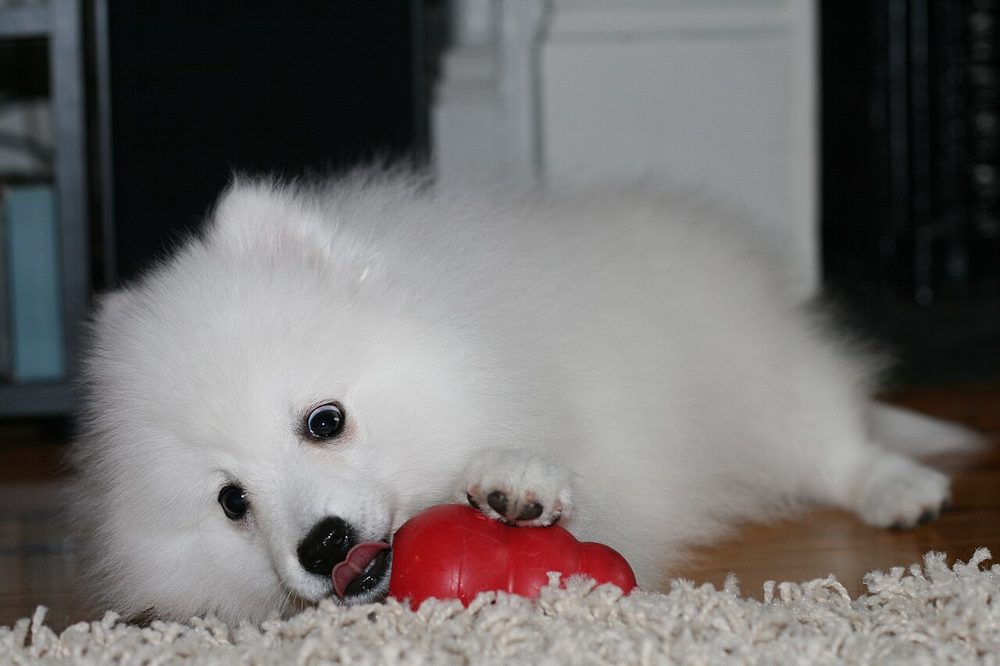
A Japanese Spitz puppy is bold, playful and very attached to its people. Have a bed spot, a brush, food for visitors and a plan for short absences ready before it comes home.
Short daily touches on feet, ears and coat. See puppy handling.
04
Teeth on toys
Swap hands for a soft toy and stop the game if teeth land on skin. See biting and nipping.
05
A minute alone
Leave the room for a moment many times a day. See first absences.
06
Toilet trips
Take the puppy out after sleep, food and play. See potty training.
If the dog is already yours
Training a Japanese Spitz means short games, a barking plan and calm guests
Five skills cover most of daily life: going quiet after an alert, sitting to say hello, lying on a bed while guests are in, walking without pulling and staying calm when you go out.
Japanese Spitz like to please and enjoy food and play as rewards. Several tiny sessions spread over the day work far better than one long one.
The rest is how you arrange the home: a bed with no street view, visitors who wait for calm before they say hello, and absences that grow a few minutes at a time.
Load balance
Walks and games first, then ask for calm
Puppies, seniors and hot days need lighter plans. If the dog limps, squints or turns grumpy out of nowhere, see a vet before adding more exercise or training.
Explore walkTrick gameTug or fetchLick mat on the bedQuiet nap
Exercise for this breed is a mix of exploring, thinking and playing. Leave out the thinking and the dog starts guarding the hallway instead.
A Japanese Spitz that has walked and played rests on its bed when guests arrive instead of barking and jumping.
Calm guests
How to teach a Japanese Spitz to stay calm when guests arrive
A short walk, a stuffed toy waiting on the bed, guests who say hello only to a calm dog, food for four paws down and small visits before big ones.
01
Walk first
Ten minutes of walking and a quick game before the guests are due.
02
Stuffed toy on the bed
Leave a treat-filled toy on a bed in another room or behind a baby gate.
03
Hello only when calm
Guests wait until the dog is quiet before they speak to it or touch it.
04
Four paws earn food
Drop a treat between the front paws each time all four are on the floor.
05
Small visits first
Practise with one friend for ten minutes before you host a party.
One scene close-up
Why a Japanese Spitz barks and jumps when guests arrive
In most homes the dog is simply thrilled. Every visitor has said hello to the barking, bouncing dog, so barking and bouncing became the way to get a hello. A smaller group are unsure about strangers and bark to keep them back.
Change what works for the dog: tire it a little with a walk first, have a treat-stuffed toy waiting on a bed out of the hallway, and ask friends to say hello only once all four paws are on the floor.
Growling, snapping or hiding and shaking are a different story; bring in a qualified professional.
“With a Japanese Spitz, I begin with three things: a clear end to barking, short daily training games, and slow steps toward time alone. Once those are in place, this happy white spitz is one of the easiest small companions I know.”
We work on what your days actually look like: the doorbell, visitors, the lead, time alone and grooming. I am a trainer, not a veterinarian.
Andrew DarovProfessional dog trainer and instructor
Tell me the age, how much company the dog has during the day and what goes wrong first: barking, guests, jumping, pulling or alone time. Opens WhatsApp to Andrew.
Often yes. Most are playful, affectionate and good with children they know. They need company and a barking plan.
Is a Japanese Spitz a good first dog?+
Often, yes. It is small, keen to learn and forgiving, which suits beginners, as long as someone is around most of the day.
Do Japanese Spitz bark a lot?+
They are alert and bark at the door, but many are less vocal than they look. A clear barking plan from the first week helps a lot.
Japanese Spitz vs Samoyed: what is the difference?+
The Japanese Spitz is a small companion dog. The Samoyed is a large working sled dog with far more energy and coat.
Japanese Spitz vs Pomeranian: what is the difference?+
The Japanese Spitz is larger and sturdier, always white, and often less vocal. The Pomeranian is a toy dog in many colours.
How much exercise does a Japanese Spitz need?+
Daily walks plus short games and training. Many enjoy longer walks and cold weather.
Do they shed?+
Yes. The undercoat comes out in clumps once or twice a year; daily brushing for those weeks keeps it off the sofa.
Is the white coat hard to keep clean?+
Less than you might think. Dried mud brushes out, and most dogs need only the odd bath.
Can a Japanese Spitz live in an apartment?+
Often yes. It is small and adaptable, as long as barking is managed and it gets daily walks.
Can a Japanese Spitz be left alone?+
Short absences are fine once practised. Full working days alone are hard for this breed; plan a sitter or day care.
What health themes should I ask about?+
Ask the breeder which health checks the national breed club recommends for parents and see the papers. Tell your vet the breed. This is general awareness, not a diagnosis.
How long do Japanese Spitz live?+
Public breed references often mention about 12–14 years or more. Individual dogs vary.
If a Japanese Spitz seems like more dog than your home can handle
Most people fall for the white coat. The need for company, the seasonal shed and the alert voice are the parts to be sure about first.
A lively German watchdog in small and medium sizes: devoted, clever, wary of strangers and a keen barker. Needs a barking plan, brushing and short daily training.
A loyal, clean Korean hunting dog that often bonds to one family. Needs a secure home, a long line instead of off-lead walks and slow, patient socialization.
A cheerful little lion dog from the bichon family. Loving, alert and quick to bark; needs regular grooming, short games and early practice at time alone.
Dog begging at the table? Stop all food from plates, give your dog a mat and a long chew during meals, brief kids and guests, and expect a short spike.
How to start leaving your puppy alone: short, planned absences after good rest, with a crate only if it is already familiar. Step by step.
Need a read on your exact situation?
Send me a few lines about your Japanese Spitz: how old it is, how long it is alone each day and what happens at the door. We rule out health and safety issues first, then choose one skill to start with.