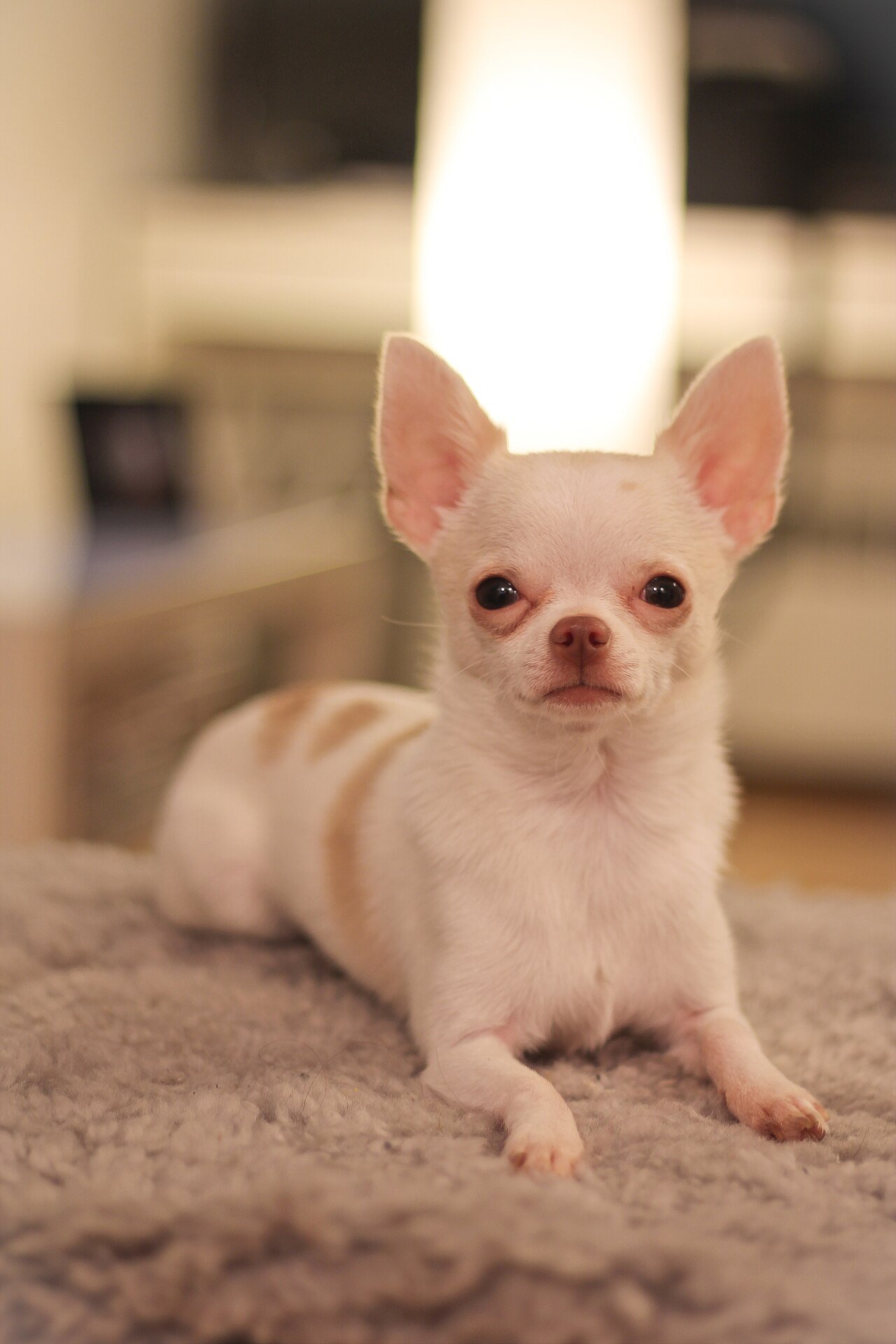
The Chihuahua is the smallest recognised dog breed, from Mexico. Most are alert, loyal and bold, often bonding closely with one person. Life goes well with gentle handling, walks on their own feet, warmth and patient house training.
Job: Mexican companion dog — tiny, bold and loyal.
Energy: Moderate; short walks and games.
Home: Best with calm adults, warm coats and gentle handling.
History does not decide what one puppy becomes, but it explains a lot: most Chihuahuas are alert, loyal and bold for their size — tiny companions that need gentle handling and real training, not just carrying.
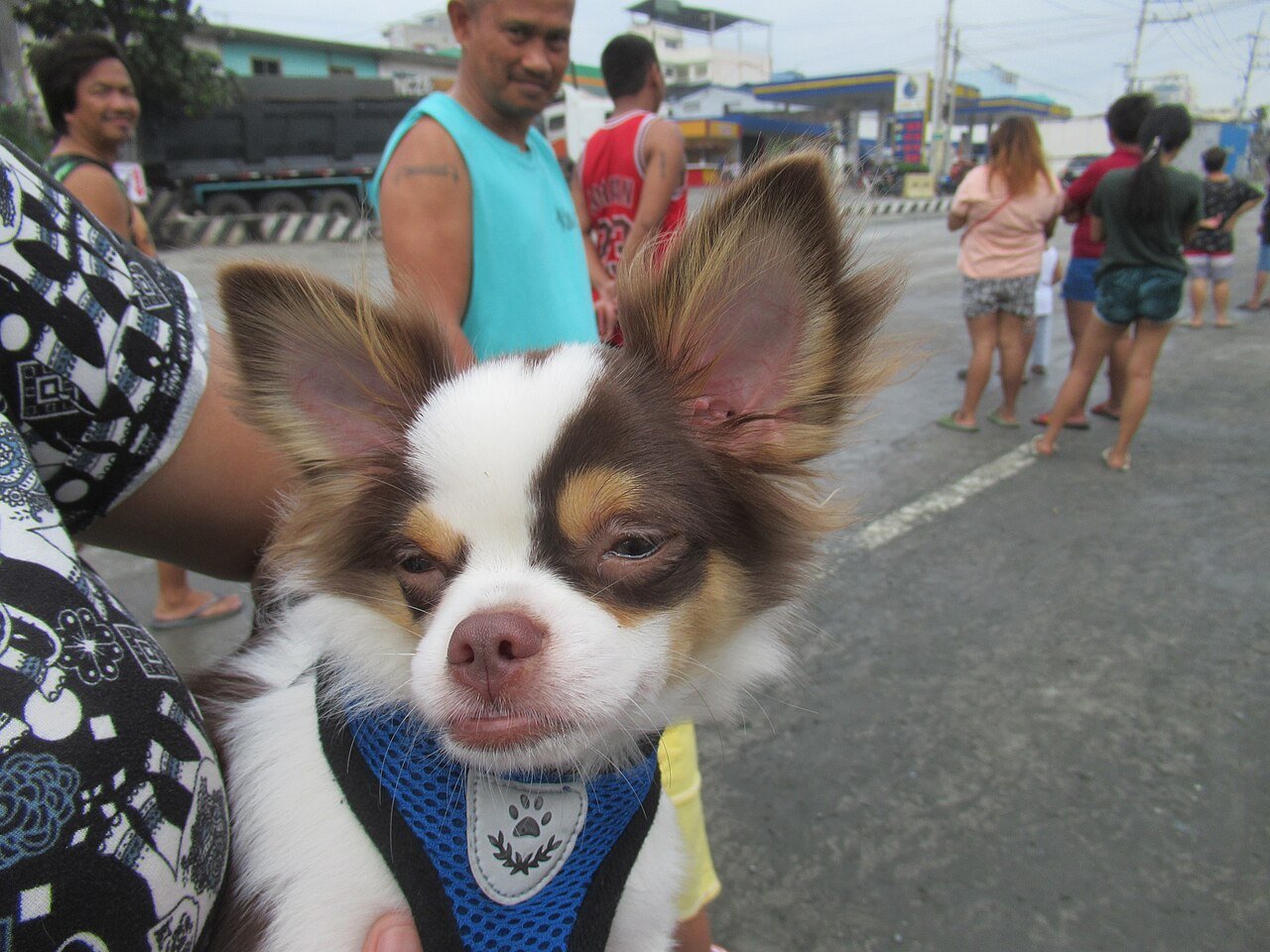
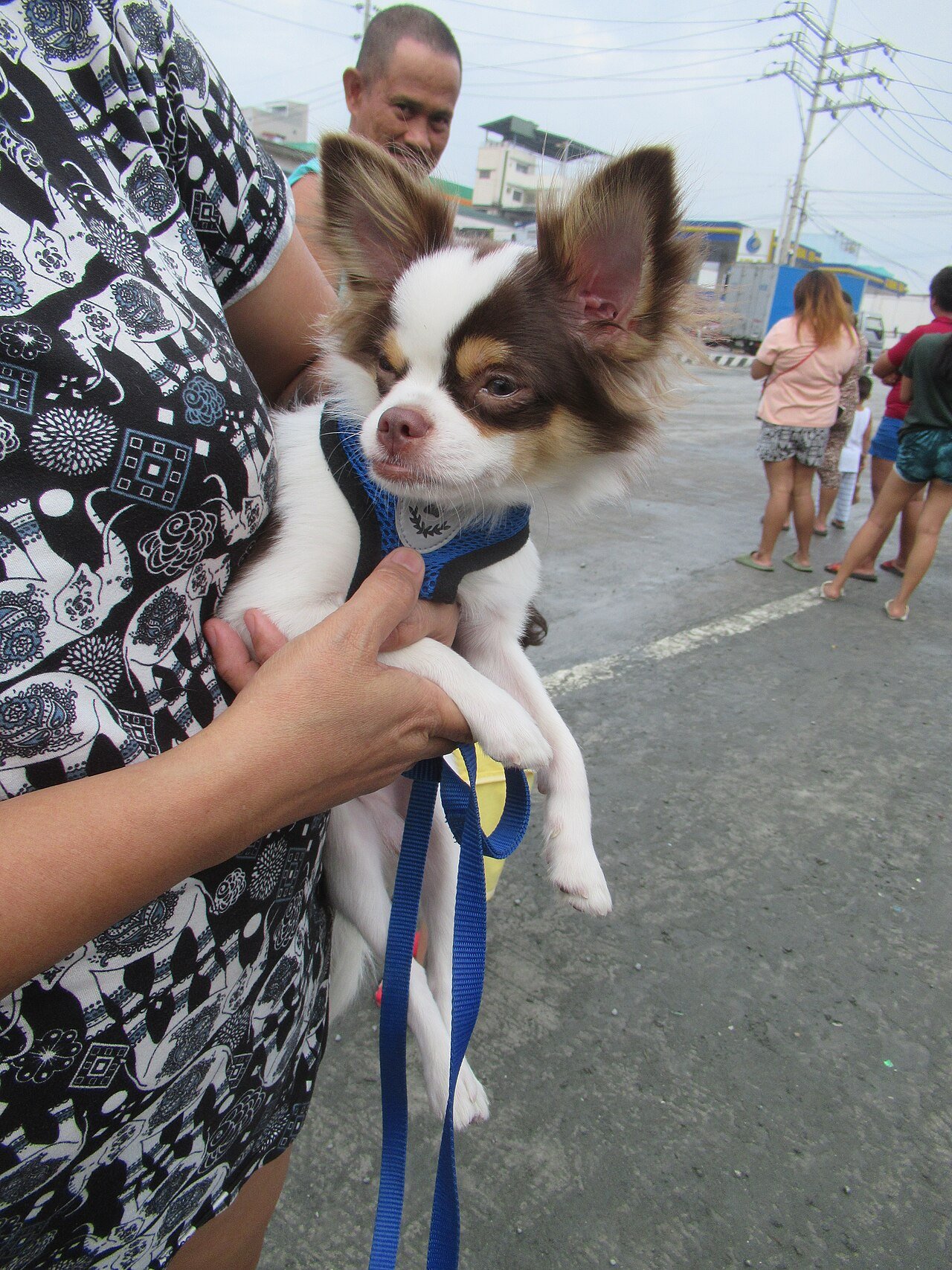
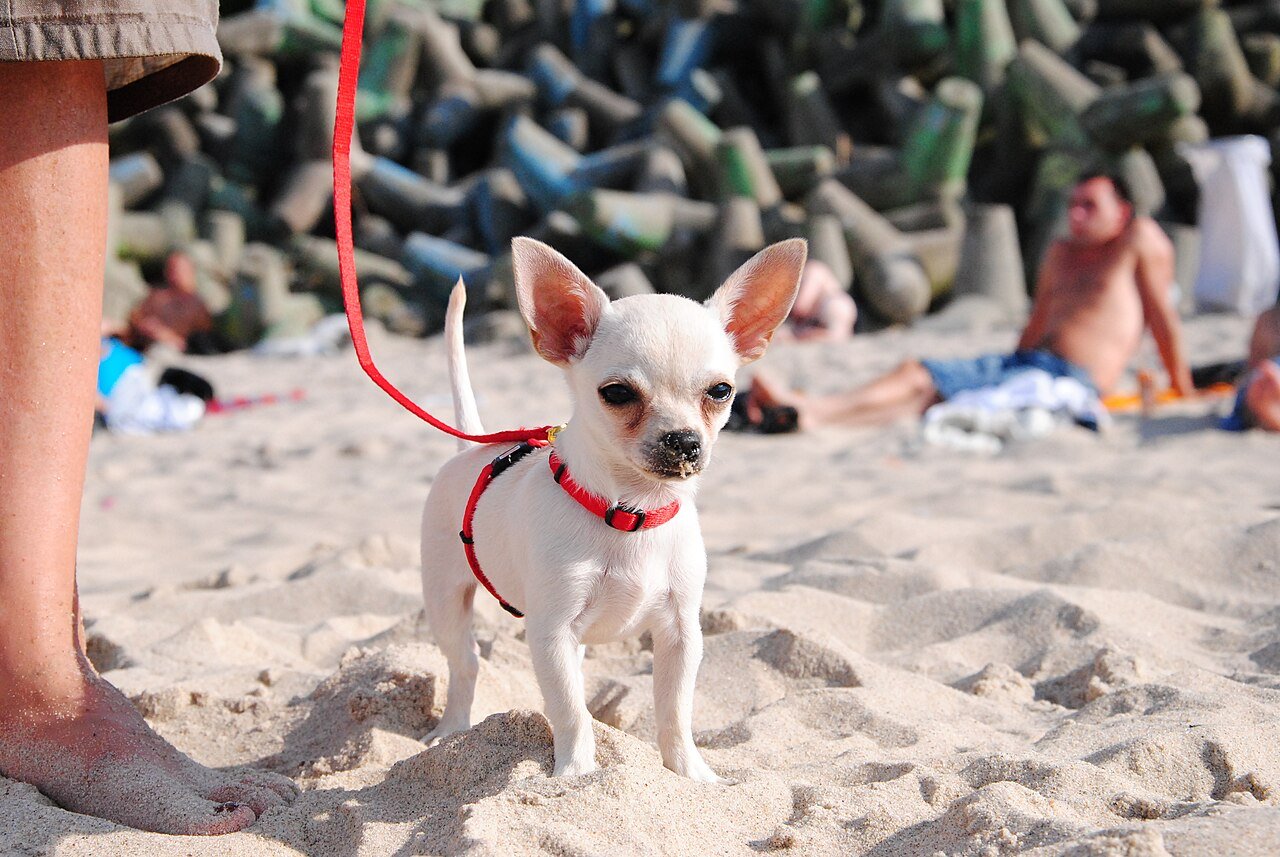
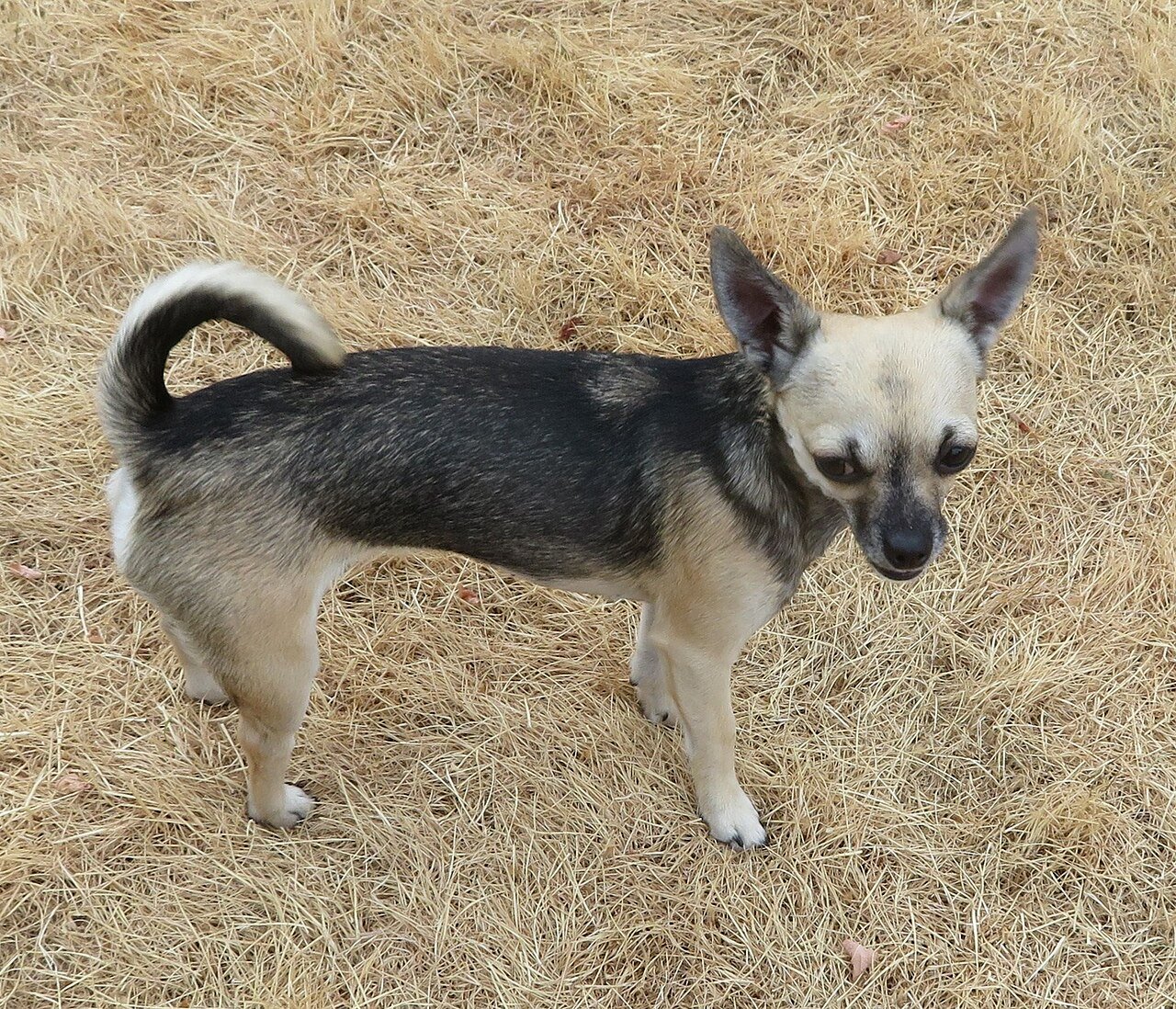
A Chihuahua out with its owner (modern photograph). Small dogs enjoy outings when they feel safe on the ground and in arms.
Mexico → named after a state
Named after the Mexican state of Chihuahua
Public breed histories link the Chihuahua to small companion dogs of ancient Mexico, often tied to a dog called the Techichi. Exact ancestry is debated.
The modern breed takes its name from the state of Chihuahua, where American visitors found tiny dogs in the 19th century and brought them north.
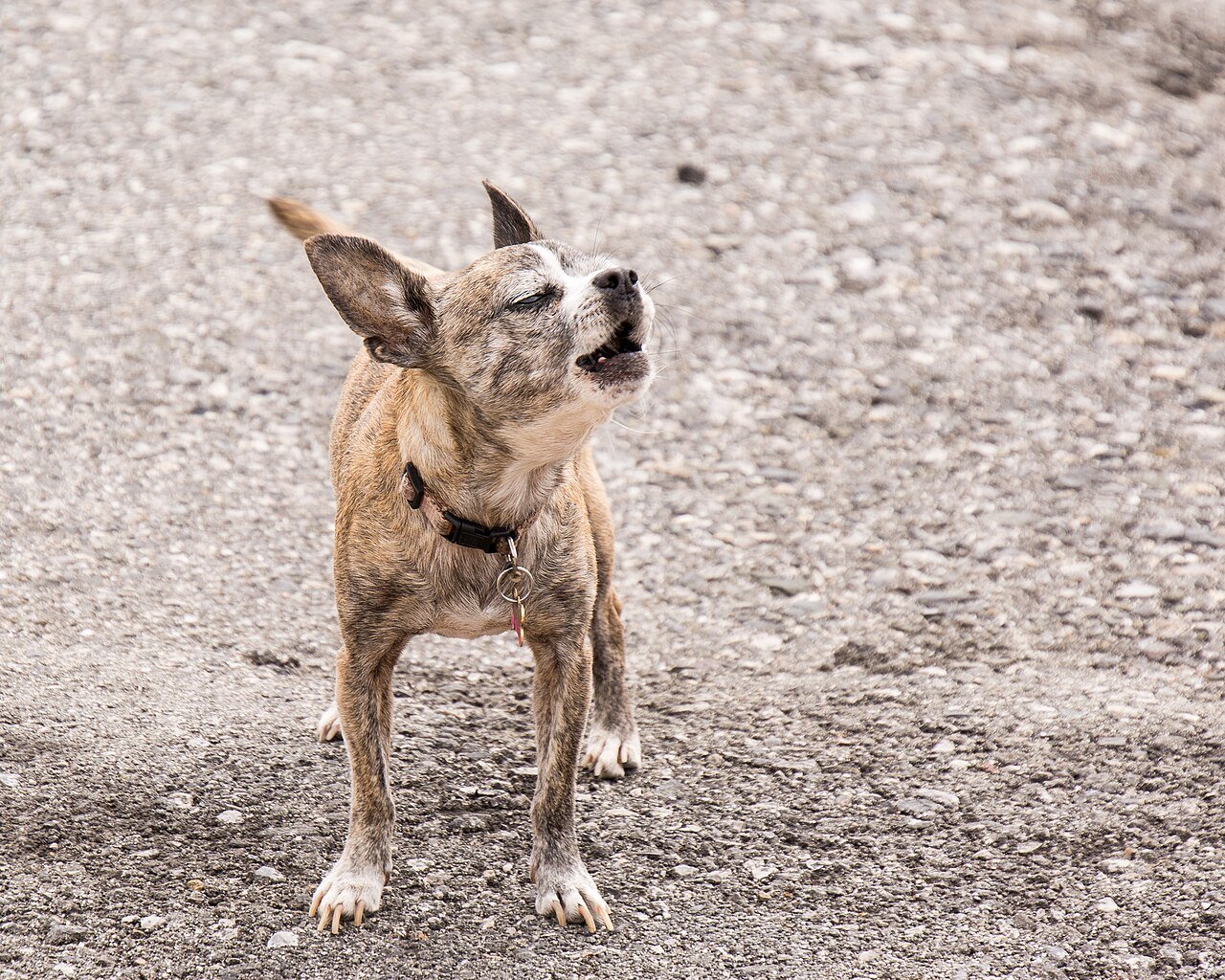
A Chihuahua barking at a stranger with a camera (modern photograph). Alert barking comes naturally to many Chihuahuas.
Border trade → AKC → pop culture
From border towns to handbags
The AKC registered its first Chihuahua in 1904. Films and celebrities later made the breed a fashion accessory.
Carried everywhere, many Chihuahuas never learn to cope on the ground. Treat a Chihuahua as a real dog and it usually becomes more confident.
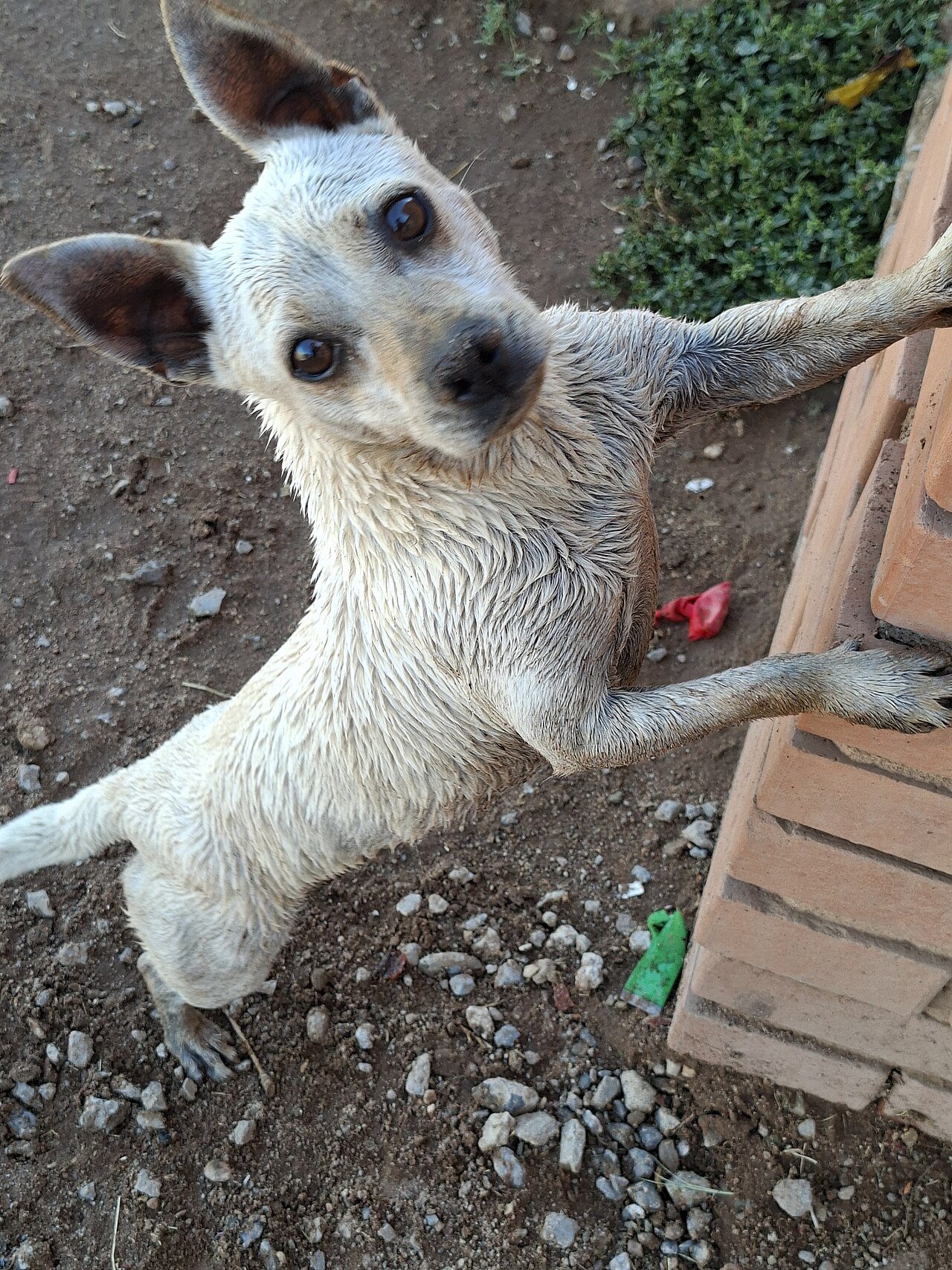
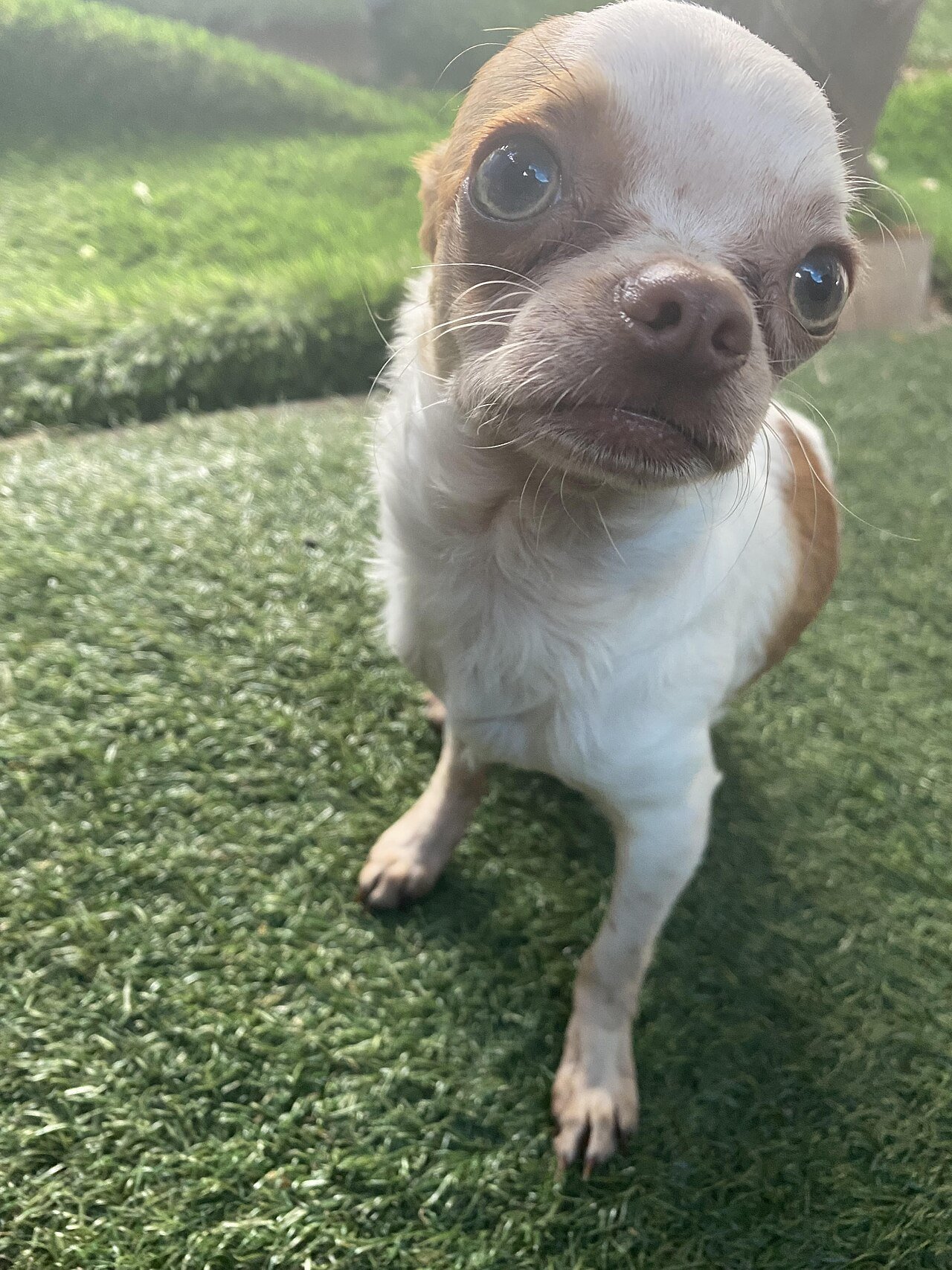
A wet white Chihuahua cross (modern photograph). Tiny dogs lose heat fast — dry them well after baths and rain.
What the breed was bred for
Bold, loyal and quick to alert
In plain trainer language: Chihuahuas are devoted to their people, quick to bark and often wary of strangers. Many prefer one person.
The challenges are barking, fear of handling, house training and fragility. Gentle socialization and four paws on the ground make a big difference.
What to watch monthly: teeth, warmth, weight and safety
General awareness only — I am a trainer, not a veterinarian. Notice changes in eating, teeth or energy. For urgent signs, see
when to call the vet.
Teeth
Tiny mouths need daily tooth care and regular dental checks.
Warmth
Small bodies lose heat fast. Use a coat in cold, wet weather.
Safety
Prevent falls from sofas and arms; use ramps or steps.
Weight
A few extra treats matter on a tiny dog. See treat calories.
Health screening (not a diagnosis)
Ask the breeder which screenings the national breed club recommends and see results for both parents.
Toxins
I do not publish toxin amounts. Call a vet or poison-control line if the dog eats something dangerous.
Lines and types
Smooth coat or long coat
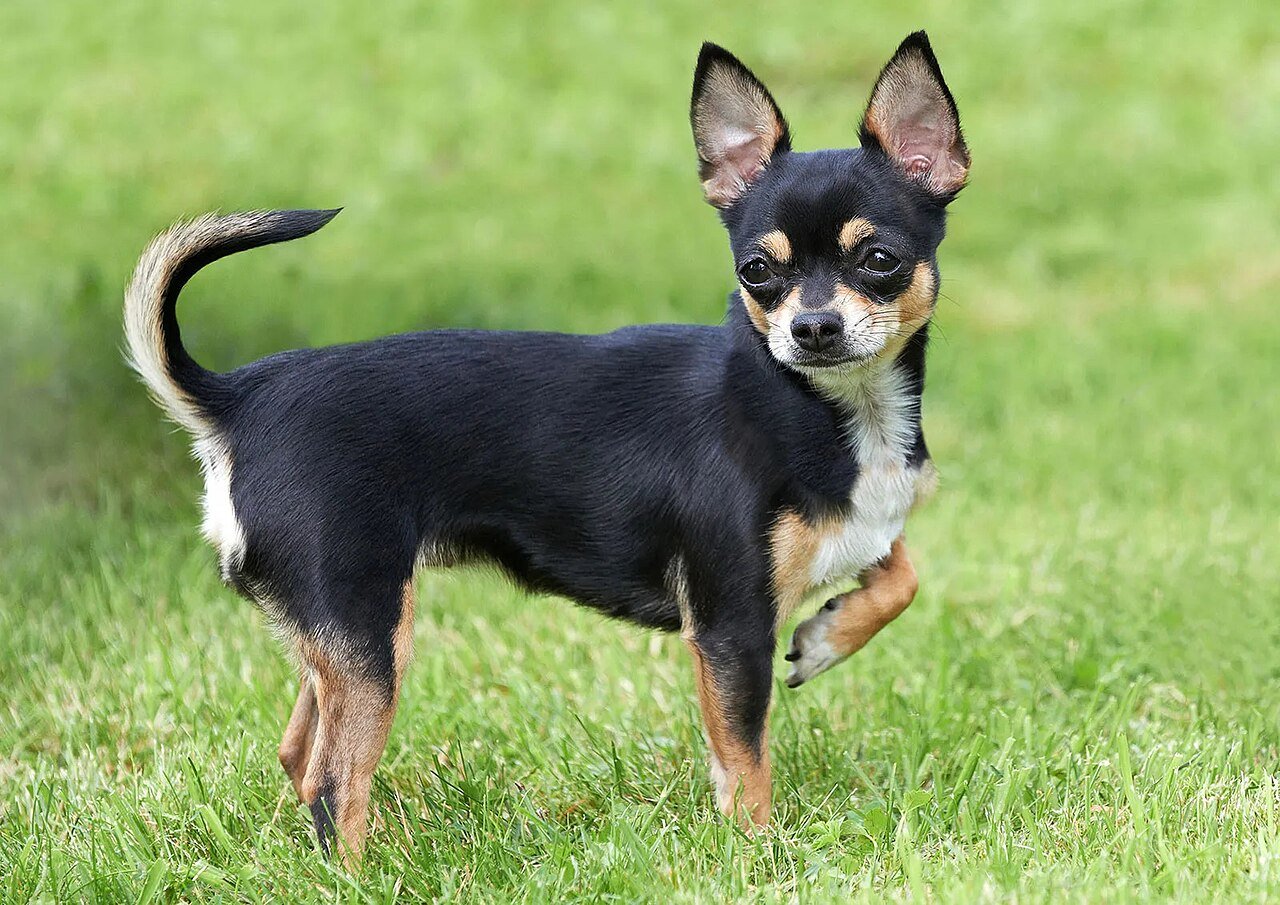
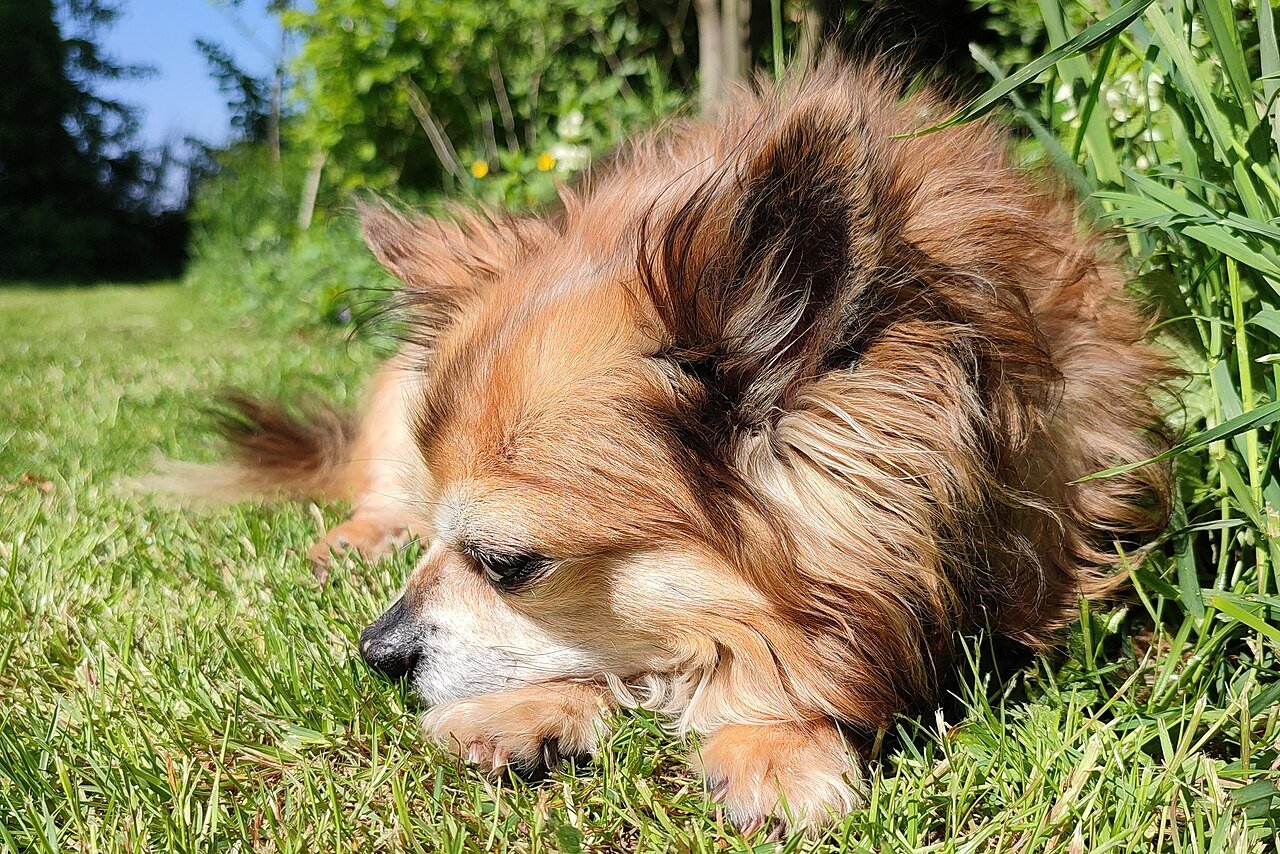
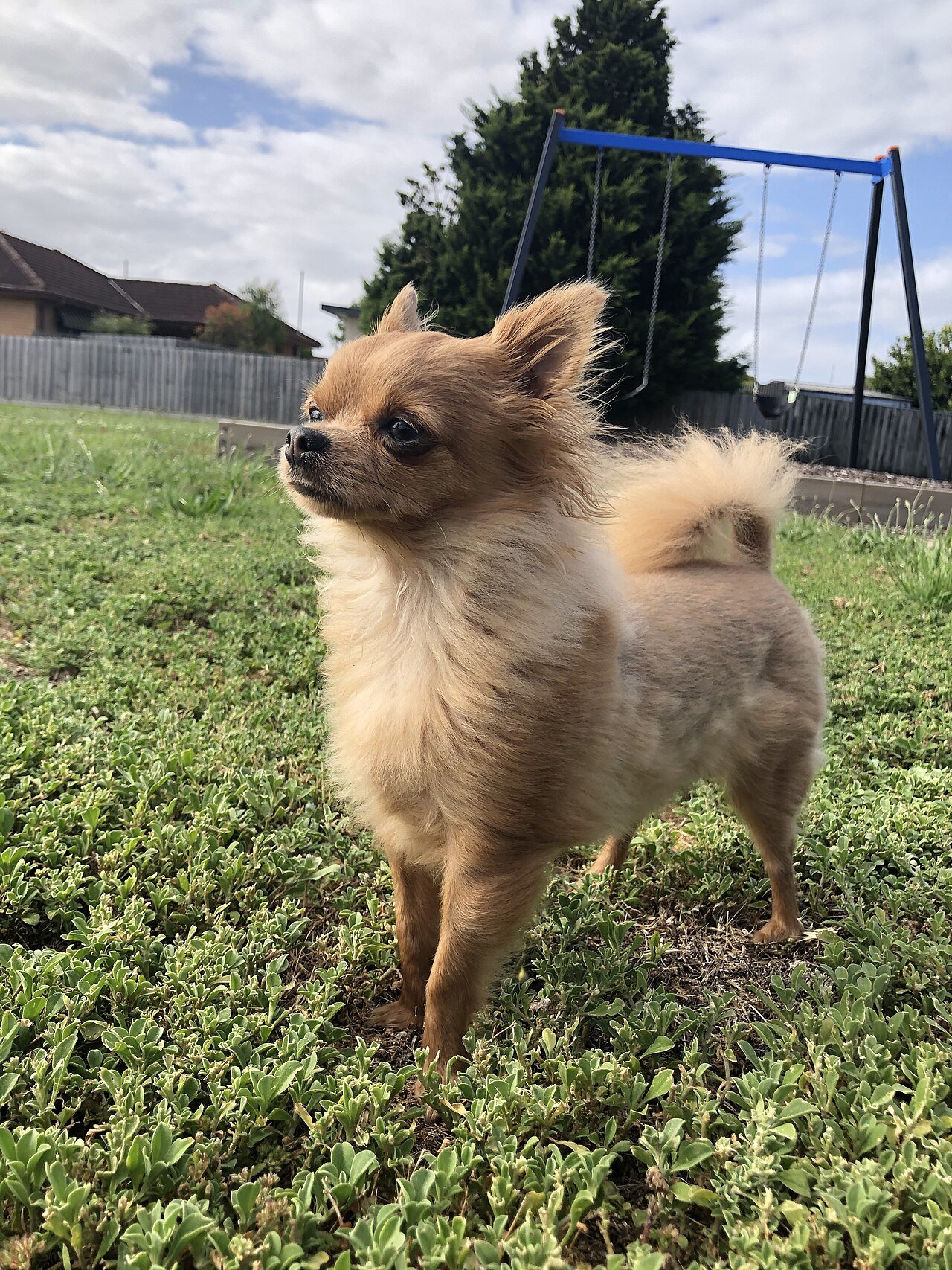
Chihuahuas come in two coat types. Coat changes grooming and warmth, not temperament.
Smooth coat
Short, glossy coat.
Minimal grooming.
Feels the cold more.
Needs a coat in winter.
Suits owners who want easy grooming.
Long coat
Soft, longer coat with feathering.
Brushing once or twice a week.
A little warmer.
Ears and tail feathered.
Suits owners who enjoy light grooming.
Socialization windows
What to introduce — and what not to overload — by age
AVSAB-aligned in spirit: short, clean exposures at a distance the puppy can still eat,
with hygiene while vaccines finish. See the
puppy socialization schedule.
2–4 months
Gentle handling
Introduce: lift cue, handling, toilet routine, calm people at a distance.
Do not overload: being passed around.
~6 months
Confidence on the ground
Introduce: harness walks, recall, short absences.
Do not overload: carrying everywhere.
~12 months
Door manners
Introduce: calm door routine, visitors.
Do not overload: rewarding barking.
~18 months
Adult routines
Introduce: steady walks and outings.
Do not overload: punishing growls.
~24 months
Maintain routines
Introduce: refreshed handling and visitor practice.
Do not overload: weight gain.
Before you buy
Who a Chihuahua usually fits
A Chihuahua fits calm adults who want a tiny, devoted dog and will train it like a real dog.
Good match
More likely a good fit if you…
Want a very small, portable dog
Have a quiet home
Will handle the dog gently
Can protect it from cold and falls
Enjoy short walks and games
Mismatch risk
A Chihuahua may be a poor choice if…
Small children may grab or drop the dog
Barking would be a big problem
You want a hiking dog
Busy homes with large dogs
You plan to carry it everywhere
If you are torn between breeds
Chihuahua vs Pomeranian and Miniature Pinscher
Chihuahuas are compared with the Pomeranian and Miniature Pinscher — other tiny, alert dogs.
Size
Chihuahua
The smallest breed.
Pomeranian
Similar weight, much fluffier.
Coat
Chihuahua
Smooth or long.
Pomeranian
Thick double coat.
Energy
Chihuahua
Moderate, bursts of play.
Miniature Pinscher
Higher and busier.
With strangers
Chihuahua
Often wary.
Miniature Pinscher
Alert and bold.
Barking
Chihuahua
Quick to alert.
Both compares
All three need calm door routines.
Ownership without surprises
Where a Chihuahua owner’s budget goes
Costs depend on your area and breeder. Plan for these — not quotes.
Dental care
Brushing kit and dental checks.
Clothing
Coat or jumper for cold weather.
Gear
Harness, steps or ramps.
Veterinary care
Ask which screenings the national breed club recommends.
Training
Puppy class for small dogs.
Food
Tiny portions; treats count.
With a Chihuahua, dental care and safety gear are easy to forget.
Before day one at home
What to prepare for a Chihuahua puppy
A Chihuahua puppy is tiny and fragile. Start gentle handling and toilet routines from day one.
“With a Chihuahua, I look at how the dog is handled and lifted before anything else. We teach a lift cue, walks on its own feet and calm door routines — because a tiny dog that feels grabbed learns to defend itself.”
Sessions cover real scenes: barking at the door, snapping when lifted, toilet accidents, wariness of visitors, and big dogs on walks. I am a trainer, not a veterinarian. No invented reviews.
Andrew DarovProfessional dog trainer and instructor
Describe age, living setup, and where the dog breaks first — barking, snapping when lifted, toilet accidents, or wariness of visitors. Opens WhatsApp to Andrew.
A small, proud German ratter that needs exercise, door manners and loose-leash training.
Need a read on your exact situation?
Describe your Chihuahua’s age and the scene that repeats most: barking, snapping when lifted, toilet accidents, or wariness of visitors. We check safety first, then pick the first skill.
Written by Andrew Darov, professional dog trainer. Not veterinary advice and not a diagnosis.
Not a kennel club. No invented reviews. No vaccine schedules or toxin doses. Photo credits in
/images/breeds/chihuahua-guide/credits.md.