Russian Toy: temperament, barking, fragile legs and training a tiny dog
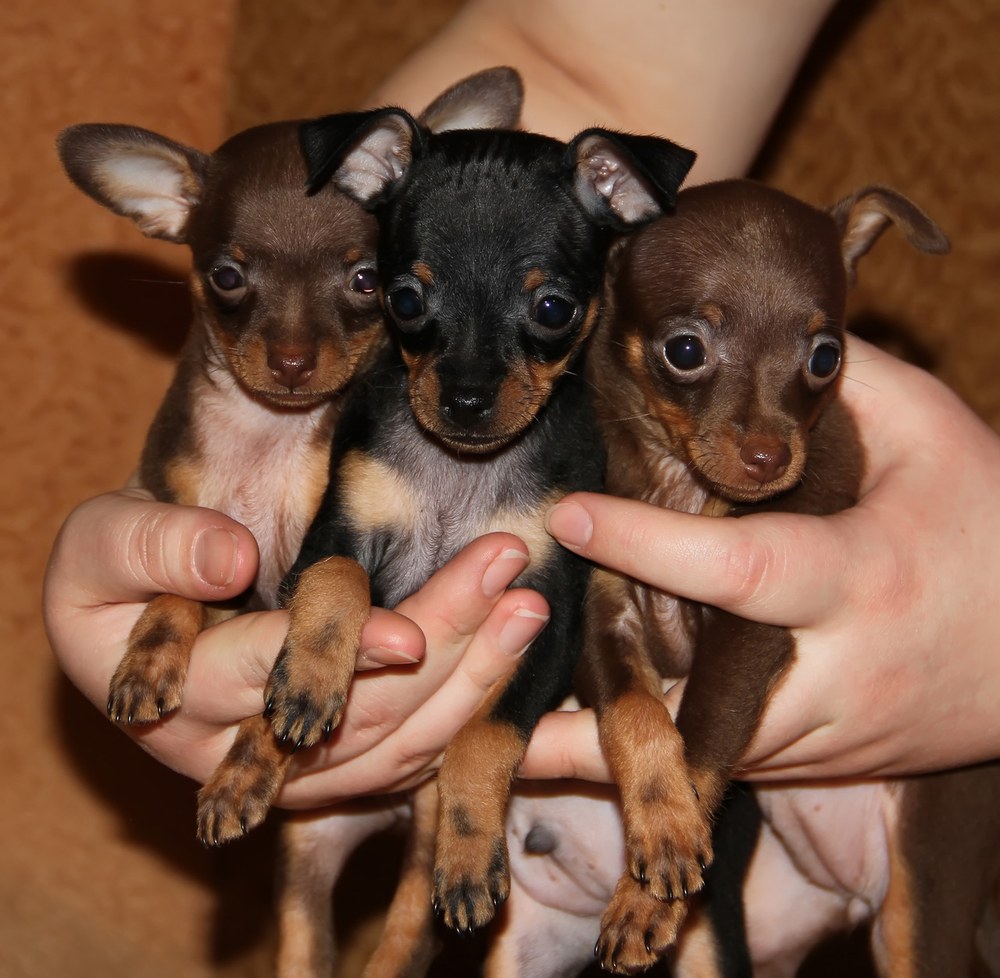
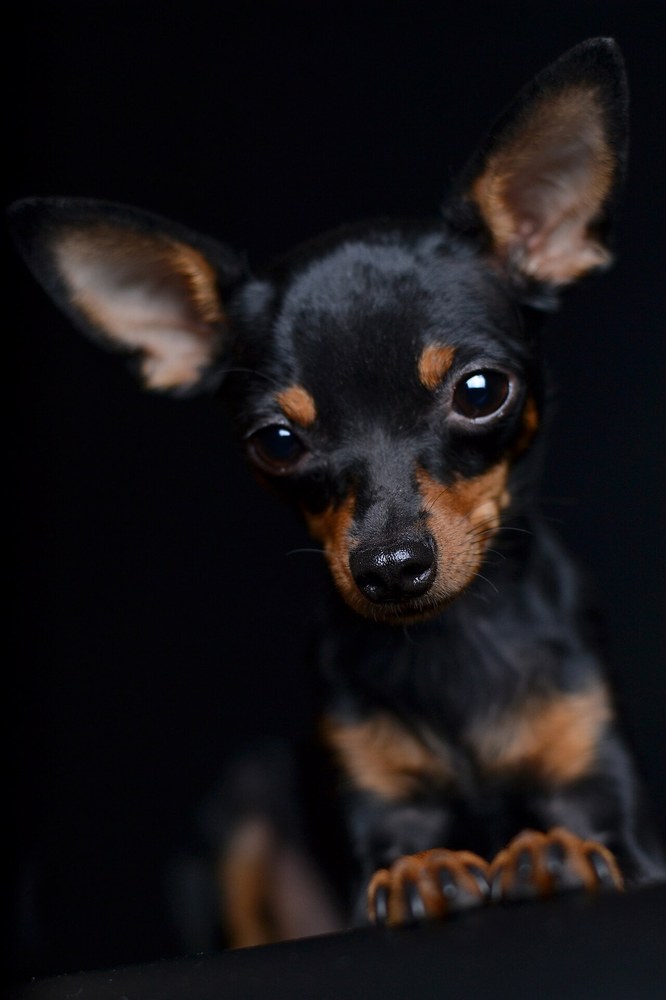
The Russian Toy is one of the smallest dogs in the world: a fine-boned, long-legged little companion of about 2–3 kg with big ears, in a smooth coat or a long coat with fringed ears. It grew out of English toy terriers kept by the Russian upper classes and was rebuilt by Moscow breeders after the Second World War. Expect a lively, loving and very alert dog that notices every sound, sticks to its favourite person and may get bossy if it is carried everywhere. Treat it as a real dog with real manners, and protect those thin legs from falls and jumps.
Job: A tiny, elegant toy companion; FCI Group 9 (Companion and Toy Dogs), AKC Foundation Stock Service.
Energy: Lively, affectionate and alert, quick to bark at noises.
Home: Suits a calm adult home that will train it like a real dog and keep it safe from falls.
A real dog in a body that weighs less than a bag of sugar
Many owners pick a Russian Toy because it looks like a deer in miniature and fits in a handbag. Then the dog starts to run the house: it barks at the lift, growls when lifted off the sofa and will not walk on a lead.
The calls I get about this breed are about size, not temper. A dog that is carried everywhere and never learns to cope on its own feet, a fragile leg broken in a jump from the bed, constant barking at the door and a puppy that is hard to toilet-train in winter.
My plan gives the Russian Toy normal dog manners on a small scale. Walks on its own legs, short reward-based training, a ramp or steps for the sofa, a calm way of being picked up, a door routine and early time alone. With that, it is a bright, sweet and fun companion.
FCI: about 20–28 cm (about 8–11 in) at the shoulder
Weight
Up to about 3 kg (about 6.5 lb)
Energy
Lively in short bursts
Coat / shed
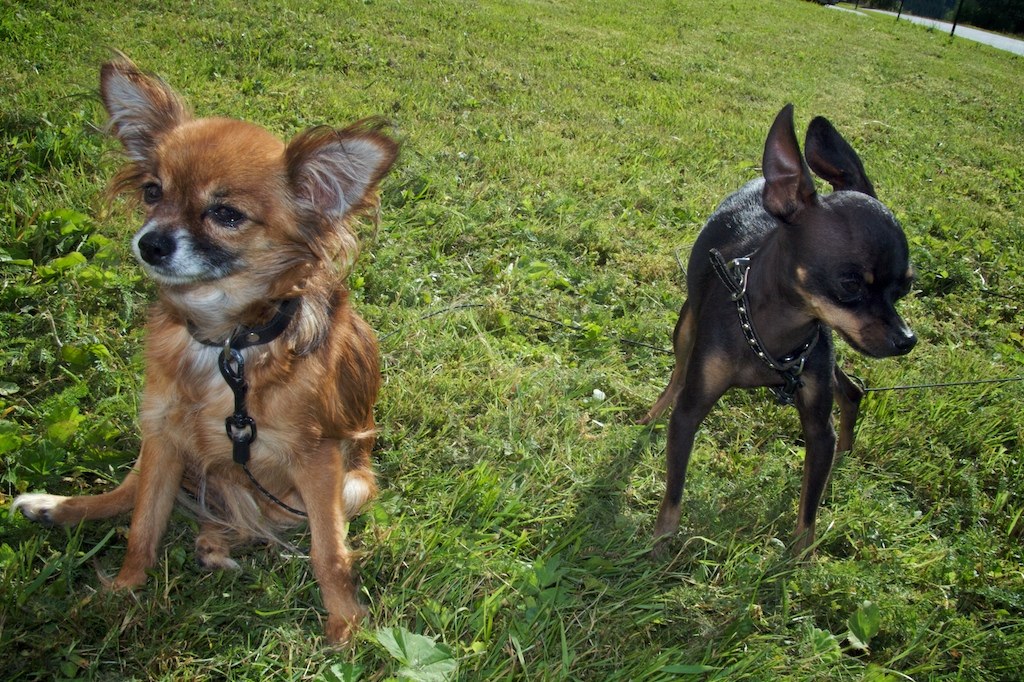
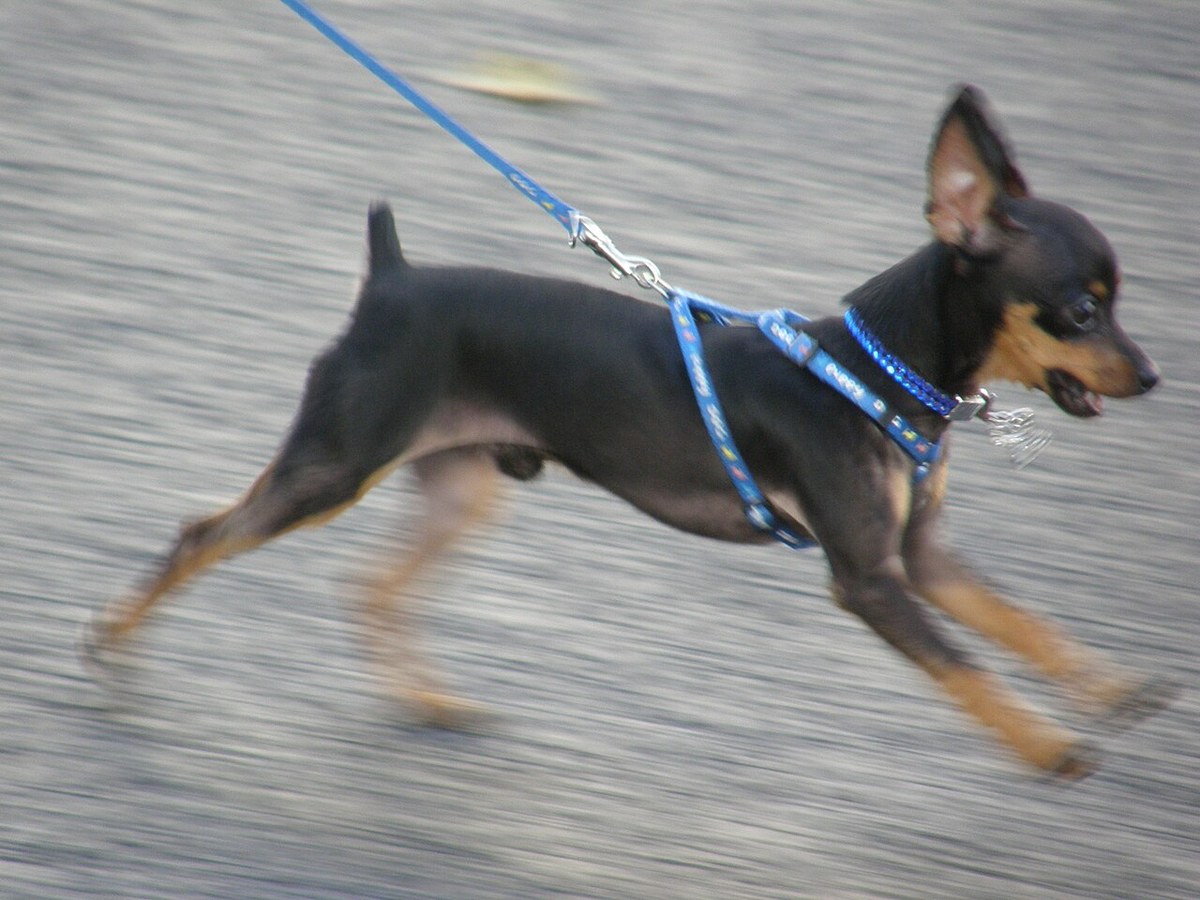
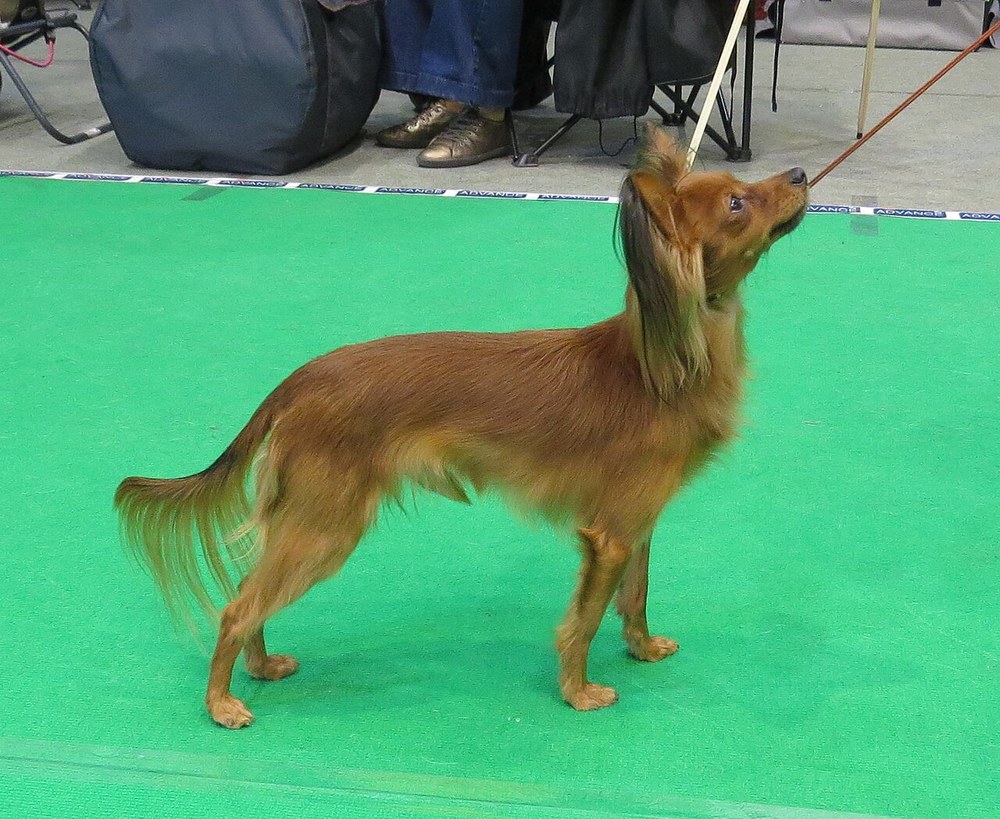
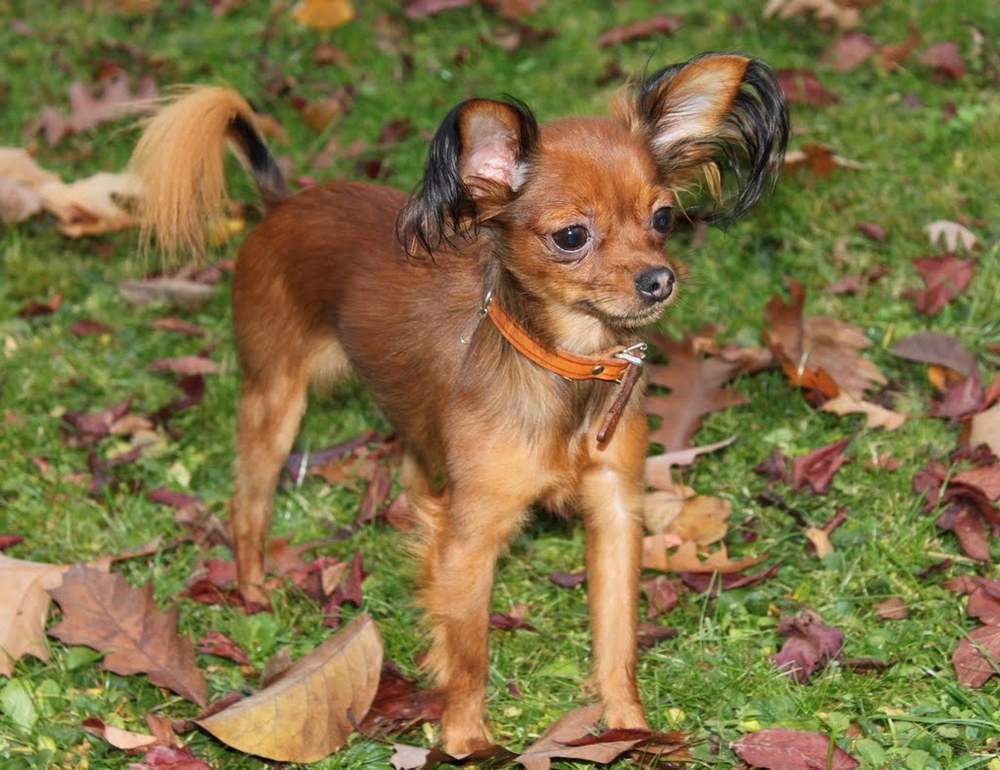
Two coat types: smooth, short and close; or long, with fringes on the ears and feathering on the legs and tail. Black and tan, brown and tan, blue and tan, red or red sable
Job
City companion dog developed in Russia from English toy terriers; the long-coated variety was first bred in Moscow in the late 1950s
Temperament in one minute
Russian Toy temperament: what they are like at home
Short answer: Russian Toys are tiny, fine-boned companions of about 2–3 kg with big ears, in a smooth or long coat. They are lively, loving and alert, quick to bark at noises, often close to one person and sometimes wary of strangers. They need about 30 to 60 minutes of walks and play a day on their own feet, short reward-based training, a calm way of being picked up and protection from falls and jumps.
Are Russian Toys affectionate?
Very, and often bonded to one person. Build short absences early.
Are Russian Toys easy to train?
Quick learners with tiny treats and short sessions. Begin with a name check-in and a hand target.
Are Russian Toys friendly with strangers?
Often wary at first. Ask guests to sit and let the dog come; see scared of visitors.
Are Russian Toys good with kids and other dogs?
Best with calm, older children. Keep meetings with big dogs gentle; see children and guests.
Russian Toy behavior problems to expect
The usual four are barking at noises, snapping when picked up, toilet accidents and fretting when alone. The list below links a guide for each.
Living with a Russian Toy in an apartment
A very good fit, with daily walks and early work on hallway barking.
Breed history
From English toy terriers to a Moscow breed of its own
The history explains the long legs, the big ears and the strong attachment to people.
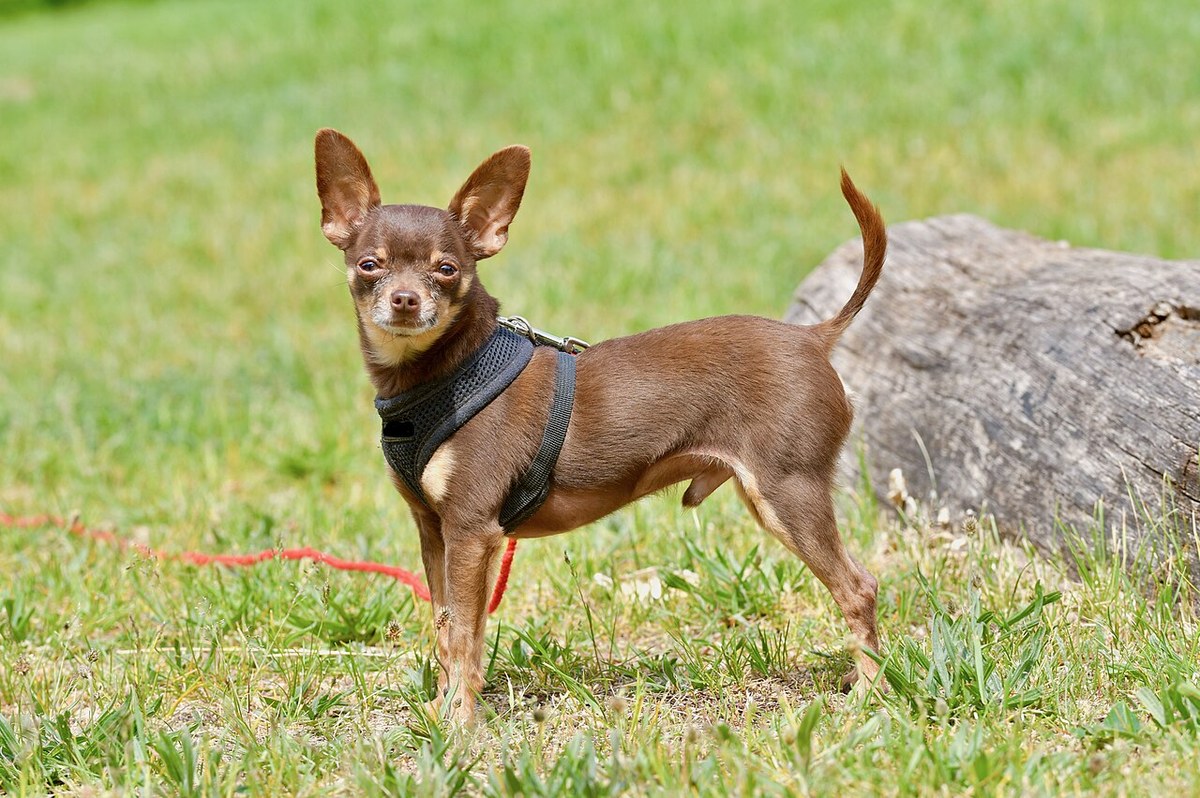
A Russian Toy walking on its own legs: daily walks matter for this breed as much as for a big dog.
St Petersburg and Moscow · before 1917
A fashionable toy terrier
In the late 19th and early 20th century, small English toy terriers were popular companions of rich families in St Petersburg and Moscow, and they appeared at the first Russian dog shows.
After 1917 and through the following decades their numbers fell sharply. By the 1950s very few purebred dogs were left, and breeders in Moscow started again with the small dogs they could find.
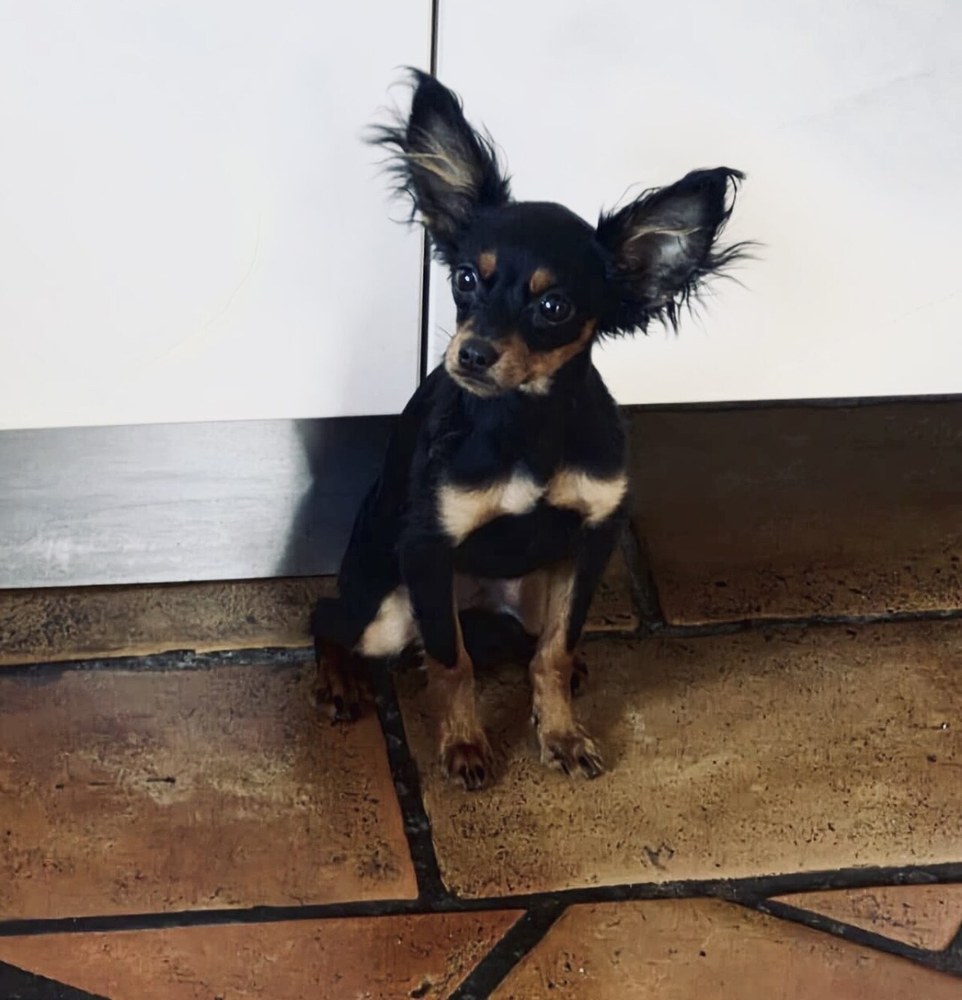
A long-coated Russian Toy at a show in Narva, Estonia; the long coat first appeared in a Moscow litter in 1958.
From the 1950s
Smooth coat, long coat and a new standard
Moscow breeders rebuilt the smooth-coated toy terrier in the 1950s. In 1958 a litter produced a male with long fringes on its ears, and breeders kept the trait, creating the long-coated Moscow toy terrier.
Both coats were later joined into one breed. The FCI recognised it provisionally in 2006 and fully in 2017 under the name Russian Toy, and the AKC records it in its Foundation Stock Service.
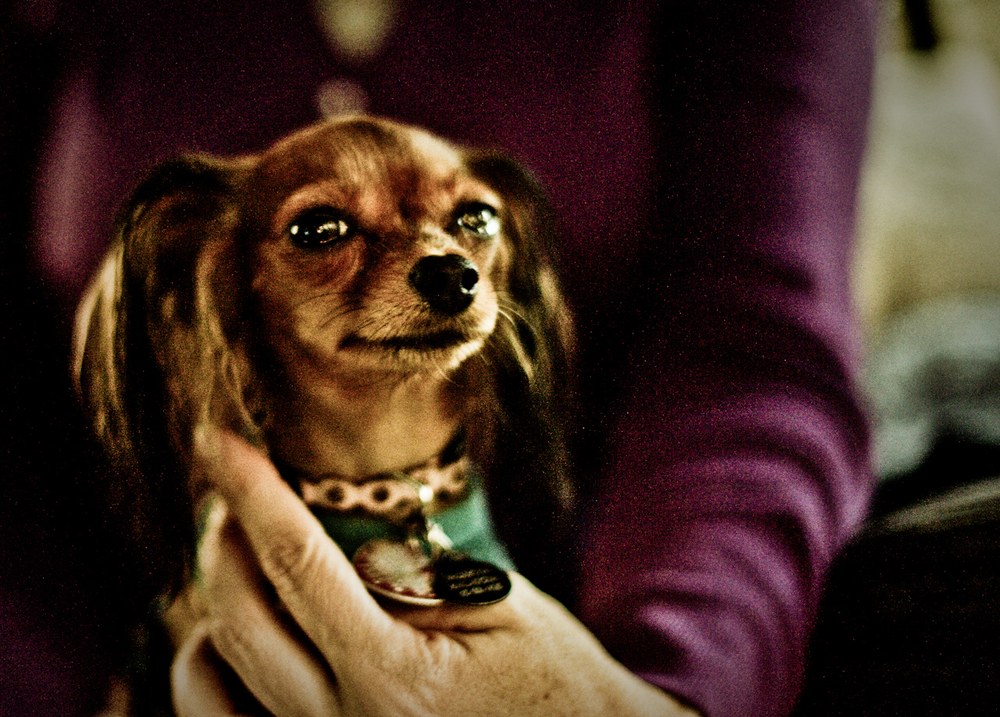
A long-coated Russian Toy: the ear fringes take a few years to grow in full.
What the breed was bred for
Bright, loving and on alert
A well-raised Russian Toy is cheerful, playful and very affectionate, often bonded to one person. It learns quickly when the reward is good and the lesson is short.
It is also alert and noisy at sounds, can be wary of strangers, and some get snappy when picked up without warning. Fear of the world grows when a tiny dog is never allowed to explore it.
A good day has a real walk, a tiny training game and a safe sofa
A Russian Toy needs less walking than most dogs, about 30 to 60 minutes a day split into short outings, but it needs them on its own feet. Trouble starts when the dog lives in arms and bags and only sees the world from above.
Morning · the first months
A puppy that fits in your palm
Tiny puppies get cold, tired and hungry fast. Keep play short, let the puppy walk on the floor rather than carrying it from room to room, and make every new thing small and friendly.
Use treats no bigger than a lentil. A hand target, a sit and a come to me in the living room are enough for a two-minute session that this dog will enjoy.
Walk in a light harness, not a collar, on quiet paths first. Let the dog sniff and meet calm people, and pick it up only when a real danger, such as a loose big dog, comes close.
Teach a small bed near the door, reward the dog for going there when the bell rings, and ask guests to sit down before they say hello. A tiny dog that is not grabbed at feels safe enough to stay calm.
General awareness only. I am not a veterinarian. With a Russian Toy, owners often first notice a puppy that does not eat for a while, a dog that hops on a back leg, baby teeth that stay after the adult ones grow, shivering in cold weather or a dog that screams when lifted. For red flags, leave this page and open
when to call the vet.
Falls and jumps
Fine legs break more easily than in bigger dogs. Use ramps or steps, and teach children to sit on the floor to hold the dog.
Picking up safely
One hand under the chest, one under the back end, with a word first. See puppy handling.
Teeth
Small mouths crowd teeth; brush them and ask your vet to check the mouth at each visit.
Cold weather
Short coats and tiny bodies lose heat fast; keep winter walks short or use a coat.
Meals for a tiny puppy
Small puppies need regular meals; ask your vet how often to feed yours.
Ask the breeder
Ask which knee, eye and other checks the national breed club recommends for both parents, and look at the results yourself. Do not take health claims from a blog.
Lines and types
Choose a confident puppy from a careful breeder, in the coat you want
No bloodline selling. Be careful with sellers who offer extra-tiny teacup dogs; very small size is not a goal. Meet the mother, see how she reacts to a stranger and to being picked up, ask about health checks on both parents and ask whether the puppies are already walking on different floors.
Smooth coat
Short, close coat.
Little grooming.
Feels the cold more.
Large upright ears.
Suits owners who want almost no grooming and will use a coat in winter.
Long coat
Fringed ears and feathering.
Weekly brushing.
Fringes grow over two to three years.
A softer, fluffier look.
Suits owners who enjoy a little gentle grooming each week.
Socialization windows
What to introduce — and what not to overload — by age
AVSAB-aligned in spirit: short, clean exposures at a distance the puppy can still eat,
with hygiene while vaccines finish. See the
puppy socialization schedule.
2–4 months
Small steps outside
Introduce: walking on many floors, calm people, the harness, being picked up the same way every time, short times alone, a toilet routine.
Do not overload: carrying the puppy everywhere so it never learns to walk past things.
~6 months
Busy youngster
Introduce: name check-in, come in the house, a bed near the door, a quiet cue, lead walking, polite meetings with calm dogs.
Do not overload: letting it jump off the sofa and bed.
~8–18 months
Teenage phase
Introduce: more door practice, longer times alone, new places, trick classes.
Do not overload: letting barking at every noise become a habit.
~2 years
Settled adult
Introduce: longer walks, travel and holidays, a steady routine.
Do not overload: dropping training because the dog is small.
~3 years+
Maintenance
Introduce: daily walks and games, teeth care, weight checks, yearly vet visits.
Do not overload: skipping teeth brushing.
Before you buy
Who a Russian Toy usually fits
Fit comes down to whether your home is safe for a very small dog, and whether you will train it like a real one.
Good match
More likely a good fit if you…
You want a tiny, lively dog that loves to be close
Your home is calm, with no small children grabbing at dogs
You will walk it every day on its own feet
You enjoy short training games
You can protect it from falls and big loose dogs
Mismatch risk
A Russian Toy may be a poor choice if…
You have toddlers who want to carry the dog
You want a hardy outdoor hiking dog
You hate barking and live with thin walls
You are away from home all day
You plan to carry it everywhere instead of walking it
If you are torn between breeds
Russian Toy vs Chihuahua and Miniature Pinscher
All three are tiny, alert dogs that bark at noises. The Chihuahua is a Mexican toy with an apple-shaped head and a famous attitude. The Miniature Pinscher is a sturdier, more muscular German dog with a very bold manner. The Russian Toy is the most fine-boned and long-legged of the three, with huge ears and a choice of smooth or long coat.
Build
Russian Toy
Very fine bones, long legs.
Miniature Pinscher
Sturdier and more muscular.
Head
Russian Toy
Small, with big upright ears.
Chihuahua
Rounded, apple-shaped head.
Coat
Russian Toy
Smooth or long with ear fringes.
Chihuahua
Smooth or long coat too.
Size
Russian Toy
About 20–28 cm, up to 3 kg.
Both compares
Similar toy size range.
Ownership without surprises
Where a Russian Toy owner’s budget goes
Prices differ a lot between countries and cities, so treat these as budget headings rather than numbers.
Veterinary
A yearly check-up, dental checks, whatever vaccines your own vet recommends and any parent checks the club asks for.
Safety gear
A light harness, a winter coat, steps or a ramp for the sofa and a secure carrier for travel.
Training
A small-dog puppy class, then a trick or manners class.
Grooming
Very little for the smooth coat; a soft brush and comb for the long coat.
Finding a puppy
Choose a breeder who health-checks the parents, not a seller of teacup dogs.
A ramp for the sofa and a calm way to pick the dog up cost almost nothing and prevent many injuries and bites.
Before day one at home
What to prepare for a Russian Toy puppy
A Russian Toy puppy is tiny, brave and full of energy, but it tires and gets cold very quickly. Plan short games, warm naps, a harness, a toilet routine, steps for the furniture and short times alone from the first days.
Training a Russian Toy means real manners, safe handling and a calm answer to noise
Most daily trouble with this breed shrinks once five things are solid: a calm way of being picked up, a name check-in, a bed near the door, lead walking in a harness and short times alone.
Russian Toys learn fast with tiny treats and short sessions. They are sensitive, so loud voices and rough handling make them scared or snappy. Kind, clear rules work best, and they apply to a 2 kg dog just as they do to a big one.
Be realistic about the voice. This is an alert little dog and will tell you when something happens. The goal is a few barks, a look at you and back to its bed.
Load balance
Tiny body, short sessions
Puppies and small adults tire quickly and lose heat fast. Keep walks short in cold weather, avoid jumps from height and see a vet about any limp or skipping leg before you do more.
Walk on its own feetTwo-minute lessonDoor bedCalm pick-upWarm rest
For this breed, being carried less and walking more often solves more problems than any trick.
A Russian Toy that walks and learns every day is usually braver and quieter.
Picking up and handling
How to pick up a Russian Toy without growls or snaps
Say a word first, wait for the dog to come to you, lift with two hands under the chest and back end, reward, and put it down gently on the floor, never from a height.
01
Say a word
A cue like "up" before every lift.
02
Wait for the dog
Let it come to your hands.
03
Two hands
One under the chest, one under the back end.
04
Reward
A tiny treat once it is in your arms.
05
Down gently
Put it on the floor, never drop it from a height.
One scene close-up
Why a Russian Toy growls when you lift it
For a dog this small, being grabbed from above is a big, sudden event. Many Russian Toys are lifted dozens of times a day without warning, and some start to growl or snap to stop it.
Manage first: steps for the sofa so the dog moves by itself, and a rule that nobody lifts it without a word. Then teach a cue, such as 'up', followed by a slow, two-handed lift and a treat, and practise it until the dog walks into your hands.
A dog that bites hard, screams when touched or panics when alone should be seen by a qualified behaviour professional, with a vet first ruling out pain.
“With a Russian Toy, I start with the floor: walking on its own feet, a calm way of being picked up and a bed near the door. Treat this tiny dog as a real one, and you get a brave, funny and very loving companion.”
We look at your real days: how the dog is carried, barking, visitors, walks and time alone. Medical questions belong with your vet; I deal with behaviour.
Andrew DarovProfessional dog trainer and instructor
Before we talk, note the dog's age and weight, how often it is carried, what it barks at, how handling goes and the first thing that goes wrong. Opens WhatsApp to Andrew.
For a calm family with older children, often yes. It is loving and playful. With toddlers it is risky, because the dog is fragile and may snap if grabbed.
Is a Russian Toy a good first dog?+
It can be, for an adult first-time owner who will train it kindly and keep it safe from falls. Barking and handling are the two areas to work on early.
Do Russian Toys bark a lot?+
Many are quick to bark at noises and visitors. A bed near the door, a quiet cue and less view of the street help.
How big does a Russian Toy get?+
FCI: about 20–28 cm (about 8–11 in) at the shoulder and up to about 3 kg (about 6.5 lb).
Smooth or long coat: which is easier?+
The smooth coat needs almost no grooming but feels the cold more. The long coat needs gentle brushing each week; the ear fringes grow over two to three years.
Are Russian Toys fragile?+
Their legs are very fine. Jumps from furniture and falls from arms are the main risk, so use steps or ramps and teach a safe way to hold the dog.
Russian Toy vs Chihuahua: what is the difference?+
Similar size. The Chihuahua has a rounded head and a stockier build; the Russian Toy is more fine-boned and long-legged, with very large ears.
Russian Toy vs Miniature Pinscher: what is the difference?+
The Miniature Pinscher is sturdier, more muscular and bolder. The Russian Toy is lighter and more delicate, and comes in a long coat as well.
How much exercise does a Russian Toy need?+
About 30–60 minutes a day in short walks and games, plus brain games at home.
Can a Russian Toy live in an apartment?+
Yes, very well, if barking at hallway noise is worked on early and the dog still gets daily walks.
What health themes should I ask about?+
Ask the breeder which knee, eye and other checks the national breed club recommends for both parents, and mention the breed to your vet. This is general awareness, not a diagnosis.
How long do Russian Toys live?+
Breed clubs usually quote about 12–14 years, though each dog is different.
If a Russian Toy seems too small or too fragile for your home
Many people fall for the big ears and the deer-like legs. The fragile build, the alert barking and the need for careful handling are what to think through before you commit.
A toy-sized Australian terrier with Yorkie looks and real terrier drive: alert, bold and affectionate. Needs a barking plan, a long line and a daily comb.
Dog barking for attention during calls, on the sofa or at dinner? Stop answering the bark, teach a quiet way to ask, and plan attention before it starts.
Puppy only sleeps on you? Move naps to a pen or crate in small steps. Contact naps are fine early; build a second option so rest works without your lap.
Move your puppy from pee pads or a balcony tray to toileting outside: put the pad outdoors, keep the same word and reward the new spot.
Need a read on your exact situation?
Tell me about your Russian Toy in a short message: its age and weight, how often it is carried, what it barks at, how handling goes and what goes wrong first. We rule out health issues first, then pick one skill to start with.