The Papillon is a small, bright toy spaniel known for its butterfly ears. Most are lively, clever and eager to learn. Life goes well with daily training games, walks, safe jumping habits and calm door routines.
Job: European toy spaniel — clever companion and agility star.
The butterfly dog: from Renaissance paintings to agility rings
History does not decide what one puppy becomes, but it explains a lot: most Papillons are bright, lively and eager to learn — tiny dogs with big brains that need training and play.
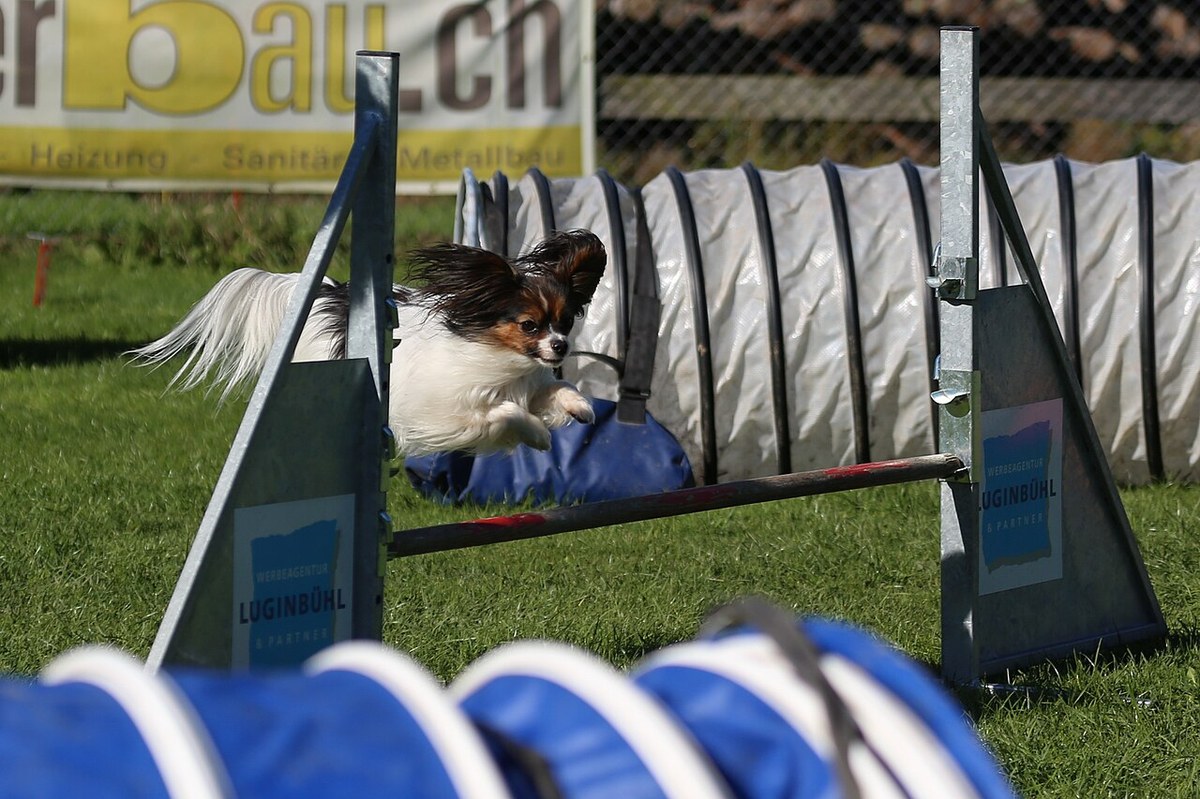
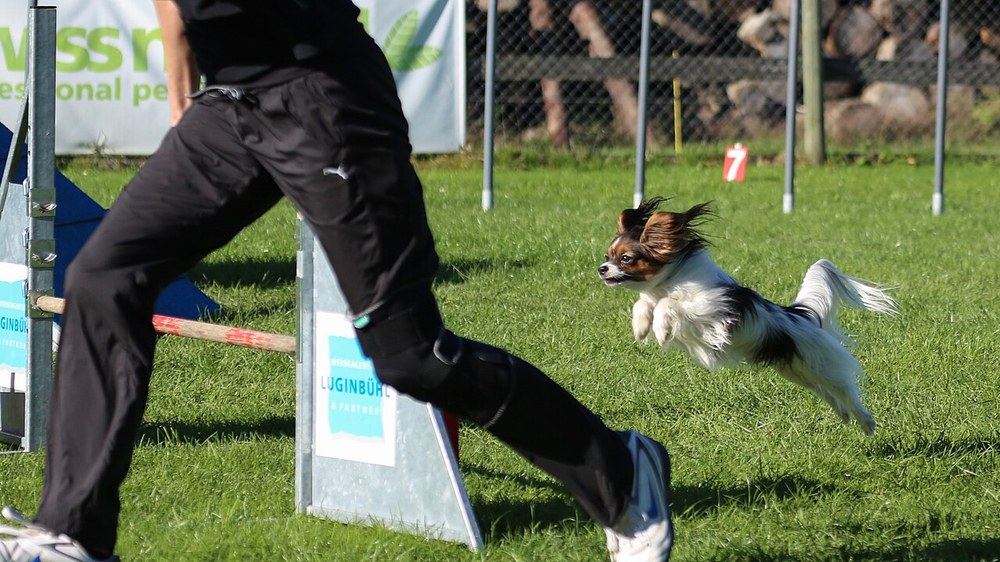
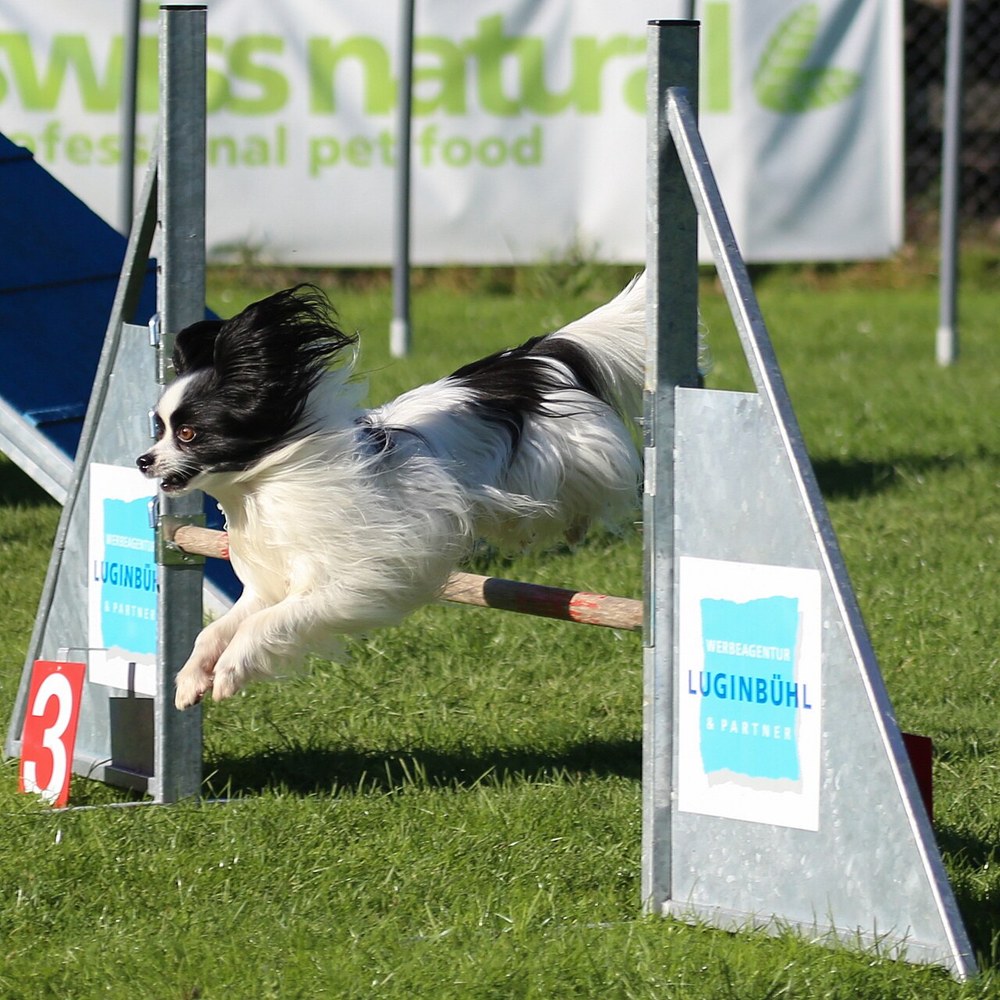
A Papillon jumping at an agility competition in eastern Switzerland (modern photograph). The breed is a star in small-dog agility.
European courts → toy spaniel
A toy spaniel in European art
Public breed histories describe small toy spaniels in European paintings from the Renaissance onward. They were favourites at French and Spanish courts.
Early dogs had drooping ears. Over time, dogs with upright, fringed ears became popular and were named Papillon, French for butterfly.
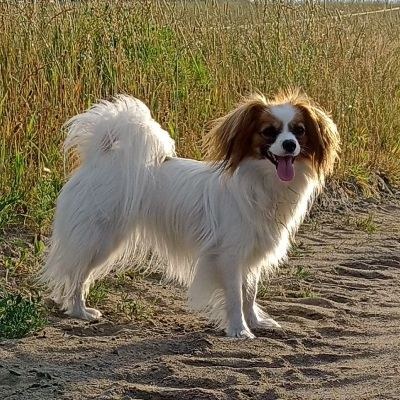
A Phalène, the drop-eared variety (modern photograph). The name means moth; this is the older form of the breed.
Phalène → Papillon → worldwide
Two ear types, one breed
Kennel clubs recognise both the upright-eared Papillon and the drop-eared Phalène. The FCI calls the breed the Continental Toy Spaniel.
Today Papillons are popular companions and sport dogs. Meet the parents and see their energy and confidence.
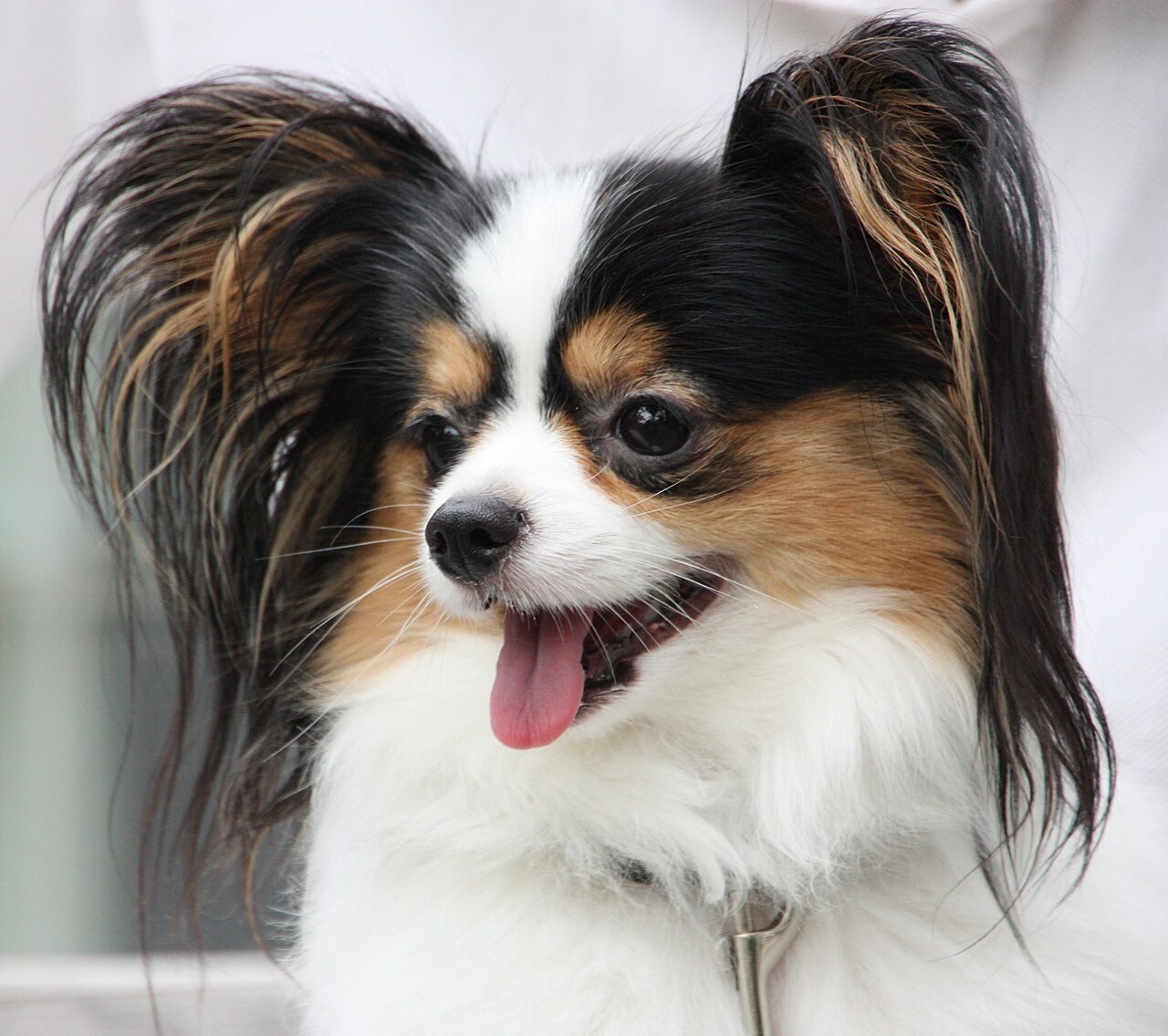
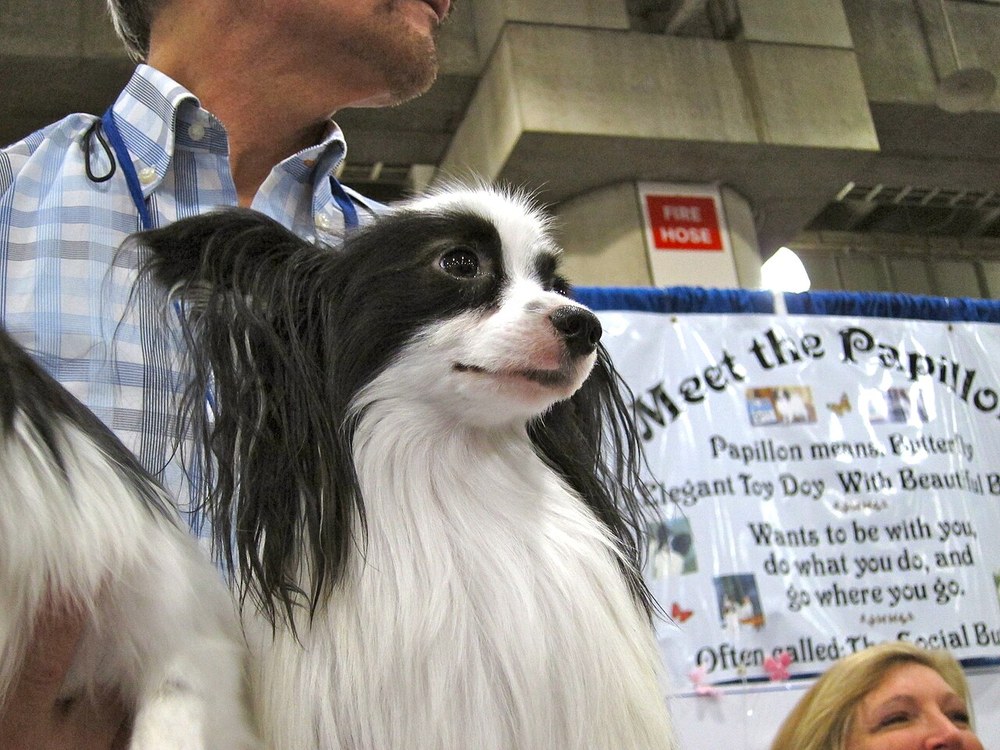
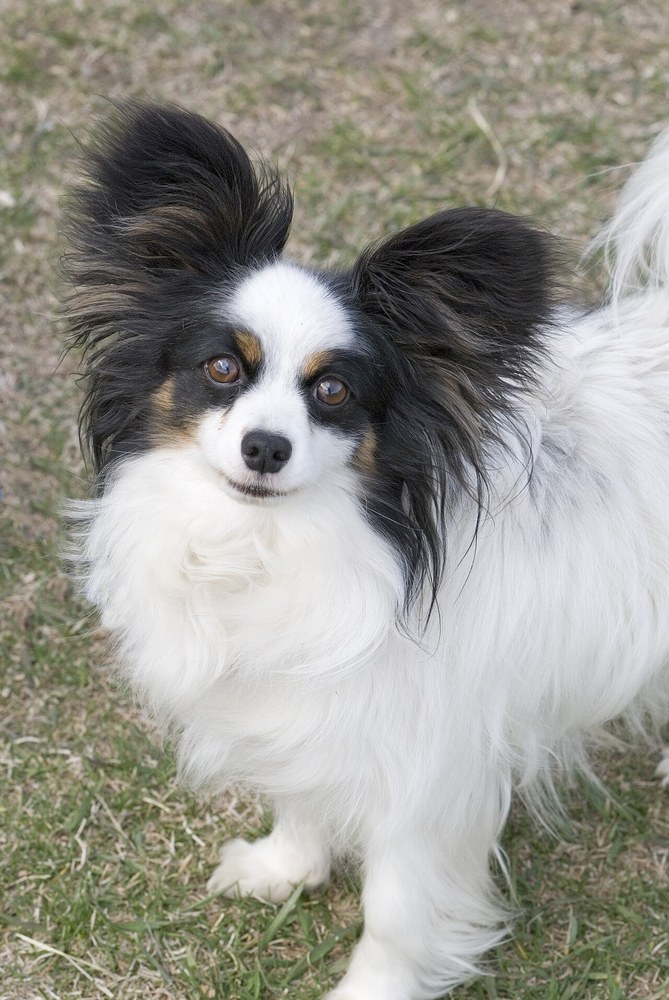
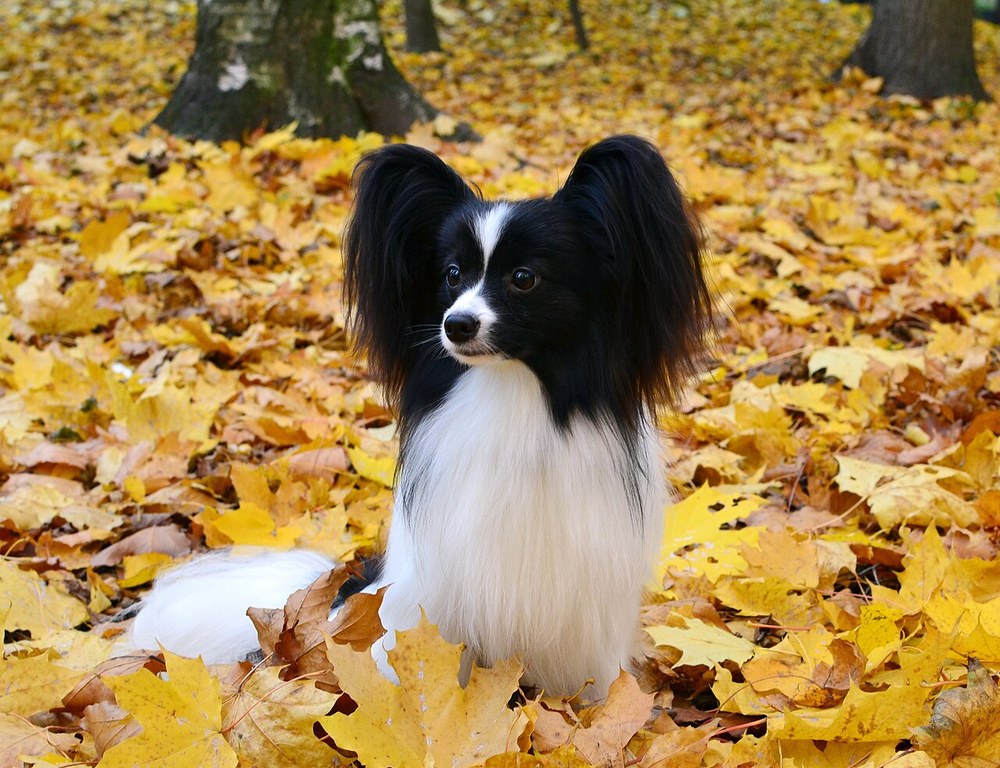
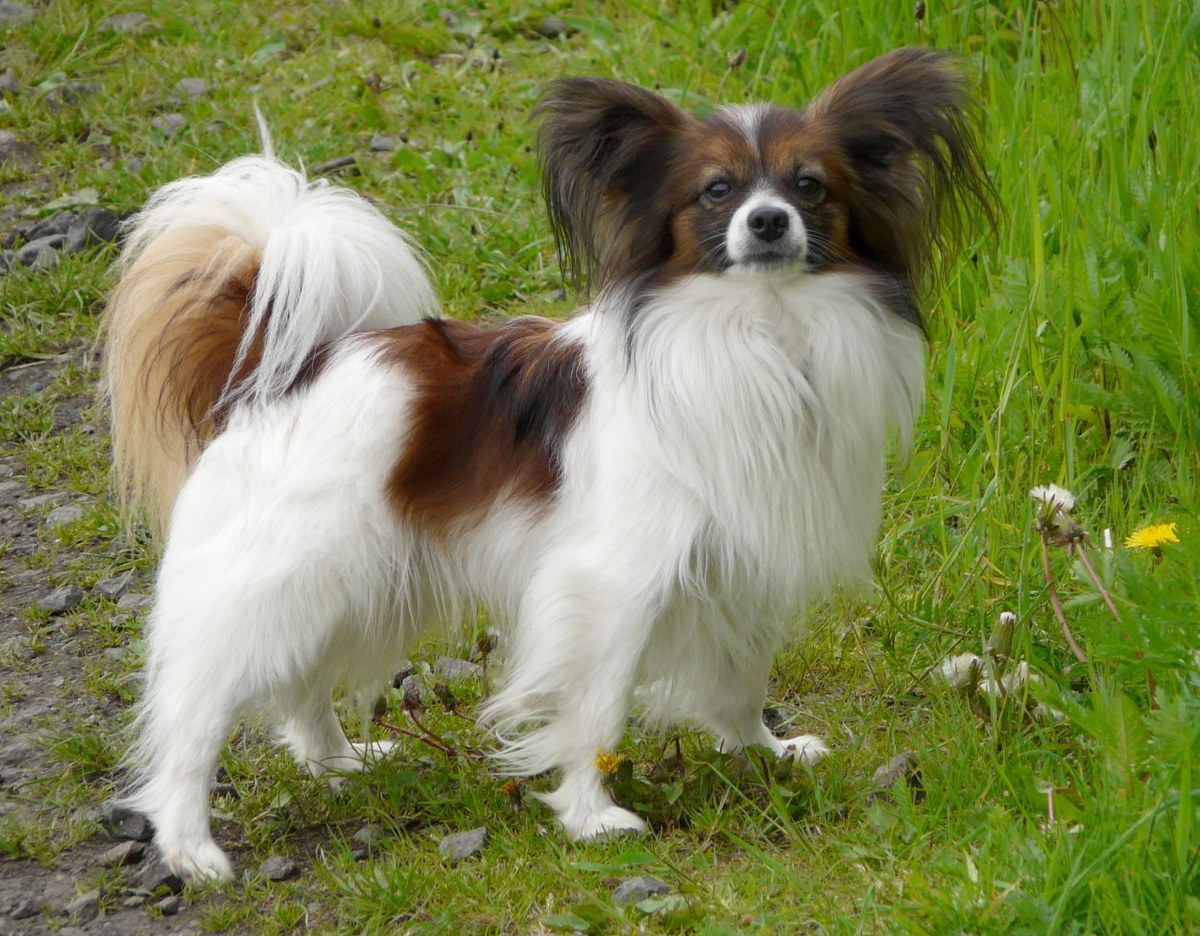
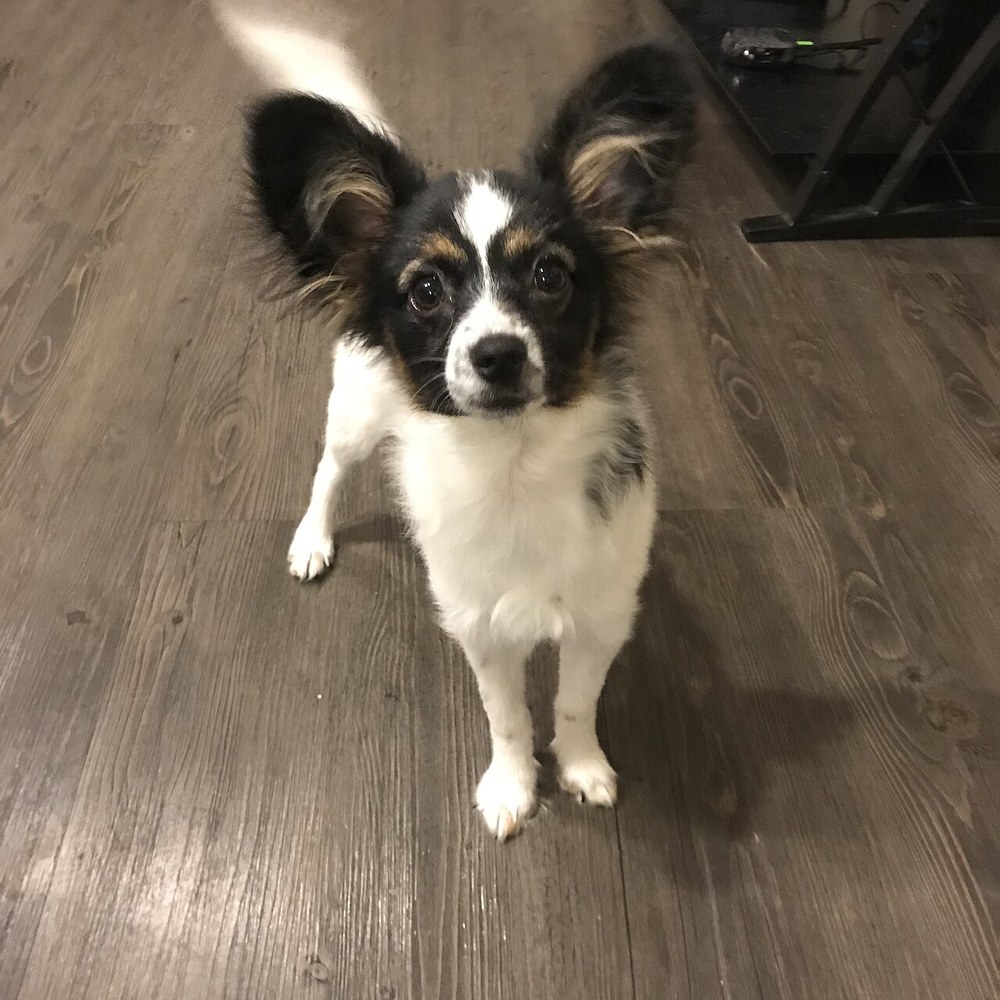
A Papillon showing the fringed “butterfly” ears (modern photograph).
What the breed was bred for
Bright, lively and eager to please
In plain trainer language: Papillons learn fast, love games and stay close to their people. Many are confident; some are sensitive.
The challenges are barking, jumping from heights, house training and boredom. Training games keep a Papillon happy.
What to watch monthly: teeth, coat, weight and safety
General awareness only — I am a trainer, not a veterinarian. Notice limping, changes in teeth or energy. For urgent signs, see
when to call the vet.
Teeth
Brush daily and ask for dental checks.
Coat
Silky single coat. Brush weekly, especially ears and tail.
Safety
Small bones: avoid jumps from sofas and arms.
Weight
Keep the dog lean and light.
Health screening (not a diagnosis)
Ask the breeder which screenings the national breed club recommends and see results for both parents.
Toxins
I do not publish toxin amounts. Call a vet or poison-control line if the dog eats something dangerous.
Lines and types
Papillon or Phalène
The breed has two ear types. Both can appear in one litter, and temperament is the same.
Papillon
Upright, fringed “butterfly” ears.
The most common type.
Alert expression.
Silky coat.
Suits owners who love the classic look.
Phalène
Drooping, fringed ears.
The older type.
Softer expression.
Same coat and care.
Suits owners who like a rarer, gentler look.
Socialization windows
What to introduce — and what not to overload — by age
AVSAB-aligned in spirit: short, clean exposures at a distance the puppy can still eat,
with hygiene while vaccines finish. See the
puppy socialization schedule.
2–4 months
Handling and games
Introduce: handling, toilet schedule, crate, short training games.
Do not overload: jumping from furniture.
~6 months
Focus
Introduce: recall, door manners, short absences.
Do not overload: rewarding barking.
~12 months
Sport basics
Introduce: tricks, foundation agility.
Do not overload: high jumps before growth ends.
~18 months
Adult activity
Introduce: agility, longer walks.
Do not overload: boredom.
~24 months
Maintain routines
Introduce: refreshed door and recall routines.
Do not overload: dropping training.
Before you buy
Who a Papillon usually fits
A Papillon fits people who want a tiny, clever dog and enjoy training games.
Good match
More likely a good fit if you…
Enjoy daily training or dog sports
Want a small but active dog
Live in a flat or a house
Are home often
Like a dog that learns fast
Mismatch risk
A Papillon may be a poor choice if…
You want a lapdog that rarely moves
Toddlers may handle the dog roughly
Barking would be a big problem
Long hours alone are routine
No time for daily games
If you are torn between breeds
Papillon vs Chihuahua and Pomeranian
Papillons are compared with the Chihuahua and Pomeranian — other popular toy breeds.
Coat
Papillon
Silky, single coat.
Pomeranian
Thick double coat.
Trainability
Papillon
Very high.
Pomeranian
Clever but more independent.
Size
Papillon
Tiny, fine-boned.
Chihuahua
Even smaller.
With strangers
Papillon
Usually friendly.
Chihuahua
Often wary.
Barking
Papillon
Alert.
Both compares
All three need calm door routines.
Ownership without surprises
Where a Papillon owner’s budget goes
Costs depend on your area and breeder. Plan for these — not quotes.
Dental care
Brushing and checks.
Training
Classes or agility.
Gear
Harness, ramps, toys.
Veterinary care
Ask which screenings the national breed club recommends.
Grooming
Brushes and occasional tidy-ups.
Food
Tiny portions; treats count.
With a Papillon, training and dental care are the main costs.
Before day one at home
What to prepare for a Papillon puppy
A Papillon puppy is bright and fearless. Start training games and toilet routines early.
“With a Papillon, I look at mental work first. We add daily training games, a calm door routine and safe jumping habits — because a clever toy dog without a job finds its own.”
Sessions cover real scenes: barking at the door and window, jumping, toilet accidents, time alone, and meeting big dogs. I am a trainer, not a veterinarian. No invented reviews.
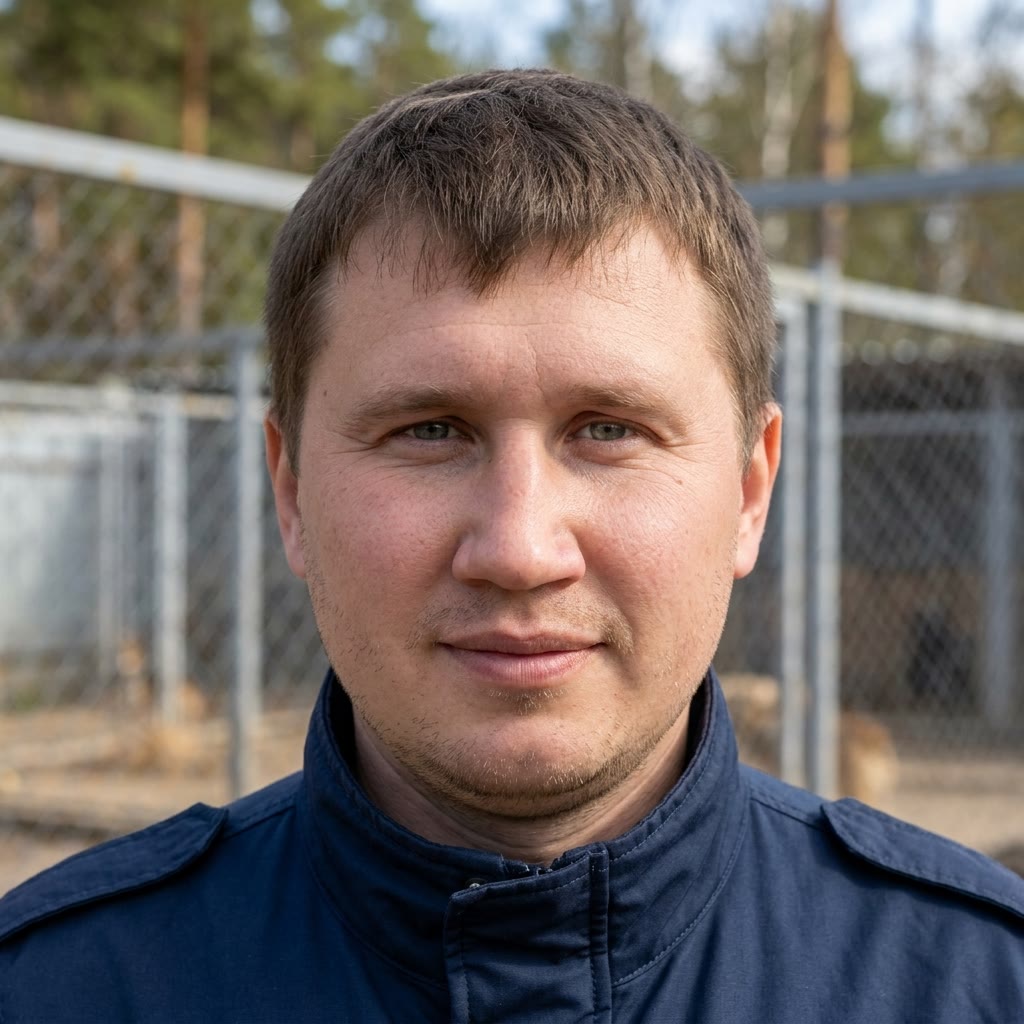
Andrew DarovProfessional dog trainer and instructor
A graceful companion in hairless and powderpuff varieties that needs company, gentle socialization and skin or coat care.
Need a read on your exact situation?
Describe your Papillon’s age and the scene that repeats most: barking, jumping, toilet accidents, or too much energy. We check safety first, then pick the first skill.
Written by Andrew Darov, professional dog trainer. Not veterinary advice and not a diagnosis.
Not a kennel club. No invented reviews. No vaccine schedules or toxin doses. Photo credits in
/images/breeds/papillon-guide/credits.md.