Cirneco dell'Etna: temperament, chase drive, recall and training for the Sicilian rabbit hound
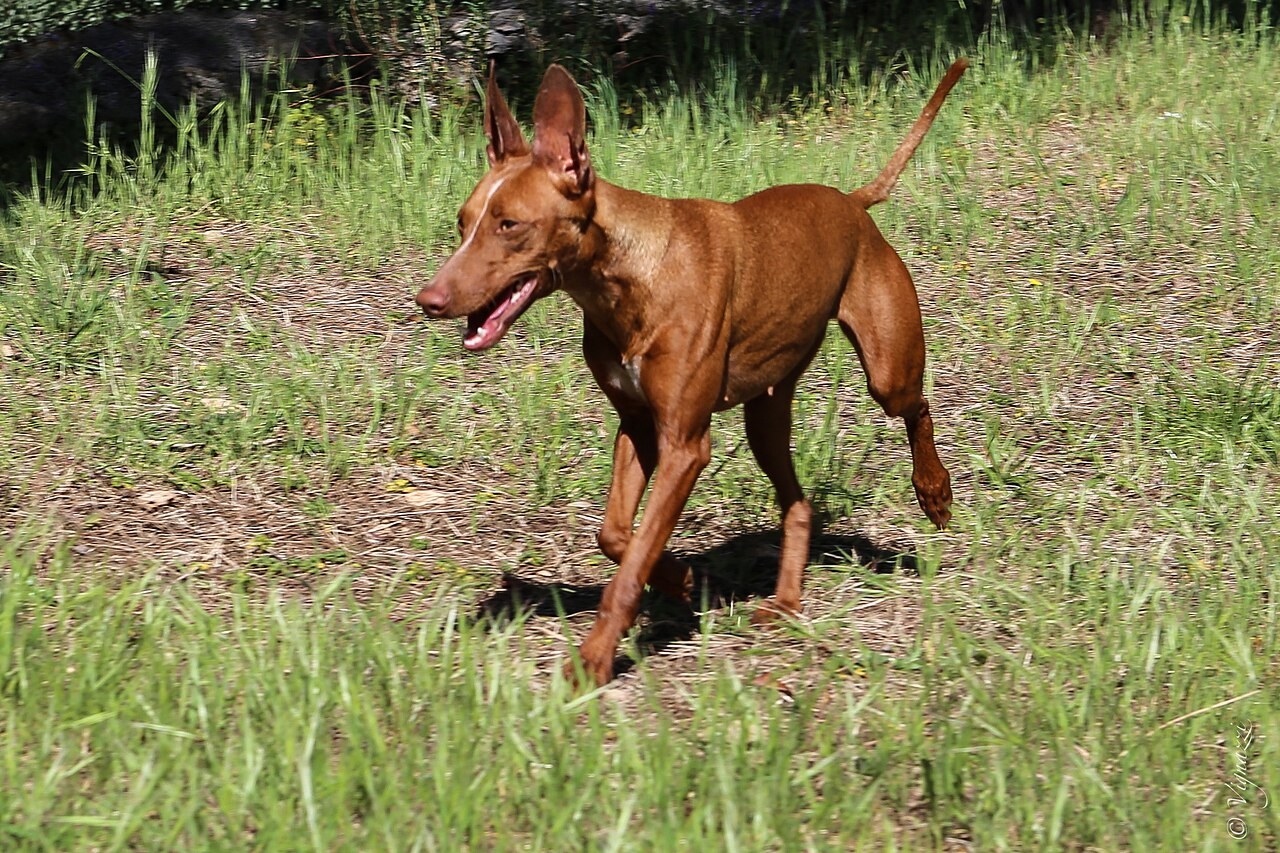
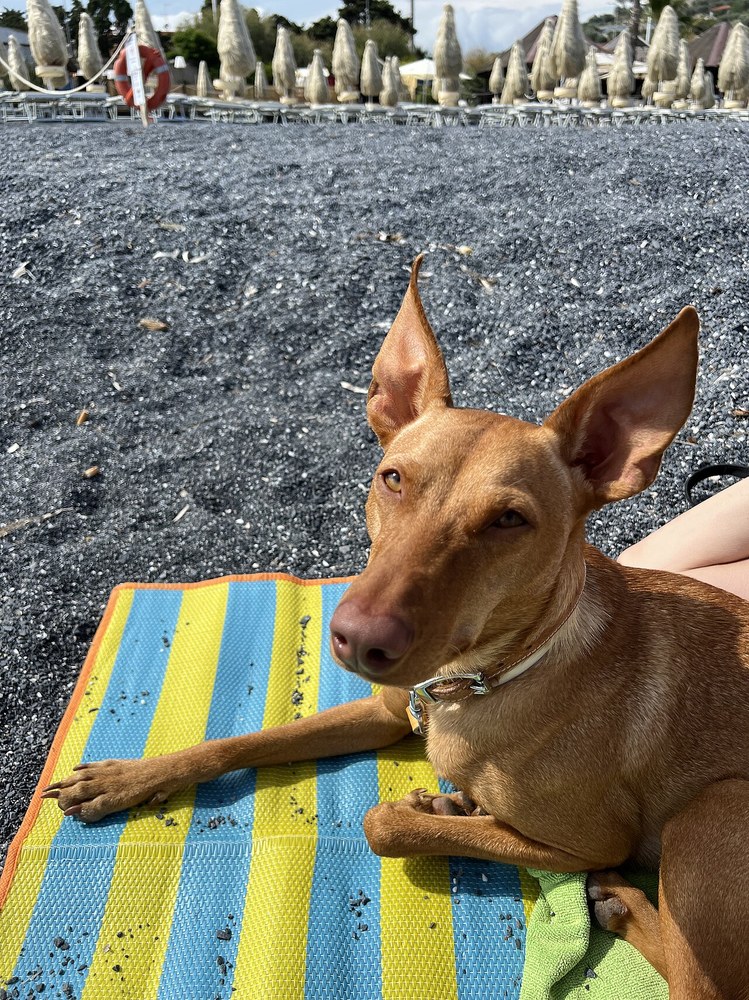
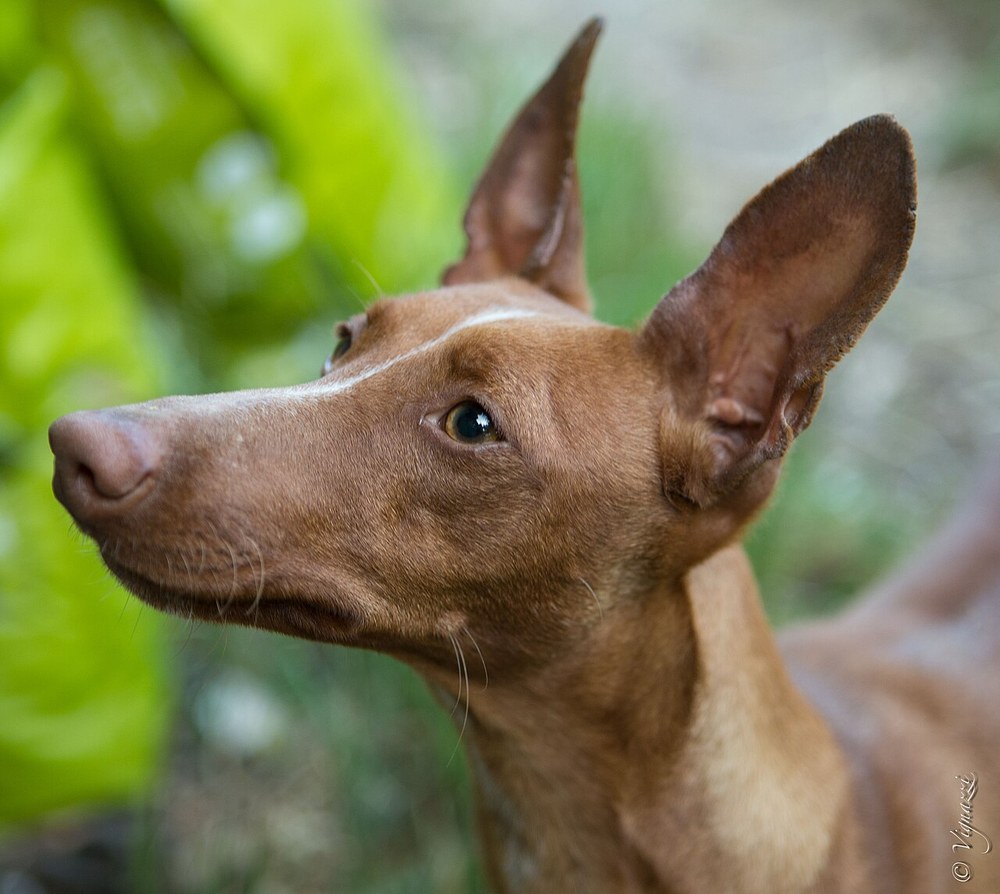
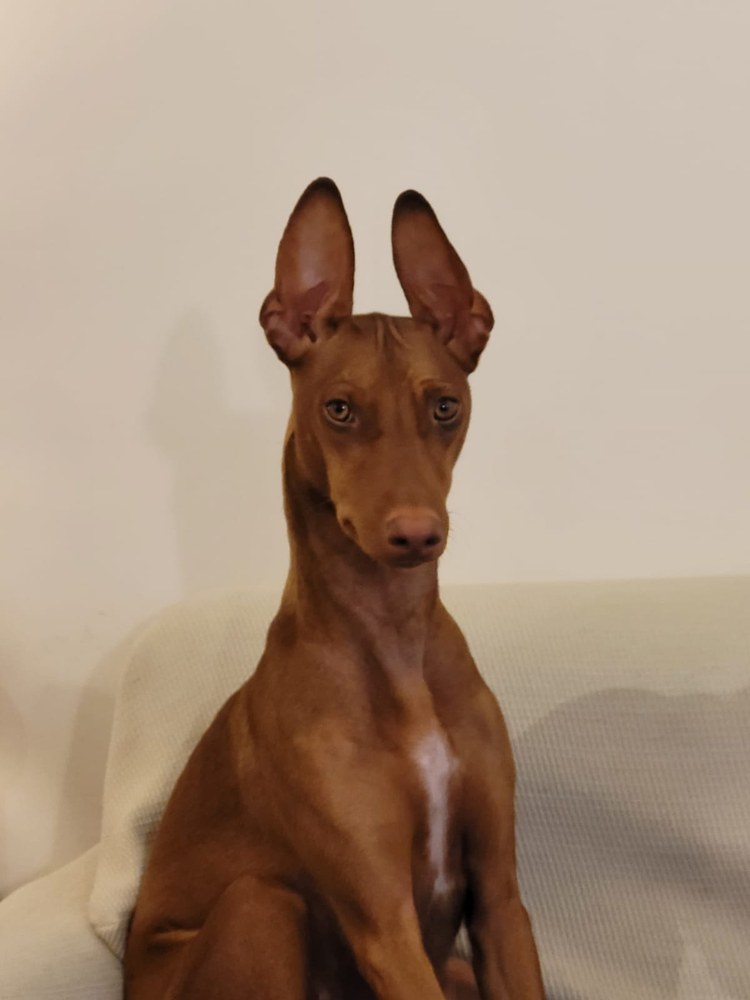
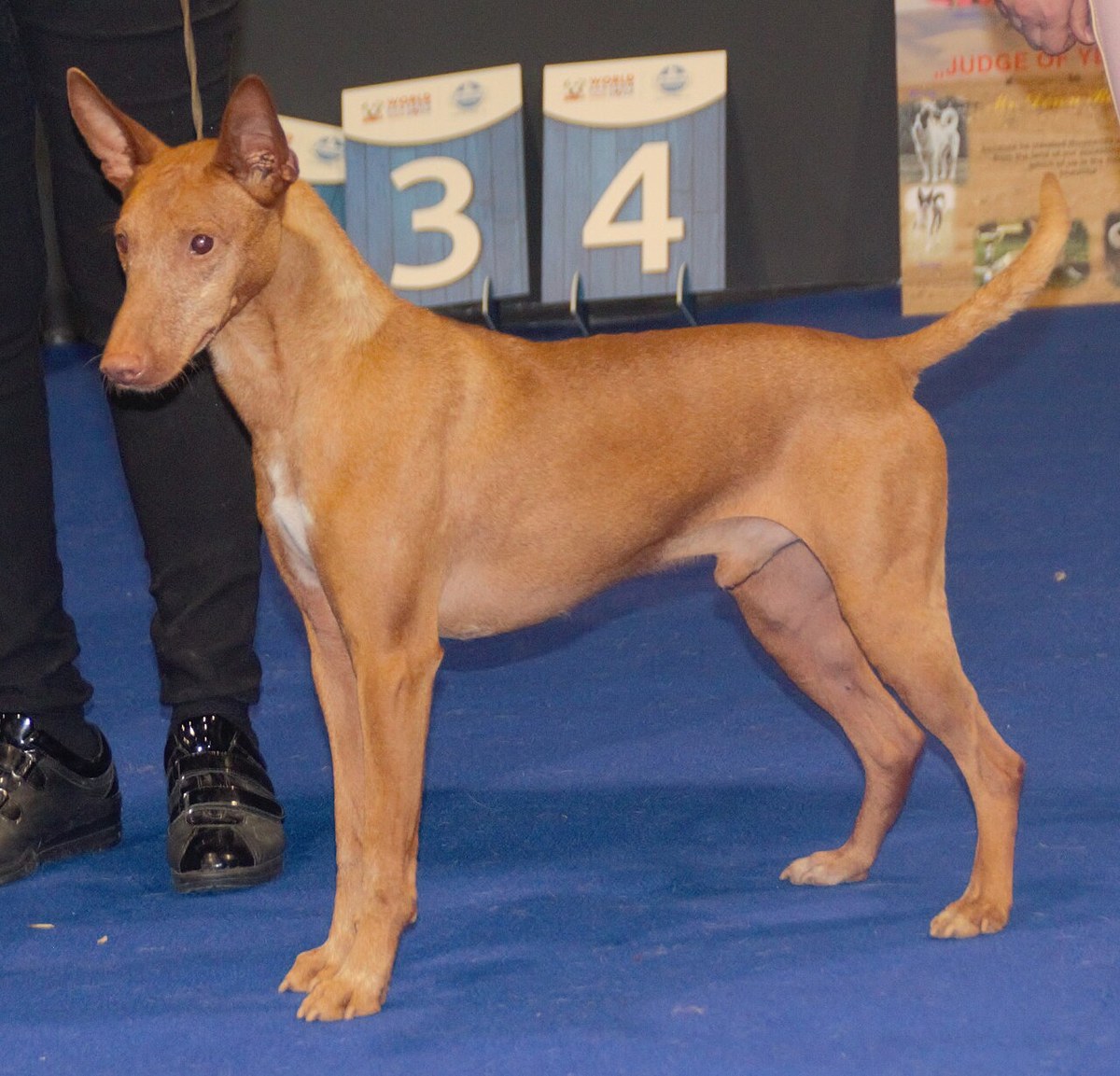
The Cirneco dell'Etna is a light, elegant, tan hound from the volcanic slopes of Mount Etna in Sicily, with huge upright ears, amber eyes and a short, glossy coat. For centuries it hunted rabbits over rough lava ground, working by nose, ears and eyes at once, often far from the hunter. At home that means a gentle, affectionate and rather sensitive dog that turns into a keen, independent hunter the moment it smells or sees a rabbit. What works is a long line until recall is truly solid, high and secure fencing, plenty of sniffing and safe running, warm coats in cold weather and soft, short, food-based training.
Job: A primitive hunting hound from Sicily; FCI Group 5, AKC Hound Group.
Energy: Gentle and loving at home, an independent hunter outdoors.
Home: Suits a calm owner who can give safe running and accept limited recall.
A Cirneco is a house cat indoors and a hunter outside
People see a small, neat dog with big ears and a calm face and expect a quiet companion that stays close. Indoors that is often true. Outdoors the Cirneco is still the rabbit hound of Etna, and one interesting smell can change it completely.
Owners usually contact me about that switch. A dog that comes back perfectly in the garden and vanishes after a rabbit in the woods, jumps a fence nobody thought it could clear, chases the neighbour's cat or shivers and refuses to walk in the rain.
My plan respects the hunter. A long line and secure places to run, recall built slowly with very good food, lots of sniffing walks and nose games, a warm coat in winter and gentle, short lessons. With that, a Cirneco is a quiet, loving, clean and very easy house dog.
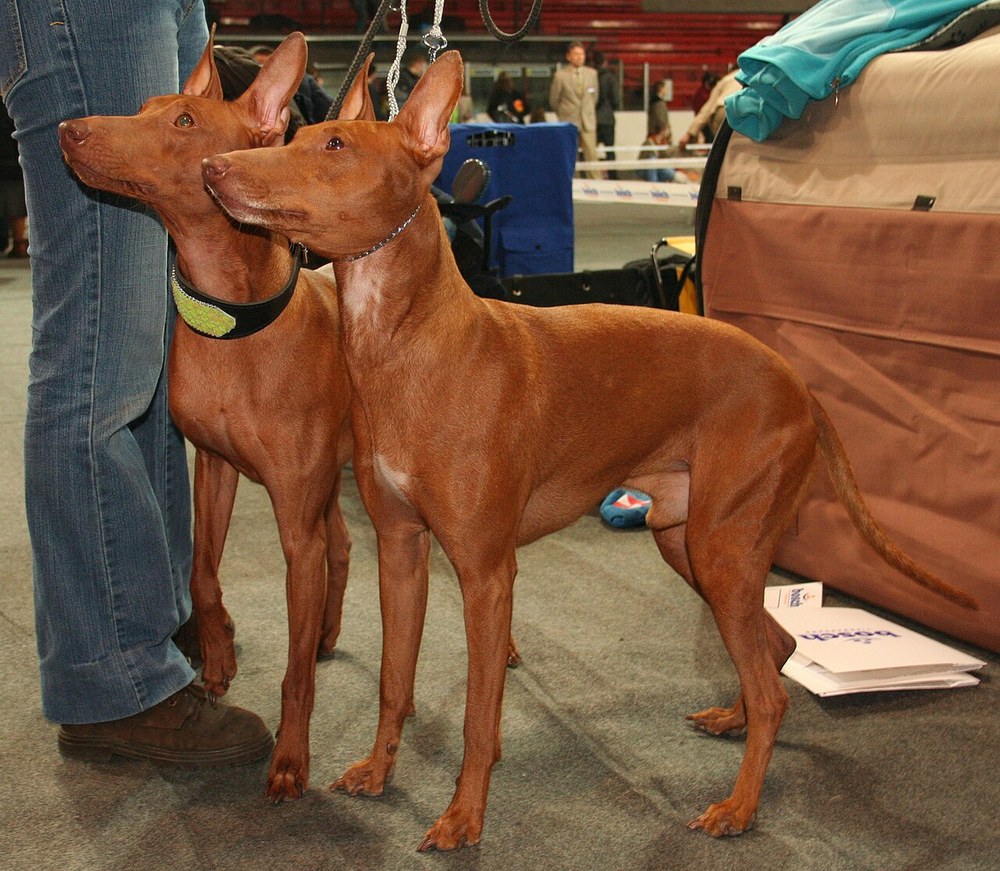
FCI: males 46–50 cm (about 18–19.5 in), females 42–46 cm (about 16.5–18 in)
Weight
Males about 10–12 kg (22–26 lb), females about 8–10 kg (17–22 lb)
Energy
Moderate; needs sniffing walks and safe sprints
Coat / shed
Short, smooth, glossy coat in shades of tan, sometimes with white markings; little undercoat
Job
Rabbit hound of the Etna slopes, hunting by scent, sight and hearing on rough volcanic ground (FCI Group 5, primitive type hunting dogs; AKC Hound Group)
Temperament in one minute
Cirneco dell'Etna temperament: what they are like at home
Short answer: Cirnechi dell'Etna are gentle, affectionate, clean and rather sensitive hounds at home, and keen, independent hunters outside. They were bred to find rabbits on the rocky slopes of Mount Etna by nose, ears and eyes, so they follow scents, chase small animals, jump and climb well and may ignore recall near game. They need about an hour of activity a day, a long line and high fences, safe places to sprint, a coat in cold weather and kind, short training.
Are Cirnechi affectionate?
Yes, gentle and close with their family. Build short absences early.
Usually gentle with calm children and dogs they know; small pets need care. See children and guests.
Cirneco behavior problems to expect
The usual four are running off after scents, chasing cats, jumping fences and hating the cold. The list below links a guide for each.
Living with a Cirneco in an apartment
Often fine, since they are quiet and clean indoors, as long as they get sniffing walks and safe runs.
Breed history
From the slopes of Etna to the show ring
The story will not train your dog, but it explains the nose, the independence and the jumping.
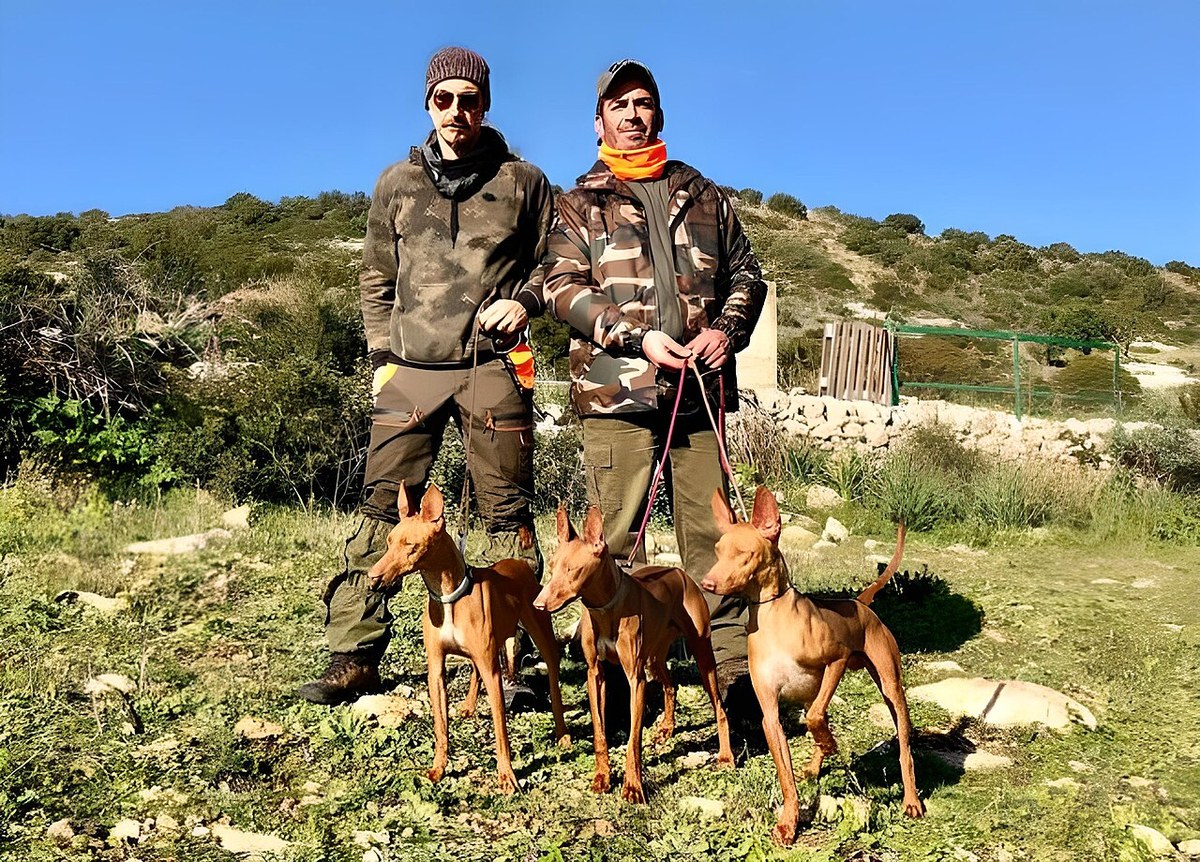
Cirnechi at a rabbit-hunting trial in Sicily: the breed is still tested on wild rabbits on the rough ground it comes from.
Sicily · an old island hound
Rabbits on lava ground
Small, prick-eared hunting dogs have lived in Sicily for a very long time, and dogs of this type appear on ancient coins from the island. Around Mount Etna, farmers and hunters used them to find rabbits among stones, scrub and old lava flows.
The work asked for a light, tough dog that could go all day in heat, climb and jump over rocks, and use its nose and ears to find game that it could not see. It often hunted at a distance from the people, which is where its independence comes from.
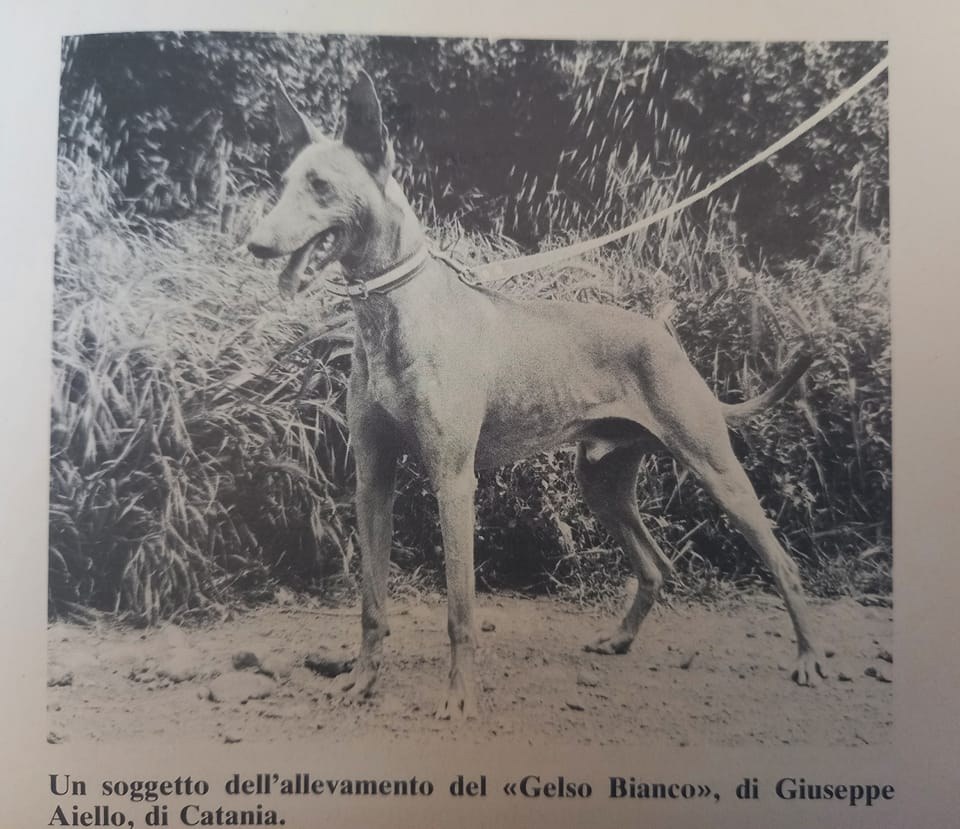
A Cirneco in an old Italian book photograph: the breed's shape has changed little since breeders began to record it.
From the 1930s
Saved by a Sicilian noblewoman
By the early 20th century the breed was rare. In the 1930s a vet, Dr Maurizio Migneco, wrote about its decline, and Baroness Agata Paternò Castello of Catania took up the task of saving it. A breed standard was written in 1939 and the Italian kennel club recognised the breed.
The FCI lists the Cirneco dell'Etna in Group 5 with the primitive type hunting dogs. The AKC added it to the Hound Group in 2015. Outside Italy it is still a rare breed.
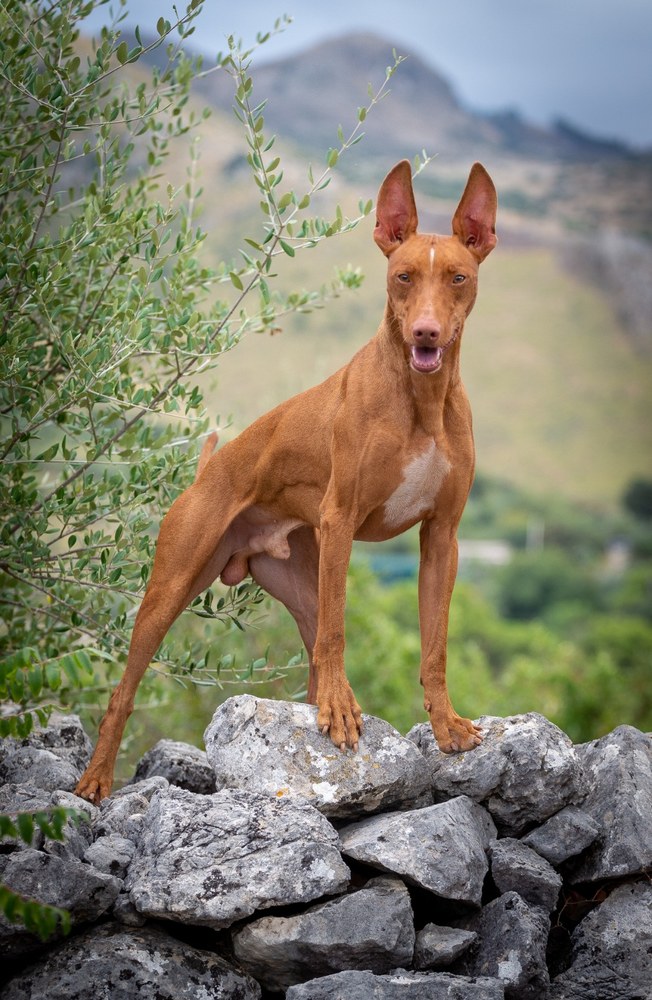
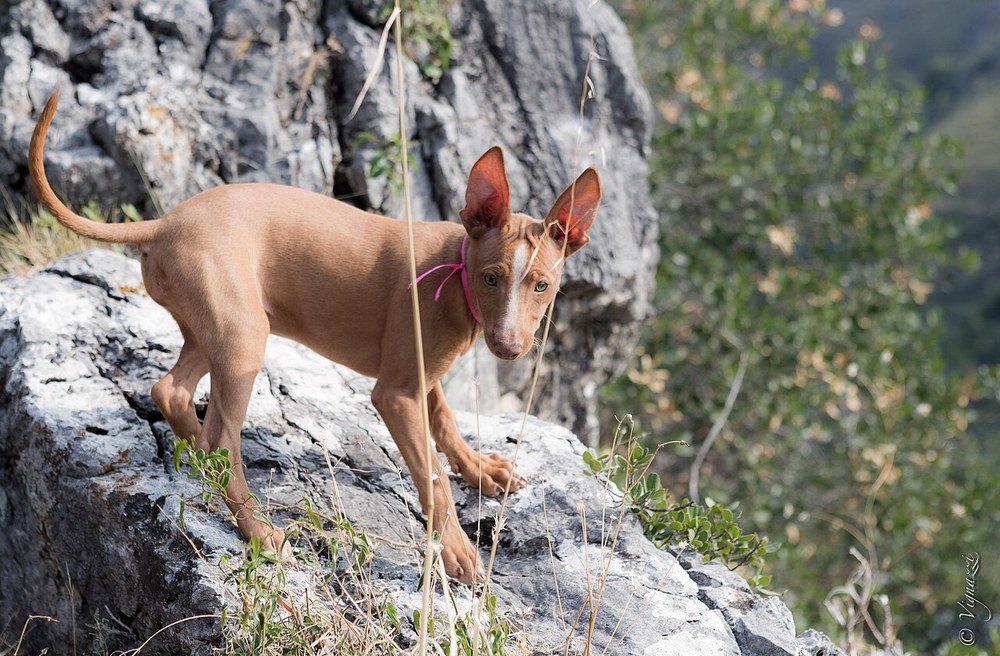
A Cirneco on rocks in Sicily: the breed is a strong jumper and climber, so garden fences need to be high.
What the breed was bred for
Gentle at home, independent outside
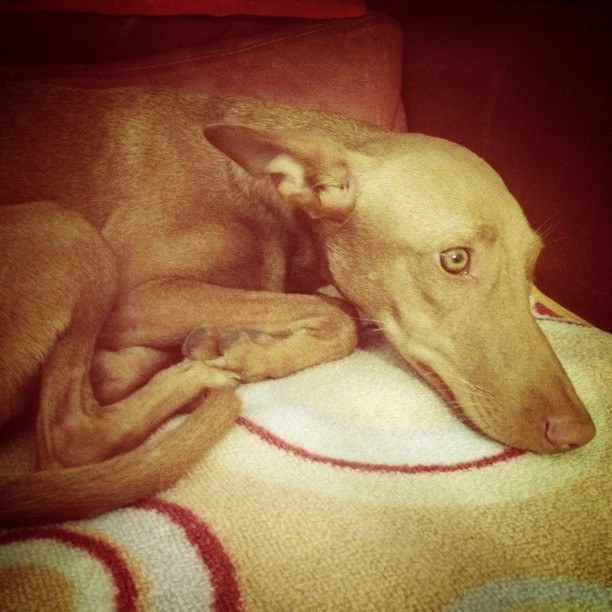
With its family a well-raised Cirneco is gentle, affectionate, clean and playful, and often likes to rest on a soft bed or a lap. Many are sensitive and do not like rough handling or a loud home.
Outside it is a hunter. It follows scents, chases rabbits and cats, may ignore recall when the hunt is on, and can jump or climb surprising heights. A thin coat also means it feels the cold and wet.
A good day has a long sniff, a safe run, a short lesson and a soft bed
An adult Cirneco does well on roughly an hour of activity each day: a sniffing walk on a long line, a chance to run flat out somewhere fully fenced, a nose game and a little training. Problems tend to begin when a hunting hound gets only lead walks on pavement, or is let off in open country and finds a rabbit.
Morning · sniffing walk
A long line and time to sniff
Let the dog follow scents on a long line in fields and woods, and stop often so it can read the ground. A Cirneco that has used its nose is calmer for the rest of the day.
Many Cirnechi love to sprint. A fully fenced field, a hired dog park at a quiet time or a lure coursing club lets the dog run hard without the risk of it leaving.
General awareness only. I am not a veterinarian. With a Cirneco, owners often notice trouble first as shivering on cold or wet walks, small cuts and scrapes on thin skin after running through scrub, sore pads after rocky ground, or a limp after a hard sprint. For red flags, leave this page and open
when to call the vet.
Short coat
A rubber mitt once a week is enough; bathe only when needed.
Cold and wet
Put a coat on for rain and frost, and give it a draught-free bed.
Skin and pads
Check for small cuts after running through scrub and for sore pads after rocky walks.
Handling for the vet
A sensitive hound: handle feet and ears gently with treats, and build muzzle training slowly. See introducing a muzzle.
Weight
Keep it slim for sprinting; you should feel ribs easily and see a clear waist. See body condition check.
Ask the breeder
Ask what health tests the parents had, and read the results on paper rather than trusting a sales page.
Lines and types
Choose a steady, healthy dog, not only the ears
No bloodline selling. Cirnechi come mostly from small breeders, many in Italy. Visit the litter, watch whether the mother approaches you after a while, how she copes with a sudden sound and how she is with the household and its animals, and ask about the parents' health tests and whether the lines still hunt.
Sport and hunting homes
Lure coursing, nose work or agility.
Field work where it is allowed.
Safe, fenced running.
Gentle, short training.
Suits owners who enjoy a fast, clever hound and its nose.
Calm companion homes
Daily sniffing walks and a safe run.
A high, secure garden fence.
A coat for cold days.
A quiet house routine.
Suits a calm household that wants a gentle, clean and loving hound.
Socialization windows
What to introduce — and what not to overload — by age
AVSAB-aligned in spirit: short, clean exposures at a distance the puppy can still eat,
with hygiene while vaccines finish. See the
puppy socialization schedule.
2–4 months
Meeting the world
Introduce: calm meetings with people, gentle children, cats if you have them, surfaces, traffic and sounds; handling with food; a toilet routine; short times alone.
Do not overload: loud, rough play and crowds reaching for the puppy.
~6 months
Curious puppy
Introduce: name check-in, recall on a long line, leave it, a hand target, a bed cue, find it games.
Do not overload: letting it off lead in open fields.
~8–18 months
Teenage phase
Introduce: more recall practice near scents and birds, calm meetings with known dogs, a lure or nose work class.
Do not overload: trusting recall because it works at home.
~2 years
Settling down
Introduce: longer sniffing walks, safe sprints in fenced fields, travel and holiday practice.
Do not overload: dropping the long line in rabbit country.
~3 years+
Maintenance
Introduce: daily sniffing walks and nose games, a coat in cold weather, weight checks, yearly vet visits.
Do not overload: skipping safe running for weeks at a time.
Before you buy
Who a Cirneco dell'Etna usually fits
Fit comes down to recall, fencing and how you feel about a gentle dog that may hunt the moment it is off lead.
Good match
More likely a good fit if you…
You want a small, elegant, quiet hound
You can give daily sniffing walks and safe runs
You can offer safe, fenced running
You like gentle, short training
You are happy to use coats in cold weather
Mismatch risk
A Cirneco dell'Etna may be a poor choice if…
You need reliable off-lead recall anywhere
You have a low or weak garden fence
You keep small pets loose at home
You want a dog for long winter hikes without a coat
You train with corrections and raised voices
If you are torn between breeds
Cirneco dell'Etna vs Pharaoh Hound and Basenji
The Pharaoh Hound is the Cirneco's taller Maltese cousin, with the same tan coat and big ears. The Basenji is a small African hunting dog, cat-like and independent, that rarely barks. The Cirneco shares the primitive look and the independence, in a light frame built for rough Sicilian ground.
Size
Cirneco dell'Etna
Small to medium, about 8–12 kg.
Pharaoh Hound
Taller and heavier.
Hunting style
Cirneco dell'Etna
Scent, sight and hearing.
Pharaoh Hound
More of a sight and speed hunter.
Voice
Cirneco dell'Etna
Quiet; barks to warn.
Basenji
Rarely barks; yodels.
Recall
Cirneco dell'Etna
Limited near game.
Both compares
All three need a long line and fences.
Ownership without surprises
Where a Cirneco dell'Etna owner’s budget goes
Budgets vary by country and by the choices you make; use these as a planning list.
Veterinary
An annual check-up, the vaccines your vet recommends, and first aid for small cuts and pad scrapes.
Grooming
A rubber mitt, nail clippers and a warm coat or two.
Training
A puppy class, then nose work, lure coursing or agility.
Gear
A long line, a well-fitted harness, a soft bed, a crate and a high, secure fence.
Finding a puppy
A rare breed outside Italy, so plan for a waiting list or an import.
Money spent early on a secure fence, a long line and safe places to run saves far more than searching for a hound that went after a rabbit.
Before day one at home
What to prepare for a Cirneco dell'Etna puppy
A Cirneco puppy is light, curious, gentle and a born climber. It will explore with its nose, chase anything small and fast, and feel the cold quickly. Have gates, a crate with a soft blanket, chews and a warm bed ready, and check that the garden fence is high and has no gaps.
Go out of sight for a few seconds at a time. See first absences.
If the dog is already yours
Training a Cirneco dell'Etna means a careful recall, safe running and gentle lessons
With a Cirneco, five skills do most of the work: a name check-in, recall on a long line, leave it, a hand target and settling on a bed.
Cirnechi are clever and learn quickly with food, but they are sensitive and independent. A harsh word or rough handling makes them shut down; long drills make them wander off. Keep lessons short and kind.
Be realistic about the hunter. A Cirneco will always follow a good scent and chase a running rabbit. The goal is a dog that comes back in everyday places, and that runs free only where it cannot leave.
Load balance
Sniffing counts as exercise
Build up sprints and rough-ground walks slowly in a young dog. A limp, shivering, sore pads or a sudden change in mood means a vet visit before more training.
Sniffing walkLeave it practiceTwo-minute lessonFind it gameWarm rest
For this breed, a half-hour of slow sniffing in a new field often settles the dog more than a fast walk on the pavement.
A Cirneco that gets to use its nose with you has less reason to go hunting without you.
Recall
How to build recall with a Cirneco dell'Etna
Start at home with a name game and very good food, move to a long line in quiet places, reward every return with something special, add distractions slowly and keep off-lead running to fully fenced areas.
01
Start at home
A name game with very good food.
02
Add a long line
Quiet places first.
03
Reward every return
Something better than the scent.
04
Add distractions slowly
Birds and smells before rabbits.
05
Run free only when fenced
Fields with no way out.
One scene close-up
Why a Cirneco runs off after a scent
This breed was kept to find and chase rabbits over open, rocky ground, often far from the hunter. It hunts by nose, ears and eyes, and once it has found something it was bred to follow it on its own judgement. That is breed behaviour, not disobedience.
Manage first: a long line in open country, a high fence at home and small pets kept safely apart. Then build recall in small steps with high-value food, practise leave it near scents, and give the dog nose games and safe sprints so its hunting drive is used, not bottled up.
A dog that panics, cannot settle or snaps when handled needs help from a qualified behaviour professional, after a vet has ruled out pain.
“With a Cirneco dell'Etna, I start with a long line, a high fence, nose games and soft, short lessons. Respect the hunter in this gentle hound, and you get a quiet, loving and very clean companion.”
We look at your real days: walks, recall, the garden, other pets and the evening at home. Your vet handles medical questions; I help with behaviour.
Andrew DarovProfessional dog trainer and instructor
Make a note of the dog's age, how much it walks and runs, where it is allowed off lead, what it chases and the first thing that goes wrong. Opens WhatsApp to Andrew.
For a calm family, often yes. It is gentle, clean and affectionate. It is also a hunting hound that may chase small pets and run off after scents, so it needs a fence and a long line.
Is a Cirneco dell'Etna a good first dog?+
It can be for a patient first-time owner who accepts limited recall and plans safe running. It is not a dog that will stay close off lead without a lot of work.
Do Cirnechi bark a lot?+
Usually not much. Most bark to warn about strangers or noises and are quiet otherwise.
How big does a Cirneco dell'Etna get?+
FCI: males 46–50 cm (about 18–19.5 in), females 42–46 cm (about 16.5–18 in). Males about 10–12 kg (22–26 lb), females about 8–10 kg (17–22 lb).
Do Cirnechi shed?+
Lightly. The short coat needs only a rubber mitt once a week.
Can a Cirneco be off lead?+
Only in fully fenced areas for most dogs. Near rabbits and open country, keep it on a long line.
Cirneco dell'Etna vs Pharaoh Hound: what is the difference?+
The Pharaoh Hound is taller and more of a sight and speed hunter. The Cirneco is smaller and lighter and hunts with nose, eyes and ears together.
Are Cirnechi good with cats?+
Some accept a cat raised alongside them. Strange cats and small pets often trigger chasing, so introductions need care.
Do Cirnechi feel the cold?+
Yes. The thin, short coat gives little warmth, so a coat helps on cold or wet days.
How much exercise does a Cirneco need?+
Plan for roughly an hour daily: sniffing walks, a sprint in a fenced field, or a nose game.
What health themes should I ask about?+
Ask the breeder what the parents were tested for and look at the results, and let your vet know it is a thin-skinned sighthound type. This is general awareness, not a diagnosis.
How long do Cirnechi live?+
Most sources quote around 12–14 years; small, lean hounds often live long, but each dog differs.
If a Cirneco seems too much hunter for your home
Many people fall for the ears and the gentle face. The chasing, the limited recall, the jumping and the need for coats and safe running are what to be certain about before you bring one home.
A lean Maltese sighthound-type rabbit hunter. Needs safe running, high fences, a long line in open spaces and gentle training — not a free off-lead park dog.
A tall Balearic rabbit hunter and a famous jumper. Needs safe running, tall fences, a long line in open spaces and gentle training — not a free off-lead park dog.
A gentle Spanish sighthound, often adopted from rescue: quiet and sleepy at home, a strong chase outside. Needs secure fencing, a long line and a warm coat.
Dog begging at the table? Stop all food from plates, give your dog a mat and a long chew during meals, brief kids and guests, and expect a short spike.
Why an adult dog barks at night: alerting, a toilet need or boredom, and what to do for each. A sudden change in an older dog calls for a vet visit.
Need a read on your exact situation?
Write to me about your Cirneco dell'Etna: its age, how much it walks and runs, where it goes off lead, what it chases and what goes wrong first. We check for pain or health causes first, then choose the single skill that will help most.