Italian Greyhound: temperament, training & toy sighthound
The Italian Greyhound is the smallest sighthound, a slender companion bred in Renaissance Italy. Most are gentle, affectionate and quiet at home. Life goes well with warmth, safe places to sprint, gentle training and patient house training.
Job: Miniature sighthound — gentle companion.
Energy: Bursts of speed, then long rests.
Home: Needs warm coats, safe running areas and gentle handling.
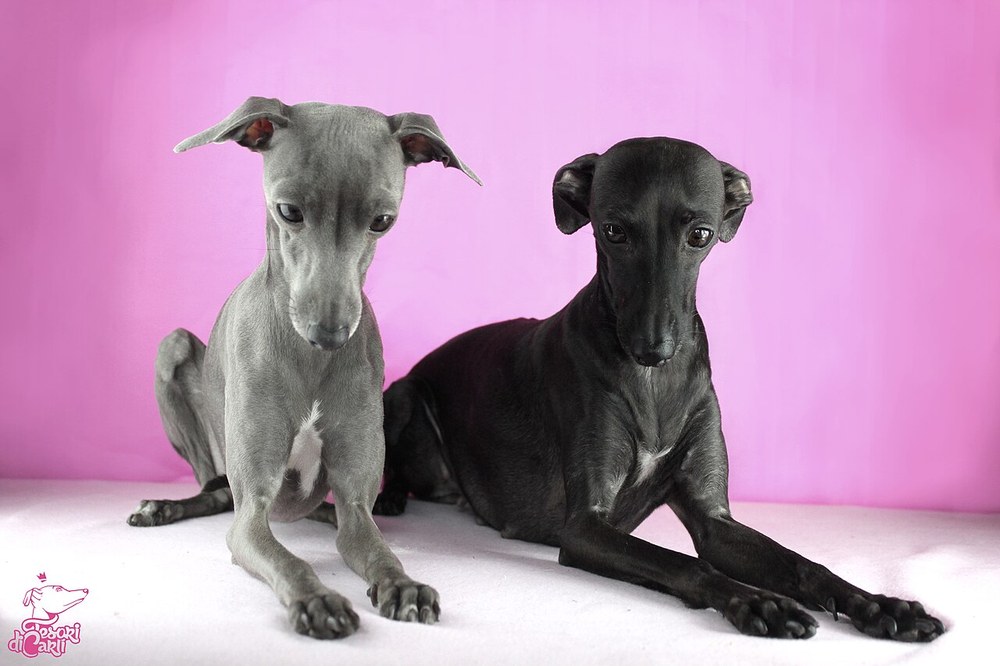
History does not decide what one puppy becomes, but it explains a lot: most Italian Greyhounds are gentle, affectionate and sensitive — tiny sighthounds that love warmth, company and the chance to sprint safely.
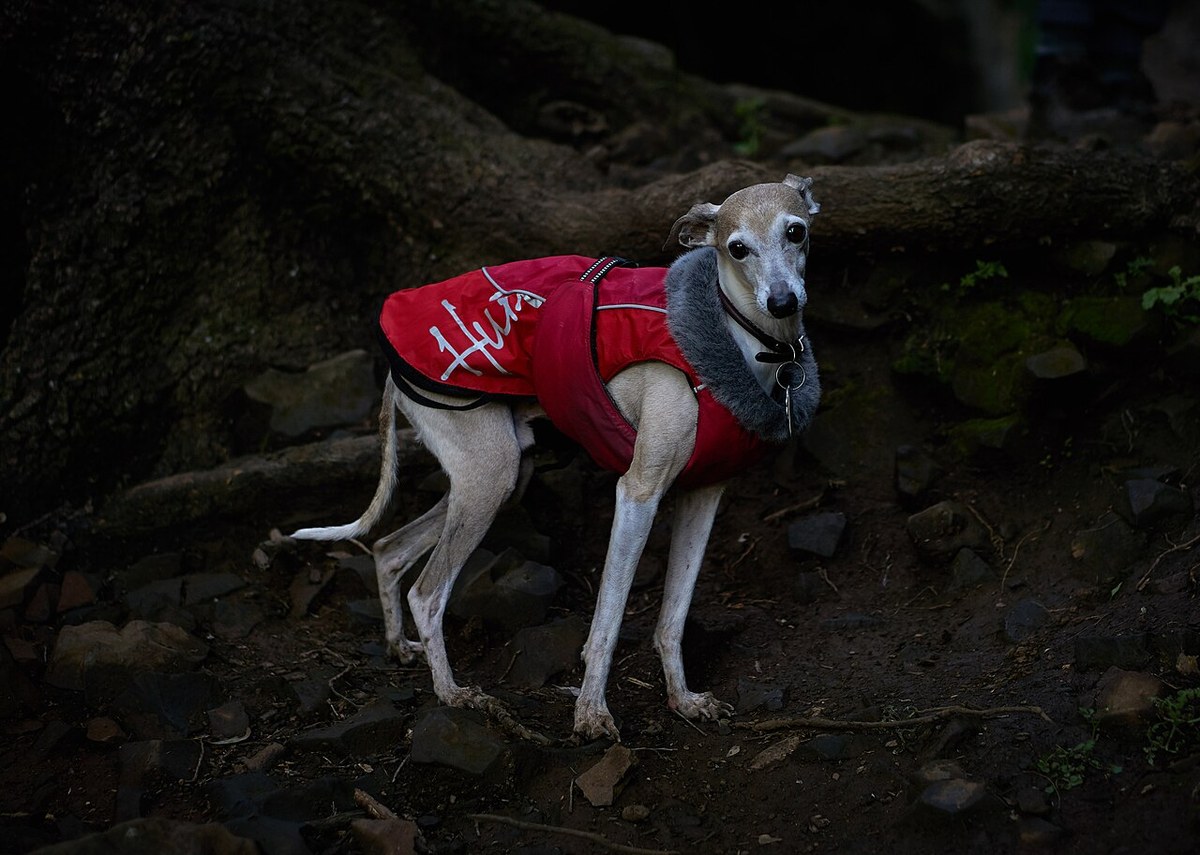
An Italian Greyhound in a jacket on a cool hike (modern photograph). A thin coat means they feel the cold.
Mediterranean → Italian nobility
Small greyhounds in art and palaces
Public breed histories describe small greyhound-type dogs in the ancient Mediterranean. In Renaissance Italy they became favourites of the nobility and appear in many paintings.
They were companions first, but they kept the sighthound instinct to chase moving things.
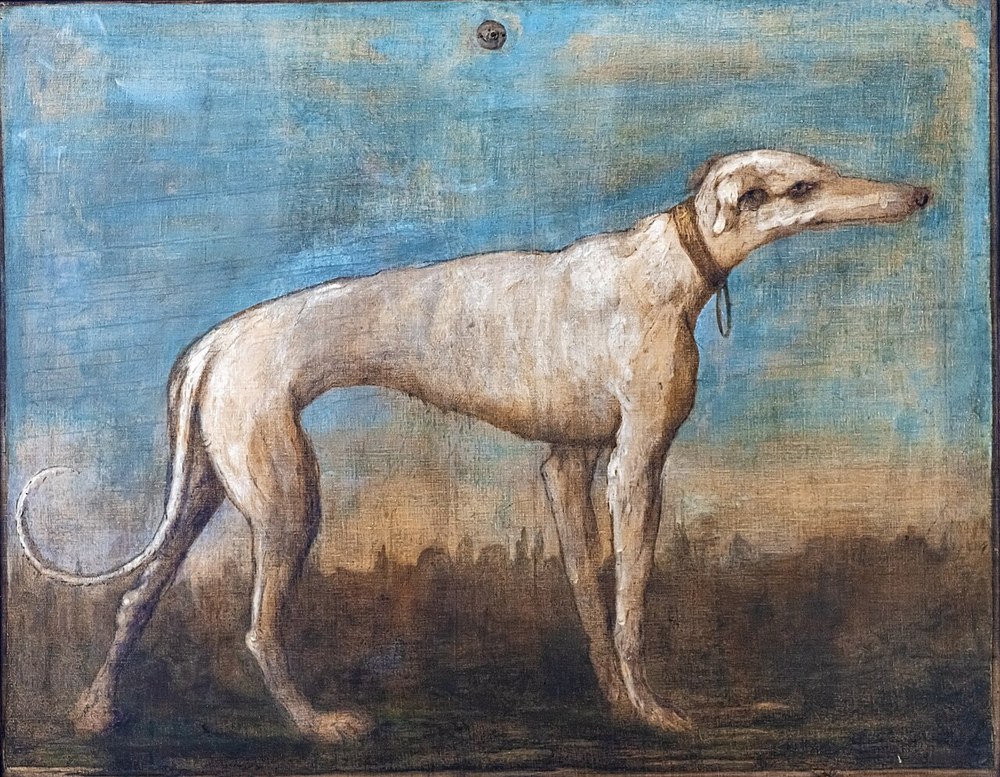
An Italian Greyhound painted by Giandomenico Tiepolo, Ca’ Rezzonico, Venice (18th century). The type has changed little.
Royal pets → modern companions
Favourites of kings and queens
Breed accounts mention Italian Greyhounds at royal courts across Europe. Numbers fell in the 20th century, and breeders worked to restore them.
Today they are gentle house dogs that still love a safe sprint.
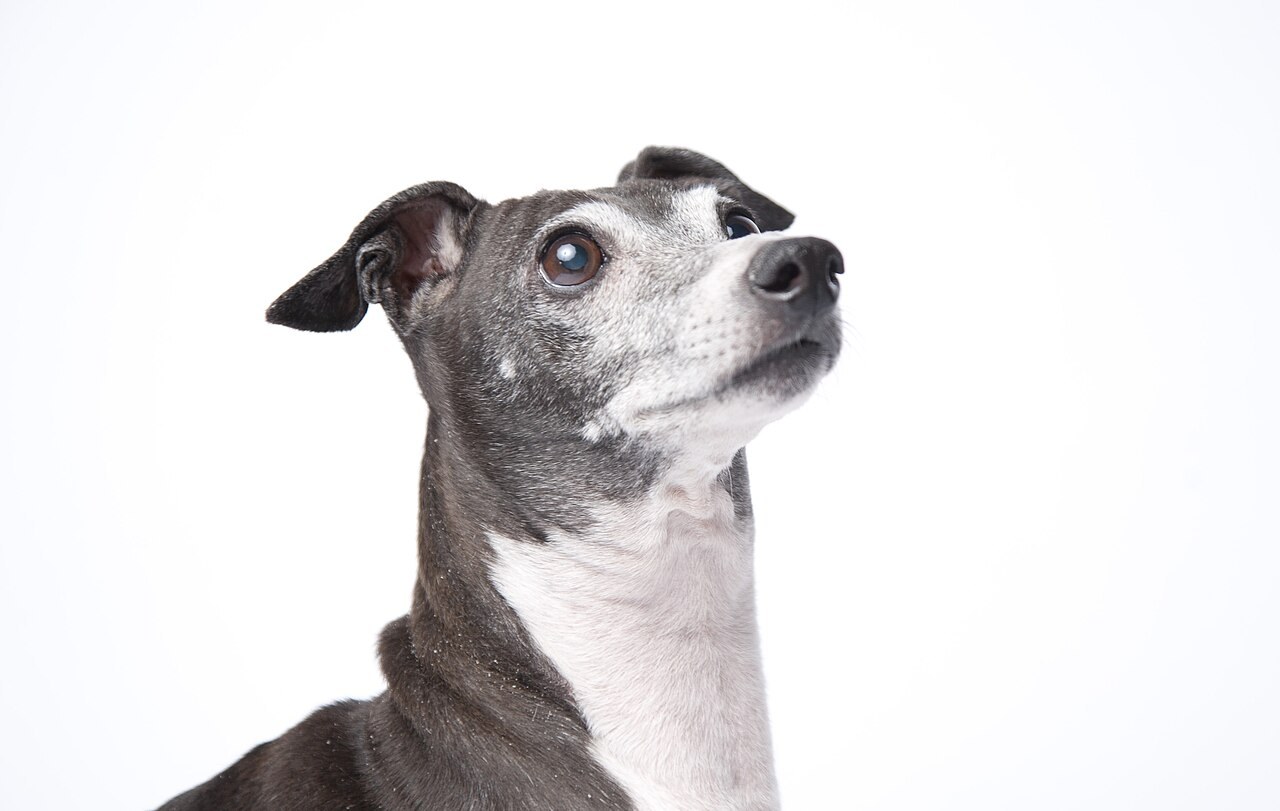
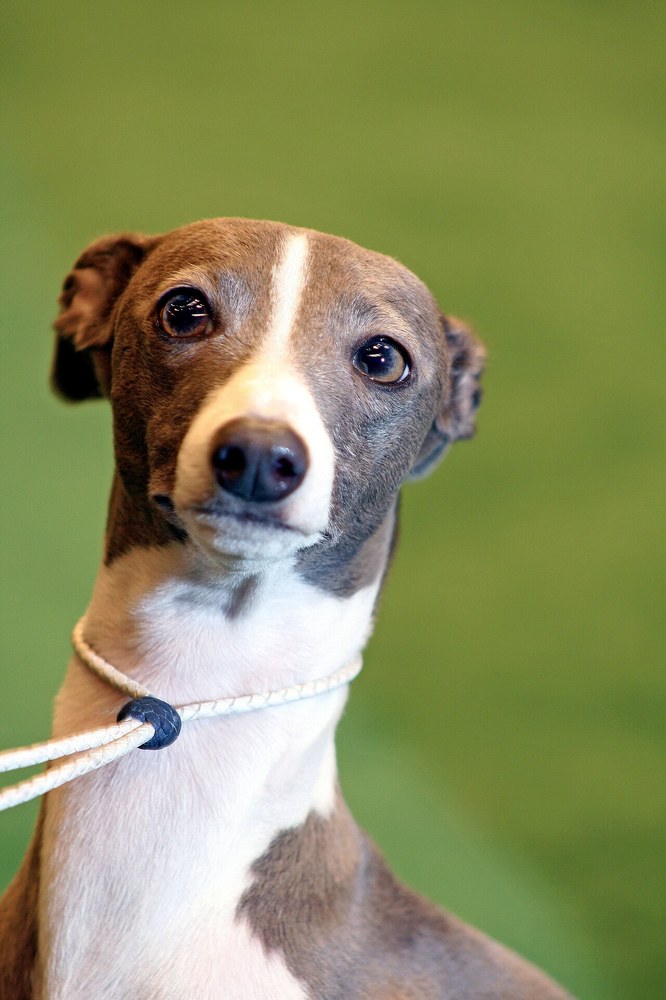
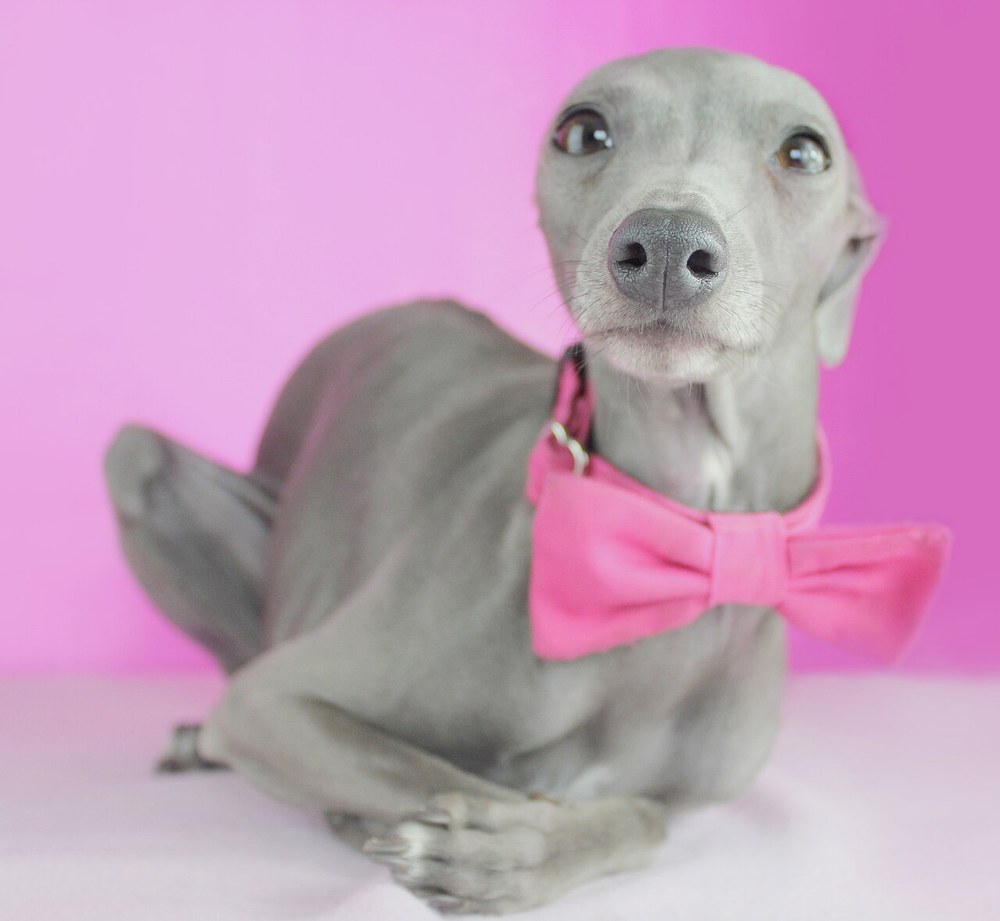
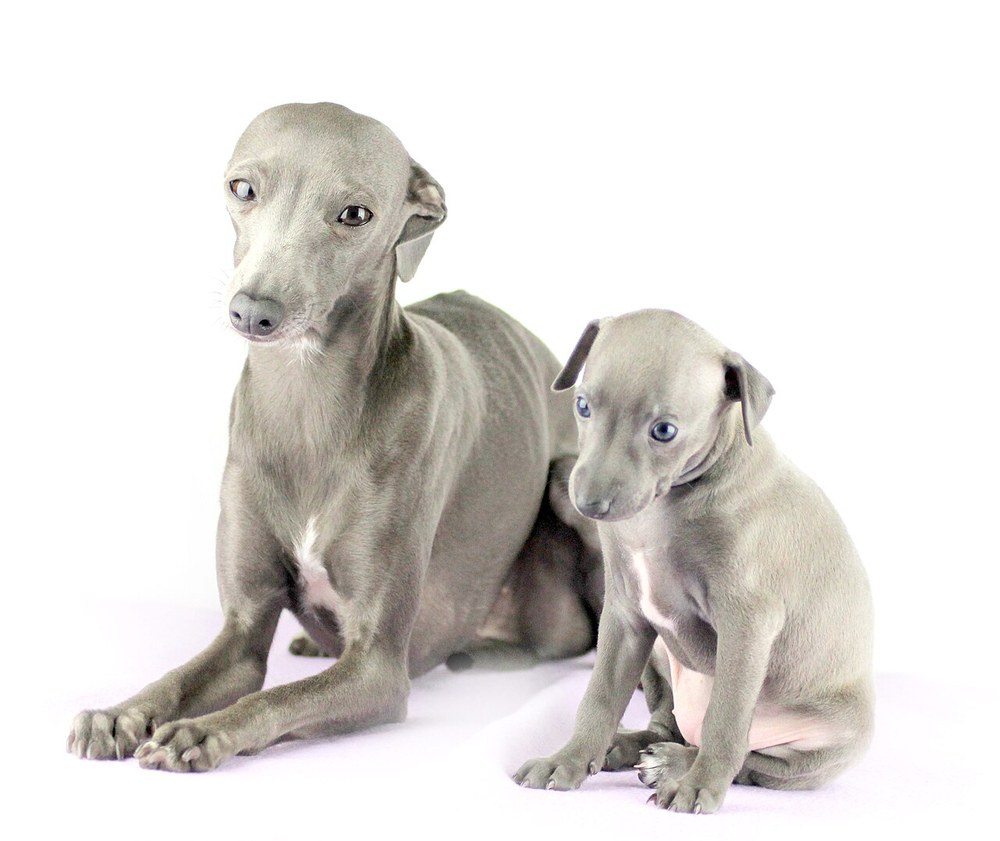
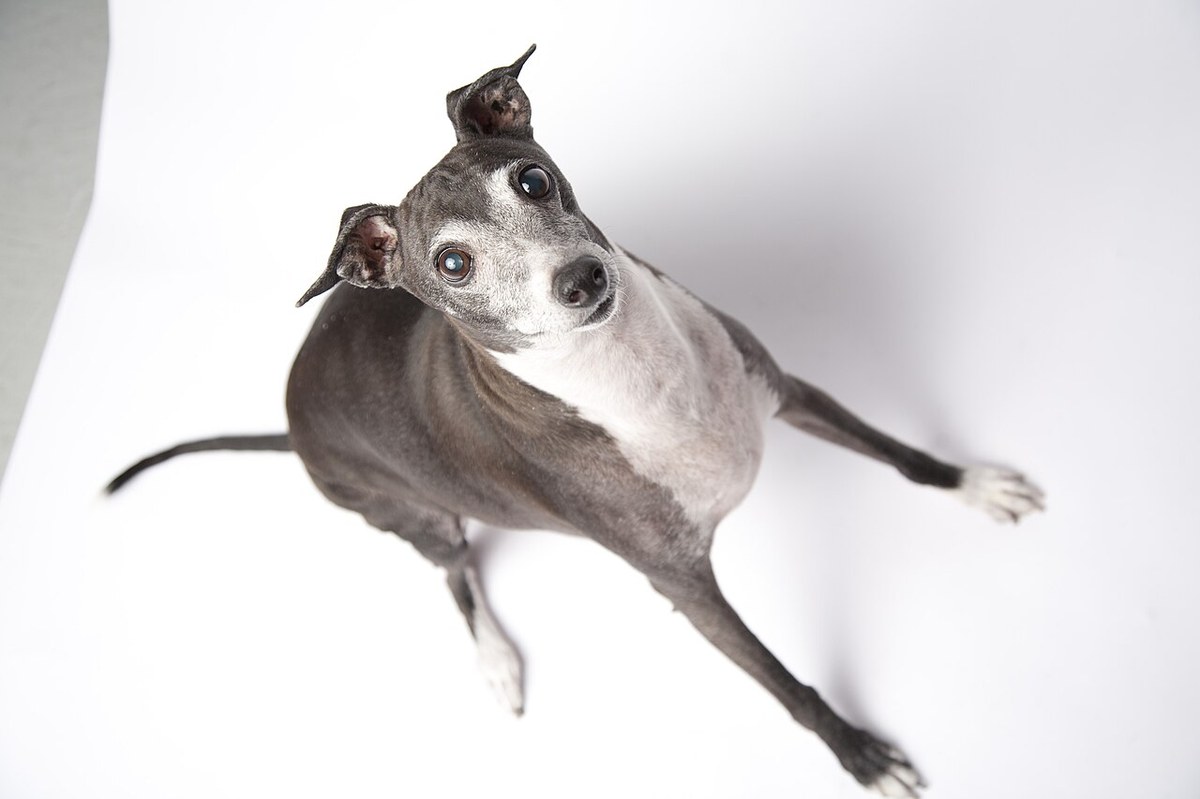
An Italian Greyhound outdoors (modern photograph). Big eyes and a long, narrow head are typical.
What the breed was bred for
Gentle, affectionate and sensitive
In plain trainer language: Italian Greyhounds are loving, quiet indoors and often shy with strangers. They chase moving things and can be hard to recall.
The challenges are house training, cold, fragility and recall. Warm coats, safe running areas and gentle training help.
What to watch monthly: teeth, warmth, weight and injuries
General awareness only — I am a trainer, not a veterinarian. Notice limping, changes in teeth or energy. For urgent signs, see
when to call the vet.
Teeth
Brush daily and ask for regular dental checks.
Warmth
A thin coat means jackets in cold, wet weather.
Injuries
Slim legs: avoid jumps from heights and see the vet for any limping. See limping stop list.
Weight
Keep the dog lean and light.
Health screening (not a diagnosis)
Ask the breeder which screenings the national breed club recommends and see results for both parents.
Toxins
I do not publish toxin amounts. Call a vet or poison-control line if the dog eats something dangerous.
Lines and types
Companion life or lure coursing
Italian Greyhounds live as companions, and some also enjoy lure coursing and sighthound sports. The dog is the same.
Companion homes
Short walks and play.
Warm beds and blankets.
Gentle routines.
Quiet indoors.
Suits calm homes that love a cuddly dog.
Lure coursing and sport
Chasing a lure in a safe field.
Builds fitness and confidence.
Needs warm-up and care.
Great outlet for chase instinct.
Suits owners who want a sporty little sighthound.
Socialization windows
What to introduce — and what not to overload — by age
AVSAB-aligned in spirit: short, clean exposures at a distance the puppy can still eat,
with hygiene while vaccines finish. See the
puppy socialization schedule.
“With an Italian Greyhound, I look at warmth, safety and recall first. We set up a toilet routine that works in bad weather, safe sprints and gentle handling — because a cold, scared sighthound will not learn.”
Sessions cover real scenes: toilet accidents, chasing and recall, time alone, shyness with visitors, and nail trims. I am a trainer, not a veterinarian. No invented reviews.
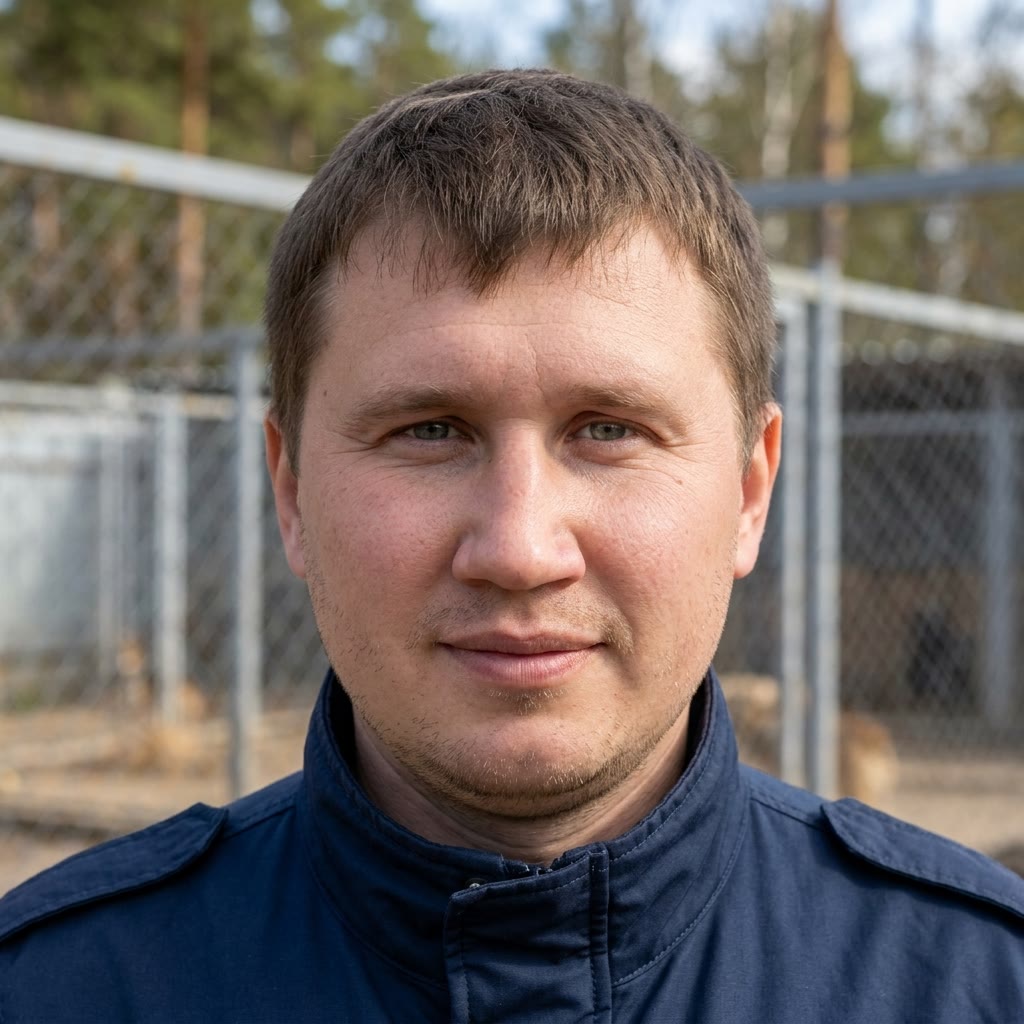
Andrew DarovProfessional dog trainer and instructor
Describe age, living setup, and where the dog breaks first — toilet accidents, chasing and recall, time alone, or shyness with visitors. Opens WhatsApp to Andrew.
A tiny, fluffy spitz with a bold personality that needs calm door routines, regular brushing and patient house training.
Need a read on your exact situation?
Describe your Italian Greyhound’s age and the scene that repeats most: toilet accidents, chasing and recall, time alone, or shyness with visitors. We check safety first, then pick the first skill.
Written by Andrew Darov, professional dog trainer. Not veterinary advice and not a diagnosis.
Not a kennel club. No invented reviews. No vaccine schedules or toxin doses. Photo credits in
/images/breeds/italian-greyhound-guide/credits.md.