Irish Wolfhound: temperament, training & size and lead manners
The Irish Wolfhound is one of the tallest dog breeds: a rough-coated sighthound once used to hunt wolves in Ireland. Most are calm, gentle and friendly, and fast for their size. Life goes well with early lead manners, careful puppy exercise, safe fenced running and plenty of space.
Job: Giant Irish hound that hunted wolves and deer.
Energy: Moderate; steady walks and safe sprints.
Home: Best with space, a big car and a big budget.
The Irish Wolfhound is one of the tallest dog breeds. Large rough-coated hounds in Ireland were used to hunt wolves, deer and boar by sight, and to guard. The breed almost disappeared in the 1800s and was rebuilt by Captain George Graham. That history made a calm, gentle giant that is fast for its size.
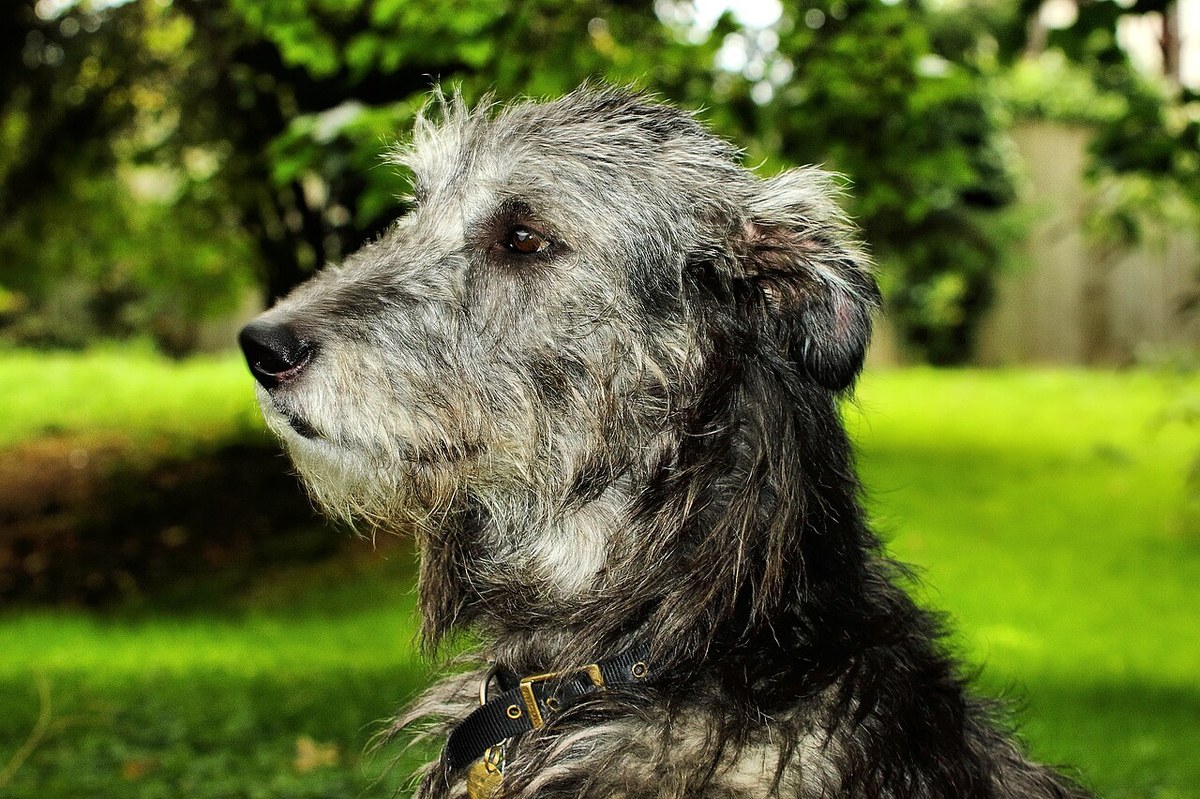
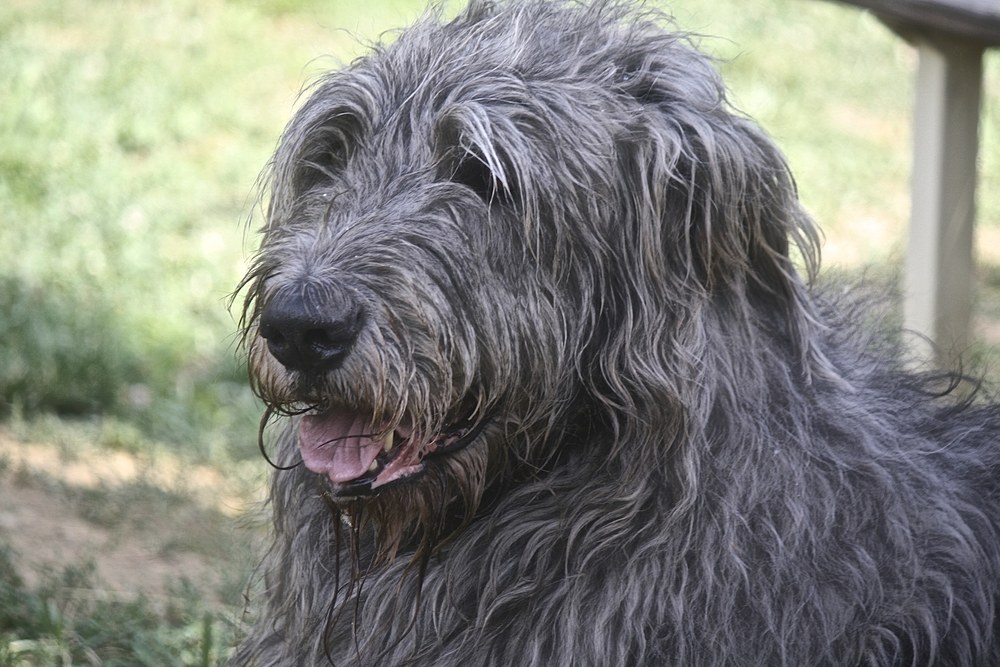
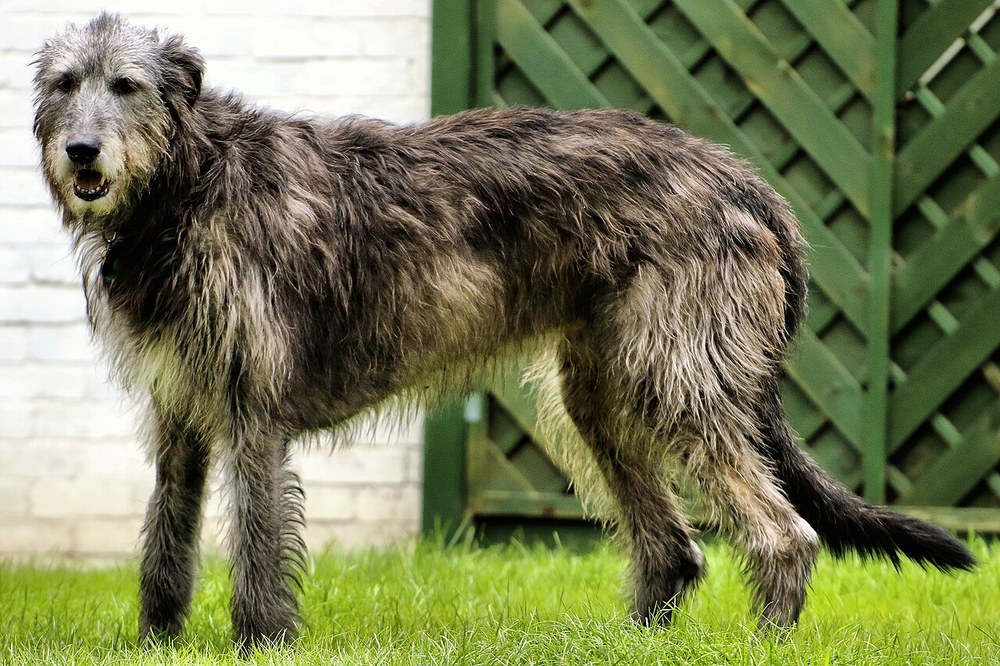
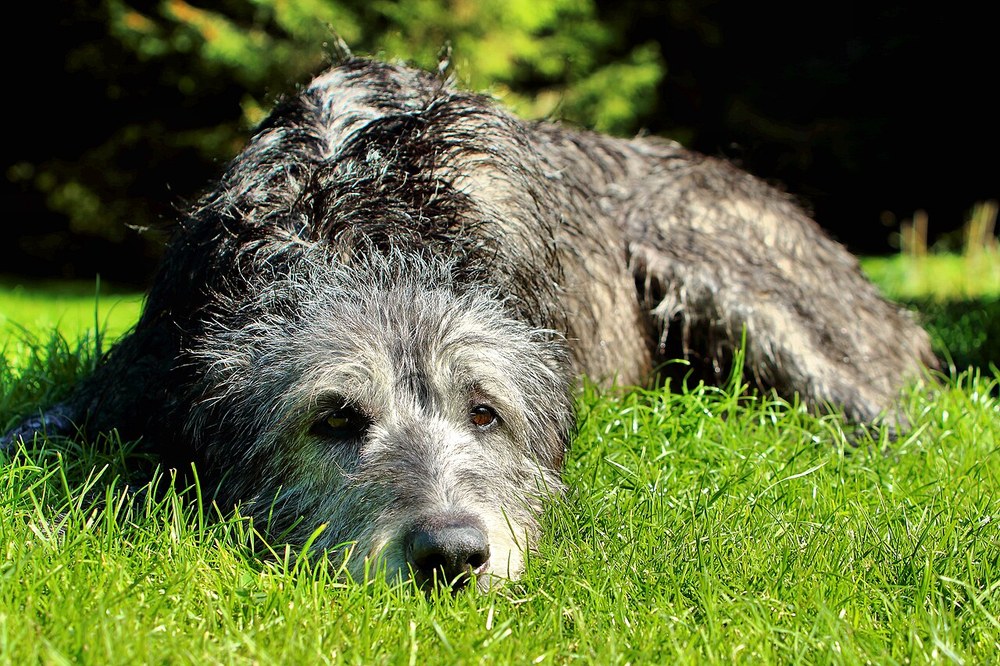
An Irish Wolfhound in profile (modern photograph). Rough coat, long head and gentle eyes.
Ancient Ireland → giant hunting hound
Hunting wolves by sight
Public breed histories describe great hounds in Irish stories and records, hunting wolves until wolves disappeared from Ireland.
In the late 1800s, Captain Graham rebuilt the breed from the remaining dogs and other large hounds.
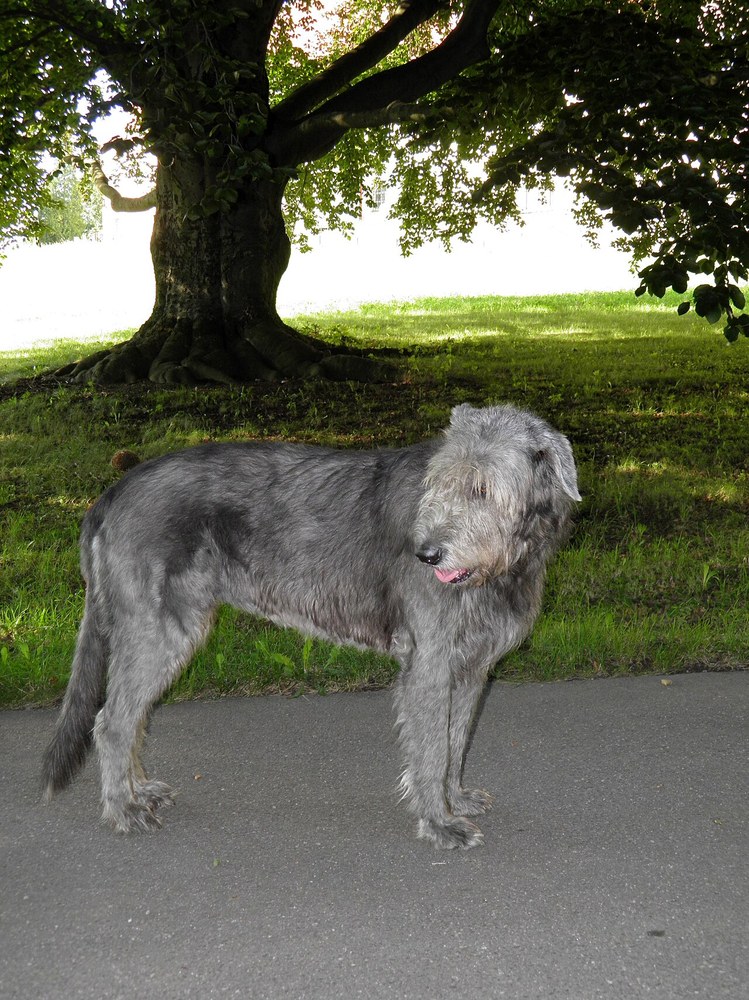
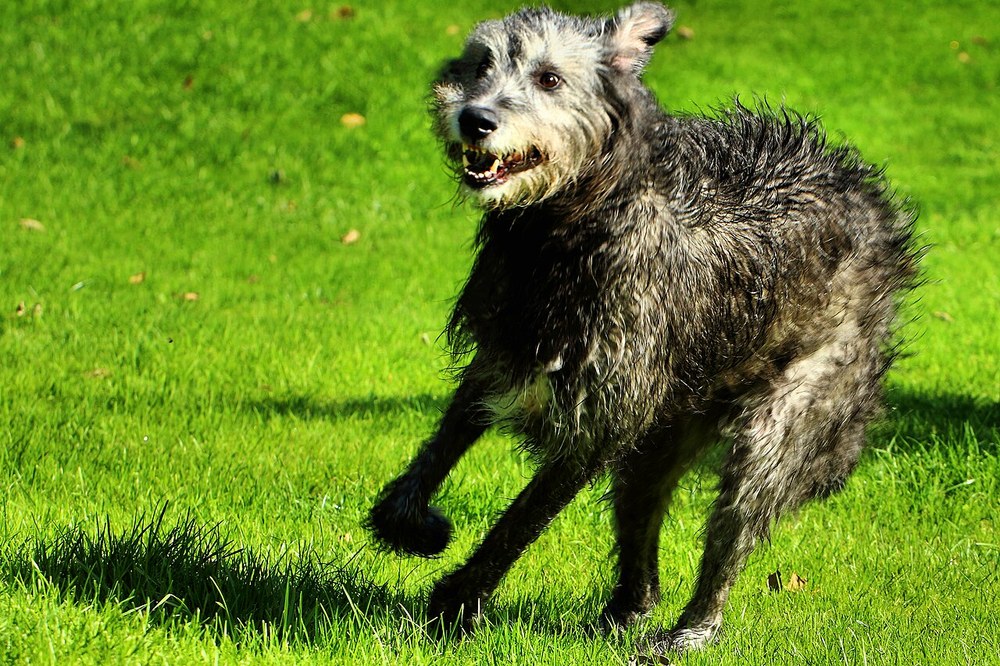
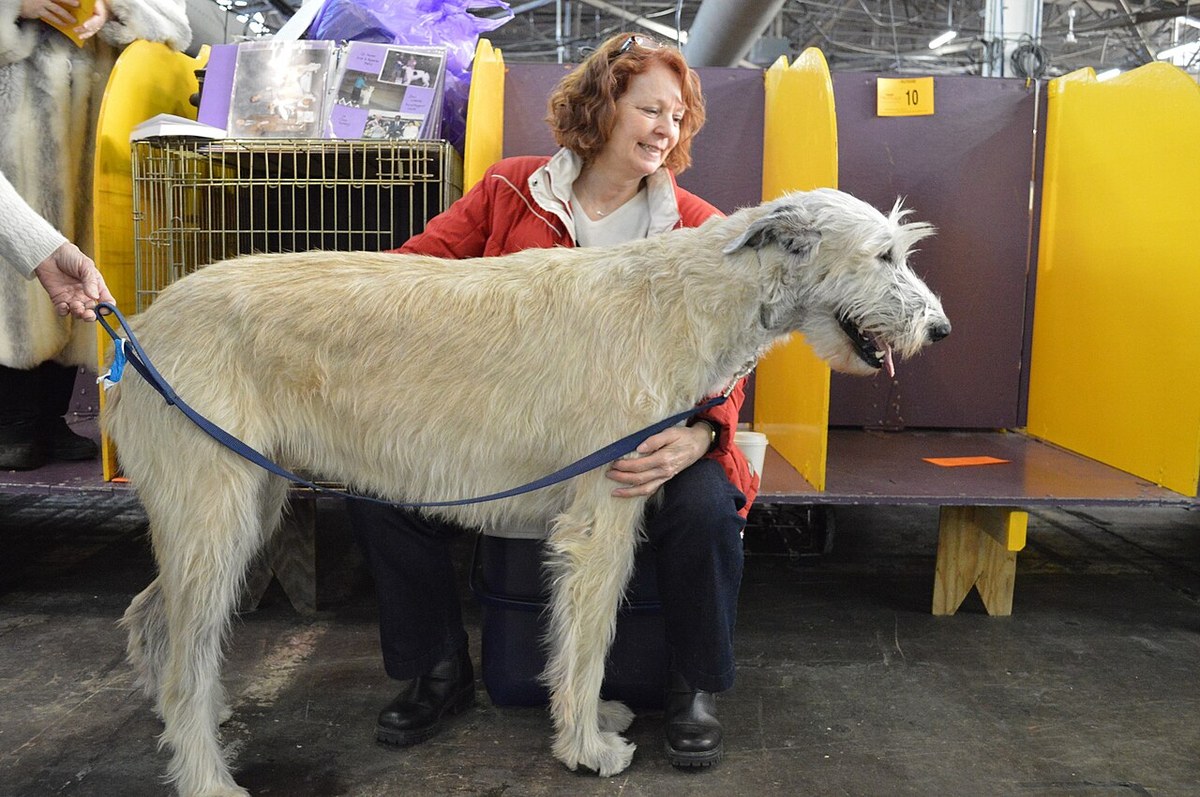
An Irish Wolfhound in a park (modern photograph). The size surprises most people.
Giant hound → gentle companion
Gentle when stroked, fierce when provoked
The breed’s old motto describes a dog that is gentle at home but brave when needed.
Meet the parents and see their size, how gently they move indoors and how calmly they settle.
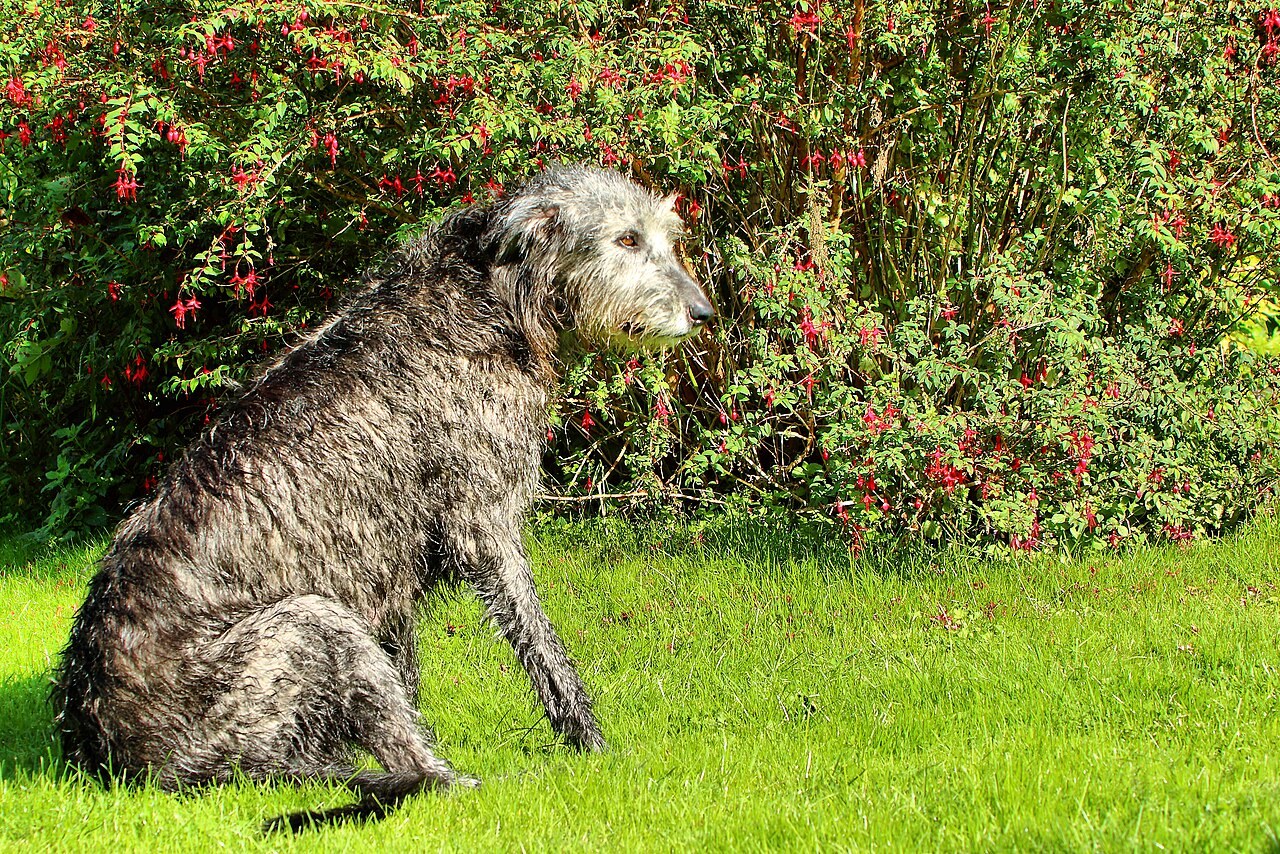
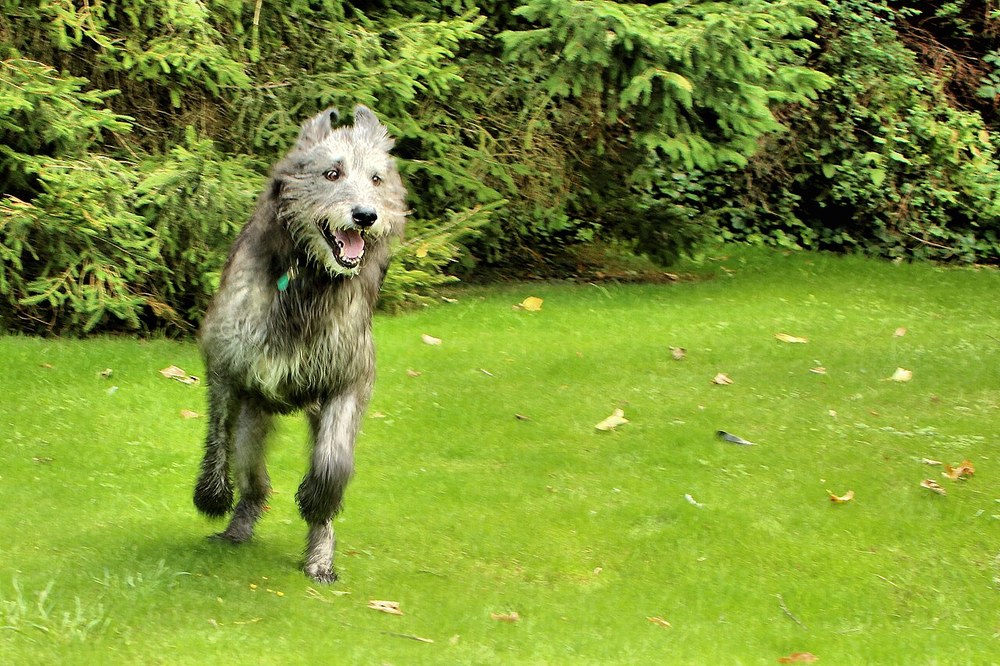
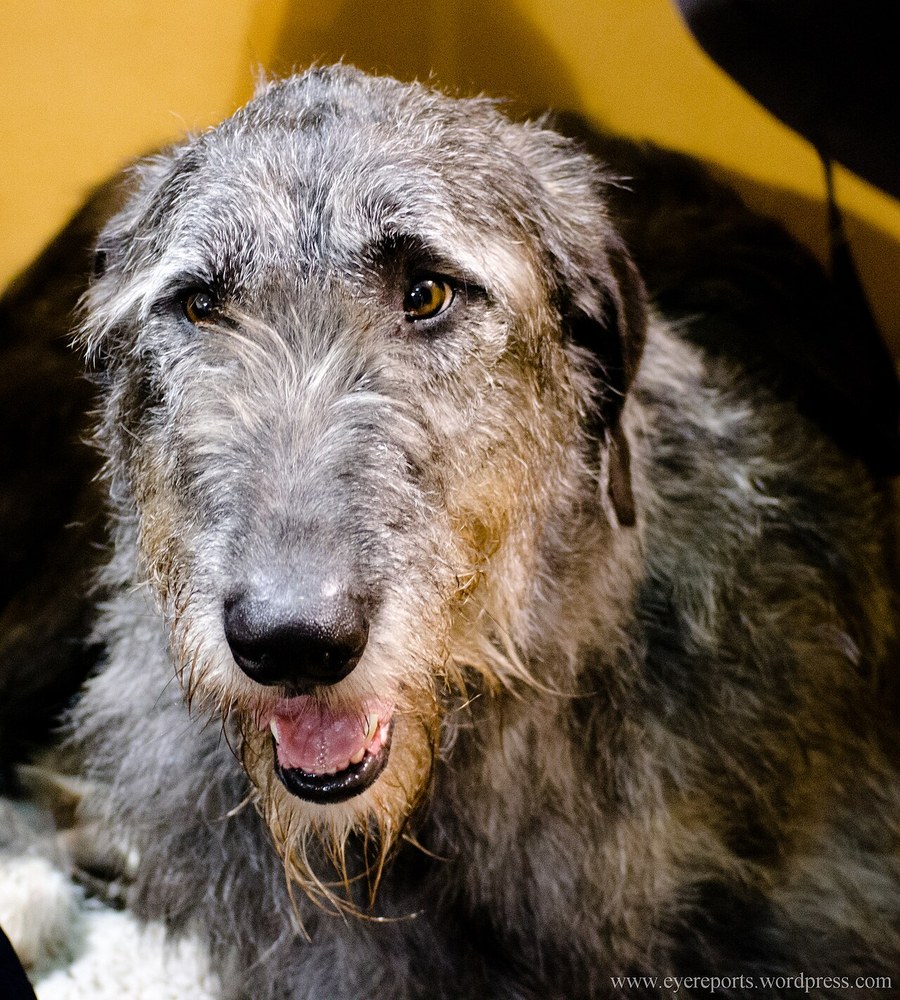
A grey Irish Wolfhound (modern photograph). Colours include grey, brindle, red, black and wheaten.
What the breed was bred for
Calm, gentle and huge
In plain trainer language: Wolfhounds are quiet, kind giants that are usually friendly with people and dogs.
The hard parts are their size, chasing small animals, slow growth with careful puppy exercise, counter surfing, and the short lifespan of a giant breed. Early lead manners, safe fenced running and a calm home help most.
A trainer’s checklist, not veterinary advice. See a vet for limping, breathing changes, a swollen belly after eating, coughing or low energy. For urgent signs, see
when to call the vet.
Joints
Watch for stiffness; give soft, thick bedding.
Weight
Keep lean; extra weight strains a giant frame.
Coat
Brush weekly; tidy the rough coat by hand-stripping.
Feeding
Feed on a steady routine and rest after meals.
Health screening (not a diagnosis)
Ask the breeder which screenings the national breed club recommends, including heart checks and hip scores, and see results for both parents.
Toxins
I do not publish toxin amounts. Call a vet or poison-control line if the dog eats something dangerous.
Lines and types
Grey, brindle, red or wheaten
Wolfhounds come in several colours. Grey is the best known; brindle, red, black, white and wheaten also occur.
Grey and brindle
The most common colours.
Rough, wiry coat.
Same gentle nature.
Same size and needs.
The classic look.
Red, wheaten and others
Less common colours.
Same rough coat.
Same gentle nature.
Same size and needs.
Colour does not change temperament.
Socialization windows
What to introduce — and what not to overload — by age
AVSAB-aligned in spirit: short, clean exposures at a distance the puppy can still eat,
with hygiene while vaccines finish. See the
puppy socialization schedule.
8–16 weeks
Big baby
Introduce: lead basics, handling, calm greetings, toilet routine.
Do not overload: stairs, jumping and long walks.
~5–7 months
Growing fast
Introduce: short walks, loose-lead walking, settle.
Do not overload: forced running or jogging.
~9–12 months
Gangly teenager
Introduce: calm meetings, counter rules, car routine.
Do not overload: rough play with big dogs.
~1.5–2 years
Growing up
Introduce: longer walks, fenced sprints.
Do not overload: hard exercise before growth ends without vet advice.
Adult
Gentle giant
Introduce: refreshed manners, gentle exercise.
Do not overload: weight gain.
Before you buy
Who an Irish Wolfhound usually fits
A Wolfhound suits calm people with space, a big car and a budget for a giant dog.
Good match
More likely a good fit if you…
Have a large home and garden
Have a big car
Want a calm, gentle dog
Can walk daily at a steady pace
Accept the shorter life of a giant breed
Mismatch risk
An Irish Wolfhound may be a poor choice if…
You live in a small flat
Your budget is tight
You want off-lead walks near roads
You have small pets and no plan
You need a long-lived dog
If you are torn between breeds
Irish Wolfhound vs Great Dane and Scottish Deerhound
Wolfhounds are compared with Great Danes and Scottish Deerhounds.
Coat
Irish Wolfhound
Rough and wiry.
Great Dane
Short and smooth.
Type
Irish Wolfhound
Sighthound.
Great Dane
Mastiff-type guardian.
Size
Irish Wolfhound
Giant.
Scottish Deerhound
Very tall but lighter.
Origin
Irish Wolfhound
Ireland.
Scottish Deerhound
Scotland.
Lifespan
Irish Wolfhound
Short.
Both compares
All giant dogs have shorter lives.
Ownership without surprises
What a Wolfhound costs to keep
Prices vary by country. These are the spending themes, not figures.
Food
A giant dog eats a lot.
Health checks
Ask which screenings the national breed club recommends.
Giant beds and crates
Big and thick.
A big car
Room to lie down.
Vet costs
Medicine is dosed by weight.
Insurance
Consider it early.
With a Wolfhound, almost everything costs more because of size.
Before day one at home
What to prepare for an Irish Wolfhound puppy
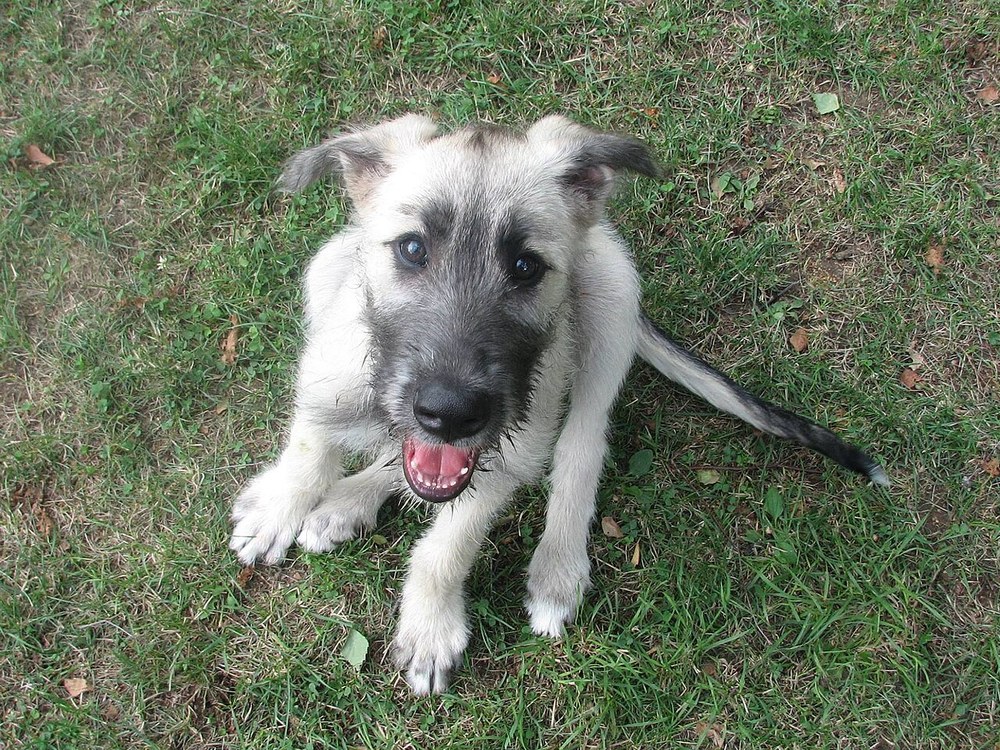
A Wolfhound puppy grows very fast. Start lead manners and calm greetings early, and keep exercise gentle.
“With a Wolfhound, I teach manners while the puppy is small. We build loose-lead walking, calm greetings and safe car routines — because a polite giant is a joy.”
Sessions cover real scenes: pulling, chasing, counter surfing, and puppy exercise questions. I am a trainer, not a veterinarian. No invented reviews.
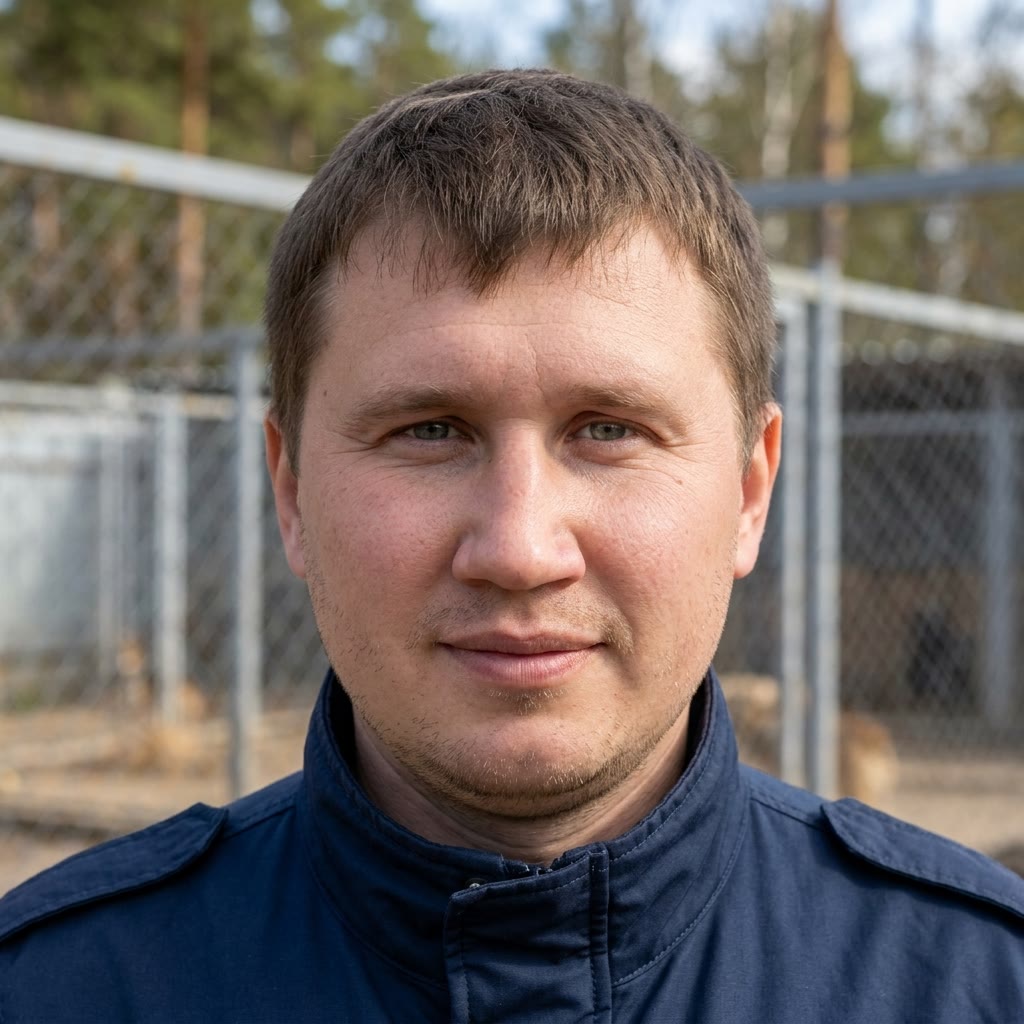
Andrew DarovProfessional dog trainer and instructor
Describe age, living setup, and where the dog breaks first — pulling on the lead, chasing, counter surfing, or puppy exercise questions. Opens WhatsApp to Andrew.
An independent, dignified sighthound with a long silky coat that needs safe fenced sprints, long grooming sessions and gentle training.
Need a read on your exact situation?
Describe your Irish Wolfhound’s age and the scene that repeats most: pulling on the lead, chasing, counter surfing, or puppy exercise questions. We check safety first, then pick the first skill.
Written by Andrew Darov, professional dog trainer. Not veterinary advice and not a diagnosis.
Not a kennel club. No invented reviews. No vaccine schedules or toxin doses. Photo credits in
/images/breeds/irish-wolfhound-guide/credits.md.