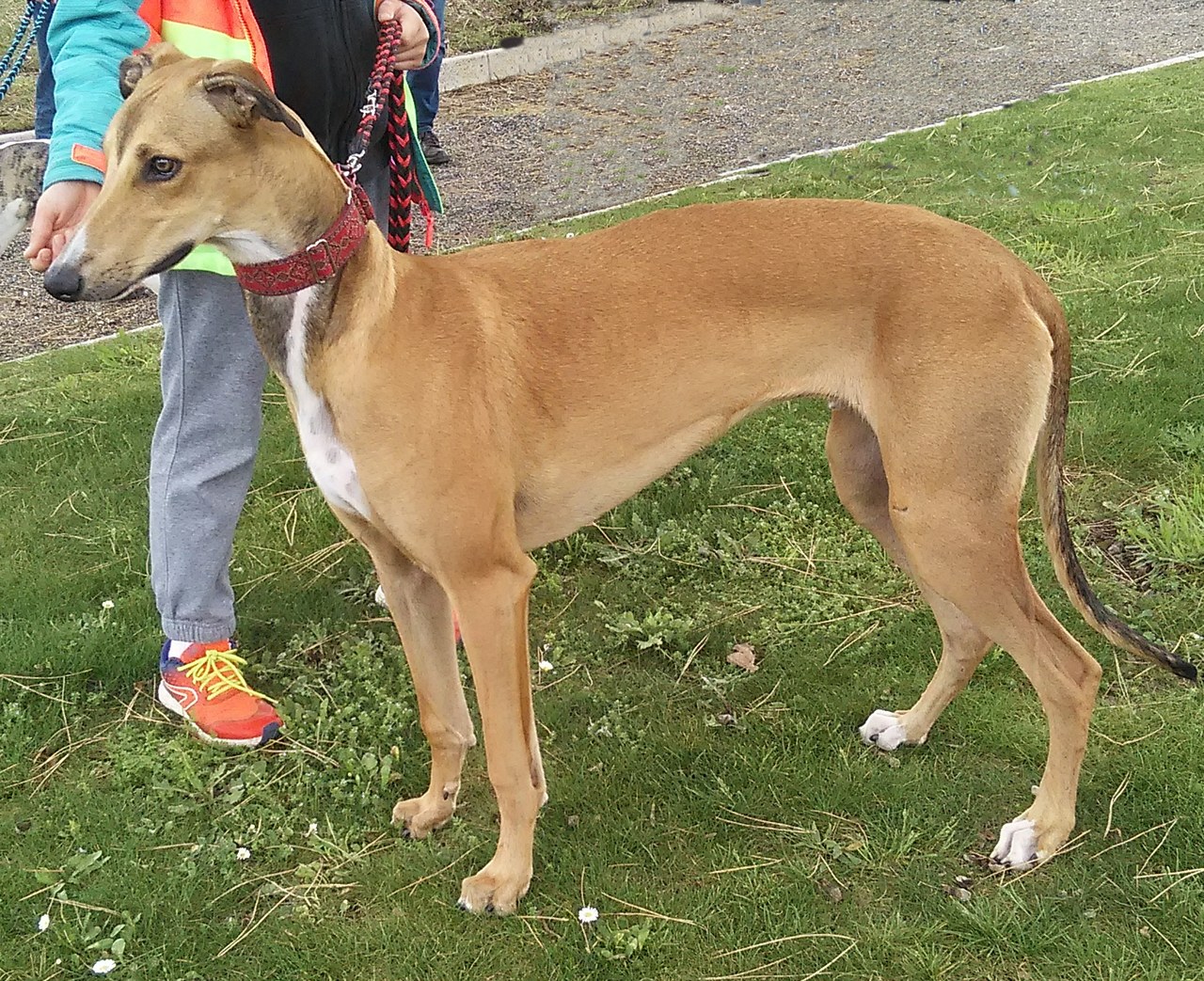
The Greyhound is a tall, lean sighthound built for short bursts of great speed. Many pet Greyhounds are retired racers. Most are gentle, quiet and love to sleep, but they chase small animals. Life goes well with safe, fenced sprints, a lead or long line in open areas, a soft bed and slow, gentle introductions.
Job: Ancient coursing dog, later a racing dog.
Energy: Low to moderate; walks plus a safe sprint.
The Greyhound is one of the oldest sighthound types. It was bred to spot hares and other fast game and catch them in a short, explosive chase. In the 1900s it became famous as a racing dog, and today many retired racers live as pets. That job made a gentle, quiet dog that sprints hard and then sleeps for hours.
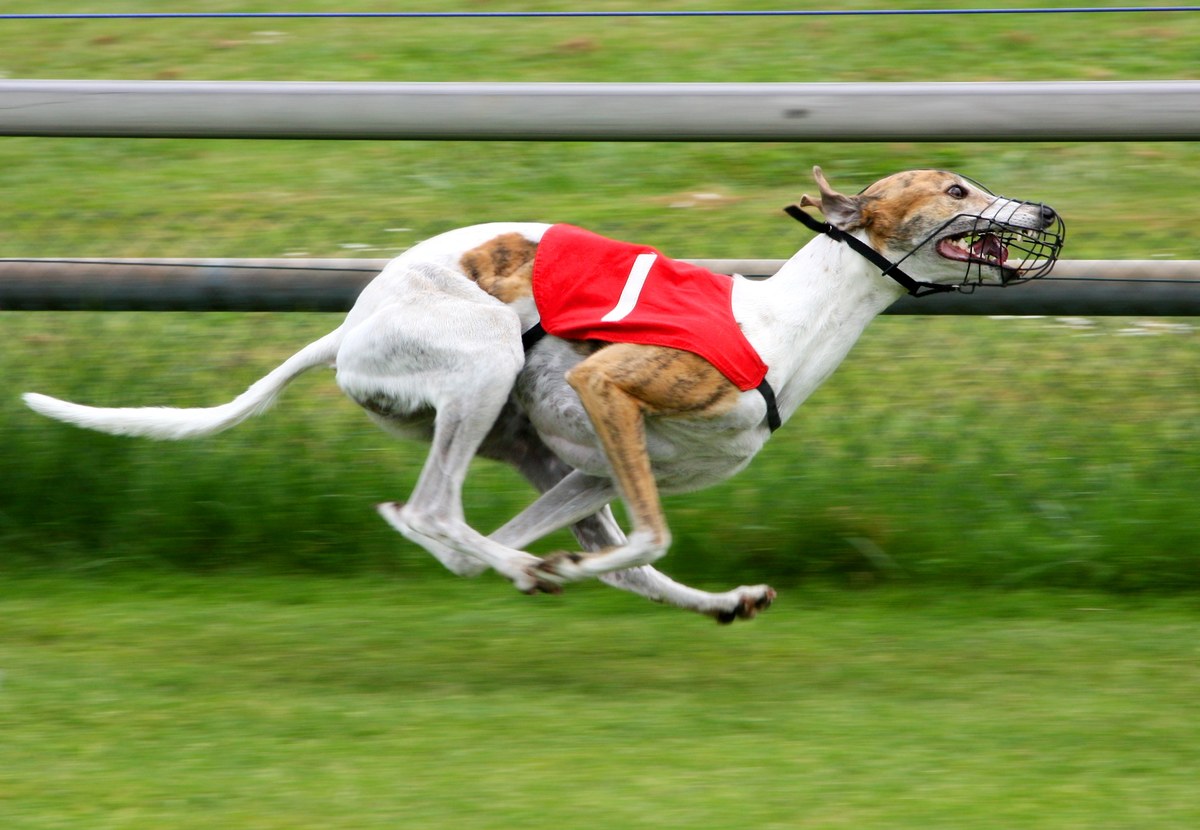
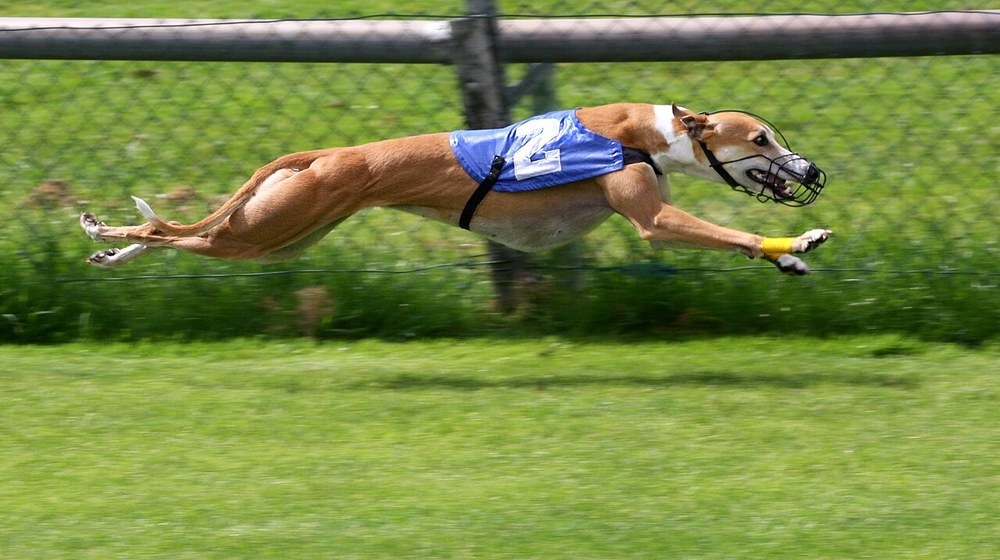
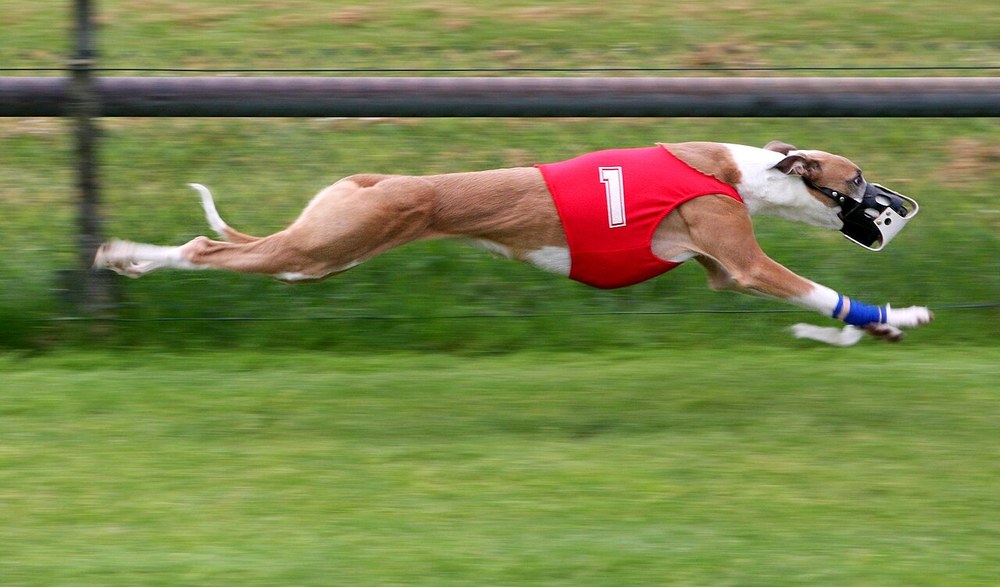
A racing Greyhound at full stretch (modern photograph). Greyhounds are among the fastest dogs in the world.
Ancient hunting dog → coursing and racing
Built for one fast chase
Public breed histories describe greyhound-type dogs in Europe for many centuries, kept for coursing hares.
Track racing grew in the 1900s, and adoption groups now rehome many retired racers.
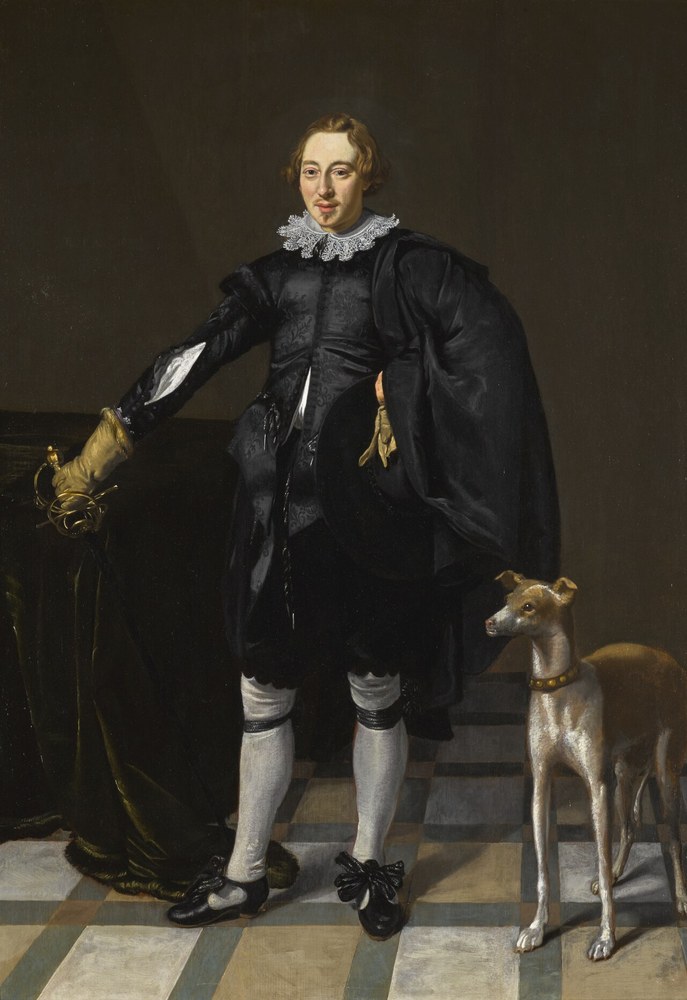
Thomas de Keyser, 1600s: a young man with his greyhound. Sighthounds were a sign of status.
Racing dog → retired companion
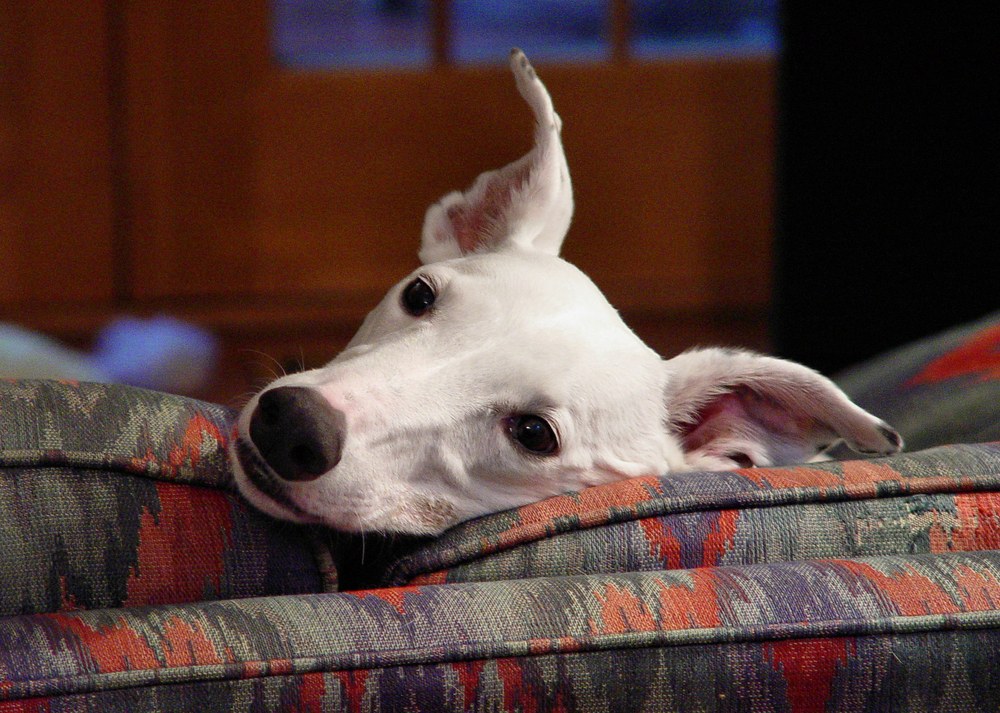
The 40 mph couch potato
Greyhounds are often called 40 mph couch potatoes: very fast for a short time, very lazy the rest of the day.
If you adopt a retired racer, ask the rescue how the dog behaves with cats, small dogs, stairs and being alone.
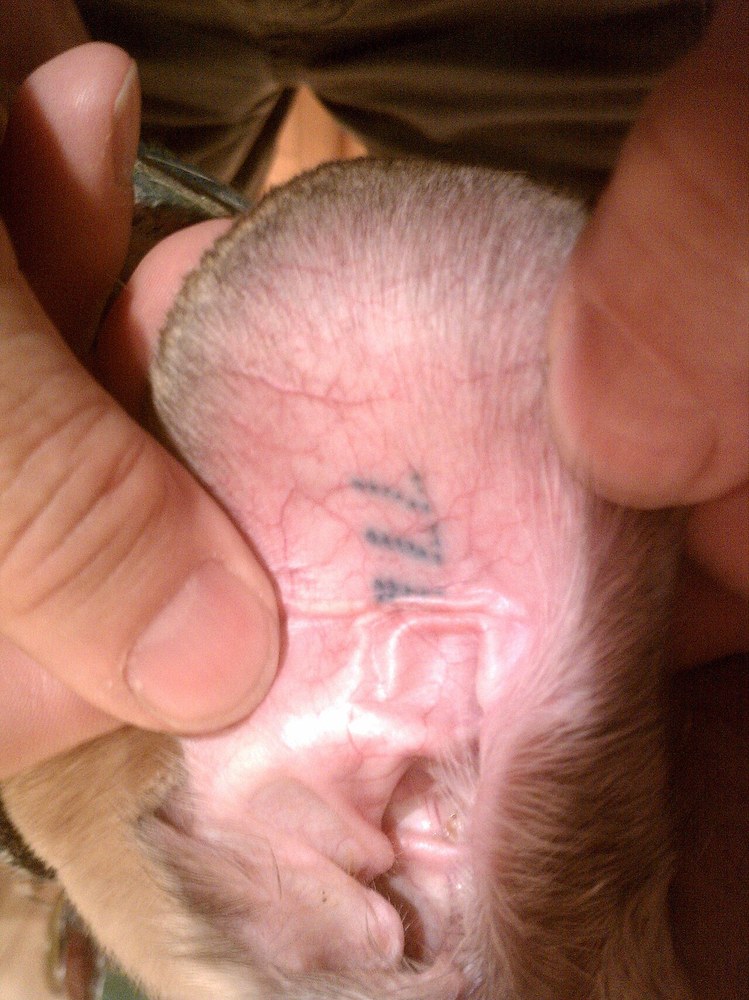
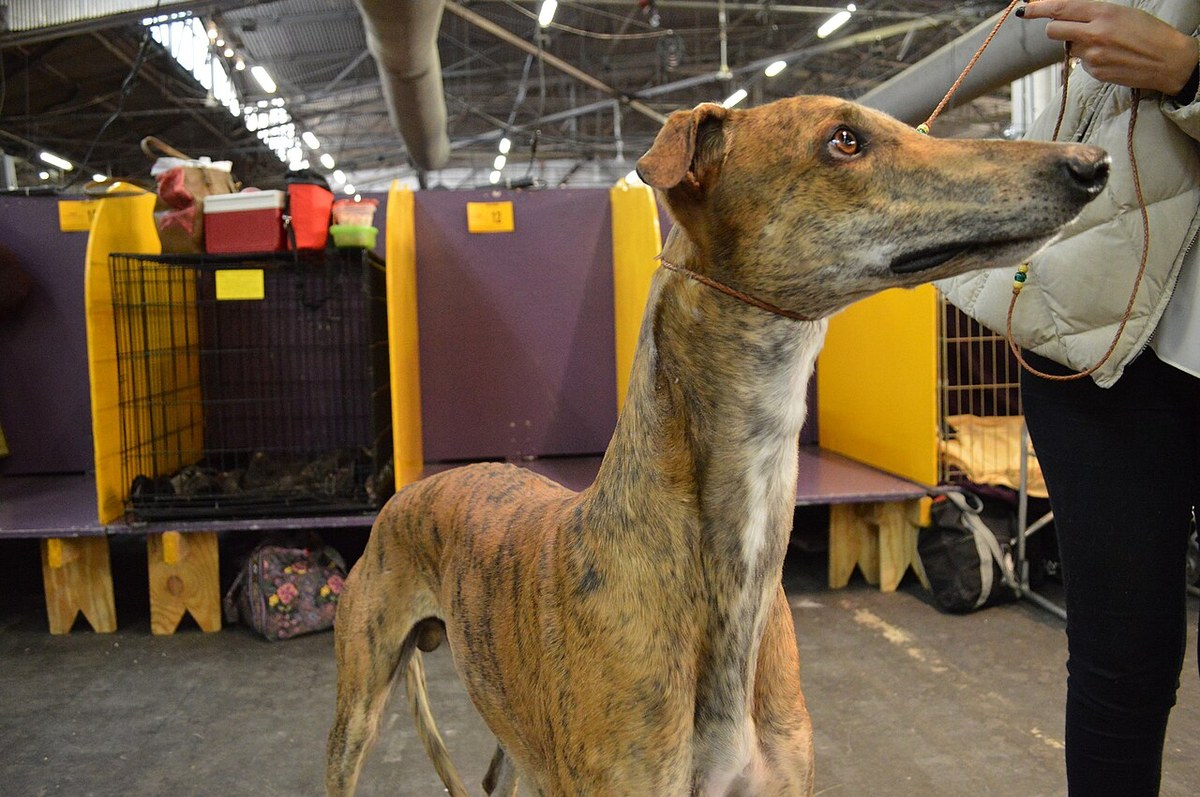
An ear tattoo on a retired racing Greyhound (modern photograph). Racing dogs are often identified this way.
What the breed was bred for
Gentle, quiet and sensitive
In plain trainer language: Greyhounds are calm, affectionate dogs that love comfort and dislike rough handling.
The hard parts are chasing small animals, no recall once a chase starts, startling when woken, worry in new places and feeling the cold. A safe lead, a muzzle where needed, soft beds and slow introductions help most.
A trainer’s checklist, not veterinary advice. See a vet for limping, cuts, low energy or changes in eating. For urgent signs, see
when to call the vet.
Skin
The thin skin tears easily; check after running.
Teeth
Brush or use dental chews.
Nails
Trim regularly.
Warmth
Very little body fat; most need a coat in cold weather.
Health screening (not a diagnosis)
Ask the breeder or rescue which checks the national breed club recommends, and ask about any past injuries.
Toxins
I do not publish toxin amounts. Call a vet or poison-control line if the dog eats something dangerous.
Lines and types
Retired racer or show Greyhound
Most pet Greyhounds are retired racers. Show Greyhounds come from separate lines and look a little different.
Retired racers
Lean and muscular.
Strong chase instinct.
May not know house life yet.
Often adopted as adults.
The most common pet Greyhound.
Show lines
Taller, deeper chest.
Bred from puppies for home life.
Still a sighthound.
Less common.
Raised as pets from the start.
Socialization windows
What to introduce — and what not to overload — by age
AVSAB-aligned in spirit: short, clean exposures at a distance the puppy can still eat,
with hygiene while vaccines finish. See the
puppy socialization schedule.
First weeks home
Settling in
Introduce: quiet routine, crate or bed, house tour, toilet routine.
Do not overload: crowds and many visitors.
~1–2 months home
House manners
Introduce: stairs, glass doors, short alone times, muzzle comfort.
Do not overload: off-lead in open spaces.
~3–6 months home
Growing confidence
Introduce: longer walks, fenced sprints, new places.
Do not overload: meeting small dogs off lead.
Puppies: ~1–1.5 years
Teenage sprinter
Introduce: recall games, settle, lead manners.
Do not overload: hard running before growth ends without vet advice.
Adult
Calm companion
Introduce: refreshed recall and alone time.
Do not overload: cold, wet walks without a coat.
Before you buy
Who a Greyhound usually fits
A Greyhound suits calm people who want a gentle, quiet dog and can keep it safe around small animals.
Good match
More likely a good fit if you…
Want a calm, quiet house dog
Can walk on lead in open areas
Have a soft bed and warm home
Like adopting adult dogs
Enjoy short walks and long naps
Mismatch risk
A Greyhound may be a poor choice if…
You want off-lead walks everywhere
You have small pets and no plan
You want a jogging partner for long runs
You want a guard dog
Your home is noisy and busy all day
If you are torn between breeds
Greyhound vs Whippet and Italian Greyhound
Greyhounds are compared with Whippets and Italian Greyhounds, two smaller sighthounds.
Size
Greyhound
Large.
Whippet
Medium.
Origin
Greyhound
Ancient coursing and racing dog.
Whippet
1800s English rag racer.
Size
Greyhound
Large.
Italian Greyhound
Toy-sized.
Fragility
Greyhound
Thin skin.
Italian Greyhound
Very fine legs; easily injured.
Chase
Greyhound
Strong.
Both compares
All sighthounds chase.
Ownership without surprises
What a Greyhound costs to keep
Prices vary by country. These are the spending themes, not figures.
Soft bedding
Thick beds for a bony dog.
Health checks
Ask the breeder or rescue about checks and past injuries.
Coats
Warm and waterproof.
Martingale collar and muzzle
Safe walks.
Secure field hire
Safe sprints.
Insurance
Consider it early.
With a Greyhound, beds, coats and safe walking gear are the main costs.
Before day one at home
What to prepare for a Greyhound puppy
Most pet Greyhounds are adopted adults; puppies are rarer. Either way, start with a quiet routine and gentle handling.
“With a Greyhound, I keep life calm and predictable at first. We build muzzle comfort, house manners and short alone times — because a Greyhound that feels safe shows its gentle side.”
Sessions cover real scenes: chasing small animals, lunging, startling when woken, and worry when left alone. I am a trainer, not a veterinarian. No invented reviews.
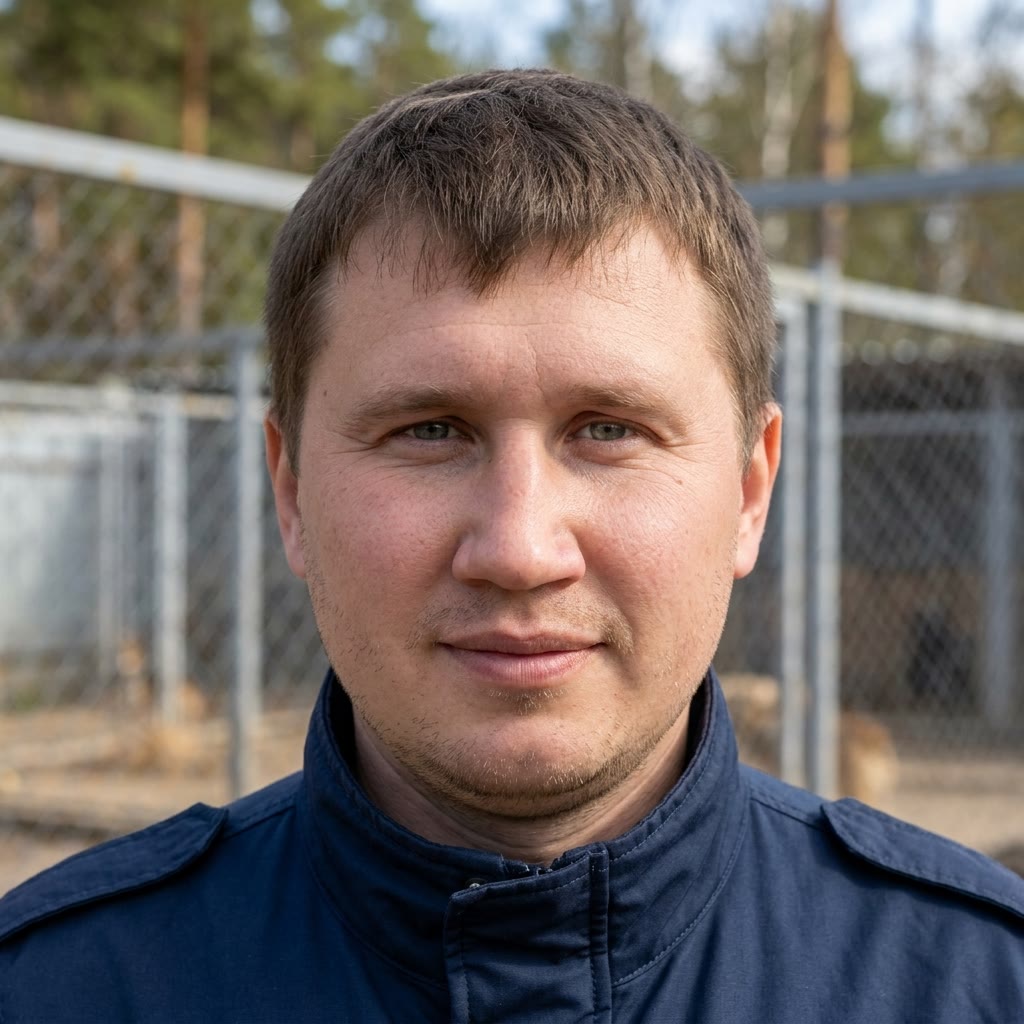
Andrew DarovProfessional dog trainer and instructor
Describe age, living setup, and where the dog breaks first — chasing, lunging on the lead, startling when woken, or worry when left alone. Opens WhatsApp to Andrew.
A clever, independent, cat-like dog from Central Africa that needs secure fencing, puzzle feeding and short, food-based training.
Need a read on your exact situation?
Describe your Greyhound’s age and the scene that repeats most: chasing, lunging on the lead, startling when woken, or worry when left alone. We check safety first, then pick the first skill.
Written by Andrew Darov, professional dog trainer. Not veterinary advice and not a diagnosis.
Not a kennel club. No invented reviews. No vaccine schedules or toxin doses. Photo credits in
/images/breeds/greyhound-guide/credits.md.