
Racing dog → family companion
Fast and soft
Whippets are among the fastest dogs for their size, yet most are quiet and calm at home.
Meet the parents and see how they settle, how they greet people and how they react to small animals.
Whippet · Hound
The Whippet is a medium-sized sighthound from northern England, built like a small Greyhound. Most are gentle, quiet and affectionate, with great speed outdoors and a love of soft beds indoors. Life goes well with safe, fenced sprints, a warm coat in winter, gentle food-based training and slow alone-time practice.
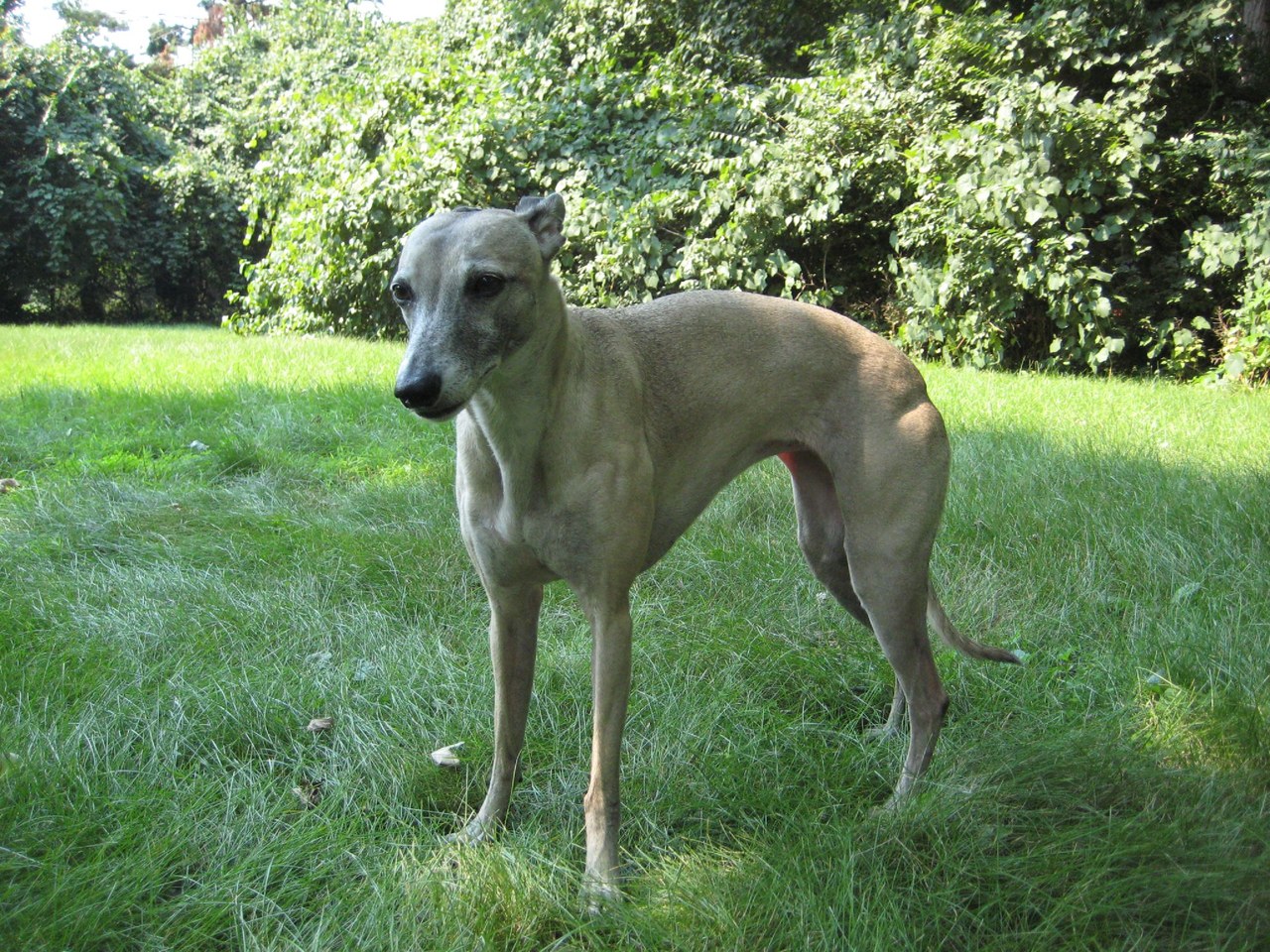
First, the point
Public breed histories describe an 1800s English dog used by working people to catch rabbits and race.
Most Whippets are calm and loving at home. Typical struggles are chasing, no recall once running, feeling the cold and worry when left.
In the first months I teach recall games, muzzle comfort, short alone times and calm handling.
Breed history
The Whippet was developed in northern England in the 1800s from small greyhounds and other dogs. Working people used them to catch rabbits and to race over short straight tracks, often towards a waved rag. That job made a gentle, quiet, affectionate dog that sprints very fast and then curls up to sleep.
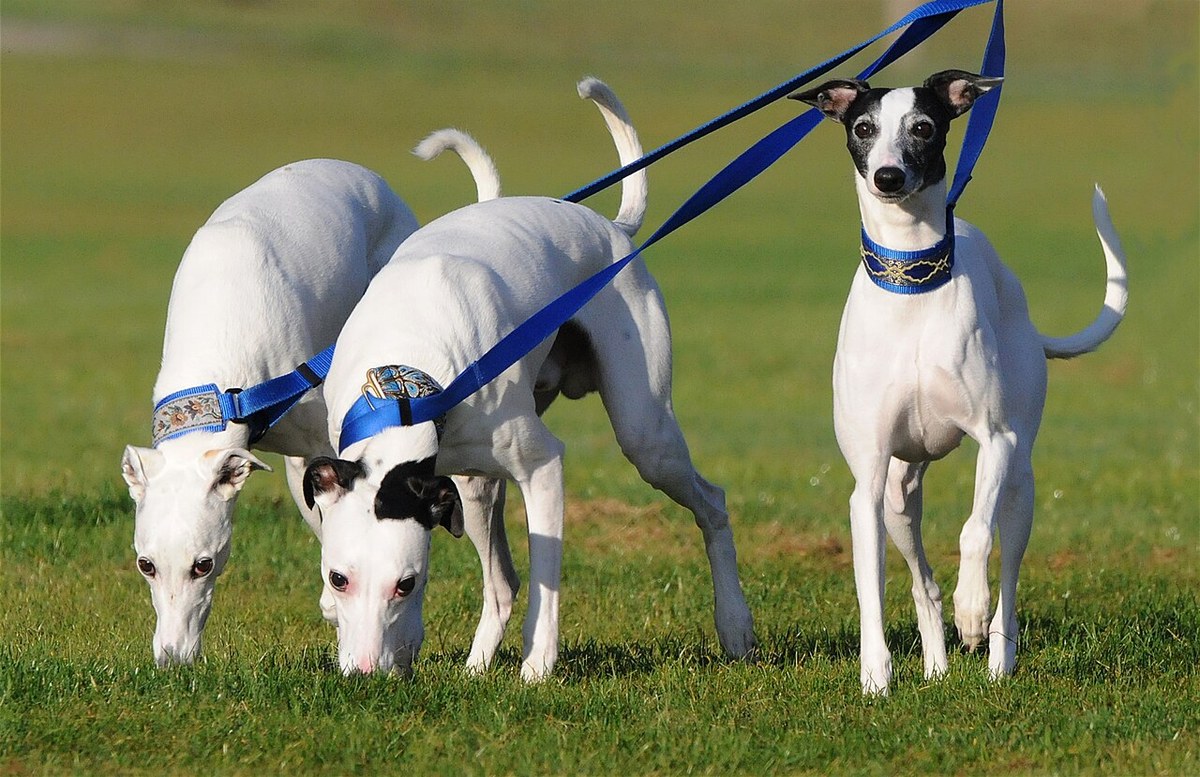
Northern England, 1800s → rabbit catcher and racer
Public breed histories describe miners and mill workers keeping Whippets for rabbiting and Sunday racing.
The breed was recognised by kennel clubs in the late 1800s.
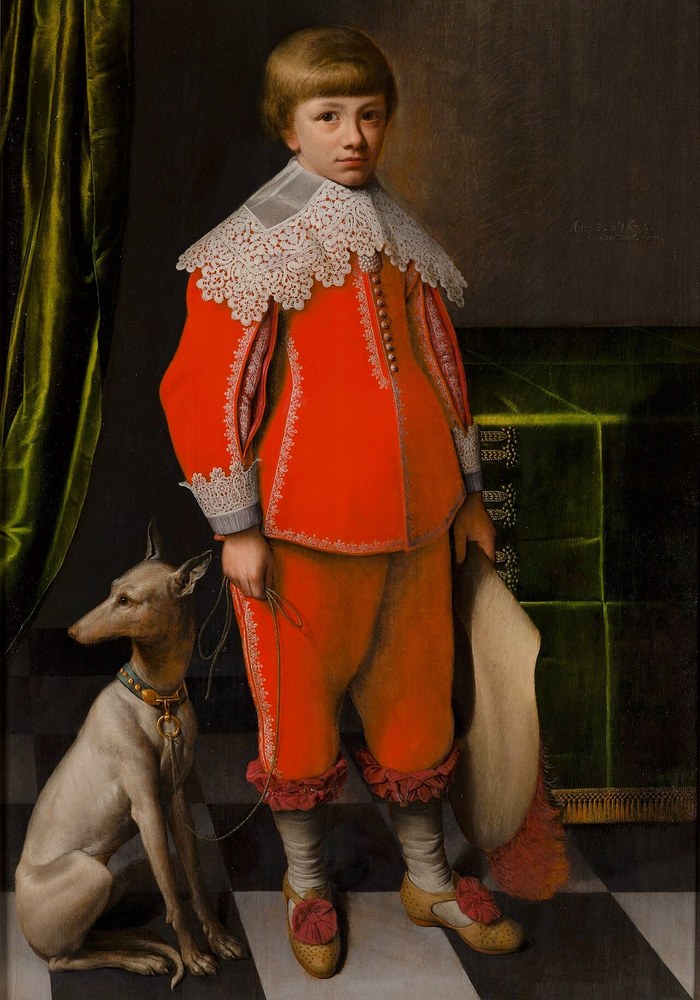
Racing dog → family companion
Whippets are among the fastest dogs for their size, yet most are quiet and calm at home.
Meet the parents and see how they settle, how they greet people and how they react to small animals.
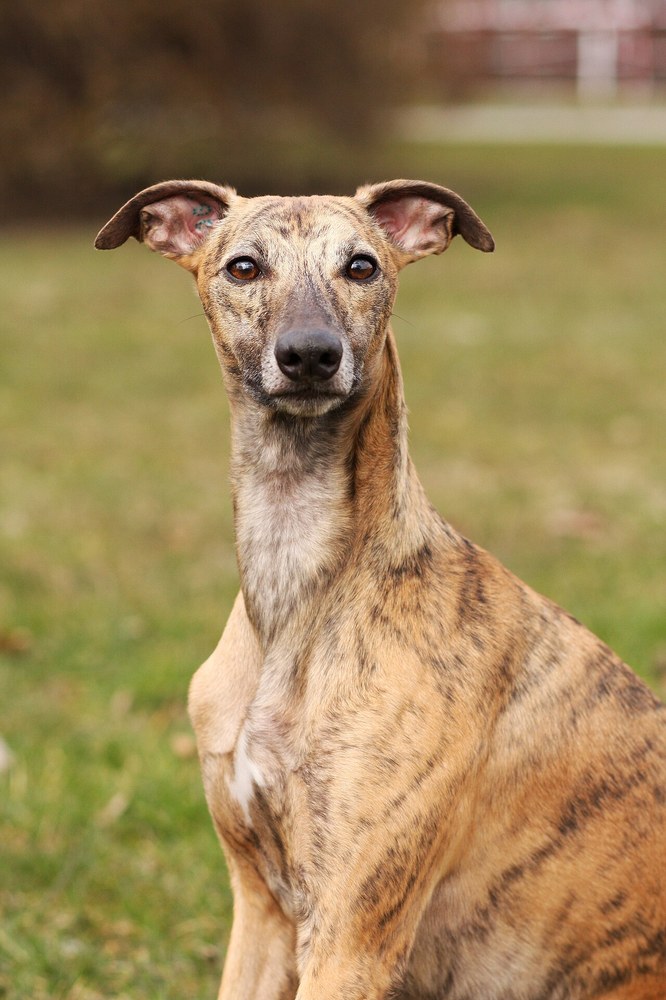
What the breed was bred for
In plain trainer language: Whippets are soft, loving dogs that like comfort and dislike rough handling.
The hard parts are chasing small animals, no recall once a chase starts, feeling the cold, thin skin that tears easily, and worry when left alone. Safe sprints, a warm coat, gentle training and slow alone-time practice help most.
Public references: FCI 162, AKC Whippet, RKC.
Life together
Whippets need daily walks and a chance to sprint safely. Afterwards, most want a warm lap or blanket.
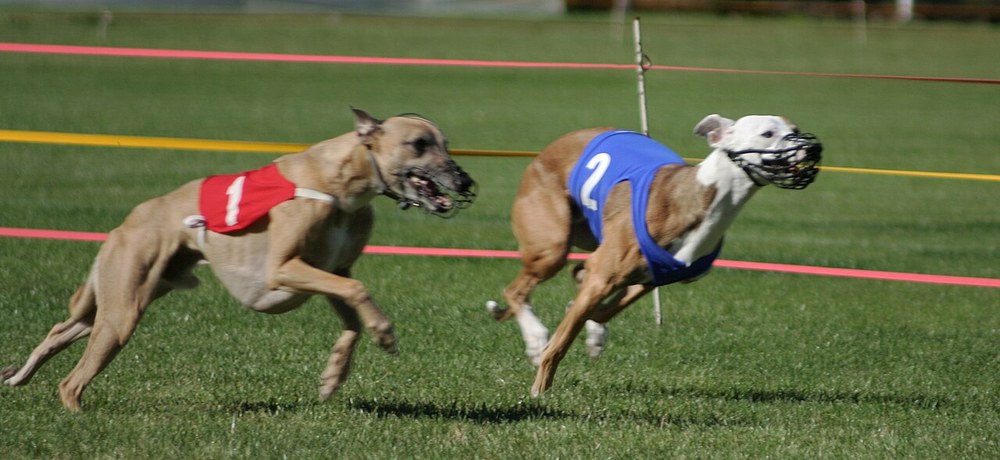
Lure coursing and racing are safe ways to let a Whippet run.
See emergency U-turn.
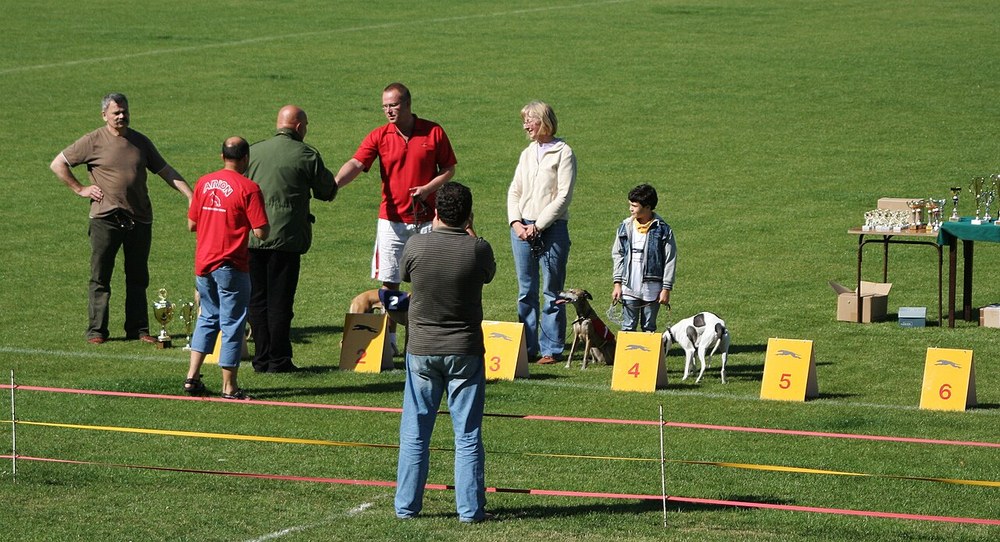
New places can worry a soft dog. Let it watch from a safe spot.
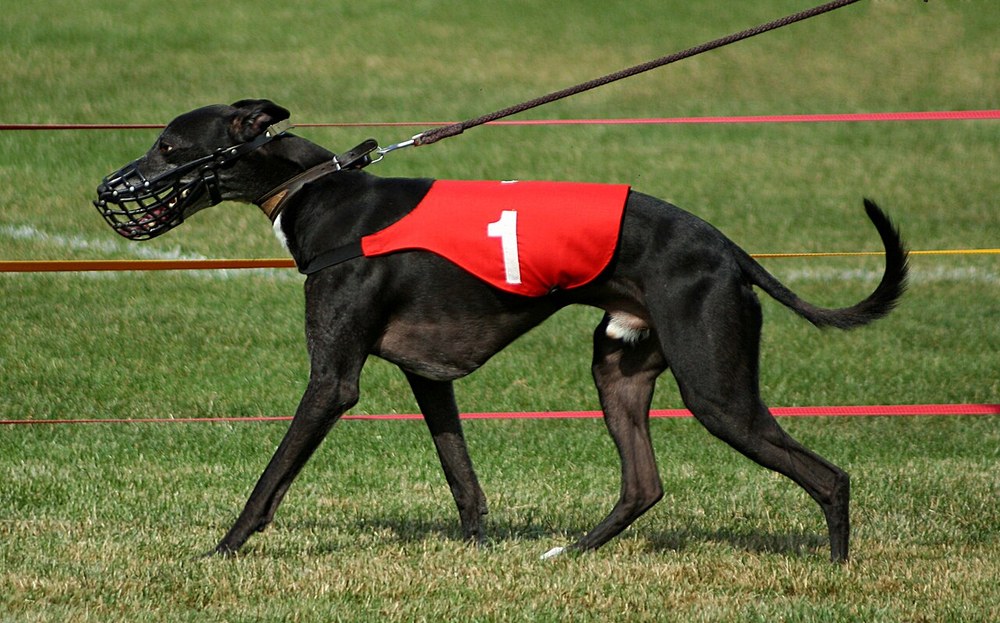
A muzzle is normal at races. Teach it kindly so it is never scary.
See introducing a muzzle.
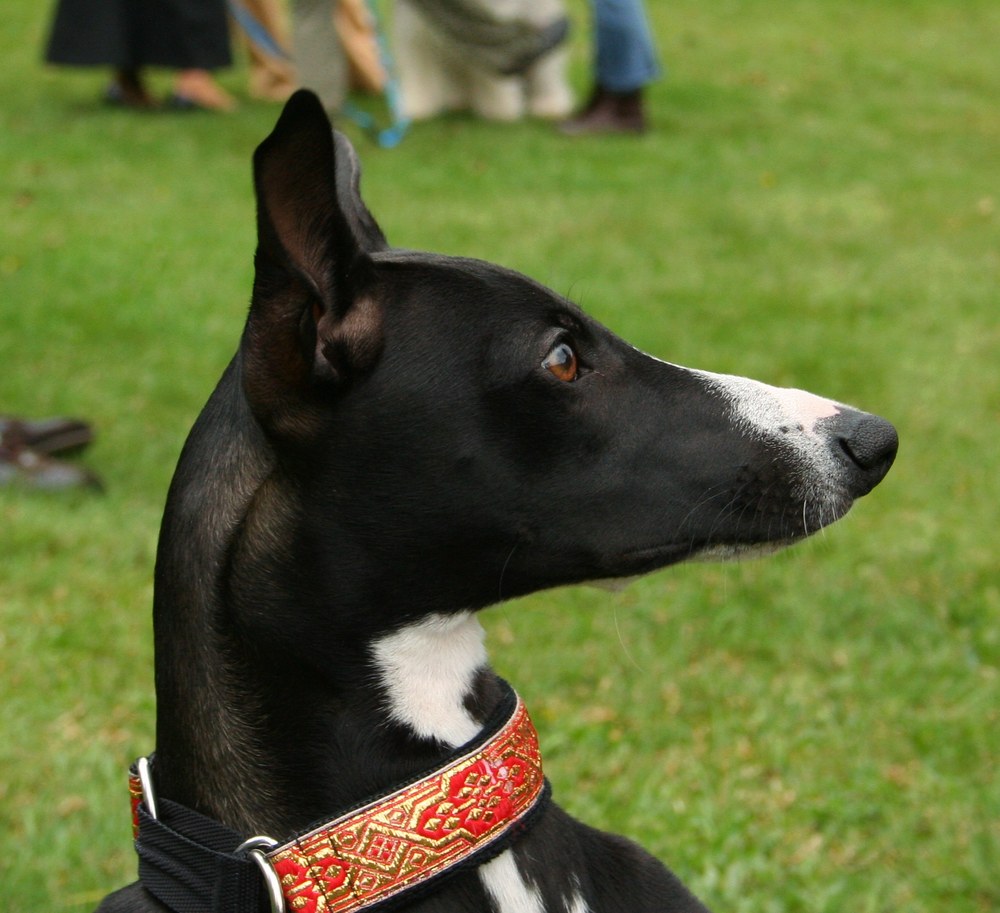
Whippets are usually gentle with people and quiet in the house.
See settle on lead.
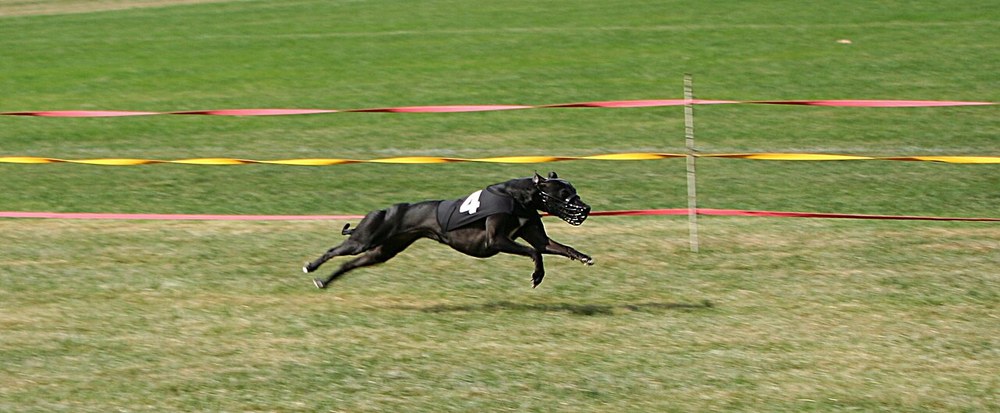
A Whippet chasing a lure cannot hear you. Use fenced areas for free running.
See long-line recall.
Care and health themes
A trainer’s checklist, not veterinary advice. See a vet for cuts, limping, low energy or changes in eating. For urgent signs, see when to call the vet.
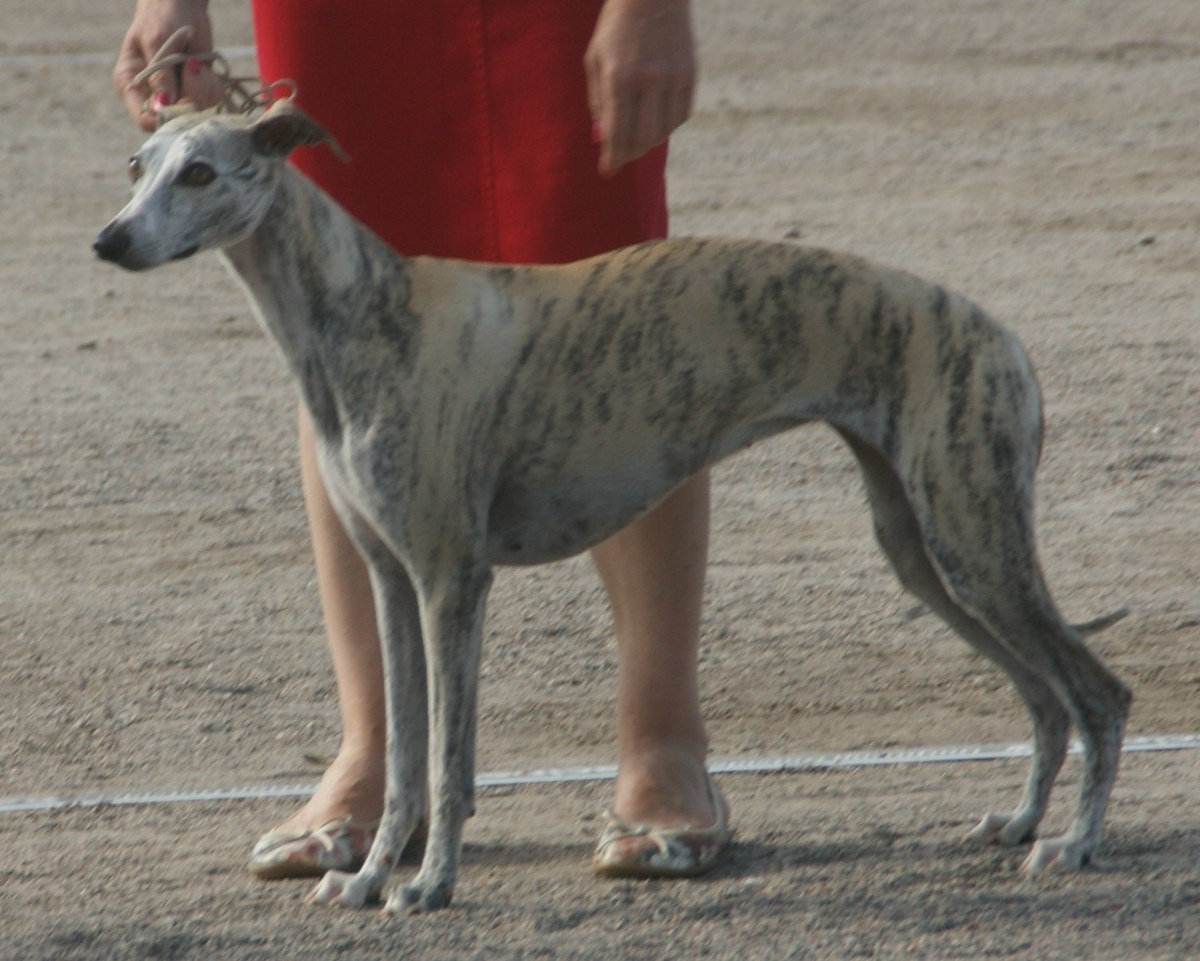
Thin skin tears easily; check after running.
Brush or use dental chews.
Trim regularly.
Very little body fat; most need a coat in cold weather.
Ask the breeder which screenings the national breed club recommends, including eye and heart checks, and see results for both parents.
I do not publish toxin amounts. Call a vet or poison-control line if the dog eats something dangerous.
Lines and types
Some Whippets come from show lines, others from racing and coursing lines. Both are gentle at home.
The typical pet Whippet.
Best for active, sporty homes.
Socialization windows
AVSAB-aligned in spirit: short, clean exposures at a distance the puppy can still eat, with hygiene while vaccines finish. See the puppy socialization schedule.
Introduce: gentle handling, name games, crate naps, toilet routine.
Do not overload: rough play with big dogs.
Introduce: long-line recall, muzzle comfort, short alone times.
Do not overload: off-lead in open spaces.
Introduce: fenced sprints, settle, new places.
Do not overload: running on hard or icy ground.
Introduce: lure coursing, racing, canicross.
Do not overload: hard running before growth ends without vet advice.
Introduce: refreshed recall and alone time.
Do not overload: cold walks without a coat.
Before you buy
A Whippet suits calm, gentle people who want a quiet house dog and can give it safe places to sprint.
Good match
Mismatch risk
If you are torn between breeds
Whippets are compared with Greyhounds and Italian Greyhounds.
Whippet Medium.
Greyhound Large.
Whippet 1800s England.
Greyhound Ancient sighthound.
Whippet Medium.
Italian Greyhound Toy-sized.
Whippet Usually easy.
Italian Greyhound Often slower.
Whippet Strong.
Both compares All sighthounds chase.
Ownership without surprises
Prices vary by country. These are the spending themes, not figures.
For cold and wet days.
Ask which screenings the national breed club recommends.
Thin dogs need padding.
Safe sprints.
Club fees and events.
Consider it early.
With a Whippet, coats, beds and safe running space are the main costs.
Before day one at home
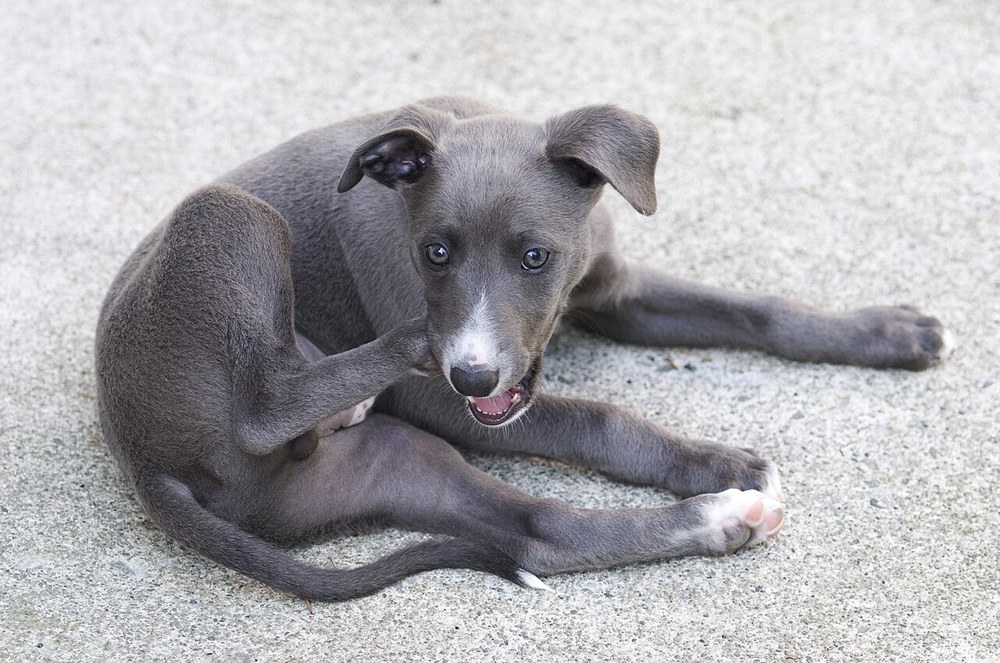
A Whippet puppy is playful and soft. Start recall games, gentle handling and short absences early.
See the name game.
See introducing a muzzle.
See first absences.
See puppy handling.
Follow potty training.
See walk length by age.
If the dog is already yours
Whippets are sensitive. Food, play and a calm voice work best; harsh words shut them down.
My core list: recall games, muzzle comfort, a settle and short alone times.
Lure coursing, racing and fenced sprints are the best outlets.
Load balance
A safe sprint and a warm, soft rest suit most Whippets.
Walks, safe sprints, sniffing and warm rests suit most Whippets.
A Whippet with safe sprints and a warm bed is a quiet, loving companion.
Turning away
Practise a happy turn-away cue on lead, far from distractions, then closer.
A happy word.
Turn and reward.
Easy first.
Step by step.
Until it is solid.
One scene close-up
Whippets were bred to chase rabbits on sight.
Teach a turn-away cue on lead with great food, far from anything moving.
Bring distractions closer slowly, and keep the dog on lead until it is solid.
Typical household scenes
A breed page is only a starting point; the fix depends on health, environment, and the dog in front of you. Each row opens a step-by-step guide.
Cats, rabbits and squirrels.
Sight takes over.
Worry when left.
Useful for races and safety.
Quick and quiet.
At moving things.
Will not go out in the wet.
Cuts, limping or low energy — vet first.
Practical view
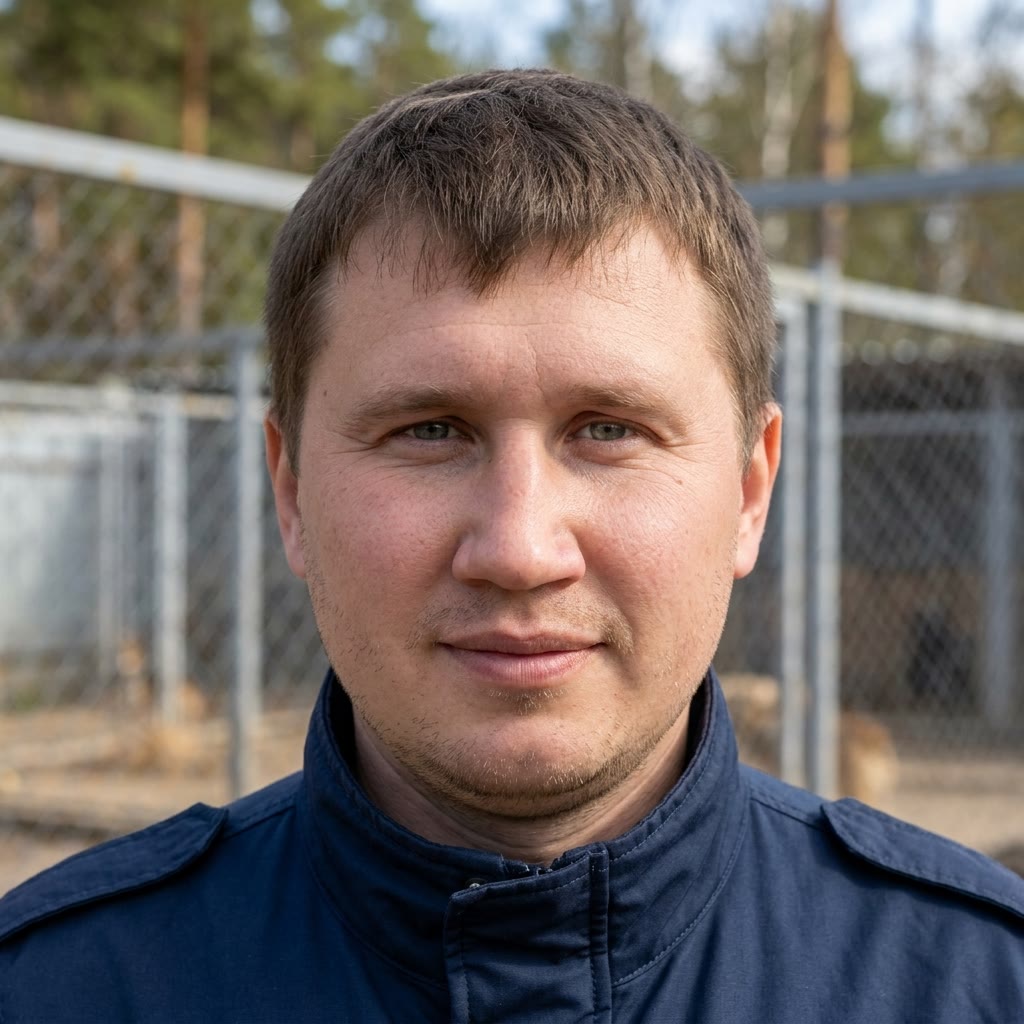
“With a Whippet, I plan safe sprints and a warm bed. We build a turn-away cue, muzzle comfort and short alone times — because a soft sighthound needs safe freedom.”
Sessions cover real scenes: chasing, no recall when running, worry when left alone, and lunging. I am a trainer, not a veterinarian. No invented reviews.
Describe age, living setup, and where the dog breaks first — chasing, no recall when running, worry when left alone, or lunging on the lead. Opens WhatsApp to Andrew.
Short answers
If you want a gentle, cuddly dog that is easier to trust off lead, consider this one.
A gentle, quiet sighthound, often a retired racer, that needs safe sprints, a lead in open areas, a soft bed and slow introductions.
A small, bold English working terrier that needs daily exercise and training games, secure fencing and careful recall training.
A friendly scent hound that follows its nose and needs patient recall training, sniffing walks and a secure garden.
Gentle, affectionate small spaniel that loves company.
Other guides from the same group in the breed library. Same group does not mean same dog: read the fit and the failure modes, not only the outline.
An independent, dignified sighthound with a long silky coat that needs safe fenced sprints, long grooming sessions and gentle training.
A clever, independent, cat-like dog from Central Africa that needs secure fencing, puzzle feeding and short, food-based training.
A gentle, sociable scent hound with long ears and a deep voice that needs sniffing walks, patient training and careful portions.
A gentle, persistent scent hound that needs a strong harness, trailing games, kitchen management and patient training.
A giant Russian coursing hound — calm and quiet indoors, fast and independent outdoors. Space, secure running, and gentle handling come first.
A bold, long-bodied German hunting dog that needs back-friendly habits, help with barking and patient house training.
Describe your Whippet’s age and the scene that repeats most: chasing, no recall when running, worry when left alone, or lunging on the lead. We check safety first, then pick the first skill.
Written by Andrew Darov, professional dog trainer. Not veterinary advice and not a diagnosis.
Not a kennel club. No invented reviews. No vaccine schedules or toxin doses. Photo credits in
/images/breeds/whippet-guide/credits.md.