Basenji: temperament, training & recall and alone time
The Basenji is a small, short-coated hunting dog from Central Africa with prick ears, a wrinkled forehead and a curled tail. It rarely barks but can yodel and scream. Most are clever, independent and cat-like. Life goes well with secure fencing, puzzle feeding, short food-based training and a dog-proof home.
Job: Central African village hunting dog.
Energy: High; daily exercise and brain games.
Home: Best with experienced owners and a dog-proof home.
A Basenji is a clever, cat-like hunter that needs secure fencing, puzzle feeding and short training
Public breed histories describe a Central African village dog that found and flushed game for hunters.
Most Basenjis are affectionate with their family and choosy with strangers and other dogs. Typical struggles are poor recall, escaping, chewing and stress when alone.
In the first months I teach a name check-in, trades, crate comfort and short alone times.
Short fine coat — very little shedding; weekly rub-down
Job
Central African village hunting dog
Breed history
The quiet hunting dog from Central Africa
The Basenji comes from Central Africa, where village hunters used it to find and flush small game into nets. It hunted by sight and scent, often on its own. That job made a clever, independent, cat-like dog that rarely barks but can yodel, howl and scream.
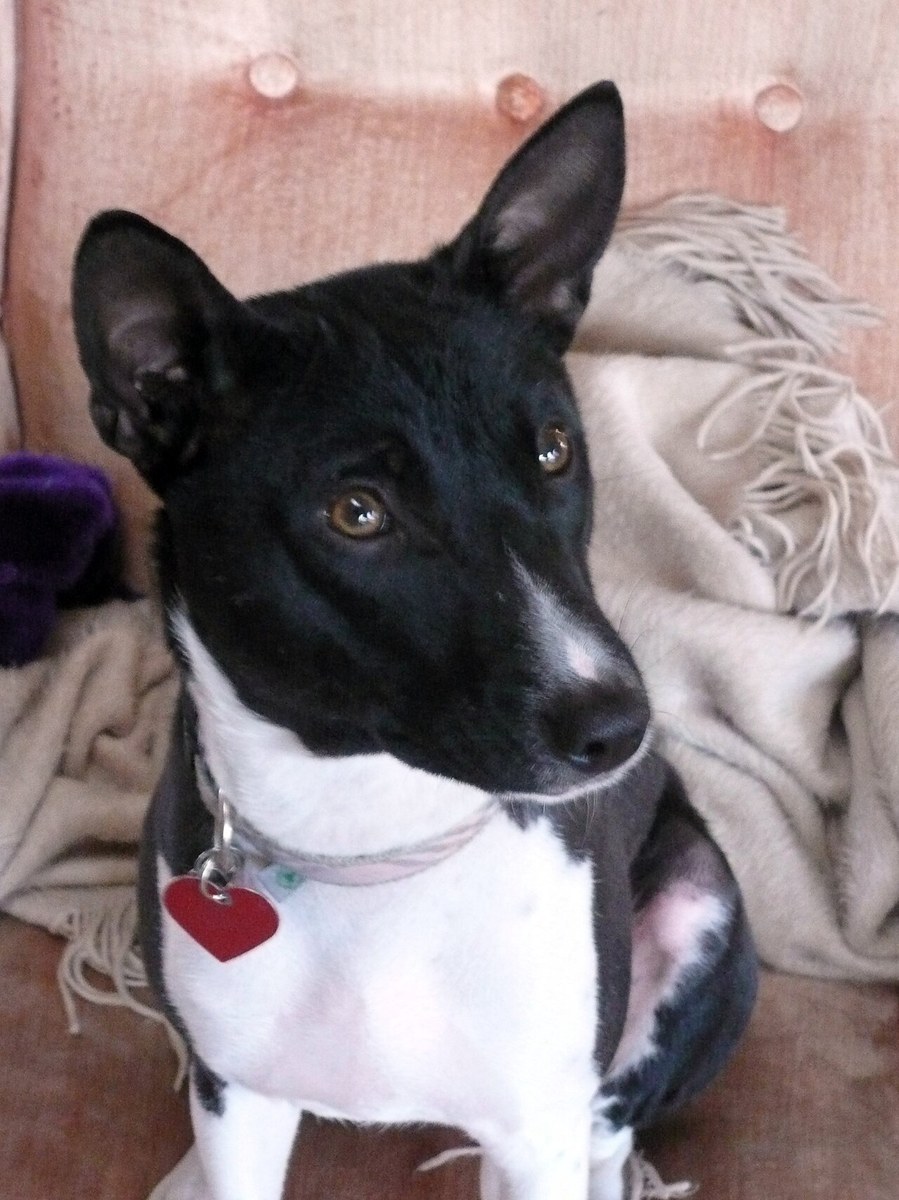
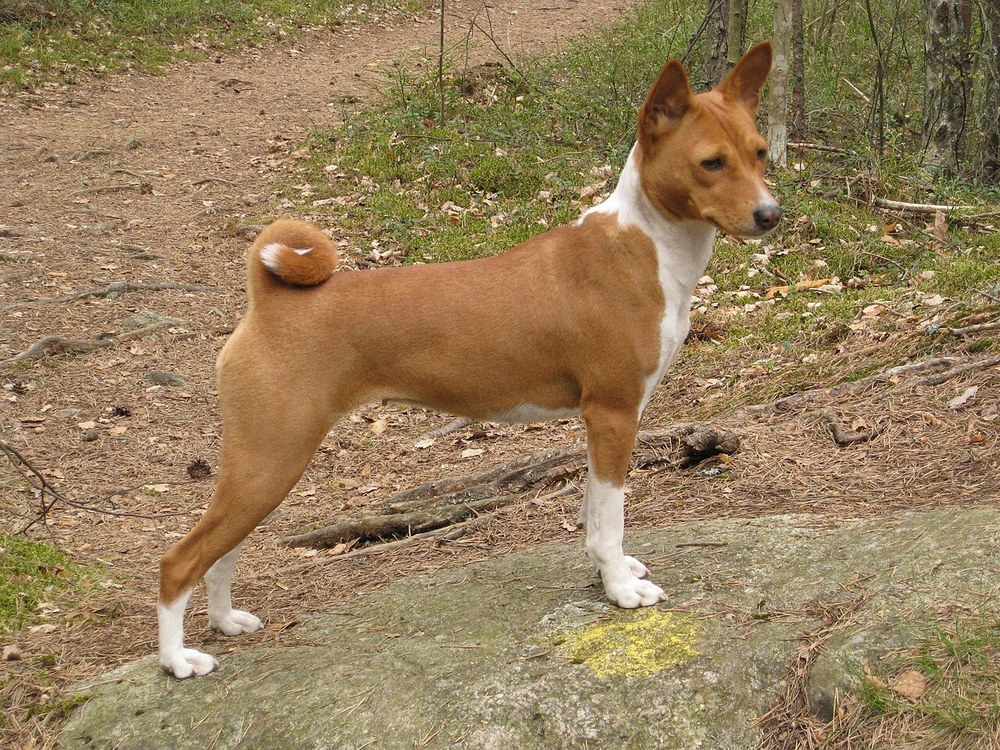
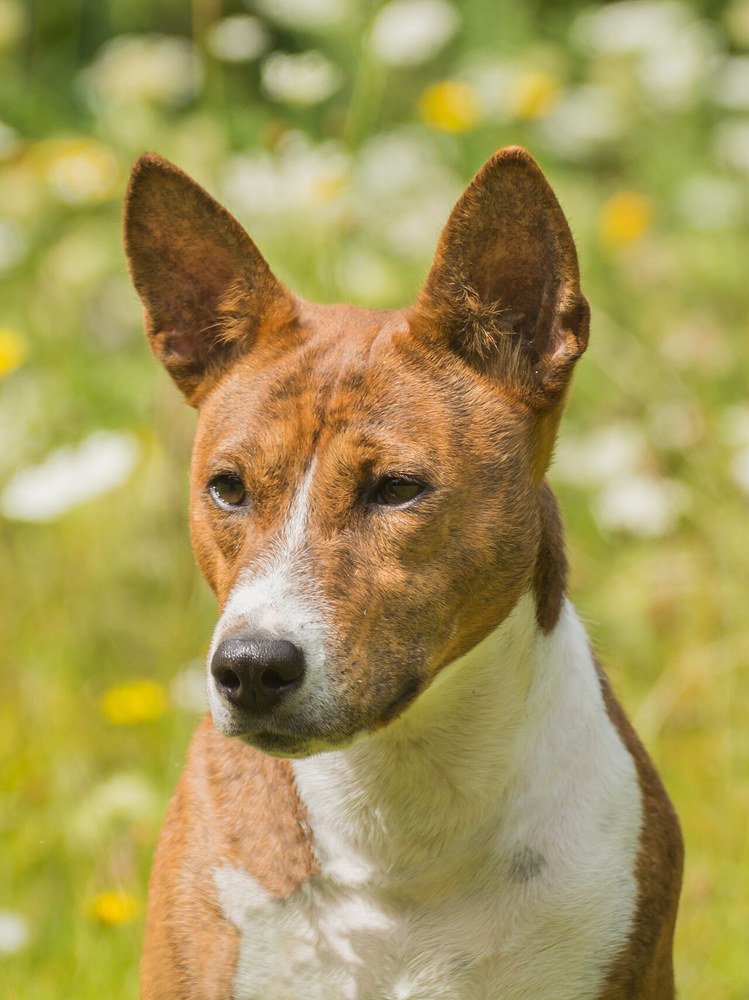
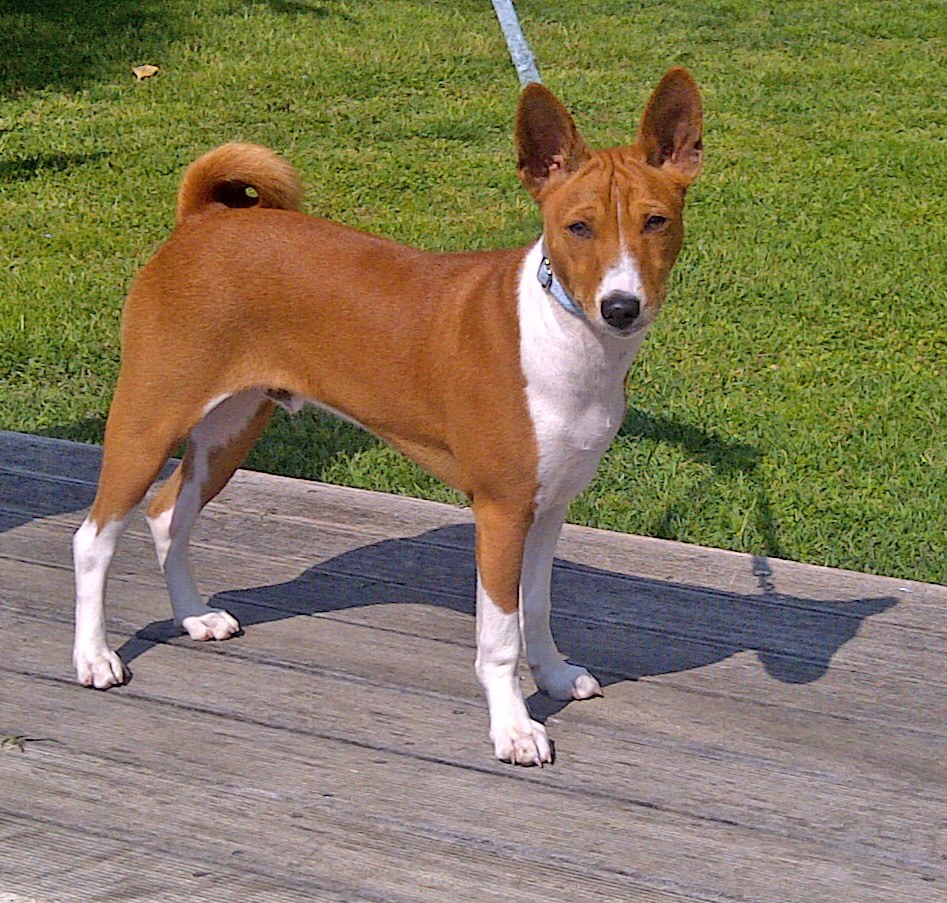
A tricolour Basenji at home (modern photograph). Basenjis come in red, black, tricolour and brindle, all with white.
Central Africa → village hunting dog
A dog from the Congo forests
Public breed histories describe small, prick-eared hunting dogs kept by people in the Congo basin. They were brought to Europe and America in the 1930s.
Hunters valued a quiet dog that worked alone and found game in thick cover.
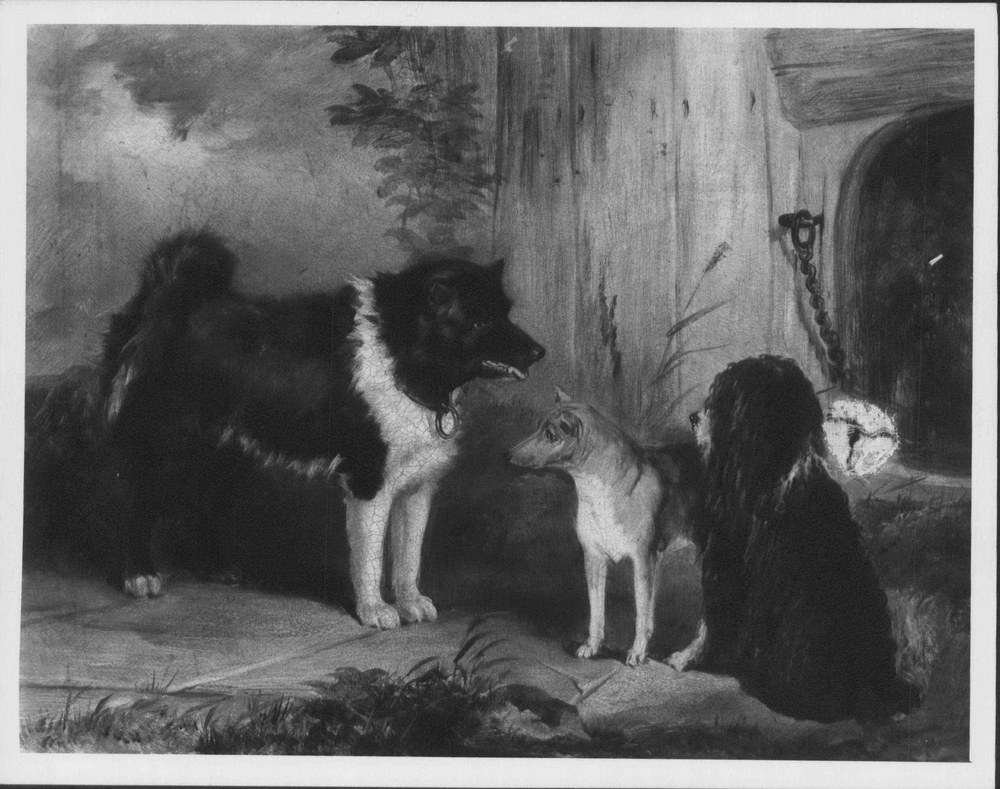
Thomas Musgrove Joy, about 1840s: an Eskimo dog, a Basenji from the Niger and a poodle (Royal Collection). An early European picture of the breed.
African hunter → clever house dog
The barkless dog
Basenjis do not bark like most dogs. They yodel, chortle and scream instead, and can be loud.
Meet the parents and see how they react to strangers, how they handle being alone and how they behave in the house.
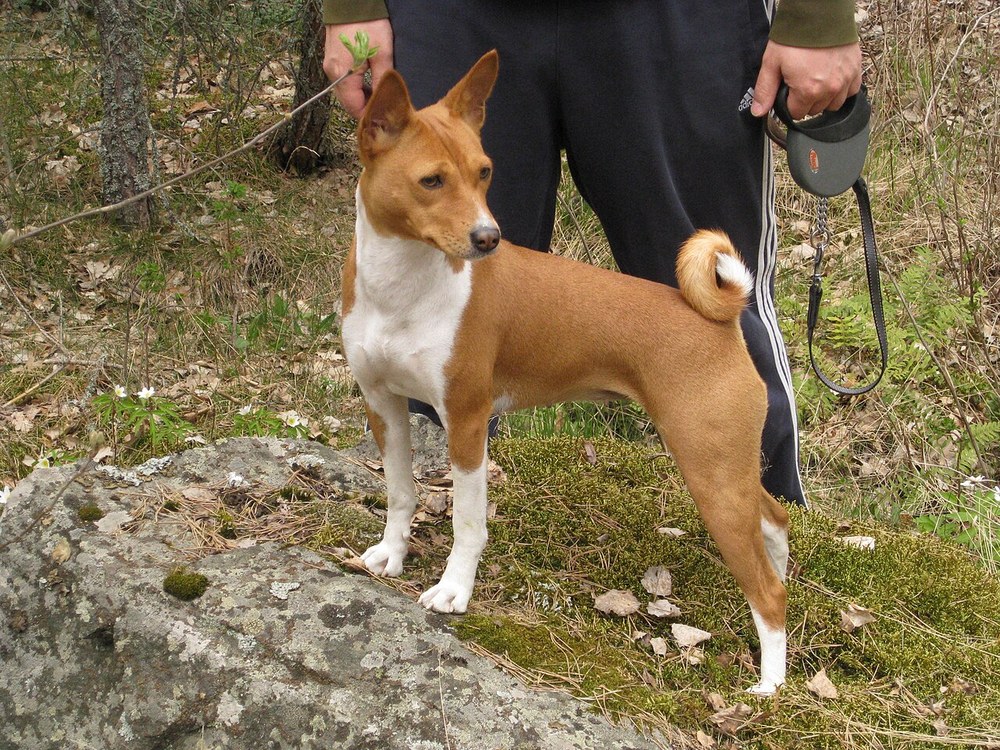
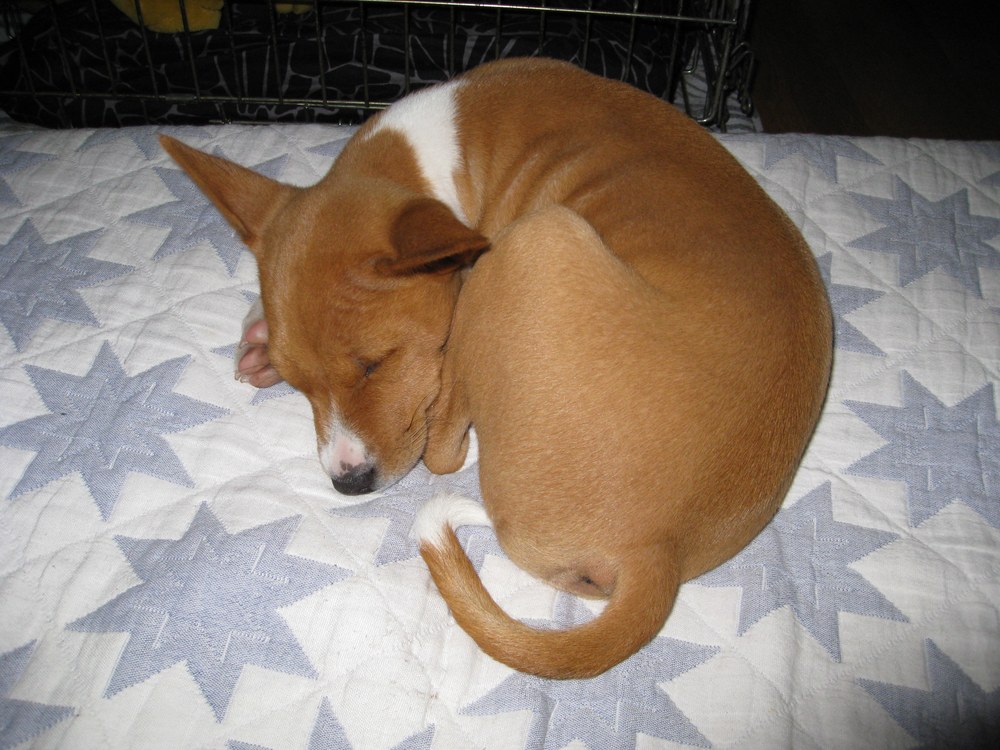
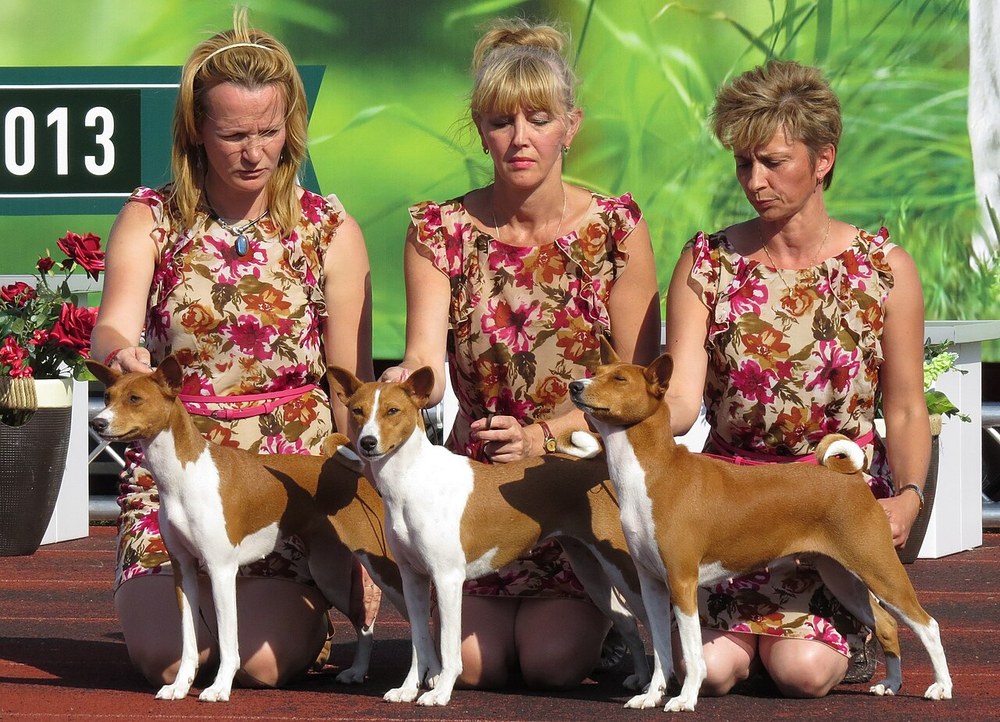
A red and white Basenji (modern photograph). The curled tail and wrinkled forehead are breed trademarks.
What the breed was bred for
Clever, independent and cat-like
In plain trainer language: Basenjis are smart problem-solvers who decide for themselves whether a cue is worth it.
The hard parts are poor recall, chasing, escaping, chewing and stealing, and stress when left alone. Secure fencing, puzzle feeding, short food-based training and a dog-proof home help most.
A trainer’s checklist, not veterinary advice. See a vet for heavy drinking or urination, weight loss, limping or low energy. For urgent signs, see
when to call the vet.
Coat
Short and clean; a rubber brush once a week is enough.
Nails
Trim regularly; many dislike it, so train it early.
Teeth
Brush or use dental chews.
Warmth
Many need a coat in cold or wet weather.
Health screening (not a diagnosis)
Ask the breeder which screenings the national breed club recommends, including DNA and eye tests, and see results for both parents.
Toxins
I do not publish toxin amounts. Call a vet or poison-control line if the dog eats something dangerous.
Lines and types
Red, black, tricolour or brindle
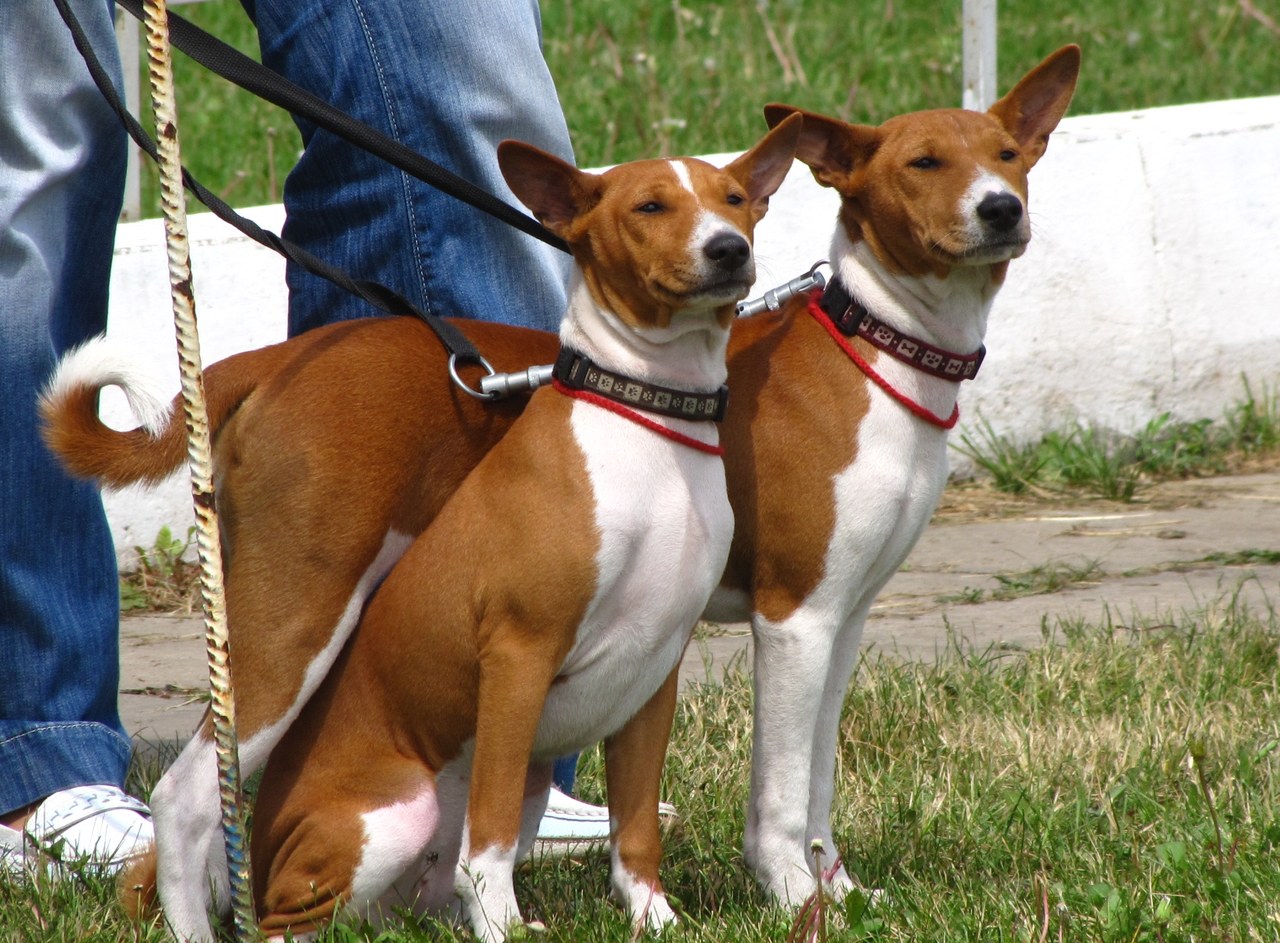
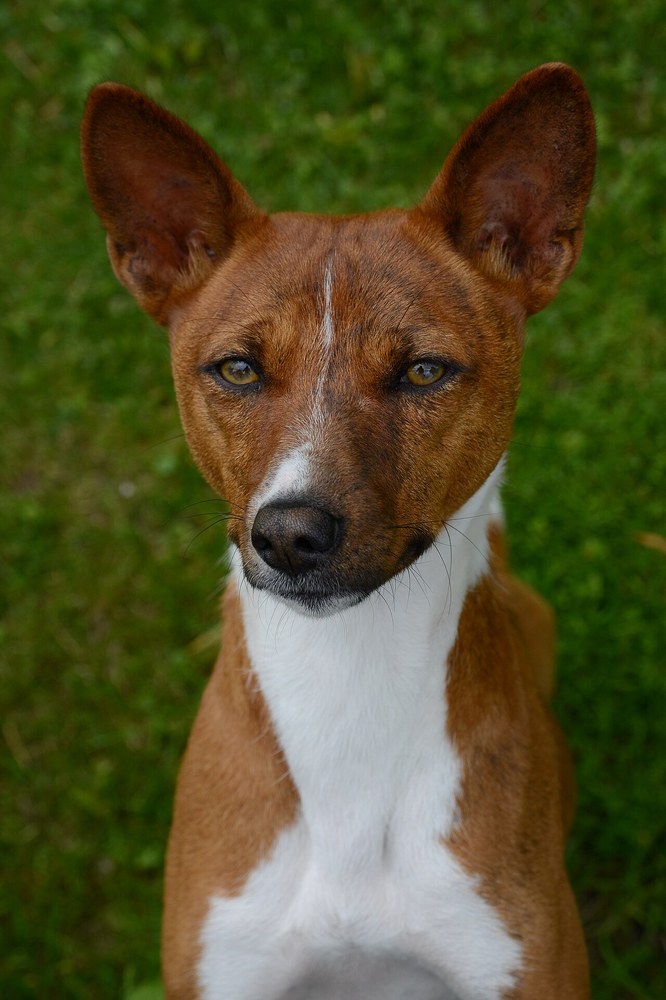
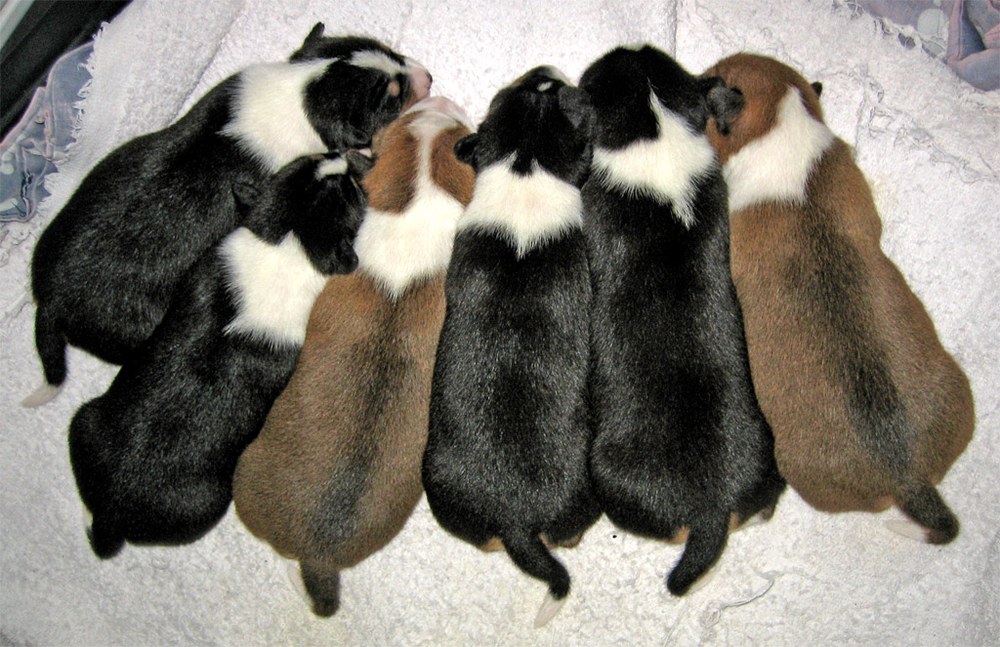
All Basenjis have white feet, chest and tail tip. The main colours are red, black, tricolour and brindle.
Red and white
The most common colour.
Same short coat.
Same independent mind.
Same needs.
The classic look.
Black, tricolour or brindle
Less common colours.
Same short coat.
Same independent mind.
Same needs.
Colour does not change temperament.
Socialization windows
What to introduce — and what not to overload — by age
AVSAB-aligned in spirit: short, clean exposures at a distance the puppy can still eat,
with hygiene while vaccines finish. See the
puppy socialization schedule.
“With a Basenji, I make good choices worth more than the alternatives. We build trades, crate comfort and short alone times — because a clever dog works with you when the deal is fair.”
Sessions cover real scenes: poor recall, chewing, escaping, and screaming when left alone. I am a trainer, not a veterinarian. No invented reviews.
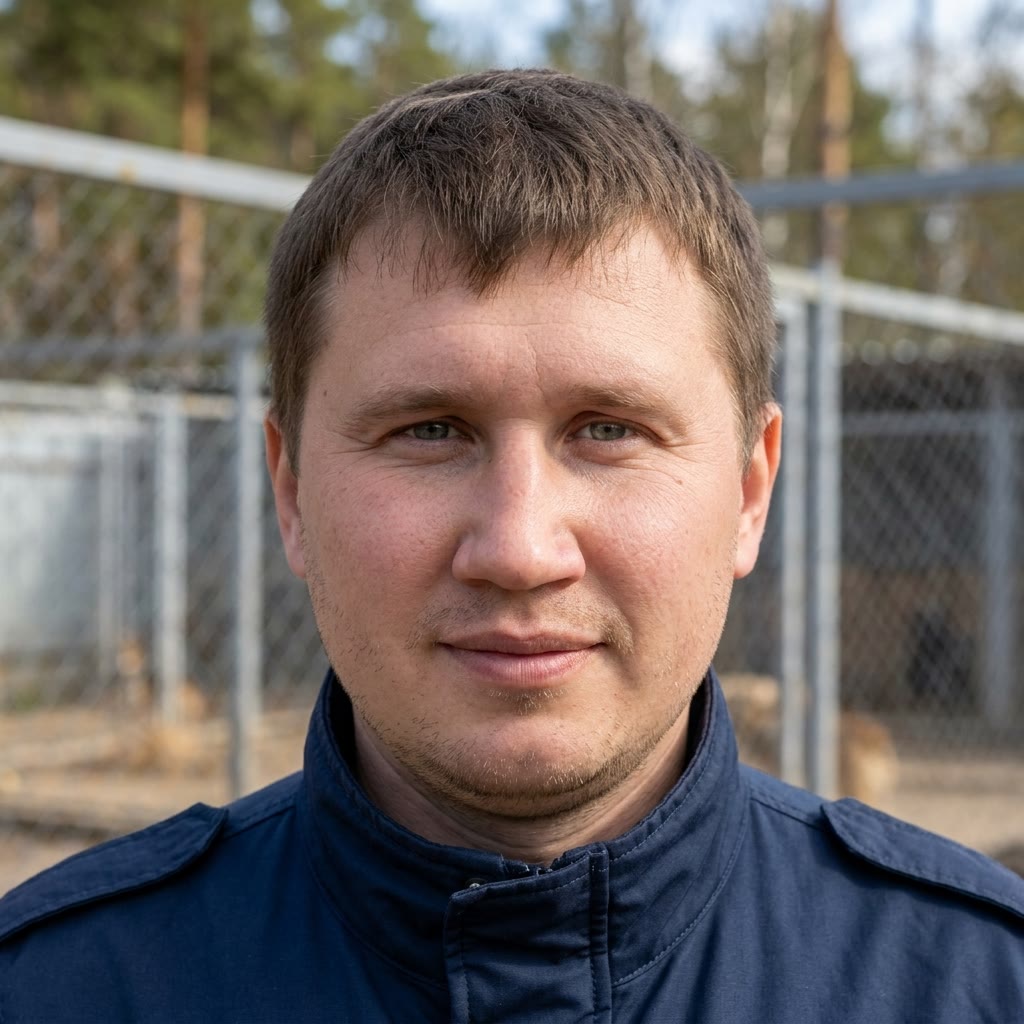
Andrew DarovProfessional dog trainer and instructor
A calm, gentle giant sighthound from Ireland that needs early lead manners, careful puppy exercise and lots of space.
Need a read on your exact situation?
Describe your Basenji’s age and the scene that repeats most: poor recall, chewing, escaping, or screaming when left alone. We check safety first, then pick the first skill.
Written by Andrew Darov, professional dog trainer. Not veterinary advice and not a diagnosis.
Not a kennel club. No invented reviews. No vaccine schedules or toxin doses. Photo credits in
/images/breeds/basenji-guide/credits.md.