Tibetan Terrier: temperament, outdoor stamina and coat care for a shaggy mountain companion
The Tibetan Terrier is a medium, shaggy companion from the high valleys of Tibet — a herding-adjacent mountain dog, not an earthdog, despite the “terrier” name. It was kept by monasteries and herders as a companion, watchdog and good-luck dog that could travel rough ground. At home it is usually loyal, alert and athletic for its size, with a coat that needs real care. The fair plan is daily outdoor work for legs and nose, small-dog manners that still respect a capable body, and a grooming routine you can keep up.
Job: Tibetan mountain companion and herding helper; companion and watchdog, not a vermin earthdog.
Energy: Moderate to high; needs real daily outings and mental work, not only flat walks.
Home: Fits an active household ready for coat care, alert barking and a dog that bonds hard to its people.
A Tibetan Terrier is a mountain companion with stamina, not a lap toy in disguise
Public histories place the Tibetan Terrier in the Himalayan highlands with monasteries and herding families. The breed was kept as a companion that could also announce strangers, travel with people on rough ground and share a compact living space. Western kennel clubs took the word “terrier” from early English naming; the dog was never selected as a ground vermin hunter the way British earthdogs were.
What I meet in family homes is usually a devoted, watchful dog that wants to join every outing. The sharp edges are coat care that piles up, alert barking at doors and windows, and a dog that can become clingy or noisy if left without a plan. None of that is a “bad dog”. All of it is predictable if you treat this breed as a capable mountain companion.
My structure is simple. A daily outing with sniffing and some faster work so the stamina has somewhere to go. Clear manners at doors and on the lead, rewarded the same way every time. And a coat routine — brushing, drying after rain, and professional grooming when needed — that starts before mats form.
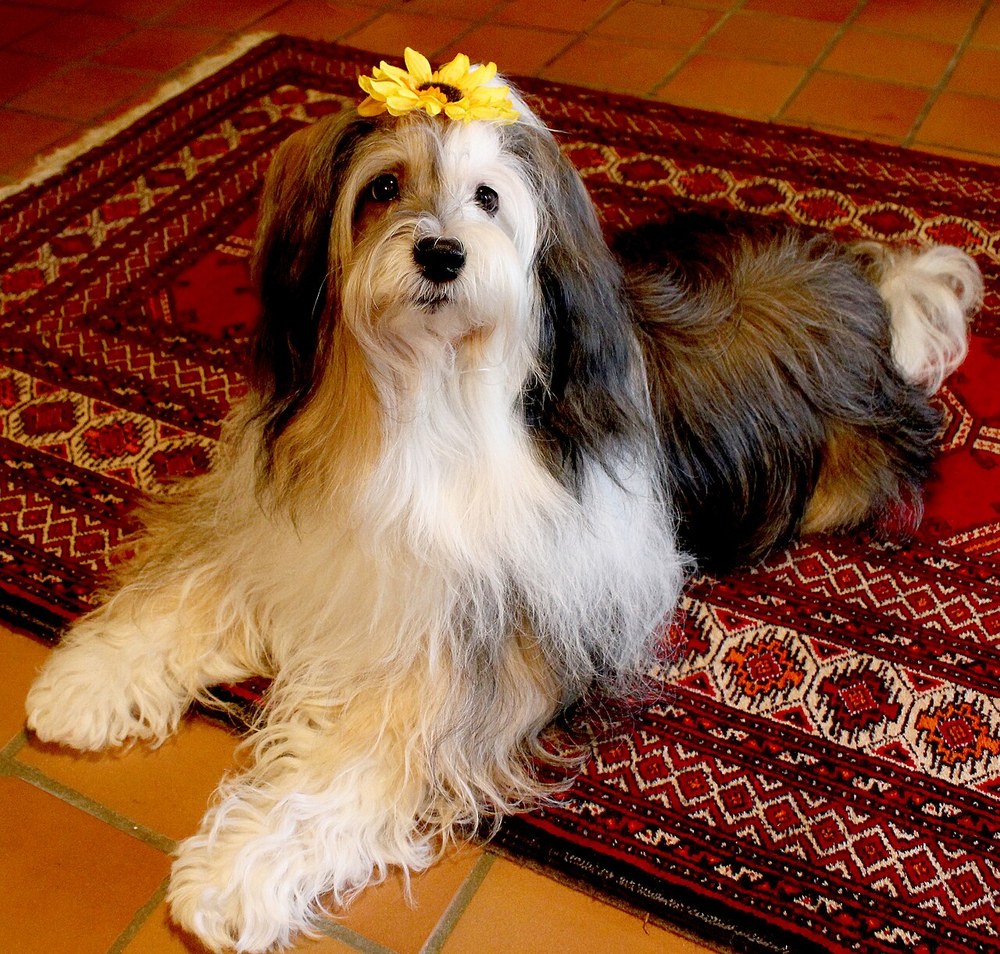
Long, fine double coat that parts along the spine; heavy grooming need; low to moderate shedding when brushed
Job
Tibetan mountain companion, watchdog and herding helper (FCI Group 9; AKC Non-Sporting; RKC Utility)
Breed history
How a Tibetan mountain companion got the word “terrier” in its name
History will not walk your dog, but it explains why Tibetan Terriers are sturdy, weather-ready and people-focused — and why calling them a terrier in the British earthdog sense leads owners astray.
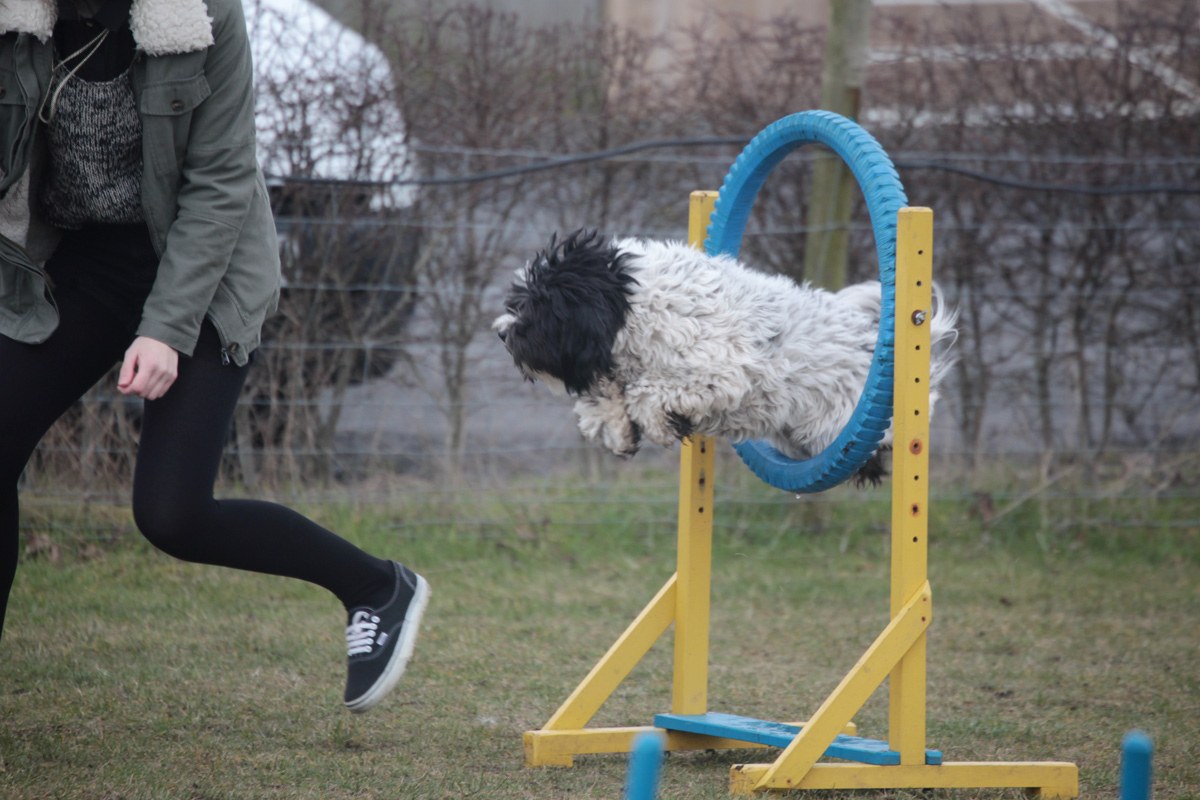
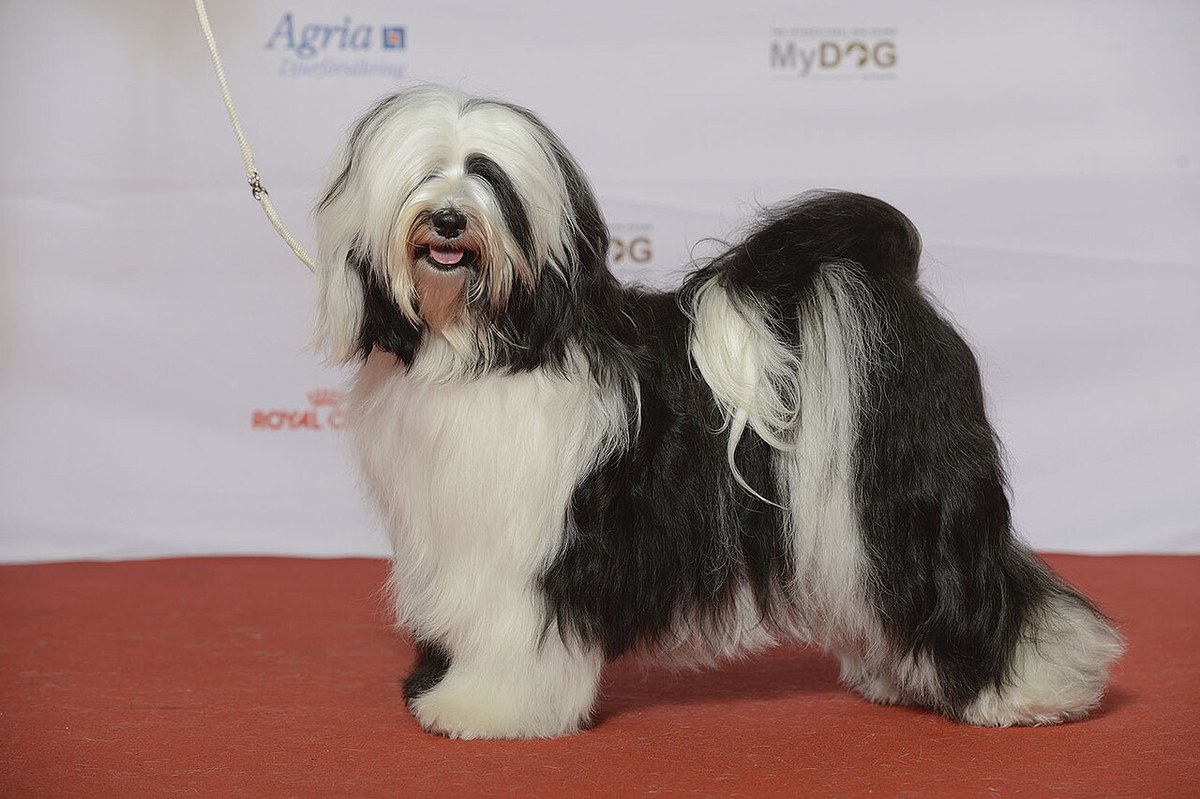
A Tibetan Terrier in agility. Outdoor sports give this mountain companion a real job for legs and brain.
High valleys → monastery and herder homes
A companion that could keep up on hard ground
Public accounts describe shaggy, medium dogs kept in Tibet as companions that also watched the home and travelled with people. They shared space with herding life without being classic livestock guardians or British-style earthdogs. Compact size, weatherproof coat and sure feet mattered more than vermin work underground.
Western visitors and later kennel clubs used “terrier” for the type. That label stuck in English, even though the original job was companion and helper in a mountain culture, not fox or badger work.
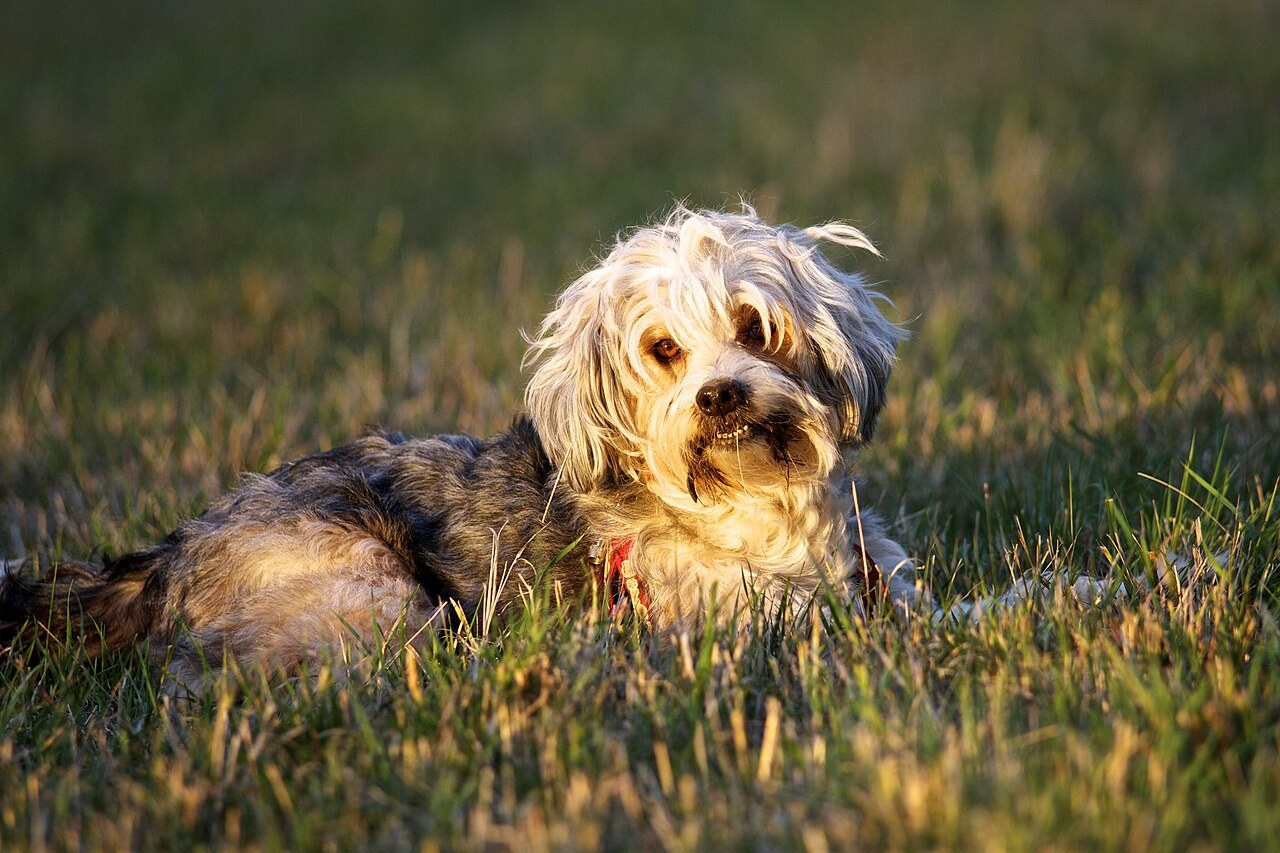
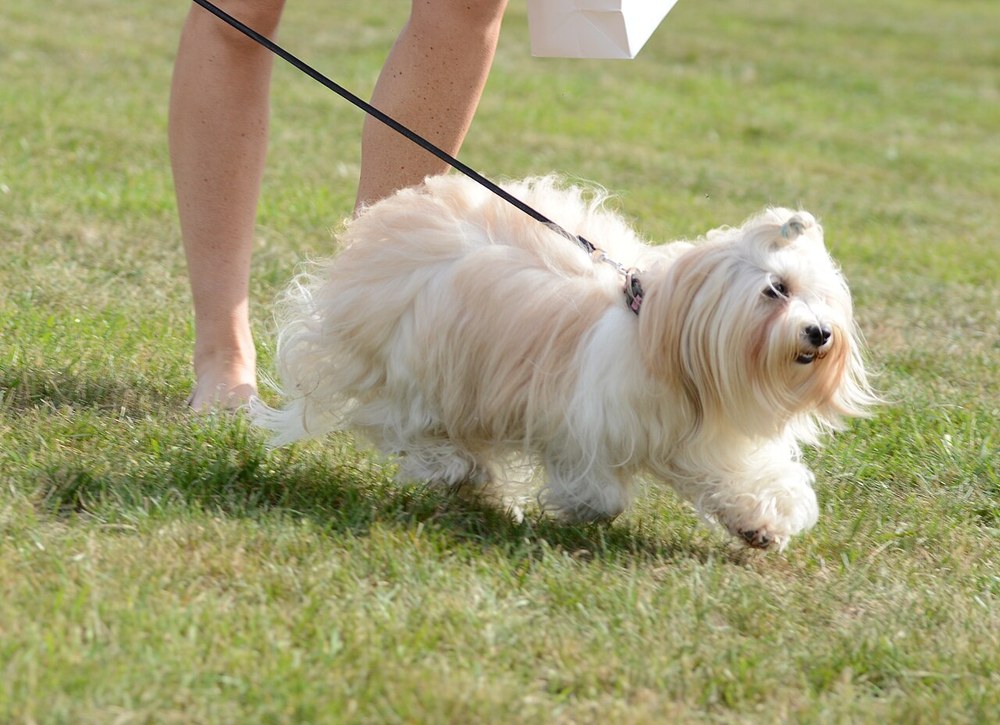
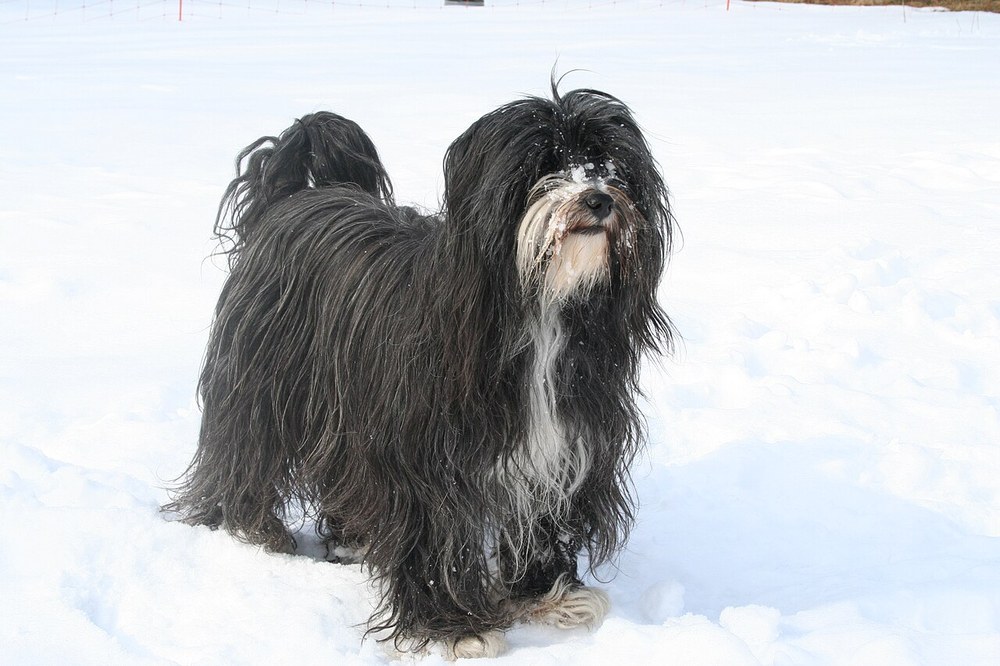
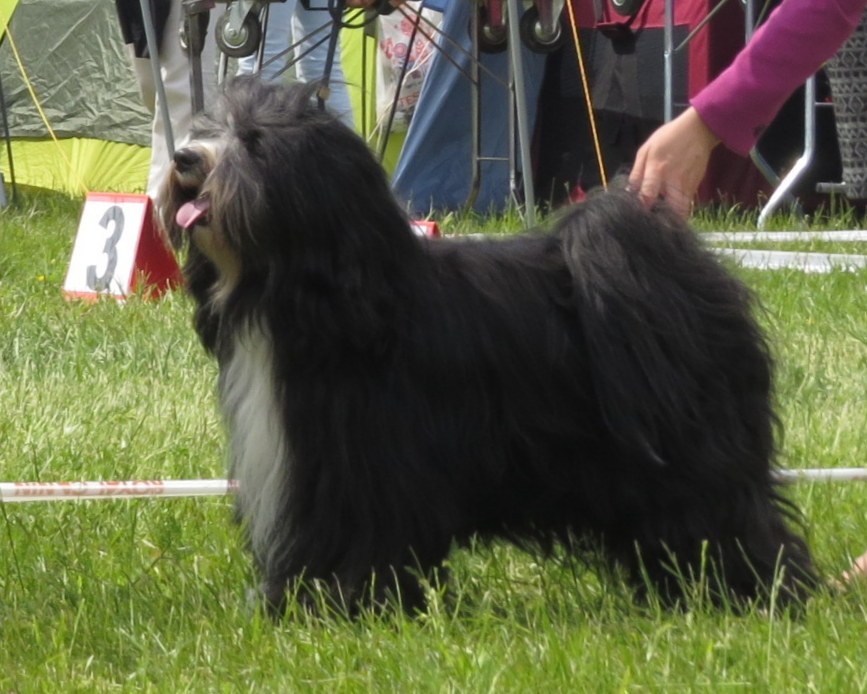
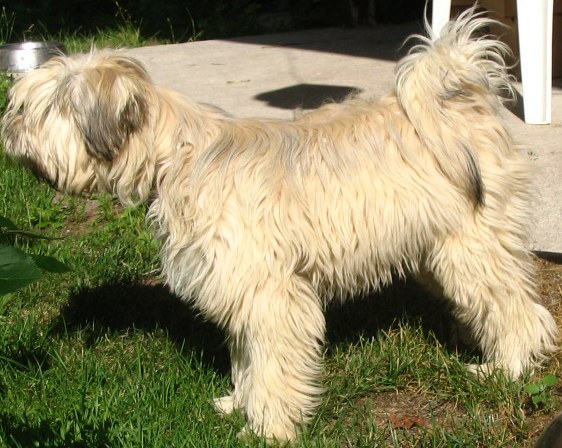
A full-grown Tibetan Terrier (Doki). The shaggy outline and compact build are the classic Western companion type.
India and the West → show and companion homes
From highland companion to modern family dog
Dogs of this type reached India and then Britain and North America in the twentieth century. Breed clubs formed, and the Tibetan Terrier became a show and companion dog in the Non-Sporting and Utility groups.
Most Tibetan Terriers now live as family companions. They still carry highland stamina, a watchful nature and a coat that was built for weather, not for a weekly wipe with a towel.
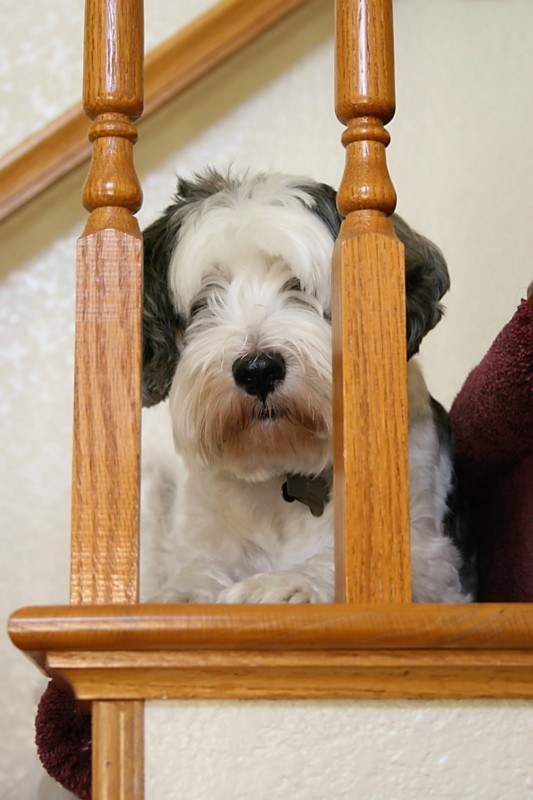
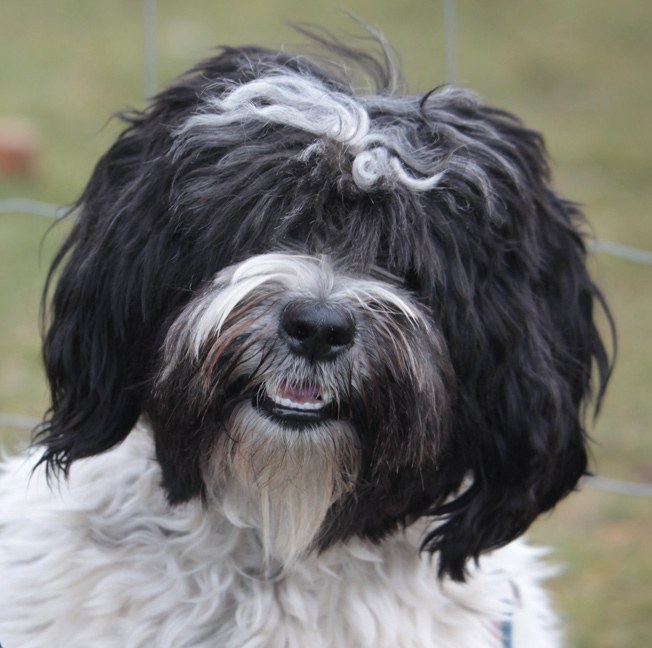
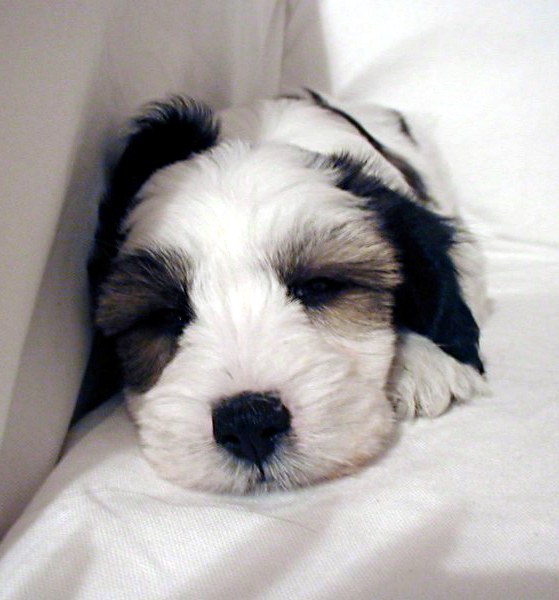
A Tibetan Terrier at home. The same dog that announces the door is often soft and comic with its people.
What the breed was bred for
Loyalty, stamina and a watchful trigger
In trainer terms, the breed was selected for a dog that stays with its people, notices change and can travel day after day. At home that becomes strong bonding, outdoor appetite and alert barking — plus frustration when exercise is only a short flat loop.
Tibetan Terriers usually learn well with food and play. They push back against harsh handling and get noisy when the day has no clear outing or settle routine. Short, varied sessions and a real outdoor plan suit them best.
Outdoor stamina: daily walks with sniffing and some faster work
Alert watchdog: door and window rules, not free barking practice
A good day has a real outing, a short lesson, coat care and a calm evening
At home the Tibetan Terrier’s mountain job appears as wanting every walk, scanning windows and doors, and staying close to its people. With its family it is usually affectionate and comic. Structure — fixed outings, door manners and coat care — turns that energy into an easy companion.
Morning · outing
A proper outing, not a lap of the block
Most adult Tibetan Terriers do well with an hour or more of walking with sniffing, plus some trotting or hiking when fit. Use a long line in open areas until recall holds. A tired Tibetan Terrier settles; an under-walked one patrols the flat and the fence.
Scatter feeding, simple find-it games and a short training session give the busy brain a job. Keep sessions short and end before the dog invents its own entertainment by barking at the window.
Many Tibetan Terriers are friendly with dogs they know and choosier with strangers. Keep greetings short, on lead and optional. Parallel walks beat chaotic dog parks for building calm habits.
Tibetan Terriers announce visitors and can bark at hallway sounds. Teach a quiet wait at the door and a place for deliveries. Pair that with daily brushing of one body section so coat care never becomes a weekly fight.
After a good outing and a short training session, most Tibetan Terriers settle well near their people. Teach place and reward calm. Late wrestling and endless ball games keep the alert switch warm instead.
General awareness only. I am not a veterinarian. Tibetan Terriers are usually considered sturdy for size, and owners often notice trouble first as limping after rough play, eye irritation under the fall of hair, skin smell under a matted coat, weight change or a dog that suddenly becomes snappy. For red flags, leave this page and open
when to call the vet.
Coat and skin
The long double coat mats if ignored. Brush to the skin, dry after rain and keep a grooming schedule. Mats against the skin hurt and hide irritation.
Eyes
Hair can rub the eyes. Keep the fall trimmed or tied for vision, and treat squinting or redness as a vet question.
Joints and weight
A capable, athletic dog still needs lean condition. Measure rations if exercise drops. See body condition and rations.
Ask which screenings the national breed club recommends for the parents. Do not invent disease claims from a blog.
Lines and types
Show and companion Tibetan Terriers share the same outdoor need
No bloodline selling. Differences show in coat length, shape and how intense the watchdog side feels. Every Tibetan Terrier needs daily outings, coat care and clear door manners.
Show and companion lines
Often a fuller jacket that needs frequent professional grooming.
Usually affectionate, people-focused family dogs.
Alert barking and separation noise are still common without a plan.
Ask how the parents live with alone time and other dogs.
Fits a family that wants a medium, shaggy companion and will keep coat and exercise honest.
Active and sport homes
Often enjoy hiking, scent games, rally and agility.
Need a clear finish to every game so excitement does not spill into barking.
Coat care after mud and rain is part of the sport life.
Recall needs long-line work for months.
Fits an owner who will give the dog real outdoor work and keep training consistent.
Socialization windows
What to introduce — and what not to overload — by age
AVSAB-aligned in spirit: short, clean exposures at a distance the puppy can still eat,
with hygiene while vaccines finish. See the
puppy socialization schedule.
2–4 months
Home, handling and rules
Introduce: name game, short brushing rewarded, wait at doors, toilet plan, calm sessions near household sounds.
Do not overload: free barking practice at windows, skipping brush days, unlimited furniture without rules.
~6 months
The world at a distance
Introduce: other dogs at a distance where the puppy can still eat, long-line walks, first longer hikes if fit, guest manners.
Do not overload: off-lead parks, ignoring coat mats, long repetitive drills.
~12 months
Adolescent opinions
Introduce: recall ladder on a long line, place during visitors, full grooming routines, alone-time steps.
Do not overload: trusting the dog off lead near wildlife, letting door barking practise, harsh corrections.
~18–24 months
Social maturity
Introduce: planned introductions, steady door manners, varied outings if you enjoy them.
Do not overload: assuming puppy friendliness lasts forever, dropping coat care because the dog “looks fine”.
~3 years+
Keep the structure
Introduce: refresh recall and door manners, keep outings daily, yearly health checks.
Do not overload: dropping management because the dog has been good for a while.
Before you buy
Who a Tibetan Terrier usually fits
Fit comes down to exercise, coat care, alert barking and your appetite for structured training.
Good match
More likely a good fit if you…
You want a medium, athletic companion that joins hikes and longer walks
You enjoy short, lively training sessions
You can keep a real brushing and grooming schedule
You like a loyal dog with opinions and humour
You will teach door manners instead of shouting over the bark
Mismatch risk
A Tibetan Terrier may be a poor choice if…
You want a low-grooming, wipe-and-go coat
You need a silent flat dog that never announces visitors
You plan to skip daily outings and call it a couch breed
You dislike training and prefer a dog that “just knows”
You cannot dry and brush after wet weather
If you are torn between breeds
Tibetan Terrier vs Lhasa Apso and Shih Tzu
All three are Tibetan-rooted, long-coated companions. The Lhasa Apso is usually smaller and more sentinel-like; the Shih Tzu is more of a lap companion. The Tibetan Terrier is larger, more athletic and needs more outdoor work than either.
Size
Tibetan Terrier
Medium; often about 14–17 in and roughly 20–24 lb.
Lhasa Apso
Smaller sentinel companion; usually under the Tibetan Terrier in height and weight.
Original work
Tibetan Terrier
Mountain companion, watchdog and herding helper.
Shih Tzu
Palace lap companion; less outdoor stamina expected.
Exercise
Tibetan Terrier
Moderate to high; real daily outings.
Lhasa Apso
Lower volume, still alert and watchful.
Coat
Tibetan Terrier
Long double coat; serious brushing and grooming.
Both compares
Also long-coated; similar grooming logic, different body size.
Name note
Tibetan Terrier
Not a British earthdog despite “terrier”.
Both compares
Neither is an earthdog; all three are companion types.
Ownership without surprises
Where a Tibetan Terrier owner’s budget goes
Costs depend on country, city and your choices. These are themes to plan for, not quotes.
Coat care
Brushes, dryer time, and regular professional grooming if you do not strip mats yourself.
Veterinary
Routine care, eye and dental checks, and the occasional injury from rough play. Know your emergency clinic.
Food
Medium rations; adjust for activity level.
Training
Puppy class and private help with door manners or separation noise if needed.
Gear
Long line, harness, brushes and a solid place bed.
Time
Daily outings and coat care are the real recurring cost.
The biggest hidden cost is time: brushing and a real outdoor plan are what keep a Tibetan Terrier easy.
Before day one at home
What to prepare for a Tibetan Terrier puppy
A Tibetan Terrier puppy is curious, people-focused and quick to practise barking. Prepare management and coat habits before day one so stamina grows into confidence rather than noise.
01
Set house rules
Decide where the puppy sleeps, which rooms are open and how greetings work. Consistency is structure.
02
Brush in tiny steps
Reward calm standing for a few brush strokes daily. See puppy handling.
03
Teach a door wait
Four paws on the floor and a quiet wait beat shouting. See wait at the door.
Overtired puppies bark and argue more. Use enforced naps.
If the dog is already yours
Training a Tibetan Terrier means structure, outdoor work and calm door manners
Tibetan Terriers do best with clear, consistent rules: wait at doors, four paws on the floor for guests, place after play, calm passing of other dogs. Every family member uses the same cues and rewards the same behaviours.
They are quick, food-keen and playful. Use those strengths with short sessions, games and variety. Harsh corrections tend to produce an argument or a dog that shuts down.
Management is part of training: a real outing before asking for a long settle, curtains or distance for window triggers, and no practice of hallway barking wars. You stop the old habit while the new one grows.
Load balance
Real outdoor work first, then ask for calm
Age, joint health, coat condition and weather all matter. Limping, sore eyes or sudden irritability need a vet check before more training.
Long sniff walkShort hike or trotFind-it gameDoor wait practiceSettle on a bed
Hiking, scent games, rally and structured walks all count. A bored dog staring out the window alone does not meet the need.
A Tibetan Terrier that has had a real outing, a short lesson and a clear settle cue can let the hallway go quiet and rest on its bed.
Door manners with an off switch
How to teach a Tibetan Terrier to announce once and then settle
Reward a quiet wait at the door, send the dog to place for deliveries and end every guest arrival with a calm finish on a bed.
01
Set a clear door station
Put a bed or mat a few steps from the door. Practise sending the dog there before you open.
02
Reward a quiet wait
Ask for sit or place, open the door a crack and reward calm. Close and reset if the dog explodes.
03
Add a delivery rule
When the bell rings, send to place, open only when four paws stay down and the dog is quiet.
04
Add a clear finish
After guests enter, ask for place again and give a chew so the excite-and-bark loop ends.
05
Use it on real days
Pair every visitor practice with a real outdoor outing so the dog is not hunting for work indoors.
One scene close-up
Why a Tibetan Terrier explodes at every hallway sound
Alerting is part of the old companion-watchdog job. If barking at the door or window has ever made people react, the noise itself gets practised.
Manage first: distance from the trigger, a lead in the flat when guests arrive and a known place bed. Then practise quiet waits, reward each pause and give the day a real outdoor finish so the dog is not hunting for work indoors.
If barking is constant or the dog cannot settle even after good outings, get help from a qualified professional.
“With a Tibetan Terrier, I start by building a day the dog can trust — a real outdoor outing, coat care that never becomes a fight and clear rules at doors. Once the dog knows how the house works, the mountain companion becomes a reliable, funny partner.”
Sessions cover real scenes: door manners, walks, settle, alone time and handling for grooming. I am a trainer, not a veterinarian. No invented reviews.
Andrew DarovProfessional dog trainer and instructor
In English naming, yes; in job history, no. It is a Tibetan mountain companion, not a British earthdog. Train and exercise it as a capable companion, not as a vermin hunter.
Is a Tibetan Terrier a good first dog?+
It can be, for an owner who likes walking, training and grooming. It is not a low-maintenance beginner dog.
Do Tibetan Terriers shed?+
They shed less than many double-coated breeds when brushed, but the long coat mats if ignored. Plan brushing and professional grooming.
How much exercise does a Tibetan Terrier need?+
Most adults need around an hour or more of activity daily, with sniffing and some faster work, plus short training.
Are Tibetan Terriers good with children?+
Often very good with respectful children. Supervise rough games and teach kids calm greetings and coat-safe handling.
Do Tibetan Terriers bark a lot?+
They alert to visitors and movement. Door and window routines keep it manageable.
Tibetan Terrier vs Lhasa Apso: which fits better?+
The Lhasa is usually smaller and more of a sentinel lap-and-watch dog. The Tibetan Terrier is larger and needs more outdoor work.
Tibetan Terrier vs Shih Tzu: what is the difference?+
The Shih Tzu is more of a lap companion. The Tibetan Terrier is taller, more athletic and usually hungrier for longer walks.
Can a Tibetan Terrier be off lead?+
Only after long-line training and in safe areas. Excitement and interesting smells can override recall.
What health themes should I ask about?+
Ask breeders which screenings the national breed club recommends, and ask about eyes and general health of the parents. This is general awareness for a vet conversation, not a diagnosis.
How long do Tibetan Terriers live?+
Public breed references often mention about 12–15 years. Individual dogs vary.
Can a Tibetan Terrier live in a flat?+
Yes, if outings are real and daily. A flat without walks turns a mountain companion into a noisy indoor patrol.
If a Tibetan Terrier seems like too much coat and stamina for your home
It is a loyal, athletic companion, but the grooming and outdoor needs do not fit every household.
An athletic, spotted coach dog that loves people and needs daily running, calm greetings and reward-based training.
Need a read on your exact situation?
Tell me your Tibetan Terrier’s age and the scene that keeps repeating: door barking, coat fights, pulling, recall or alone time. We check safety and health first, then pick the first skill.
Written by Andrew Darov, professional dog trainer. Not veterinary advice and not a diagnosis.
Not a kennel club. No invented reviews. No vaccine schedules or toxin doses. Photo credits in
/images/breeds/tibetan-terrier-guide/credits.md.