dogmindlab
Work with me

Lhasa Apso · Non-Sporting

Lhasa Apso: temperament, training & alert companion

The Lhasa Apso is a small, long-coated watchdog from Tibet. Most are confident, alert and devoted to family, but wary of strangers. Life goes well with calm door routines, gentle handling, regular grooming and patient training.

  • Job: Tibetan indoor watchdog — alert and confident.
  • Energy: Moderate; short walks and play.
  • Home: Needs grooming, handling practice and a calm door routine.
WhatsApp consult

First, the point

A Lhasa Apso is an alert, independent companion that needs barking help and a calm place

Public breed histories describe an indoor sentinel dog kept in Tibetan monasteries and homes.

Most Lhasas are playful with family and cool with strangers. The challenges are barking, handling, grooming and guarding things.

From the first weeks, teach handling, grooming, calm visitor routines and quiet at the door.

Talk through your situation

Height
10–11 in (25–28 cm)
Weight
12–18 lb (5–8 kg)
Energy
Moderate
Coat / shed
Long dense coat — sheds little but needs regular brushing
Job
Tibetan companion watchdog

Breed history

The bark lion sentinel: a Tibetan watchdog for homes and monasteries

History does not decide what one puppy becomes, but it explains a lot: most Lhasa Apsos are confident, alert and independent — small watchdogs that are devoted to family and wary of strangers.

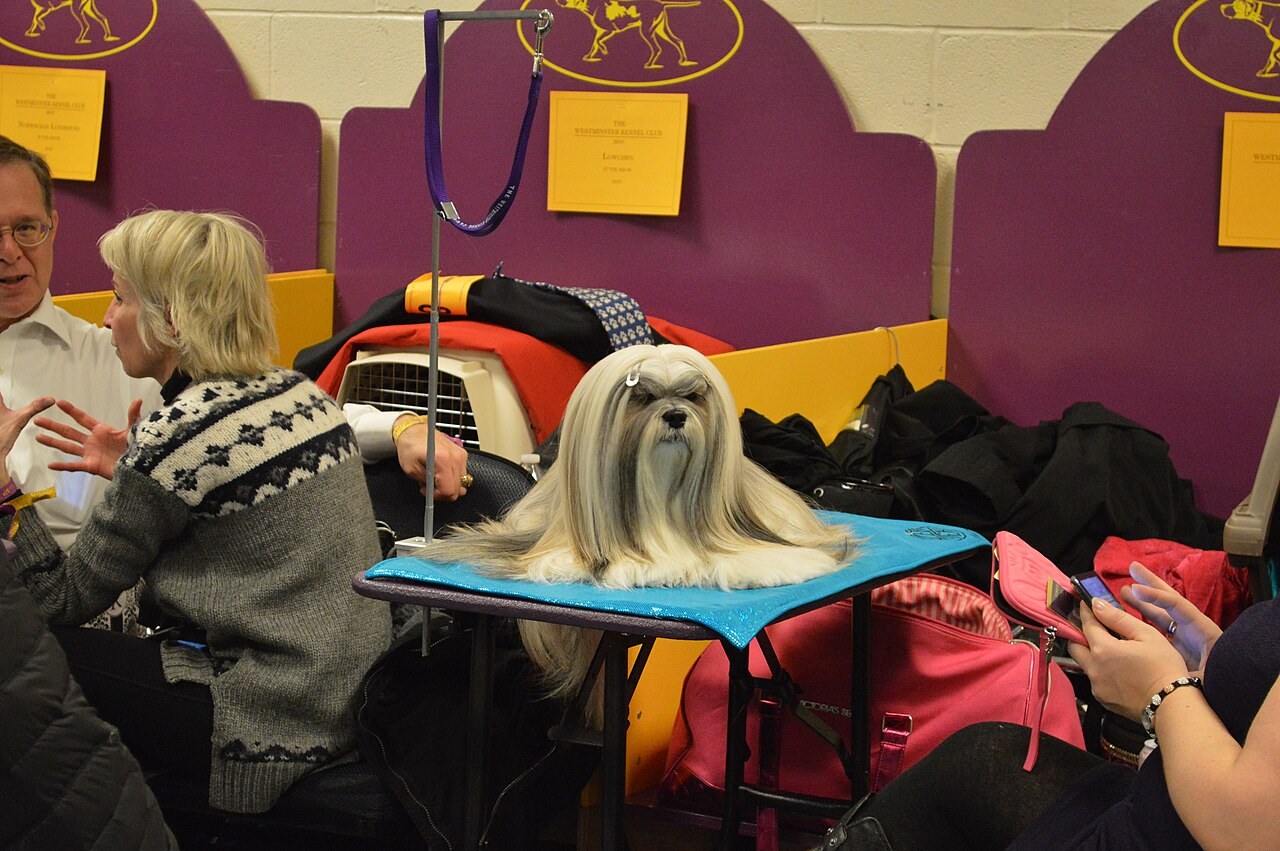
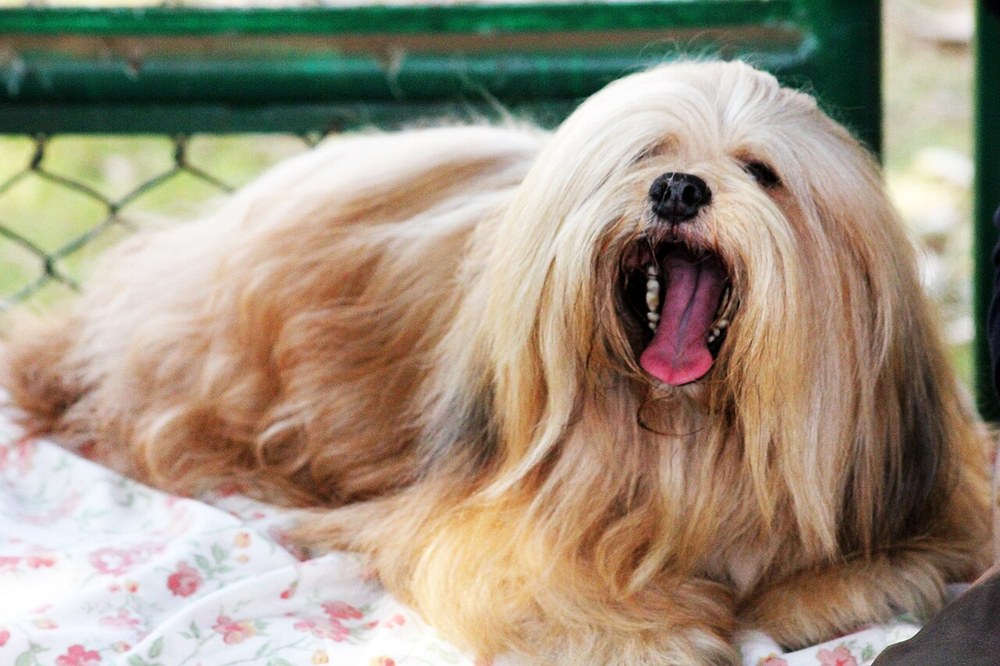
A Lhasa Apso relaxing (modern photograph). The long coat protected the breed from the cold of Tibet.

Tibet → indoor sentinel

A watchdog inside Tibetan homes

Public breed histories describe the Lhasa Apso as an indoor watchdog in Tibetan monasteries and homes, barking to alert people to visitors. A traditional name is often translated as “bark lion sentinel dog”.

Lhasas were often given as gifts rather than sold. Alertness, independence and loyalty to family come from that background.

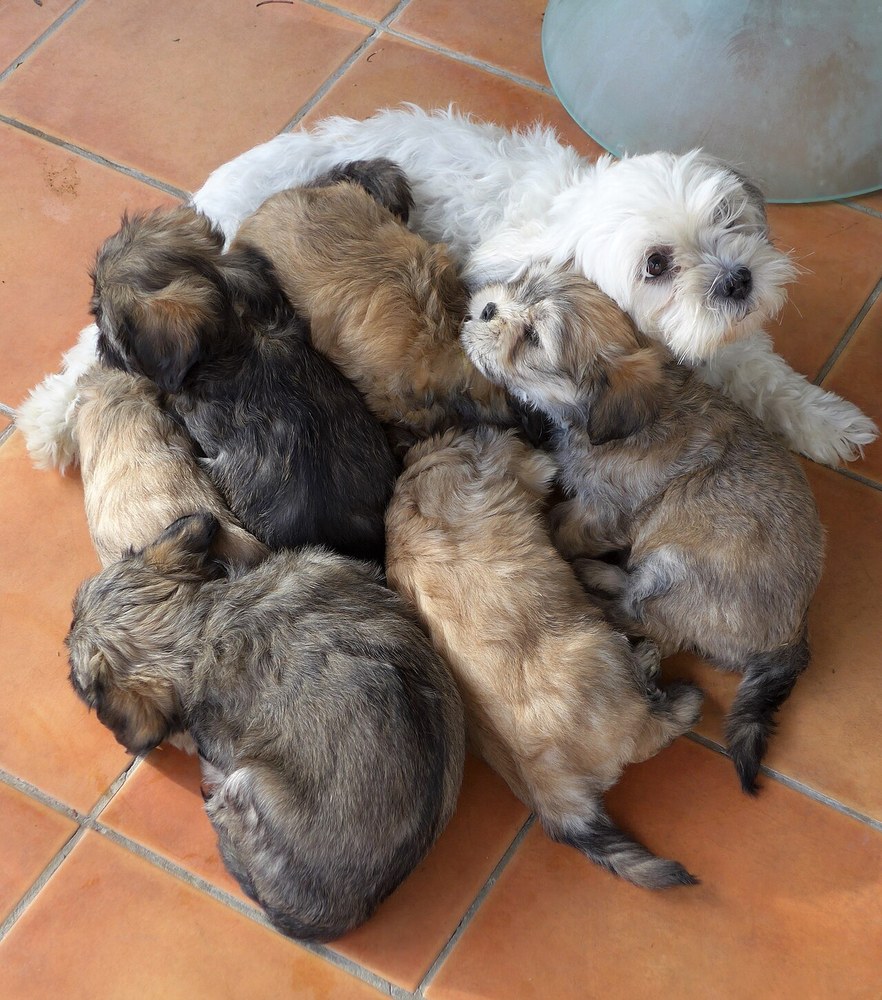
Lhasa Apso puppies feeding from their mother
Seven-week-old Lhasa Apso puppies with their mother (modern photograph). Puppies need early handling and gentle socialization.

Gifts → Britain and America

Arrival in the West

Lhasa Apsos reached Britain and the United States in the early 20th century, partly as gifts from Tibet. Kennel clubs recognised the breed in the 1930s.

Today they are companion dogs, but the watchdog instinct remains — expect barking at sounds and caution with strangers.

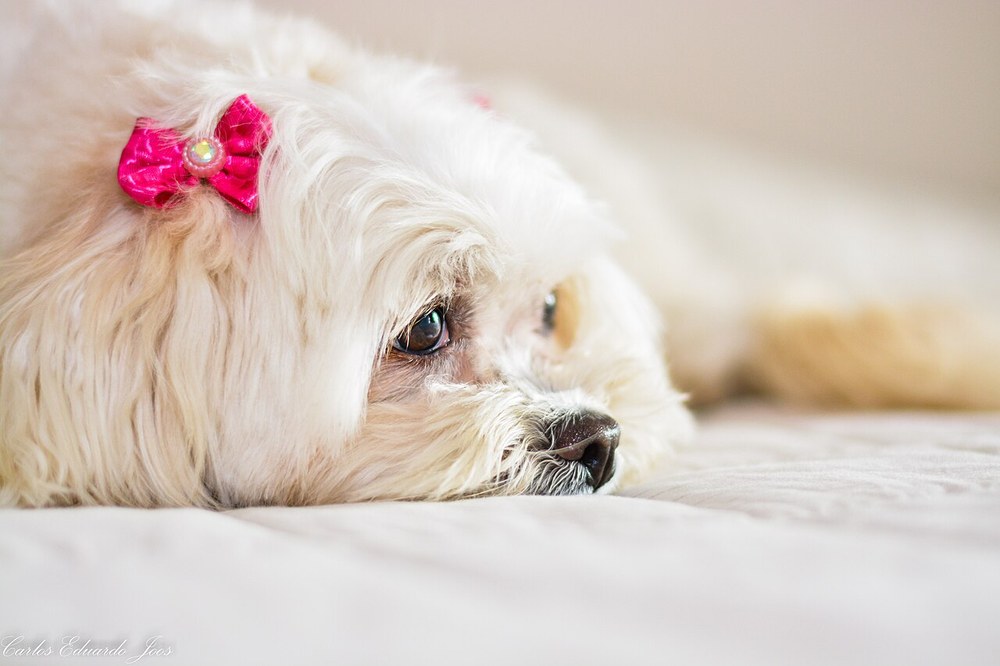
Lhasa Apso with a pink bow resting its head on a blanket
A Lhasa Apso resting (modern photograph). Many Lhasas are calm indoors once they know their routine.

What the breed was bred for

Confident, alert and independent

In plain trainer language: Lhasas were selected to watch and alert. Most are confident, playful with family and cool with strangers.

The challenges are barking, handling, grooming and guarding things. Gentle, consistent training and early handling prevent most problems.

  • Calm door and window routines
  • Grooming and handling practice
  • Respect for the dog’s space
  • Patient, reward-based training

Public references: FCI 227, AKC Lhasa Apso, RKC.

Life together

A day is short walks, play, grooming and watching the world

Lhasas are small and adaptable. They need daily walks, play and a calm routine for visitors and noises.

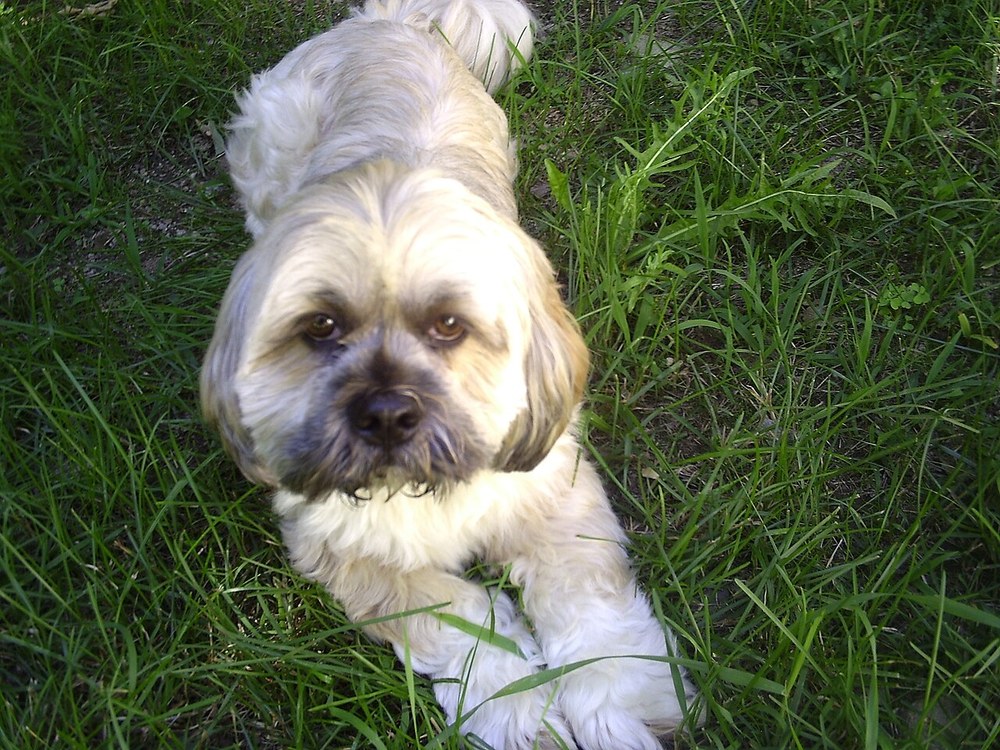
Lhasa Apso with a short trim lying in grass
Morning · garden

A short walk and a sniff

Short walks and sniffing suit most Lhasas.

See loose-leash walking.

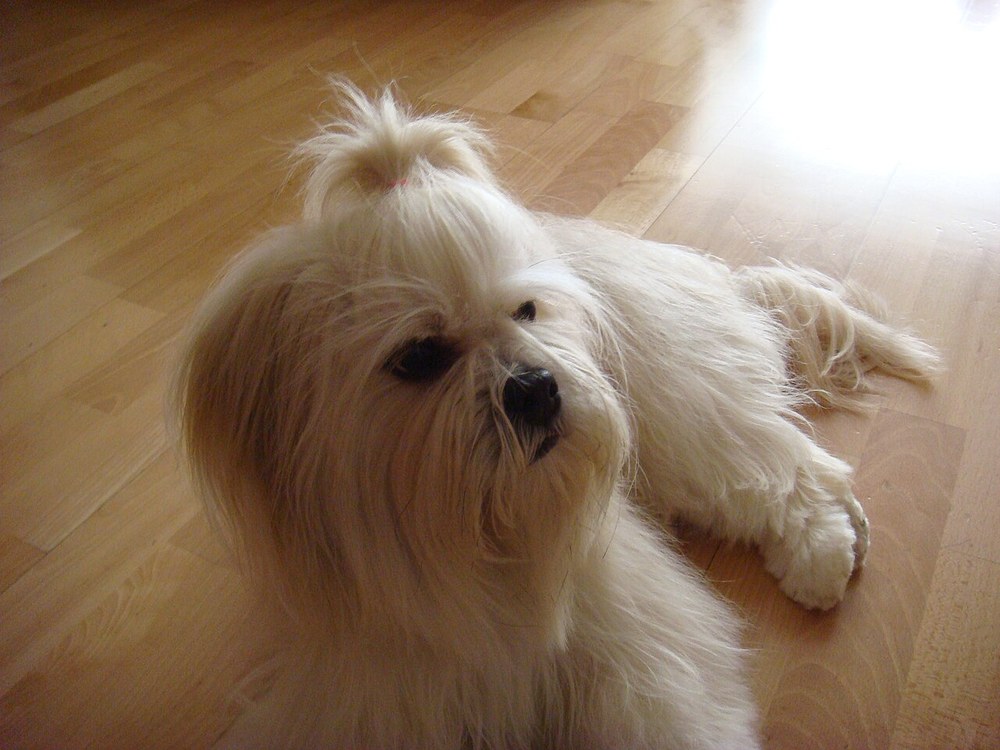
White Lhasa Apso lying on a wooden floor
Home · grooming

A few minutes daily

Long coats tangle quickly. Short brushing sessions with treats keep grooming easy.

See puppy handling.

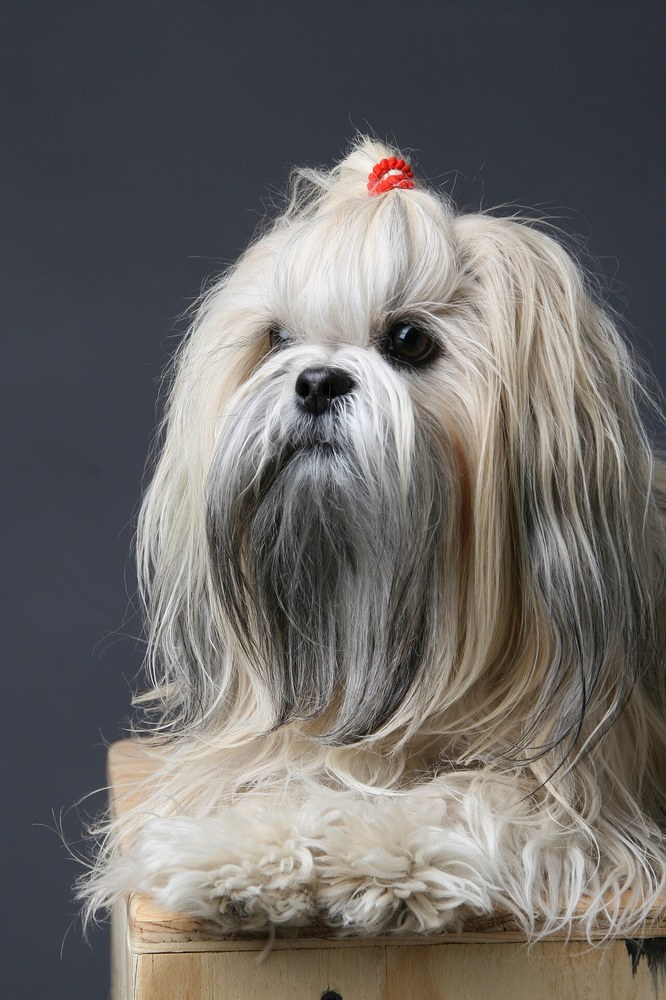
Lhasa Apso portrait with a long coat and a bow
Home · window

A watchdog at the window

Lhasas bark at sounds. Thank the dog, then call it away and reward quiet.

See window barking.

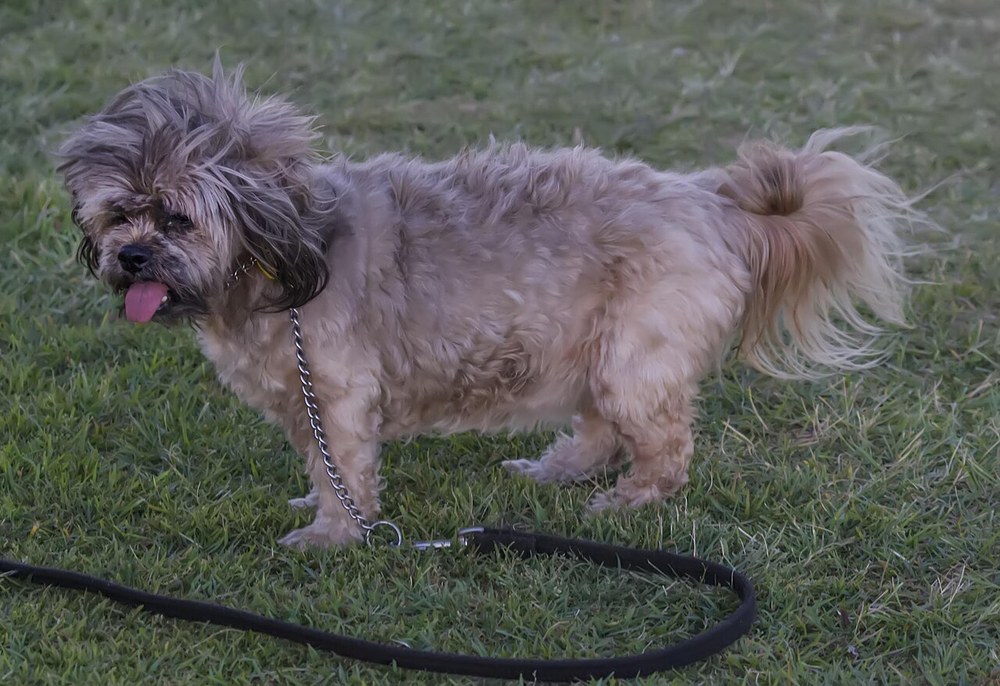
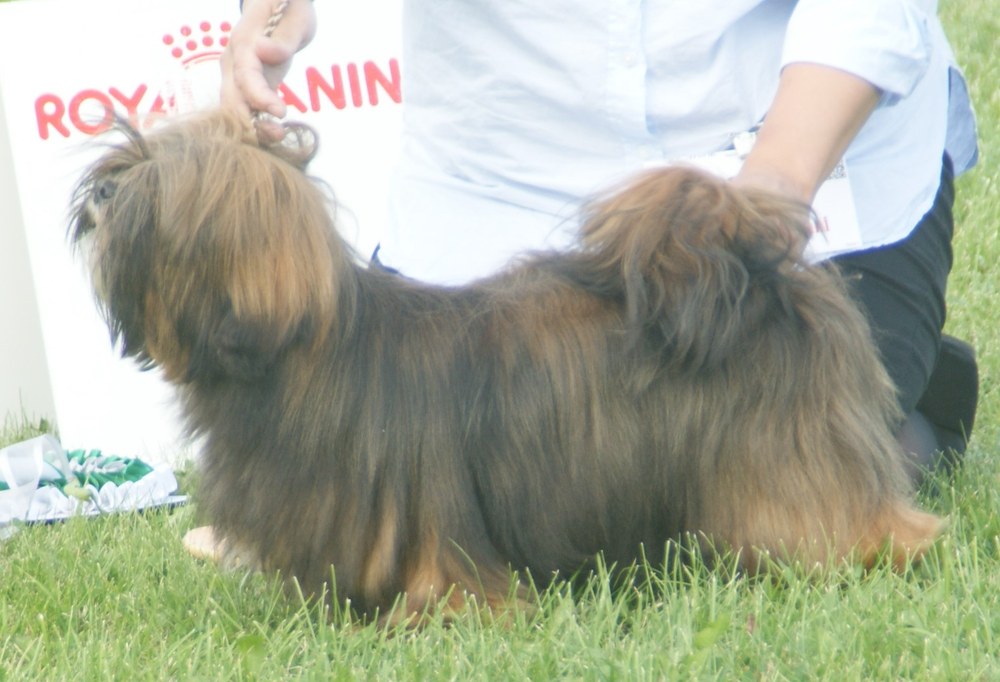
Sable Lhasa Apso being shown at a dog show
Evening · settle

Calm time with family

A chew and a bed near people help the dog settle.

See place.

Care and health themes

What to watch monthly: coat, eyes, teeth and weight

General awareness only — I am a trainer, not a veterinarian. Notice changes in coat, eyes, eating or energy. For urgent signs, see when to call the vet.

Coat

Long coat that mats easily. Brush several times a week or keep a shorter pet clip.

Eyes

Keep hair away from the eyes; see the vet for redness or discharge.

Teeth

Small dogs need daily tooth care.

Health screening (not a diagnosis)

Ask the breeder which screenings the national breed club recommends and see results for both parents.

Toxins

I do not publish toxin amounts. Call a vet or poison-control line if the dog eats something dangerous.

Lines and types

Full coat or pet clip

Lhasas can be kept in a long show coat or a short pet clip. The coat choice changes grooming, not temperament.

Full coat

  • Long, floor-length coat.
  • Needs frequent brushing.
  • Traditional show look.
  • Takes real time each week.

Suits owners who enjoy grooming.

Pet clip

  • Coat trimmed short.
  • Much easier to maintain.
  • Still needs regular trims.
  • Popular with families.

Suits most pet homes.

Socialization windows

What to introduce — and what not to overload — by age

AVSAB-aligned in spirit: short, clean exposures at a distance the puppy can still eat, with hygiene while vaccines finish. See the puppy socialization schedule.

2–4 months

Handling and grooming

Introduce: brushing, handling, crate, gentle visitors.

Do not overload: forced greetings.

~6 months

Door manners

Introduce: calm door routine, short absences, recall.

Do not overload: rewarding barking.

~12 months

Adolescent confidence

Introduce: refreshed handling and visitor routines.

Do not overload: skipping grooming.

~18 months

Adult routines

Introduce: steady walks and calm outings.

Do not overload: punishing growls.

~24 months

Maintain routines

Introduce: regular grooming, door and handling routines.

Do not overload: dropping training.

Before you buy

Who a Lhasa Apso usually fits

A Lhasa fits people who want a small, confident, devoted dog and accept some watchdog barking.

Good match

More likely a good fit if you…

  • Want a small, sturdy companion
  • Live in a flat or a house
  • Will brush or pay for trims
  • Respect a dog with its own mind
  • Have an adult or older-child household

Mismatch risk

A Lhasa Apso may be a poor choice if…

  • Barking would be a big problem
  • Small children may grab the dog
  • Grooming feels like a chore
  • You want a dog that loves every stranger
  • You expect instant obedience

If you are torn between breeds

Lhasa Apso vs Shih Tzu and Maltese

Lhasas are often compared with the Shih Tzu and Maltese — other small long-coated companions.

Origin

Lhasa Apso Tibetan watchdog.

Shih Tzu Chinese palace companion with Tibetan roots.

With strangers

Lhasa Apso Wary and alert.

Shih Tzu Usually friendlier.

Coat

Lhasa Apso Long, heavy coat in many colours.

Maltese Long, silky white coat.

Size

Lhasa Apso Small and sturdy.

Maltese Smaller and finer.

Grooming

Lhasa Apso Brushing or pet clip.

Both compares All three need regular coat care.

Ownership without surprises

Where a Lhasa owner’s budget goes

Costs depend on your area and groomer. Plan for these — not quotes.

Grooming

Regular trims or brushing supplies.

Tooth care

Brushing kit and dental checks.

Food

Small amounts; treats count.

Veterinary care

Ask which screenings the national breed club recommends.

Training

Puppy class and handling practice.

Pet care

Sitter if you travel.

With a Lhasa, grooming is the steady monthly cost.

Before day one at home

What to prepare for a Lhasa Apso puppy

A Lhasa puppy is confident and independent. Start handling and grooming early.

If the dog is already yours

Training is patience, rewards and calm door routines

Lhasas are clever but independent. Short, rewarded sessions work best.

Focus on handling, grooming, quiet at the door and calm visitors.

Trick games and sniffing walks keep a Lhasa busy.

Load balance

Short walks and play

Daily walks and play suit most Lhasas.

Walk Sniff Brush Chew Rest

Short walks, scent games and puzzle toys suit most Lhasas.

A Lhasa with calm routines is a confident, loving companion.

Door barking

How to teach a Lhasa Apso to stop barking at the door

Start with quiet practice knocks and lots of rewards.

  1. 01

    Practise a soft knock

    Knock quietly and reward calm.

  2. 02

    Thank one bark

    Say thank you after the first bark.

  3. 03

    Call the dog away

    Reward the dog for coming to you.

  4. 04

    Send to place

    Reward quiet on a bed.

  5. 05

    Add real visitors

    Practise with friends.

One scene close-up

Why your Lhasa barks at every knock

Lhasas were bred as indoor watchdogs; barking at sounds is their job.

Thank the dog for one bark, call it away and reward quiet.

If barking continues, manage the door area and ask a trainer for help.

Barking at the door Doorbell practice Place

Typical household scenes

Where Lhasa Apso owners most often need help

A breed page is only a starting point; the fix depends on health, environment, and the dog in front of you. Each row opens a step-by-step guide.

Practical view

“With a Lhasa Apso, I look at barking and handling first. We build a calm door routine, short grooming sessions and respectful visitor rules — because a watchdog relaxes when it knows the plan.”

Sessions cover real scenes: barking at the door and window, grooming and handling, guarding things, visitors, and time alone. I am a trainer, not a veterinarian. No invented reviews.

Andrew Darov Professional dog trainer and instructor
WhatsApp consult

Talk through your Lhasa Apso

Describe age, living setup, and where the dog breaks first — barking at the door, grooming and handling, guarding things, or visitors. Opens WhatsApp to Andrew.

Short answers

FAQ

Is a Lhasa Apso a good first dog?
It can be for a patient owner who grooms and trains.
Are Lhasas good with children?
Better with older, respectful children.
Do Lhasas shed?
Little, but the long coat mats without brushing.
How much exercise does an adult need?
Short daily walks and play.
Can a Lhasa live in an apartment?
Yes, with a plan for barking.
Do Lhasas bark a lot?
They are alert watchdogs; teach a calm door routine.
Are Lhasas friendly with strangers?
Often reserved; let them approach in their own time.
Can a Lhasa be left alone?
Build up slowly from short absences.
What about health?
Ask which screenings the national breed club recommends and see the parents' results.
What is the typical lifespan of a Lhasa Apso?
Public breed references often give about 12 to 15 years. Individual dogs vary.
Is crate training a good idea?
Yes, as a calm resting place.

If a Lhasa feels too watchful

If you love small long-coated dogs but want one that greets everyone, consider this one.

Shih Tzu

A friendly, long-coated companion from the Chinese court that needs regular grooming, house training and care in heat.

Havanese

A cheerful Cuban companion with a silky coat that loves people and needs company, brushing and patient house training.

Maltese

A tiny, ancient white companion with a silky coat that needs daily grooming, house training and plenty of company.

Havanese

Small, outgoing and playful companion that usually loves visitors.

More Non-Sporting group breeds

Other guides from the same group in the breed library. Same group does not mean same dog: read the fit and the failure modes, not only the outline.

Poodle

A water-retrieving athlete that people mistake for a decoration once the coat is clipped.

Schipperke

A small Belgian watchdog with big-dog confidence that needs exercise, door manners and training.

Shiba Inu

A small, independent Japanese hunting dog that needs secure walks, patient handling practice and clear, calm routines.

Tibetan Spaniel

A small Tibetan palace watchdog, not a flushing spaniel. Needs door manners, handling practice and short daily outings.

Tibetan Terrier

A shaggy Tibetan mountain companion, not a British earthdog. Needs real outdoor work, coat care and clear door manners.

Bichon Frise

A cheerful, curly-coated companion dog that loves people and needs regular grooming, patient house training and company.

Need a read on your exact situation?

Describe your Lhasa Apso’s age and the scene that repeats most: barking at the door, grooming and handling, guarding things, or visitors. We check safety first, then pick the first skill.

Written by Andrew Darov, professional dog trainer. Not veterinary advice and not a diagnosis. Not a kennel club. No invented reviews. No vaccine schedules or toxin doses. Photo credits in /images/breeds/lhasa-apso-guide/credits.md.