Bichon Frise: temperament, training & companion alert
The Bichon Frise is a small, cheerful companion dog with a curly white coat. Most are friendly, playful and easy to train. Life goes well with company, daily walks, patient house training and regular grooming.
Job: Mediterranean companion dog — cheerful and sociable.
Energy: Moderate; short walks and play.
Home: Needs company, grooming and patient house training.
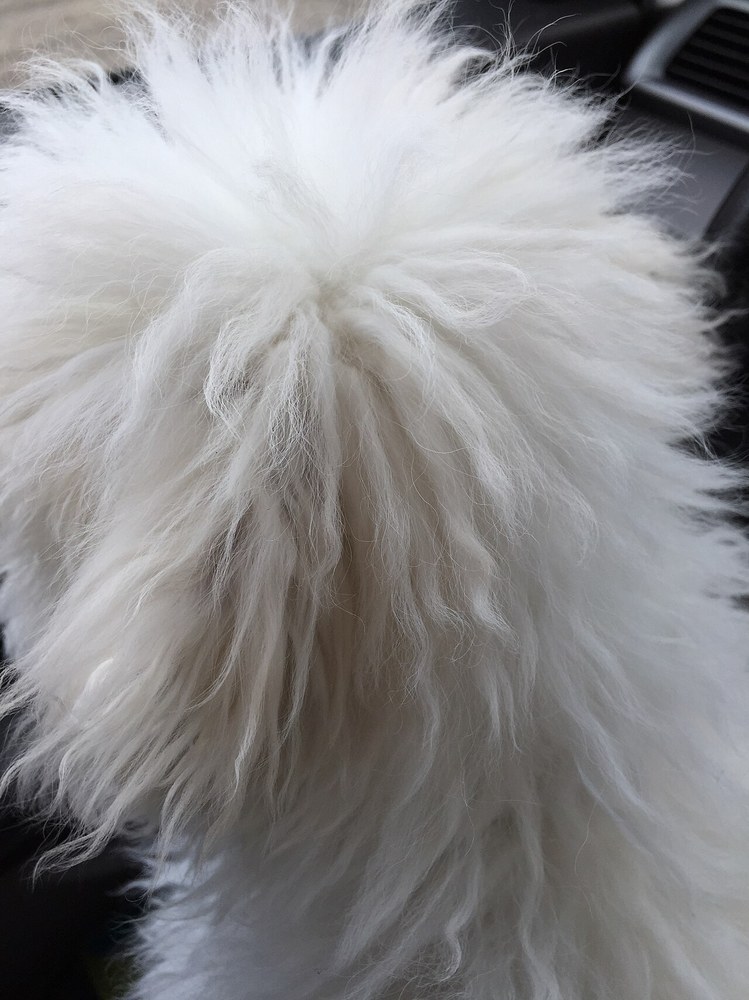
Curly powder-puff coat — little shedding but mats without grooming
Job
Mediterranean companion dog
Breed history
From Mediterranean lapdog to French favourite: where the Bichon comes from
History does not decide what one puppy becomes, but it explains a lot: most Bichons are cheerful, people-loving companion dogs bred to be close to their owners — with a coat that needs real care.
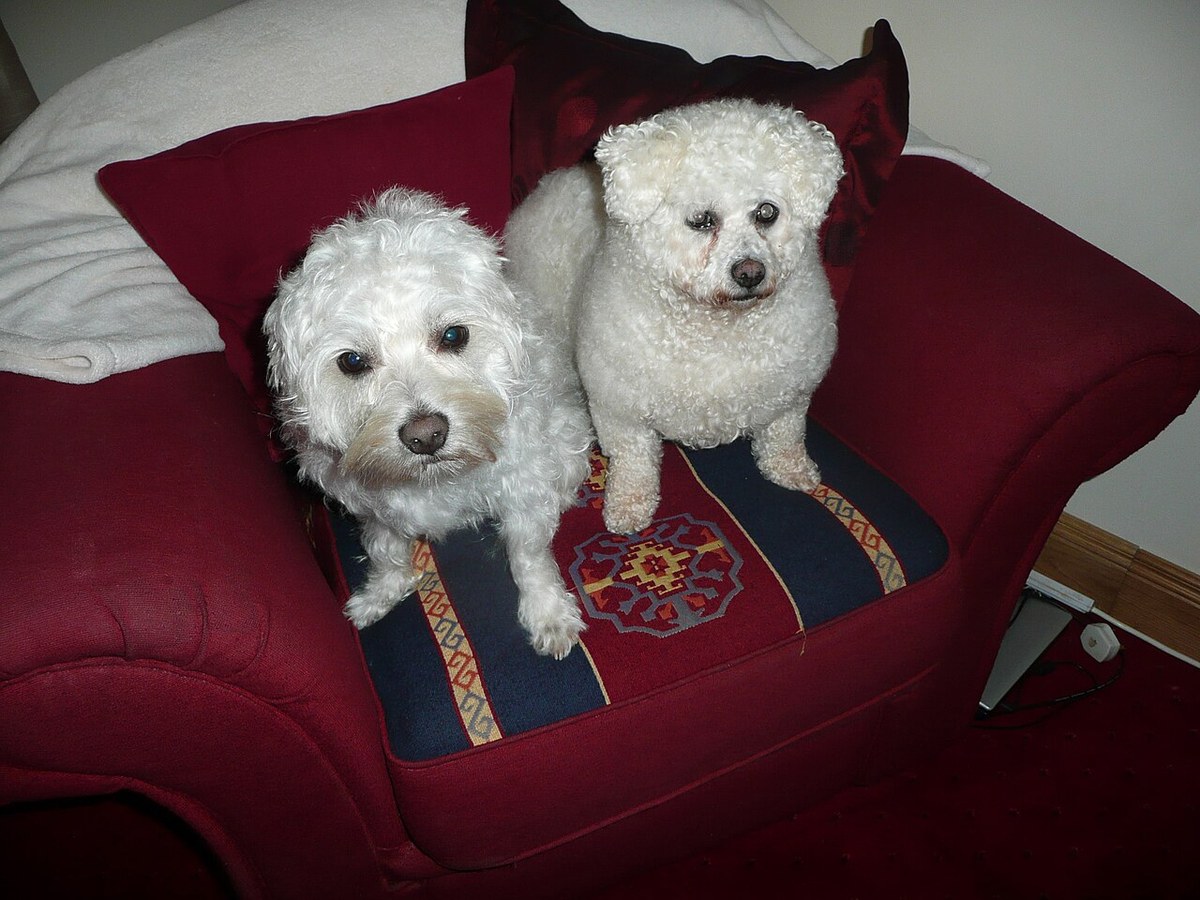
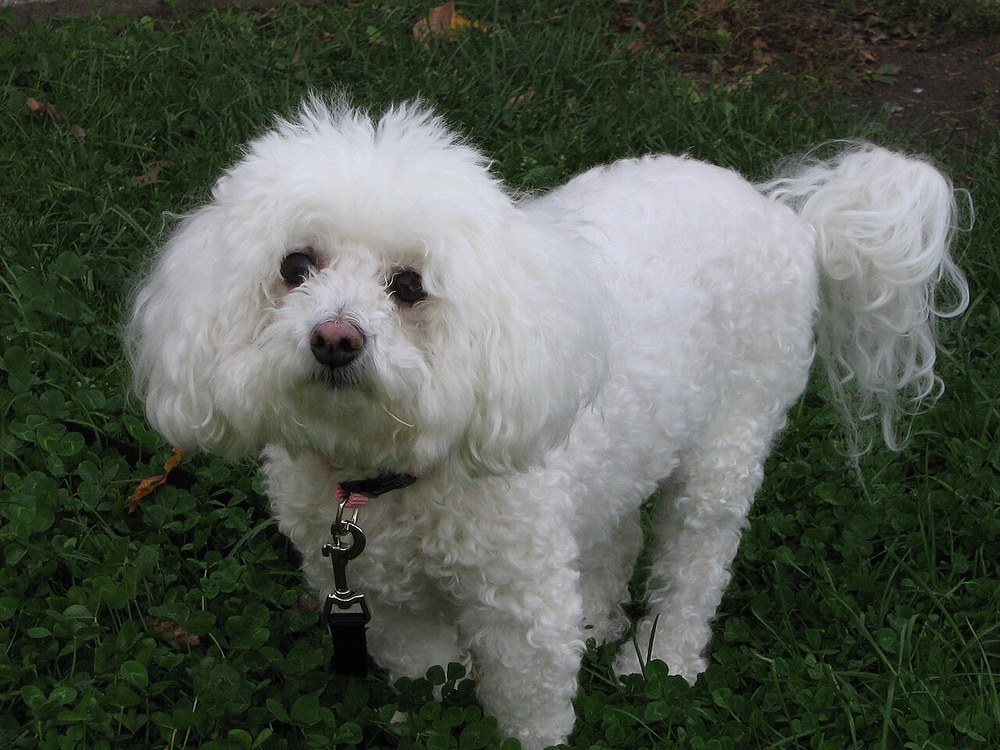
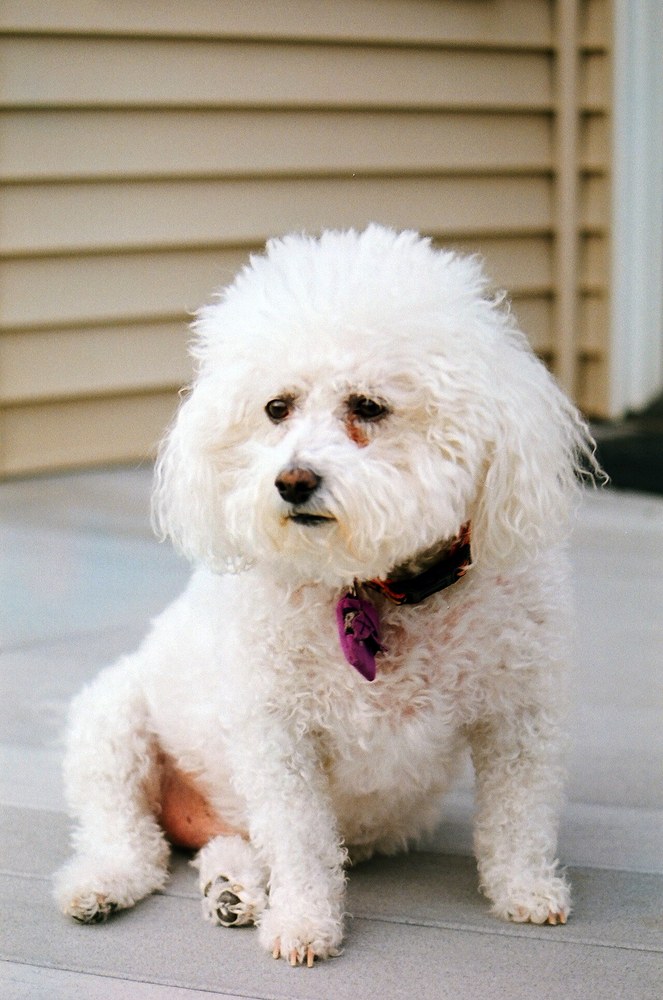
Two rescued Bichon Frises on a sofa (modern photograph). The breed was made for company, and most Bichons still want to be where their people are.
Mediterranean → European courts
A small white companion of sailors and nobles
Public breed histories place the Bichon’s ancestors among small white dogs of the Mediterranean, the same family that gave us the Maltese, the Bolognese and the Havanese. Sailors and traders carried them between ports.
By the Renaissance, these little curly dogs were favourites at European courts, including in France. They were bred for one job: to be pleasant, affectionate company.
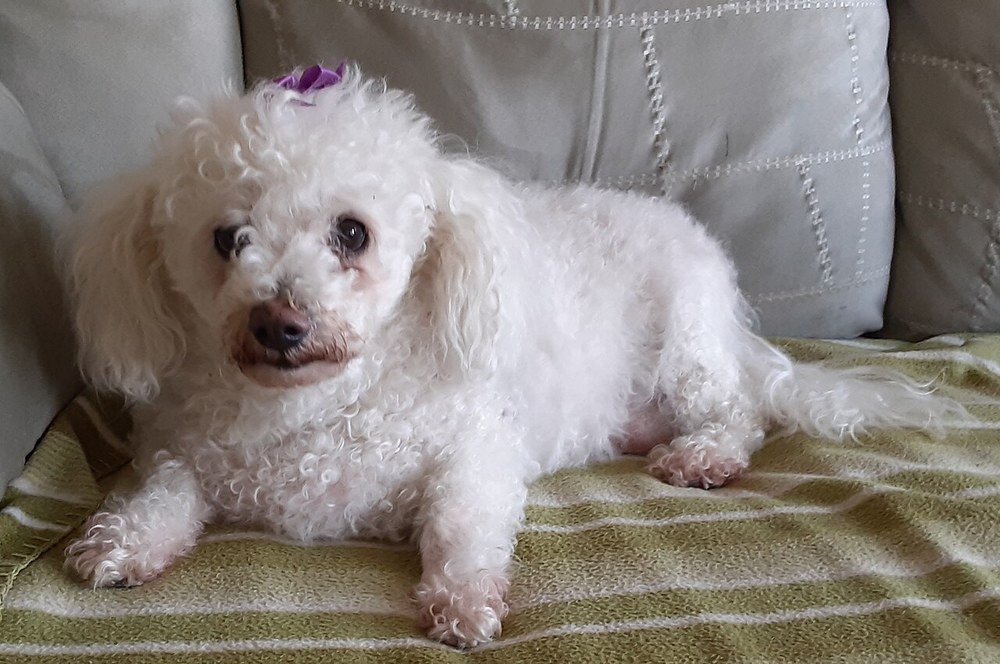
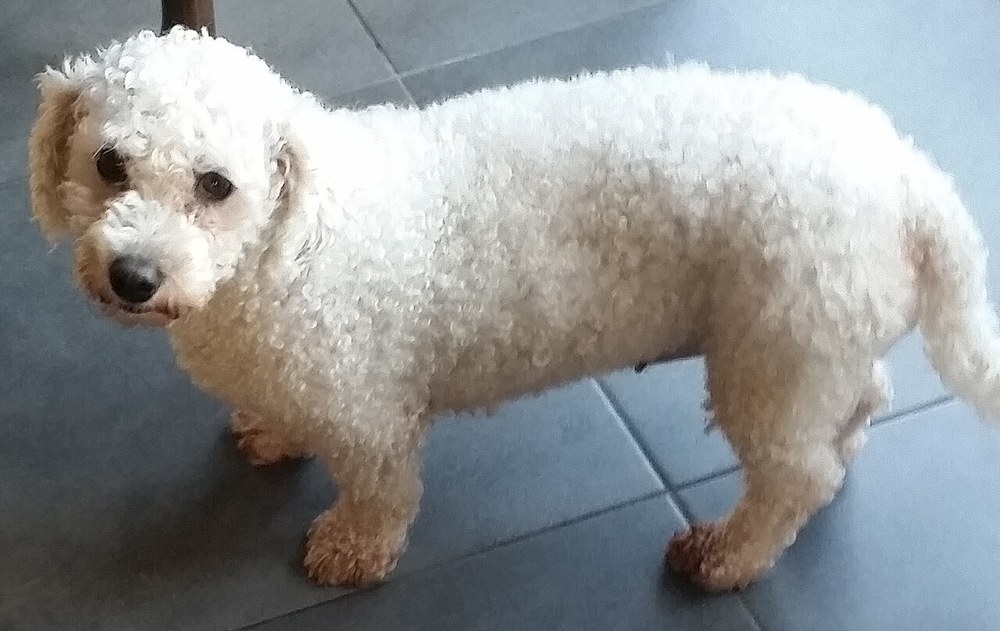
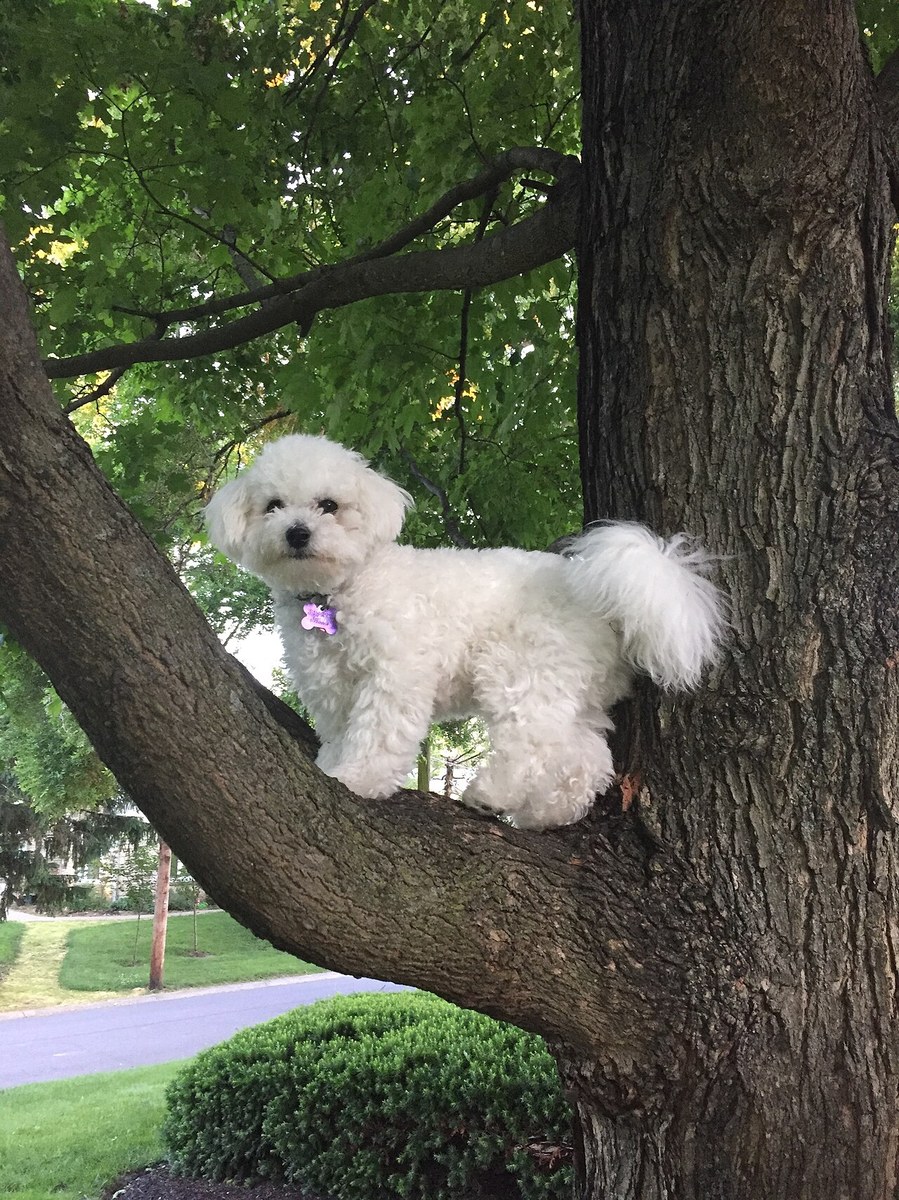
A 14-year-old Bichon Frise in a short pet trim (modern photograph). Many Bichons stay playful well into old age.
Street performer → standardised breed
From circus tricks to a recognised breed
Breed accounts describe a fall from court fashion in the 19th century, when Bichons became street and circus performers. Their love of learning tricks still shows today.
French and Belgian fanciers wrote a breed standard in the 1930s, and the Bichon became popular in the United States from the 1950s onward.
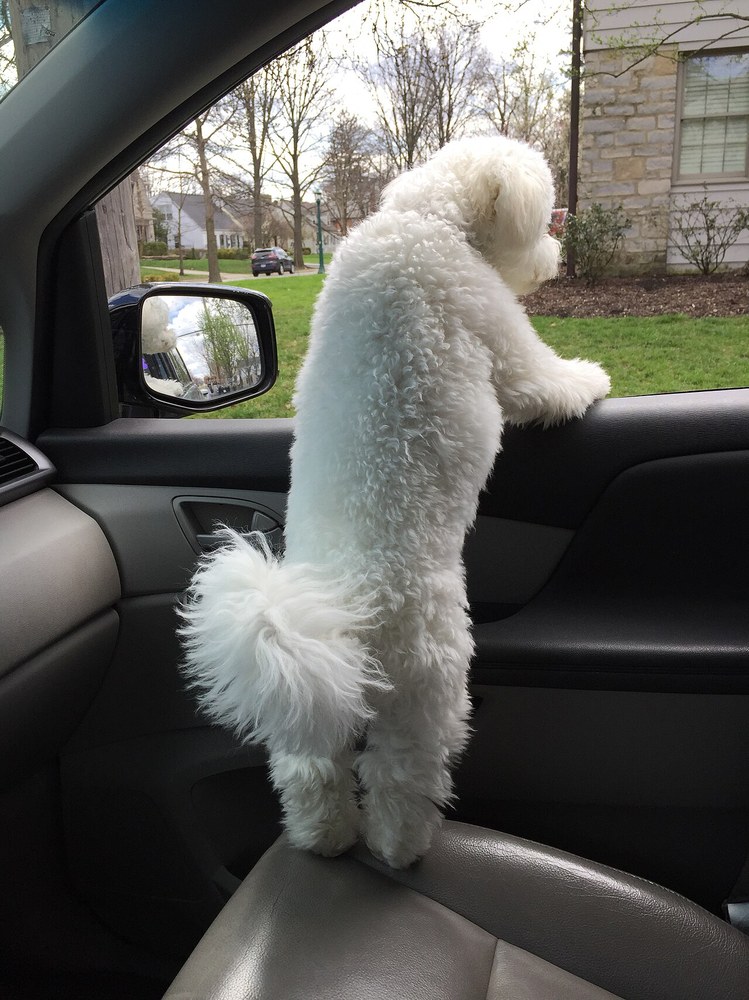
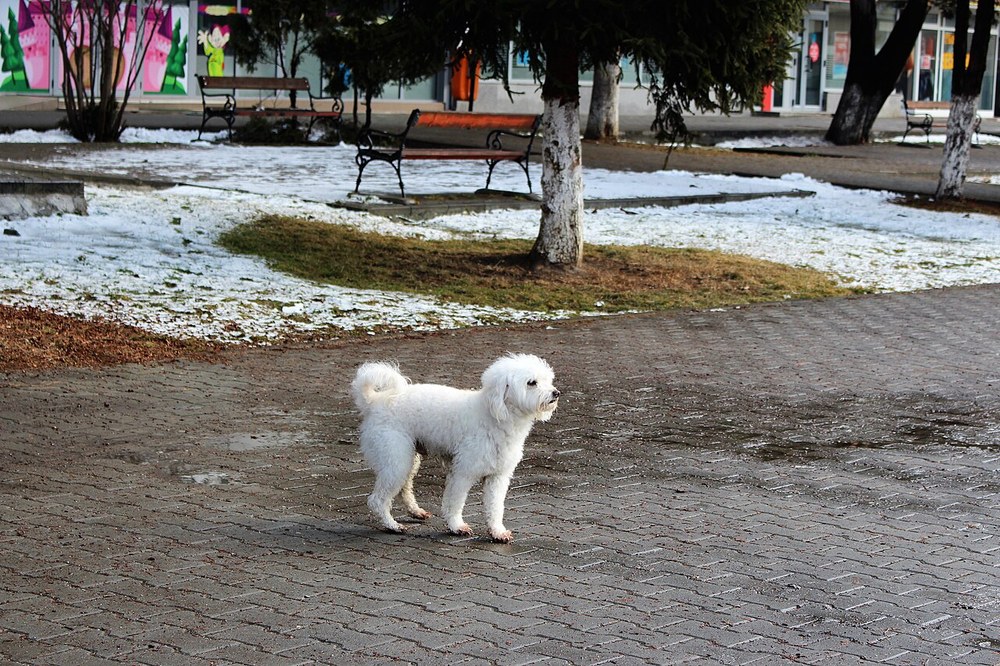
A Bichon Frise looking out of a car window (modern photograph). Calm car travel is worth teaching early — Bichons usually want to come along.
What the breed was bred for
Cheerful, sociable and easy to love
In plain trainer language: Bichons were selected to be happy, gentle companions. Most love people, get on with other pets and learn tricks quickly.
The challenges are house training, time alone, barking and grooming. A daily routine and a groomer you trust solve most of them.
What to watch monthly: coat, eyes, teeth and weight
General awareness only — I am a trainer, not a veterinarian. Notice changes in coat, skin, eating or energy. For urgent signs, see
when to call the vet.
Coat
Curly, low-shedding coat that mats easily. Brush down to the skin and book trims every few weeks.
Eyes
Wipe around the eyes gently; ask the vet about any redness or staining.
Teeth
Small dogs need daily tooth care. Start brushing early.
Weight
Small dogs gain weight fast from treats. See treat calories.
Health screening (not a diagnosis)
Ask the breeder which screenings the national breed club recommends and see results for both parents.
Toxins
I do not publish toxin amounts. Call a vet or poison-control line if the dog eats something dangerous.
Lines and types
Show trim or pet trim
Bichons come in one size and colour, but owners choose very different coat styles. The trim changes the grooming work, not the dog.
Show trim
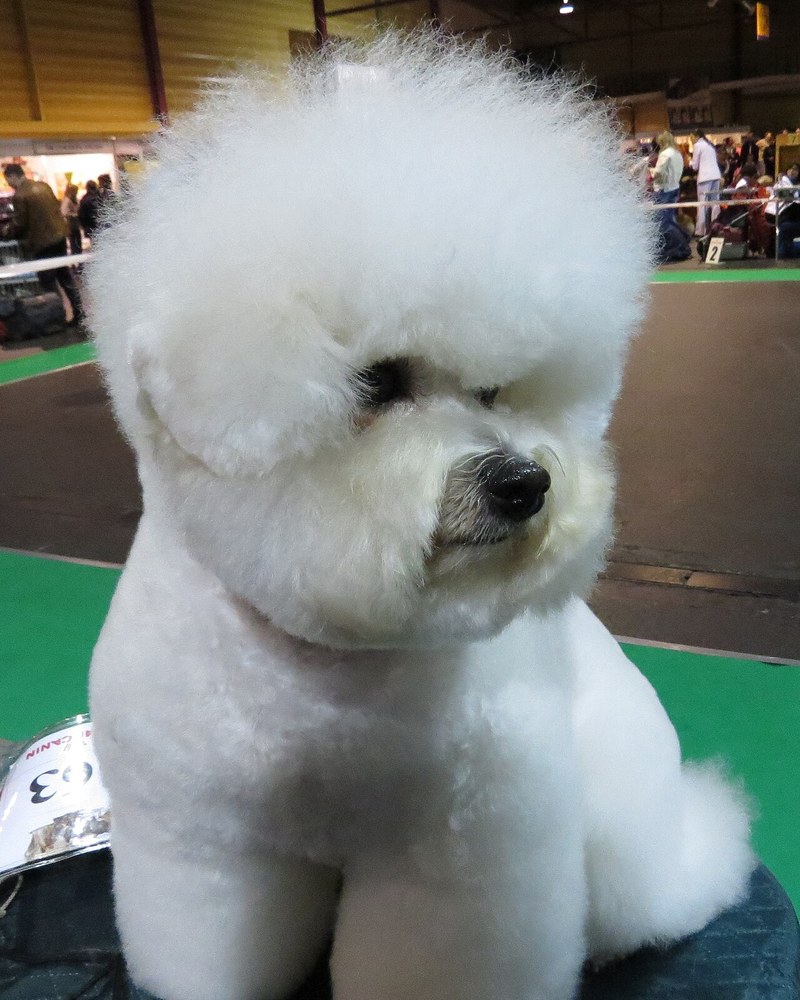
Round, powder-puff head and full coat.
Needs frequent professional grooming.
Daily brushing is a must.
Seen in the show ring.
Suits owners who enjoy grooming and the classic look.
Pet trim
Coat clipped shorter all over.
Easier to brush and keep clean.
Still needs trims every few weeks.
Popular with busy families.
Suits most pet homes.
Socialization windows
What to introduce — and what not to overload — by age
AVSAB-aligned in spirit: short, clean exposures at a distance the puppy can still eat,
with hygiene while vaccines finish. See the
puppy socialization schedule.
“With a Bichon Frise, I look at house training and time alone before anything else. We build a toilet routine, practise short absences and make grooming easy — because a companion dog bred for company struggles most when it is left without a plan.”
Sessions cover real scenes: toilet accidents, time alone, barking at the door, grooming handling, and calm greetings. I am a trainer, not a veterinarian. No invented reviews.
Andrew DarovProfessional dog trainer and instructor
A gentle, sturdy, short-nosed companion that needs cool, short walks, a lean body and regular skin-fold care.
Need a read on your exact situation?
Describe your Bichon Frise’s age and the scene that repeats most: toilet accidents, time alone, barking, or grooming. We check safety first, then pick the first skill.
Written by Andrew Darov, professional dog trainer. Not veterinary advice and not a diagnosis.
Not a kennel club. No invented reviews. No vaccine schedules or toxin doses. Photo credits in
/images/breeds/bichon-frise-guide/credits.md.