Chinese Shar-Pei: temperament, training & skin fold care
The Chinese Shar-Pei is a medium-sized, wrinkled guardian breed from southern China. Most are calm, loyal and reserved with strangers. Life goes well with early socialization, gentle handling, calm visitor routines and regular skin care.
Job: Southern Chinese farm guardian — calm and loyal.
Energy: Low to moderate; steady daily walks.
Home: Needs visitor routines, handling practice and skin care.
Harsh short coat with folds — sheds; regular skin and fold care
Job
Chinese farm and companion dog
Breed history
A southern Chinese farm dog that nearly disappeared
History does not decide what one puppy becomes, but it explains a lot: most Shar-Pei are calm, loyal and reserved with strangers — independent guardians that need early socialization and respectful handling.
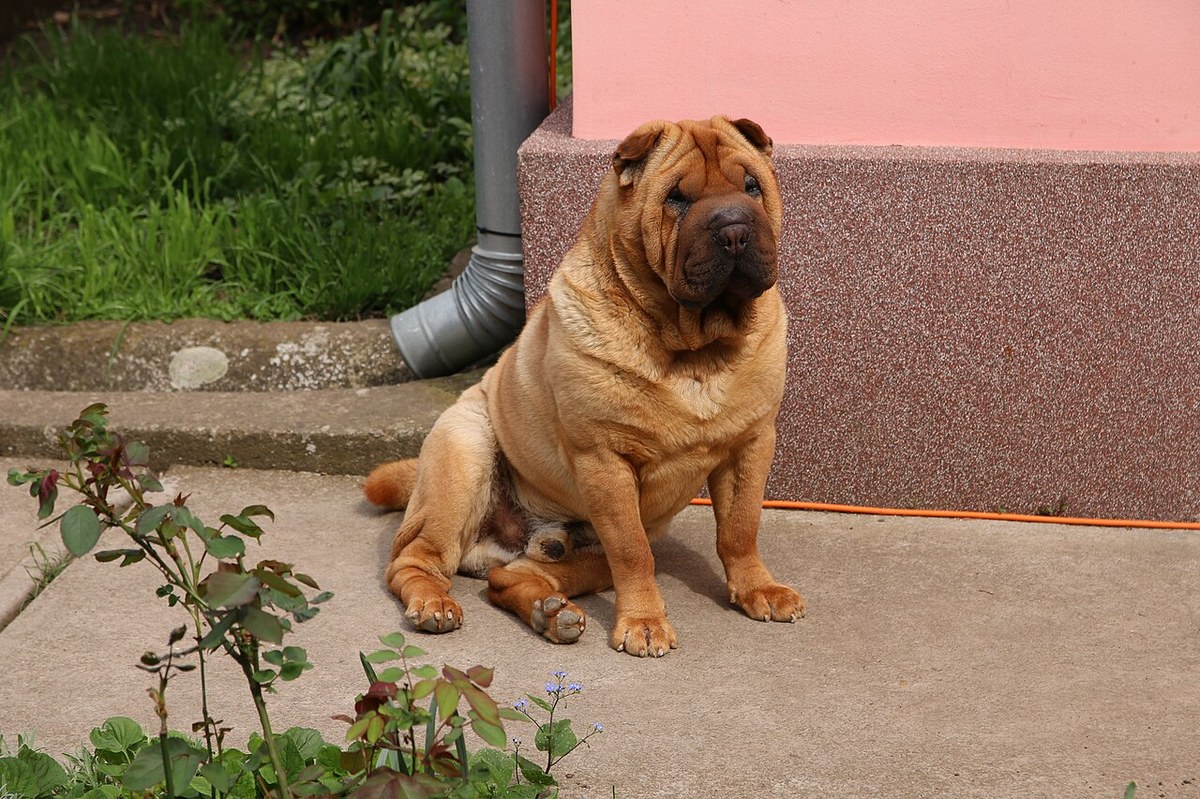
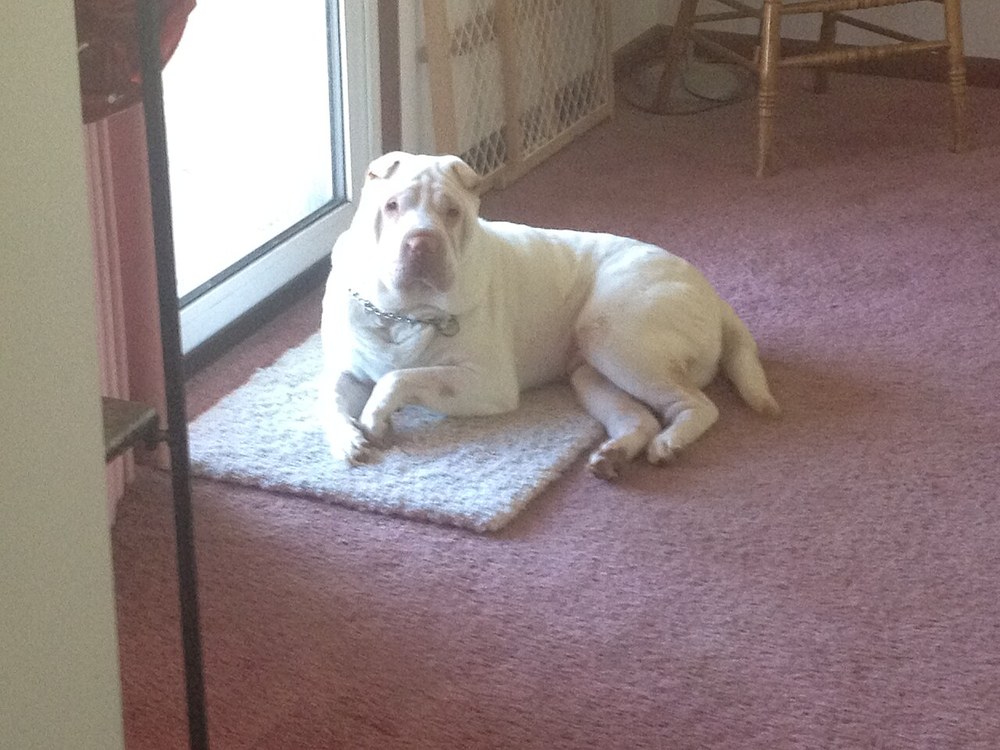
A Shar-Pei sitting by a house (modern photograph). Many Shar-Pei are quiet watchers of their home and family.
Southern China → farm guardian
An all-purpose dog of rural China
Public breed histories place the Shar-Pei in southern China, around Guangdong, where it guarded homes and livestock, hunted and was sometimes used in dog fighting. The name is usually translated as “sand skin”, for the harsh coat.
A guardian background explains the breed’s reserve with strangers, its independence and its strong attachment to family.
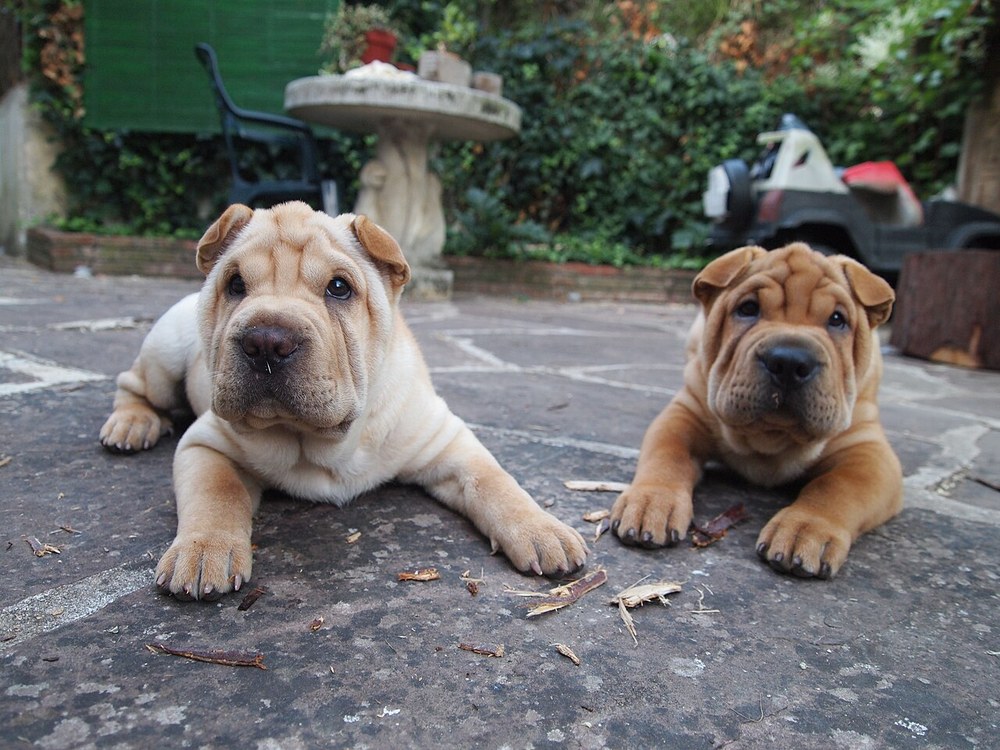
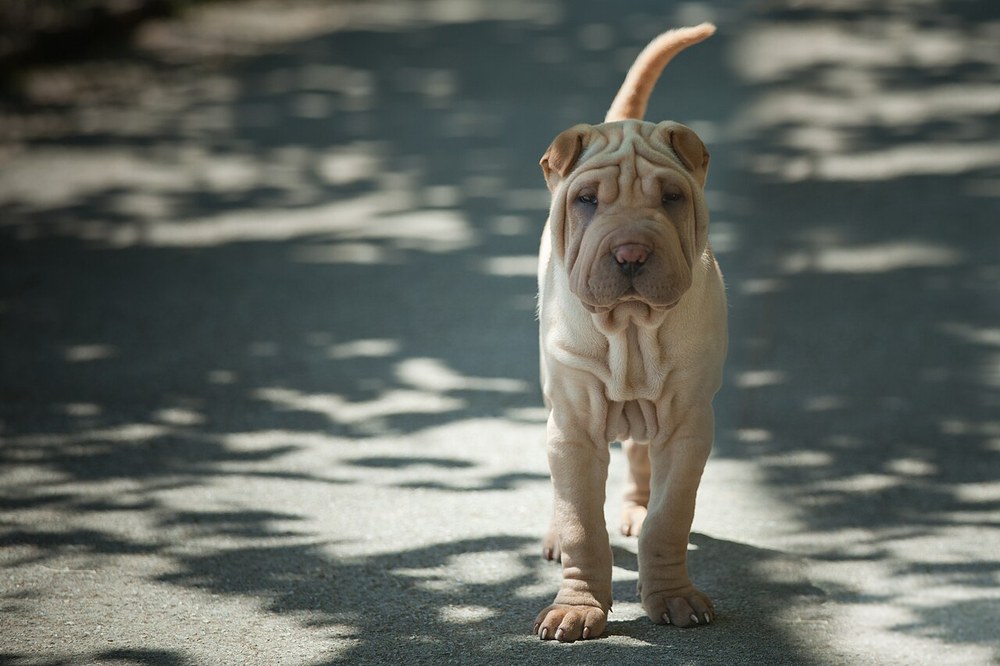
Shar-Pei puppies at ten weeks (modern photograph). The famous wrinkles are most dramatic in puppies.
Near loss → Hong Kong appeal → worldwide
Saved by an appeal from Hong Kong
In the 20th century the breed became very rare. In the 1970s a Hong Kong breeder, Matgo Law, appealed to dog lovers abroad to help save it, and dogs were exported to the United States.
Popularity grew quickly afterwards. Breeders now often aim for fewer extreme wrinkles than in the boom years — ask about this when you meet the parents.
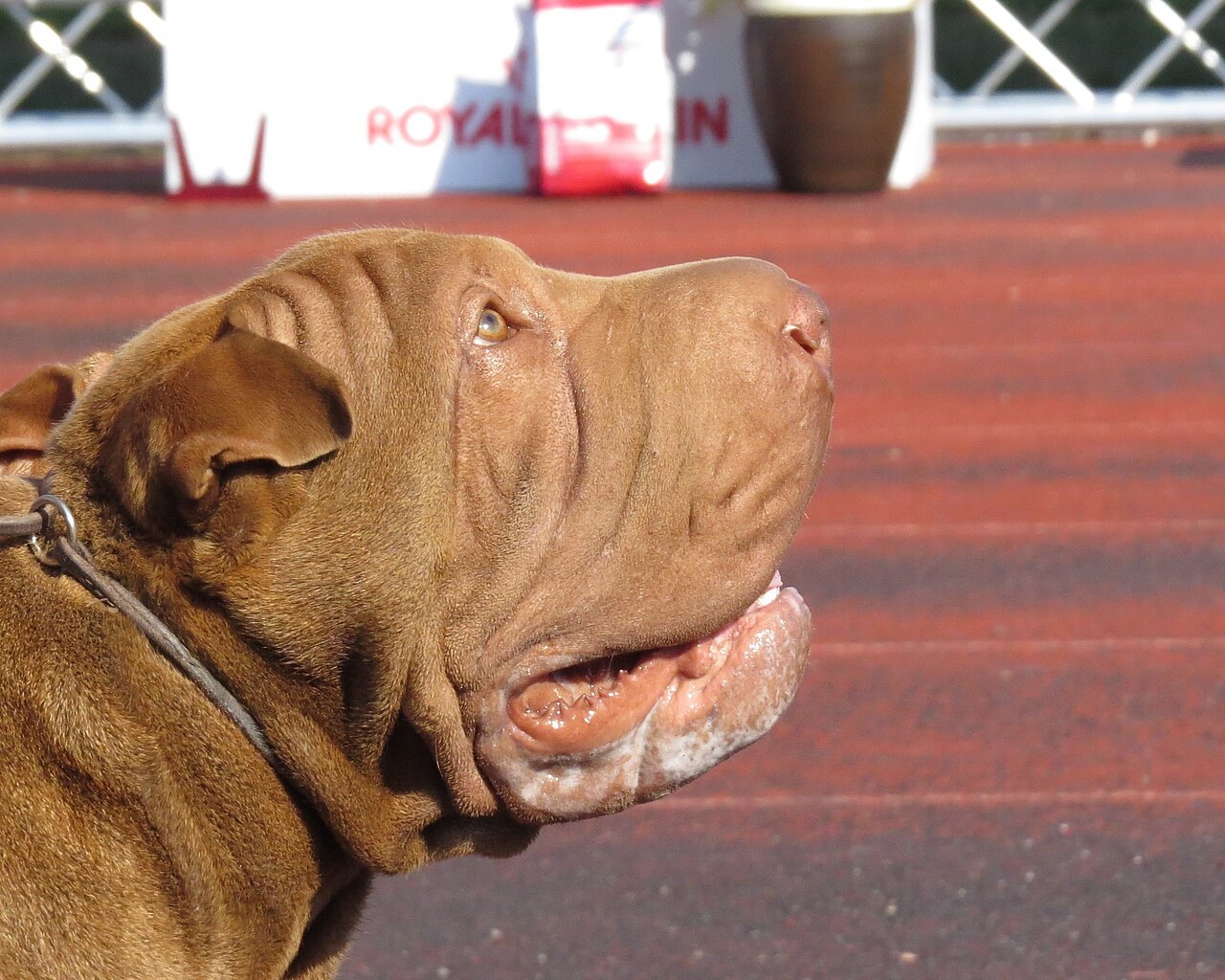
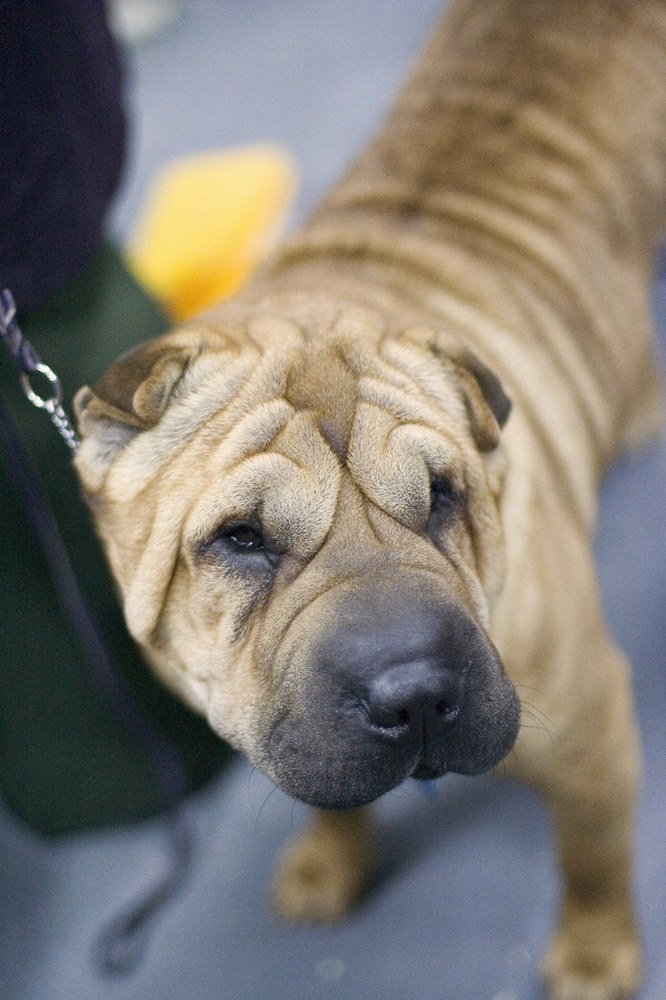
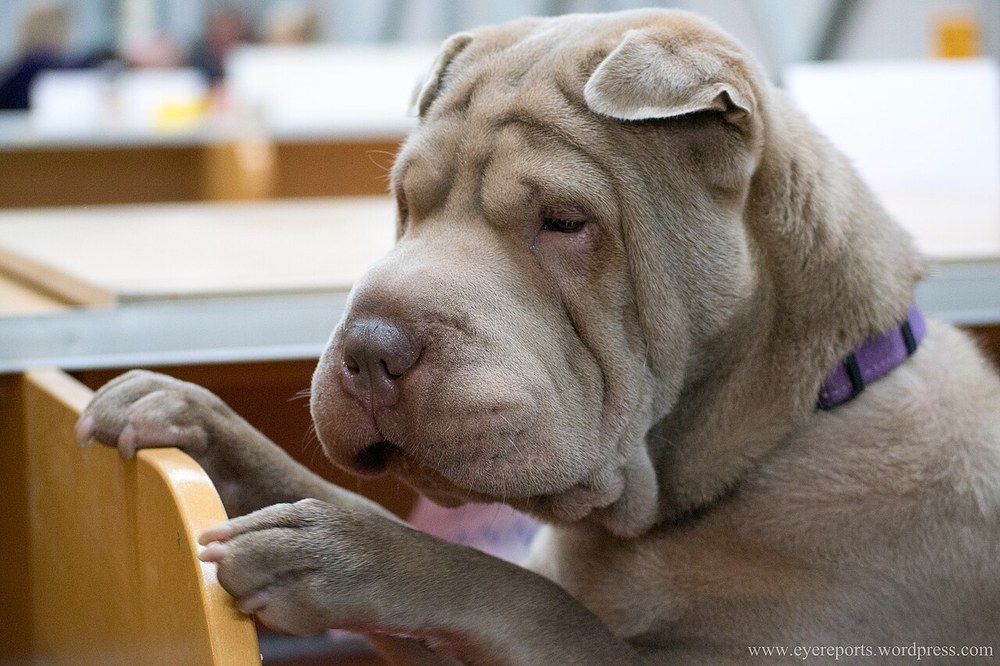
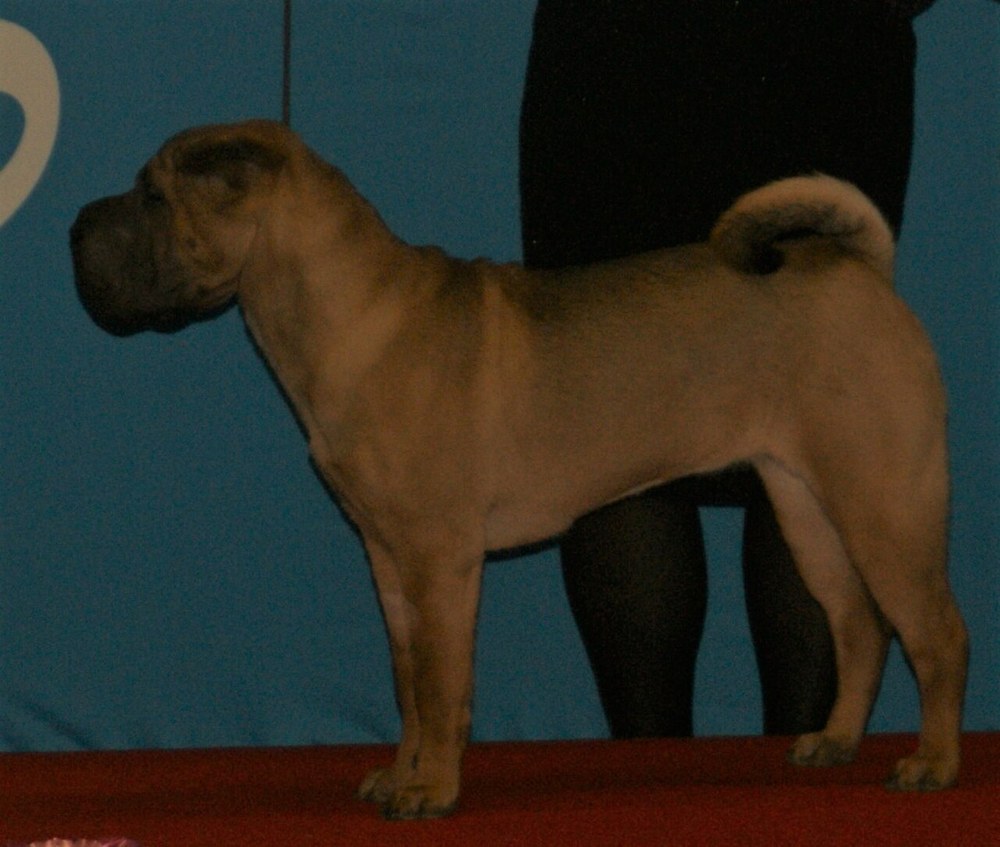
A Shar-Pei at the 2007 Westminster Kennel Club Dog Show (modern photograph). Note the small ears and broad muzzle typical of the breed.
What the breed was bred for
Calm, loyal and choosy about strangers
In plain trainer language: Shar-Pei were selected to guard and think for themselves. Most are clean, quiet and devoted at home but cool with strangers and sometimes with other dogs.
The challenges are handling, visitor routines, dog introductions and skin and eye care. Calm, consistent training works much better than force.
What to watch monthly: skin folds, eyes, ears and weight
General awareness only — I am a trainer, not a veterinarian. Notice changes in skin, eyes, eating or energy. For urgent signs, see
when to call the vet.
Skin folds
Check folds for redness or smell and keep them clean and dry.
Ask the breeder which screenings the national breed club recommends and see results for both parents.
Toxins
I do not publish toxin amounts. Call a vet or poison-control line if the dog eats something dangerous.
Lines and types
Horse coat or brush coat
Breed standards accept two main coat types. Coat type does not change temperament.
Horse coat
Very short and harsh.
Feels prickly against the grain.
Minimal grooming.
Classic original look.
Suits owners who want easy grooming.
Brush coat
Slightly longer and softer.
Still short.
Weekly brushing.
Softer look.
Suits owners who prefer a softer feel.
Socialization windows
What to introduce — and what not to overload — by age
AVSAB-aligned in spirit: short, clean exposures at a distance the puppy can still eat,
with hygiene while vaccines finish. See the
puppy socialization schedule.
2–4 months
Handling and gentle meetings
Introduce: handling, calm visitors, crate, many people at a distance.
Do not overload: forced greetings.
~6 months
Visitor routines
Introduce: place on visitor arrival, calm dog meetings.
Do not overload: crowded dog parks.
~12 months
Adolescent reserve
Introduce: refreshed handling and visitor practice.
Do not overload: pushing the dog into contact.
~18 months
Adult confidence
Introduce: steady outings and familiar friends.
Do not overload: punishing growls.
~24 months
Maintain routines
Introduce: regular handling, visitor and dog-meeting routines.
Do not overload: dropping socialization.
Before you buy
Who a Chinese Shar-Pei usually fits
A Shar-Pei fits calm owners who want a quiet, loyal dog and respect its reserve with strangers.
Good match
More likely a good fit if you…
Want a calm, clean house dog
Have a quieter household
Will socialize gently and consistently
Can check skin and eyes regularly
Respect a dog that likes its space
Mismatch risk
A Chinese Shar-Pei may be a poor choice if…
You want a dog that loves every stranger
Busy dog parks are part of the plan
Small children may grab or hug the dog
You expect instant obedience
Skin and eye care feel like too much
If you are torn between breeds
Chinese Shar-Pei vs Chow Chow and Akita
Shar-Pei are compared with the Chow Chow and Akita — other reserved Asian guardian breeds.
Origin
Chinese Shar-Pei
Southern Chinese farm dog.
Chow Chow
Northern Chinese guardian and companion.
Coat
Chinese Shar-Pei
Short, harsh, wrinkled skin.
Chow Chow
Thick double coat.
Size
Chinese Shar-Pei
Medium.
Akita
Large and powerful.
With strangers
Chinese Shar-Pei
Reserved.
Akita
Also reserved and watchful.
Training
Chinese Shar-Pei
Independent; calm methods.
Both compares
All three need respectful, consistent training.
Ownership without surprises
Where a Shar-Pei owner’s budget goes
Costs depend on your area and breeder. Plan for these — not quotes.
Veterinary care
Ask which screenings the national breed club recommends.
Skin and ear care
Cleaning supplies and checks.
Food
Medium-sized dog; keep lean.
Training
Puppy class and socialization.
Gear
Harness, lead, comfortable bed.
Pet care
Sitter who respects the dog’s reserve.
With a Shar-Pei, skin, eye and veterinary care deserve the most planning.
Before day one at home
What to prepare for a Chinese Shar-Pei puppy
A Shar-Pei puppy needs gentle, varied socialization and lots of handling practice.
“With a Chinese Shar-Pei, I look at handling and visitors first. We give the dog space, a place to go when guests arrive and short, rewarded handling sessions — because a guardian that feels pushed tends to push back.”
Sessions cover real scenes: tension with visitors, meeting other dogs, handling and grooming, children in the home, and settling after walks. I am a trainer, not a veterinarian. No invented reviews.
Andrew DarovProfessional dog trainer and instructor
Describe age, living setup, and where the dog breaks first — tension with visitors, other dogs, handling and grooming, or settling after walks. Opens WhatsApp to Andrew.
A friendly, fluffy Dutch barge dog that loves people and needs help with barking, regular grooming and company.
Need a read on your exact situation?
Describe your Chinese Shar-Pei’s age and the scene that repeats most: tension with visitors, other dogs, handling and grooming, or settling after walks. We check safety first, then pick the first skill.
Written by Andrew Darov, professional dog trainer. Not veterinary advice and not a diagnosis.
Not a kennel club. No invented reviews. No vaccine schedules or toxin doses. Photo credits in
/images/breeds/chinese-shar-pei-guide/credits.md.