dogmindlab
Work with me

Boston Terrier · Non-Sporting

Boston Terrier: temperament, training & calm play

The Boston Terrier is a small, friendly American companion dog with tuxedo markings. Most are lively, affectionate and eager to learn. Life goes well with calm greetings, moderate exercise, care in hot weather and lots of company.

  • Job: American companion dog — lively and friendly.
  • Energy: Moderate to high; walks and play, gentle in heat.
  • Home: Great city dog that needs calm greetings and cool summers.
WhatsApp consult

First, the point

A Boston is a lively little companion that needs gentle play rules and care in the heat

Public breed histories describe an American breed from Boston, developed from bulldog and terrier crosses.

Most Bostons are cheerful and sociable. The challenges are excitability, jumping, mouthing and heat sensitivity.

From the first weeks, teach calm greetings, gentle play, toilet routines and short absences.

Talk through your situation

Height
15–17 in (38–43 cm)
Weight
12–25 lb (5–11 kg)
Energy
Moderate to high
Coat / shed
Short coat — light shedding
Job
American companion terrier

Breed history

Born in Boston: how the “American Gentleman” came to be

History does not decide what one puppy becomes, but it explains a lot: most Boston Terriers are lively, friendly and people-focused — small dogs with big personalities and short noses that need care in heat.

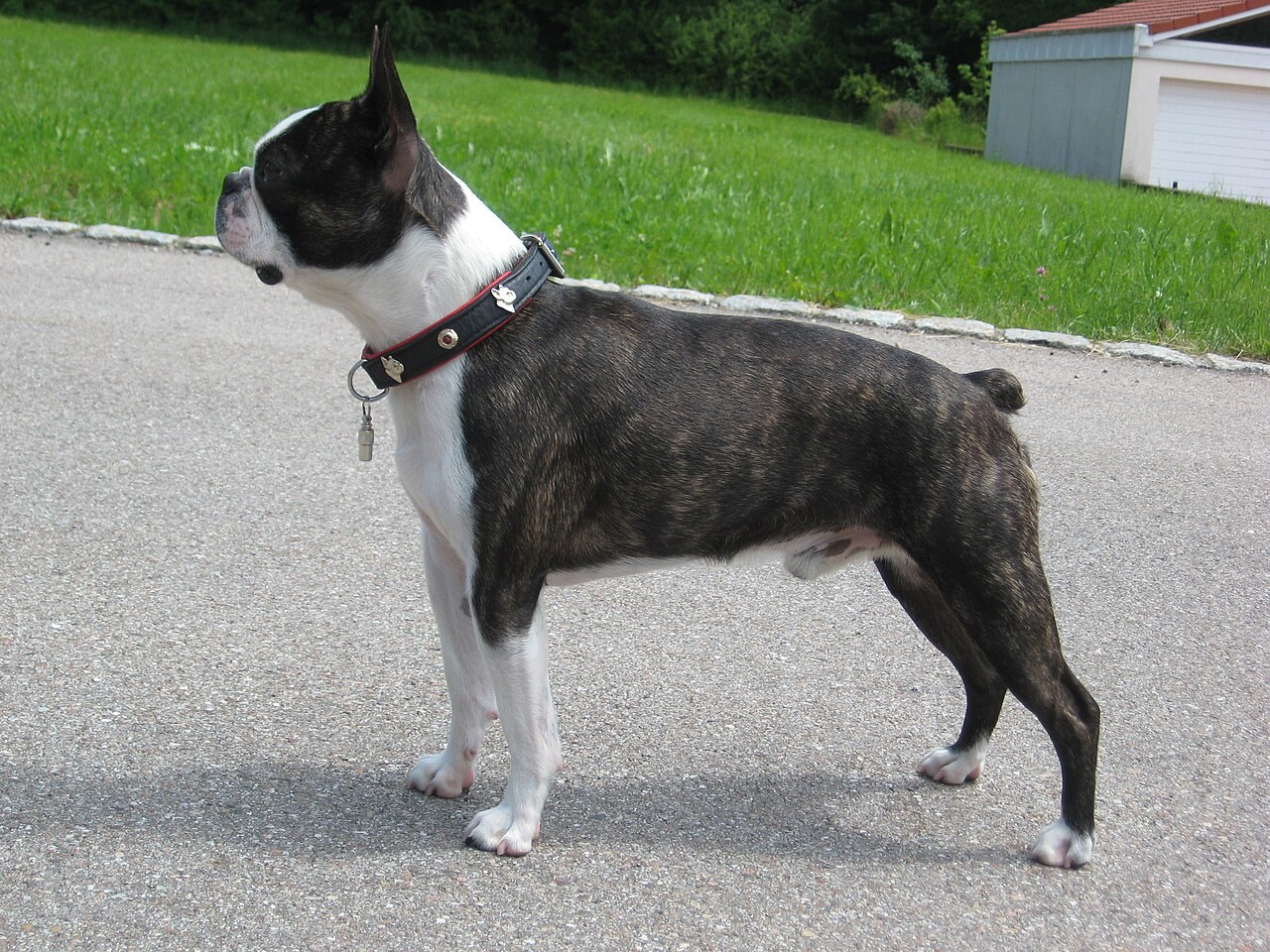
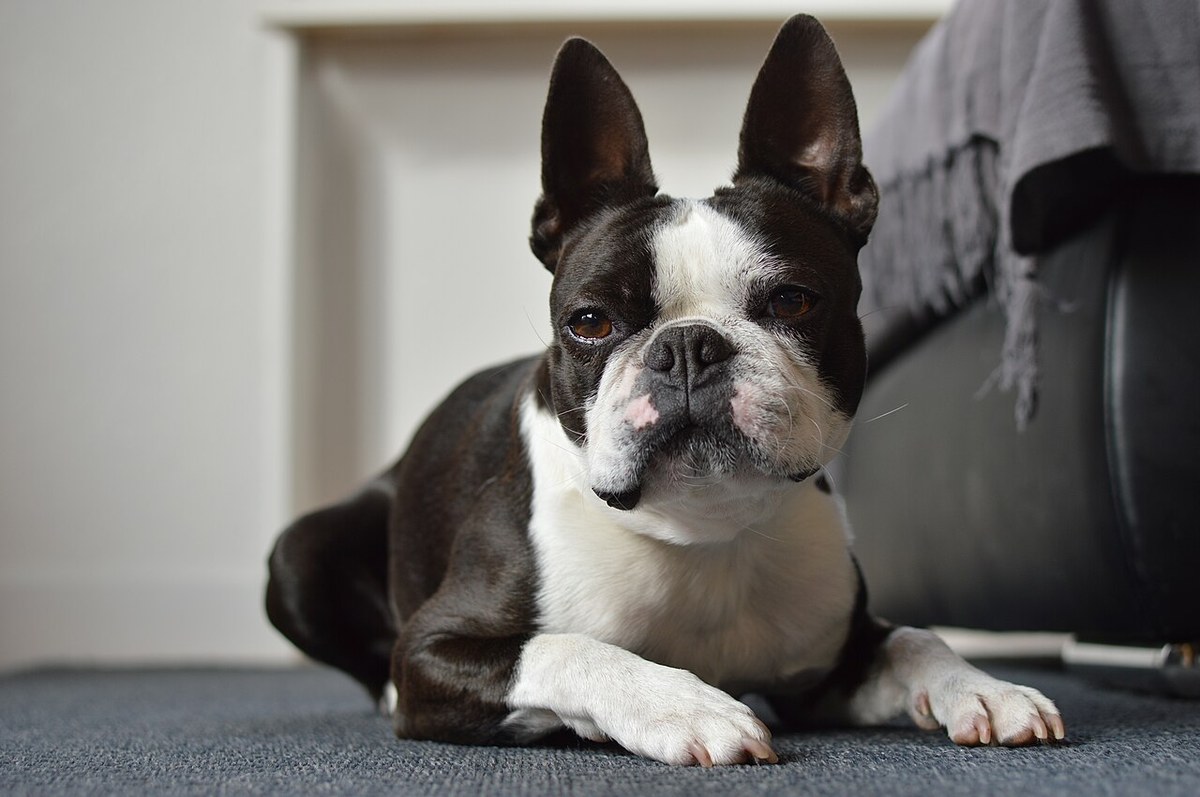
Ocho, a six-year-old Boston Terrier (modern photograph). Most Bostons love to be close to their people.

Bulldog × terrier → Boston

An American breed from bulldog and terrier crosses

Public breed histories trace the Boston Terrier to crosses between bulldogs and white English terriers in Boston, Massachusetts, in the late 19th century. A dog called Judge is often named as a foundation sire.

Early dogs were heavier and used for fighting, but breeders soon selected smaller, friendlier dogs for companionship.

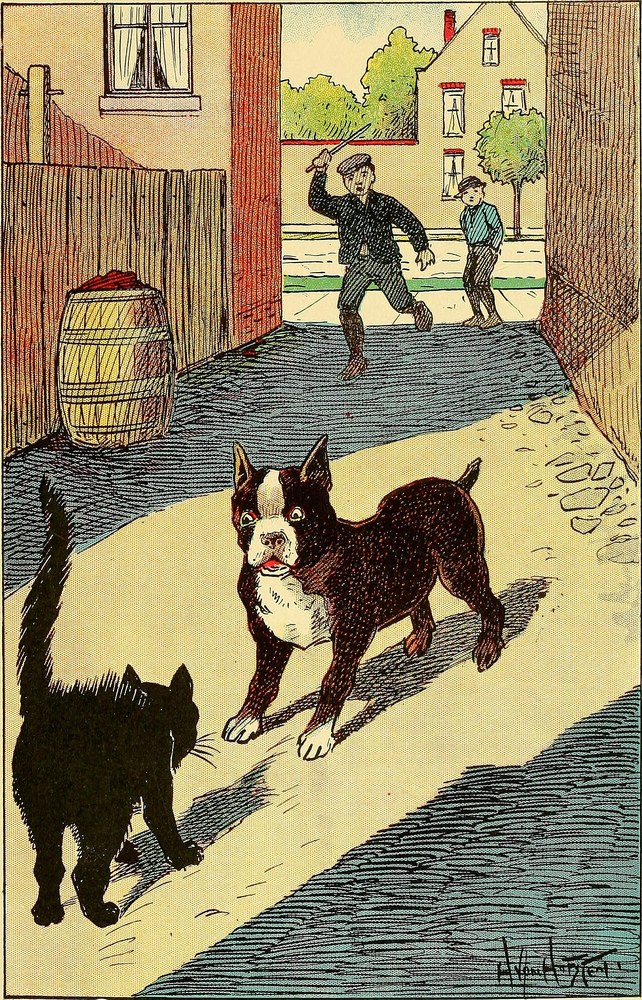
Old book illustration of a black and white dog facing a black cat on a street
Illustration from the 1908 book “Dogs and Puppies” (public domain). Small bull-and-terrier dogs were familiar city companions by then.

Club → recognition → popularity

One of the first American breeds

The Boston Terrier Club of America formed in 1891, and the AKC recognised the breed in 1893. The tuxedo-like markings earned the nickname “American Gentleman”.

Bostons became popular city dogs: small, sturdy and happy in apartments.

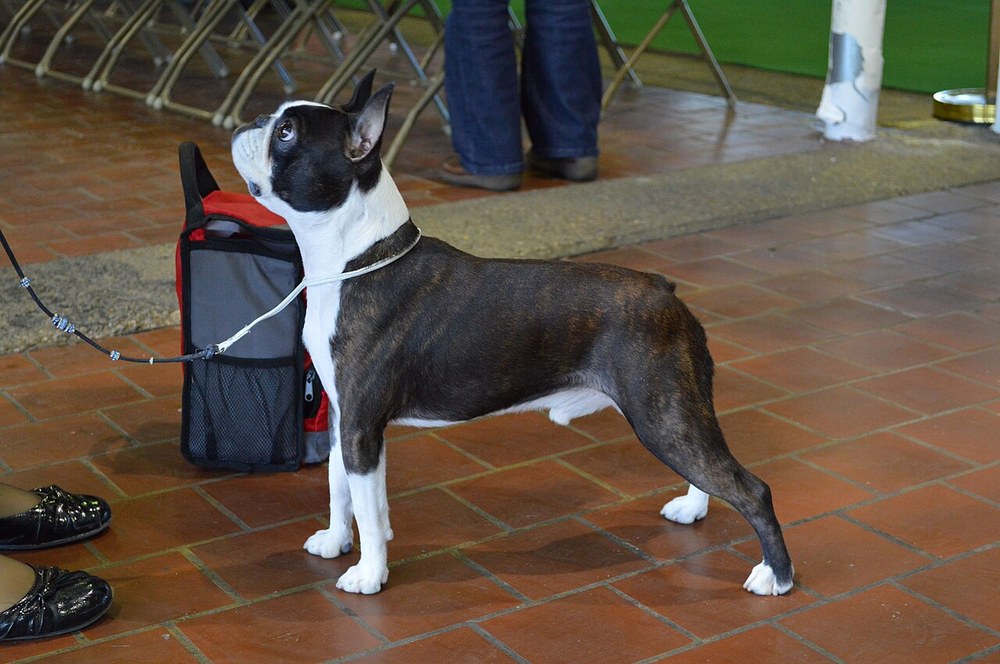
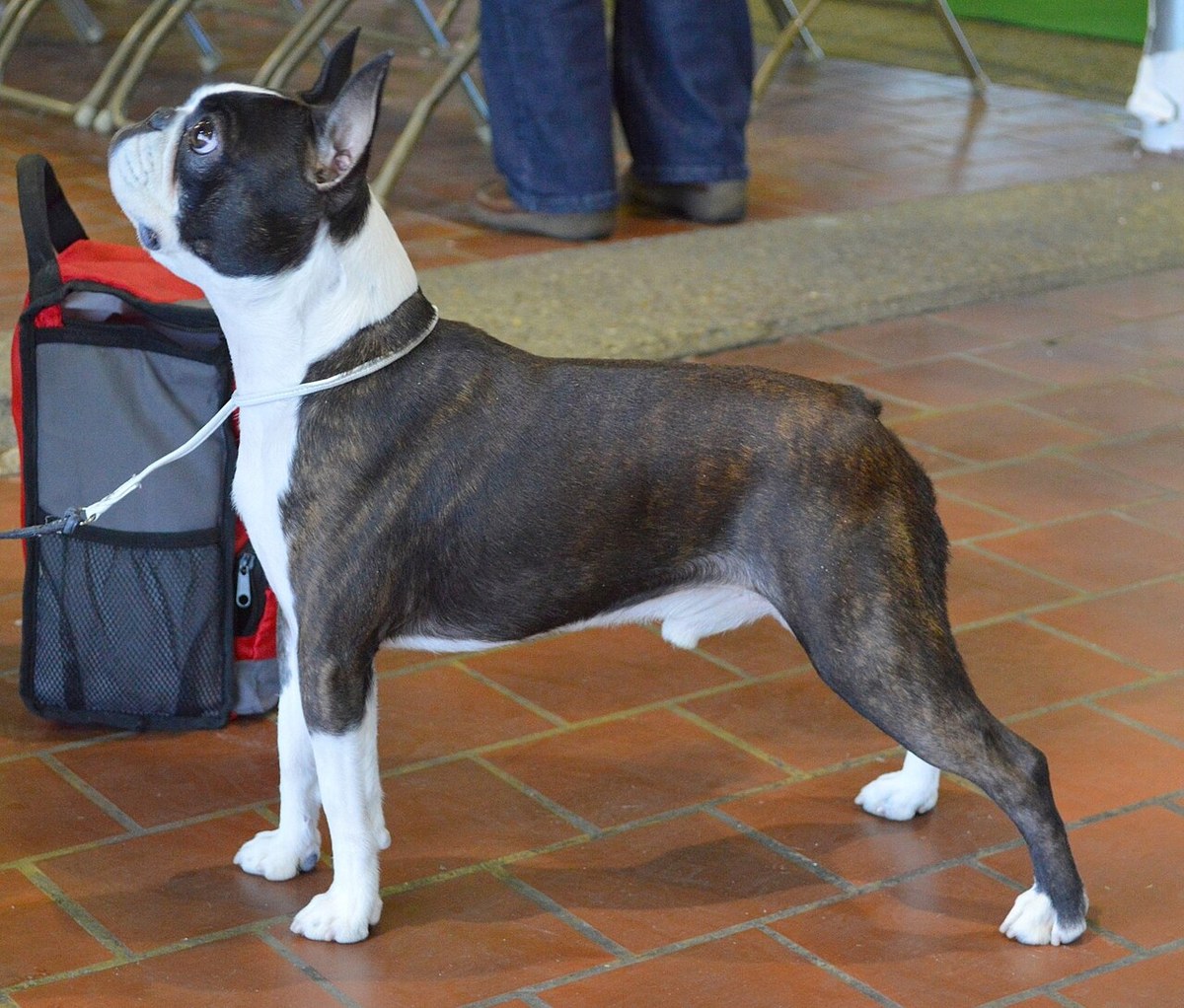
Boston Terrier standing in show pose on a tiled floor
A Boston Terrier in show pose (modern photograph). The breed standard asks for a compact body and a short, square head.

What the breed was bred for

Friendly, lively and eager to please

In plain trainer language: Bostons were selected to be cheerful companions. Most love people, enjoy play and learn quickly.

The challenges are excitability, jumping, mouthing and care in heat because of the short nose. Routines and calm exercise keep a Boston happy.

  • Calm greetings taught early
  • Short, cool walks in hot weather
  • Play with clear endings
  • Patient house training

Public references: FCI 140, AKC Boston Terrier, RKC.

Life together

A day is walks, play, company and naps

Bostons are adaptable city dogs. Most need moderate exercise, company and care in hot or very cold weather.

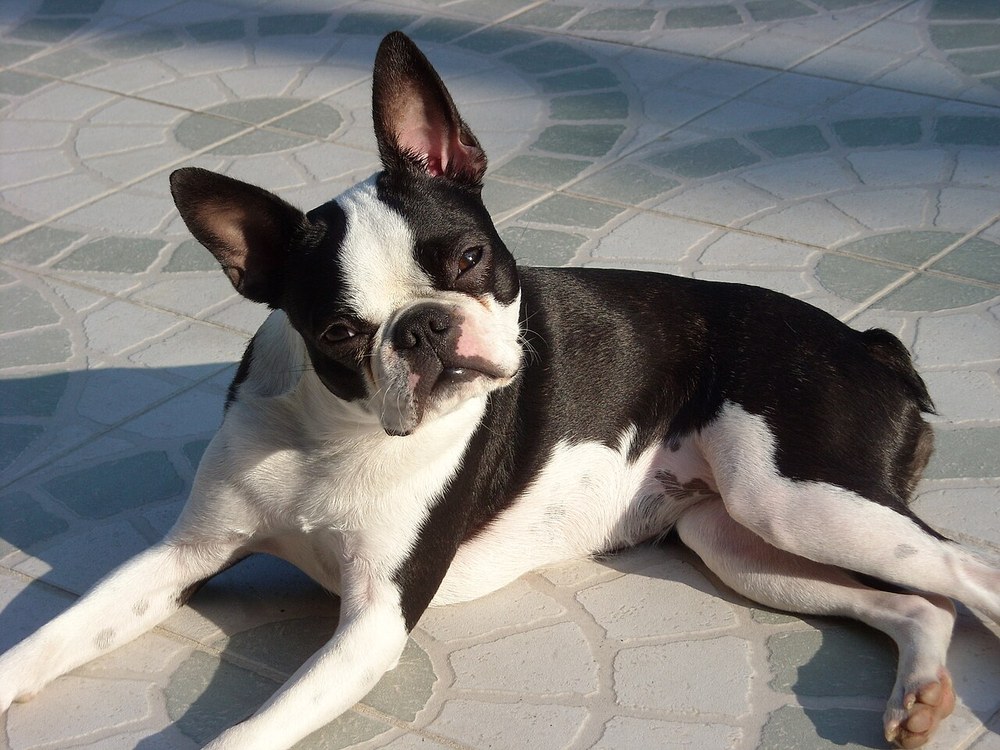
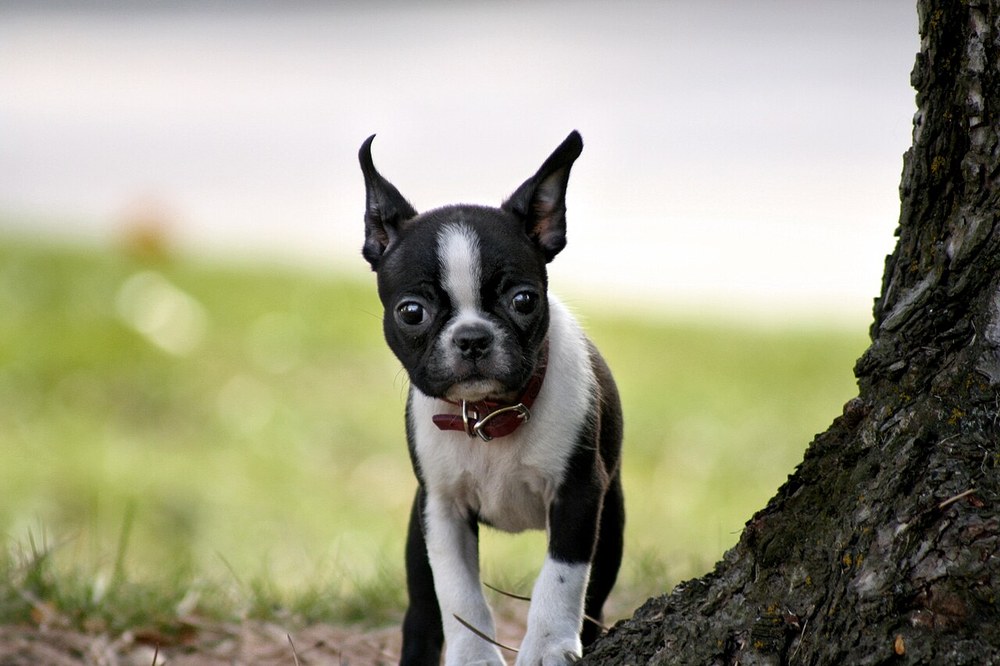
Boston Terrier face close-up on grass
Home · greetings

Four paws on the floor

Bostons love people and may jump. Reward calm greetings.

See jumping up and sit for greeting.

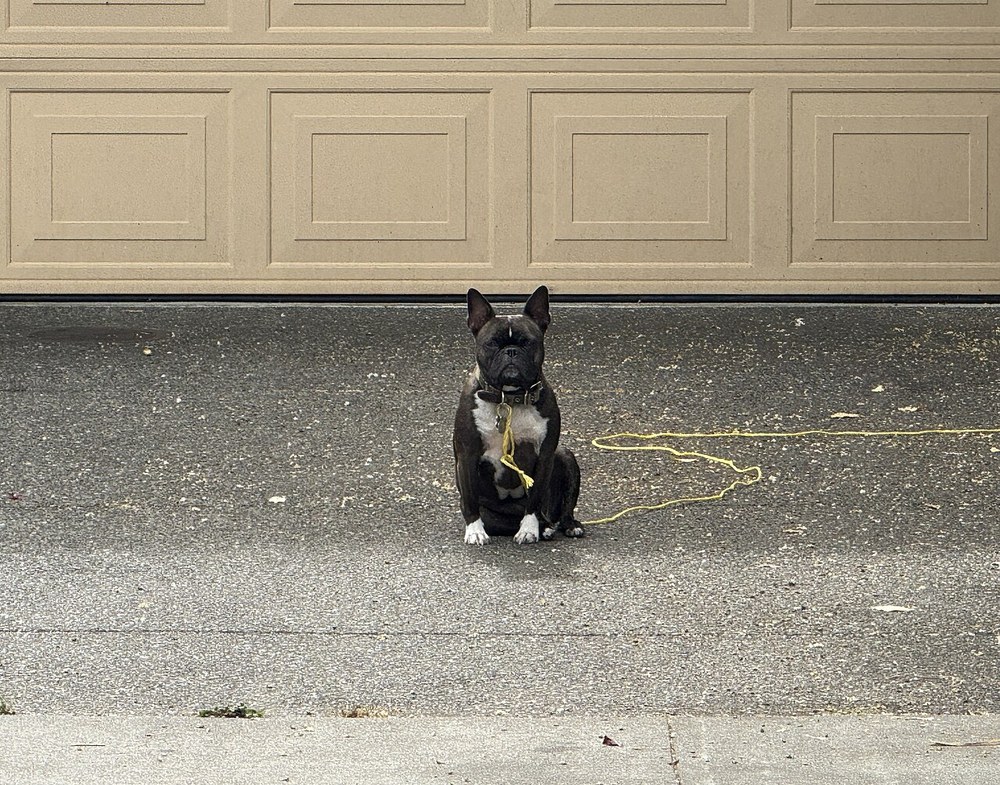
Boston Terrier sitting in a driveway in Sonoma, California
Driveway · street

Calm near the road

Teach waits at doors and gates so outings start calmly.

See wait at the door.

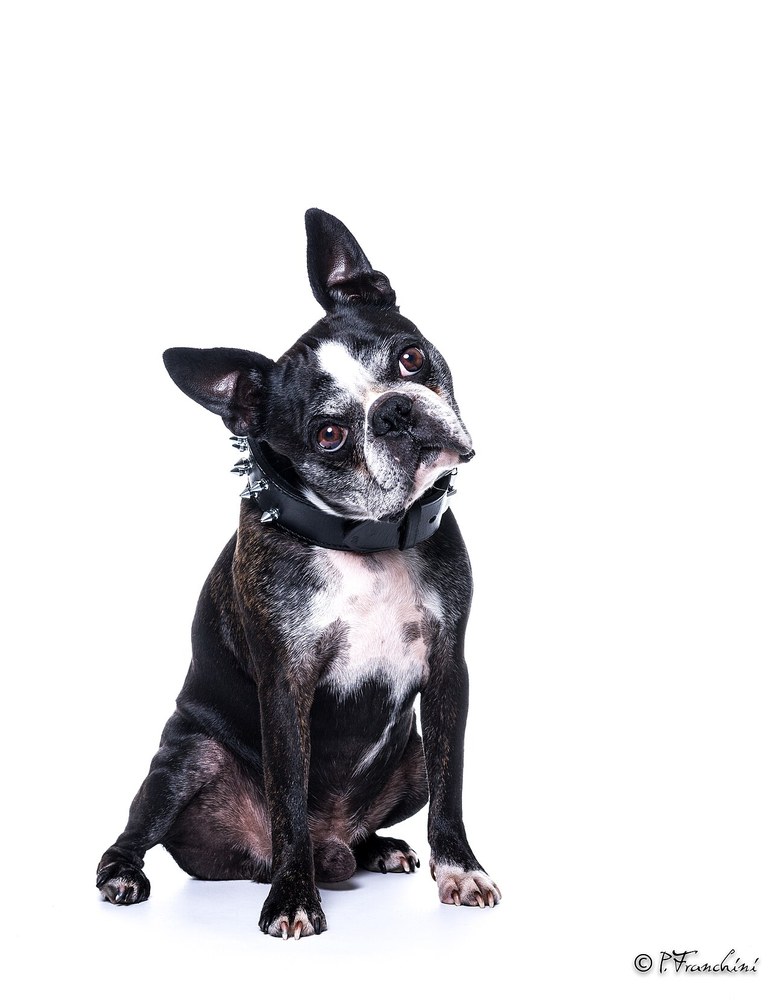
Boston Terrier sitting against a white background
Afternoon · play

Games with clear endings

Bostons get excited in play. Use toys and end games before the dog gets wild.

See tug rules.

Boston Terrier sitting in front of a house in Sonoma, California
Evening · settle

Naps after play

Most Bostons settle well after exercise. A bed near the family helps.

See place.

Care and health themes

What to watch monthly: breathing, eyes, weight and heat

General awareness only — I am a trainer, not a veterinarian. Notice changes in breathing, eyes, eating or energy. For urgent signs, see when to call the vet.

Heat

Short-nosed dogs cope poorly with heat. Walk in cool hours and avoid hard exercise on warm days.

Breathing

Note noisy breathing or tiring quickly and ask the vet.

Eyes

Prominent eyes are easy to scratch. See the vet for redness or squinting.

Health screening (not a diagnosis)

Ask the breeder which screenings the national breed club recommends and see results for both parents.

Toxins

I do not publish toxin amounts. Call a vet or poison-control line if the dog eats something dangerous.

Lines and types

Smaller and larger Bostons

Breed standards allow a range of weights. Size changes logistics more than temperament.

Smaller Bostons

  • Easy to carry and travel with.
  • Fit small flats well.
  • Fragile in rough play with big dogs.
  • Same lively character.

Suits city homes and quieter households.

Larger Bostons

  • Sturdier for family play.
  • Still compact.
  • Need the same heat care.
  • Same lively character.

Suits families with older children.

Socialization windows

What to introduce — and what not to overload — by age

AVSAB-aligned in spirit: short, clean exposures at a distance the puppy can still eat, with hygiene while vaccines finish. See the puppy socialization schedule.

2–4 months

Handling and gentle play

Introduce: toilet schedule, handling, crate, calm visitors.

Do not overload: rough play, jumping rewarded.

~6 months

Manners

Introduce: sit for greetings, recall, short absences.

Do not overload: overexcited play sessions.

~12 months

Adolescent energy

Introduce: regular walks, training games.

Do not overload: hard exercise in heat.

~18 months

Adult routines

Introduce: calm outings and café visits.

Do not overload: skipping training.

~24 months

Maintain routines

Introduce: refreshed greetings and settle.

Do not overload: weight gain from treats.

Before you buy

Who a Boston Terrier usually fits

A Boston fits people who want a small, friendly, playful dog and can protect it from heat.

Good match

More likely a good fit if you…

  • Want a small, sociable dog
  • Live in a flat or a house
  • Are home often
  • Enjoy moderate walks and play
  • Can keep the dog cool in summer

Mismatch risk

A Boston Terrier may be a poor choice if…

  • You want a running or hiking partner in hot weather
  • Long hours alone are routine
  • Jumping and excitement would be a problem
  • You live somewhere very hot without air conditioning
  • You expect a dog that needs no training

If you are torn between breeds

Boston Terrier vs French Bulldog and Pug

Bostons are often compared with French Bulldogs and Pugs — other small, short-nosed companions.

Build

Boston Terrier Compact and square, longer legs.

French Bulldog Heavier, bat-eared, lower to the ground.

Energy

Boston Terrier Lively and playful.

French Bulldog Usually calmer.

Coat

Boston Terrier Short, tuxedo markings.

Pug Short, fawn or black, sheds more.

Heat

Boston Terrier Needs care in heat.

Pug Also short-nosed and heat-sensitive.

Training

Boston Terrier Eager and quick.

Both compares All three respond well to short, reward-based sessions.

Ownership without surprises

Where a Boston owner’s budget goes

Costs depend on your area and breeder. Plan for these — not quotes.

Veterinary care

Ask which screenings the national breed club recommends.

Food

Small amounts; keep the dog lean.

Cooling

Shade, water and cool spots in summer.

Gear

Harness, coat for cold weather.

Training

Puppy class and games.

Pet care

Sitter or day care if you work long hours.

With a Boston, veterinary care and heat management deserve the most planning.

Before day one at home

What to prepare for a Boston Terrier puppy

A Boston puppy is bouncy and mouthy. Start calm greetings and toilet routines early.

If the dog is already yours

Training is calm greetings, play with endings and short sessions

Bostons learn fast with food and play. Keep sessions short and fun.

Focus on calm greetings, gentle play, toilet habits and time alone.

Tricks, scent games and short walks are good outlets.

Load balance

Moderate exercise and lots of company

Daily walks and play suit most Bostons. Keep it gentle on hot days.

Walk Play Tricks Chew Nap

Walks, fetch, trick training and puzzle feeders suit most Bostons.

A Boston with calm routines is a delightful companion.

Calm greetings

How to teach a Boston Terrier to greet without jumping

Start with family members, then practise with visitors.

  1. 01

    Prepare treats

    Keep treats by the door.

  2. 02

    Reward four paws

    Treat when all paws stay on the floor.

  3. 03

    Turn away from jumps

    Calmly turn away if the dog jumps.

  4. 04

    Practise with visitors

    Ask visitors to wait for calm.

  5. 05

    End calmly

    Finish with a chew or place.

One scene close-up

Why your Boston jumps on visitors

Bostons love people and jumping gets attention.

Reward four paws on the floor and ask visitors to wait until the dog is calm.

If jumping is intense, use a lead for greetings and ask a trainer for help.

Jumping up Sit for greeting Guest entry plan

Typical household scenes

Where Boston Terrier owners most often need help

A breed page is only a starting point; the fix depends on health, environment, and the dog in front of you. Each row opens a step-by-step guide.

Practical view

“With a Boston Terrier, I look at excitement levels first. We teach calm greetings, play with clear endings and short rests — and keep exercise sensible in heat — because a happy Boston can tip into over-excitement fast.”

Sessions cover real scenes: jumping and mouthing, wild play, barking at the door, time alone, and settling after walks. I am a trainer, not a veterinarian. No invented reviews.

Andrew Darov Professional dog trainer and instructor
WhatsApp consult

Talk through your Boston Terrier

Describe age, living setup, and where the dog breaks first — jumping and mouthing, over-excitement, barking, or time alone. Opens WhatsApp to Andrew.

Short answers

FAQ

Is a Boston Terrier a good first dog?
Often yes, for an owner who teaches calm greetings and manages heat.
Are Bostons good with children?
Usually friendly and playful; supervise play.
Do Bostons shed?
A little; weekly brushing is enough.
How much exercise does an adult need?
Daily walks and play, gentle in heat.
Can a Boston live in an apartment?
Yes, they are classic city dogs.
Do Bostons cope with hot weather?
Not well; walk in cool hours and avoid hard exercise.
Do Bostons bark a lot?
Usually moderate; teach calm door routines.
Are they good with other dogs?
Most are sociable.
What about health?
Ask which screenings the national breed club recommends and see the parents' results.
What is the typical lifespan of a Boston Terrier?
Public breed references often give about 11 to 13 years. Individual dogs vary.
Is crate training a good idea?
Yes, as a calm resting place.

If a short nose worries you

If you like small, lively dogs but want a longer muzzle, consider this one.

French Bulldog

A compact companion with a clown reputation and a respiratory system you do not get to ignore.

English Bulldog

A gentle, sturdy, short-nosed companion that needs cool, short walks, a lean body and regular skin-fold care.

Pug

An affectionate, funny companion from China that needs cool short walks, a lean body and face-fold care.

More Non-Sporting group breeds

Other guides from the same group in the breed library. Same group does not mean same dog: read the fit and the failure modes, not only the outline.

Chinese Shar-Pei

A calm, wrinkled guardian breed from southern China that is reserved with strangers and needs gentle socialization and skin care.

Chow Chow

An ancient, dignified Chinese breed that is often reserved with strangers and needs early handling, coat care and calm routines.

Coton de Tulear

A cheerful white companion from Madagascar with a cotton coat. Needs grooming habits, alone-time training and four-paws-down manners.

Dalmatian

An athletic, spotted coach dog that loves people and needs daily running, calm greetings and reward-based training.

Finnish Spitz

Finland’s red bark-pointing bird dog. Cheerful and affectionate, with a famous voice that needs an alert routine and daily sniff walks.

Keeshond

A friendly, fluffy Dutch barge dog that loves people and needs help with barking, regular grooming and company.

Need a read on your exact situation?

Describe your Boston Terrier’s age and the scene that repeats most: jumping and mouthing, over-excitement, barking, or time alone. We check safety first, then pick the first skill.

Written by Andrew Darov, professional dog trainer. Not veterinary advice and not a diagnosis. Not a kennel club. No invented reviews. No vaccine schedules or toxin doses. Photo credits in /images/breeds/boston-terrier-guide/credits.md.