Dalmatian: temperament, training & coach-dog stamina
The Dalmatian is an athletic, spotted dog famous as a carriage and firehouse dog. Most are energetic, affectionate and playful. Life goes well with daily exercise, gentle training, calm greetings and lots of company.
Job: English coach dog — runner and guardian of horses.
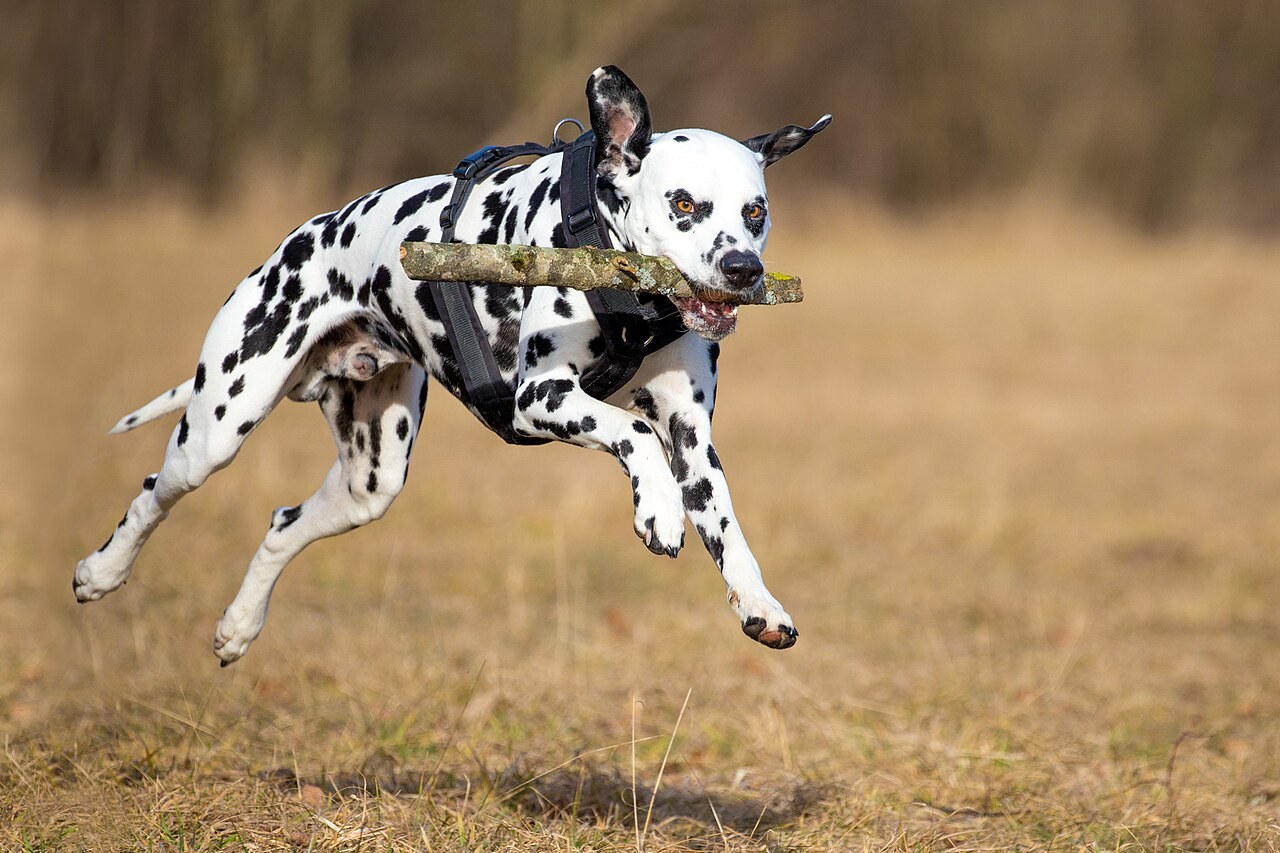
History does not decide what one puppy becomes, but it explains a lot: most Dalmatians are energetic, athletic and people-focused — endurance runners that need daily exercise and training.
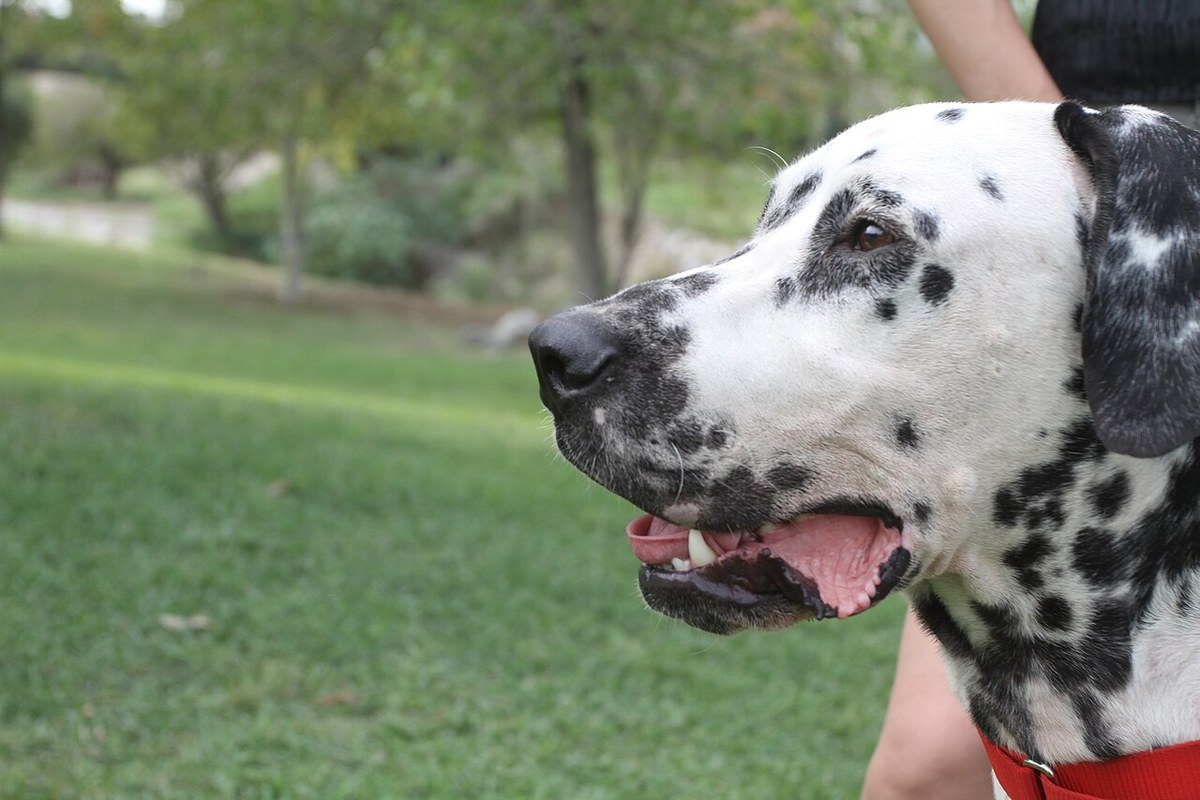
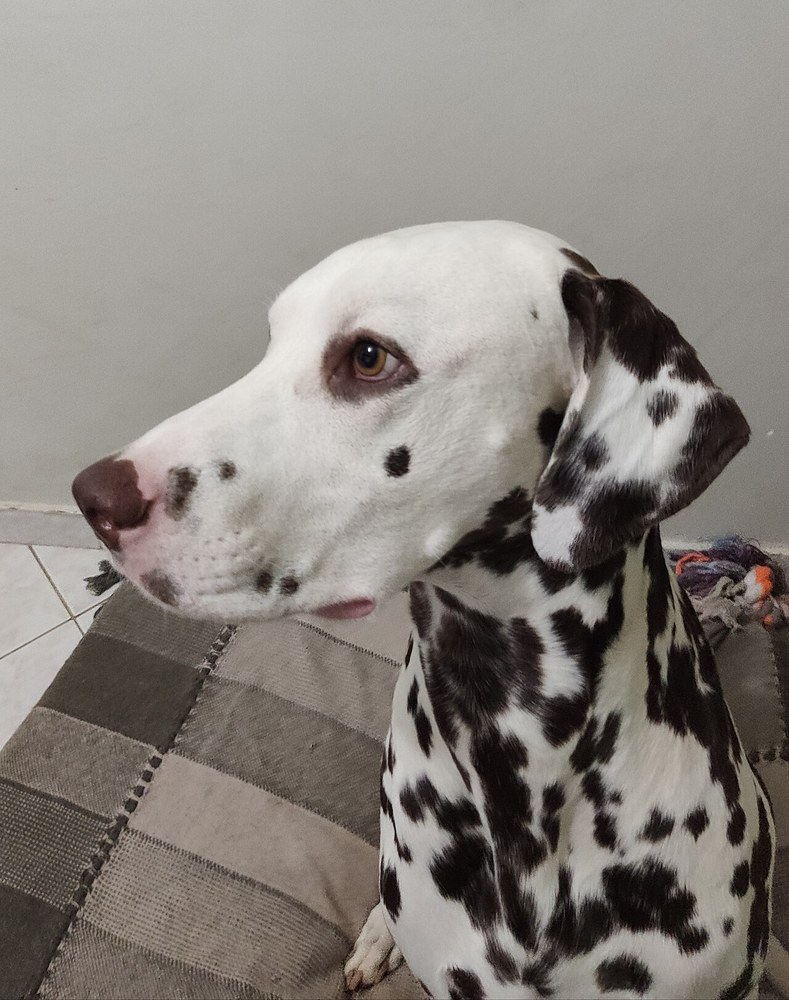
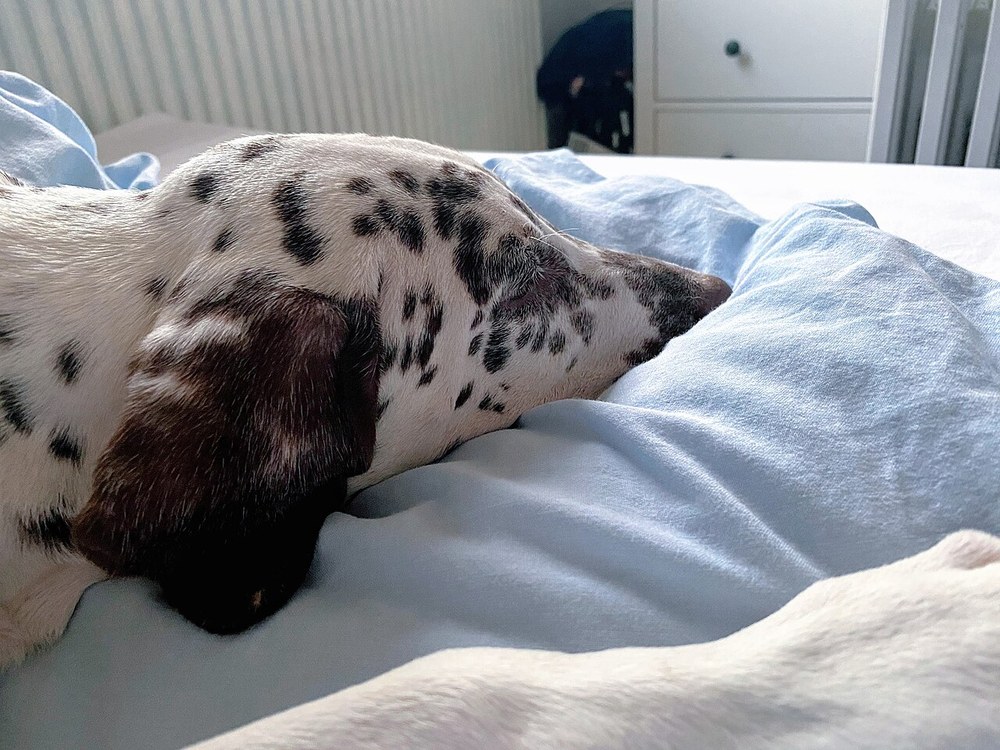
Argos, an adopted Dalmatian, in close-up (modern photograph). The spots are unique to every dog.
Mysterious origins → English coach dog
A runner beside horses and carriages
The breed’s name links it to Dalmatia on the Adriatic coast, but public histories agree its true origins are uncertain. The Dalmatian became famous in England as a coach dog.
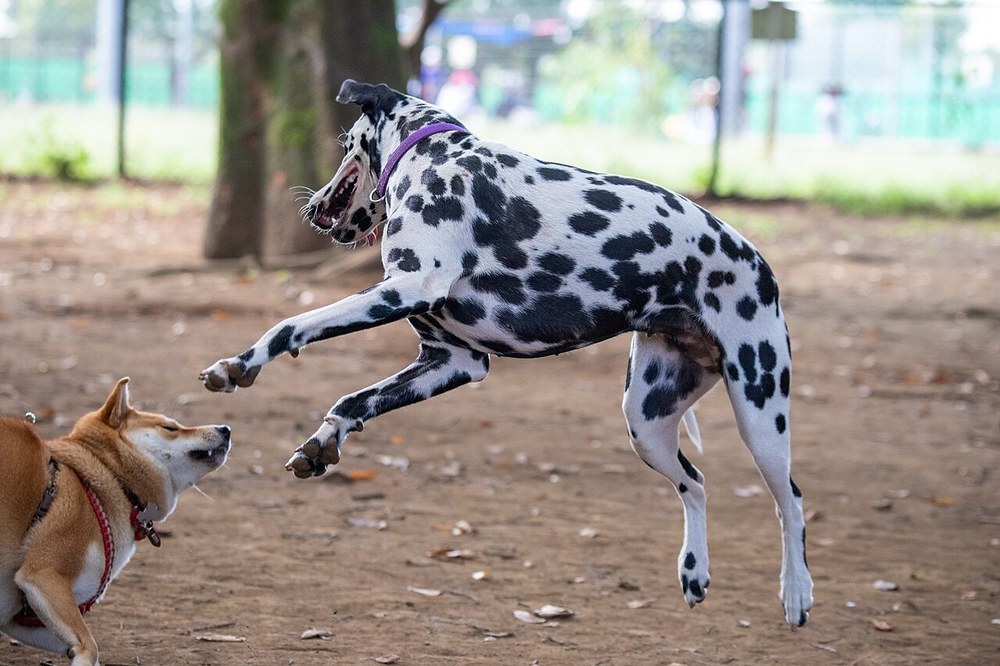
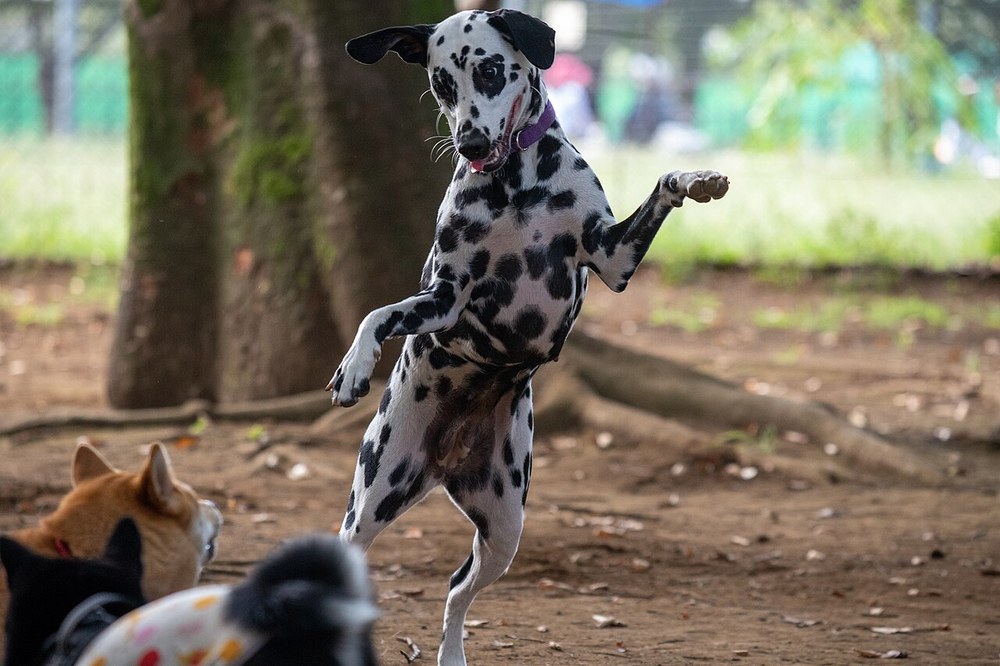
Coach dogs ran beside horse-drawn carriages, cleared the way and guarded the horses and coach at rest. That job needed stamina and a strong bond with horses and people.
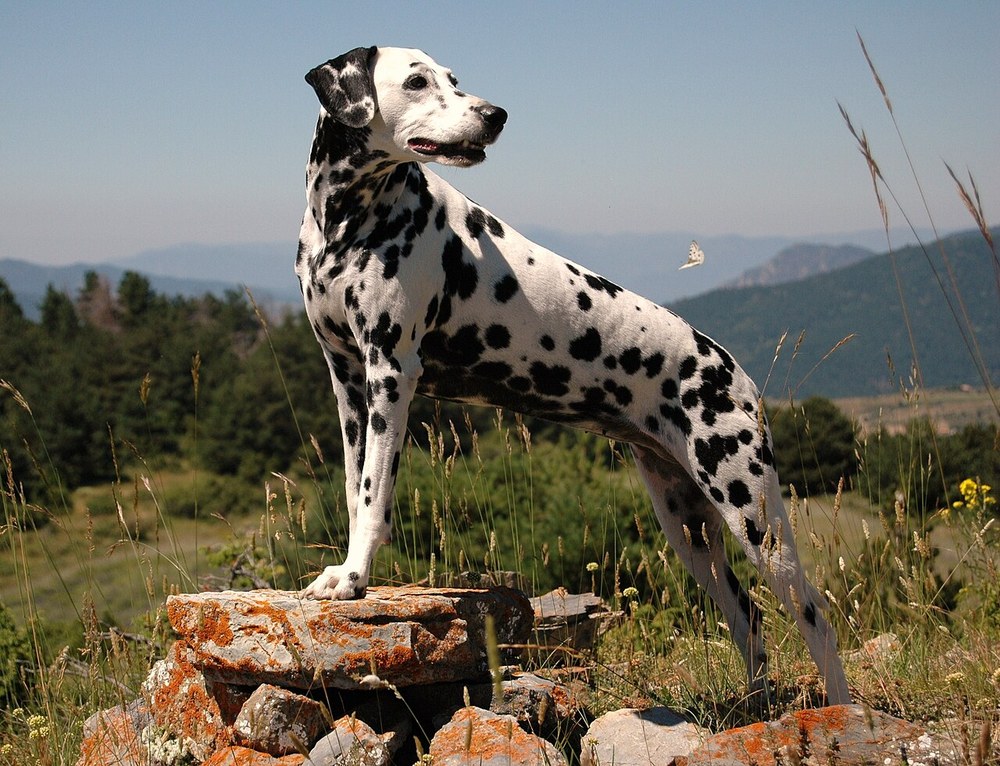
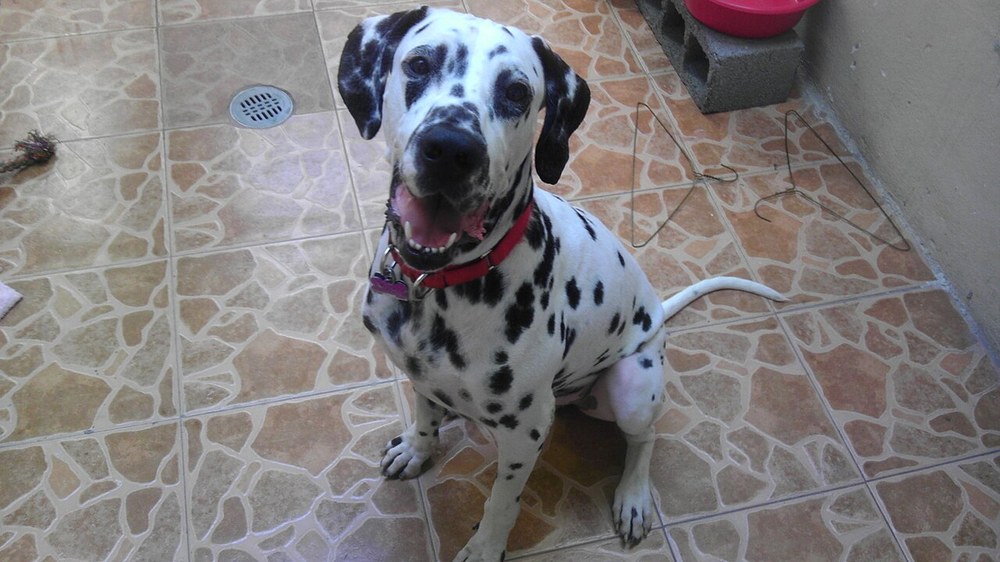
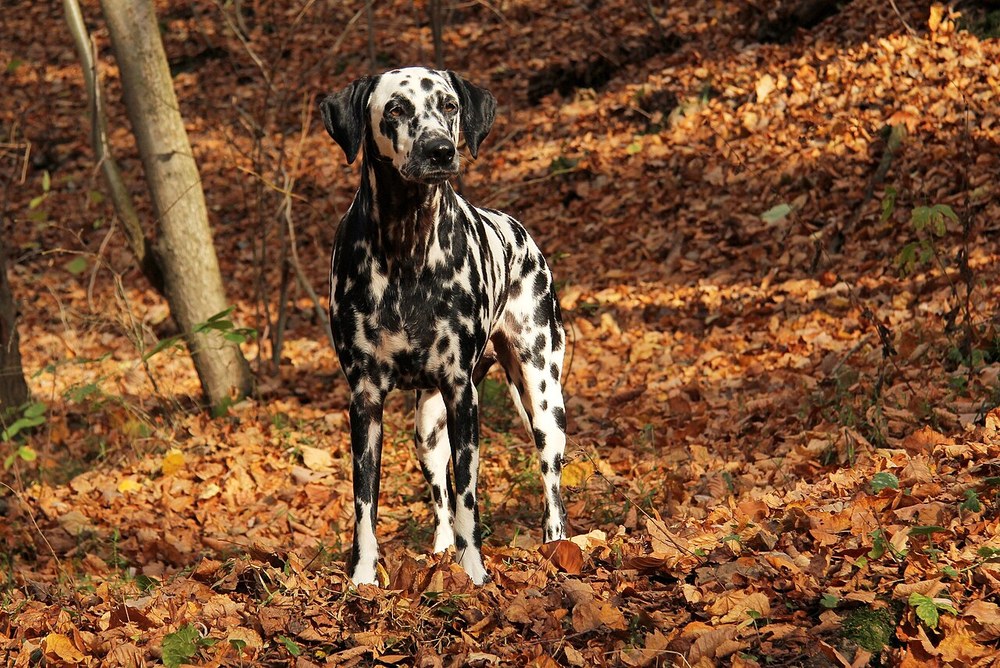
A seven-year-old Dalmatian in the Catalan Pyrenees (modern photograph). Endurance is still part of the breed.
Carriages → firehouses → films
Firehouse mascot and film star
In the era of horse-drawn fire engines, Dalmatians ran with the engines and guarded the horses. They are still linked to fire brigades, especially in the United States.
Films made Dalmatians hugely popular, and many were bought without a plan for their energy. Rescues still see the results — meet the parents and see their energy level.
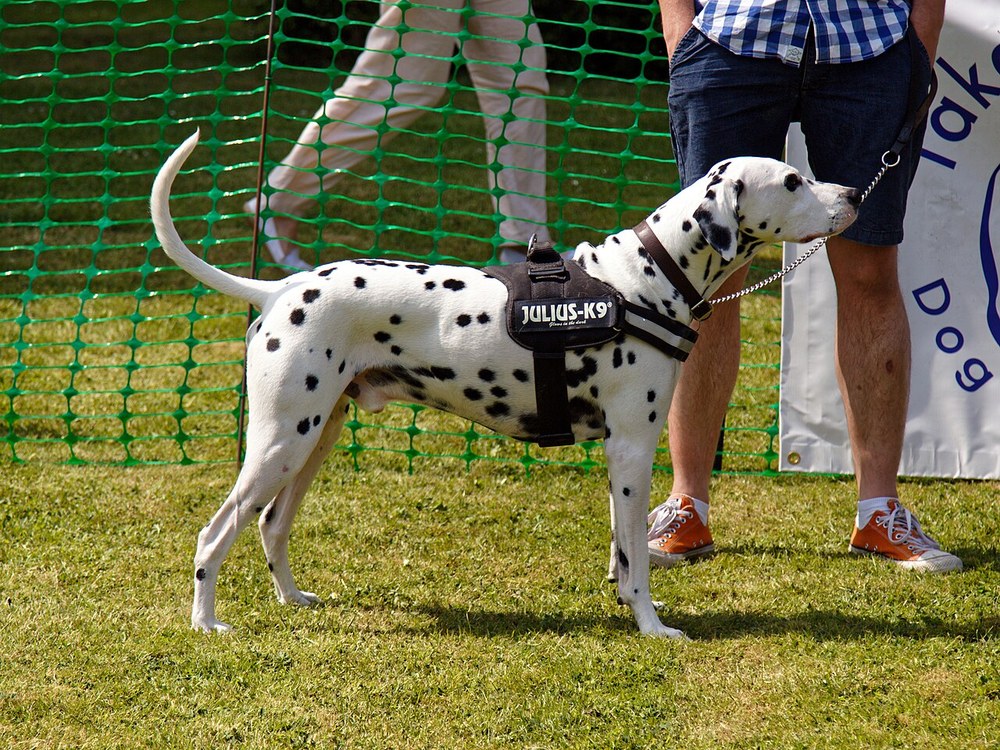
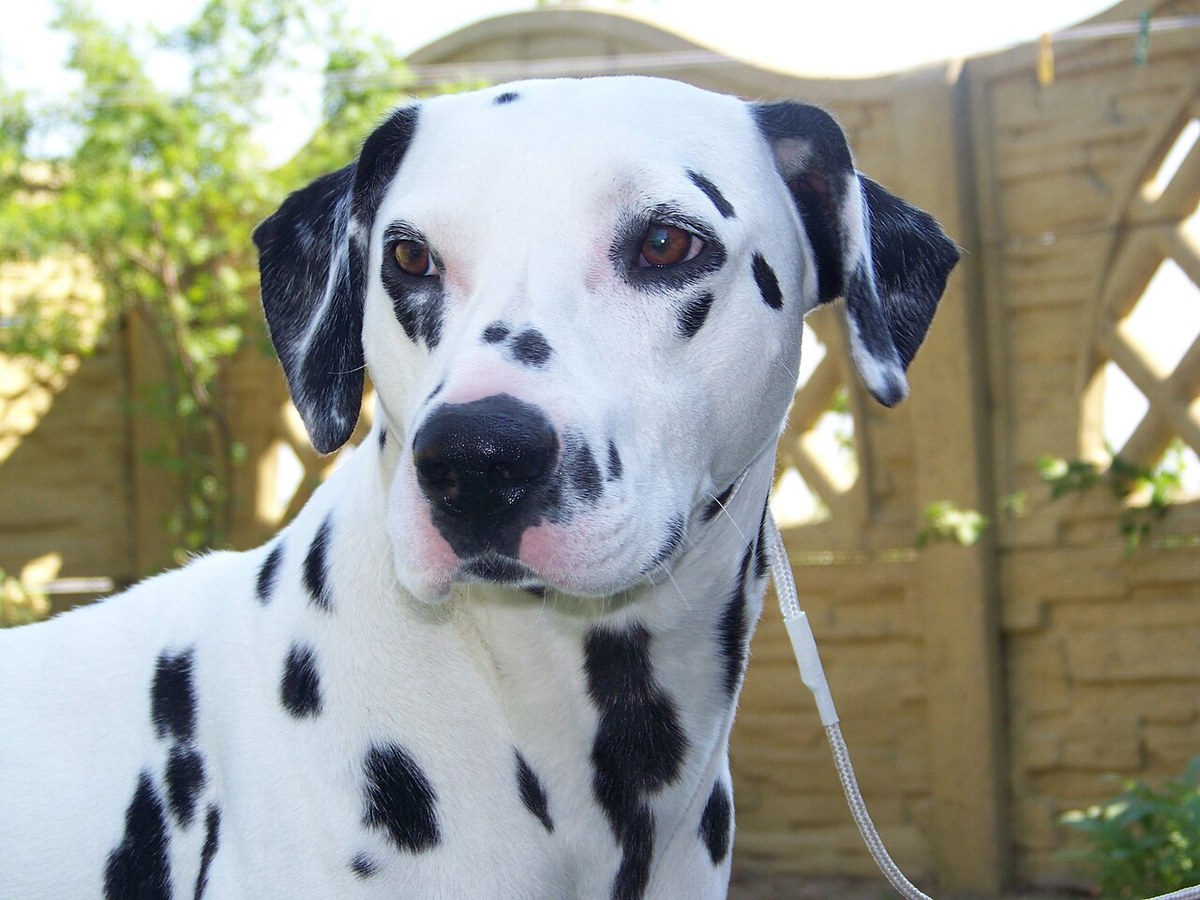
A Dalmatian in the show ring at Easton Lodge Gardens, Essex (modern photograph). The breed standard asks for a balanced, athletic dog.
What the breed was bred for
Energetic, loyal and sensitive
In plain trainer language: Dalmatians were selected to run long distances and stay close to their people. Most are affectionate, playful and sensitive to harsh handling.
The challenges are energy, jumping, pulling and boredom. Daily exercise and reward-based training keep a Dalmatian happy.
Ask the breeder which screenings the national breed club recommends and see results for both parents and the puppy.
Exercise
Build running distance slowly in young dogs.
Toxins
I do not publish toxin amounts. Call a vet or poison-control line if the dog eats something dangerous.
Lines and types
Black spots or liver spots
Dalmatians come with black or liver (brown) spots. Colour does not change temperament.
Black-spotted
Black spots on a white coat.
The most familiar colour.
Dark nose and eye rims.
Same energy and needs.
Suits owners who love the classic look.
Liver-spotted
Brown spots on a white coat.
Brown nose.
Often lighter eyes.
Same energy and needs.
Suits owners who like a warmer look.
Socialization windows
What to introduce — and what not to overload — by age
AVSAB-aligned in spirit: short, clean exposures at a distance the puppy can still eat,
with hygiene while vaccines finish. See the
puppy socialization schedule.
“With a Dalmatian, I look at exercise before anything else. We build daily running or long walks, calm greetings and loose-lead skills — because a coach dog without enough miles turns its energy on the house.”
Sessions cover real scenes: jumping and pulling, recall in open spaces, time alone, rough play, and settling after exercise. I am a trainer, not a veterinarian. No invented reviews.
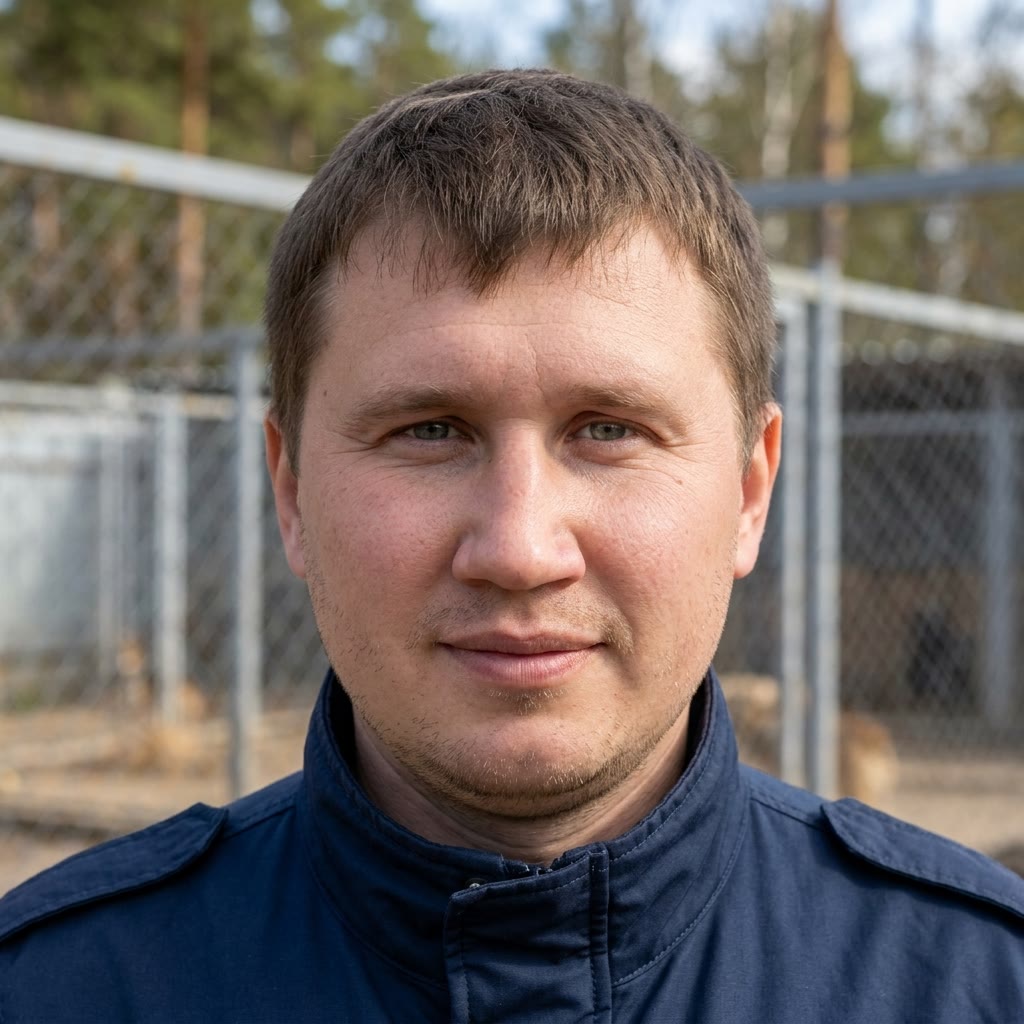
Andrew DarovProfessional dog trainer and instructor
A water-retrieving athlete that people mistake for a decoration once the coat is clipped.
Need a read on your exact situation?
Describe your Dalmatian’s age and the scene that repeats most: jumping and pulling, too much energy, recall, or time alone. We check safety first, then pick the first skill.
Written by Andrew Darov, professional dog trainer. Not veterinary advice and not a diagnosis.
Not a kennel club. No invented reviews. No vaccine schedules or toxin doses. Photo credits in
/images/breeds/dalmatian-guide/credits.md.