Coton de Tulear: temperament, training and handling confidence for a cotton-coated companion
The Coton de Tulear is a small white companion from Madagascar named after the port town of Tuléar and its cotton-textured coat. Most are cheerful, clownish and deeply attached to their people. The traps are the ones every soft small dog meets: being carried everywhere, being brushed against its will, and never learning to be alone. A good plan builds calm handling, real small-dog manners and independence from the first week.
Job: Companion dog from Madagascar, part of the bichon family; bred to live close to people.
Energy: Moderate; playful bursts, daily walks and games, then happy to rest nearby.
Home: Fits flats and family homes well if grooming, alone-time training and manners are taken seriously.
The coat is soft. The dog underneath still needs clear rules and a lot of handling practice
Public histories link the Coton to Madagascar, where small white dogs lived with well-off families near the southern port of Tuléar, now Toliara. It belongs to the same broad family as the Bichon Frise, Maltese and Havanese. The breed reached Europe and North America in the second half of the twentieth century and has been a companion its whole recorded life.
That background explains what I usually see. Cotons are sociable, playful, sensitive to tone of voice and keen to follow their owner from room to room. They learn quickly with food and play. Problems tend to grow from how they are handled: lifted without warning, groomed in long wrestling sessions, and comforted every time they whine at a closed door.
From the start I build three habits. Handling and brushing in short, rewarded pieces the dog agrees to. Four paws on the floor for greetings, doors and walks. And short, calm absences that grow slowly. Those three make the difference between a relaxed companion and an anxious little shadow.
Companion dog from Madagascar; bichon family (FCI Group 9; AKC Non-Sporting)
Breed history
How a small white dog from Madagascar became a modern companion
History does not decide your puppy’s personality, but it helps explain why Cotons are so people-focused, why many find separation hard, and why the coat is part of daily life.
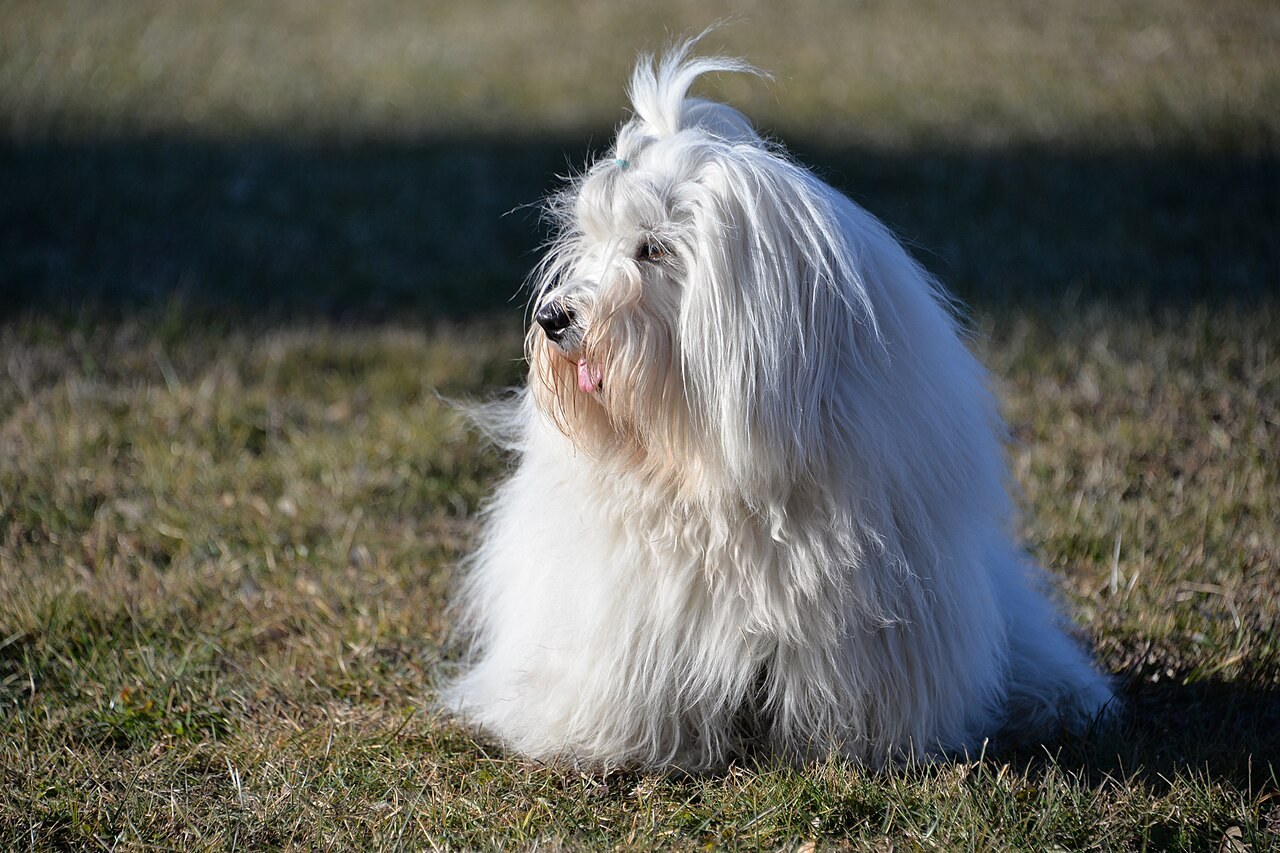
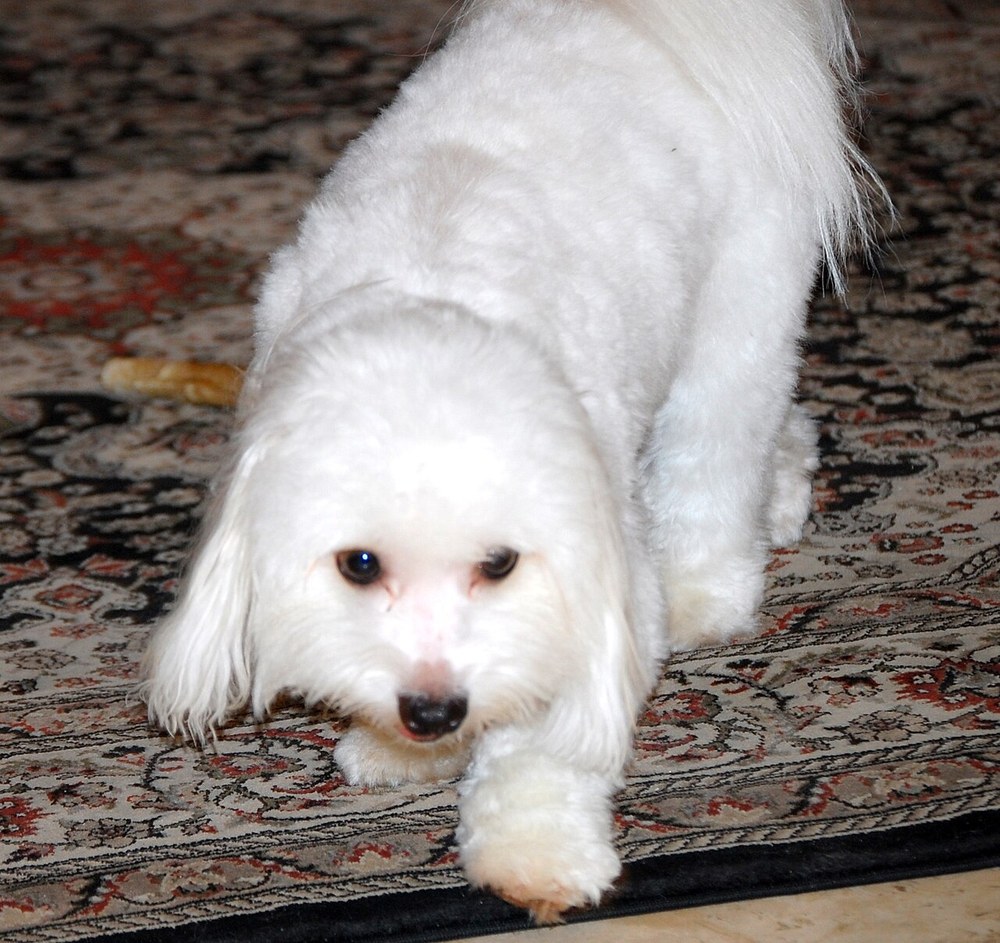
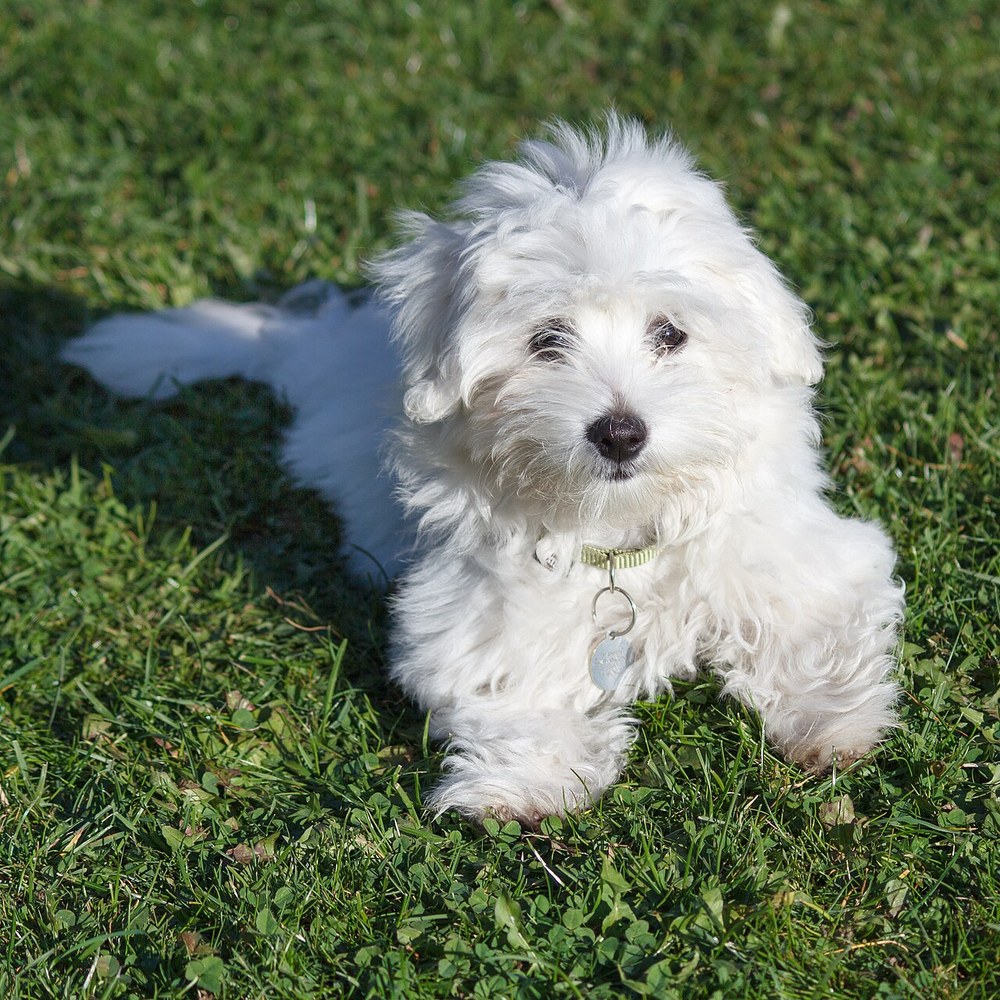
A Coton on a lawn (public domain). The breed’s job has always been company, and play in the garden is part of it.
Indian Ocean → the port of Tuléar
A companion of the southern Malagasy coast
Public breed accounts describe small bichon-type dogs arriving in Madagascar by sea some centuries ago and living with local nobility and merchant families. The details are part lore and part record. What is clear is that the dog was kept close to the family as a companion, not as a hunter or guard.
That shaped the temperament owners meet today: affectionate, alert to the household, quick to learn when it is fun, and quite unhappy when left out. A Coton tends to want to be where you are.
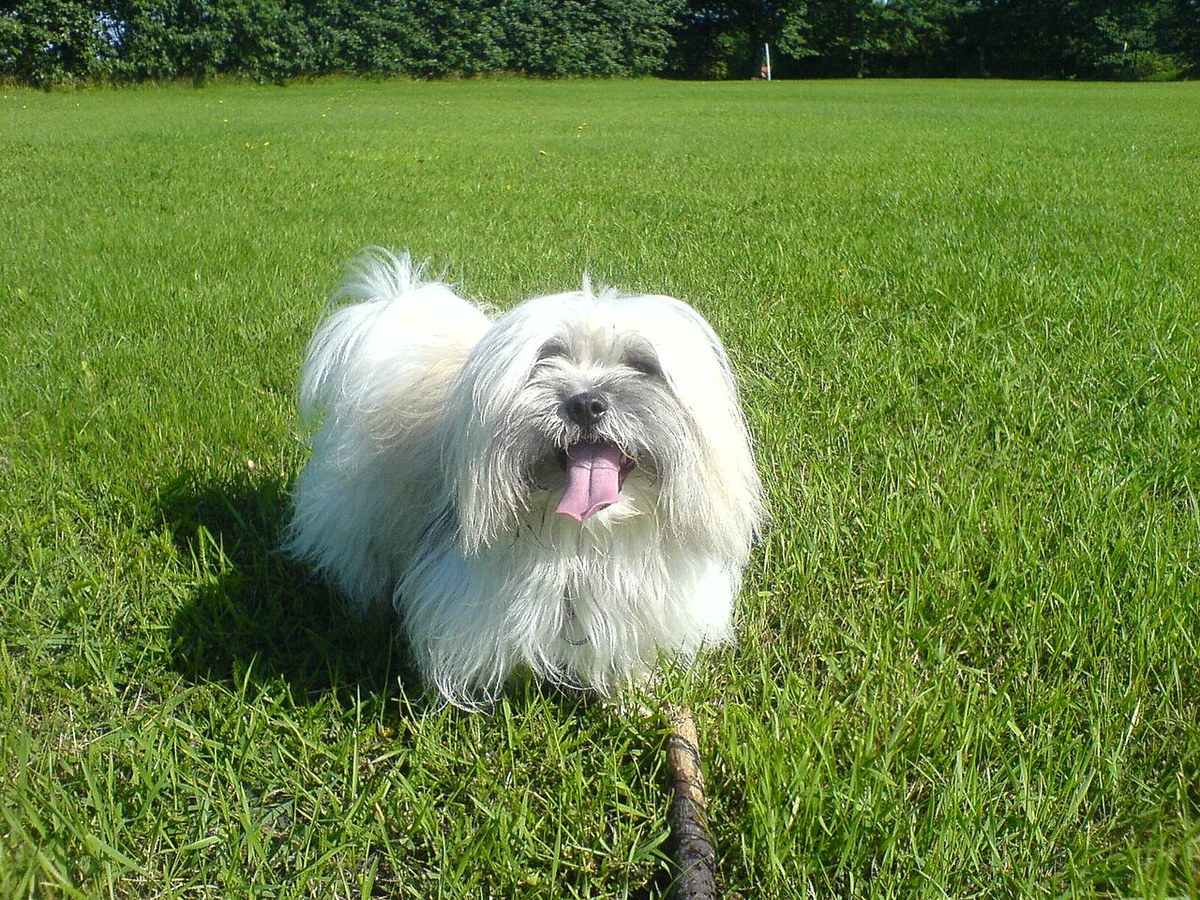
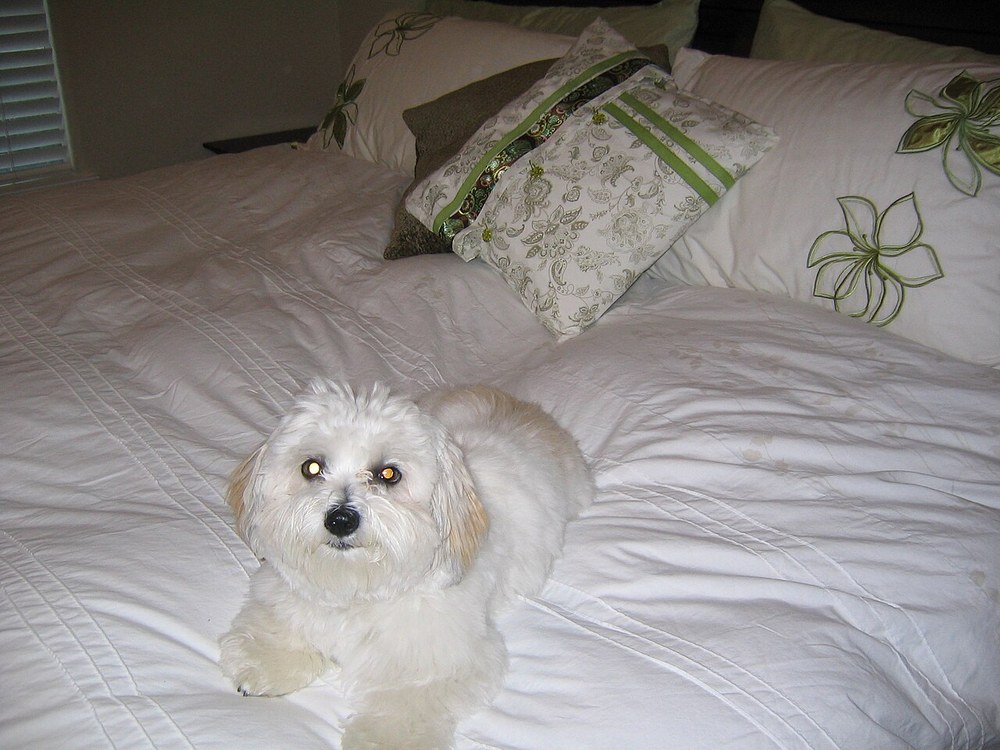
A tri-colour coton-type dog listed on Commons as a Malagasy Coton (CC0). Coloured patches still turn up; show standards prefer white.
Island dog → European kennel clubs → American homes
From Madagascar to the show ring in a few decades
French fanciers took an interest in the breed in the 1960s and 1970s, and it was recognised by the FCI with a Madagascan and French standard. Dogs reached North America in the 1970s. The American Kennel Club admitted the breed much later, into the Non-Sporting group, while the UK lists it with the toys.
Today the Coton is mostly a family companion in apartments and suburban homes. Some do well in obedience, tricks and small-dog agility because they enjoy working with a person.
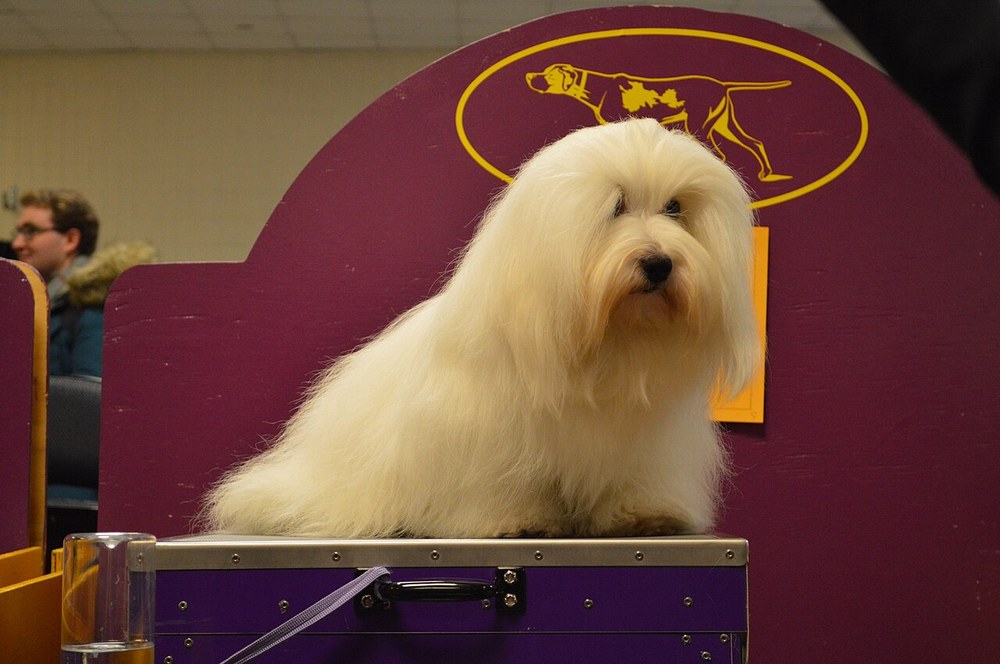
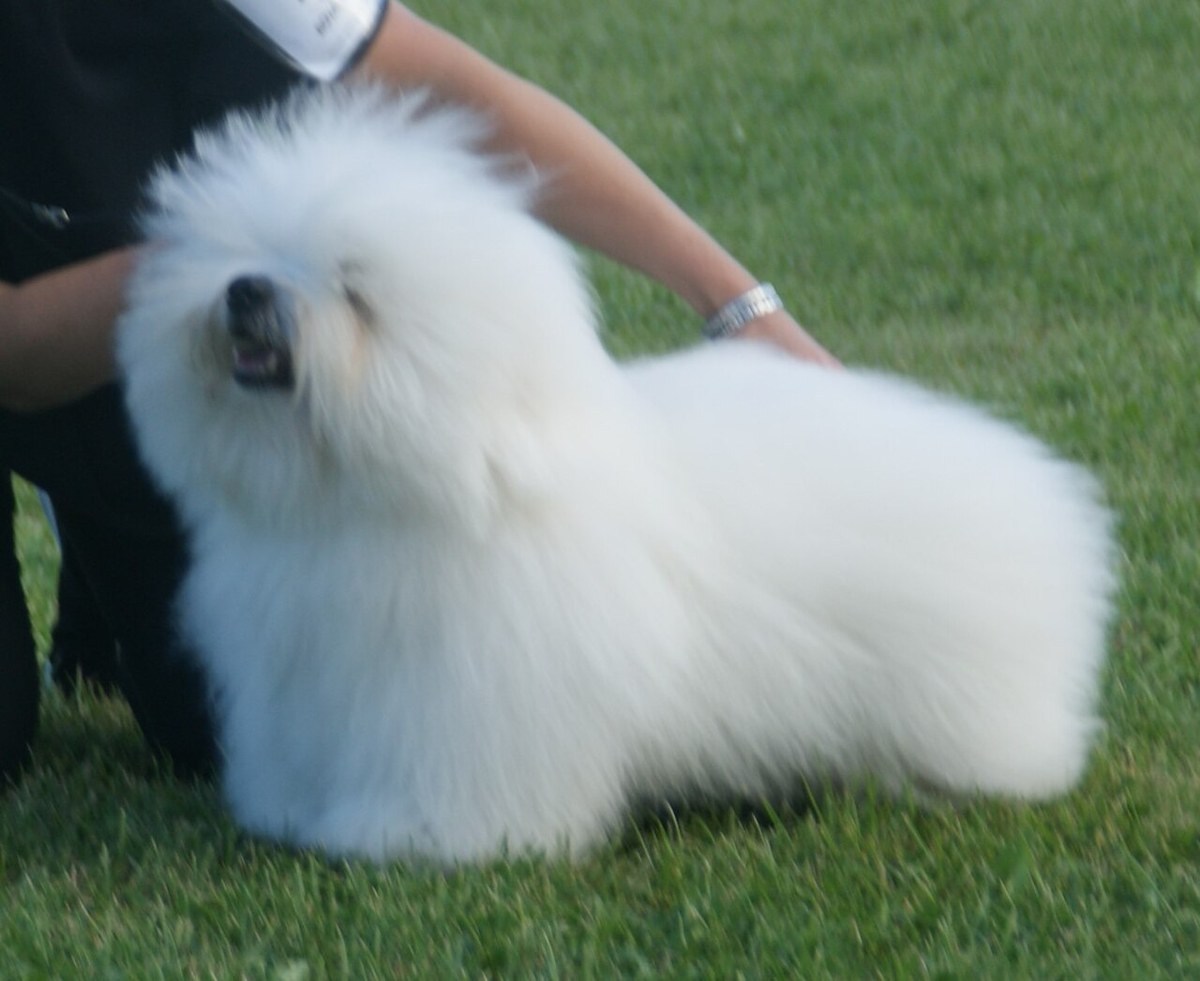
A champion Coton at a US show (CC BY 2.0). The show coat is beautiful; a pet trim is common and perfectly fine.
What the breed was bred for
Closeness, play and sensitivity
In trainer terms the breed was selected to stay near people and be pleasant company. That gives you an eager, cooperative learner, and also a dog that can struggle with isolation, rough handling and harsh tones.
Cotons often have a playful, bouncy style and like to “talk” with grumbles and short barks. Short, upbeat sessions with food and toys work very well. Nagging and scolding tend to make them clingy or avoidant.
People-focused: teach alone time early
Soft coat: handling and brushing as trained skills
A day includes a walk, a game, a short brush, and some time on its own
In daily life a Coton’s companion job shows up as following you around, barking for attention, jumping at guests and resisting grooming if it was never taught. Most are also easy, funny and affectionate dogs. Small routines done every day beat long weekend projects.
Morning · walk
A small dog still gets a proper walk
Twenty to forty minutes of walking with time to sniff, plus a few minutes of play, meets most adult Cotons’ needs. Walk it on its own feet. Being carried past every dog or puddle teaches nothing and keeps the dog unsure of the world.
Short tug with rules, fetch that ends on cue, hand targeting and simple tricks keep a Coton’s brain busy. Use part of the daily food ration for training so treats do not pile up.
Many Cotons greet visitors by bouncing at knees and barking. Ask guests to ignore the dog for a minute, reward the dog for keeping its feet down, and give it a place to go. Picking it up to stop the jumping usually rewards the jumping.
A long coat mats fast behind the ears, in the armpits and on the legs. Brush a small area, reward, stop. Several short sessions a week are easier on everyone than one long fight on Sunday. A pet trim lowers the load if you need it.
Give the dog a bed or pen where it rests while you are home and busy. Leave for a minute, come back calmly, and build up slowly. A Coton that can rest without you in the room copes far better with real absences.
General awareness only. I am not a veterinarian. With Cotons, owners often notice problems first as skipping on a back leg, scratching or licking, red or weeping eyes, bad breath, or a dog that suddenly does not want to be touched. For red flags, leave this page and open
when to call the vet.
Knees and back
Kneecap problems are common in small breeds, and back pain can also show up. Skipping, a hunched back, or yelping when lifted are vet visits. See limping stop list.
Eyes
Breed clubs mention inherited eye conditions, including a retinal disorder with a DNA test. Ask the breeder about eye exams and testing. Keep the hair around the eyes tidy.
Skin, coat and mats
Mats hold moisture and can hide sore skin. Brush to the skin, dry the coat fully after baths, and check under the legs and ears. Scratching and licking deserve a vet check.
Teeth
Small mouths often crowd teeth. Brush regularly and ask your vet about dental checks. See trainer and veterinarian.
Weight and treats
A Coton is small, so a few extra treats add up quickly. Weigh food and use part of it for training. See treat calories in the ration.
Lifting and jumping
Teach a ramp or step for the sofa and lift the dog with both hands under chest and rear. Many back and leg injuries start with jumps from furniture.
Lines and types
Show and pet lines share the same people-focused dog
No bloodline marketing. The differences you will notice are in coat volume, activity level and how confident the parents are with strangers. Every Coton needs grooming habits, alone-time training and real manners.
Show-influenced lines
Often heavier, longer coats that need more brushing.
Parents are used to being handled on a table; ask how they are at home.
Ask about eye testing, knees and the age of the oldest dogs in the pedigree.
Coat can be trimmed short for pet life without any harm.
Fits an owner who enjoys grooming or will budget for a groomer every few weeks.
Companion lines
Often lighter coats and very sociable temperaments.
Meet the mother and watch how she handles you arriving and leaving.
Avoid sellers who cannot show health testing or who always have puppies.
Separation and greeting habits matter in every line.
Fits a home ready for daily walks, short grooming sessions and gradual alone-time training.
Socialization windows
What to introduce — and what not to overload — by age
AVSAB-aligned in spirit: short, clean exposures at a distance the puppy can still eat,
with hygiene while vaccines finish. See the
puppy socialization schedule.
2–4 months
Home and handling
Introduce: short brushing and touch sessions paired with food, a bed or pen of its own, doorbell sounds at low volume, short absences of a minute or two, harness wearing.
Do not overload: being carried everywhere, long grooming sessions, being passed around a crowd, comforting every whine at the pen.
~6 months
The world at a distance
Introduce: calm dogs, children, bikes and shops at a distance where the puppy can still eat; a first visit to the groomer just to eat treats; walks on varied ground.
Do not overload: rough play with big dogs, crowded dog parks, skipping brushing because the puppy coat looks fine.
~12 months
Adolescent coat and manners
Introduce: the coat change with extra brushing, guests by script, longer alone time, café settles on a mat.
Do not overload: letting mats build up, picking the dog up to end every jump, sudden long absences.
~18 months
Adult routines
Introduce: regular grooming appointments, new walking routes, travel in a crate or car seat.
Do not overload: letting weight creep up, dropping alone-time practice, ignoring a skipping leg.
~24 months
Keep it fresh
Introduce: refresh greeting and alone-time routines, keep handling short and pleasant, yearly health checks including eyes and teeth.
Do not overload: treating the adult as a toy, assuming separation problems will fade on their own.
Before you buy
Who a Coton de Tulear usually fits
Fit depends on everyday habits: short daily grooming, alone-time training, walking the dog on its own feet, and calm manners for a small, sociable companion.
Good match
More likely a good fit if you…
You want a small, cheerful companion that likes to be close to you
You will brush several times a week or pay for regular grooming
Someone is home for much of the day, or you will build alone time patiently
You enjoy short training games and tricks
You want a low-shedding dog and accept that it still needs coat care
Mismatch risk
A Coton de Tulear may be a poor choice if…
The dog would be alone for long workdays without help
You dislike grooming and do not want to pay for a groomer
You want a rugged dog for long rough hikes in all weather
Young children in the home would often lift or squeeze the dog
You expect a dog that never barks
If you are torn between breeds
Coton de Tulear vs Bichon Frise and Havanese
All three are small, cheerful bichon-family companions. Bichons have a curly coat that is usually scissored; Havanese have a silkier coat and come in many colours. The Coton’s coat feels like cotton and is usually white, and many Cotons have a slightly bouncier, clownish style.
Origin
Coton de Tulear
Madagascar, around the port of Tuléar.
Bichon Frise
Mediterranean companion type, developed in France and Belgium.
Coat
Coton de Tulear
Long, soft, cotton texture; mats if neglected.
Havanese
Long, silky and wavy; many colours.
Grooming style
Coton de Tulear
Brushing several times a week or a pet trim.
Bichon Frise
Regular professional scissoring is usual.
Temperament
Coton de Tulear
Playful, people-focused, sometimes vocal.
Havanese
Also sociable and playful, often a little calmer.
Alone time
Coton de Tulear
Needs gradual training; dislikes isolation.
Both compares
All three are prone to struggling when left without preparation.
Ownership without surprises
Where a Coton de Tulear owner’s budget goes
Costs depend on where you live and how much grooming you do yourself. These are cost themes to plan for, not quotes or prices.
Grooming
Pin brush, slicker, metal comb, detangling spray and regular groomer visits. A long coat costs either time or money every month.
Time at home
A dog sitter, day care or a flexible schedule while alone-time training is built. This is often the biggest hidden cost.
Food and treats
Small dogs eat little, which is why treat calories matter. Measure and use part of the ration as training rewards.
Veterinary
Routine care, eye and knee checks, dental care and DNA-tested parents. Know your emergency clinic.
Home safety
Ramps or steps for furniture, a puppy pen, baby gates and a well-fitted harness.
Training
Puppy class, private help for separation or barking, trick or agility classes. Prices vary widely by city.
A small, low-shedding dog sounds cheap. The real cost drivers are grooming, alone-time support and steady training.
Before day one at home
What to prepare for a Coton de Tulear puppy
A Coton puppy is soft, curious and very social. The habits you set in the first weeks around handling, sleeping and being alone tend to last for years.
01
Set up a pen and a bed before day one
A safe pen with a bed and water gives the puppy a place to rest when you cannot watch it. See playpen vs crate.
02
Teach brushing as a game
Touch the coat with the brush for a second, feed, stop. Build to short sessions over weeks. Never wrestle a puppy through a long groom.
03
Start alone time in tiny steps
Step out for a few seconds while the puppy chews in its pen. Come back before it cries. Build slowly with first absences.
04
Toilet plan
Small bladders need frequent trips. Go out after sleep, meals and play. See potty training.
05
Keep four paws on the floor
Let the puppy walk and explore. Carry it only when needed for safety. See puppy leash training.
06
Protect sleep
Overtired puppies nip and bark. Plan naps with enforced naps.
If the dog is already yours
Training a Coton means calm handling, clear manners and independence
Make rules easy to see: four paws on the floor before a greeting, a sit before the door opens, a few seconds of stillness for brushing, a relaxed dog in its pen while you leave the room. Reward each one.
Cotons are quick and eager learners. Short sessions with food and play work well. Scolding, grabbing and long grooming wrestles create a dog that hides under the table when it sees the brush.
Management makes training easier: a pen for rest, a gate for the front door, a grooming routine on a non-slip mat, and measured food. You stop the dog practising panic and jumping while it learns better options.
Load balance
Enough play and walking, and lots of practice at being calm
A Coton does not need marathons. It needs daily walks, short games and real rest. Skipping on a leg, yelping when picked up, or constant scratching are reasons to see a vet before more training.
Trick training, scent games, small-dog agility and walks on varied ground all work well. Being carried, endless lap time and being followed everywhere do not build confidence.
A Coton that has walked, played and practised being alone can watch you leave and settle into its bed.
Handling with consent
How to teach a Coton to enjoy brushing
Start with a few seconds and a reward the dog loves. Work up slowly, one body area at a time.
01
Set up a calm grooming spot
Use a non-slip mat on a table or the floor, have small treats ready, and keep sessions to a minute or two at first.
02
Touch, reward, stop
Touch the coat with your hand, then with the back of the brush, and reward each time. Stop while the dog is still relaxed.
03
Add one area at a time
Back and sides first, then legs, then ears and tail. Only move on when the dog stays soft and keeps eating.
04
Brush small sections
Brush down to the skin in small sections, holding the hair near the root so it does not pull. Mats get a detangler and patience, or a groomer.
05
Finish with something good
End with a short game or a chew on its bed. A pleasant ending makes the next session easier.
One scene close-up
Why lifting and comforting can keep a Coton anxious
A dog that is scooped up every time it is unsure never gets to find out that the bike or the big dog is harmless. A puppy that is lifted out of the pen the second it cries learns that crying works. Neither is a character flaw; it is learning.
Give the dog time on its own feet at a safe distance and reward calm looking. Leave the pen only when the puppy is quiet, even for a second. If the dog cannot eat, the distance is too short or the absence is too long.
If your Coton panics when alone, drools, injures itself or cannot be handled at all, work with a qualified professional and involve your vet.
“With a Coton, I treat handling and alone time as skills to build. We make the brush predictable and pleasant, teach greetings with four paws down, and practise short absences until leaving the house is boring. A soft dog becomes a confident one when people stop doing everything for it.”
Sessions focus on real situations: grooming and vet handling, separation, greeting guests, barking at the door and walking calmly past other dogs. I am a trainer, not a veterinarian. No invented reviews.
Andrew DarovProfessional dog trainer and instructor
Often yes, for an owner who will groom regularly and build alone time slowly. Cotons are friendly and learn quickly. They struggle in homes where they are left alone all day.
Do Cotons shed?+
Very little hair ends up on the floor, but the coat still sheds into itself and mats if not brushed. Low shedding does not mean low maintenance.
Are Cotons hypoallergenic?+
No dog is fully hypoallergenic. Some people with allergies cope better with low-shedding coats, but you should spend time with the breed before deciding.
Can a Coton live in an apartment?+
Yes, many do very well in flats. The main issues are barking at the door and stress when left alone, both of which can be trained.
How much exercise does a Coton need?+
Most adults are happy with daily walks of about half an hour or more, plus short games and training.
Coton de Tulear vs Bichon Frise: which fits better?+
Both are cheerful bichon-family dogs. Bichons have a curly coat usually scissored by a groomer; Cotons have a soft cotton coat that needs frequent brushing. Temperaments are similar.
Coton de Tulear vs Havanese: what is the difference?+
Havanese come in many colours and often have a silkier coat. Cotons are usually white with a cotton texture and tend to be a little bouncier.
Are Cotons good with children?+
Many are gentle and playful with respectful children. Small dogs get hurt when dropped or squeezed, so supervise and teach children to sit down to cuddle.
Can a Coton be left alone?+
Many can learn to stay alone for a few hours if it is built gradually from puppyhood. Long workdays without help are hard for this breed.
What health themes should I ask about?+
Ask about knee checks, eye exams and DNA testing for inherited eye conditions, and dental health. This is general awareness for a vet conversation, not a diagnosis.
How long do Cotons live?+
Public breed references often mention around 15 years or more. Individual dogs vary.
Should I keep my Coton in a long coat?+
Only if you will brush often. A shorter pet trim is common and does the dog no harm.
If a Coton seems like too much grooming or too much closeness
It is a lovely, sociable dog, but the coat and the need for company do not suit every household.
A small, long-coated Tibetan watchdog that is devoted to family, wary of strangers and needs grooming and calm door routines.
Need a read on your exact situation?
Tell me your Coton’s age and the scene that keeps repeating: crying when you leave, fighting the brush, jumping at guests, barking or walking past other dogs. We check health and safety first, then pick the first skill.
Written by Andrew Darov, professional dog trainer. Not veterinary advice and not a diagnosis.
Not a kennel club. No invented reviews. No vaccine schedules or toxin doses. Photo credits in
/images/breeds/coton-de-tulear-guide/credits.md.