Chow Chow: temperament, training & independent coat
A Chow Chow is a sturdy, dignified Chinese breed with a lion-like ruff and a blue-black tongue. Most are quiet, clean, loyal to a few people, and reserved or suspicious with strangers and unfamiliar dogs. City life works with early, gentle socialisation, calm and respectful handling, and visitors who let the dog decide.
Job: Ancient Chinese breed — guardian and companion.
Energy: Low to moderate; steady walks, care in the heat.
Home: Needs grooming, early handling and respectful visitor routines.
A Chow is an independent, dignified dog that needs calm stranger rules and a quiet place
Public breed histories describe an old Chinese type used for guarding, hauling, and hunting. The modern pet kept the reserve, the independence, and the loyalty. The teddy-bear look did not make it a dog that enjoys being handled by everyone.
Training works best in short, calm sessions with food. The hard parts are socialisation, grooming tolerance, and visitors. A Chow that feels crowded may defend itself.
From the first month, build two habits. First: new person appears at a distance, the puppy looks, gets a reward, and is never forced closer. Second: brushing and handling come with food and stop before the puppy struggles.
Dense double coat — sheds heavily; regular brushing of the mane
Job
Chinese companion and guard dog
Breed history
Why the Chow Chow was built to guard, to haul, and to keep its distance
Ancestry does not dictate one puppy, but it explains the Chow’s reputation: dignified, reserved with strangers, devoted to a few people, and not interested in being everyone’s friend.
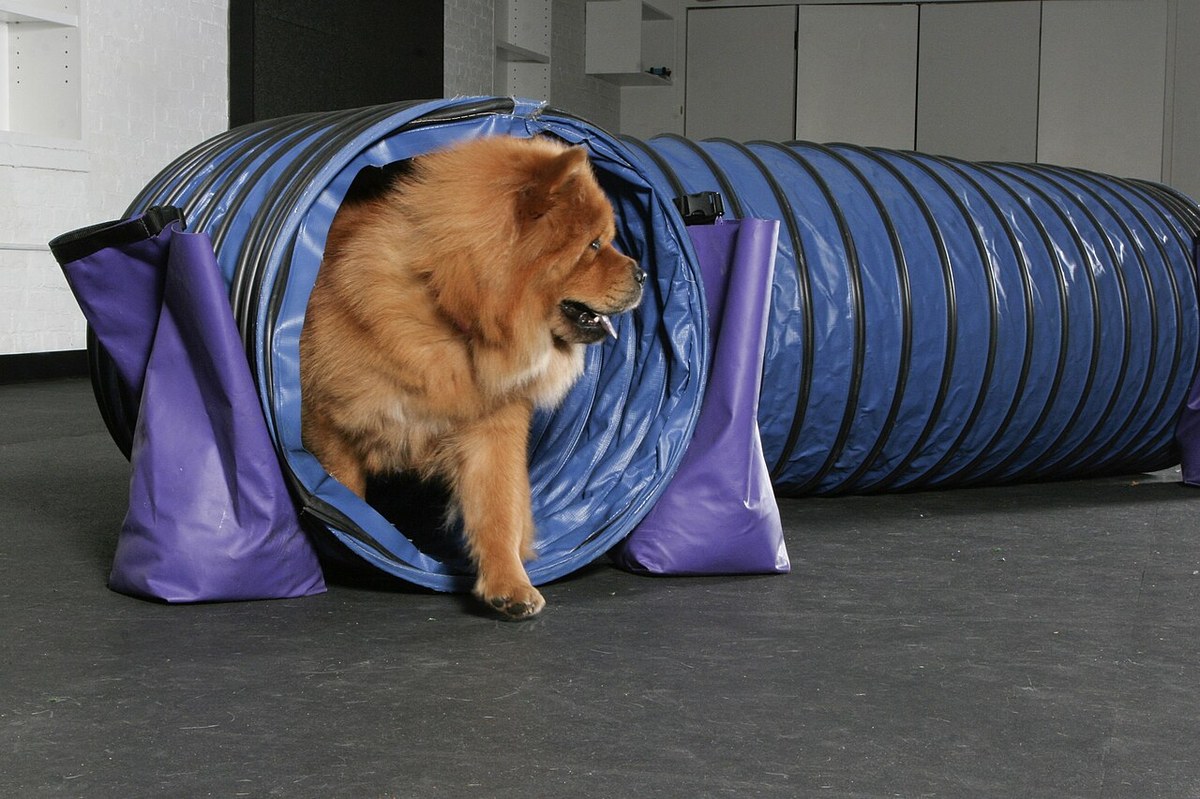
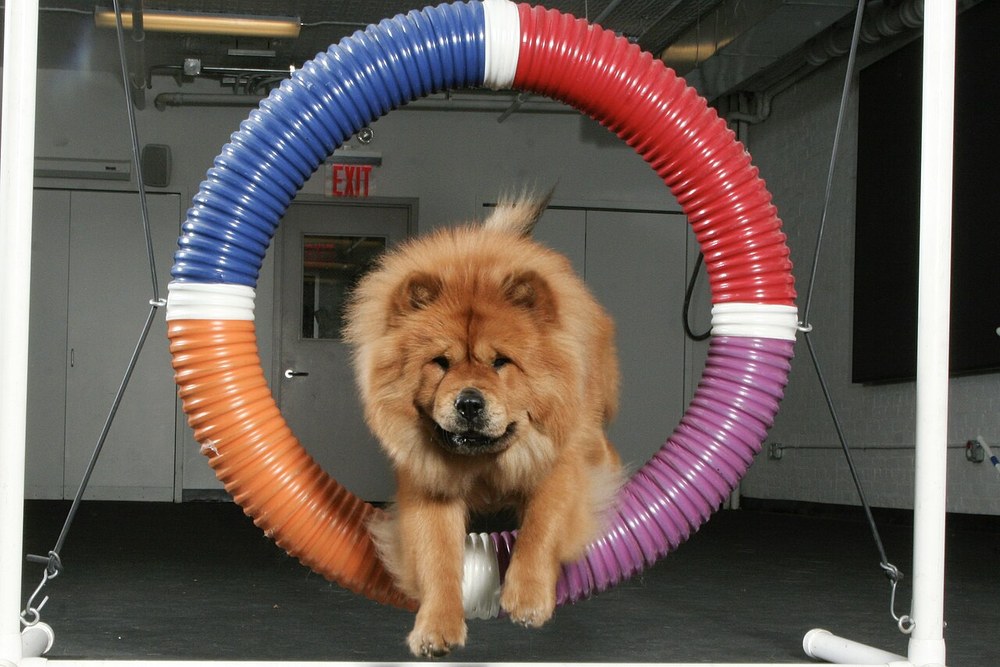
Angel the Chow Chow in an agility tunnel (modern photograph). The breed can learn and enjoy structured work.
China → guard, hauling, and hunting dog
An old type with many jobs
Public breed histories describe the Chow Chow as an old Chinese breed type used for guarding property, hauling, and hunting. The blue-black tongue, straight hind legs, and lion-like ruff are among its best-known features.
Guarding and independence shaped the temperament. A Chow often watches newcomers before deciding anything, and many do not enjoy being touched by strangers. That reserve is normal for the breed, not a training failure.
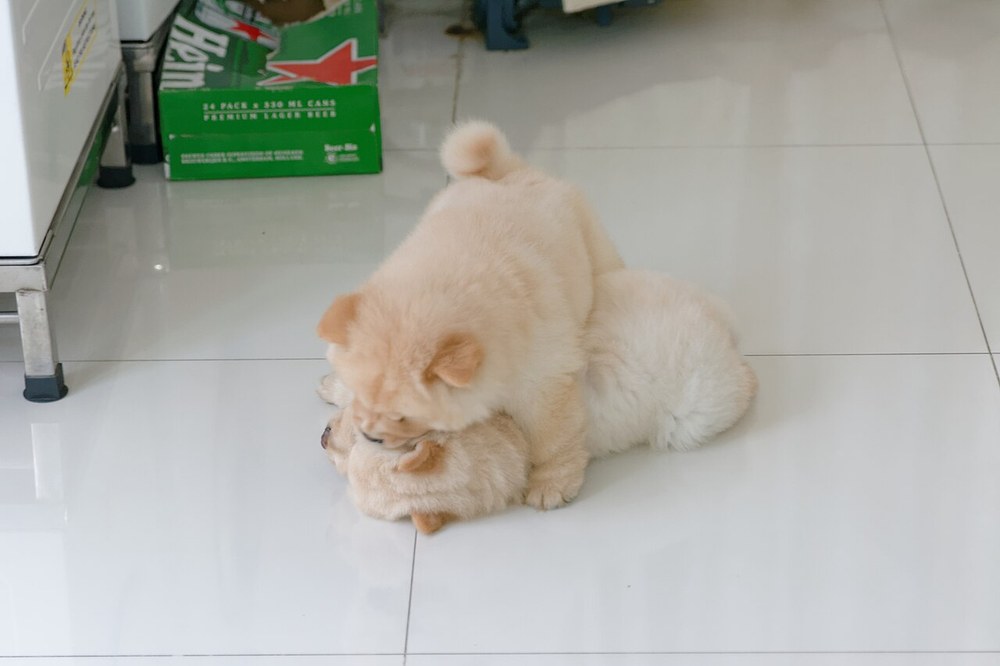
One-month-old Chow Chow puppies (modern photograph). Early, gentle socialisation matters a lot for a reserved breed.
Imported to the West → show ring → companion
From working dog to a famous outline
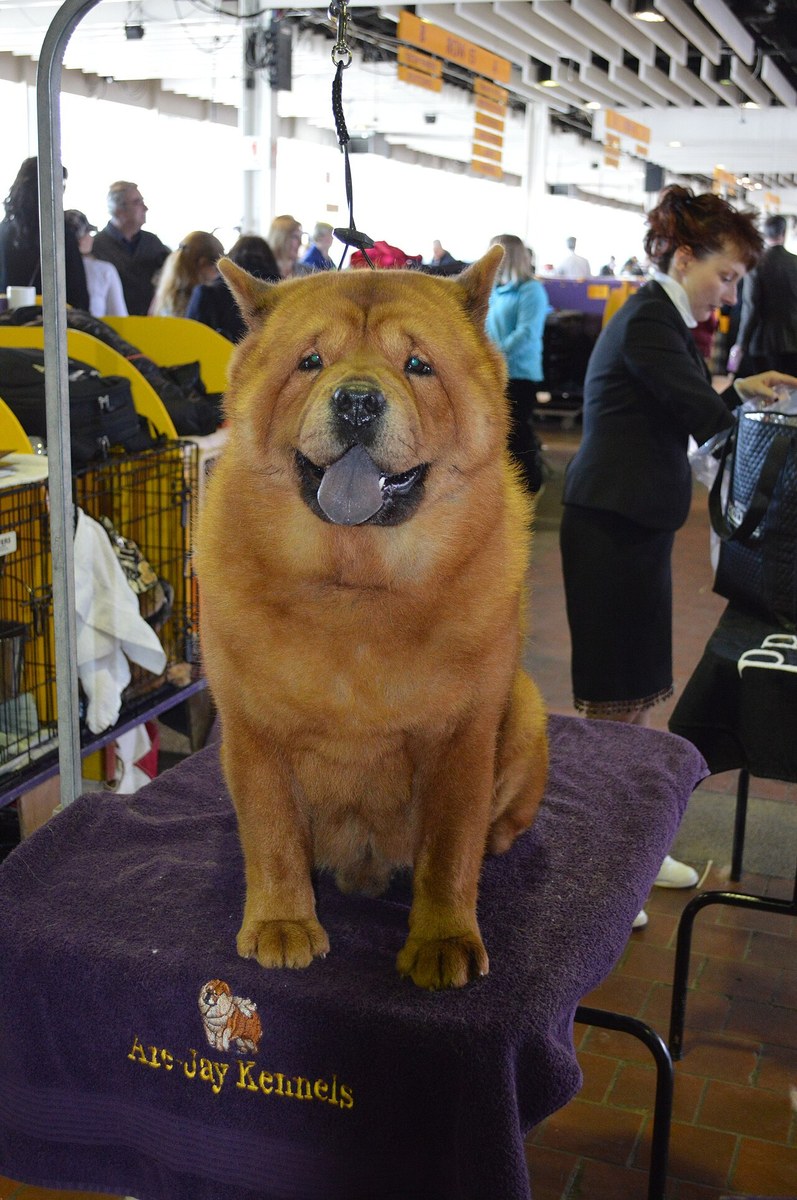
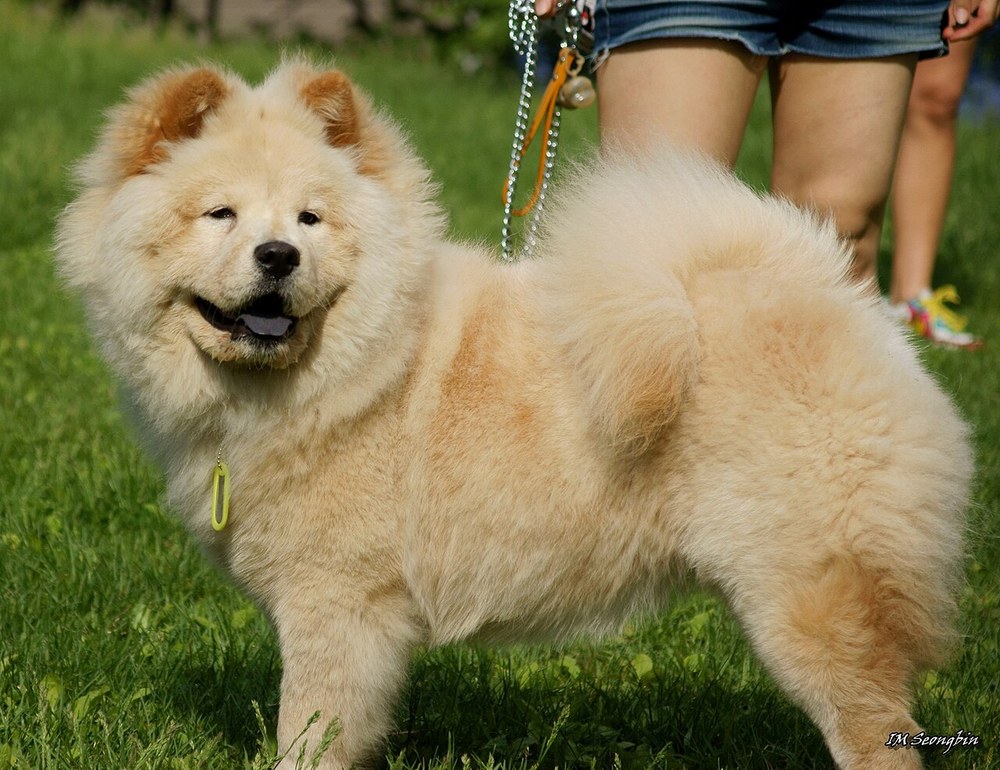
Public breed lore records Chows reaching Britain in the nineteenth century and quickly becoming a show and companion breed. Two coat types are recognised: rough, with the familiar heavy ruff, and smooth.
The teddy-bear look attracts buyers who expect a cuddly dog. Many Chows prefer quiet, respectful contact on their terms. Living well with one means accepting that.
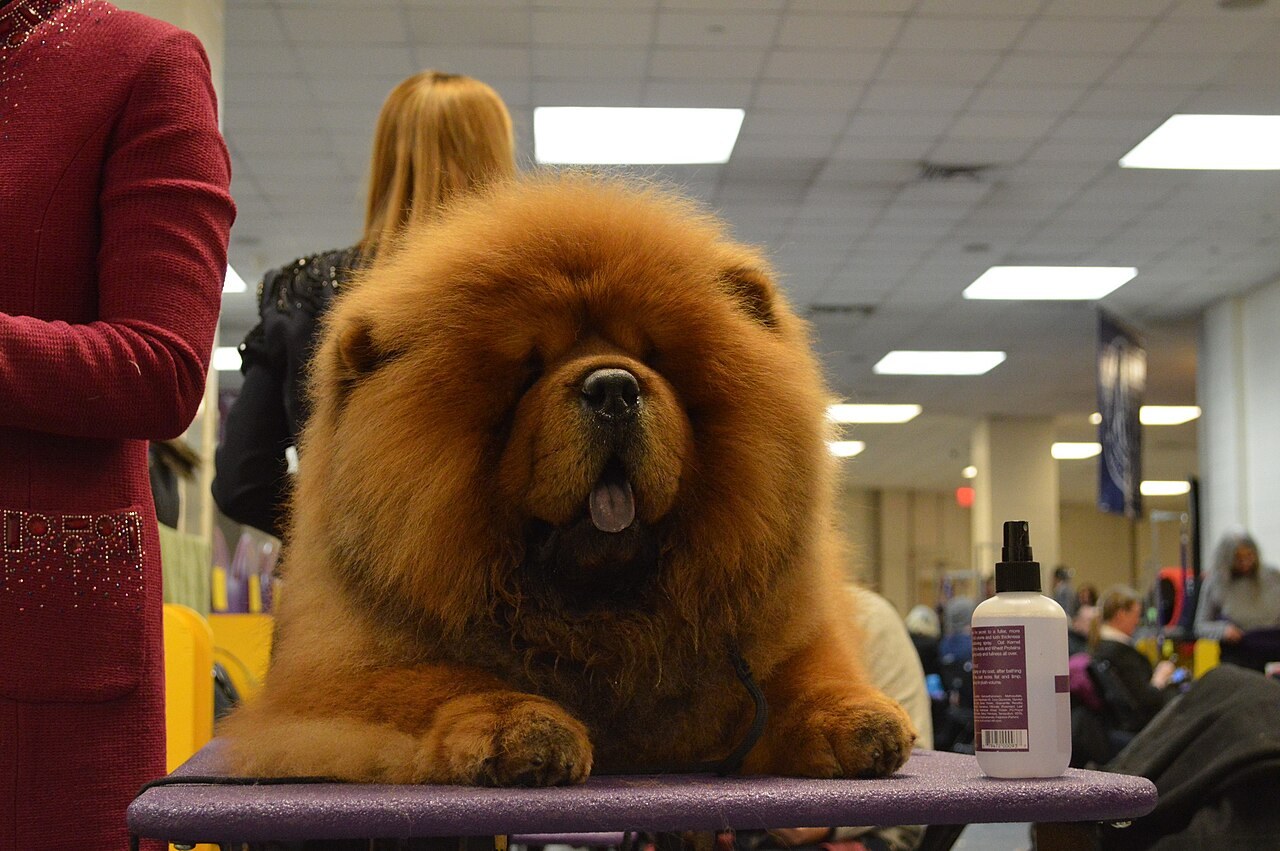
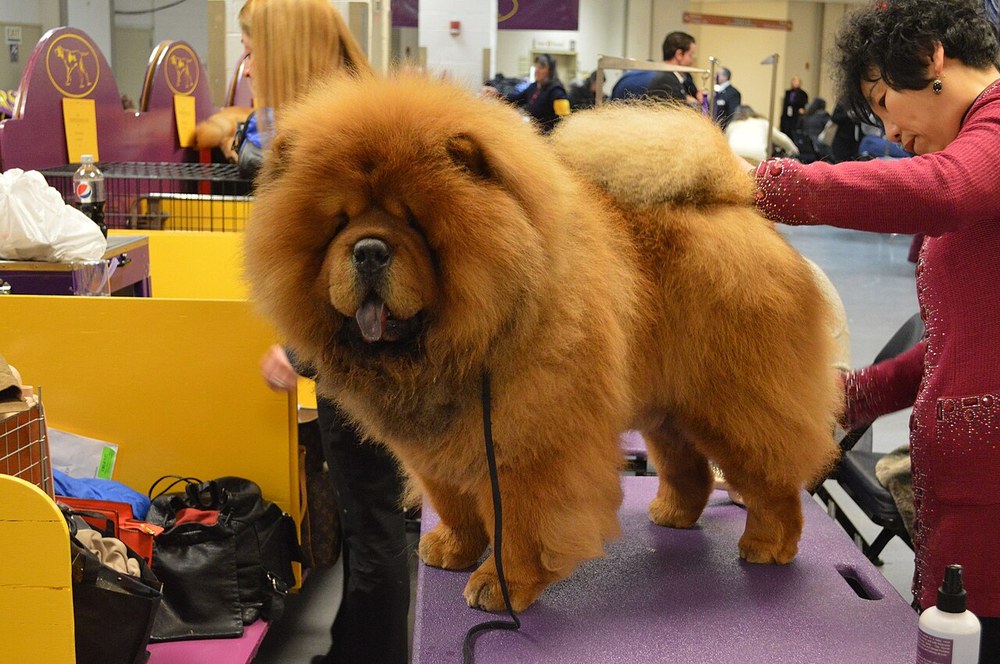
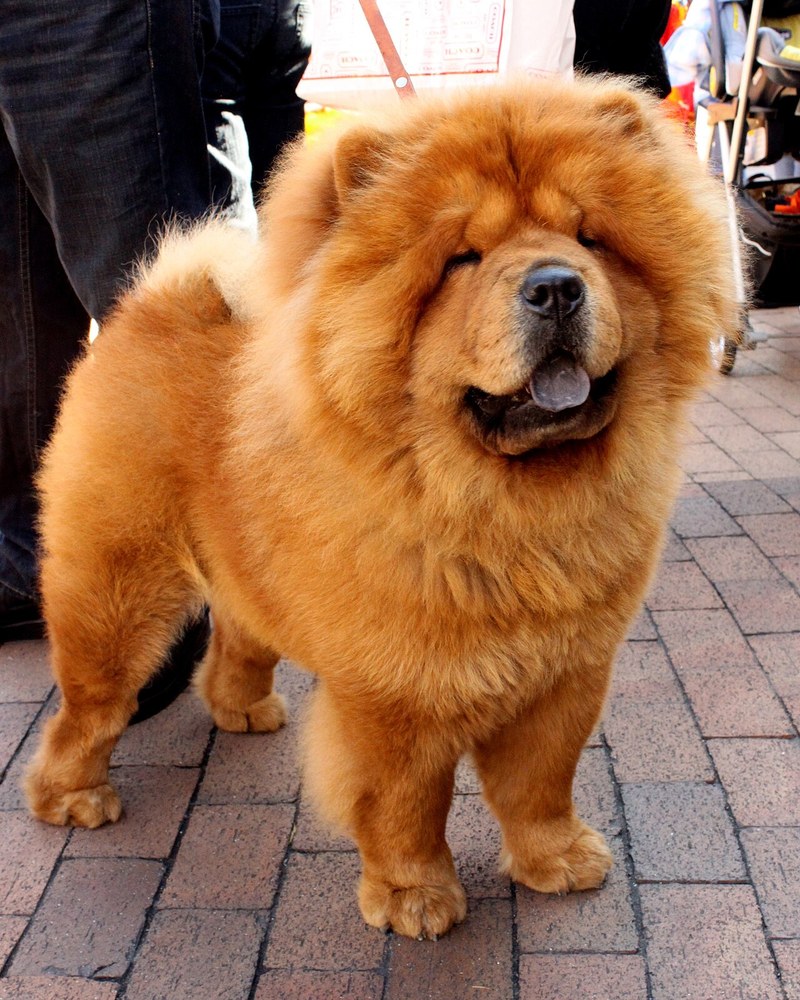
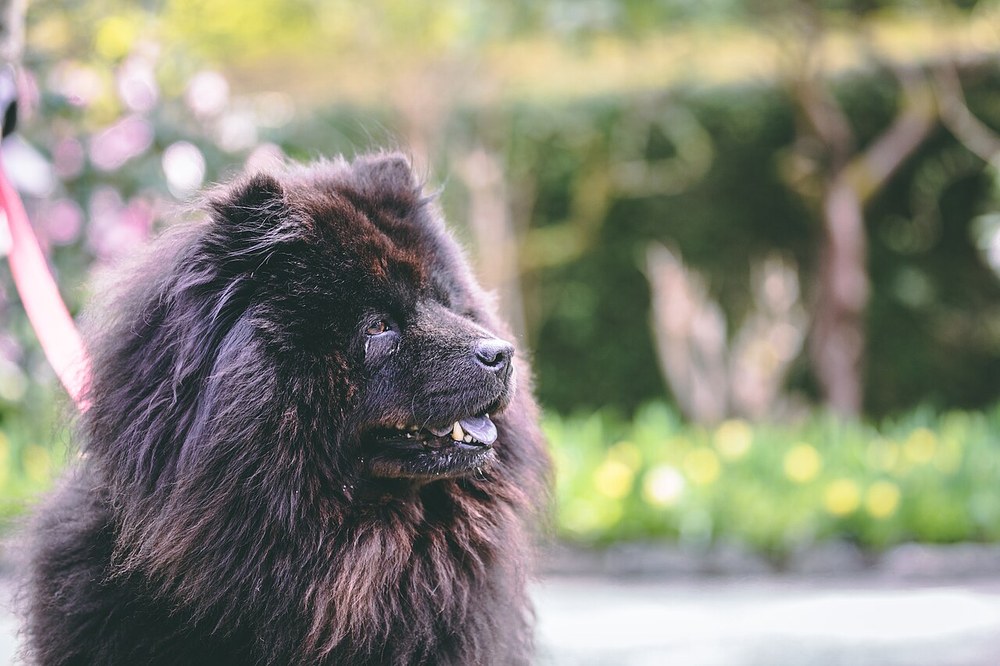
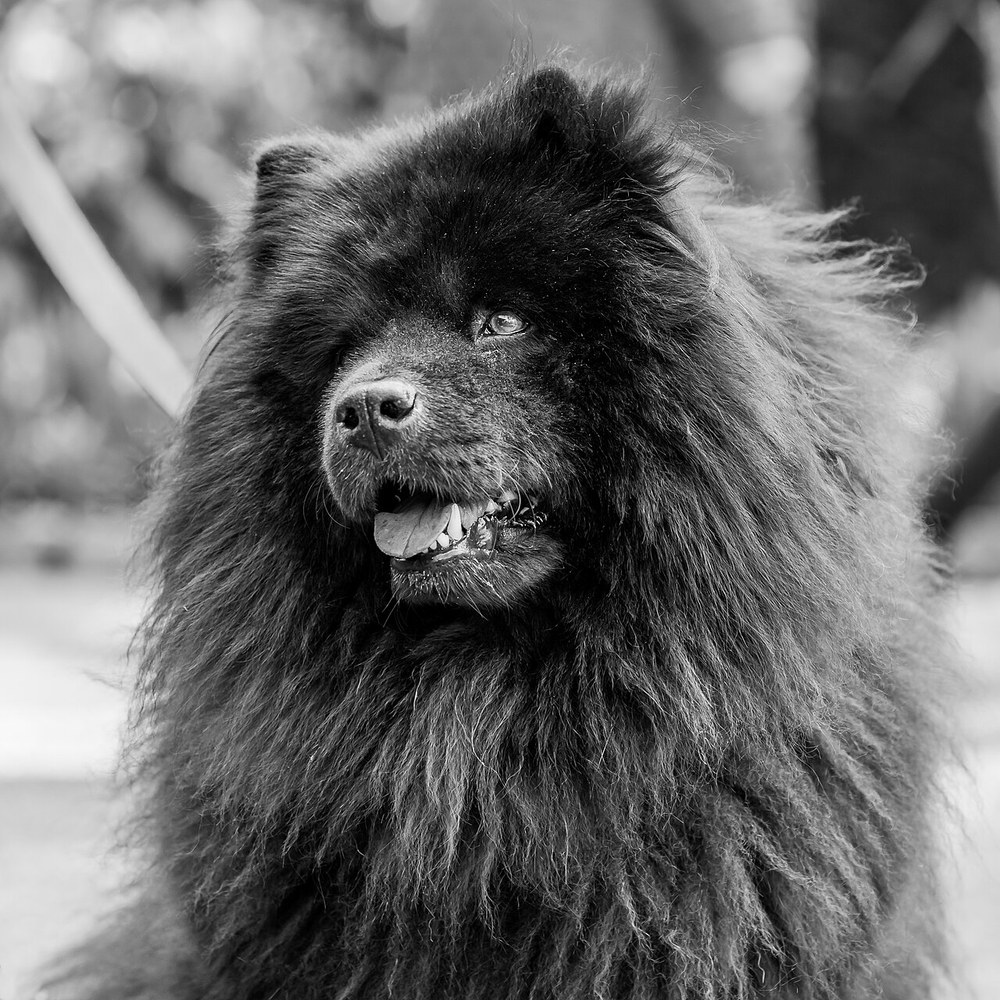
Adult Chow Chow (modern photograph). The dense coat and deep-set eyes are part of the breed’s look.
What the breed was bred for
Loyalty, reserve, and a strong sense of territory
In plain trainer language: the type was selected for guarding and independence. That is why a well-socialised Chow in a calm home is a quiet, clean, loyal companion — and why a poorly socialised one can become defensive with visitors and other dogs.
Chows tend to respond poorly to force. Short, calm sessions with food, early exposure to people and handling, and respect for the dog’s space work far better than pressure.
Socialise early and gently; reserve is still normal
A day is quiet routine, respectful handling, and visitors who let the dog decide
In a city the Chow’s guardian past shows up as watchfulness at the door, tension with unfamiliar dogs, and dislike of strangers reaching in. Most adults are calm and low-key indoors. The work is protecting the dog’s comfort zone so it never feels it has to defend it.
Morning · first outing
A calm loop beats a crowded route
Many Chows enjoy a moderate walk more than a long run. Choose quieter times and routes, and let the dog look at the world from a comfortable distance.
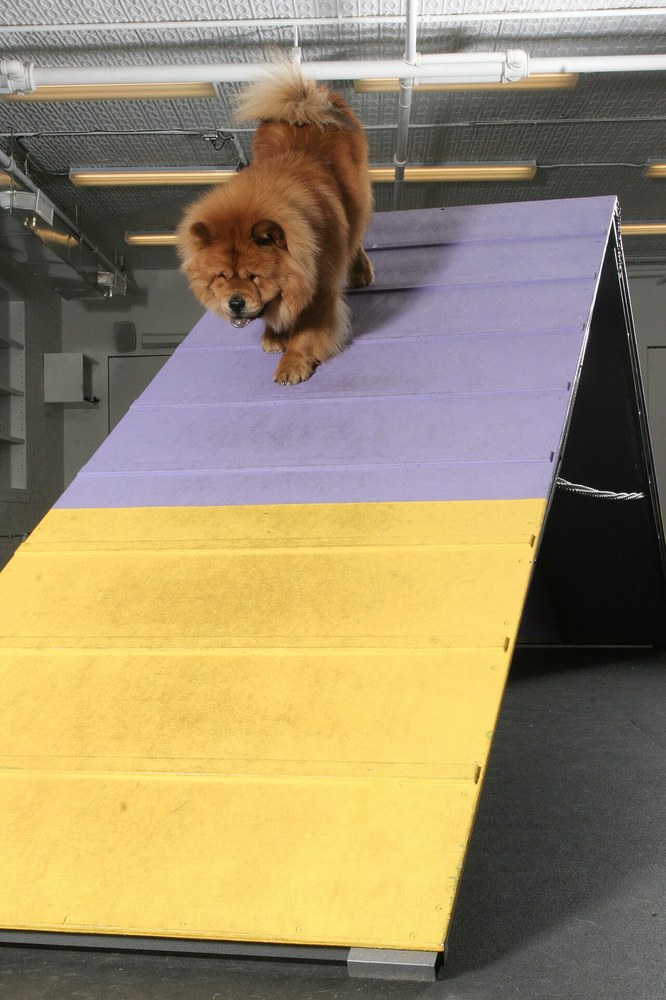
Chows can learn agility and tricks, as the photographs show, but rarely enjoy drilling. Keep sessions brief, use good food, and stop while the dog is still interested.
Ask guests not to reach over or stare. Give the Chow a place away from the door. A dog allowed to approach in its own time is more relaxed than one cornered for a pat.
What to watch monthly: coat, eyes, heat, and comfort with handling
General awareness only. I am not a veterinarian. Early signals are changes in appetite, coat, skin, eyes, movement, or temper during handling. For red flags, leave this page and open
when to call the vet.
Rough or smooth double coat
Both coat types have a dense undercoat. Rough coats need thorough brushing to the skin several times a week, more during sheds; smooth coats need less but still shed. Mats hide behind the ears and under the legs.
Heat and the dense coat
Keep summer walks short and in cool hours with shade and water. Heavy panting that will not settle, weakness, or collapse is an emergency.
Eyes and face
Look at the eyes and skin folds weekly. Redness, squinting, or discharge is a veterinary question, not something to treat from a breed page.
Health screening (not a diagnosis)
Ask the breeder which health screenings the national breed club recommends and see both parents’ results. A breed page cannot diagnose your dog; your veterinarian can.
Weight and a calm dog
A low-energy breed can gain weight quietly. Measure the ration and feel for the ribs under the coat. See body condition check at home.
Toxins
I do not publish toxin amounts. If the dog ate something dangerous, call a veterinarian or a poison-control line; the footer lists public numbers.
Lines and types
Rough and smooth Chows share the same temperament
Kennel clubs recognise two coat types. The rough coat has the familiar heavy ruff; the smooth coat is shorter and dense. Grooming time differs. Reserve, loyalty, and heat sensitivity are shared.
Rough coat
Long, dense coat with a heavy ruff around the head and neck.
Needs thorough brushing to the skin several times a week.
Heat is a real limit in summer.
Meet the parents and see how they accept handling.
Fits an owner who enjoys regular grooming and can keep the dog cool in warm weather.
Smooth coat
Shorter, dense coat without the long ruff.
Less brushing, but still a shedding double coat.
Same reserved, independent temperament.
Socialisation and handling still need early work.
Fits a household that wants the Chow temperament with less coat maintenance.
Socialization windows
What to introduce — and what not to overload — by age
AVSAB-aligned in spirit: short, clean exposures at a distance the puppy can still eat,
with hygiene while vaccines finish. See the
puppy socialization schedule.
2–4 months
Gentle socialisation and handling
Introduce: calm visitors who let the puppy approach, brushing with food, paw and ear handling, a crate or pen.
Do not overload: strangers picking the puppy up, forced cuddles, long grooming sessions.
~6 months
The world at a distance
Introduce: people and dogs seen from a comfortable distance, loose-lead practice, a place cue, muzzle training as a game.
Do not overload: crowded events, on-lead greetings with unknown dogs, rough handling.
~12 months
Adolescent reserve
Introduce: continued calm exposure, a gate routine for visitors, coat care through the first big shed.
Do not overload: forcing greetings, punishing growls, long walks in the heat.
~18 months
Adult comfort zone
Introduce: chosen people and dogs, short training sessions, regular grooming.
Do not overload: letting strangers reach over the dog, skipping brushing until mats form.
~24 months
Keep it calm
Introduce: refreshed handling and visitor routines; new places introduced slowly.
Do not overload: assuming a reserved dog is “fine” in crowds, ignoring warning signals.
Before you buy
Who a Chow Chow usually fits
A Chow suits calm adults who like a dignified, reserved dog, respect its personal space and will commit to coat care and gentle handling.
Good match
More likely a good fit if you…
Prefer a quiet, self-contained dog over a playful, attention-seeking one
Can let the dog choose when to approach visitors and keep strangers from touching it
Will brush the coat thoroughly every week and keep up with skin and ear checks
Live in a calm household without constant chaos or rough play
Have experience with independent breeds or will work with a trainer from the start
Mismatch risk
A Chow Chow may be a poor choice if…
You want a dog that loves meeting new people and being petted by everyone
Young children in the house expect to hug and handle the dog freely
You live in a hot climate and cannot keep the dog cool
Regular grooming feels like a chore you will skip
You need a dog for dog sports or off-lead adventures
If you are torn between breeds
Chow Chow vs Chinese Shar-Pei and Akita
Chows are often compared with other Asian breeds that share a reserved, independent nature. The differences lie in coat, size and handling needs.
Temperament
Chow Chow
Aloof and dignified; usually devoted to one or two people.
Chinese Shar-Pei
Similar reserve with strangers; often protective of home.
Coat
Chow Chow
Dense double coat (rough or smooth) that needs regular, thorough brushing.
Akita
Thick double coat too, with heavy seasonal shedding.
Size and strength
Chow Chow
Medium-large and sturdy, with a stiff, stilted gait.
Akita
Larger and more powerful; more demanding on lead.
Other dogs
Chow Chow
Often selective; prefers calm, polite dogs.
Chinese Shar-Pei
Also commonly dog-selective.
Handling
Chow Chow
Needs patient handling practice; may react to sudden touch, especially if vision is limited by facial folds.
Both compares
Shar-Pei skin folds need care too; Akitas need early handling because of size.
Ownership without surprises
Where a Chow Chow owner’s budget goes
Costs vary by country and breeder. These areas help you plan before bringing a Chow home — not exact prices.
Grooming
Good brushes and a dryer, plus professional grooming several times a year for most owners.
Veterinary care
Routine care plus regular skin, ear and eye checks. Ask the breeder which screenings the national breed club recommends.
Climate control
Air conditioning or a cool room in summer; the heavy coat makes heat dangerous.
Food
Medium-large, often not very active; measure meals to keep it lean.
Training help
A trainer who uses calm, force-free methods, especially for handling and visitors.
Home setup
A quiet resting area and gates to manage visitors.
With a Chow, grooming and careful handling training are the main ongoing costs.
Before day one at home
What to prepare for a Chow Chow puppy
A Chow puppy looks like a teddy bear but grows into a reserved adult. Build trust through gentle handling and calm, controlled introductions to people and dogs.
01
Make grooming pleasant
Brush for a few minutes daily with treats. The coat gets thick quickly. See puppy handling.
02
Let visitors be boring
Ask guests to ignore the puppy and drop treats. Let the puppy approach in its own time.
03
Plan toilet trips
Chows are often clean and learn routines fast. Follow potty training.
A crate or bed in a calm place lets the puppy rest after visitors. Start with crate training.
If the dog is already yours
Training is trust, short sessions and respect for personal space
Chows are intelligent but independent and can be stubborn when pushed. Short, calm sessions with good rewards work better than repetition or raised voices.
Many Chows dislike being touched by strangers. Teach visitors to ignore the dog and give it a mat or retreat where it can watch without being disturbed.
Handling and grooming practice are the core of training for this breed. A Chow that trusts its owner accepts care much better.
Load balance
Moderate exercise and careful heat management
Chows need daily walks but are not high-energy. Heat is the main limit — walk in the cool parts of the day and watch for heavy breathing.
Daily walks, sniffing, short training and food enrichment are enough for most adults. Intense exercise and crowded dog parks are not needed.
A Chow that feels safe and respected is usually calm and easy at home.
Visitors, space and the mat
How to help a Chow Chow cope with visitors
Practise with one calm visitor first, with the dog on lead or behind a gate.
01
Prepare the space
Put the dog on lead or behind a gate before the visitor arrives, and have the mat ready.
02
Ask the guest to ignore the dog
No eye contact, no reaching, no talking to the dog.
03
Reward calm watching
Reward the Chow for looking at the visitor and staying relaxed.
04
Use the mat
Send the dog to its mat and drop treats there while the visit continues.
05
Let the dog choose
If the dog approaches, the guest can offer a treat on a flat hand — no petting.
One scene close-up
Why your Chow walks away when a guest reaches to pet it
Many Chows do not enjoy being touched by people they do not know. Walking away is a polite way of saying no; if that is ignored, the dog may growl or snap.
Ask visitors not to touch the dog. Reward the Chow for staying calm on its mat, and let it approach if it chooses. Short, quiet visits build confidence.
If the dog growls, freezes or snaps at visitors, keep it separated and ask a qualified behaviour professional for help.
“With a Chow Chow, I do not chase approval from a dog that is naturally aloof. We build trust through consent-based handling, respect the dog’s space with strangers, and keep training short and dignified — because pressure turns independence into stubbornness.”
Sessions cover real scenes: grooming and vet handling, visitors, walking calmly past other dogs, heat management, and quiet time at home. I am a trainer, not a veterinarian. No invented reviews.
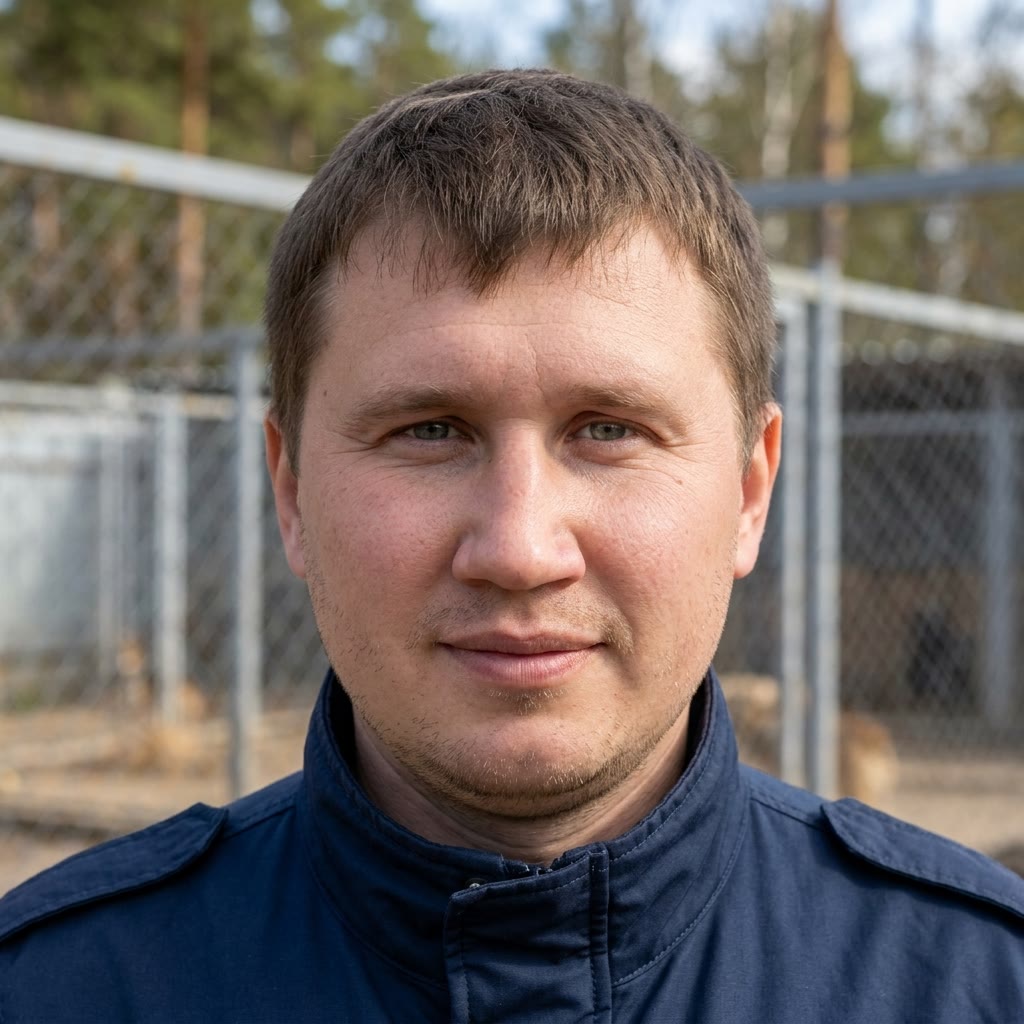
Andrew DarovProfessional dog trainer and instructor
Describe age, living setup, and where the dog breaks first — tension with visitors, handling and grooming, other dogs, or settling after walks. Opens WhatsApp to Andrew.
A friendly, fluffy Dutch barge dog that loves people and needs help with barking, regular grooming and company.
Need a read on your exact situation?
Describe your Chow Chow’s age and the scene that repeats most: tension with visitors, handling and grooming, other dogs, or settling after walks. We check safety first, then pick the first skill.
Written by Andrew Darov, professional dog trainer. Not veterinary advice and not a diagnosis.
Not a kennel club. No invented reviews. No vaccine schedules or toxin doses. Photo credits in
/images/breeds/chow-chow-guide/credits.md.