

Expert Advice · Health · 13 min read
When reactivity is pain: stop-list for owners
Sudden on-leash lunging after a previously quiet dog can be a body fact. Stop rehearsing “reactivity drills” until a veterinarian has ruled pain in or out.
A dog who used to pass other dogs on a soft leash and now lunges, freezes, or snaps at the collar is sending data. Sometimes that data is rehearsed fear. Sometimes it is pain. You do not settle the argument with a dominance story or another “reactivity bootcamp” walk. You stop unpaid rehearsal and you get the body examined.
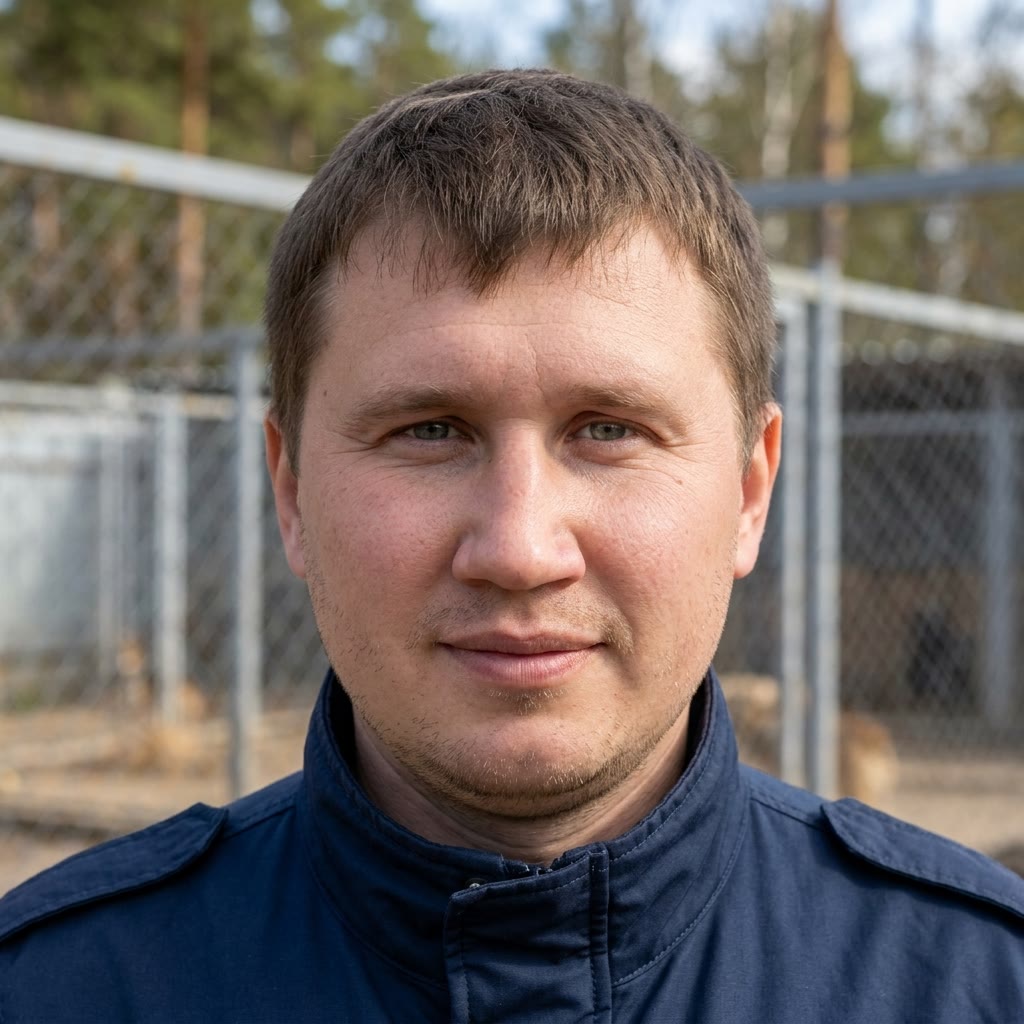
I am Andrew Darov, a trainer from Russia who runs month-plus residential work. I am not a veterinarian. I will not invent diagnoses, fake case studies, or toxin doses. Read not veterinary advice. Pair this with limping stop-list, when to call the vet, and trainer and veterinarian.
When should you suspect pain behind the lunge?
When the picture changed suddenly. When the dog flinches at harness, ear, hip, or collar. When a previously cheap sit or jump is refused. When the walk ends with a limp that was not there at the door. When rest, appetite, or toilet habits shifted in the same week as the “reactivity.”
If the body changed with the bark, the clinic owns the next question — not another flood of triggers.
Subtle pain does not always look like a textbook limp. That is why this page is not a clone of limping stop-list. Gait ends the session there. Here the stop is broader: new on-leash aggression or panic that arrived with other body flags.
What is the owner stop protocol?
- End the rehearsal. Turn away, buy distance, shorten the outing. Do not “finish the block” for pride.
- Note facts for the clinic: onset date, trigger distance, touch sensitivity, which side, any cry, any gait oddity, meds or recent injury if known.
- Call your veterinarian. US and UK emergency paths differ by postcode; the rule does not — loud body-plus-behavior changes leave the training floor. See when to call the vet.
- Manage at home: short lead, quiet toilet trips, gates, no dog-park “desensitization.” Pain plus crowded triggers is how bites get paid.
- Trainer pause: freeze high-arousal drills. Keep only soft management. Resume engage-disengage and on-leash threshold only after clearance. Hand-off tone lives on trainer and veterinarian.
US suburban sidewalks and UK pavement walks both invent the same failure: “he was fine last month, so push through.” Fine last month is the reason you book the exam, not the reason you escalate criteria.
What are the usual failure modes?
- Calling it dominance. Pain is not a power struggle. Book the table.
- Flooding “to socialize it out.” Distance is management. Crowds are rehearsal.
- Self-diagnosis from a disease list. Not published here as medical claims.
- Fake case studies. Not on this site.
- Trainer overriding a rest or pain workup. Clinician owns clearance.
- Cloning limping-stop-list or engage-disengage. Gait stop there; skill ladder on reactivity pages; this page is the pain-plausible pause.
If the dog cannot bear weight, cries at light touch, or the aggression is new and severe, leave this page now. When to call the vet is the door. A wasted exam is cheaper than a month of “reactivity drills” on a dog who needed imaging, rest, or pain care first.
Questions on this page
Can on-leash reactivity be pain?
Yes, sometimes. A new snap, freeze, or lunge after collar touch, ear handling, or a previously cheap walk can be a body change. This page does not diagnose. A veterinarian owns that question.
What should owners stop doing immediately?
Stop flooding the trigger, stop “correction stacks,” and stop calling it dominance. Shorten the walk, manage distance, and book the clinic when the change is sudden or paired with gait, touch, or appetite shifts.
How does this differ from the limping stop-list?
Limping stop-list ends the session on gait change. This page covers reactivity pictures that may still be pain-driven even when the limp is subtle or absent. Cross-link both.
Will you invent cases or toxin doses?
No. No fake client diaries. No milligram charts. Andrew Darov is a trainer from Russia, not a veterinarian. Read not veterinary advice.
What does the trainer do while the vet works?
Pause high-arousal drills. Keep management (distance, short lead, quiet exits). Resume engage-disengage or threshold work only on what the clinician clears. See trainer and veterinarian.
Work with me
A $150 consultation or $500 monthly curatorship. Opens WhatsApp to Andrew.