Maremma Sheepdog: temperament, livestock guarding, barking and home life with the Italian flock guardian
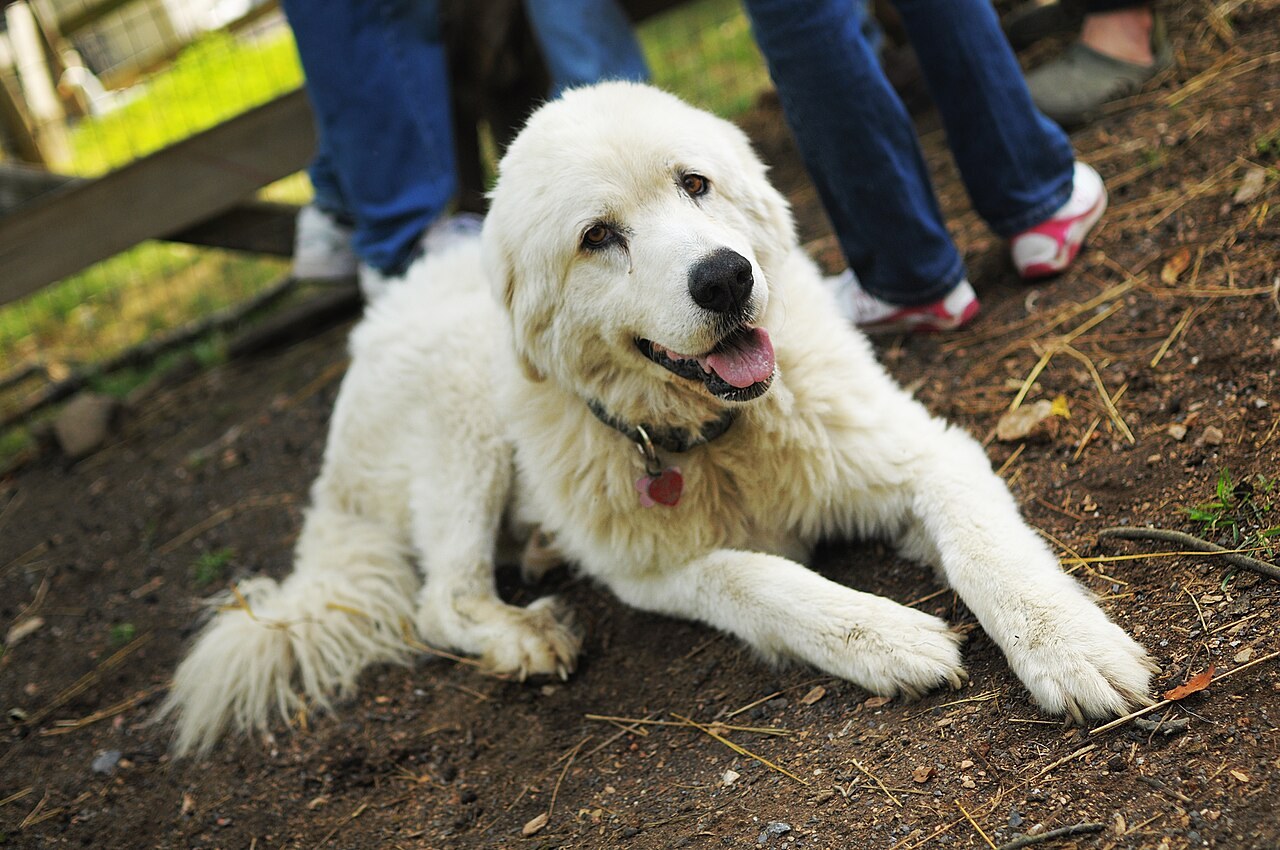
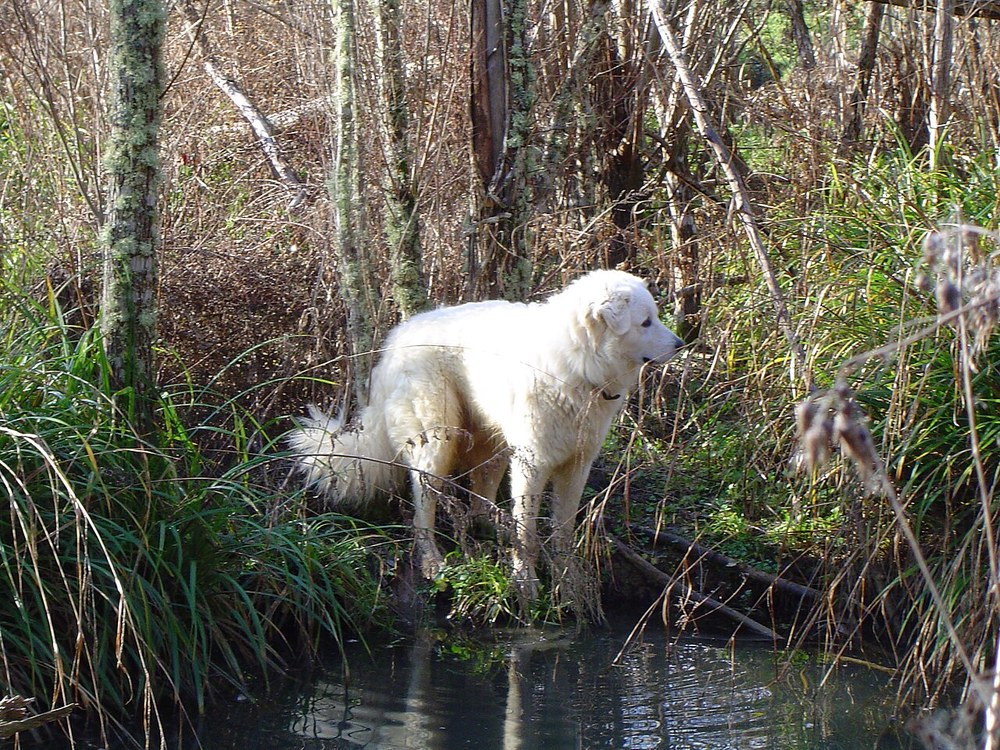
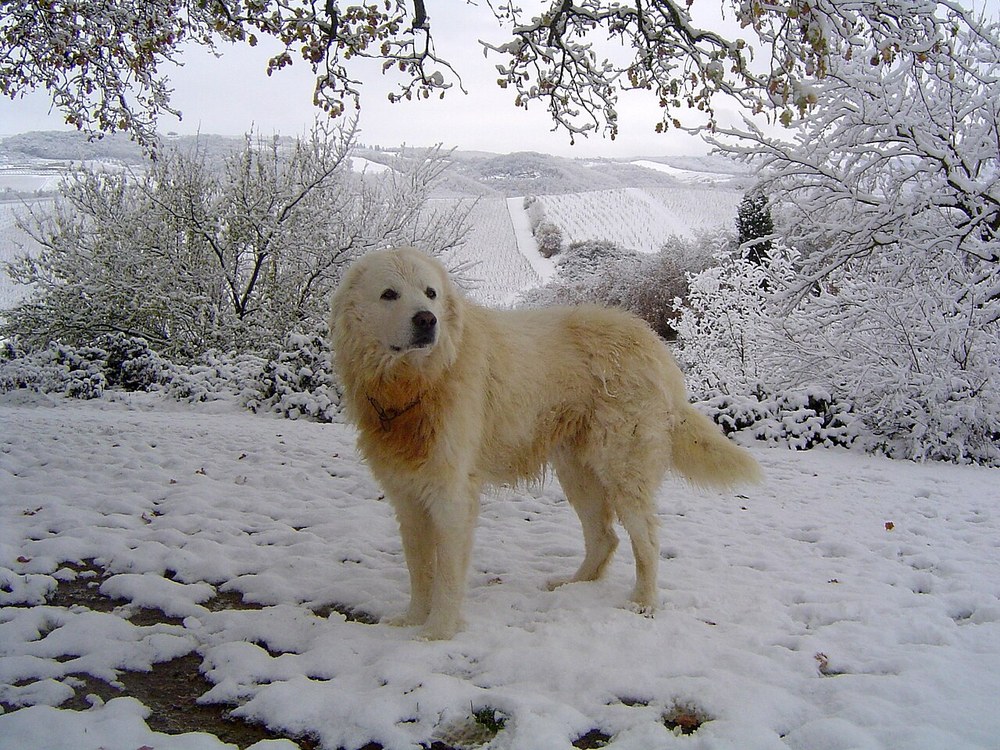
The Maremma Sheepdog, in Italy the Pastore Maremmano-Abruzzese, is a large white guardian from the sheep country of central Italy. It was bred to stay out with the flock day and night, keep wolves and stray dogs away and make its own calls without a shepherd nearby. On a farm that is a superb partner. In a suburban house it often becomes a frustrated dog that barks through the night, guards the street and climbs or digs to patrol a bigger area. A good home has land, animals or at least a large fenced space, neighbours who are not close and an owner who values independence over obedience.
Job: An Italian livestock guardian; FCI Group 1, Pastoral group in the UK.
Energy: Calm, watchful and independent; loyal to its flock and family, aloof with strangers.
Home: Best on a farm or rural property; a poor match for suburban couch life.
A Maremma is built for the flock, not for the sofa
Owners who meet a Maremma on a farm see a quiet white dog dozing near the sheep and imagine an easygoing pet. They miss the other half of the picture: the same dog walking the boundary at 2 a.m. and barking until whatever is out there leaves.
When a Maremma lives in town, I usually hear about the same set of complaints. Loud barking at dusk and through the night. Climbing, digging or squeezing out to patrol the neighbourhood. Coolness or warnings toward visitors and delivery drivers. Little interest in coming when called, and tension with dogs that walk past its fence.
My plan for these dogs starts with a frank look at the setting. Is there something to guard and enough space? Next: a fence it respects, nights inside or in a closed barn with its animals, early contact with many calm people, and simple, food-based training for the handful of skills that keep everyone safe.
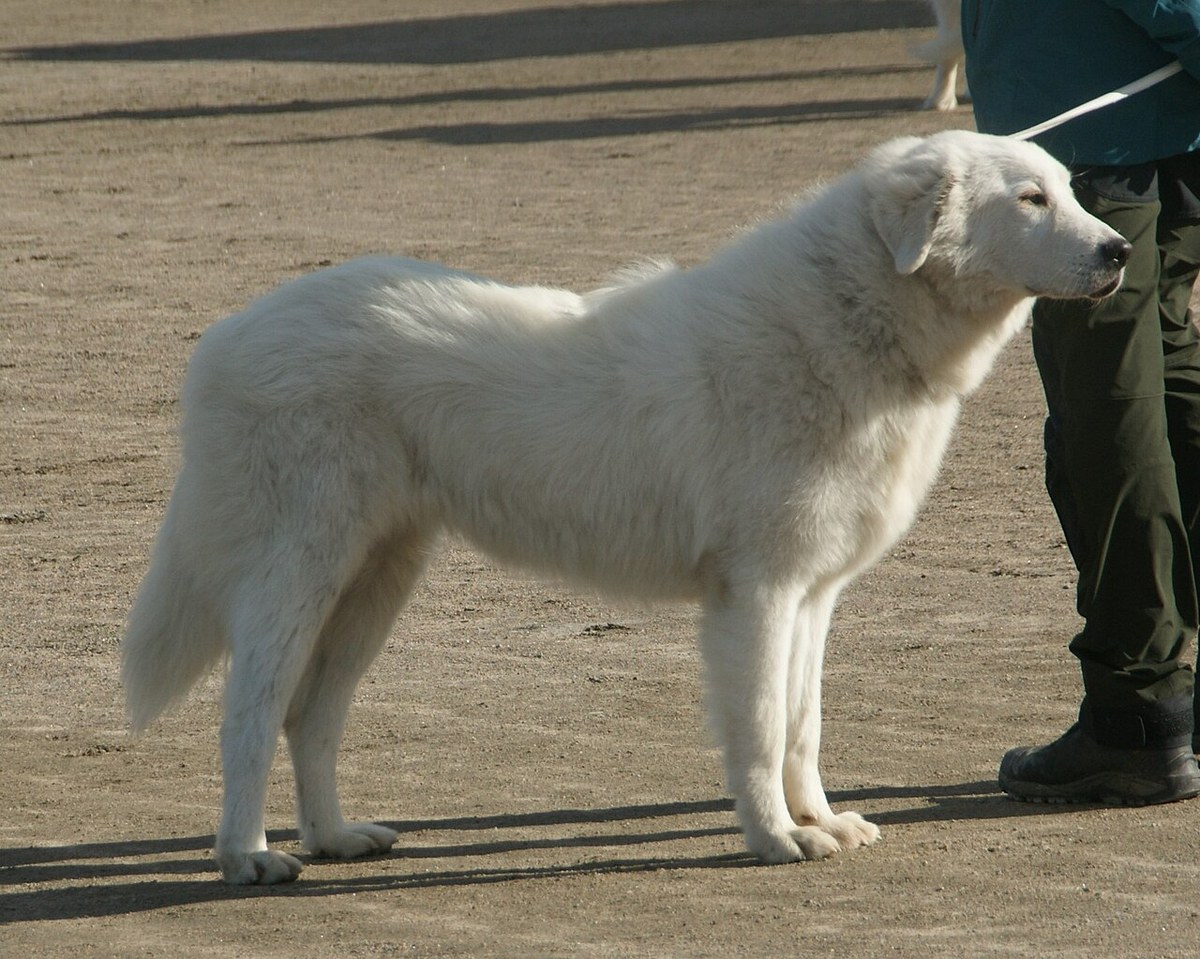
FCI: males 65–73 cm (about 25.5–29 in), females 60–68 cm (about 23.5–27 in)
Weight
FCI: males 35–45 kg (about 77–99 lb), females 30–40 kg (about 66–88 lb)
Energy
Low to moderate by day; alert and active at dusk and night
Coat / shed
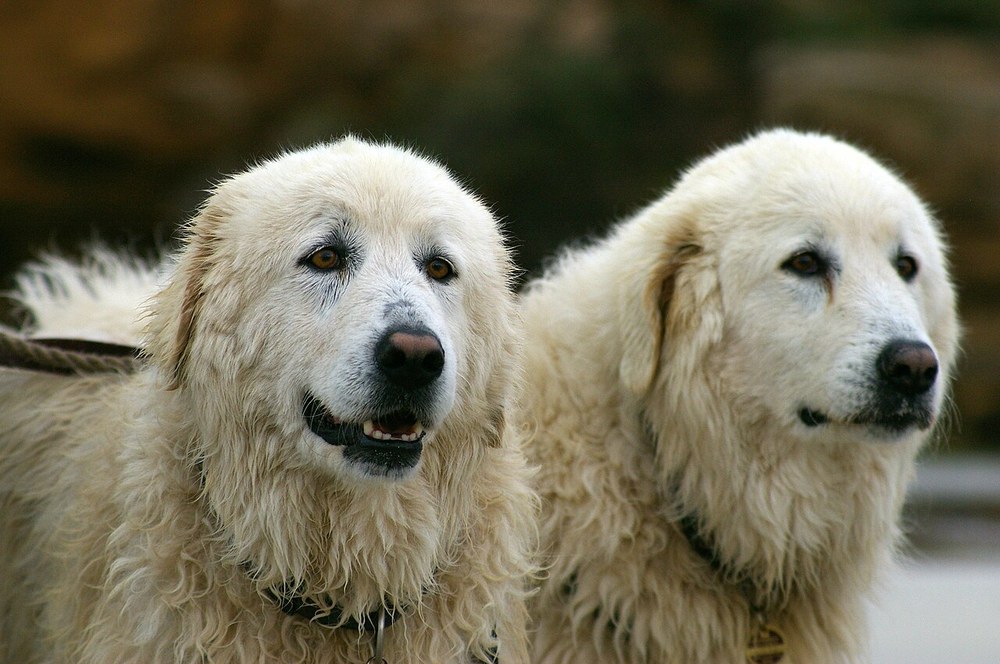
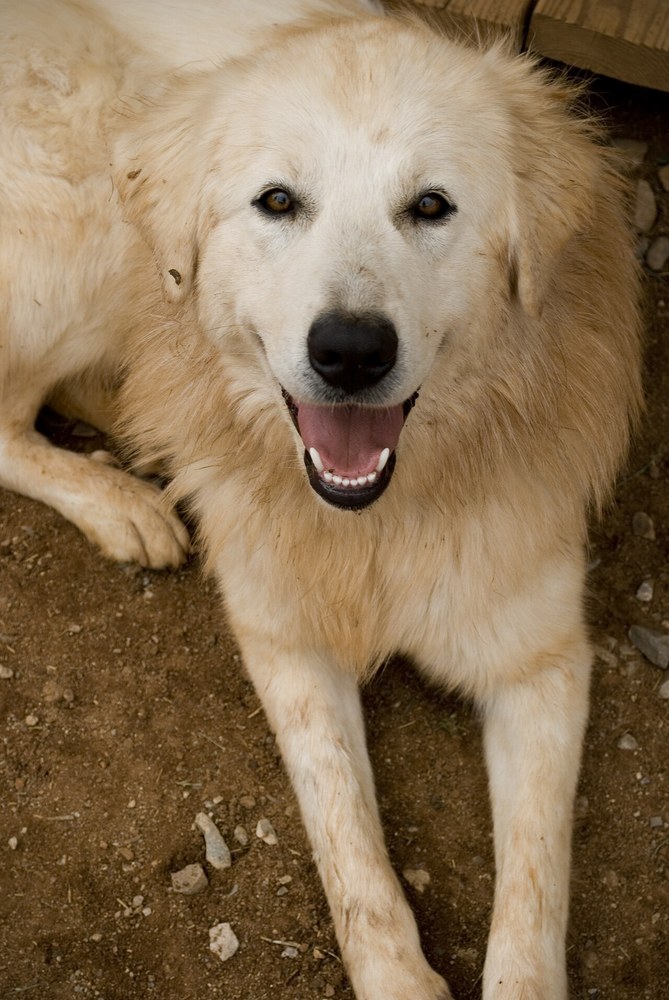
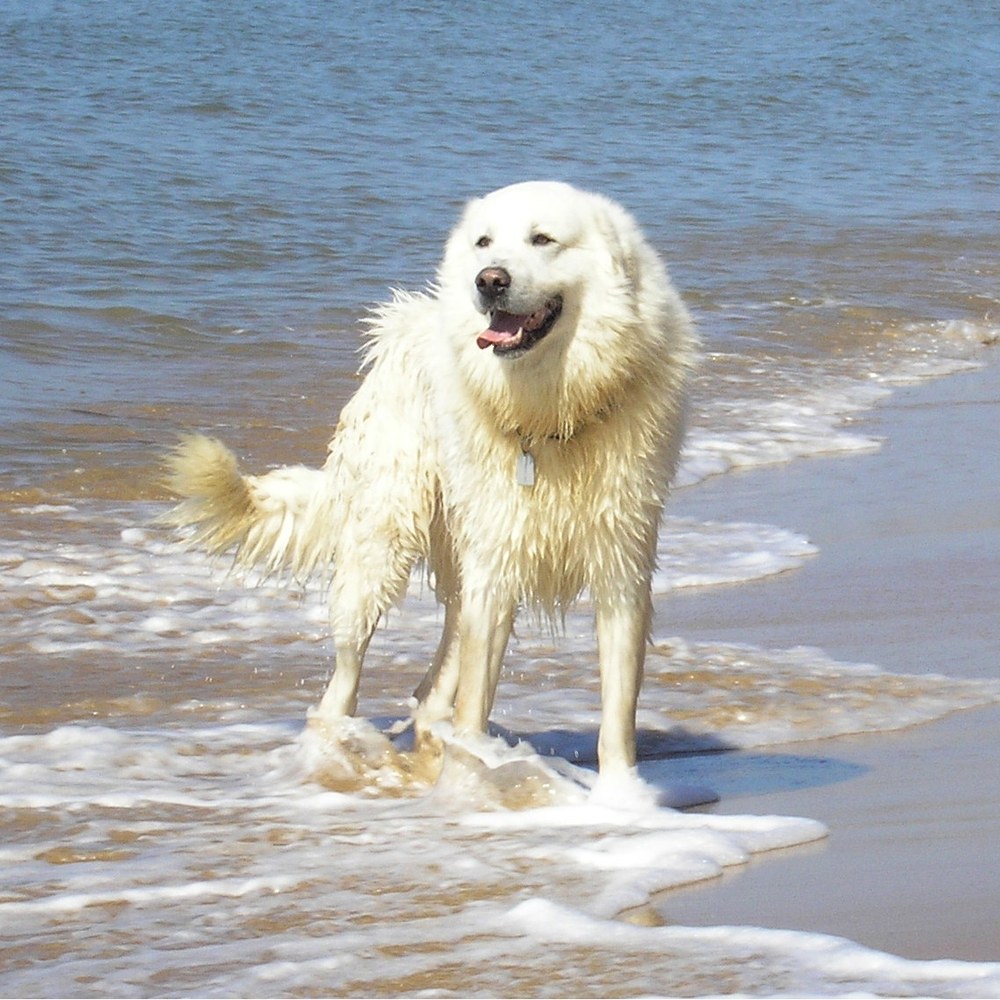
Long, harsh white coat with a thick undercoat in winter; light ivory or pale lemon shading allowed
Job
Livestock guardian of sheep and goats in central Italy (FCI Group 1)
Temperament in one minute
Maremma Sheepdog temperament: what they are like at home
Short answer: Maremma Sheepdogs are calm, watchful and very independent livestock guardians from central Italy. They are gentle with the animals and people they bond with and aloof or protective with strangers. By design they patrol and bark at dusk and at night, roam if the fence allows, and decide for themselves whether a cue is worth following. They suit rural homes with land, animals or a large fenced area, a night routine indoors and an owner who values cooperation over quick obedience.
Are Maremmas affectionate?
Yes, in a quiet way, with the people and animals they bond with. Many prefer lying nearby to cuddling. Build short absences early.
Usually aloof and protective. Keep the dog away from the gate and let guests settle first; see guest entry steps.
Are Maremmas good with kids and other dogs?
Often gentle with children and pets they know; strange dogs on their land are a problem. See children and guests.
Maremma behavior problems to expect
The usual four are night barking, escaping to roam, warning off visitors and a weak recall. The list further down links a guide for each.
Living with a Maremma in a suburb
Hard for the dog and the neighbours. Most do best on rural land with a good fence and something to watch over.
Breed history
From Roman pastures to penguin islands
The history explains the night watch, the independent mind and the bond with animals.
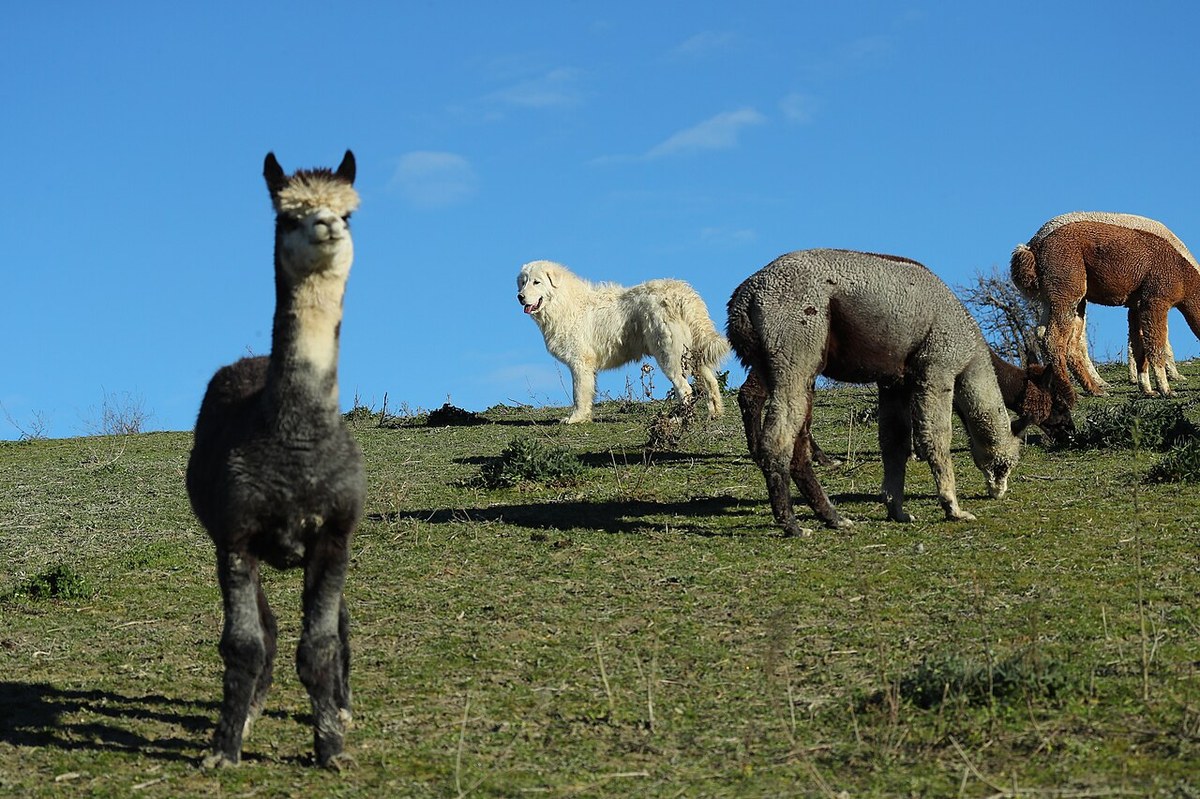
A Maremma Sheepdog guarding alpacas on a hillside: the breed bonds with the animals it grows up with and stays with them.
Central Italy · seasonal grazing
White dogs on the old sheep routes
Every summer shepherds walked their flocks from the Maremma coast up to the Abruzzo mountains and back in autumn. Big white dogs went with them to drive off wolves and thieves.
The Roman farm writer Columella already advised white shepherd dogs, so a shepherd could tell his own dog from a wolf in poor light.
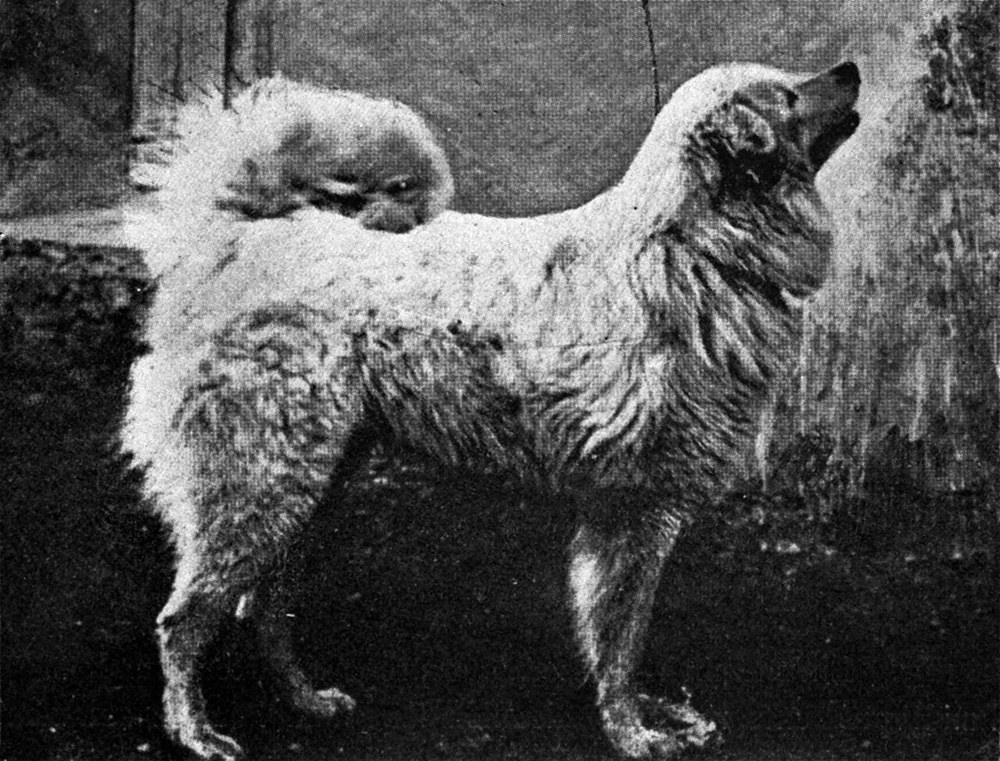
A sheepdog of the Abruzzo mountains photographed in 1915: the coastal and mountain dogs were later joined into one breed.
From 1958
One breed, two regions
For a long time Italians argued about whether the Maremma and the Abruzzo dogs were different breeds. In 1958 they were joined under one standard, which is why the official name includes both regions.
English-speaking countries mostly call it the Maremma Sheepdog. It is popular as a working guardian in Australia, where Maremmas have protected a little penguin colony on Middle Island near Warrnambool since 2006.
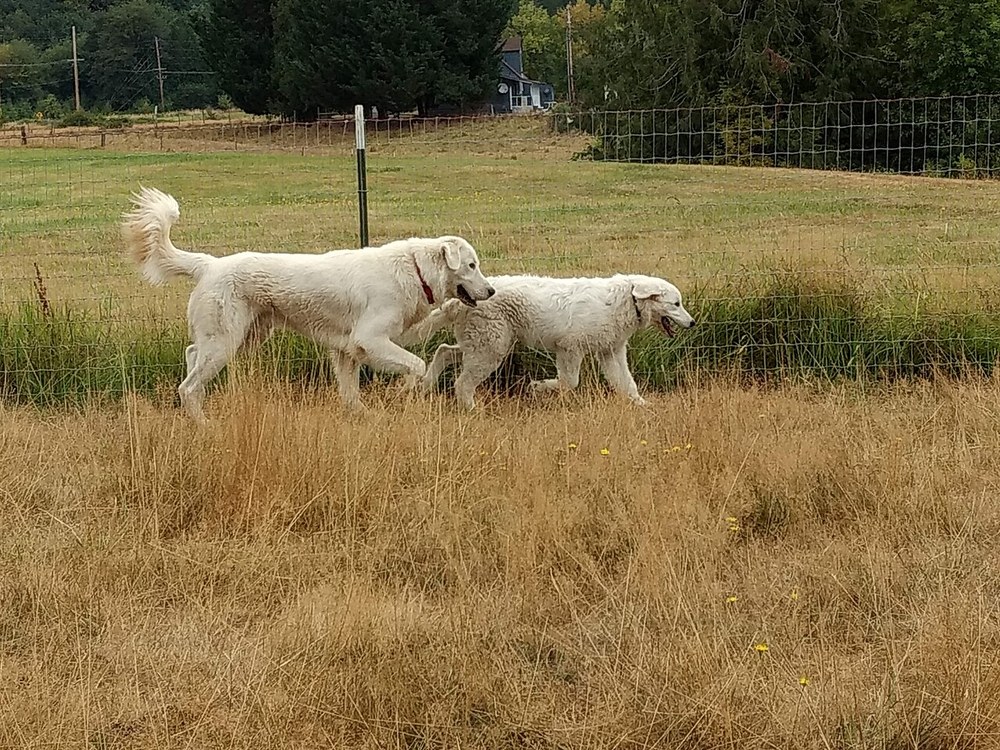
An adult and a young Maremma on patrol in Washington State: young dogs often learn the job by following an older guardian.
What the breed was bred for
Quiet by day, busy by night
In daylight many Maremmas rest, watch and save energy. They are gentle with the animals and people they know.
At dusk they become active. They walk the boundary, mark it and bark at anything that seems out of place. With good management the night watch stays short and the dog sleeps most of the night.
A good day has a slow walk, a look around its land and a closed door at night
An adult Maremma usually needs less exercise than people expect: a long walk on a line, time to check its own ground and a lot of rest. What it needs more than miles is space and a sense of order. Problems grow when the dog spends evenings alone outside with a view of the road.
Morning · walk
Long line, slow pace
Let the dog sniff and look rather than run laps. In woods and fields keep a long line clipped on: a Maremma that hears sheep or smells a fox may head off to check and stay away for hours.
On farms, Maremma puppies are raised near sheep, goats or poultry so they bond with them. A family dog bonds with the household instead. Either way, the bond is built slowly, with calm time together, not with commands.
Fit a parcel box outside the fence and keep the dog away from the gate when people are due. Friends who visit often can toss food on the ground and ignore the dog until it comes to them.
A guardian saves energy in the day. Do not worry that it seems lazy; give it a cool, shaded spot with a view of the house rather than the street, so it can rest without watching traffic.
At dusk walk the boundary with the dog, then bring it in or shut it in the barn with its animals. A dog left to guard an open garden all night will bark at every fox, car and cat.
General awareness only. I am not a veterinarian. With a Maremma, owners often notice trouble first as stiffness, a change in gait, matted or hot skin under the thick coat or a dog that becomes grumpy about being touched. For red flags, leave this page and open
when to call the vet.
Joints and growth
A big, slow-maturing dog; ask your vet about exercise for a puppy. A limp needs a vet. See limping stop list.
Coat and undercoat
Brush weekly, and use a rake during the heavy shed; check the ears, armpits and back legs for mats.
Heat and shade
Shade and water in summer, and walks in the cool hours. Do not shave the coat without asking your vet or groomer.
Get the puppy used to being touched, lifted and examined, and to wearing a muzzle comfortably.
Ask the breeder
Ask which screenings the national breed club recommends for the parents and see the results. Do not invent disease claims from a blog.
Lines and types
Working guardians and pet Maremmas come from the same instinct
No bloodline selling. Many Maremmas are bred from working farm dogs; others come from show breeders. Both guard by instinct. Ask where the parents live and what they do, and meet them on their own ground. Rescue Maremmas from farms are common in Australia and the UK and often need a rural home.
Farm and smallholding homes
Raised with the stock from puppyhood.
Secure perimeter fencing.
An older dog to learn from, if possible.
Neighbours far enough away.
Suits keepers of sheep, goats, alpacas or poultry who want a guardian that works without being told.
Rural family homes
Large fenced land, not a small yard.
Family as the "flock".
Night routine indoors.
Few visitors, well managed.
Suits a calm, experienced family in the country that is fine with a dog that does not follow every cue.
Socialization windows
What to introduce — and what not to overload — by age
AVSAB-aligned in spirit: short, clean exposures at a distance the puppy can still eat,
with hygiene while vaccines finish. See the
puppy socialization schedule.
2–4 months
Bonding and first meetings
Introduce: calm time with family or stock, friendly visitors, gentle handling, toilet routine.
Do not overload: rough play with lambs or chickens, long walks, being left outside alone at night.
~6 months
Clumsy and curious
Introduce: long-line walks, recall games, a bed cue, many quiet new places.
Do not overload: off-lead freedom in open country, chasing the animals it should guard.
~12 months
First night watches
Introduce: evening routine indoors, short meetings with new people, fence checks together.
Do not overload: letting it bark at the road for hours, punishing every warning bark.
~18–36 months
A slow-growing adult
Introduce: steady routines, more time with the animals if it works, calm visitors.
Do not overload: calling normal wariness aggression, or ignoring real growls.
~3 years+
Maintenance
Introduce: daily walks, regular handling, coat care, yearly vet checks.
Do not overload: stopping contact with new people.
Before you buy
Who a Maremma Sheepdog usually fits
Fit depends on space, what the dog will guard, how close your neighbours are and whether you can be happy with a dog that cooperates on its own terms.
Good match
More likely a good fit if you…
You live rurally with land and a solid fence
You keep animals that need a guardian
You can accept barking at dusk and at night
You want a calm, independent dog, not a playmate
You have handled large, strong-willed breeds before
Mismatch risk
A Maremma Sheepdog may be a poor choice if…
You live in a suburb with close neighbours
You want a dog that loves every visitor
You want long off-lead runs and fetch
You need a dog that obeys at once
The dog would be left alone all day with nothing to guard
If you are torn between breeds
Maremma Sheepdog vs Great Pyrenees and Anatolian Shepherd Dog
These are three classic flock guardians. The Great Pyrenees is usually the most relaxed with people, the Anatolian the most territorial and the Maremma is the lighter, very independent Italian, often preferred as a working guardian in Australia and the UK.
Origin
Maremma Sheepdog
Central Italy, Maremma and Abruzzo.
Great Pyrenees
Pyrenees mountains between France and Spain.
Size
Maremma Sheepdog
Large but lighter, about 30–45 kg.
Anatolian Shepherd Dog
Heavier and taller in many lines.
Coat
Maremma Sheepdog
Long, harsh white coat.
Great Pyrenees
Thick white coat, often heavier.
Night
Maremma Sheepdog
Barks on patrol after dark.
Both compares
All three are night barkers by design.
Ownership without surprises
Where a Maremma Sheepdog owner’s budget goes
Costs depend on country, city and your choices. These are themes to plan for, not quotes.
Fencing
Tall, climb-resistant fencing with a dig barrier, and gates that close on their own.
Veterinary
Annual vet visits, the vaccines your vet recommends and the health tests the breed club recommends.
Training help
Puppy class and a trainer who understands guardian breeds.
Food
A large dog, though often a modest eater for its size.
Coat care
An undercoat rake, a slicker brush and possibly a professional groomer twice a year.
Good fencing and a sensible night routine prevent most complaints from neighbours and most lost-dog searches.
Before day one at home
What to prepare for a Maremma Sheepdog puppy
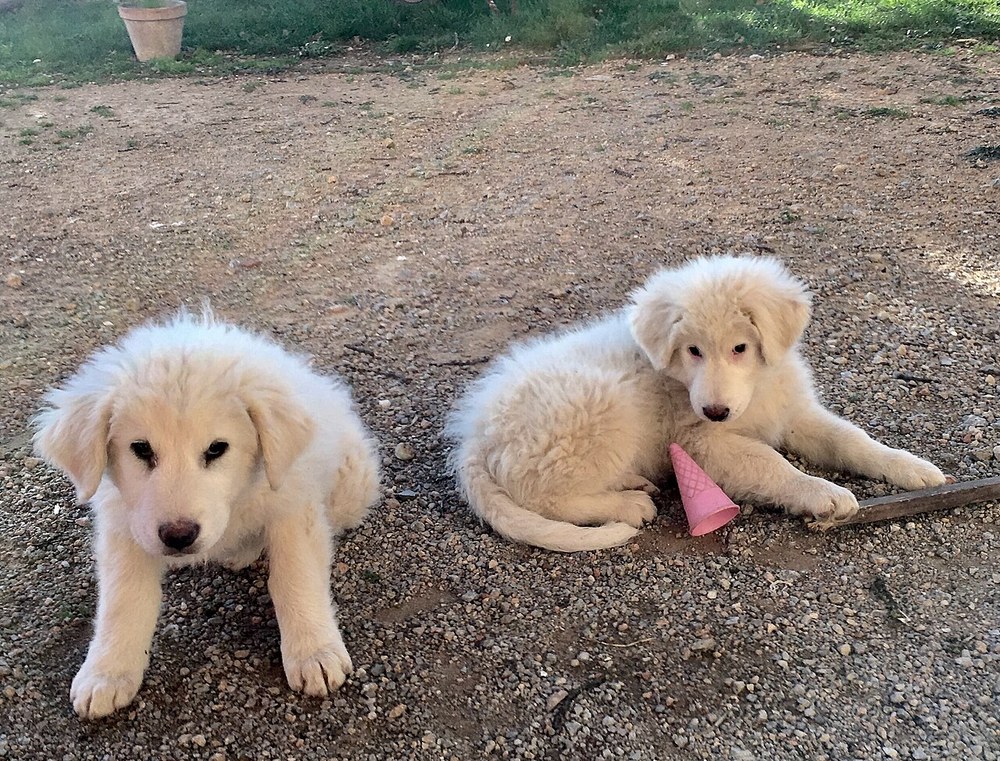
A Maremma puppy is soft, sleepy and curious, and it grows into a guardian more slowly than you expect. Decide early whether it will bond with animals or with your family, and set up the home for that.
Training a Maremma means a few solid skills, not a long list of tricks
Focus on five skills that keep life safe: coming back on a long line, waiting at gates, lying on a bed while people come in, leaving animals or food when asked, and walking on a loose lead.
Maremmas learn quickly but see little point in repeating things. Train in short, quiet sessions with good food, and stop early. Shouting or harsh corrections make a guardian dog wary of you, and a wary guardian is harder to live with.
Accept that some things will not change. The dog will watch the boundary and bark at night. Your job is to make that watch shorter and calmer, not to turn it off.
Load balance
Sniffing and calm routine before training
Go gently with puppies, older dogs and hot weather. A limp, stiffness or a sudden change in temper means a vet visit before more training.
Slow walkCheck the landShort lessonShade and restNight inside
For this breed, quiet time watching its own ground settles the dog far better than a long run.
A Maremma with a small, clear area to watch barks much less than one asked to guard the whole street.
Long-line recall
How to build a recall with a Maremma
Clip on a long line, call once in a happy voice, reward with great food when the dog arrives, let it go back to sniffing, and repeat a few times on each walk without ever calling it away from something it will not leave.
01
Line on
Clip a long line on in any open area.
02
Call once
Say the dog's name and your recall word once, in a happy voice.
03
Big reward
Give great food the moment the dog reaches you.
04
Let it go back
Release the dog to sniff again, so coming back costs it nothing.
05
Only easy calls
Do not call while the dog is fixed on something it will not leave; walk over instead.
One scene close-up
Why a Maremma does not come straight back
A guardian dog was bred to stay with its flock and decide for itself when to move. A shepherd did not call it to heel; he trusted it to stay put. That is why many Maremmas look at you, think about it and then go on with what they were doing.
You can build a useful recall with food and practice, but treat it as a bonus. Keep the dog on a long line in open land, call only when you can win, and reward every return well. Off-lead time belongs in a fully fenced area.
A dog that will not settle, guards against the family or shows sudden aggression needs a qualified professional; a vet check helps rule out pain.
“With a Maremma I start with the question of what it is guarding and how much space it has. Give it a clear, smaller job, close the day indoors and build a few reliable skills with food. Then it can be the calm, gentle guardian it was bred to be.”
We work on what your days look like: nights, the fence, visitors, walks, other dogs and animals. I am a trainer, not a veterinarian.
Andrew DarovProfessional dog trainer and instructor
Write down the dog's age, what it has to guard, where it spends the night and the first thing that goes wrong: barking, escaping, visitors, recall or animals. Opens WhatsApp to Andrew.
Only in the right setting. Many are gentle with their family, but they are guardians first. A rural home with land suits them much better than a suburban house.
Is a Maremma a good first dog?+
Usually not. It is large, independent and protective, and it barks at night. A first-time owner would need land, good fencing and trainer support.
Do Maremmas bark a lot?+
Yes, especially at dusk and at night, as part of guarding. A night routine indoors and less view of the road help.
Can a Maremma be let off lead?+
Rarely, outside fully fenced land. Most will roam to check their area. Use a long line on walks.
Maremma vs Great Pyrenees: what is the difference?+
Both are white flock guardians. The Great Pyrenees is usually heavier and often more relaxed with people; the Maremma is lighter and very independent.
Maremma vs Anatolian Shepherd Dog: what is the difference?+
The Anatolian is often bigger and more territorial, with a short coat in many colours. The Maremma is white with a long, harsh coat.
How much exercise does a Maremma need?+
Less running than many big dogs: a daily walk on a line and time on its own land. Space matters more than miles.
Are Maremmas good with other animals?+
Raised with them, many are gentle with sheep, goats, poultry and family pets. Strange dogs on their land are another matter.
Do Maremmas shed?+
Yes, heavily once or twice a year, and steadily the rest of the time. Brush weekly and use an undercoat rake in season.
Can a Maremma live in a town house?+
It is hard. Close neighbours, passing people and small yards keep the dog on duty all the time. Most do far better in the country.
What health themes should I ask about?+
Ask the breeder which screenings the national breed club recommends for the parents and see the results. Tell your vet the breed. This is general awareness, not a diagnosis.
How long do Maremmas live?+
Public breed references often give about 11–13 years. Individual dogs vary.
If a Maremma Sheepdog sounds like too much guardian for your home
People fall for the white coat and the gentle face. The night barking, the need for space and the independent mind are what to be honest about first.
A calm, loyal Italian giant with heavy folds: loving at home, watchful with strangers. Needs early lead manners, managed visitors, short cool walks and patient training.
Teach your dog to sit to greet people instead of jumping: practise with family, reward the sit, and ask guests to step back if the dog jumps. Step by step.
What to expect from an adolescent dog at 6–12 months: why skills seem to slip, sleep and exercise balance, and how to adjust training.
Need a read on your exact situation?
Send me a few lines about your Maremma: its age, what it guards, where it sleeps and what goes wrong first. We rule out health and safety issues first, then pick one skill to start with.