Portuguese Water Dog: temperament, training & water retrieve
The Portuguese Water Dog is an athletic, curly-coated working dog from the Portuguese coast, bred to help fishermen in the water. Most are energetic, affectionate and eager to learn. Life goes well with daily exercise, training, coat care and safe swimming.
Job: Portuguese fisherman’s dog — swimmer and retriever.
Energy: High; daily exercise, training and swimming.
Home: Best with active owners and regular coat trims.
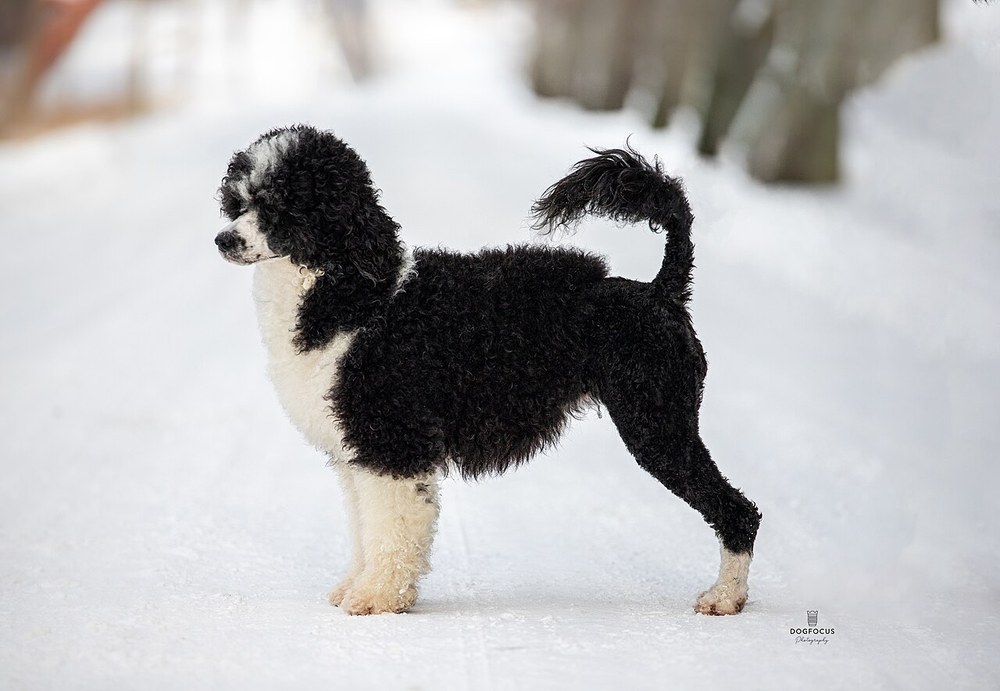
Curly or wavy coat — little visible shedding; regular trims
Job
Portuguese fisherman’s dog
Breed history
Why the Portuguese Water Dog was built to work on fishing boats
History does not decide what one puppy becomes, but it explains a lot: most PWDs are energetic, athletic and people-focused swimmers — a working breed that needs a job, not just a cute curly coat.
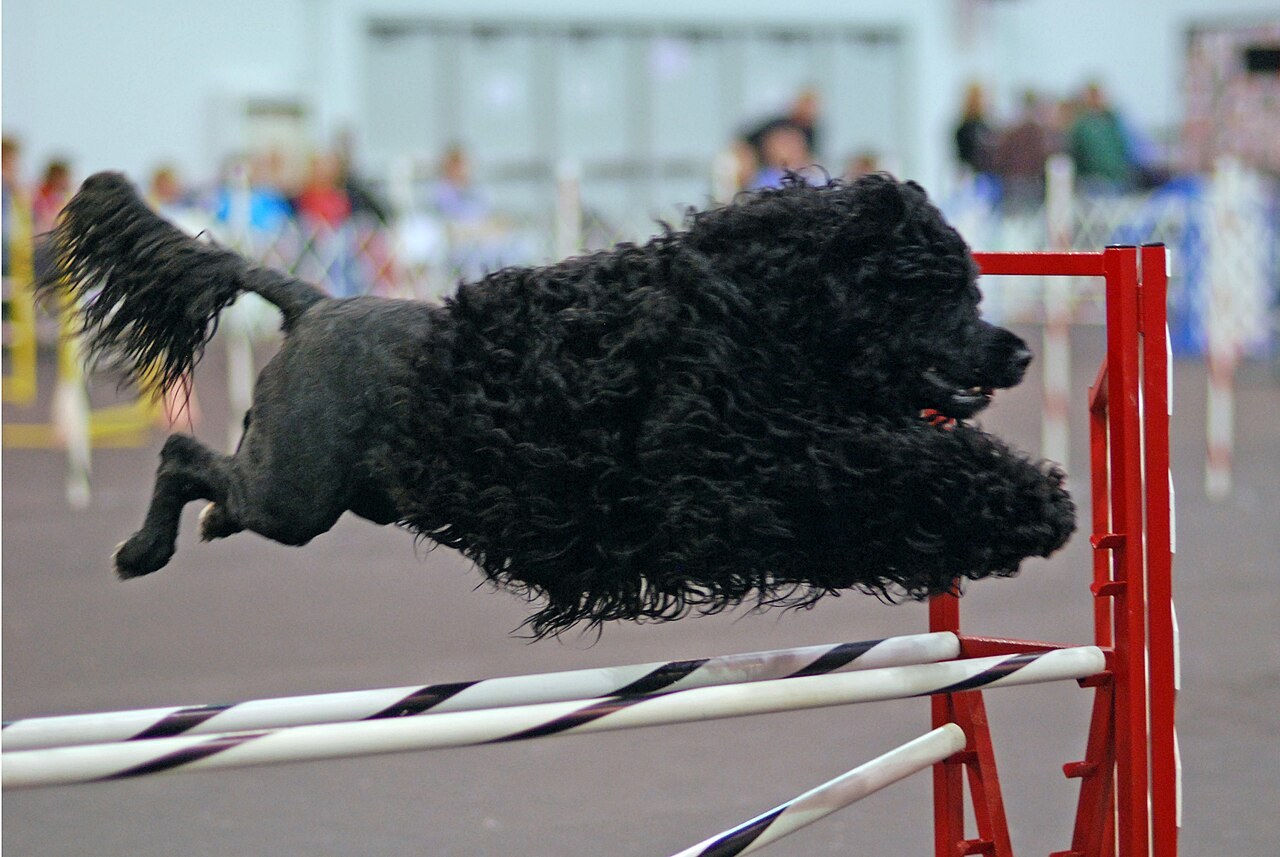
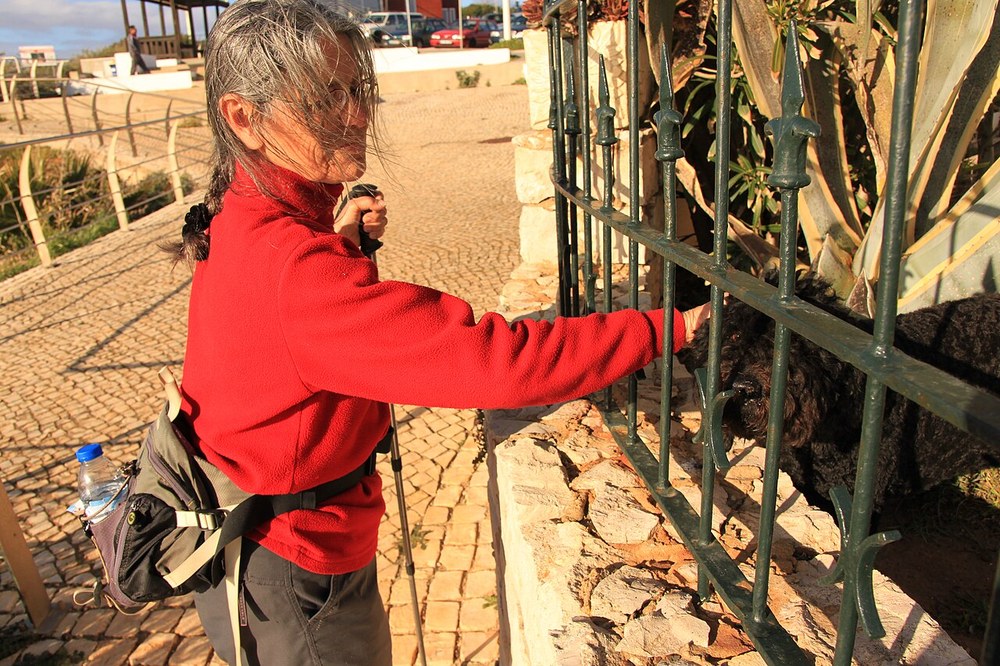
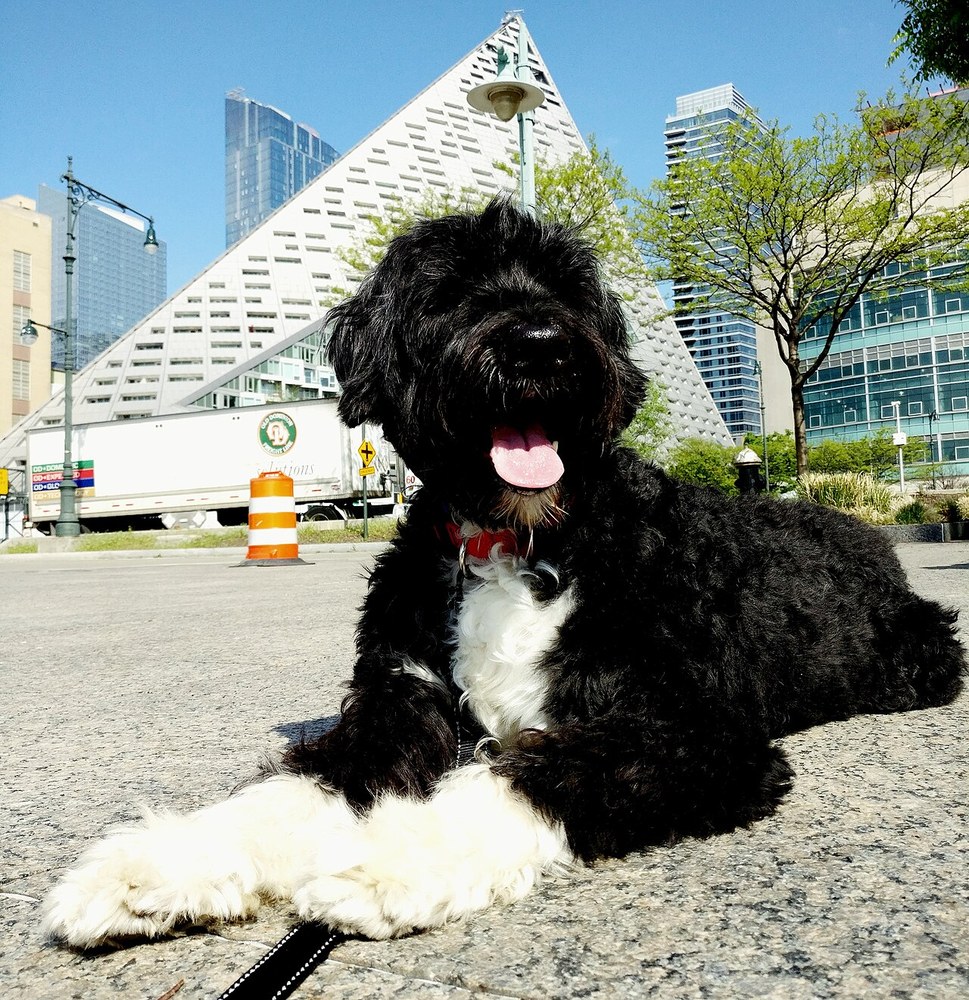
A Portuguese Water Dog, or Cão de Água Português (modern photograph).
Portuguese coast → fisherman’s dog
A crew member that could swim
Public breed histories describe dogs that lived on fishing boats along the Portuguese coast, especially in the Algarve. They herded fish toward nets, retrieved lost gear from the water and carried messages between boats and shore.
The work needed stamina, a love of water and a dog that cooperated closely with people. Today that shows up as energy, mouthiness, strong attachment and a need for daily activity.
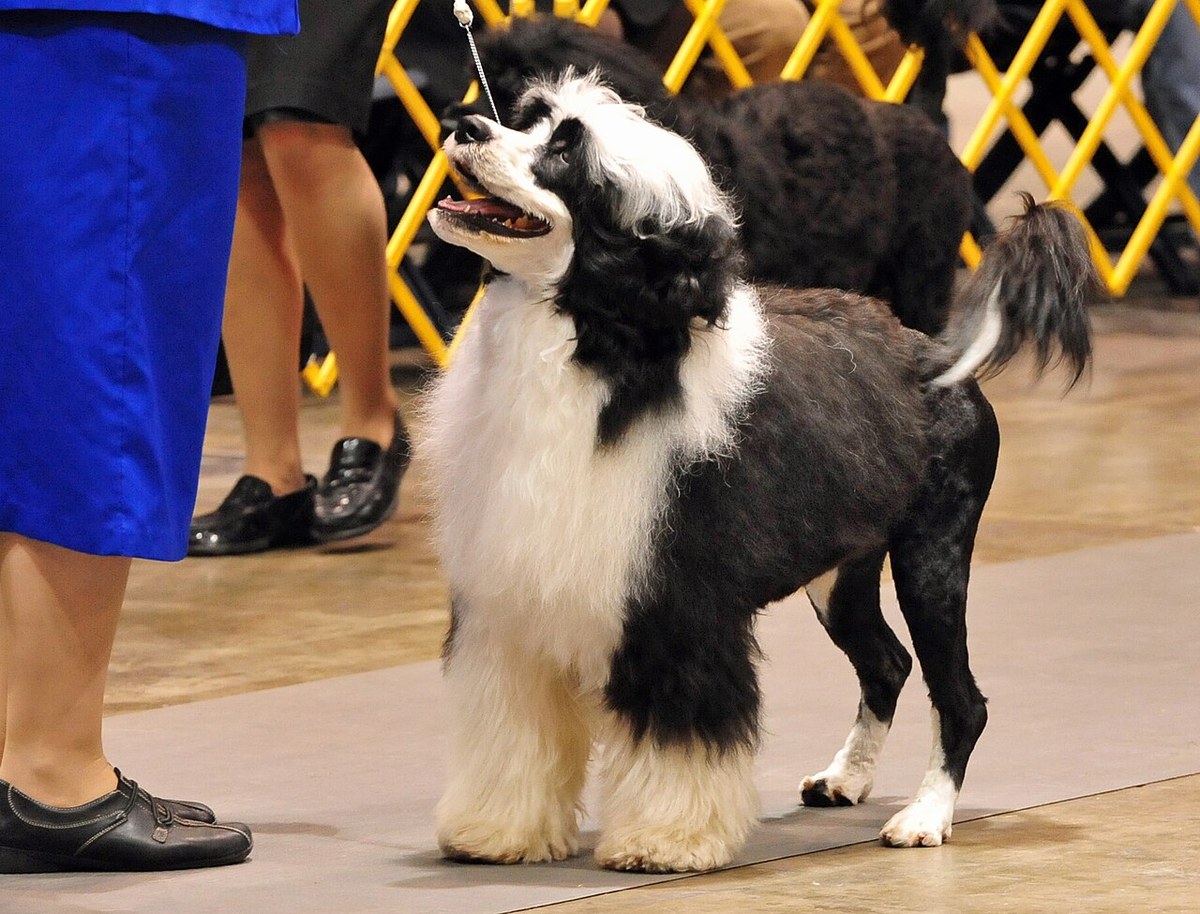
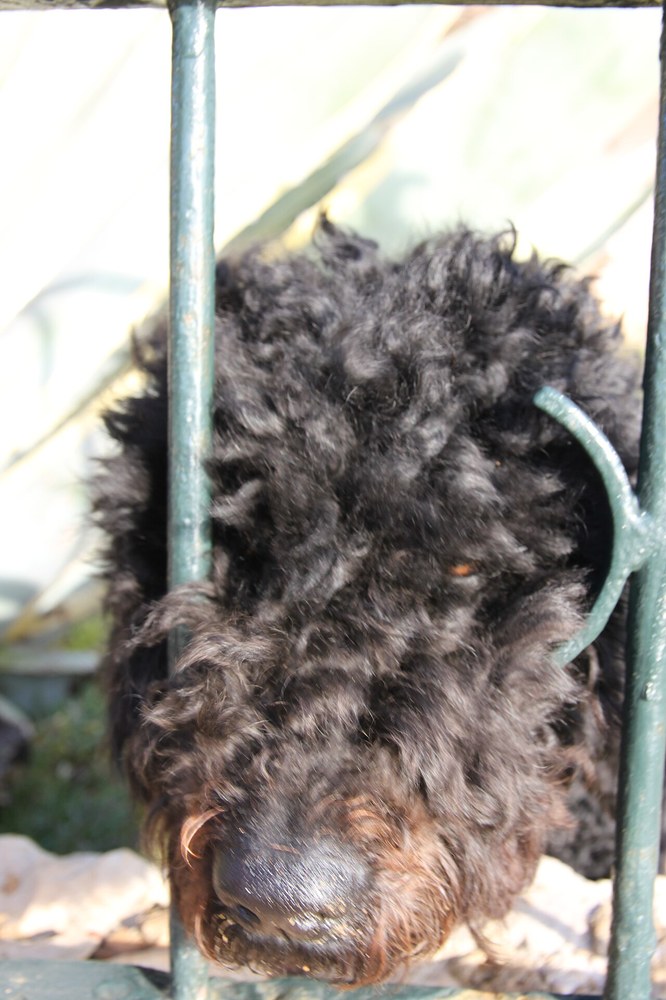
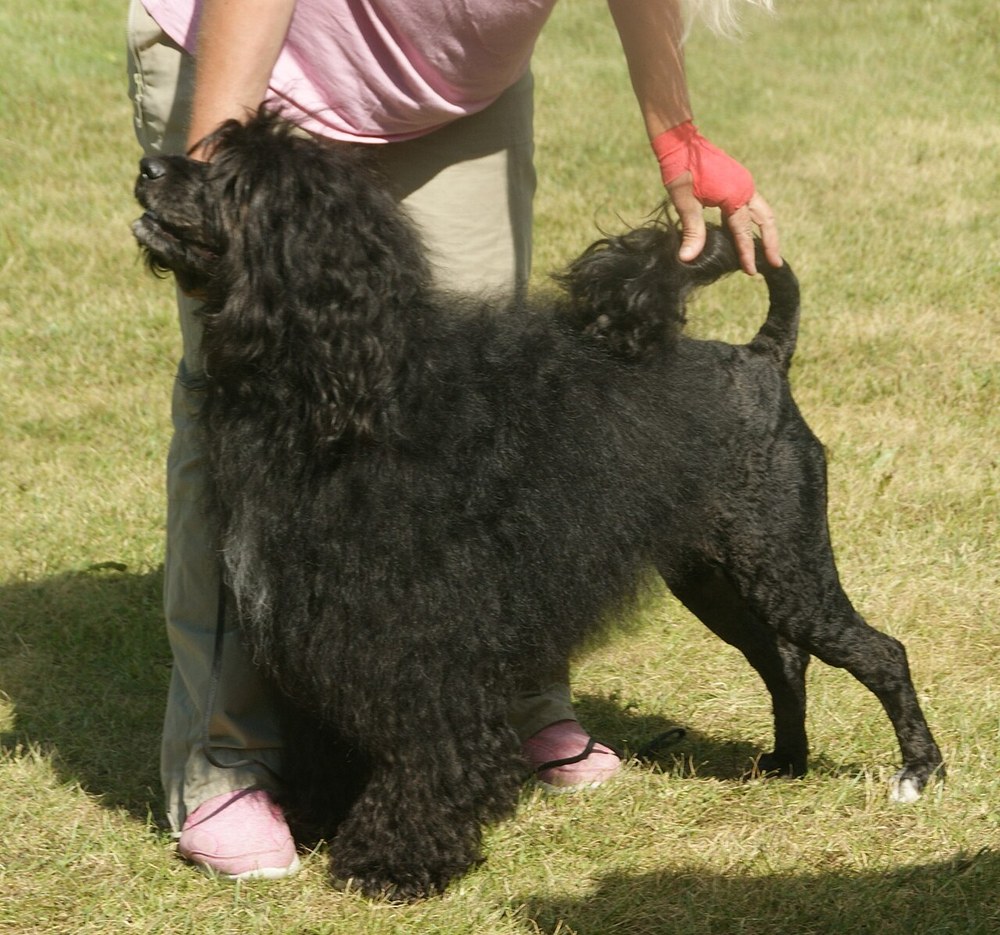
A Portuguese Water Dog (modern photograph).
Near loss → revival → worldwide fame
Saved by one enthusiast, made famous by a family
As fishing modernised, the breed nearly disappeared. In the 1930s the Portuguese shipping businessman Vasco Bensaude began collecting and breeding the remaining dogs, laying the foundation for the modern breed.
The breed reached a wide audience when US President Barack Obama’s family adopted Portuguese Water Dogs. Popularity is not a temperament guide — meet the parents and see their energy level.
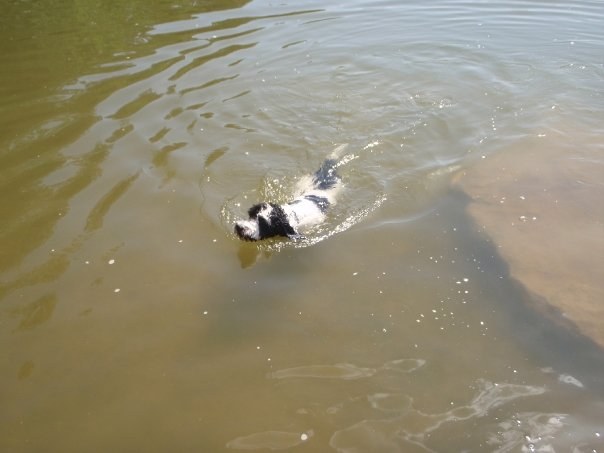
A Portuguese Water Dog swimming in a river (modern photograph). Water work is still the breed’s favourite job.
What the breed was bred for
Energy, intelligence and a love of water
In plain trainer language: PWDs were selected to work hard, swim well and stay close to people. They learn quickly, enjoy training and get bored without exercise and mental work.
The challenges are energy, mouthiness, jumping and coat care. Daily activity and training keep a PWD happy.
Ask the breeder which screenings the national breed club recommends and see results for both parents.
Water safety
Strong swimmers still tire. Watch currents and supervise in open water.
Toxins
I do not publish toxin amounts. Call a vet or poison-control line if the dog eats something dangerous.
Lines and types
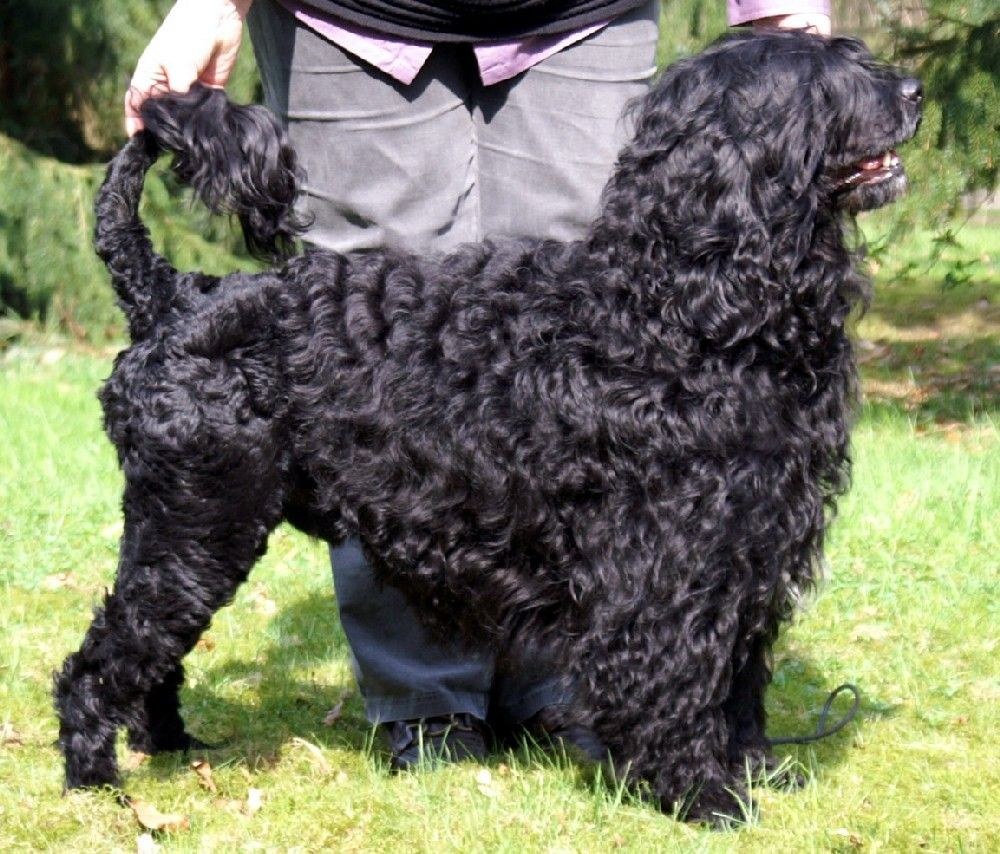
Curly or wavy coat, lion or retriever clip
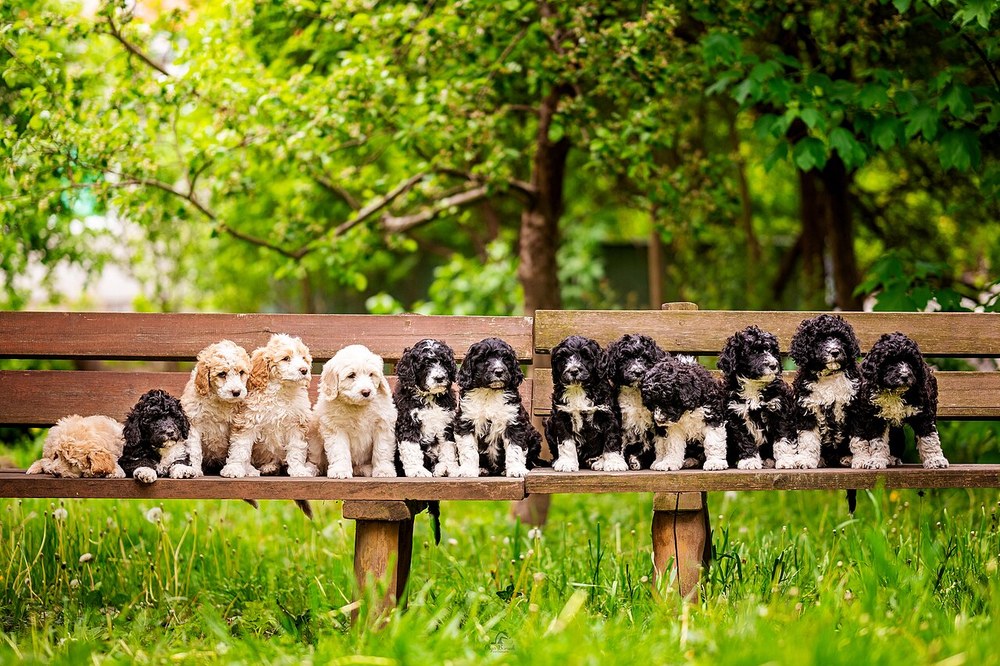
The breed has two coat types and two traditional clips. Coat type does not change temperament.
Lion clip
Hindquarters and muzzle clipped, rest of the coat left long.
Traditional working clip.
Needs regular professional trimming.
Common in show dogs.
Suits owners who enjoy the traditional look and grooming.
Retriever clip
Coat trimmed evenly short.
Easier to maintain.
Popular for pets.
Still needs regular trims.
Suits busy, active families.
Socialization windows
What to introduce — and what not to overload — by age
AVSAB-aligned in spirit: short, clean exposures at a distance the puppy can still eat,
with hygiene while vaccines finish. See the
puppy socialization schedule.
2–4 months
Handling and routine
Introduce: family, grooming, crate, short car trips, calm visitors.
Do not overload: rough play, jumping rewarded.
~6 months
Focus and manners
Introduce: training games, sit for greetings, recall.
Do not overload: chaotic dog parks.
~12 months
Adolescent energy
Introduce: more structured exercise, swimming, dog sports basics.
Do not overload: boredom, long hours alone.
~18 months
Adult work
Introduce: water work, agility, longer walks.
Do not overload: hard exercise without fitness.
~24 months
Maintain routines
Introduce: refreshed recall, greeting and settle routines.
Do not overload: dropping training.
Before you buy
Who a Portuguese Water Dog usually fits
A PWD fits active families who want a sociable, trainable dog and will keep up with exercise and grooming.
Good match
More likely a good fit if you…
Enjoy daily exercise and training
Like swimming or live near water
Want a medium-sized, sturdy dog
Will groom or pay for regular trims
Are home often
Mismatch risk
A Portuguese Water Dog may be a poor choice if…
You want a calm, low-energy dog
Long hours alone are routine
Grooming feels like a chore
Jumping and mouthing would be a problem
You expect a dog with no exercise needs
If you are torn between breeds
Portuguese Water Dog vs Poodle and Labrador Retriever
PWDs are compared with Poodles for coat and with Labradors for water work.
Coat
Portuguese Water Dog
Curly or wavy, low-shedding.
Poodle
Curly, low-shedding coat too.
Origin
Portuguese Water Dog
Portuguese fisherman’s dog.
Labrador Retriever
Canadian/British retriever.
Energy
Portuguese Water Dog
High and athletic.
Poodle
Standard Poodles are similarly active.
Water
Portuguese Water Dog
Strong swimmer.
Labrador Retriever
Also loves water.
Training
Portuguese Water Dog
Clever and eager.
Both compares
Poodles and Labs are similarly trainable.
Ownership without surprises
Where a Portuguese Water Dog owner’s budget goes
Costs depend on your area and breeder. Plan for these — not quotes.
Grooming
Professional trims every few weeks.
Exercise time
Daily activity and training.
Food
Medium-sized, active dog.
Veterinary care
Ask which screenings the national breed club recommends.
Training
Classes and possibly dog sports.
Gear
Life jacket for boating, long line, toys.
With a PWD, grooming and exercise are the main costs.
Before day one at home
What to prepare for a Portuguese Water Dog puppy
A PWD puppy is bright, bouncy and mouthy. Start manners and grooming early.
“With a Portuguese Water Dog, I look at exercise and work before anything else. We give the dog a real job — swimming, retrieving, training games — and teach gentle mouths and calm greetings — because a fisherman’s dog without a task invents its own.”
Sessions cover real scenes: jumping and mouthing, recall near water, energy and boredom, grooming handling, and time alone. I am a trainer, not a veterinarian. No invented reviews.
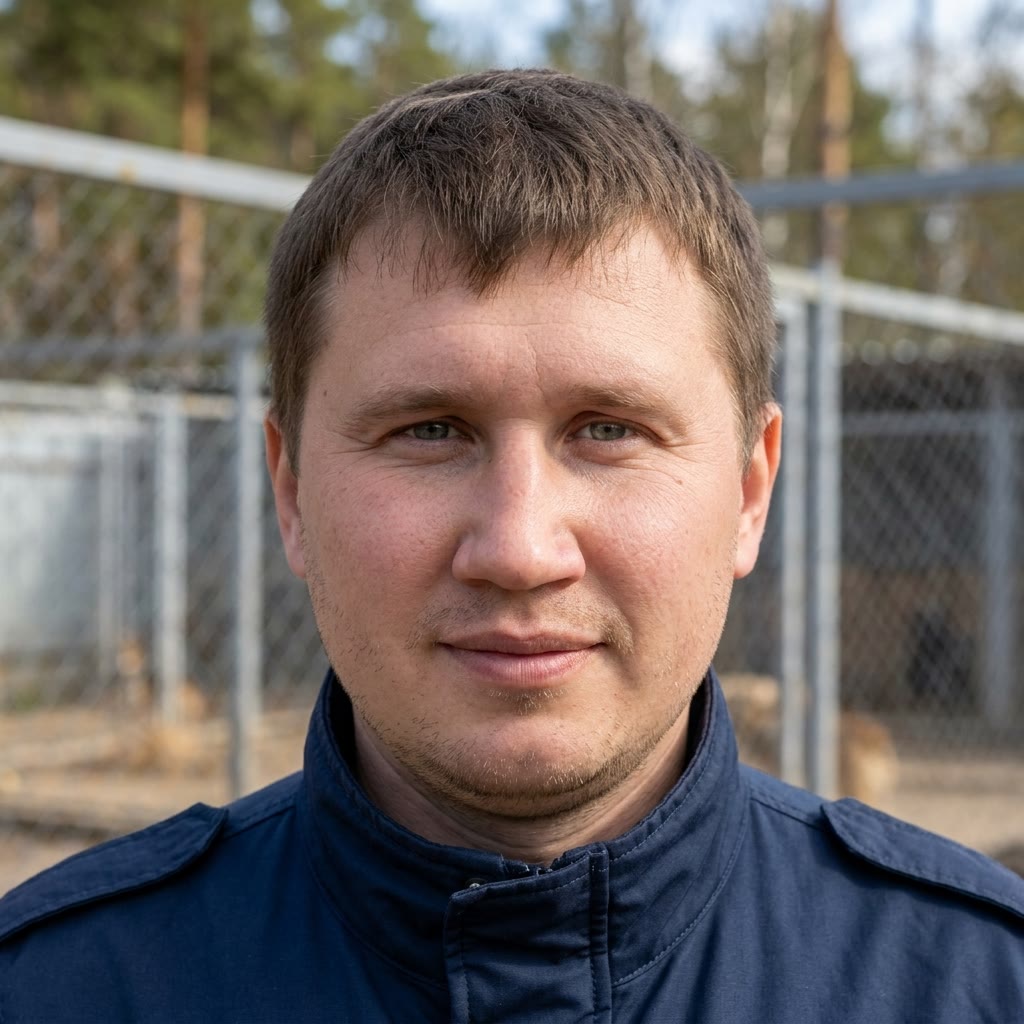
Andrew DarovProfessional dog trainer and instructor
A large, dignified Japanese breed that needs calm visitor routines, careful introductions to other dogs and an experienced owner.
Need a read on your exact situation?
Describe your Portuguese Water Dog’s age and the scene that repeats most: jumping and mouthing, too much energy, time alone, or grooming. We check safety first, then pick the first skill.
Written by Andrew Darov, professional dog trainer. Not veterinary advice and not a diagnosis.
Not a kennel club. No invented reviews. No vaccine schedules or toxin doses. Photo credits in
/images/breeds/portuguese-water-dog-guide/credits.md.