Great Pyrenees: temperament, training & livestock guardian
A Great Pyrenees is a large white livestock guardian from the mountains between France and Spain. Most are calm and gentle with family, watchful and vocal at night, wary of strangers, and independent enough to ignore cues that do not make sense to them. City life works with secure fencing, managed visitors, and patience with slow maturity.
Job: Pyrenean livestock guardian — calm and independent.
Energy: Moderate; patrols and watches more than it runs.
Home: Needs secure fencing, coat care and tolerance for night barking.
A Great Pyrenees is a calm livestock guardian that needs a quiet-at-night plan and secure fencing
Public breed histories describe a dog that lived with sheep and protected them from predators. The modern pet kept the calm, the protectiveness, and the independent judgement.
Training works, but motivation is different from herding or sporting breeds. The common problems are night barking, wandering, fence patrol, and caution with visitors.
From the first month, build two habits. First: something appears at the fence, the dog barks, then comes back to you for a reward. Second: visitors arrive while the dog watches from behind a gate, calm and rewarded.
Thick white double coat — sheds heavily; regular brushing
Job
Pyrenean livestock guardian
Breed history
Why the Great Pyrenees was built to guard flocks at night, on its own judgement
A puppy is more than its origin, but the origin explains the Pyr: calm by day, watchful and vocal at night, gentle with its family, wary of intruders, and famous for ignoring cues that do not make sense to it.
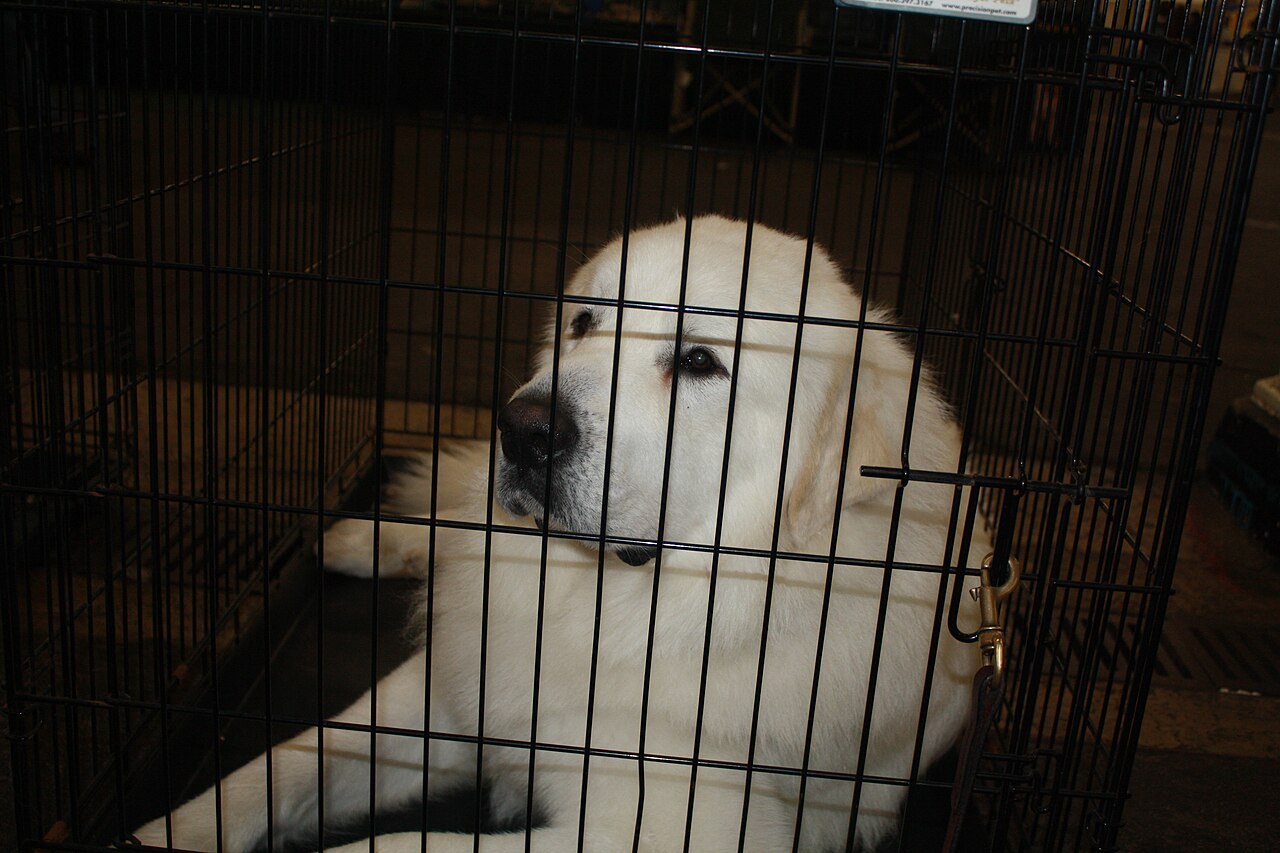
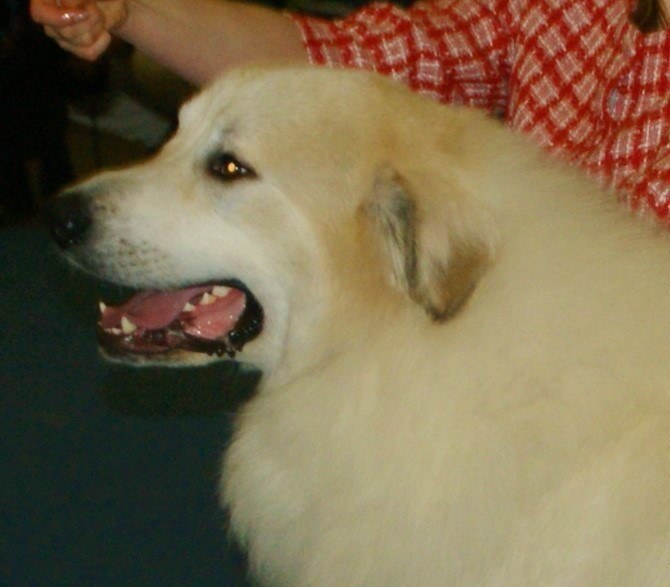
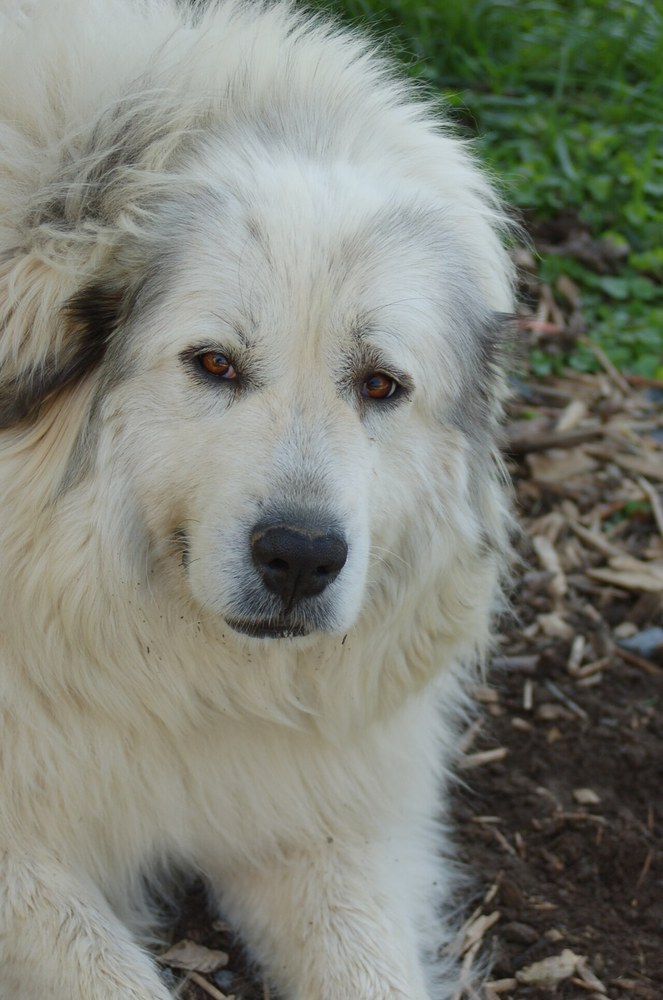
A three-year-old Great Pyrenees (modern photograph). Big, quiet, and watching the boundary.
Pyrenees mountains → livestock guardian
Living with the flock, not herding it
Public breed histories place the breed in the Pyrenees mountains between France and Spain, where large white dogs lived with sheep and protected them from predators such as wolves and bears. FCI calls it the Pyrenean Mountain Dog.
A livestock guardian is not a herding dog and not an obedience dog. It was selected to stay with the flock, assess threats, and act without waiting for a shepherd. That independence is still there in a suburban garden.
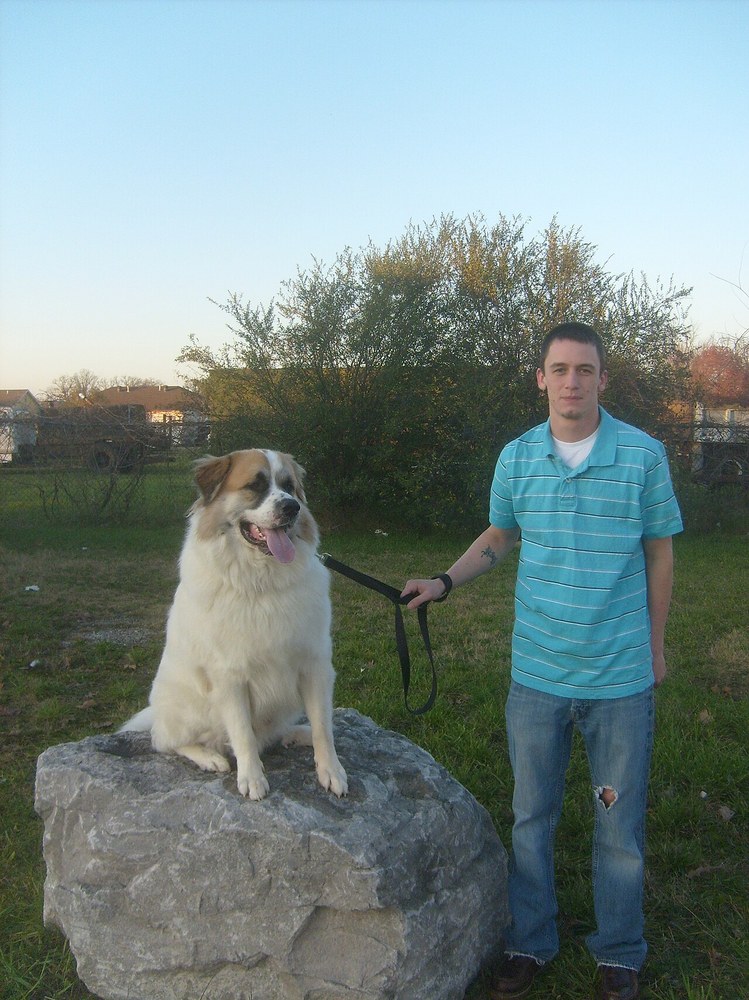
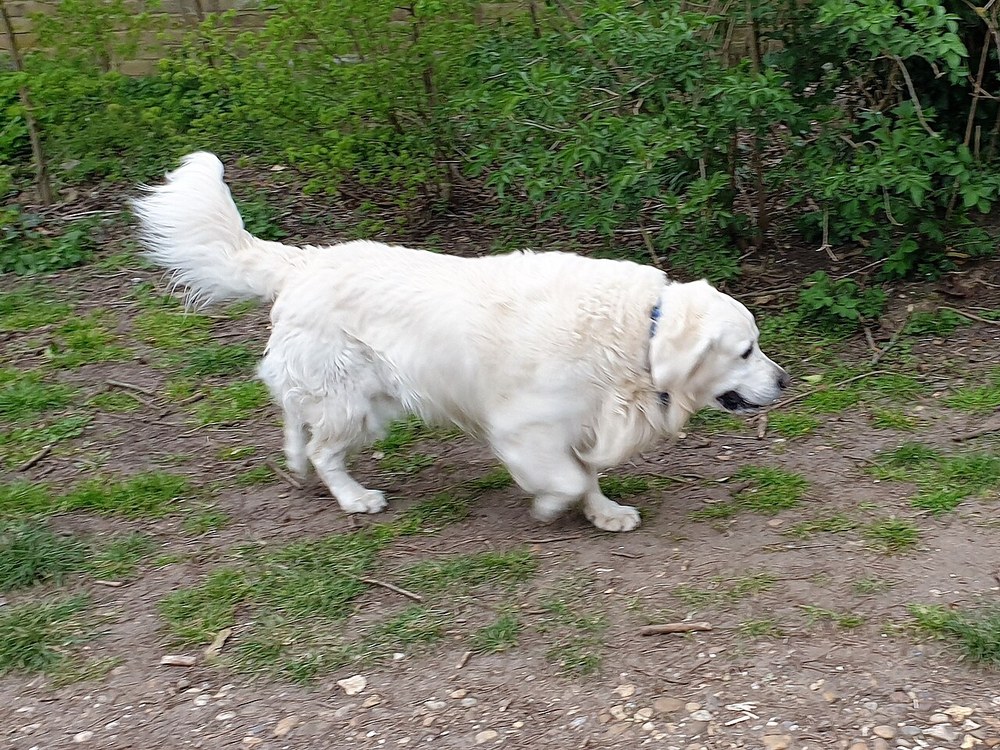
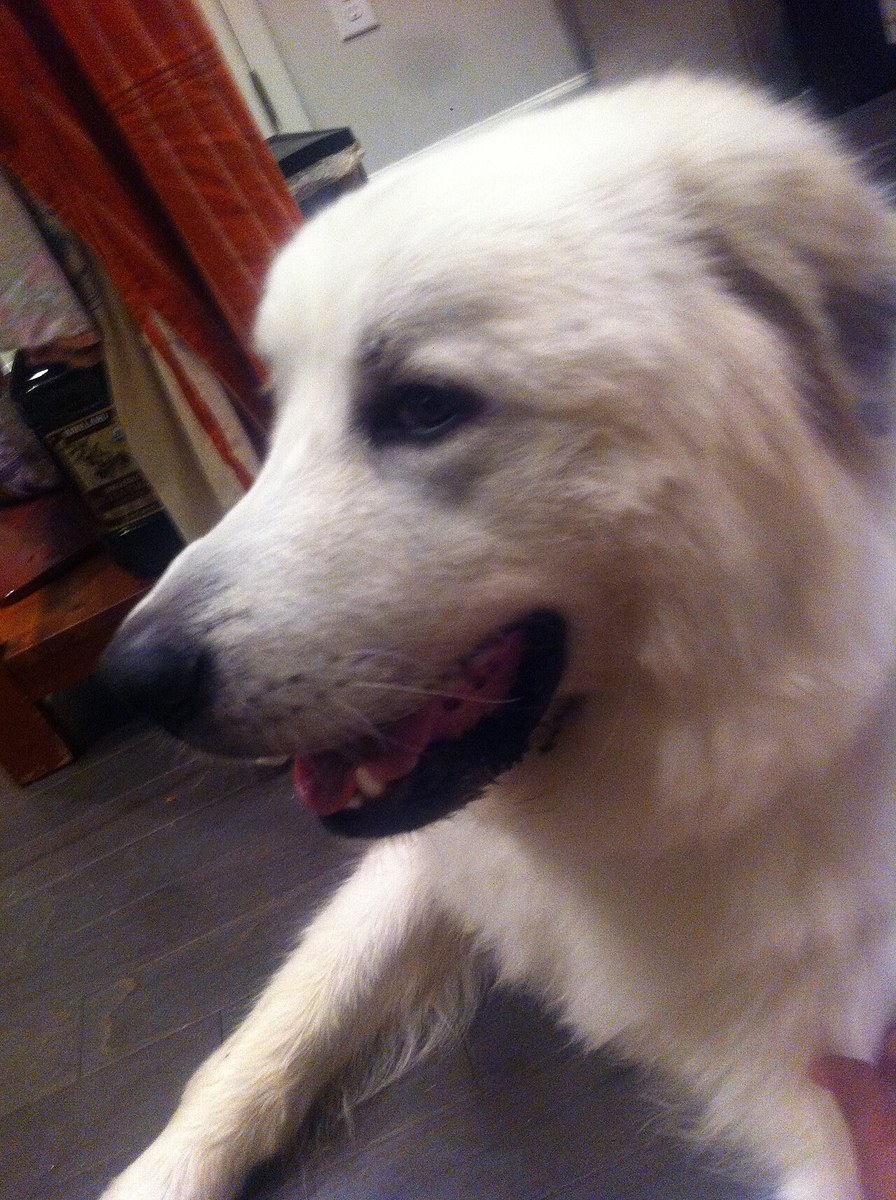
A young adult Great Pyrenees beside a six-foot man (modern photograph). Plan for this size before the puppy arrives.
French nobility → working farms → family homes
From mountain pastures to a royal fashion — and back to farms
Public breed lore records the breed becoming fashionable with the French court in the seventeenth century and later spreading to other countries. In North America many still work as livestock guardians on farms and ranches.
In family homes the guardian job does not disappear. It turns into patrolling the fence, barking at night, and deciding which visitors are acceptable.
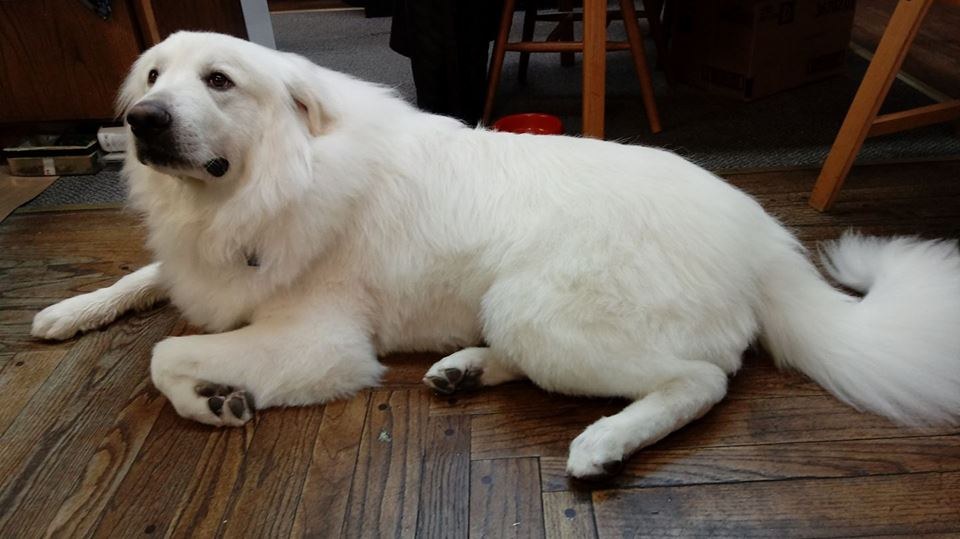
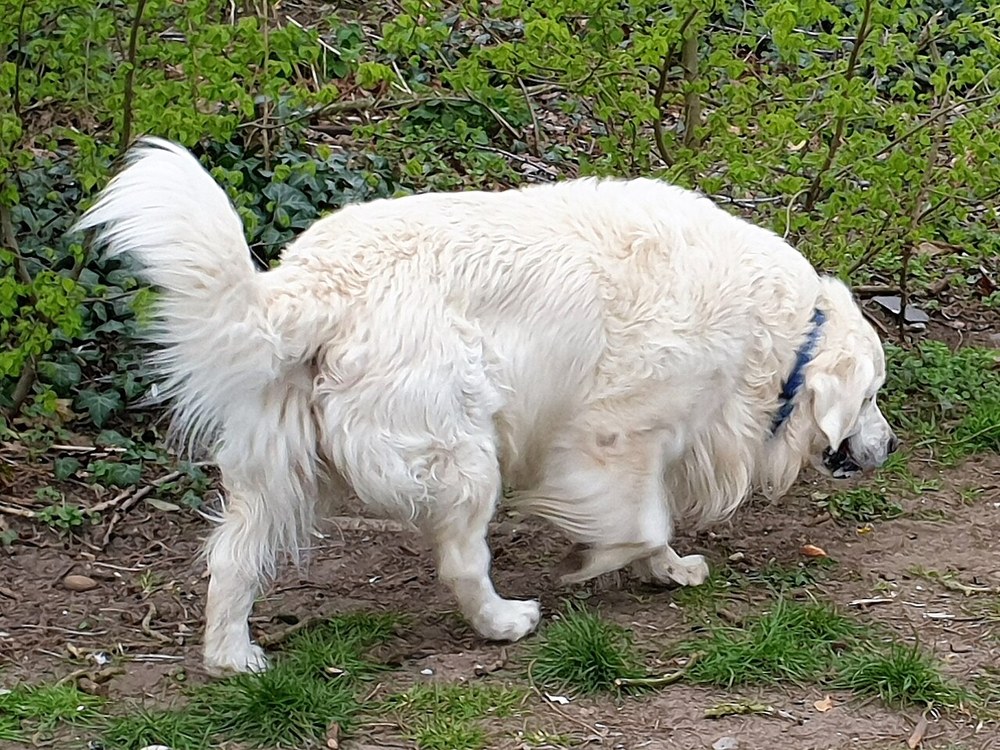
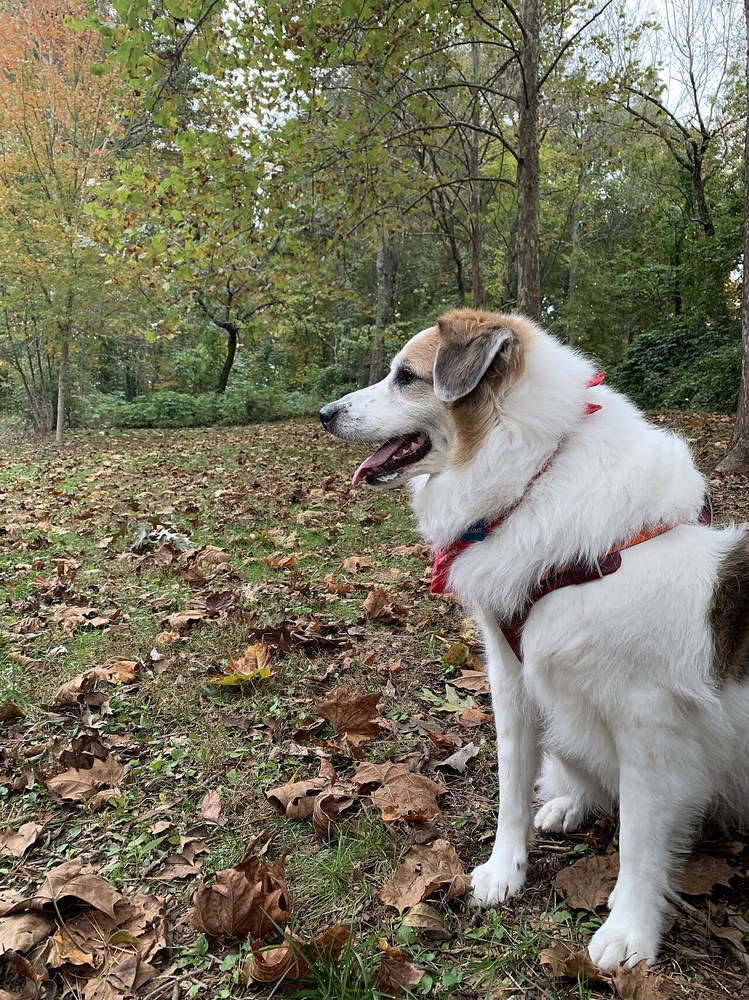
Adult Great Pyrenees (modern photograph). The white, weather-resistant coat helped shepherds tell dog from wolf.
What the breed was bred for
Patience, protectiveness, and independent judgement
In plain trainer language: the type was selected to be calm with its charges, alert to threats, and self-directed. That is why a Pyr with a secure fence and a steady routine is a gentle family giant — and why one without boundaries wanders off to guard the whole neighbourhood.
Training works, but motivation is different. Short sessions, good food, and practical cues (wait, come, place, leave it) matter more than precision obedience. Expect slow maturity.
Secure, tall fencing; off-lead in open areas is rarely safe
Night barking is part of the job — plan where the dog sleeps
A day is a calm patrol, secure boundaries, and a giant that has learned to let you answer the door
In a city or suburb the Pyr’s guardian past shows up as barking at night, fence patrol, wandering if a gate is open, and caution with strangers. Most adults are quiet and gentle indoors. The work is managing the boundary so the dog does not have to.
Morning · first outing
A slow, sniffy walk on lead
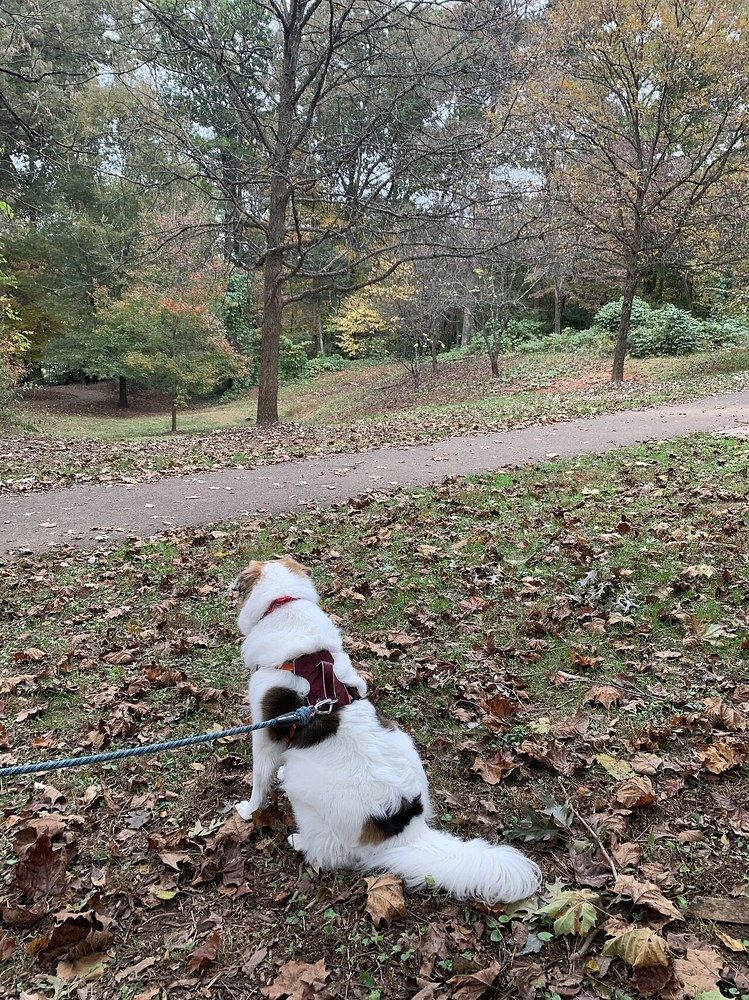
Most adult Pyrs prefer a steady walk to a run. Keep it on lead: a guardian that spots something interesting may simply walk away to check it.
Pyrs are known for barking at night and testing fences. A secure fence, no unsupervised garden time at night, and an indoor sleeping place reduce problems with neighbours.
What to watch monthly: white coat, weight, growth, and nails
General awareness only. I am not a veterinarian. Early signals are changes in appetite, coat, movement, or energy. For red flags, leave this page and open
when to call the vet.
Weather-resistant double coat
The coat sheds dirt surprisingly well but drops a lot of undercoat, especially seasonally. Brush weekly to the skin and more during sheds. Shaving is not a cooling plan.
Rear dewclaws and nails
The breed standard calls for double dewclaws on the hind legs. Check and trim them along with the other nails; they do not wear down on the ground.
Growth and weight
Large puppies grow for a long time. Keep them lean, avoid forced long runs while growing, and ask your vet about feeding a large-breed puppy. See walk length by age.
Health screening (not a diagnosis)
Ask the breeder which health screenings the national breed club recommends and read both parents’ results. A breed page cannot diagnose your dog; your veterinarian can.
Heat and a mountain coat
In summer, offer shade, water, and walks at cool hours. Heavy panting that will not settle, weakness, or collapse is an emergency.
Toxins
I do not publish toxin amounts. If the dog ate something dangerous, call a veterinarian or a poison-control line; the footer lists public numbers.
Lines and types
Working guardian and companion Pyrs share the same instincts
Some Great Pyrenees are bred to guard livestock on farms, others for show and family homes. Size and coat vary. Guarding, barking, and independence are present in both.
Working livestock-guardian families
Raised with livestock and often bonded to animals rather than people.
Strong guarding and roaming instincts.
Not ideal for small gardens or busy streets.
Ask how the parents live and work.
Fits a farm or smallholding that needs a guardian for livestock.
Show / companion families
Raised in homes and often more people-focused.
Still guard, bark at night, and test fences.
Need secure fencing and managed visitors.
Meet the parents at home with a stranger present.
Fits a household with a secure garden, patient neighbours, and time to manage a large guardian.
Socialization windows
What to introduce — and what not to overload — by age
AVSAB-aligned in spirit: short, clean exposures at a distance the puppy can still eat,
with hygiene while vaccines finish. See the
puppy socialization schedule.
2–4 months
Home, handling, and boundaries
Introduce: family routines, gentle handling, a crate or pen, calm visitors, a secure garden from day one.
Do not overload: unsupervised garden time, forced greetings, leaving the puppy outside at night.
~6 months
Calm guarding, not constant patrol
Introduce: a recall to you after a bark, loose-lead practice, visitors introduced from behind a gate.
Do not overload: letting the puppy run the fence line, off-lead walks, punishing every bark.
~12 months
Adolescent guardian
Introduce: an indoor sleeping place, more practice with visitors, short training sessions with good food.
Do not overload: night barking in the garden, weak fencing, rough play with children.
~18 months
Adult judgement
Introduce: calm walks in new places, managed meetings with dogs, regular nail and dewclaw care.
Do not overload: expecting obedience-breed responsiveness, letting the dog decide who comes in.
~24 months
Maintain the boundary
Introduce: refreshed visitor and recall routines; fence checks.
Do not overload: dropping management because the dog is calm indoors, open gates.
Before you buy
Who a Great Pyrenees usually fits
A Great Pyrenees fits calm, patient owners with secure space who appreciate a gentle, independent guardian — and can live with barking at night.
Good match
More likely a good fit if you…
Have a large, securely fenced property or are willing to build one
Want a calm, gentle giant that is patient with family members
Accept that a livestock guardian makes its own decisions about threats
Can manage night-time barking in your neighbourhood
Are ready to brush a thick double coat and handle a lot of shedding
Mismatch risk
A Great Pyrenees may be a poor choice if…
You want quick, eager obedience or reliable off-lead recall
Close neighbours would complain about barking after dark
Your property cannot be securely fenced
You want a jogging or dog-sports partner
Visitors come and go without warning and the dog cannot be separated
If you are torn between breeds
Great Pyrenees vs Bernese Mountain Dog and Newfoundland
All three are large, gentle-looking dogs, but the Pyrenees was bred to guard flocks on its own, while the others were bred to work with people.
Original job
Great Pyrenees
Livestock guardian in the Pyrenees mountains, working independently with sheep.
Bernese Mountain Dog
Swiss farm dog: drafting carts, driving cattle and watching the farm alongside people.
Independence
Great Pyrenees
High; makes its own decisions and may ignore cues when it thinks it knows better.
Newfoundland
More cooperative and handler-focused.
Barking
Great Pyrenees
Barks to warn off threats, especially at night.
Bernese Mountain Dog
Barks less; more of a friendly farm dog.
With strangers
Great Pyrenees
Watchful and protective of its territory and family.
Newfoundland
Usually friendly and welcoming.
Recall
Great Pyrenees
Often unreliable; the urge to patrol and roam is strong.
Both compares
Berners and Newfies usually stay closer and respond better to recall.
Ownership without surprises
Where a Great Pyrenees owner’s budget goes
Prices depend on where you live and the breeder you choose. These are the main areas to plan for — not exact costs.
Fencing
Strong, high fencing around a large area. A Pyrenees will roam to extend its territory if it can.
Food
A giant breed eats a lot. Feed a diet suitable for large-breed puppies during growth and keep the adult lean.
Veterinary care
Routine care plus a vet used to giant breeds. Ask the breeder which screenings the national breed club recommends.
Grooming
Undercoat rake and slicker brush, plus help during heavy shedding. Check the double dewclaws on the hind legs regularly.
Training help
A trainer experienced with guardian breeds, especially for visitors and recall.
Transport and gear
A large car or crate, strong lead and harness.
With a Great Pyrenees, fencing and food are the biggest regular costs.
Before day one at home
What to prepare for a Great Pyrenees puppy
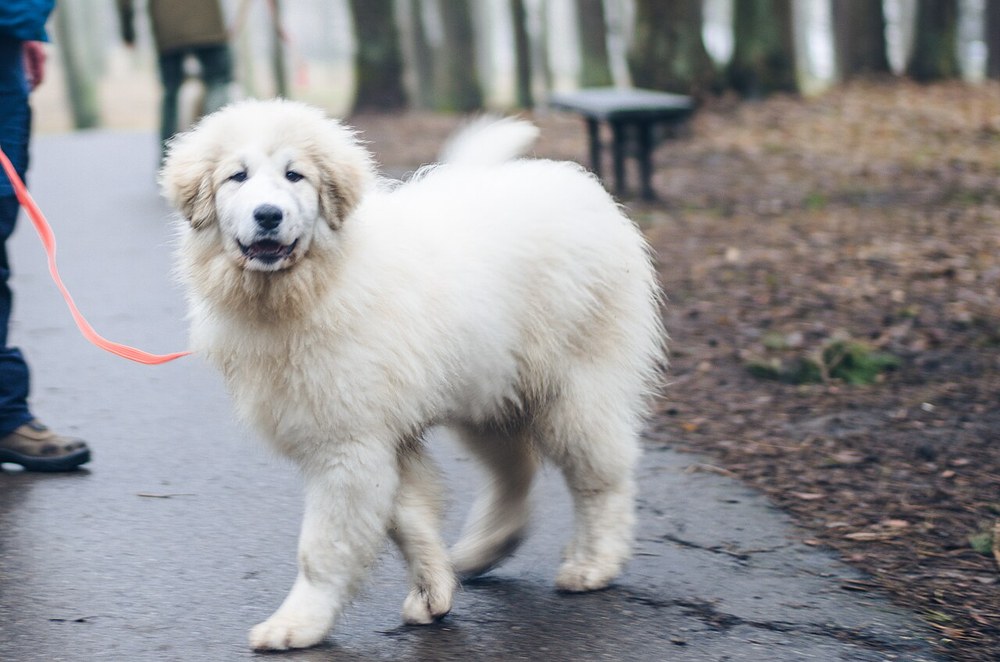
A Pyrenees puppy is fluffy and sweet but grows into a very large, independent guardian. Set clear boundaries and good habits while the puppy is still small.
01
Check fences and gates
Make sure the garden is secure before the puppy arrives. Teach a wait at gates and doors. See wait at the door.
02
Handle the puppy daily
Touch paws, nails and ears and reward calm. A giant adult that hates handling is hard to care for. See puppy handling.
03
Plan toilet trips
Go out after sleep, food and play. Follow potty training.
04
Introduce visitors calmly
Visitors should ignore the puppy and offer treats. The goal is a calm, tolerant adult, not a social butterfly.
05
Protect growing joints
Avoid jumping, stairs and long runs while the puppy grows. Follow walk length by age.
06
Build a quiet routine
Use a crate or pen and short absences from early on. See crate training.
If the dog is already yours
Training is calm cooperation with a dog that thinks for itself
Great Pyrenees were bred to protect flocks without human direction. They learn quickly but may decide a cue is not worth following. Patience and good rewards work better than repetition.
Focus on the essentials: calm greetings, loose-lead walking, waiting at doors and handling. Fancy obedience is rarely the priority with this breed.
Management matters: secure fencing, a lead outside, and a plan for night-time barking.
Load balance
Moderate exercise for a working guardian
Pyrenees are not high-energy, but they need daily walks and a chance to patrol. Heat is hard on the heavy coat, so exercise in cool hours.
Patrol walkShort trainingChewGroomingRest outside or in
Walks, time in a secure garden and calm training are enough for most. Long runs and dog sports are not necessary.
A Pyrenees that feels its territory is secure is usually calm and gentle at home.
Night barking and boundaries
How to manage a Great Pyrenees that barks at night
Start by identifying what the dog is reacting to, then change the environment before training.
01
Find the trigger
Note when and where the dog barks. Is it a sound, a view or a smell?
02
Change the environment
Bring the dog inside at night, close curtains and use background noise if needed.
03
Thank and call
When the dog barks, say a calm word like ‘thank you’ and call it to you.
04
Reward quiet
Reward the dog for coming away from the fence or window and lying down.
05
Build a night routine
Last walk, quiet time indoors and a comfortable bed away from windows.
One scene close-up
Why your Great Pyrenees barks at nothing after dark
Livestock guardians bark at night to warn predators away. Your dog may hear foxes, deer or neighbours’ dogs that you never notice.
Bring the dog indoors at night, block views and sounds where possible, and reward quiet. Thank the dog for the alert and call it inside.
If barking continues all night or the dog seems anxious, talk to your vet and a qualified trainer about other causes and a management plan.
“With a Great Pyrenees, I do not expect a livestock guardian to obey like a retriever. We secure the perimeter, manage the night barking, teach calm greetings and practise recall on a line — because this dog was bred to make its own decisions about threats.”
Sessions cover real scenes: barking at night, visitors and boundaries, leash manners at full size, coat care, and choosing when to guard. I am a trainer, not a veterinarian. No invented reviews.
Andrew DarovProfessional dog trainer and instructor
Describe age, living setup, and where the dog breaks first — night barking, fence escapes, ignoring recall, or settling after a walk. Opens WhatsApp to Andrew.
A fast, friendly Siberian sled dog that needs lots of daily exercise, secure fencing and help with pulling and howling.
Need a read on your exact situation?
Describe your Great Pyrenees’s age and the scene that repeats most: night barking, fence escapes, ignoring recall, or settling after a walk. We check safety first, then pick the first skill.
Written by Andrew Darov, professional dog trainer. Not veterinary advice and not a diagnosis.
Not a kennel club. No invented reviews. No vaccine schedules or toxin doses. Photo credits in
/images/breeds/great-pyrenees-guide/credits.md.