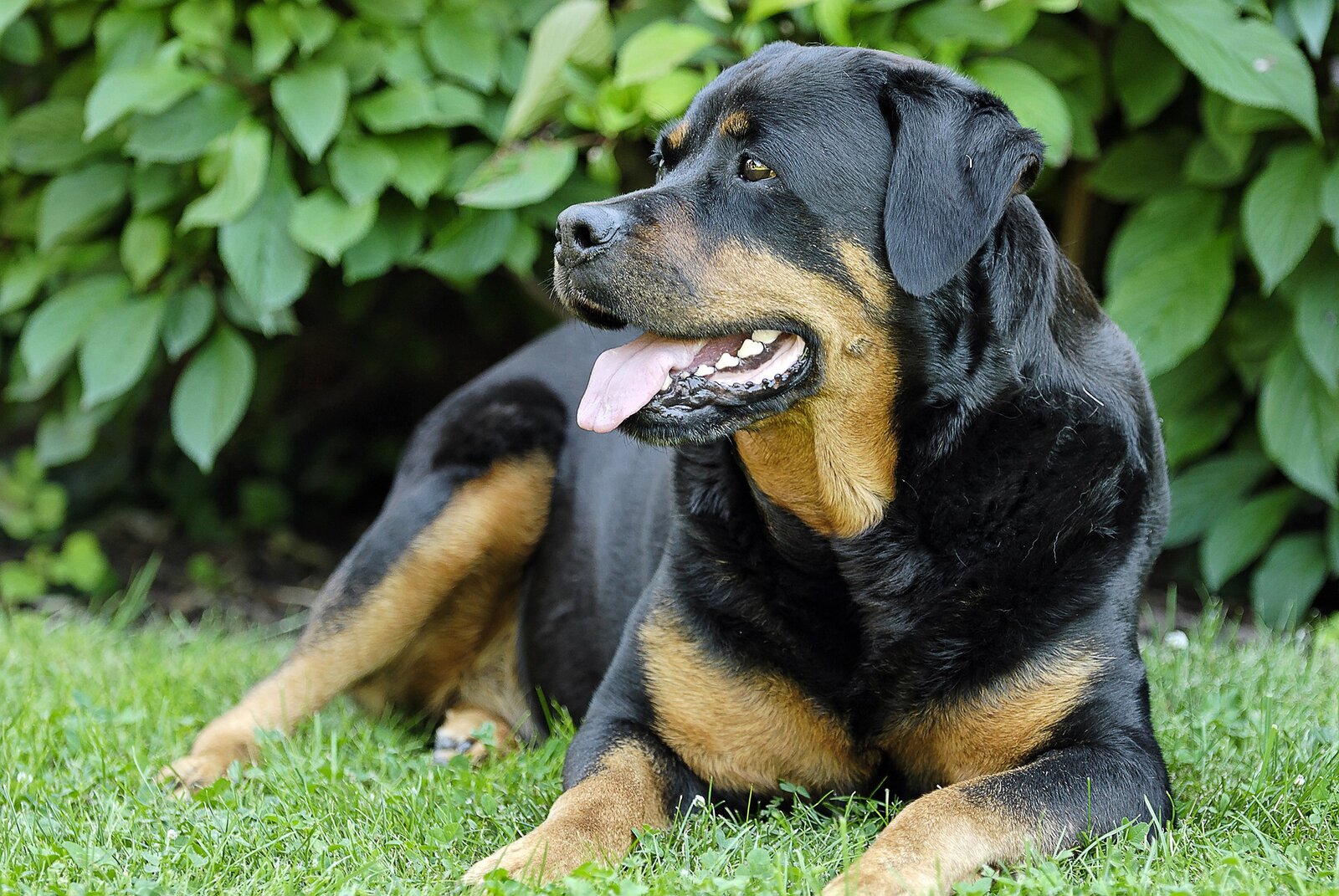
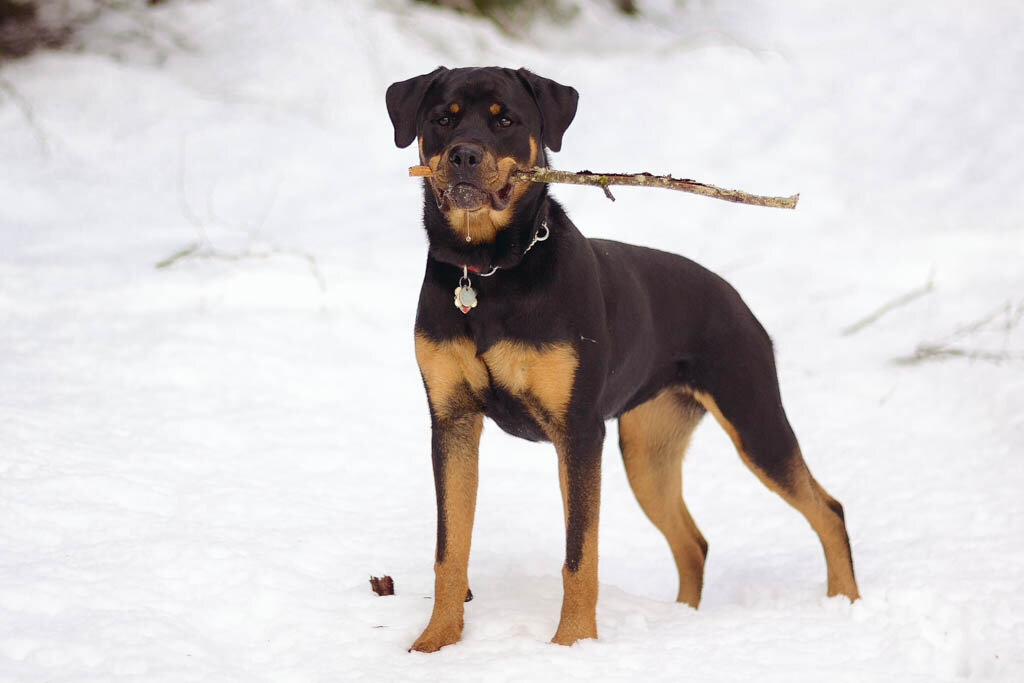
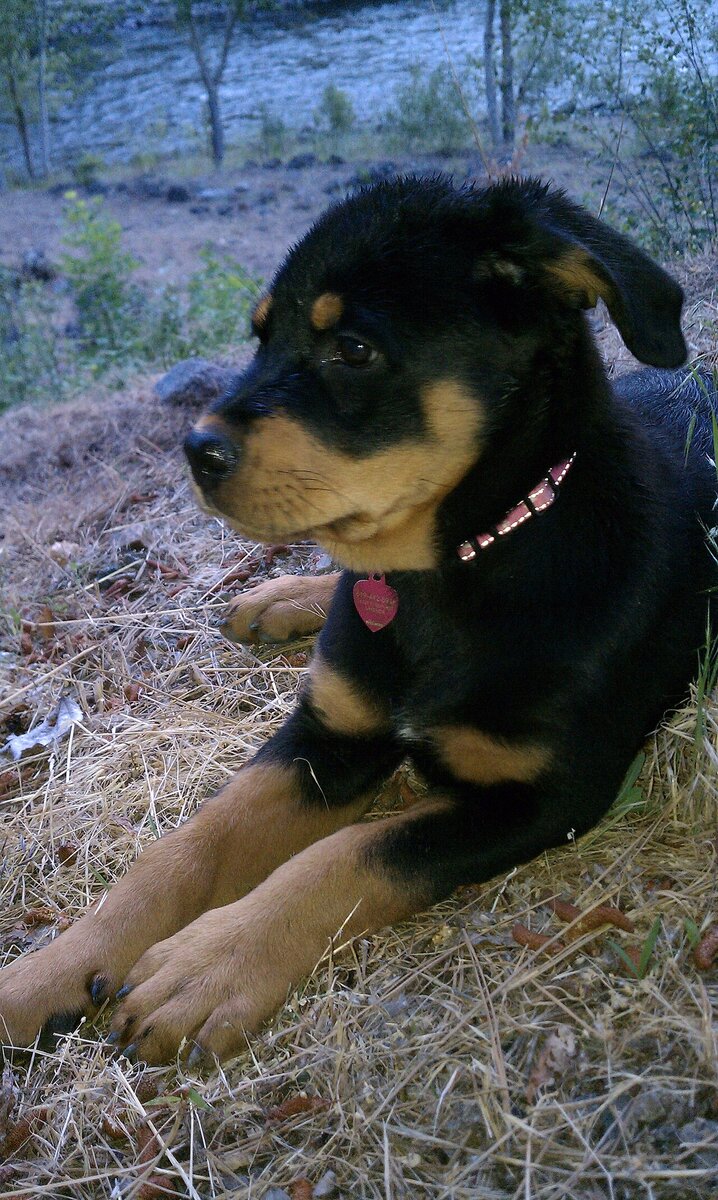
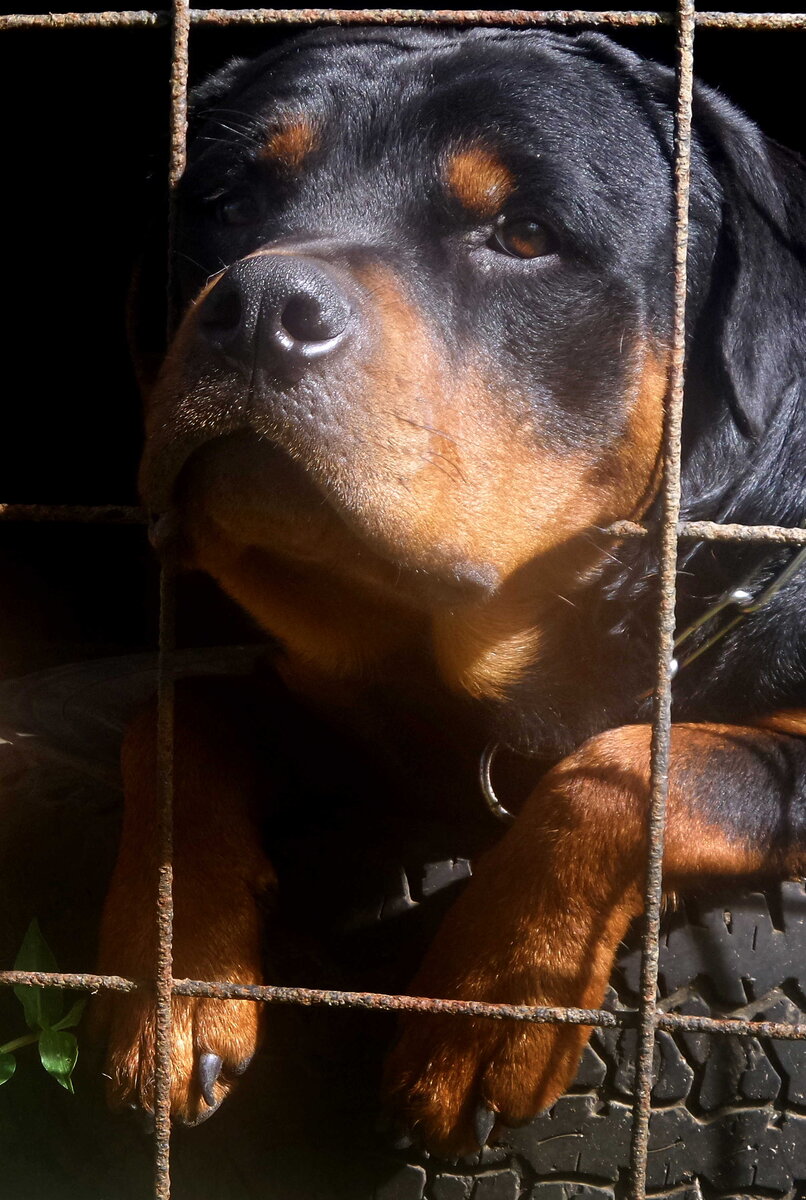
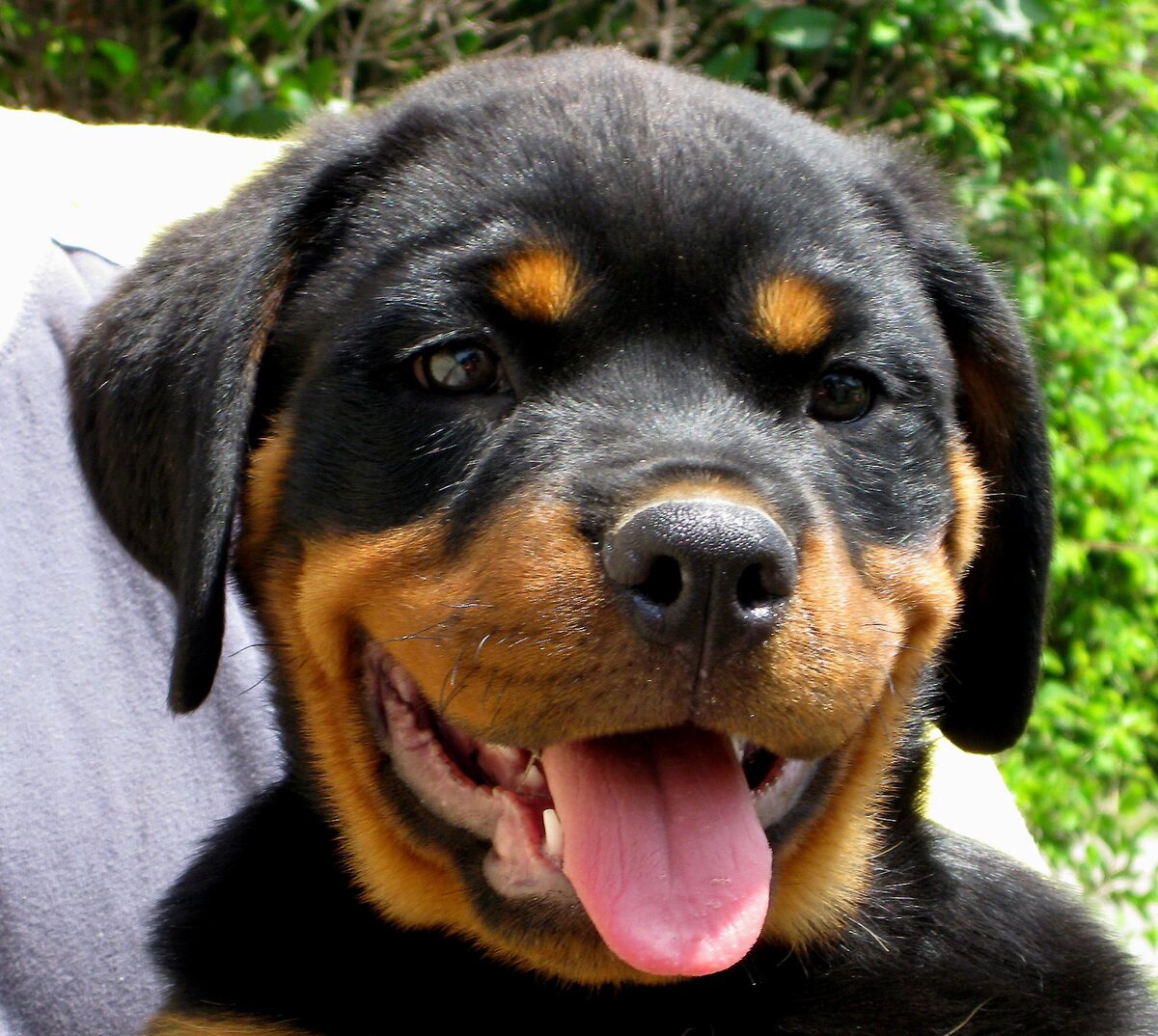
A Rottweiler is a powerful, confident German working breed with a strong guarding instinct. Most are affectionate and playful with family, watchful with strangers, and very strong on the lead. City life works with early, broad socialisation, consistent reward-based training, and a calm routine for visitors.
Job: German drover and guardian — confident and loyal.
Energy: Moderate to high; daily exercise and training.
Home: Needs visitor routines, clear rules and an experienced owner.
A Rottweiler is a strong, loyal working dog that needs daily training and a job
Public breed histories describe a cattle-driving and cart-pulling dog from Rottweil in southern Germany, later used as a police and service dog. The modern pet kept the confidence, the strength, and the protective instinct.
Training usually goes well; Rottweilers are intelligent and food-motivated. The common problems are lead pulling, guarding the door, and tension with unfamiliar dogs.
From the first month, build two habits. First: a new person or dog appears, the puppy looks at you and gets a reward. Second: the doorbell rings and the dog goes to its place while you answer.
Why the Rottweiler was built to drive cattle, guard the purse, and stay steady
One puppy is not a breed history, but the history explains the Rottweiler: confident, loyal, physically powerful, protective of home and family, and in need of early, calm training and socialisation.
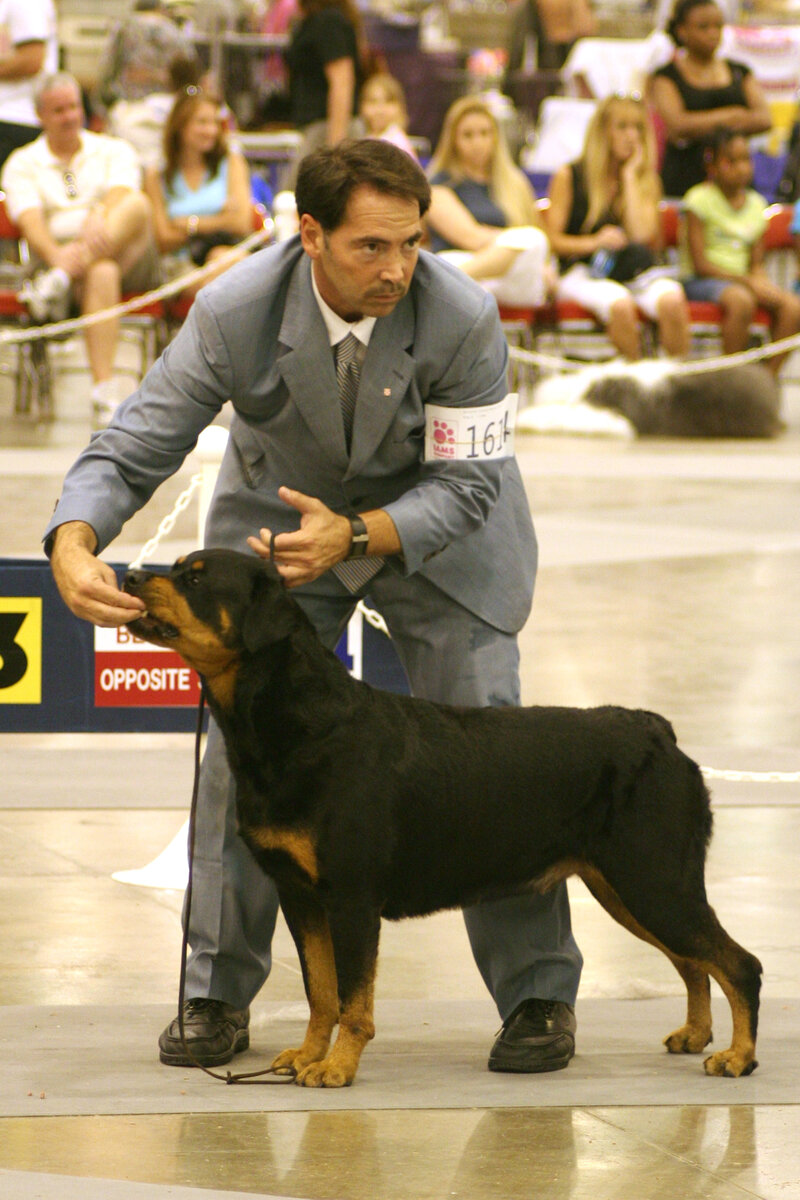
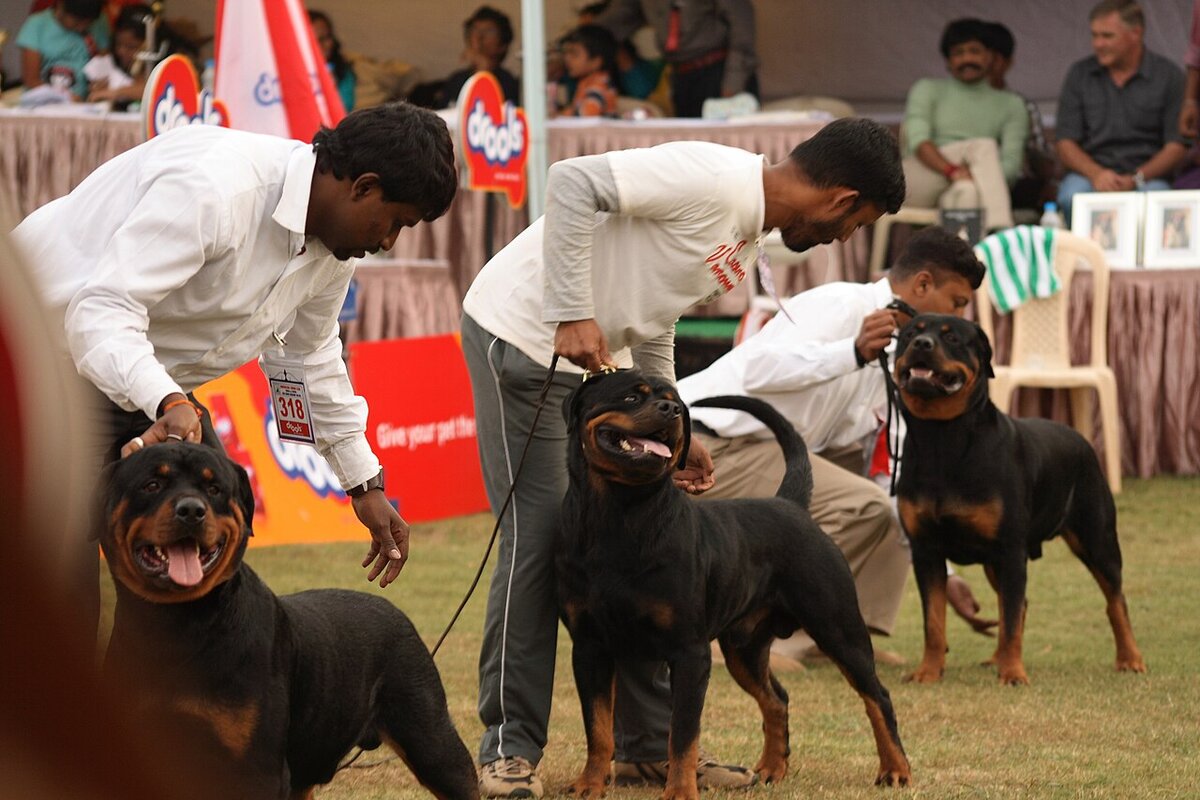
Rottweiler at an American Kennel Club show, 2006 (modern photograph). Compact power and a calm, confident stance.
Rottweil, Germany → drover’s and butcher’s dog
Driving cattle and pulling carts
Public breed histories link the breed to the market town of Rottweil in south-west Germany, where butchers and cattle dealers used strong dogs to drive cattle and pull carts. Breed lore traces the type back to drover dogs that followed Roman armies.
Driving cattle needs a dog that is confident, physical, and not easily intimidated. In a modern home those same traits become protectiveness and strength that must be guided early.
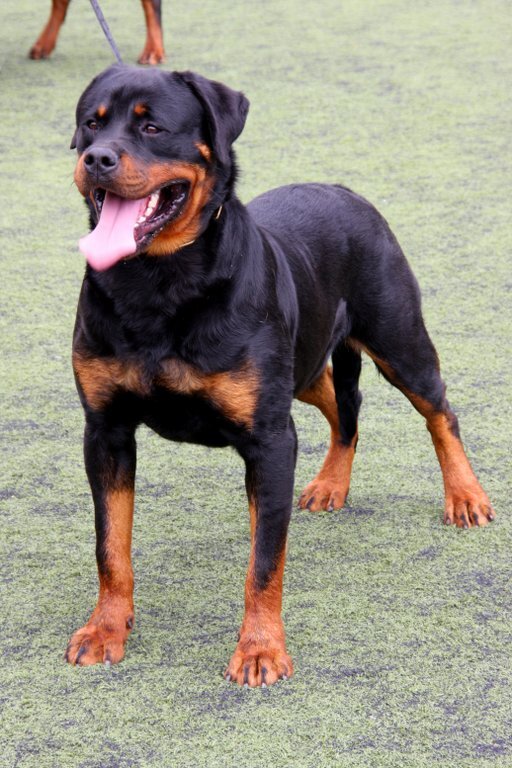
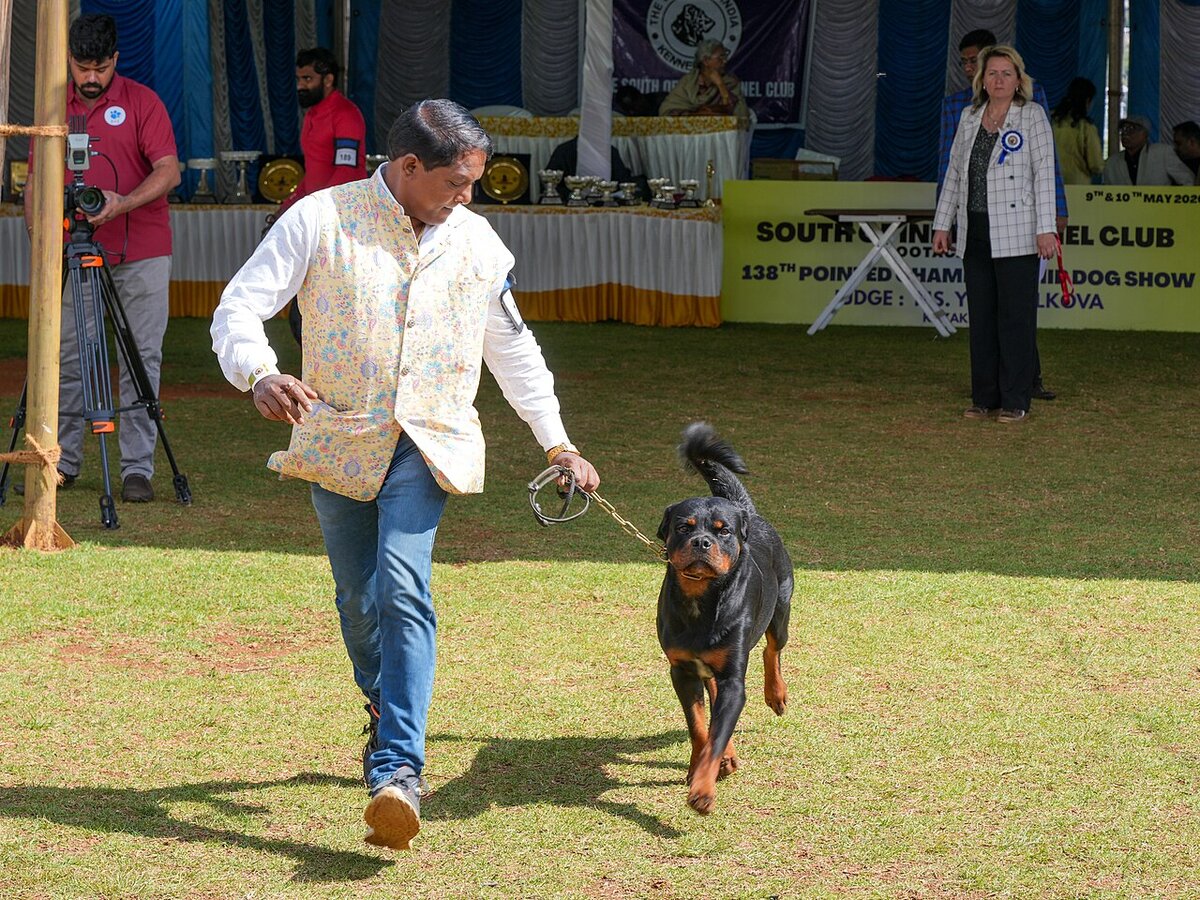
Rottweiler at a breed club show in Gran Canaria, Spain (modern photograph).
Railways → near decline → police and service dog
A new job after the cattle drives ended
Public breed lore describes the breed declining when railways replaced cattle drives, then finding new work as a police and guard dog in the early twentieth century. German breed clubs set standards for temperament and working ability.
Today the Rottweiler is a family companion, a working dog, and a sport dog. Its reputation means owners carry extra responsibility: a well-socialised, well-trained Rottweiler is the best advert for the breed.
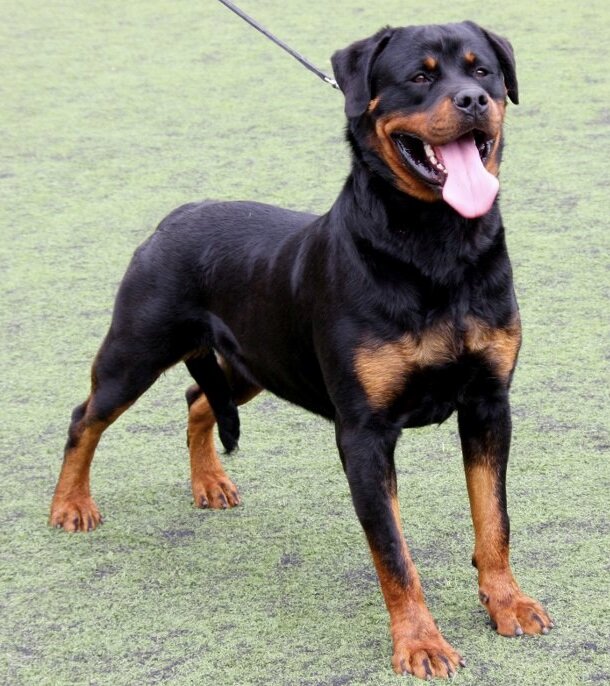
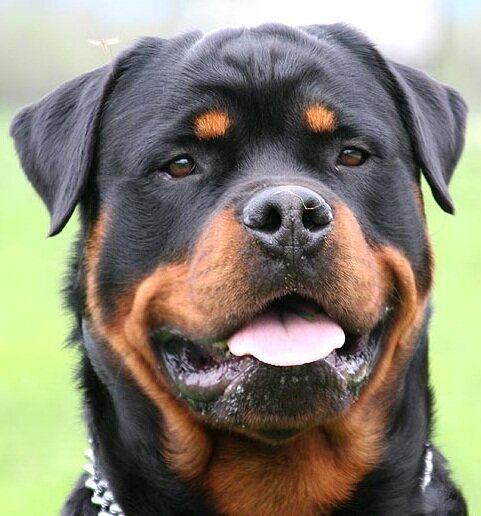
Rottweiler at a breed club show in Spain (modern photograph). The black-and-tan markings are standard for the breed.
What the breed was bred for
Confidence, loyalty, and a natural guarding instinct
In plain trainer language: the type was selected for confidence, strength, and a willingness to protect. That is why a Rottweiler raised with calm structure and broad socialisation is a steady, affectionate family dog — and why one left untrained can become a powerful dog making its own decisions about visitors.
Rottweilers respond well to consistent, reward-based training. Rough handling builds conflict. Clear rules, food, and practice around real-life triggers build a dog you can take anywhere.
Early, broad socialisation with people, dogs, and places
Visitors are managed by you; the dog goes to place
A day is structured exercise, calm socialisation, and a strong dog that waits for your lead
In a city the Rottweiler’s drover and guardian past shows up as strength on the lead, watchfulness at the door, and sometimes tension with unfamiliar dogs. Most are affectionate with their own people. The work is structure, practice, and keeping greetings controlled.
Morning · first outing
Exercise with structure
Rottweilers usually enjoy a brisk walk with some training mixed in: a few sits, check-ins, and loose-lead sections. A tired, mentally worked dog is easier to live with.
What to watch monthly: weight, joints, coat, and handling
General awareness only. I am not a veterinarian. Early signals are changes in appetite, movement, coat, or temper during handling. For red flags, leave this page and open
when to call the vet.
Short double coat
The coat is short with an undercoat that sheds, more in spring and autumn. Weekly brushing with a rubber brush is usually enough.
Weight and a muscular frame
Muscle and fat look similar under a black coat. Feel the ribs and waist, measure the ration, and adjust it. See body condition check at home.
Growth and exercise
Large puppies grow for a long time. Avoid forced long runs, repeated jumping, and heavy pulling while growing. Ask your vet when your dog is mature enough for sport.
Health screening (not a diagnosis)
Ask the breeder which health screenings the national breed club recommends and see both parents’ results. A breed page cannot diagnose your dog; your veterinarian can.
Heat and a dark coat
Black coats absorb heat. Walk in cool hours in summer, with shade and water. Heavy panting that will not settle or collapse is an emergency.
Toxins
I do not publish toxin amounts. If the dog ate something dangerous, call a veterinarian or a poison-control line; the footer lists public numbers.
Lines and types
Working and show Rottweilers share the same guardian base
Some breeders focus on working titles and sport, others on the show ring and companion homes. Drive and build vary. Strength, confidence, and guarding instinct are present in both.
Working / sport families
Parents often hold working or sport titles.
Higher drive and need for structured training.
Excellent with an experienced, active handler.
Ask what the parents do and how they behave at home.
Fits an experienced owner who wants to train for sport and can give daily structure.
Show / companion families
Often heavier build and a calmer pace.
Still strong and protective.
Socialisation and training are still essential.
Meet the parents at home with a stranger present.
Fits a family ready to train a strong guardian breed consistently from puppyhood.
Socialization windows
What to introduce — and what not to overload — by age
AVSAB-aligned in spirit: short, clean exposures at a distance the puppy can still eat,
with hygiene while vaccines finish. See the
puppy socialization schedule.
2–4 months
Broad, gentle socialisation
Introduce: many calm people, sounds, and surfaces; gentle handling; a crate or pen; short car trips.
Do not overload: rough play with hands, forcing scary greetings, free access to the front door.
~6 months
Calm in public
Introduce: people and dogs at a comfortable distance, loose-lead practice, a place cue, muzzle training as a game.
Do not overload: on-lead greetings with unknown dogs, letting strangers rush up, tug without rules.
~12 months
Adolescent confidence
Introduce: continued socialisation, door routines, structured exercise and training.
Do not overload: unsupervised yard time at the fence, punishing growls, heavy jumping before maturity.
~18 months
Adult structure
Introduce: sport or advanced training, calm visits to new places, regular handling practice.
Do not overload: letting the dog decide about visitors, skipping training because the dog is “good”.
~24 months
Maintain the structure
Introduce: refreshed visitor, lead, and recall routines.
Do not overload: dropping management of greetings, open gates.
Before you buy
Who a Rottweiler usually fits
A Rottweiler fits confident, consistent owners who want a loyal, powerful dog and are committed to training, socialisation and responsible management for life.
Good match
More likely a good fit if you…
Have experience with strong dogs or will work with a qualified trainer from the start
Can offer daily exercise and training — obedience, tracking, carting or similar work
Will socialise the puppy carefully with people, dogs and different places
Can manage visitors and keep the dog under control in public
Want a devoted companion that is calm and affectionate at home
Mismatch risk
A Rottweiler may be a poor choice if…
You want a dog for protection without putting in the training
You do not have time for regular training and structure
Your living situation or insurance has restrictions on the breed
You cannot physically control a strong, heavy dog on lead
Unannounced visitors are common and the dog cannot be separated
If you are torn between breeds
Rottweiler vs Labrador Retriever and German Shepherd Dog
Rottweilers are often compared with German Shepherds as working dogs and with Labradors as family dogs. The differences are important.
Origins
Rottweiler
Drover and cart dog from Rottweil in Germany, later a police and guard dog.
German Shepherd Dog
German herding dog later used for police, military and service work.
With strangers
Rottweiler
Reserved and watchful; naturally protective of home and family.
Labrador Retriever
Usually friendly with everyone.
Build
Rottweiler
Heavy, muscular and very strong for its size.
German Shepherd Dog
Leaner and more agile, with more endurance.
Energy
Rottweiler
Moderate to high; needs work but is calm at home when exercised.
German Shepherd Dog
High energy and very busy mentally.
Training
Rottweiler
Intelligent and willing with fair, consistent handling.
Both compares
Shepherds are very handler-focused; Labs are usually the easiest of the three.
Ownership without surprises
Where a Rottweiler owner’s budget goes
Costs vary by country and choices. These are the main areas to plan for before getting a Rottweiler — not quotes.
Training
Puppy classes, ongoing obedience and possibly private sessions. Training is not optional for this breed.
Food
A large, muscular dog; feed a large-breed puppy diet during growth and keep the adult lean.
Veterinary care
Routine care plus a vet comfortable with strong dogs. Ask the breeder which screenings the national breed club recommends.
Insurance and legal
Some insurers and landlords have rules about the breed. Check before you commit.
Fencing and gear
Secure fencing, a strong lead and well-fitted harness, and possibly a muzzle for vet visits.
Time
Daily exercise and training sessions; a bored Rottweiler can become destructive.
With a Rottweiler, training and responsible management are the real costs of ownership.
Before day one at home
What to prepare for a Rottweiler puppy
A Rottweiler puppy is bold, playful and grows fast. Careful socialisation and clear rules in the first months shape the confident, calm adult you want.
Crate or pen and enforced naps to prevent overtired behaviour.
If the dog is already yours
Training is calm structure, neutrality and a reliable off-switch
Rottweilers are intelligent and willing to work. Fair, consistent training with food and play rewards gives the best results; harsh methods often make problems worse.
The aim is a dog that is neutral around strangers and other dogs — not aggressive, not overly excited. Practise calm behaviour in many places.
Teach a solid settle and place cue. A strong dog that can relax on cue is easier to live with and to take out in public.
Load balance
Exercise body and mind — avoid overdoing it while growing
Rottweilers need daily exercise and mental work. Avoid repetitive jumping and hard exercise during growth, and watch for heat on warm days.
WalkObedience or trackingFood puzzleChewSettle
Walks, obedience, tracking, carting and food puzzles are good choices. Rough play with unknown dogs and protection work without expert guidance are not.
A well-trained Rottweiler is calm, confident and pleasant to be around.
Neutrality in public
How to teach a Rottweiler to stay calm around strangers and dogs
Start at a distance where the dog notices people and dogs but stays relaxed, then slowly decrease the distance.
01
Find the right distance
Start where the dog can see people or dogs but stays relaxed and can eat.
02
Reward noticing
When the dog looks at a person or dog, mark and reward immediately.
03
Reward looking back at you
Wait for the dog to look back at you, then reward.
04
Move closer slowly
Reduce distance only when the dog stays relaxed at the current distance.
05
End on a calm note
Finish the session before the dog gets stressed and give it a quiet break.
One scene close-up
Why your Rottweiler stares at dogs across the street
Staring is the dog assessing a possible threat. If it is not interrupted, it can turn into barking or lunging.
Reward the dog for looking at the other dog and then back at you. Keep enough distance that the dog can still eat and respond.
If the dog lunges, growls or cannot take food near other dogs, increase distance and get help from a qualified behaviour professional.
“With a Rottweiler, I do not build aggression or ignore guarding. We teach neutrality around strangers and dogs, a solid place cue, calm handling and fair, consistent rules — because a powerful, confident dog is safest when it trusts its handler to manage the world.”
Sessions cover real scenes: door and guest manners, leash walking past dogs, body handling, impulse control, and calm after work. I am a trainer, not a veterinarian. No invented reviews.
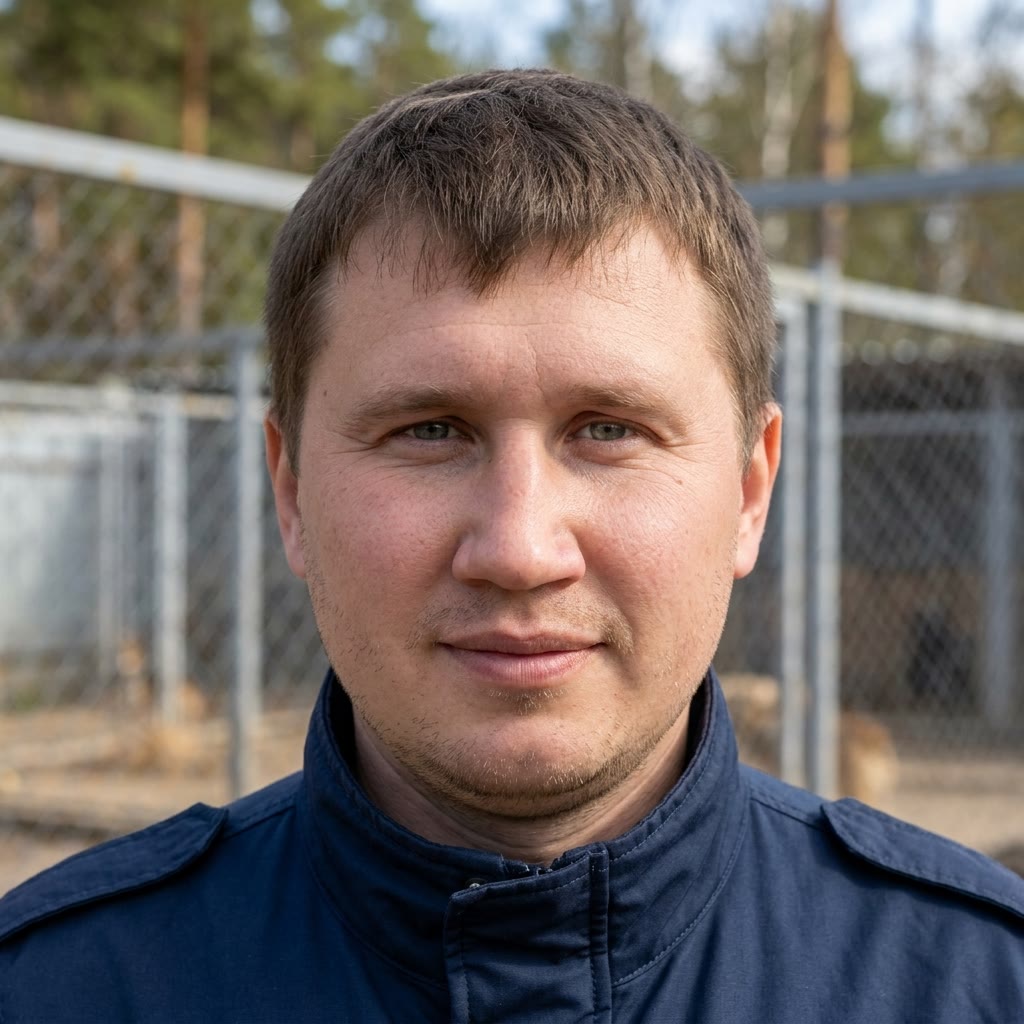
Andrew DarovProfessional dog trainer and instructor
Describe age, living setup, and where the dog breaks first — reactions at the door, guarding food or toys, adolescent strength, visitors, or settling after walks. Opens WhatsApp to Andrew.
A powerful Arctic sled dog built for hauling freight that needs daily exercise, secure fencing and help with pulling and digging.
Need a read on your exact situation?
Describe your Rottweiler’s age and the scene that repeats most: reactions at the door, guarding food or toys, adolescent strength, visitors, or settling after walks. We check safety first, then pick the first skill.
Written by Andrew Darov, professional dog trainer. Not veterinary advice and not a diagnosis.
Not a kennel club. No invented reviews. No vaccine schedules or toxin doses. Photo credits in
/images/breeds/rottweiler-guide/credits.md.