Newfoundland: temperament, training & water/draft giant
A Newfoundland is a giant, gentle water dog from the island of Newfoundland. Most are sweet-natured, patient, devoted to water, and strong enough to pull an adult off balance. City life works when you train lead manners early, plan for drool and hair, and keep the dog cool and lean.
Job: Newfoundland water dog — fishermen’s helper and swimmer.
Energy: Moderate; walks and swimming.
Home: Needs room, coat care, towels and leash manners taught early.
A Newfoundland is a gentle water giant that needs calm greetings and a place to settle
Public breed histories describe a working dog that helped fishermen with nets, carts, and water work. The modern pet kept the strength, the swimming ability, and the gentle temperament that kennel clubs list as a breed hallmark.
Training usually goes well; Newfies are cooperative and food-motivated. The common problems are pulling, leaning, counter raids, and greeting people with enthusiasm at a giant size.
From the first month, build two habits. First: lead stays loose, the walk continues. Second: guests arrive, the dog sits or goes to its place and gets the attention there.
Heavy water-resistant coat — sheds; dry after swims
Job
Water rescue and draft dog
Breed history
Why the Newfoundland was built for cold water, heavy work, and a gentle temper
Where a breed comes from does not fix one puppy, but it explains the Newfie: huge, strong, devoted to water, famously sweet-natured — and heavy, hairy, and drooly in a small flat.
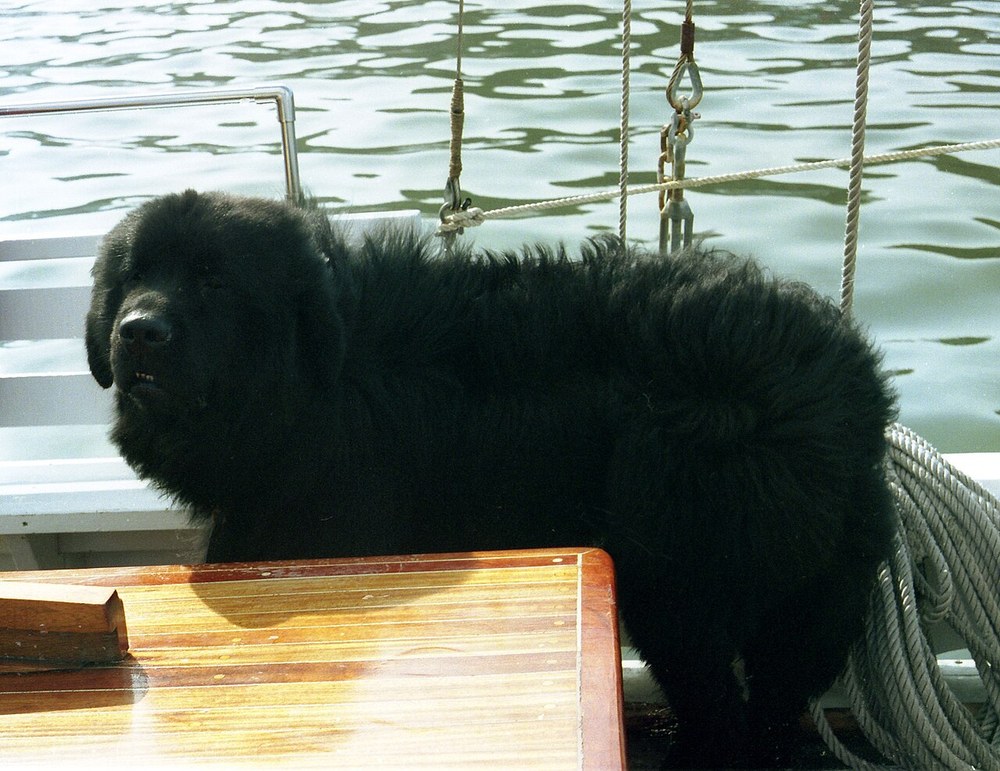
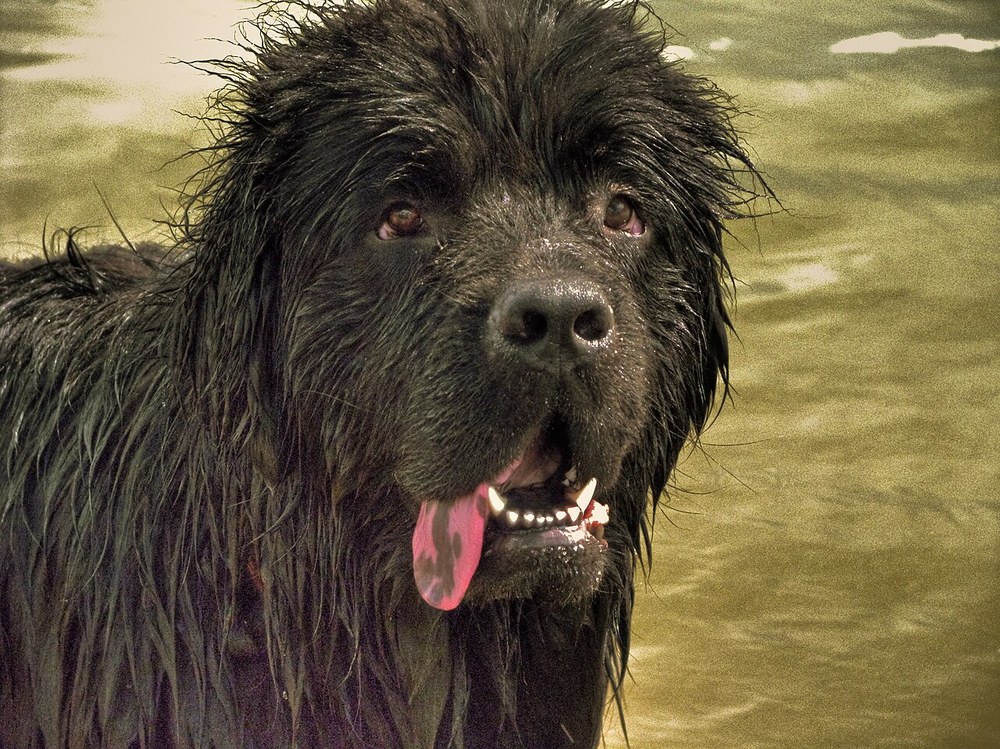
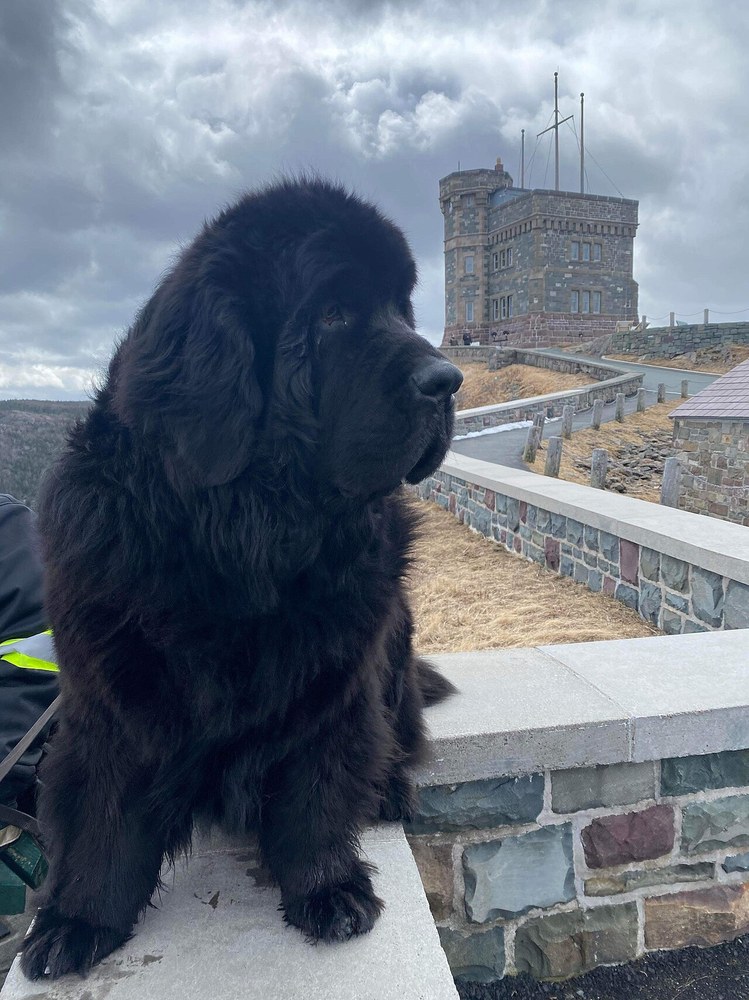
A Newfoundland-type water dog photographed in Newfoundland, Canada (modern photograph).
Newfoundland island → fishermen’s dog
Strength in the water and on land
Public breed histories link the breed to the island of Newfoundland, where large dogs worked alongside fishermen: hauling nets and carts, carrying loads, and helping in the water. Webbed feet and a water-resistant coat suit that work.
That history explains the modern dog’s love of water and its strength. It also explains why a Newfoundland that has never learned loose-lead walking can drag a person toward the nearest pond.
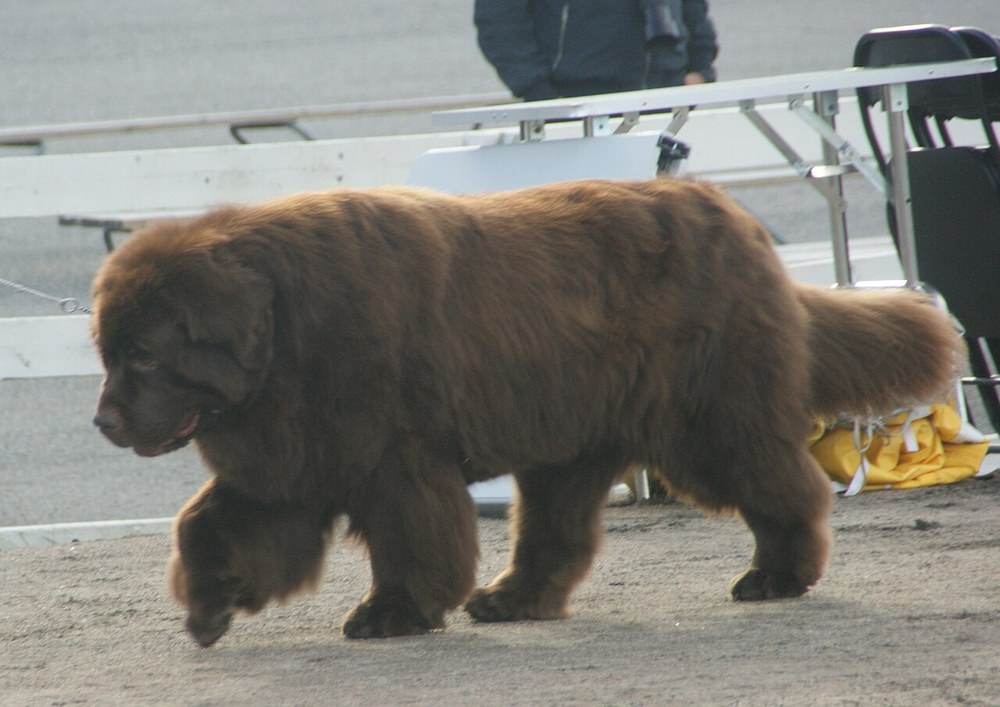
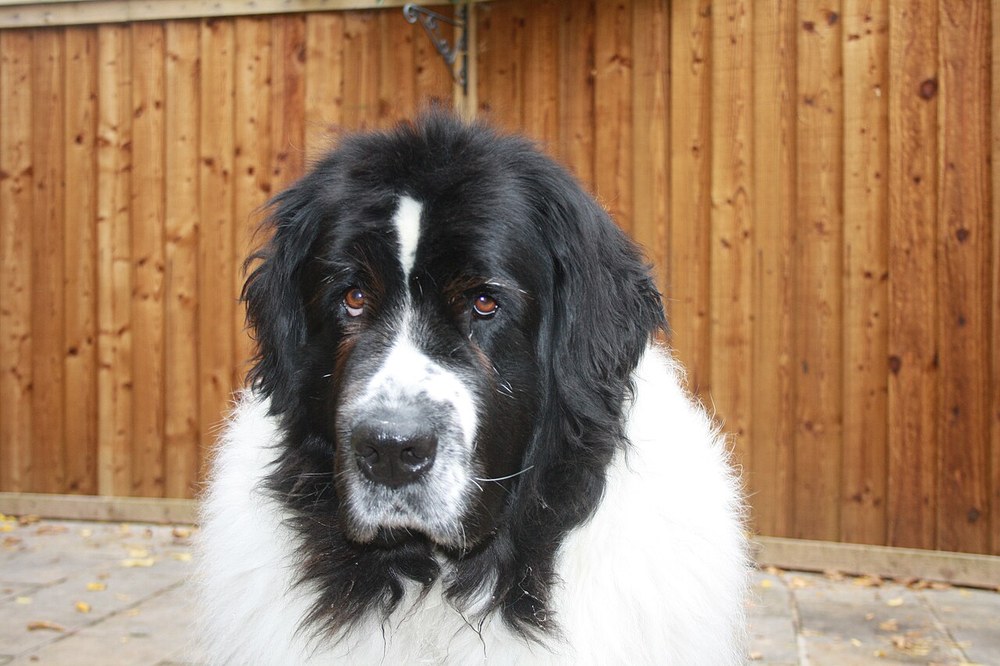
A brown male Newfoundland (modern photograph). Black, brown, grey, and black-and-white (Landseer) are the familiar colours.
Water rescue lore → kennel clubs → family giant
Famous rescues and a reputation for sweetness
Public breed lore is full of water rescues, and the breed is still used in water-rescue training in several countries. Kennel-club standards emphasise a gentle, sweet temperament as a defining feature.
Gentle is not the same as easy. A Newfoundland is a giant breed with a giant appetite, a heavy coat, and a lot of drool. The temperament is the reward for managing all of that.
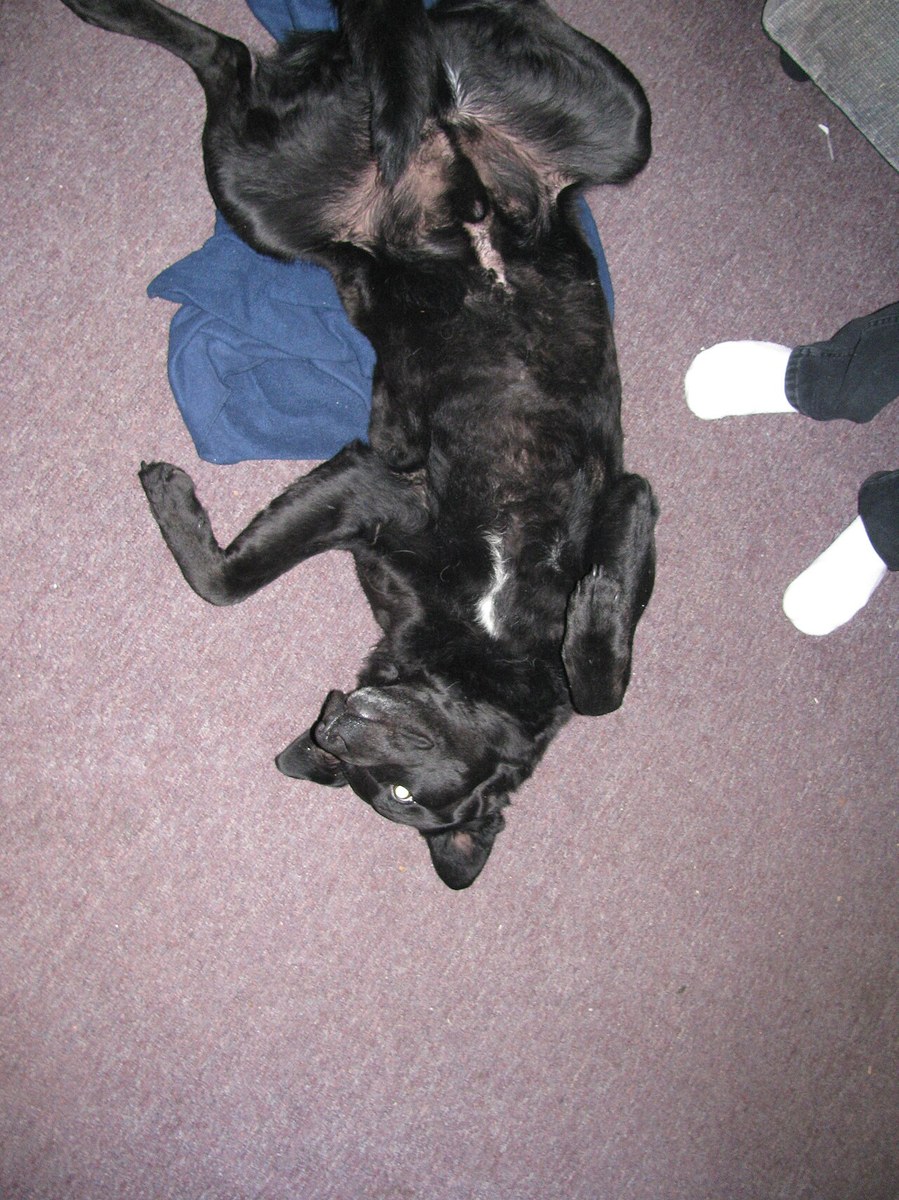
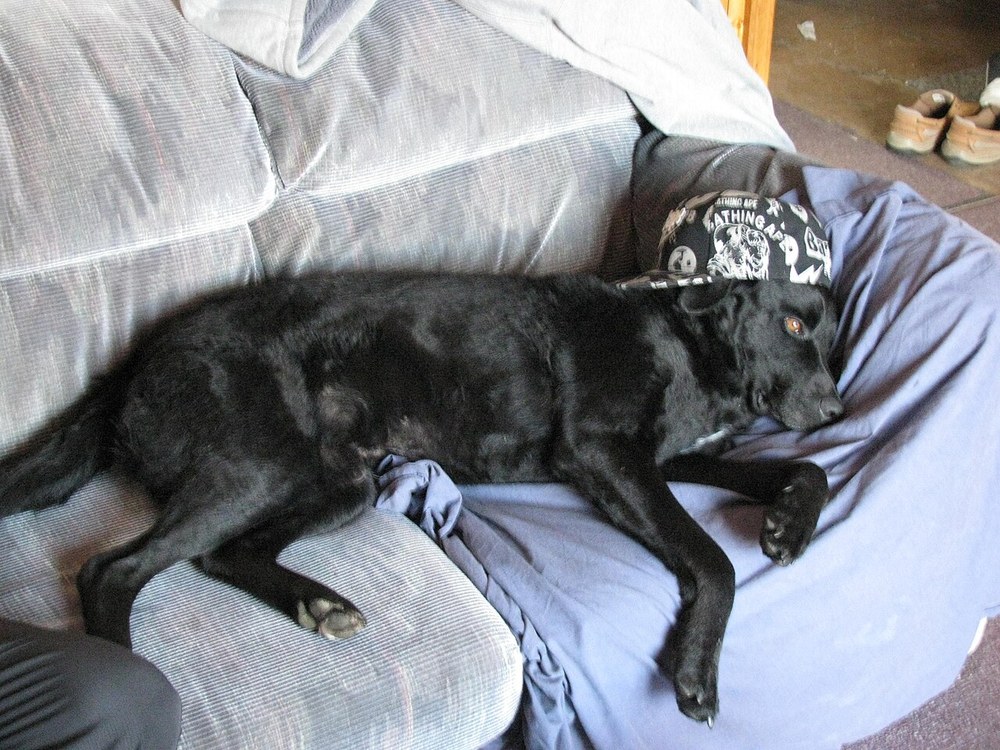
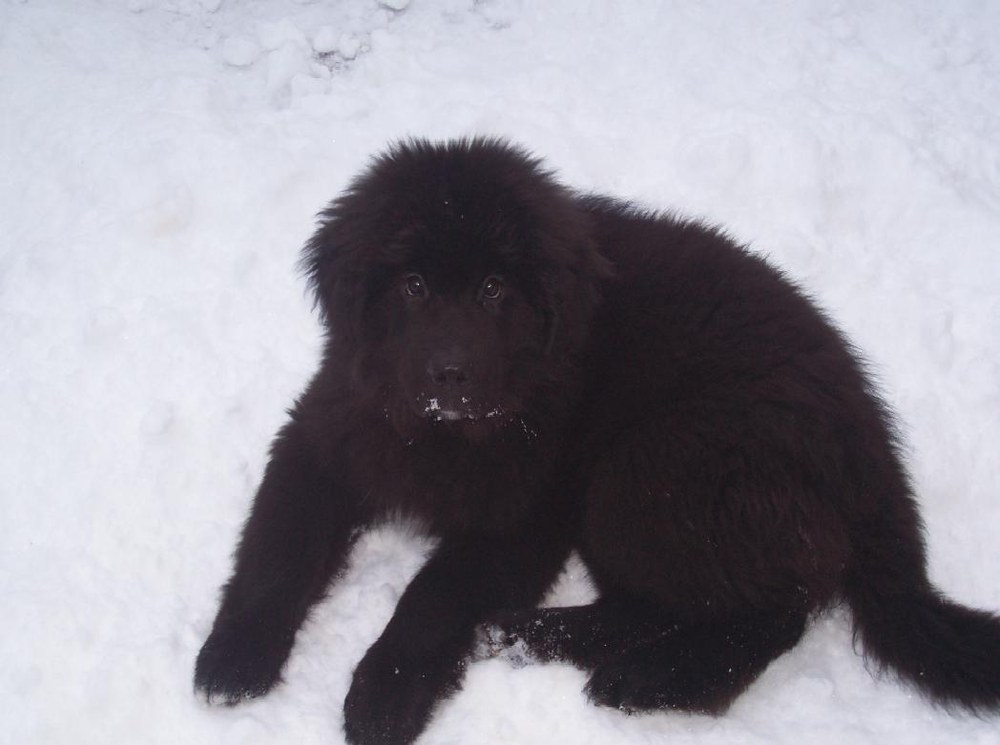
A young Newfoundland taking it easy (modern photograph). Calm adults are common; adolescents can still be bouncy and strong.
What the breed was bred for
Power, patience, and a strong pull toward water
In plain trainer language: the type was selected for strength, swimming ability, and a calm, cooperative nature. That is why a Newfoundland with training and a swimming outlet is a gentle companion — and why an untrained adolescent is a very large problem on a lead.
Train early, while the puppy is small. Loose-lead walking, a polite greeting, and a solid place cue are much easier to teach at ten kilos than at sixty.
Lead manners before the dog outgrows you
Water is a natural outlet — with safe entry and exit points
Plan for drool, coat, and space in the house
Growing joints: moderate exercise, no forced mileage
A day is gentle exercise, water when you can, and a giant with good manners
In a city the Newfoundland’s working past shows up as pulling toward water, leaning on people, and a lot of hair and drool. Most adults are calm and friendly. The work is manners at size and keeping the dog cool and comfortable.
Morning · first outing
A steady walk at a cool hour
Most adult Newfoundlands prefer a steady walk to running. In warm weather, go early and keep it short; heavy dogs overheat faster than owners expect.
What to watch monthly: heavy coat, heat, weight, and growing joints
General awareness only. I am not a veterinarian. Early signals are changes in appetite, breathing, coat, movement, or energy. For red flags, leave this page and open
when to call the vet.
Water-resistant double coat
The coat is oily, dense, and sheds heavily, especially seasonally. Brush to the skin several times a week and dry the dog thoroughly after swimming so the undercoat does not stay damp.
Heat and a giant body
Keep summer exercise short and in cool hours, with shade and water. Heavy panting that will not settle, weakness, or collapse is an emergency.
Growth and weight
Giant puppies grow for a long time. Keep them lean and avoid forced long walks, stairs drills, or jumping while growing. Ask your vet about feeding a giant-breed puppy.
Health screening (not a diagnosis)
Ask the breeder which health screenings the national breed club recommends and see both parents’ results. A breed page cannot diagnose your dog; your veterinarian can.
Drool, ears, and skin folds
Wipe the mouth area and check ears after swimming. Persistent smell, redness, or head shaking is a vet visit.
Toxins and counter raids
I do not publish toxin amounts. If the dog ate something dangerous from a counter or bin, call a veterinarian or a poison-control line; the footer lists public numbers.
Lines and types
Working and companion Newfoundlands share the same gentle giant
Some breeders take part in water-rescue and draft tests, others focus on show and family homes. Colours include black, brown, grey, and the black-and-white Landseer. Size, coat care, and gentleness are shared.
Water-work / draft-test families
Parents may hold water or draft working titles.
Often keen swimmers with good stamina.
Still need lead manners and heat management.
Ask what the parents do and how they behave at home.
Fits an owner who enjoys water activities and has space for a giant dog.
Show / companion families
Often heavier coat and a very relaxed manner.
Still strong and keen on water.
Drool, hair, and size are the same.
Meet the parents in a home setting.
Fits a family ready for a large, gentle dog and the daily cleaning that comes with it.
Socialization windows
What to introduce — and what not to overload — by age
AVSAB-aligned in spirit: short, clean exposures at a distance the puppy can still eat,
with hygiene while vaccines finish. See the
puppy socialization schedule.
2–4 months
Manners while small
Introduce: loose-lead basics, a sit for greetings, gentle handling, short car trips, a towel routine.
Do not overload: jumping up rewarded, stairs and jumping drills, long walks.
~6 months
Water and the wider world
Introduce: shallow, safe water introductions, calm dog meetings, a place cue during meals.
Do not overload: deep or fast water, forced swimming, letting the puppy pull to every person.
~12 months
Adolescent size and strength
Introduce: continued lead practice, counter rules, moderate exercise in cool weather.
Do not overload: heavy draft work before maturity, summer exercise in heat, free access to the kitchen.
~18 months
Adult activities
Introduce: swimming, draft or water work with your vet’s approval, longer settles indoors.
Do not overload: skipping coat care after swims, letting greeting manners slip.
~24 months
Keep the gentle giant gentle
Introduce: refreshed greeting, lead, and recall routines.
Do not overload: assuming size alone will keep the dog calm, extra weight from treats.
Before you buy
Who a Newfoundland usually fits
A Newfoundland fits families who want a sweet, gentle giant and can handle drool, hair, a large food bill and a dog that loves water.
Good match
More likely a good fit if you…
Want a calm, patient dog that is usually very gentle with people
Have space for a giant dog indoors and in the car
Are fine with drool on clothes, walls and furniture
Will brush a heavy, water-resistant coat several times a week
Have access to safe water for swimming, or are happy to provide it
Mismatch risk
A Newfoundland may be a poor choice if…
You live in a small flat with lots of stairs and no lift
Drool or wet dog smell would bother you every day
You live in a hot climate without air conditioning
You want a jogging partner or high-energy sports dog
The cost of feeding and caring for a giant breed is a stretch
If you are torn between breeds
Newfoundland vs Saint Bernard and Labrador Retriever
Newfoundlands are often compared with Saint Bernards for size and with Labradors for their love of water and friendly nature.
Origins
Newfoundland
Working dog of Newfoundland fishermen: hauling nets and carts and water rescue.
Saint Bernard
Alpine rescue dog from the Great St Bernard Pass hospice.
Water
Newfoundland
Strong swimmer with webbed feet and a water-resistant coat.
Labrador Retriever
Also loves water; lighter and more athletic.
Size
Newfoundland
Giant; adults are heavy and need space.
Labrador Retriever
Medium-large and much easier to manage.
Drool
Newfoundland
Drools a lot, especially after drinking or eating.
Saint Bernard
Also drools heavily.
Energy
Newfoundland
Calm and steady; enjoys swimming and walks rather than running.
Both compares
Saints are similarly calm; Labs need much more exercise.
Ownership without surprises
Where a Newfoundland owner’s budget goes
Exact costs depend on your area and choices. These are the main costs to plan for with a giant breed — not quotes.
Food
Giant dogs eat a lot. Feed a large-breed puppy diet during growth and keep the adult lean.
Veterinary care
Giant-breed medication doses and procedures cost more. Ask the breeder which screenings the national breed club recommends.
Grooming
Brushes, a high-velocity dryer and regular professional grooming for most owners.
Transport
A large car and a strong crate or ramp.
Home setup
Non-slip floors, a large bed, drool towels and easy-clean surfaces.
Training
Early classes to teach manners before the dog is too big to steer.
With a Newfoundland, food, vet care and grooming add up faster than with smaller breeds.
Before day one at home
What to prepare for a Newfoundland puppy
A Newfoundland puppy grows very fast. Teach manners while you can still lift it — jumping, pulling and leaning are hard to fix in a giant adult.
Brush, check ears and touch paws with rewards. See puppy handling.
06
Teach rest and short absences
A large crate or pen and gradual alone time. See first absences.
If the dog is already yours
Training means manners first, before the size arrives
Newfoundlands are gentle, sensitive and eager to please. Soft voices, food rewards and short sessions work best; harsh corrections make them shut down.
The priorities are loose-lead walking, polite greetings, calm handling and a solid settle. A giant dog without manners can knock people over without meaning to.
Water work, carting and calm tracking games are great outlets for this working breed when the dog is mature.
Load balance
Steady exercise that protects joints and avoids heat
Newfoundlands enjoy swimming and walks but overheat easily. Exercise in the cool parts of the day and keep puppies away from hard, repetitive exercise.
WalkSwimShort trainingChewCool rest
Walks, swimming, carting and calm training games are good choices. Long runs and rough play with unknown dogs are not needed.
A Newfoundland that gets steady exercise and good manners is a calm, happy family dog.
Greetings with a gentle giant
How to teach a Newfoundland to greet people calmly
Start with family members, then calm visitors, before trying it out in public.
01
Start on lead
Practise greetings on lead so you can guide the dog gently.
02
Reward four paws down
Mark and reward the dog for standing or sitting with all paws on the floor.
03
Visitor pets only calm dog
Ask visitors to pet only when the dog is calm and step back if it leans or jumps.
04
Keep greetings short
A few seconds of petting, then call the dog back to you for a reward.
05
Practise often
Repeat with different people in different places until it becomes a habit.
One scene close-up
Why your Newfoundland leans on visitors
Leaning is usually friendly — the dog wants contact. But a heavy dog leaning on a child or an older person can knock them over.
Ask visitors to stand still and only pet the dog when all four paws are on the floor and it is standing or sitting on its own. Reward the dog for staying beside you.
If greetings become very excited or the dog is hard to control, keep it on lead and ask a trainer for help early.
“With a Newfoundland, I work with a gentle giant before the size arrives. We teach loose leash, no-jump greetings and calm handling early, give water work a safe place and keep exercise sensible — because a soft, strong dog needs manners while it can still be steered.”
Sessions cover real scenes: leash manners at full size, greeting kids and guests, drool and coat care, water entry rules, and rest in warm weather. I am a trainer, not a veterinarian. No invented reviews.
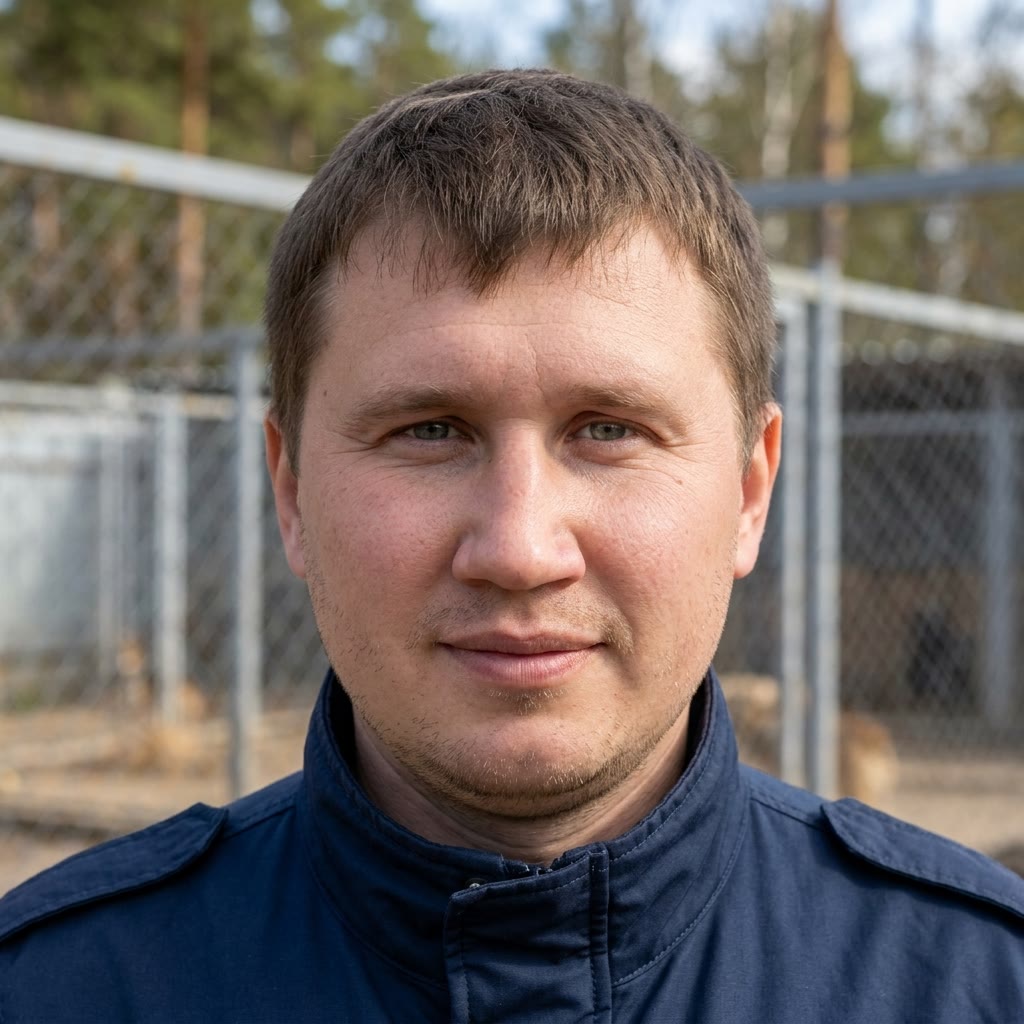
Andrew DarovProfessional dog trainer and instructor
Describe age, living setup, and where the dog breaks first — leaning and jumping, pulling, drooling at the table, or settling after swimming. Opens WhatsApp to Andrew.
A large, dignified Japanese breed that needs calm visitor routines, careful introductions to other dogs and an experienced owner.
Need a read on your exact situation?
Describe your Newfoundland’s age and the scene that repeats most: leaning and jumping, pulling, drooling at the table, or settling after swimming. We check safety first, then pick the first skill.
Written by Andrew Darov, professional dog trainer. Not veterinary advice and not a diagnosis.
Not a kennel club. No invented reviews. No vaccine schedules or toxin doses. Photo credits in
/images/breeds/newfoundland-guide/credits.md.