Kai Ken: temperament, prey drive, climbing and training a Japanese hunter
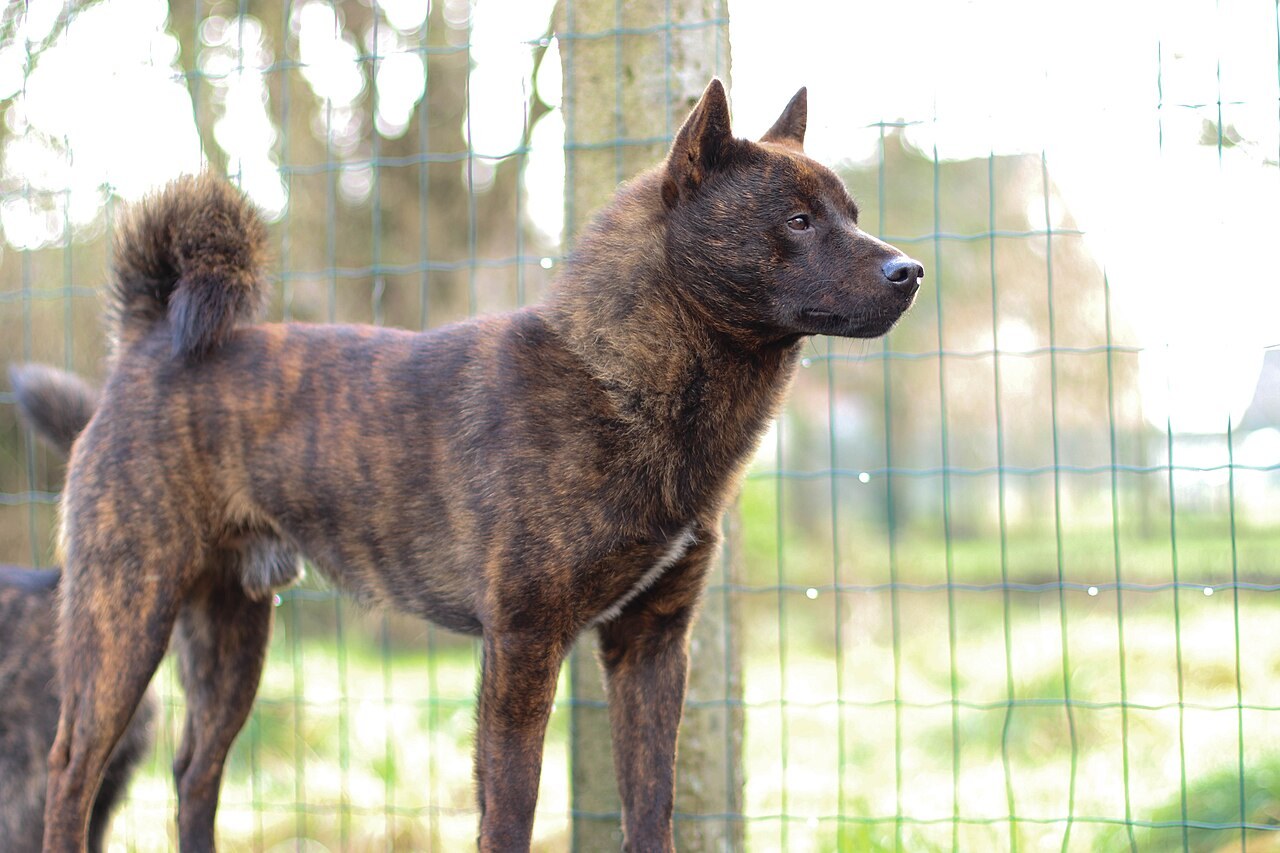
The Kai Ken is a medium-sized brindle hunting dog from the mountains of Yamanashi, the old Kai province west of Tokyo. Hunters used small packs of these quick, sure-footed dogs to find and hold deer and wild boar on steep, wooded slopes. Japan made the breed a Natural Monument in 1934, and it is still rare abroad. Expect a clean, quiet, deeply loyal dog that sticks to its family, keeps its distance from strangers, climbs and jumps like a goat and has a real hunting drive that does not switch off on a walk.
Job: A medium Japanese hunting spitz in black, medium or red brindle; FCI Group 5, AKC Foundation Stock Service (Working).
Energy: Loyal to one family, reserved with strangers, quick and agile.
Home: Suits a patient, outdoorsy owner with a secure garden who enjoys a dog with its own mind.
A mountain hunter that gives its heart to a few people
Kai owners often tell me the same story. The dog is calm, clean and almost silent at home, follows them from room to room, and then one day it is on top of the garden shed or over the fence after a cat.
The questions I get about this breed are about freedom and strangers. Recall that works in the garden and fails in the woods, a dog that turns its back on guests or growls at the vet, tension with other dogs, and a young dog that has learned to climb out of its run.
My plan works with the hunter instead of against it. Long-line walks and safe places to run, daily sniffing and search games, slow and respectful handling, guests who leave the dog alone, a fence the dog cannot climb and short, rewarding lessons. With that, a Kai is a loyal, gentle and very easy dog to share a home with.
FCI: males about 50 cm, females about 45 cm at the shoulder (±3 cm)
Weight
Usually about 11–18 kg (25–40 lb)
Energy
High outdoors, calm indoors
Coat / shed
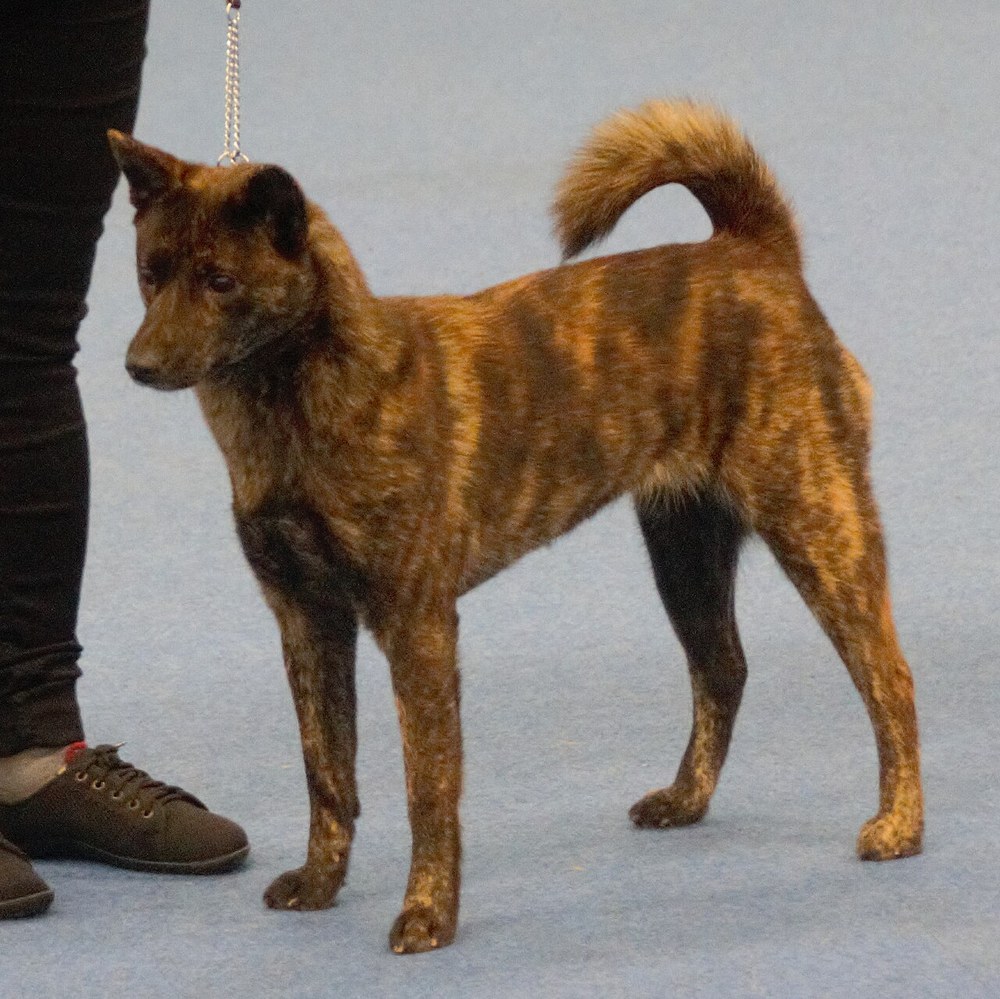
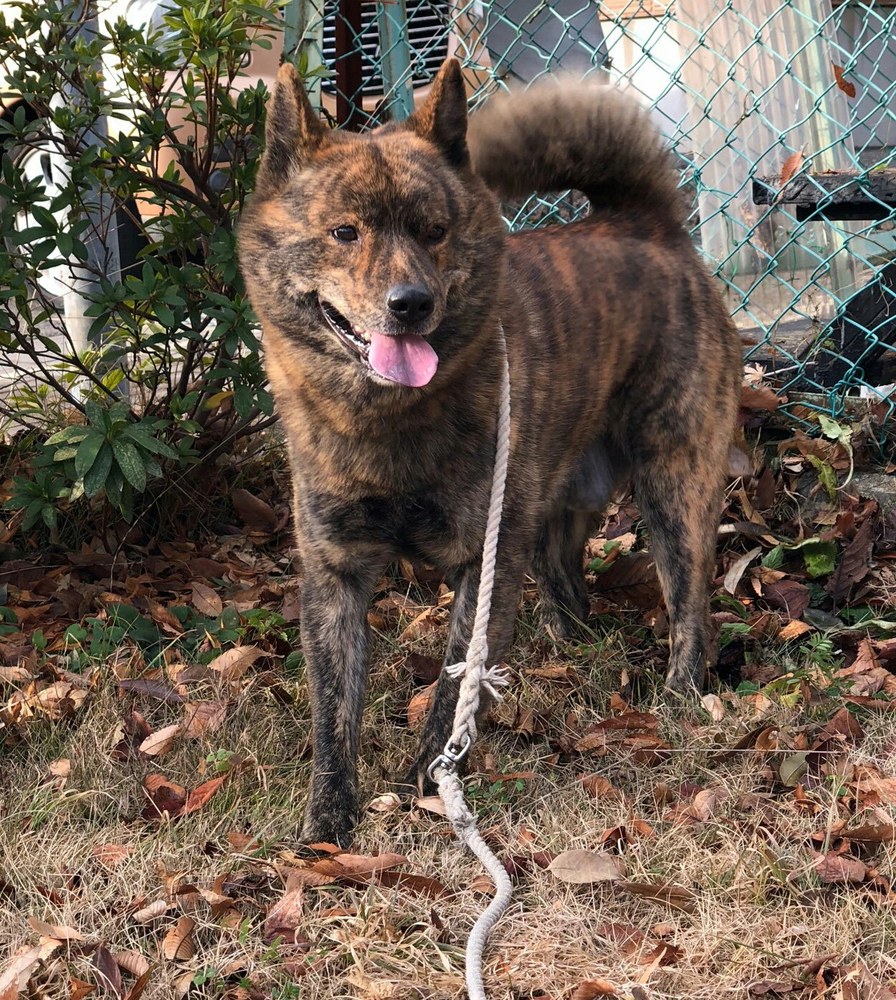
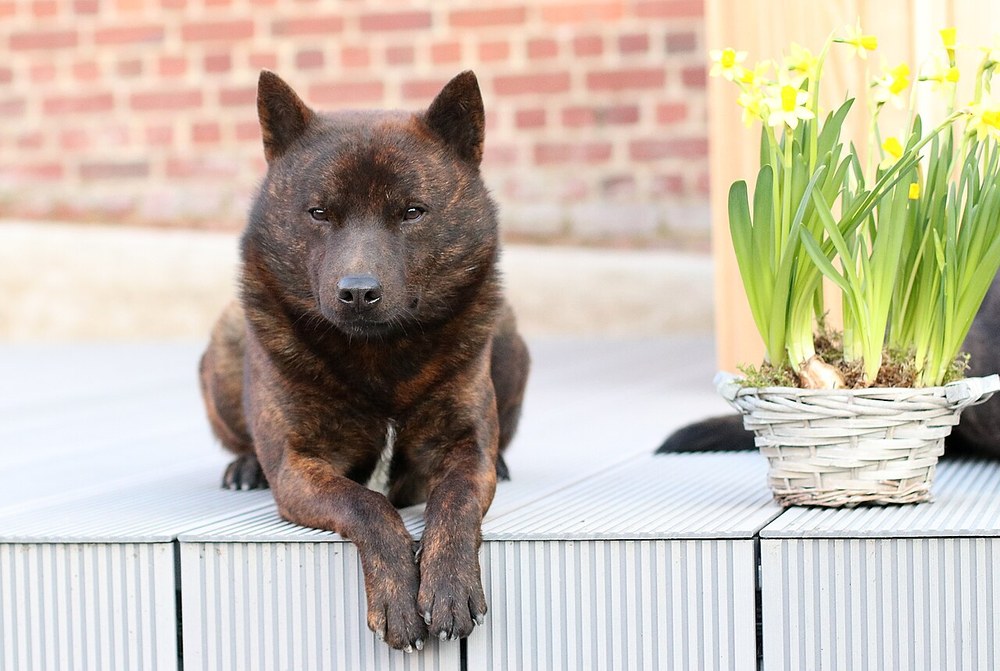
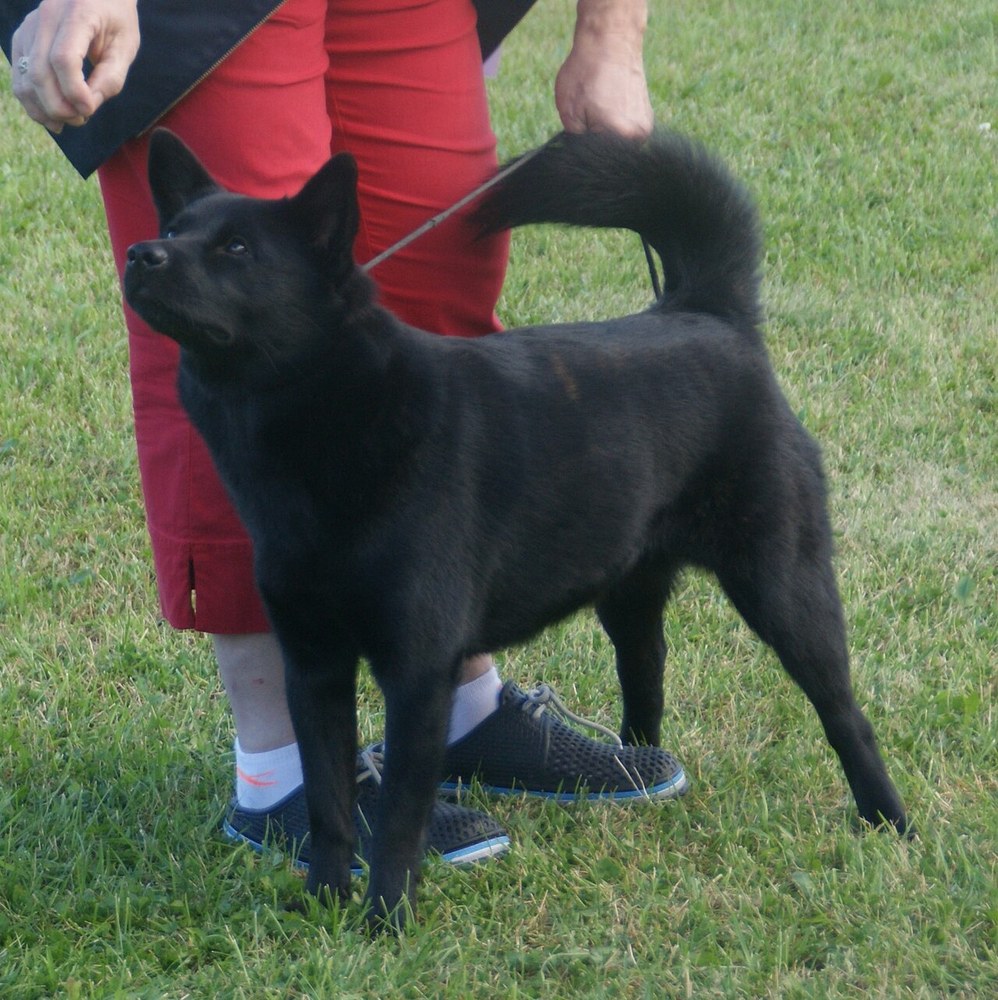
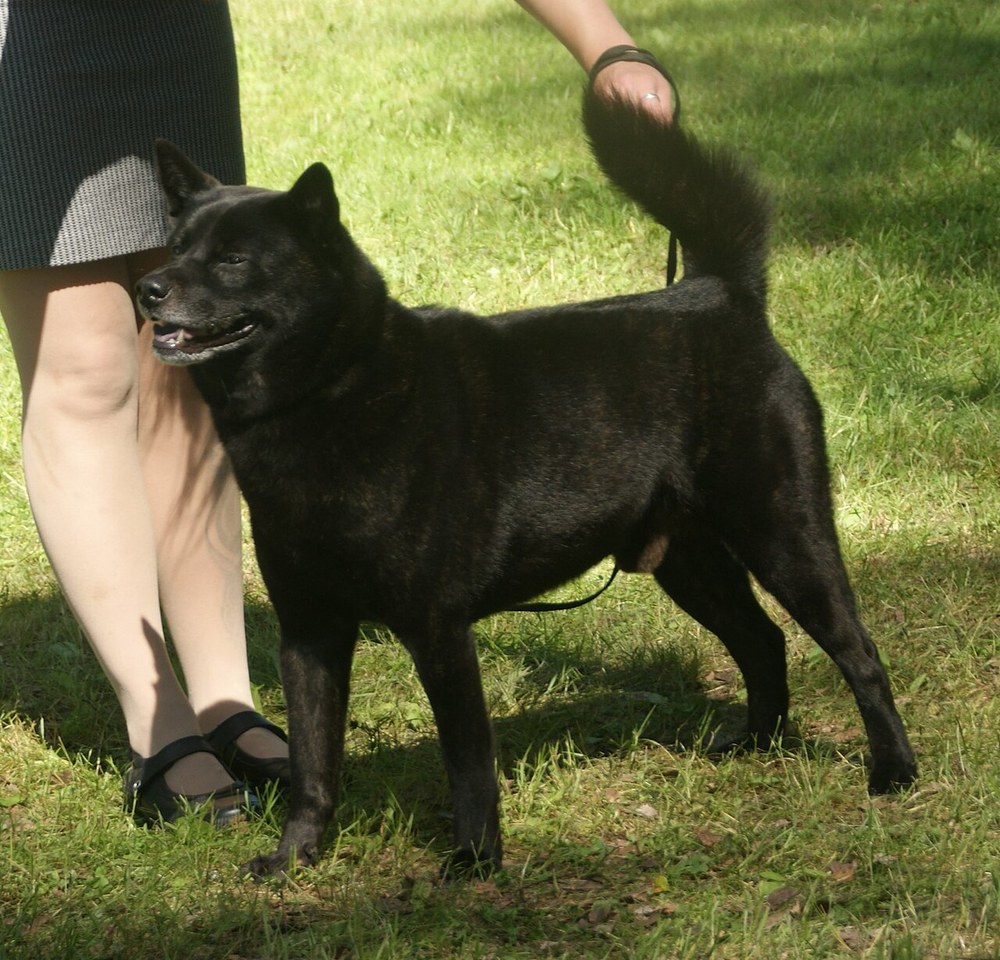
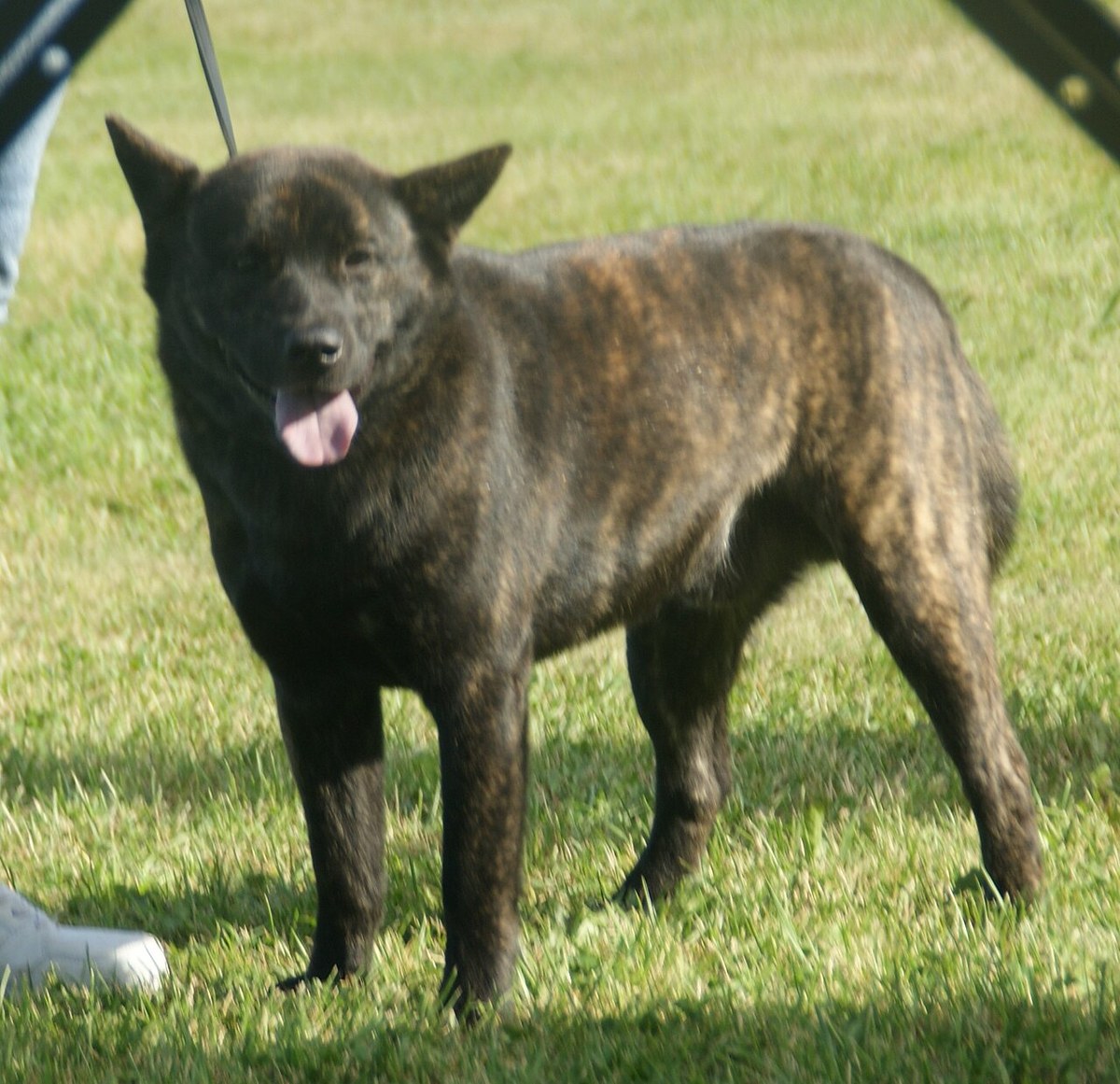
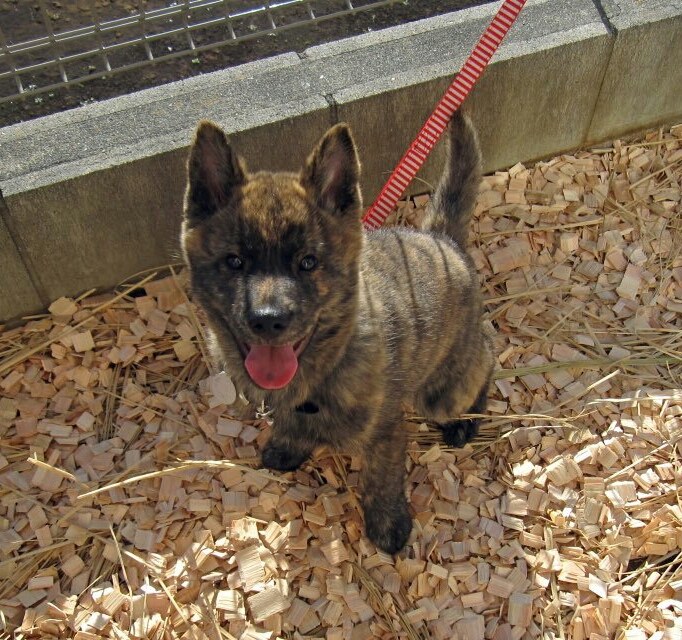
Harsh, straight double coat with a soft undercoat. Always brindle: black brindle (kuro-tora), medium brindle (chu-tora) or red brindle (aka-tora); puppies often look darker and the stripes come in with age
Job
Mountain hunting dog of Yamanashi (old Kai province), used in small groups to find and hold deer and wild boar
Temperament in one minute
Kai Ken temperament: what they are like at home
Short answer: Kai Kens are medium-sized brindle hunting dogs from the mountains of Japan. They are loyal, clean and quiet at home, often devoted to one family, reserved with strangers, agile climbers and serious about chasing animals. They need about an hour and a half of activity a day with plenty of sniffing, a long line on open walks, a climb-proof fence and gentle, reward-based training.
Are Kai Kens affectionate?
Yes, with their own family, often one person most. Build short absences early.
The usual four are running off, climbing fences, fighting handling and tension with other dogs. The list below links a guide for each.
Living with a Kai Ken in an apartment
Often fine: clean and quiet indoors, with long daily walks.
Breed history
From the Kai mountains to a Natural Monument
Its life as a mountain hunter explains the agility, the drive and the bond with a few people.
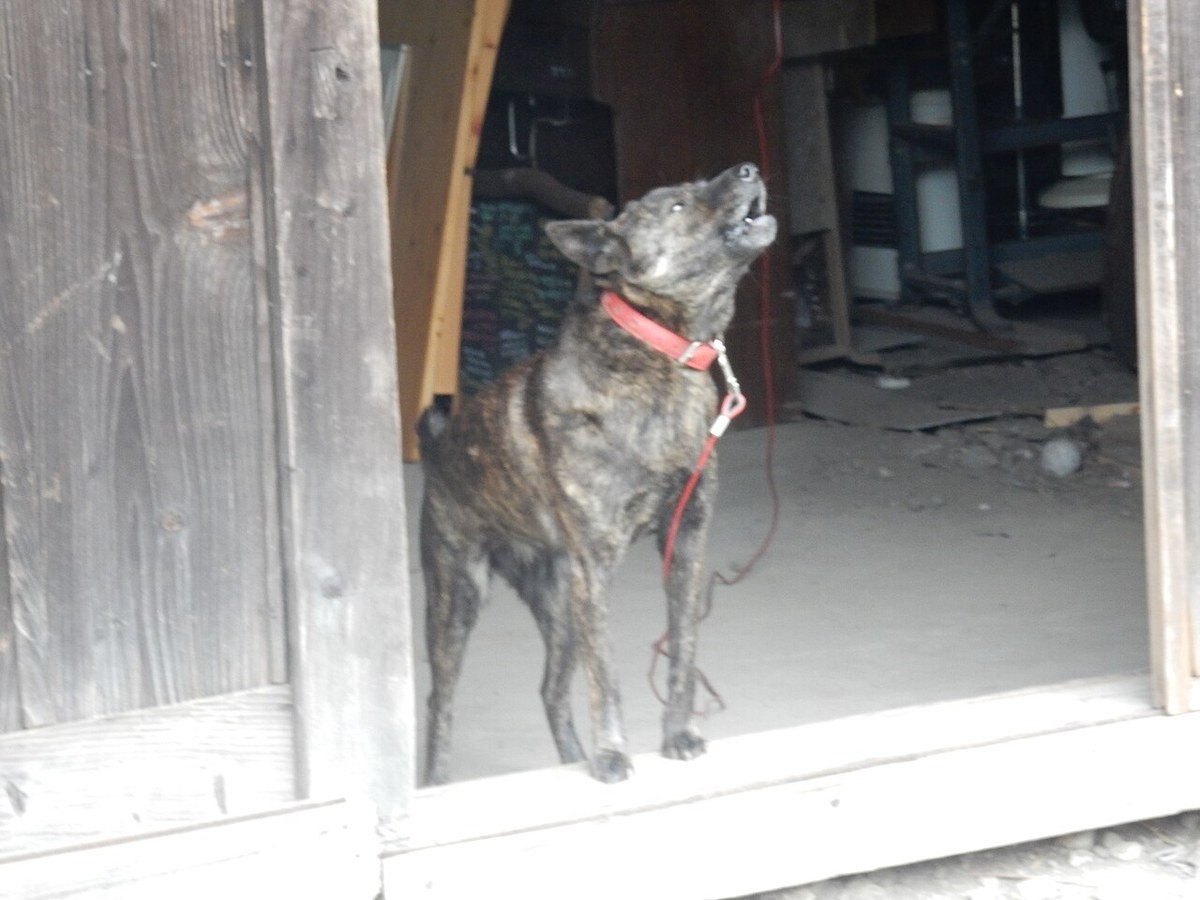
A Kai Ken howling in a shed doorway: most Kais are quiet, but they do have a voice.
Kai province (Yamanashi) · before 1930
Hunters on steep slopes
The Kai comes from the mountain villages of the old Kai province, now Yamanashi Prefecture, ringed by high peaks. Its people used local brindle dogs to hunt deer and boar on rough, wooded slopes where speed, balance and courage counted.
Because the area was remote, the dogs stayed fairly pure while other Japanese dogs were mixed with foreign breeds. Their brindle coat blends into forest shadows, which earned them the nickname 'tora inu', tiger dog.
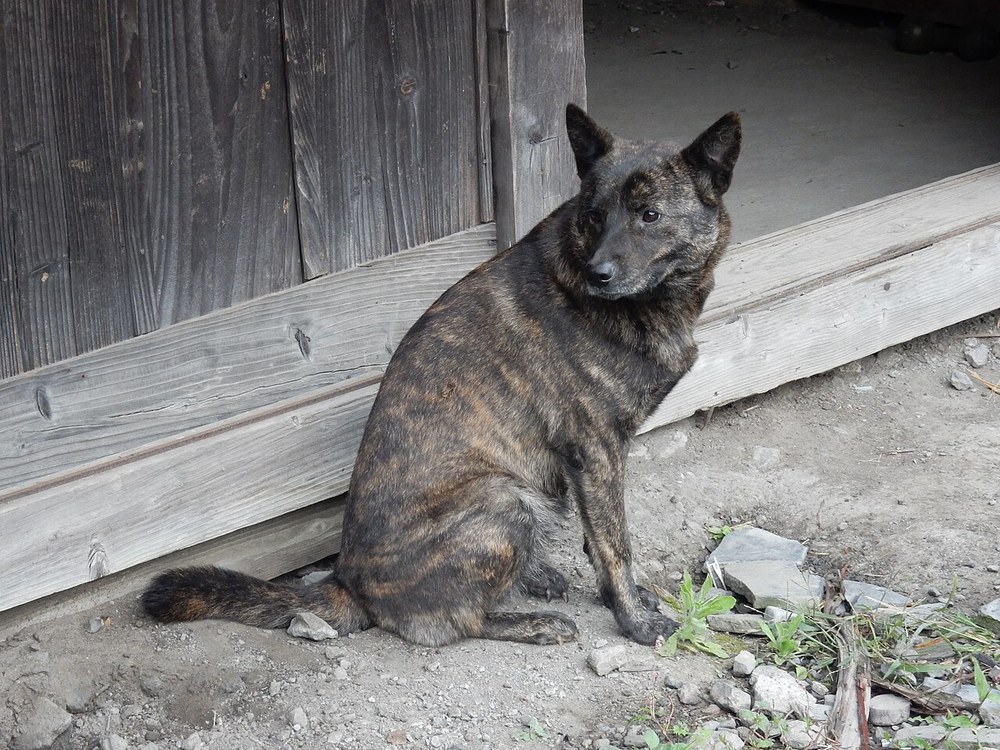
A Kai Ken at home in Japan: the breed is still kept mostly by Japanese owners and hunters.
From 1931
A protected native breed
A breed club was founded in 1931, and in 1934 the Kai was named a Natural Monument of Japan, one of six native Japanese breeds with that status.
The FCI lists the breed as Kai, and the AKC records it in its Foundation Stock Service. Outside Japan it is rare, so breeders often have waiting lists and few puppies a year.
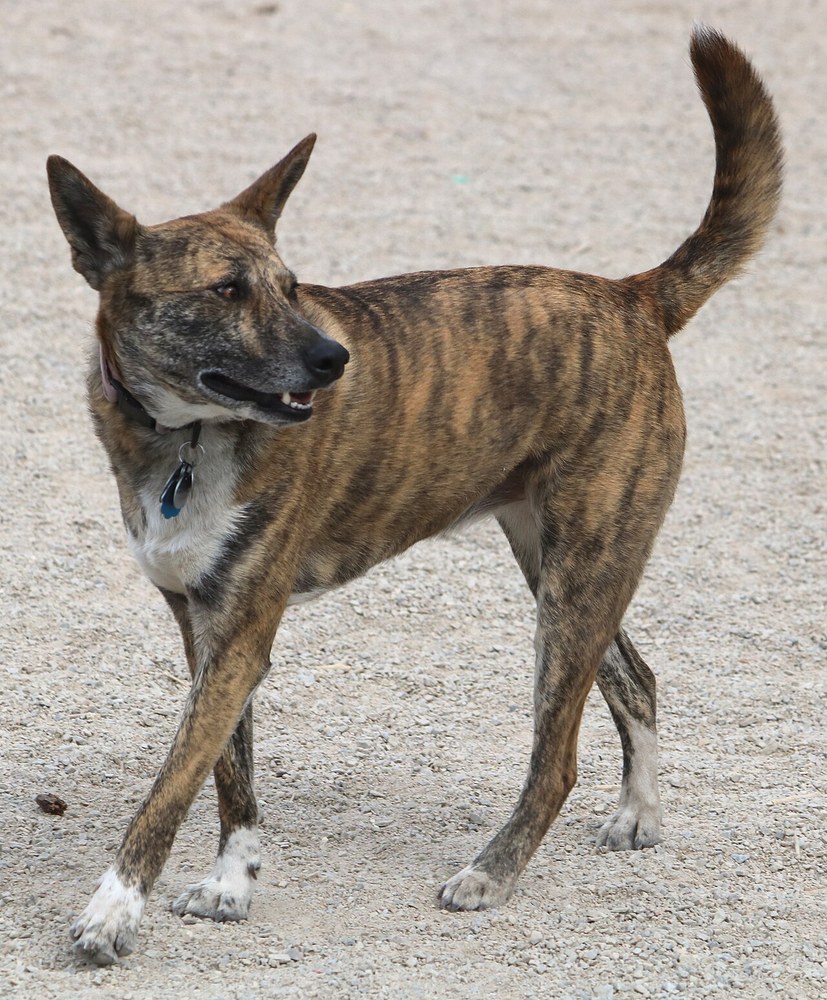
A Kai Ken on the move: light, quick and agile, with the curled tail of a Japanese spitz.
What the breed was bred for
Loyal, clean and watchful
A well-raised Kai is gentle, playful and very loyal at home, often attached to one person. It is clean, fairly quiet and learns quickly when the lesson has a point.
It is also independent, reserved with strangers and serious about small animals. Many climb fences and trees and some dislike other dogs of the same sex. It needs room to move and a careful owner.
A good Kai day has a long sniff, a safe run and quiet time at home
An adult Kai Ken needs about an hour and a half of activity a day: long-line walks with plenty of sniffing, some free running in a secure place and a few short training games. Indoors it is usually calm and tidy.
Morning · the walk
A nose on the trail
Let the first walk be slow and sniffy on a long line. A Kai that has had time to read the morning news is easier to live with for the rest of the day.
Kais learn fast and get bored with repeats. Teach a hand target, a sit before the door or a chin rest in very short sessions, and stop while the dog still wants more.
Check the fence for footholds such as wire mesh, posts, bins and woodpiles. Many Kais climb, and a dog alone in the garden has hours to plan its escape.
General awareness only. I am not a veterinarian. With a Kai Ken, owners often first notice heavy shedding twice a year, a limp after a jump or climb, sore pads after rough ground, a dog that refuses paw handling or one that seems uncomfortable in summer heat. For red flags, leave this page and open
when to call the vet.
Coat blow
The double coat sheds heavily twice a year; brush more often then.
Jumps and climbs
Kais leap and climb; check paws and legs after rough play and see a vet about any limp.
Parent checks
Ask which hip, eye and other checks the national breed club recommends for both parents, and look at the results yourself.
Heat
A thick coat and a busy dog: keep summer exercise to the cooler hours.
Handling
Many Kais dislike being restrained. Practise paws, ears and mouth from day one; see nail trim ladder.
Choose a confident puppy from a breeder who raises them in a busy home
No bloodline selling. This is a rare breed, so expect to wait. Ask how the parents behave with strangers and other dogs, meet the mother if you can, ask about club-recommended health checks and ask how the breeder handles and socialises the puppies.
Japanese and hunting lines
Closer to the mountain hunter.
Often sharper with small animals.
More reserved with strangers.
Best with experienced owners.
Suits owners who hike, track or hunt and can manage a strong drive.
Family-raised lines abroad
Raised in homes from birth.
Still independent and watchful.
Usually easier with handling.
Same need for a secure fence.
Suits patient, active owners who want a loyal house dog.
Socialization windows
What to introduce — and what not to overload — by age
AVSAB-aligned in spirit: short, clean exposures at a distance the puppy can still eat,
with hygiene while vaccines finish. See the
puppy socialization schedule.
2–4 months
Gentle start
Introduce: short handling with treats, calm visitors who let the puppy come, a harness, a crate and bed routine, short times alone, a toilet routine.
Do not overload: holding the puppy down for nails or brushing.
~6 months
Busy youngster
Introduce: name check-in, recall on a long line, a drop cue, calm meetings with known dogs, sniff games.
Do not overload: off-lead walks near wildlife.
~8–18 months
Teenage phase
Introduce: more practice with guests, fence checks, longer times alone, search and tracking games.
Do not overload: letting it chase cats or deer even once.
~2 years
Settled adult
Introduce: longer hikes, scent sports, travel, a steady routine.
Do not overload: trusting recall near animals.
~3 years+
Maintenance
Introduce: daily long walks, brushing in shedding season, weight checks, regular vet visits.
Do not overload: leaving the dog alone in the garden for hours.
Before you buy
Who a Kai Ken usually fits
Fit comes down to patience, a secure garden and whether you enjoy a quietly independent dog.
Good match
More likely a good fit if you…
You hike or walk a lot outdoors
You have a high fence with no footholds
You want a clean, quiet and loyal dog
You are happy with a dog that is polite rather than cuddly with guests
You enjoy short, clever training games
Mismatch risk
A Kai Ken may be a poor choice if…
You want off-lead walks in the countryside
You keep cats, rabbits or birds the dog has not grown up with
You want a dog that greets every visitor with joy
You want to take it to busy dog parks
You want an easy first dog
If you are torn between breeds
Kai Ken vs Shiba Inu and Korean Jindo
All three are spitz-type hunting dogs from East Asia with curled tails, clean habits and a strong will. The Shiba Inu is the smallest and the most widely kept, famous for its loud protests. The Korean Jindo is a hunting and village dog from Jindo Island, very loyal and strong. The Kai sits between them in size, is always brindle and is the keenest climber of the three.
Size
Kai Ken
Medium, about 45–53 cm.
Shiba Inu
Smaller, about 35–41 cm.
Colour
Kai Ken
Always brindle.
Shiba Inu
Red, black and tan or sesame.
Origin
Kai Ken
Mountains of Yamanashi, Japan.
Korean Jindo
Jindo Island, Korea.
Build
Kai Ken
Light and agile; a climber.
Korean Jindo
Sturdier, often white or fawn.
Ownership without surprises
Where a Kai Ken owner’s budget goes
Prices differ a lot between countries and cities, so treat these as budget headings rather than numbers.
Veterinary
A yearly check-up, whatever vaccines your own vet recommends and any checks the breed club advises.
Fencing
A high fence without footholds, and a run with a roof if your dog climbs.
Gear
A well-fitted harness, a 10-metre long line and a crate.
Grooming
An undercoat rake and a slicker brush for the shedding seasons.
Finding a puppy
A rare breed: expect waiting lists and possibly travel or import costs.
A long line and a climb-proof fence cost far less than searching for a lost Kai in the woods.
Before day one at home
What to prepare for a Kai Ken puppy
A Kai Ken puppy is bright, brave and quick on its feet, and often wary of strangers early on. Plan gentle handling with treats, visitors who let the puppy come to them, a harness, short times alone and sniff games from the first days.
Training a Kai Ken means respect, a long line and very short lessons
Most daily trouble with this breed shrinks once five things are in place: gentle handling, a long line on every open walk, a name check-in, a climb-proof garden and guests who give the dog space.
Kais are smart and sensitive, and they remember rough treatment. Force, scolding or pinning make them avoid you or defend themselves. Food, play, clear routines and very short sessions work far better.
Be realistic about recall. A Kai can come back beautifully in a quiet field and not at all when a deer jumps up. Plan your walks so you never need to find out.
Load balance
Agile body, careful build-up
Young dogs should not do long runs, steep descents or high jumps while they grow. Build hiking distance slowly and see a vet about any limp before doing more.
For this breed, ten minutes of finding hidden food often settles the dog better than another lap of the park.
A Kai that sniffs, searches and is handled kindly is usually calm and easy at home.
Recall and hunting drive
How to keep a Kai Ken safe on walks
Use a long line in open places, reward every look back, practise recall where nothing is happening first, give the nose a daily search game and keep the garden fence free of footholds.
01
Long line
On every open walk.
02
Look-back reward
A treat every time it checks in.
03
Recall ladder
Home, garden, quiet field, then woods.
04
Search game
Daily work for the nose.
05
Fence check
No footholds, no gaps.
One scene close-up
Why a Kai Ken takes off after animals
This dog was bred to find deer and boar on mountain slopes and hold them for the hunter. When it sees or smells an animal, everything else fades, including your voice.
Manage first: a long line outside fenced areas, a garden it cannot climb out of and walks away from wildlife at dawn and dusk. Then build recall like a ladder, starting at home, and give the dog daily searching so the hunting brain has work.
A dog that bites when handled, panics when alone or fights other dogs should be seen by a qualified behaviour professional, with a vet first ruling out pain.
“With a Kai Ken, I start with respect: gentle handling, space from strangers and a long line on every open walk. Treat the hunter fairly, and you get a loyal, clean and very devoted dog.”
We look at your real days: walks, garden time, visitors, handling, other dogs and time alone. Medical questions belong with your vet; I deal with behaviour.
Andrew DarovProfessional dog trainer and instructor
Before we talk, note the dog's age, where you walk, how it reacts to guests, handling and other dogs, and the first thing that goes wrong. Opens WhatsApp to Andrew.
For a calm, active family, often yes. It is loyal and gentle with its own people. It is reserved with guests and dislikes rough handling, so it suits older children best.
Is a Kai Ken a good first dog?+
It can be hard. Its independence, hunting drive and climbing suit someone who has trained a dog before and has a secure garden.
Are Kai Kens aggressive?+
They are usually reserved rather than aggressive, but they may defend themselves if forced, and some dislike dogs of the same sex. A dog that bites needs a professional.
How big does a Kai Ken get?+
FCI: males about 50 cm and females about 45 cm at the shoulder (a few cm either way); usually about 11–18 kg (25–40 lb).
Why is the Kai called a tiger dog?+
Because of its brindle stripes. In Japan it is sometimes called 'tora inu', tiger dog. Puppies are often darker and the stripes show more with age.
Do Kai Kens shed?+
Yes. The double coat sheds moderately all year and heavily twice a year.
Kai Ken vs Shiba Inu: what is the difference?+
The Shiba is smaller and comes in red, black and tan or sesame. The Kai is larger, always brindle and usually a keener climber.
Kai Ken vs Korean Jindo: what is the difference?+
The Jindo is a Korean breed, usually sturdier and often white or fawn. The Kai is a lighter Japanese mountain dog, always brindle.
How much exercise does a Kai Ken need?+
About an hour and a half a day, with long sniffy walks, safe running and search games.
Can a Kai Ken live in an apartment?+
Yes, it can, as it is clean and quiet indoors, if it gets long daily walks and hallway meetings are kept calm.
What health themes should I ask about?+
Ask the breeder which hip, eye and other checks the national breed club recommends for both parents. This is general awareness, not a diagnosis.
How long do Kai Kens live?+
Breed clubs usually quote about 12–15 years, though each dog is different.
If a Kai Ken seems too independent for your home
Many people fall for the tiger stripes and the fox-like face. The hunting drive, the climbing and the cool welcome for strangers are what to think through before you commit.
A loyal, clean Korean hunting dog that often bonds to one family. Needs a secure home, a long line instead of off-lead walks and slow, patient socialization.
A devoted Hungarian flock guardian: gentle with family, wary of strangers and independent. Needs a strong fence, nights indoors, long socialization and patient training.
An independent Italian flock guardian: calm by day, watchful at night, aloof with strangers. Best on rural land with a good fence, a night routine and an owner who values cooperation.
A calm, loyal Italian giant with heavy folds: loving at home, watchful with strangers. Needs early lead manners, managed visitors, short cool walks and patient training.
Teach your dog to sit to greet people instead of jumping: practise with family, reward the sit, and ask guests to step back if the dog jumps. Step by step.
Need a read on your exact situation?
Tell me about your Kai Ken in a short message: its age, where you walk, how it reacts to guests, handling and other dogs, and what goes wrong first. We rule out health issues first, then pick one skill to start with.