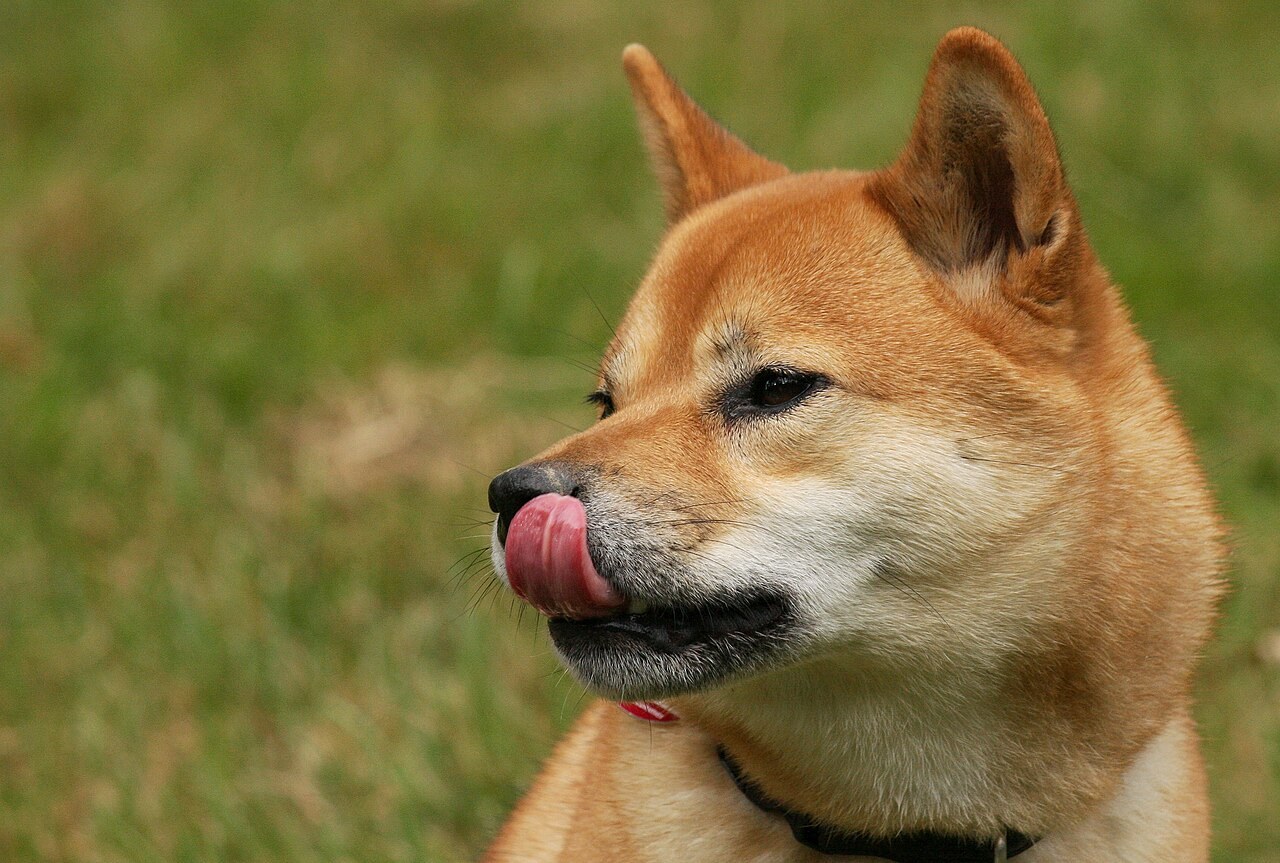
Shiba Inu: temperament, training & independent/prey
A Shiba Inu is a small, agile Japanese spitz with a big personality. Most are clean, alert, independent, reserved with strangers, sensitive to handling, and quick to escape through any gap. City life works when you use a secure harness and long line, train handling gently with food, and respect the dog’s need for personal space.
Job: Japanese hunting dog — alert, quick and independent.
Energy: Moderate; walks and games on a long line.
Home: Needs secure fencing, handling practice and patience.
A Shiba is an independent, clever dog that needs patient recall and handling practice
Public breed histories describe a small hunting dog from Japan’s mountains that flushed birds and small game. The modern pet kept the alertness, the agility, and the independent decisions.
Training works with good food and short sessions. The hard parts are recall, handling for grooming and the vet, guarding of toys or food, and sometimes friction with other dogs.
From the first month, build two habits. First: a hand reaches toward the dog, food follows, and the dog stays relaxed. Second: the door opens and the dog waits for release instead of bolting.
Why the Shiba Inu was built for brushy mountains, quick decisions, and personal space
Background does not program one puppy, but it explains the familiar Shiba file: clean, alert, independent, touchy about handling, and very quick to leave when a door or a collar gives way.
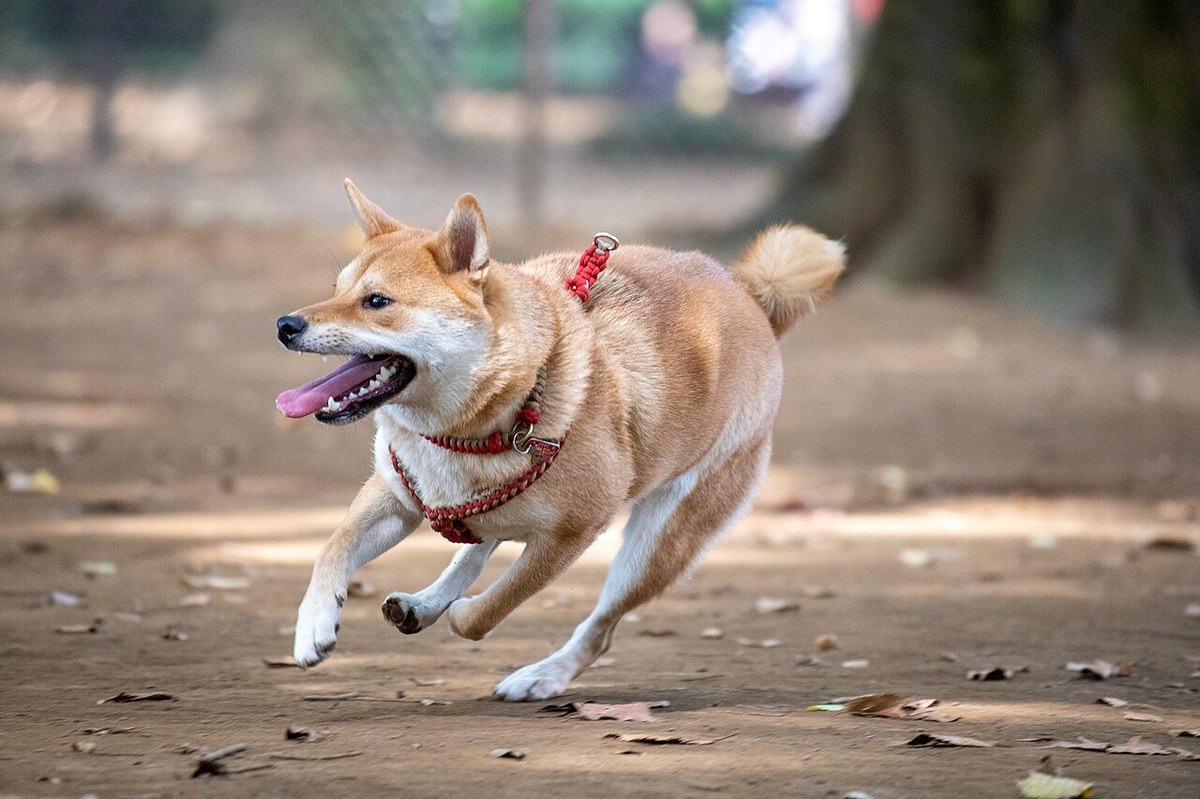
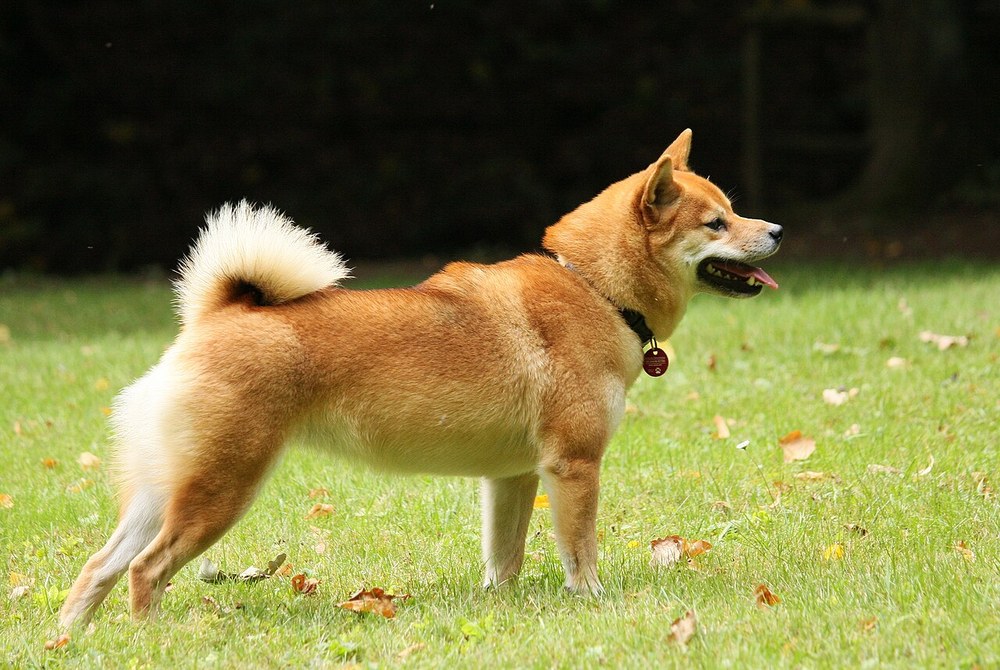
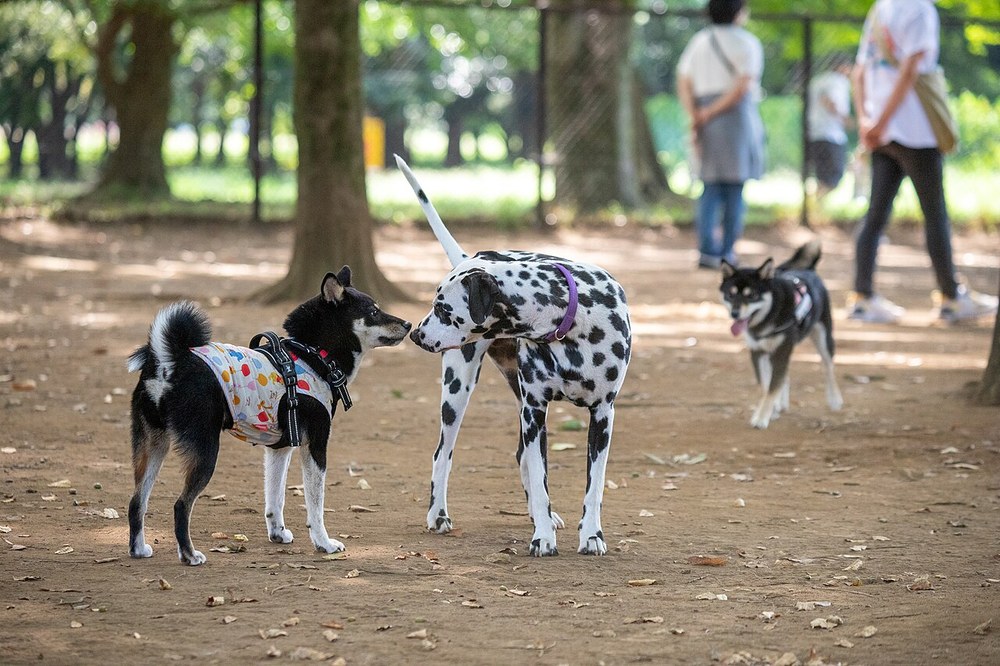
Shiba Inu running (modern photograph). Small, fast, and agile — built for rough ground.
Mountain Japan → small-game hunting
Small, quick, and self-reliant
The Shiba is the smallest of Japan’s native spitz-type breeds. Public breed histories describe dogs used in mountainous, brushy country to find and flush birds and small game, working at a distance and making their own choices.
That self-reliance is why so many Shibas seem uninterested in a cue when something better is happening. It is not spite. It is a dog bred to decide for itself, which means recall and handling have to be built and rewarded.
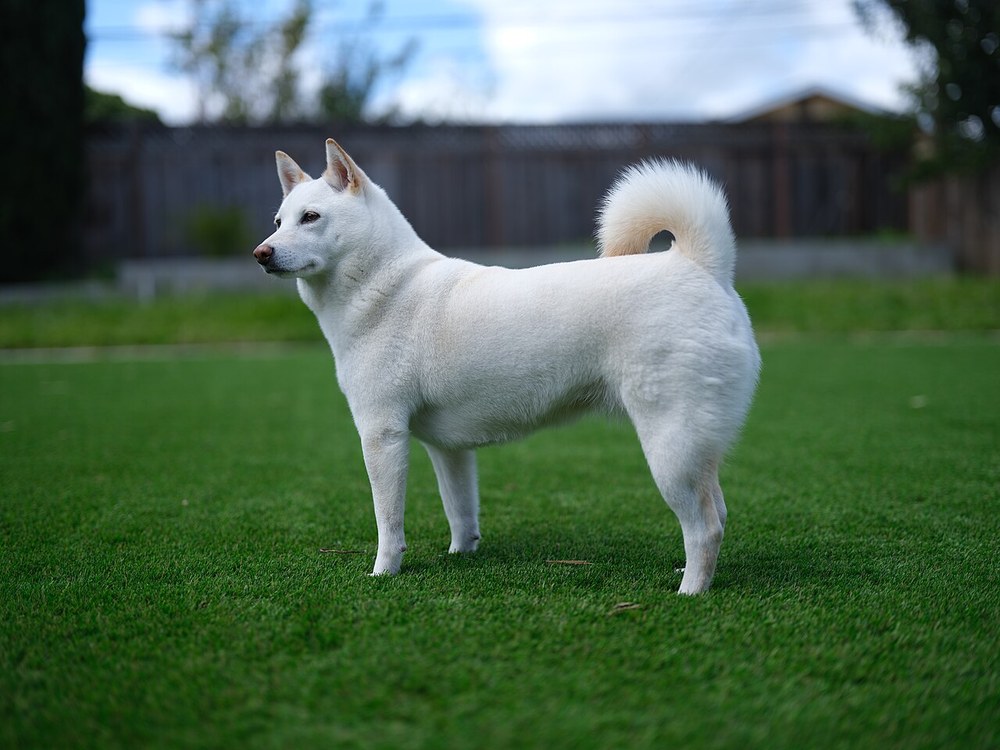
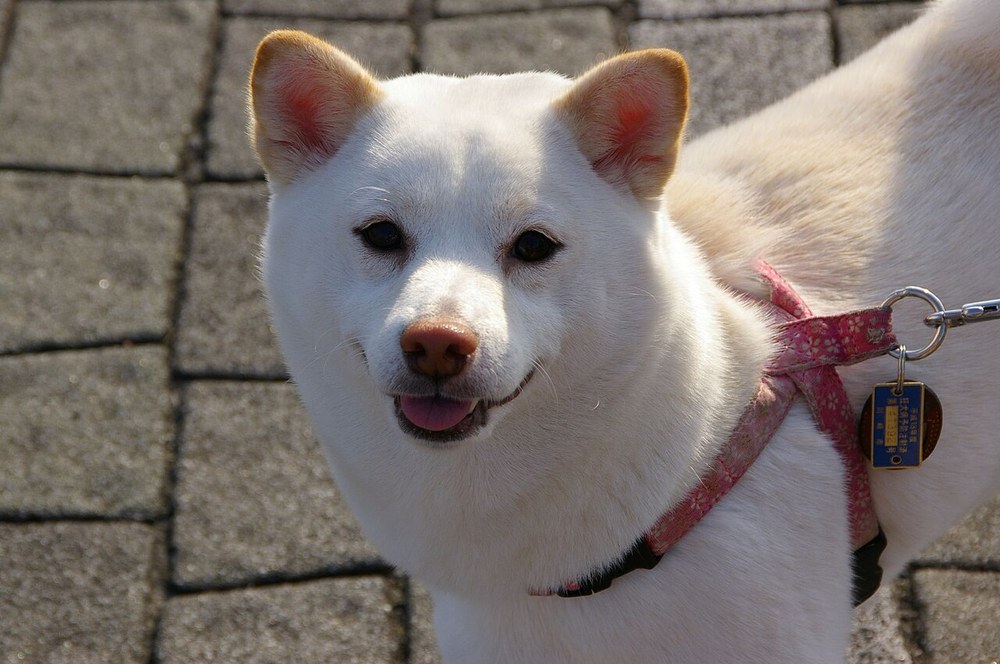
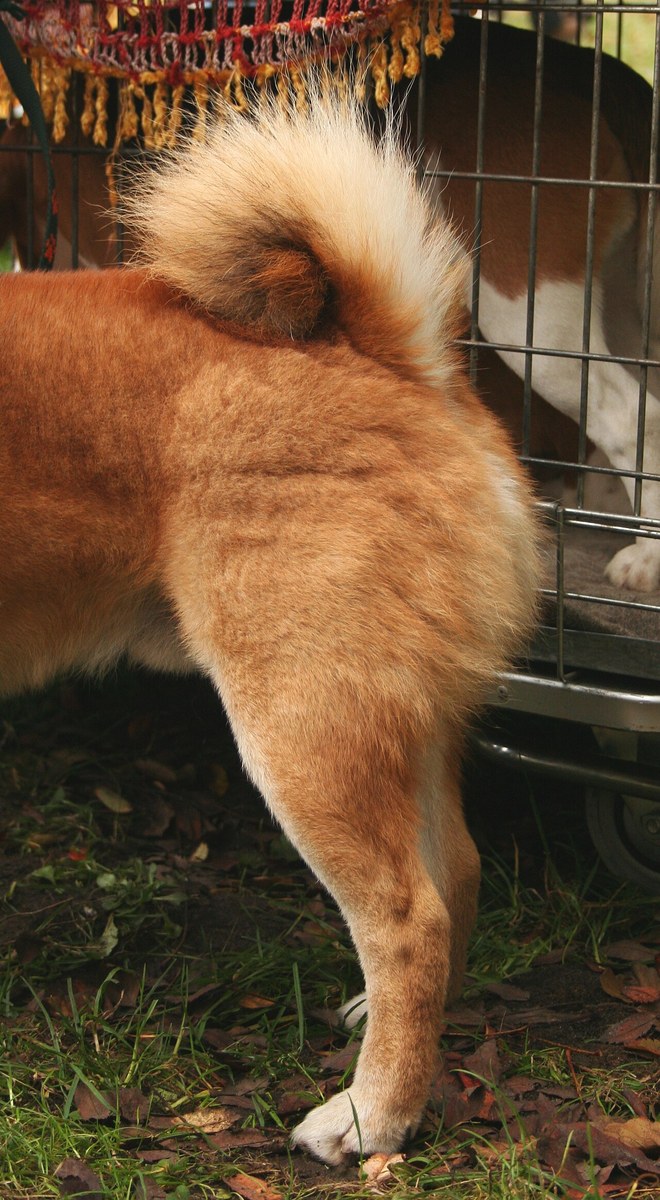
A four-year-old cream Shiba Inu (modern photograph). Cream occurs in the breed but is not a standard colour for major kennel clubs.
Natural monument → post-war rebuild → global pet
Near loss after the war, then a worldwide following
Public breed lore records the Shiba being designated a natural monument in Japan in the 1930s and numbers falling badly around the Second World War. Breeders rebuilt the breed from surviving regional lines.
Internet fame came much later. The fox-like face sells puppies; the adult is still a primitive, independent dog that dislikes rough handling and may object loudly — the famous “Shiba scream”.
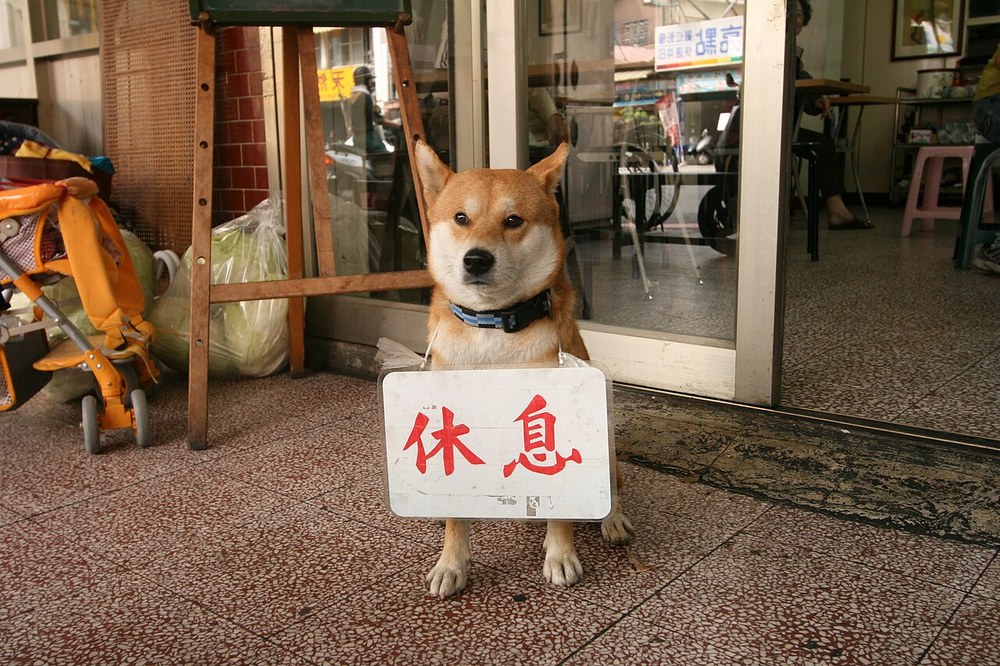
A Shiba offering a play bow with a lowered rear (modern photograph). Learn the body language; this breed communicates clearly.
What the breed was bred for
Alertness, agility, and an opinion about being held
In plain trainer language: the type was selected for alertness, agility, and independent work. That is why a Shiba with clear routines and gentle, rewarded handling is a tidy, interesting companion — and why one that is grabbed and forced learns to defend its body.
Many Shibas guard food, toys, or resting spots. Trade instead of snatching, give the dog its own space, and teach children not to pick it up or follow it under furniture.
Handling is trained with food, a little at a time
Off-lead freedom is rarely safe; long line and fences
Trades, not grabs, for anything the dog has
Calm, predictable greetings — no hugging strangers
A day is short rewarded sessions, secure exits, and a small dog that is not handled like a toy
In a city the Shiba’s past shows up as escape attempts, selective hearing, a strong reaction to restraint, and sometimes friction with other dogs. Most adults are calm indoors. The work is safety on walks and respect for the dog’s body.
Morning · first outing
A secure harness and a door routine
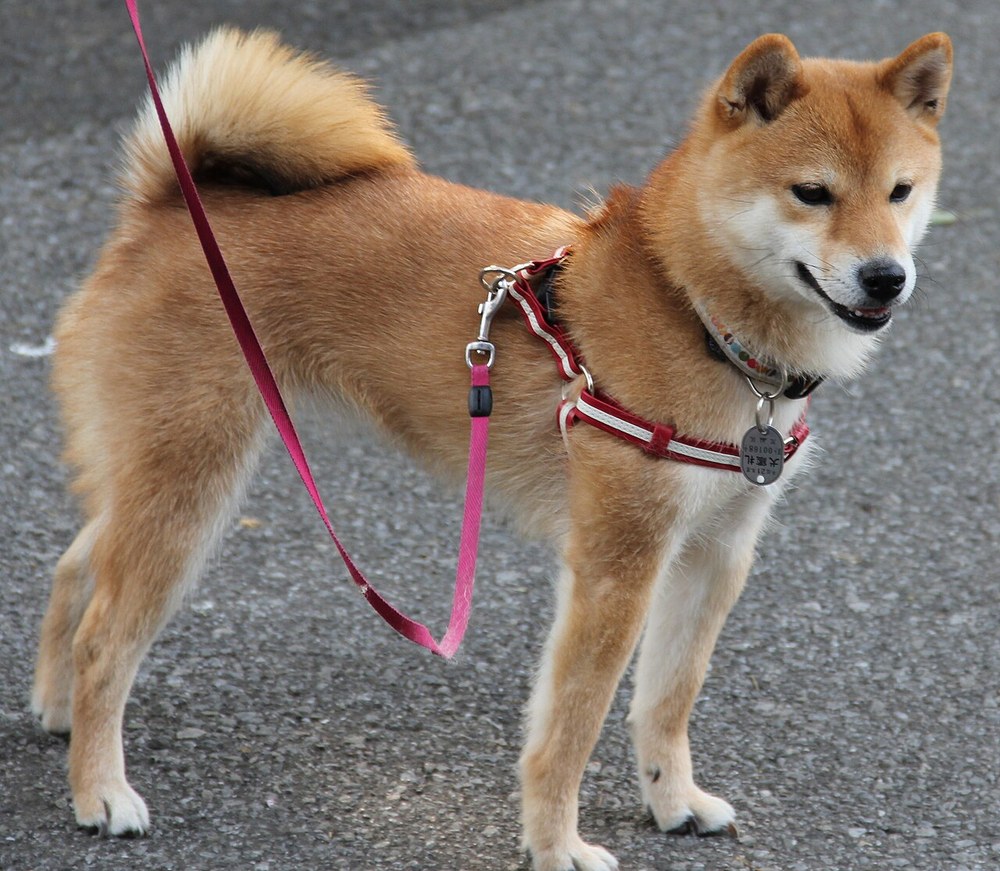
Shibas are known for slipping collars and bolting through gaps. Use a well-fitted harness, check it, and teach a wait at the door before the walk begins.
Recall competes with birds, cats, and anything that runs. Build it with high-value food on a long line and accept that many Shibas are never reliable off lead near roads.
Nail trims and ear checks can trigger loud protest. Break them into tiny steps, reward each one, and stop before the dog panics. A muzzle trained as a game makes vet visits safer.
Possessive behaviour over food or found objects is common. Trade for something better, feed in a quiet spot, and teach children to leave a resting dog alone.
What to watch monthly: seasonal shed, handling tolerance, and weight
General awareness only. I am not a veterinarian. Early signals are changes in appetite, coat, movement, or how the dog tolerates touch. For red flags, leave this page and open
when to call the vet.
Double coat and seasonal shed
The Shiba has a stiff outer coat and a soft undercoat that usually sheds heavily once or twice a year. Brush more during a shed; the rest of the year is easy. Most Shibas keep themselves clean.
Handling as a care skill
Body handling is the breed’s weak spot. Practise touching paws, ears, and mouth with food before you need to. See fear of vet handling and introducing a muzzle.
Weight on a small frame
A few extra treats show quickly on a small dog. Measure the ration and count training food. See treat calories in the ration.
Health screening (not a diagnosis)
Ask the breeder which health screenings the national breed club recommends and look at both parents’ results. A breed page cannot diagnose your dog; your veterinarian can.
Nails and paws
Short nails help a light, quick dog move well. If trims are a battle, use the step-by-step approach and ask your vet or groomer for help.
Toxins and escapes
I do not publish toxin amounts. If the dog got out and ate something dangerous, call a veterinarian or a poison-control line; the footer lists public numbers.
Lines and types
Breeder-raised and casually bred Shibas can differ a lot
The breed’s popularity means many puppies come from breeders who do not focus on temperament or health. A careful breeder raises puppies with handling and socialisation. Independence and handling sensitivity are part of the breed either way.
From a careful breeder
Parents meet people calmly and tolerate handling.
Puppies are handled and exposed to normal household life.
Health screening results are available for both parents.
You can meet the mother and see how she lives.
Fits an owner who wants an independent but steady companion and is ready to keep socialising.
From casual or mass breeding
Parents may be unseen or unknown.
Puppies may have had little handling or socialisation.
Handling and fear problems are harder to undo later.
Health information is often missing.
If you already have one, start gentle handling and socialisation now, and get professional help early if fear or guarding appears.
Socialization windows
What to introduce — and what not to overload — by age
AVSAB-aligned in spirit: short, clean exposures at a distance the puppy can still eat,
with hygiene while vaccines finish. See the
puppy socialization schedule.
2–4 months
Handling and trust
Introduce: tiny handling steps with food, a secure harness, a crate or pen, gentle visitors who let the puppy approach.
Do not overload: picking the puppy up constantly, restraining it through protests, children chasing it.
~6 months
Calm exposure and recall basics
Introduce: long-line recall, door waits, polite meetings with calm dogs, trades for found items.
Do not overload: off-lead walks, rough dog play, snatching things from the puppy’s mouth.
~12 months
Adolescent independence
Introduce: more long-line freedom in safe places, muzzle training, continued handling practice.
Do not overload: trusting recall near roads, forcing grooming, ignoring stiff body language with other dogs.
~18 months
Adult preferences
Introduce: chosen dog friends, new places at the dog’s pace, short training sessions.
Do not overload: busy dog parks, forced greetings with strangers, skipping nail care because it is hard.
~24 months
Maintain the basics
Introduce: refreshed handling, door, and recall routines.
Do not overload: assuming the dog has “grown out” of guarding or escaping, loose harness fit.
Before you buy
Who a Shiba Inu usually fits
A Shiba suits patient people who enjoy a clean, clever, cat-like dog and are happy to earn its cooperation rather than expect obedience.
Good match
More likely a good fit if you…
Like an independent dog that enjoys company but does not need constant attention
Can keep a garden and front door secure — Shibas are quick to slip out
Will practise handling and grooming patiently, without force
Are fine keeping the dog on lead in unfenced areas
Want a small to medium dog with a big personality and a tidy nature
Mismatch risk
A Shiba Inu may be a poor choice if…
You want a dog that loves being cuddled by everyone, including strangers and children
Off-lead walks in open parks are important to you
You expect fast, eager obedience in every situation
The famous ‘Shiba scream’ during handling would embarrass or upset you
Small pets like rabbits or guinea pigs live in the household
If you are torn between breeds
Shiba Inu vs Akita and Pomeranian
The Shiba is often compared with its larger Japanese cousin and with smaller spitz breeds. Size is only one of the differences.
Size
Shiba Inu
Small to medium, compact and agile.
Akita
Large and powerful; mistakes are harder to manage.
With strangers
Shiba Inu
Often aloof; prefers to choose its own contacts.
Pomeranian
Usually more outgoing, but can be noisy.
Handling
Shiba Inu
Commonly dislikes restraint, nail trims and grooming without careful training.
Akita
Also independent with handling, and much stronger.
Voice
Shiba Inu
Generally quiet, but may scream when unhappy.
Pomeranian
Much more likely to bark at sounds and passers-by.
Training
Shiba Inu
Clever but self-directed; works for good rewards and dislikes repetition.
Both compares
Akitas are similarly independent; Pomeranians are usually keener to please.
Ownership without surprises
Where a Shiba Inu owner’s budget goes
Costs depend on where you live and your breeder. These areas help you plan before bringing a Shiba home — they are not price quotes.
Time and patience
Daily walks and short training sessions, plus slow handling practice. Rushing a Shiba usually backfires.
Secure home
Good fences, gate latches and a habit of checking doors. Shibas are quick and curious.
Food
Small dog with a modest appetite; keep it lean and use food for training.
Veterinary care
Routine care plus a vet who handles dogs calmly. Ask the breeder which screenings the national breed club recommends.
Grooming
Brushes for the double coat, especially during seasonal shedding, and possibly help with nail trims.
Training help
A puppy class and possibly a trainer for handling or dog-to-dog issues.
With a Shiba, the biggest investment is patient training and secure containment.
Before day one at home
What to prepare for a Shiba Inu puppy
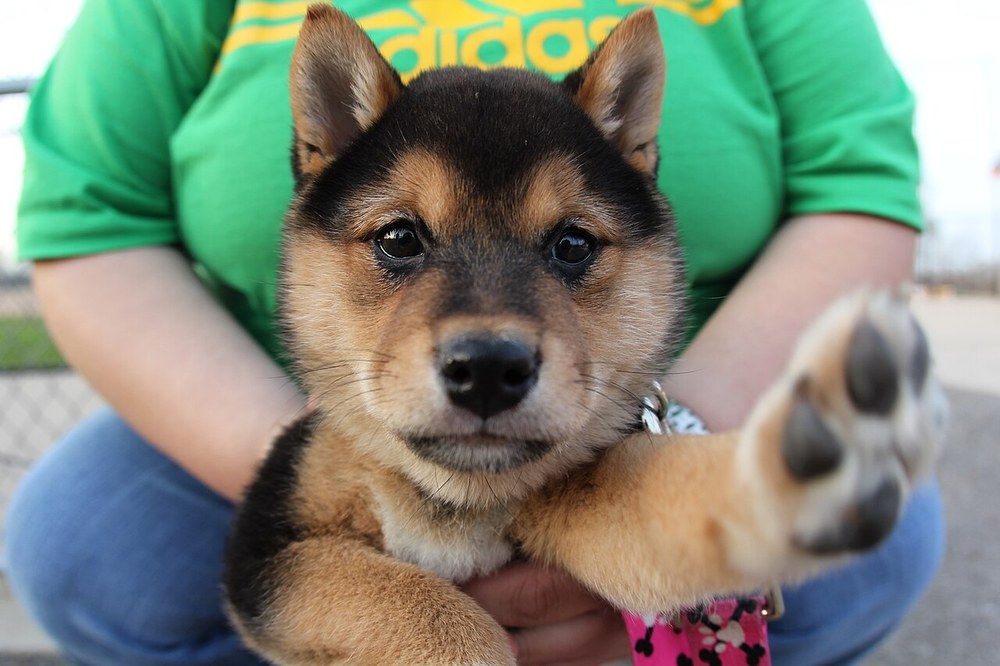
A Shiba puppy is bold, quick and very independent for its age. Gentle handling practice, a secure home and a recall game in the first weeks prevent many adult problems.
01
Start handling gently
Touch paws, ears and mouth for a second at a time and reward calm. Never force it. See puppy handling and nail trim ladder.
02
Secure the house
Check fences, gates and doors. Teach a wait at the door early. See wait at the door.
03
Plan toilet trips
Shibas are often very clean and house-train quickly with a good routine. Follow potty training.
04
Build recall as a game
Call the puppy in the house and reward every time. See the name game.
05
Meet dogs carefully
Short, calm meetings with friendly adult dogs teach good manners. Avoid busy puppy parties.
Training means earning cooperation, not demanding obedience
Shibas learn quickly but are not built to obey for the sake of it. Short, interesting sessions with good rewards work best; repetition and pressure make them shut down or walk away.
Handling is the biggest training project for many owners. Practise slowly and give the dog choices, and it will usually accept grooming and vet care much better.
Recall needs a lot of work and a long line outside fenced areas. Shibas are fast, curious and can be prey-driven.
Load balance
Enough activity without overdoing it
Shibas are active and agile but do not need extreme exercise. Mental work and sniffing walks are just as important as distance.
WalkTraining gameFood puzzleChewRest
Daily walks, sniffing, short training games and puzzles meet most needs. Free running in unfenced areas is risky and not necessary.
A Shiba that is mentally busy and secure at home is usually calm and clean indoors.
Handling, consent and calm grooming
How to teach a Shiba Inu to accept handling
Start with short, gentle touches at a time when the dog is relaxed, and stop before it tries to move away.
01
Pick a calm moment
Practise when the dog is relaxed, ideally after a walk or meal.
02
Teach a ‘ready’ signal
Reward the dog for resting its chin on your hand or a cushion. That becomes its way to say it is ready.
03
Touch, reward, release
Touch the paw or ear for a second, reward and let go. Stop if the dog lifts its chin.
04
Add the tool gradually
Show the brush or clipper, reward, then touch it to the paw before ever cutting a nail.
05
Keep sessions very short
One or two nails or a few brush strokes is enough. End while the dog is still comfortable.
One scene close-up
Why your Shiba screams when you trim its nails
The ‘Shiba scream’ is a loud protest when the dog feels restrained or uncomfortable. It is communication, not drama.
Break the task into tiny steps: touch the paw, reward, let go. Add the clipper later, then one nail at a time. Teach a chin rest so the dog can tell you when it is ready.
If the dog bites, panics or cannot be handled for basic care, talk to your vet and a qualified behaviour professional about a safe plan.
“With a Shiba, I respect the independence instead of fighting it. We build consent-based handling, a recall that is rewarded every time, safe containment and short, interesting sessions — because a clever, cat-like dog that feels pushed will simply leave the conversation.”
Sessions cover real scenes: handling and nail care, escape prevention, recall on a long line, dog-to-dog manners, and calm at home. I am a trainer, not a veterinarian. No invented reviews.
Andrew DarovProfessional dog trainer and instructor
Describe age, living setup, and where the dog breaks first — chasing small animals, handling and grooming, recall, or settling after a walk. Opens WhatsApp to Andrew.
An ancient, dignified Chinese breed that is often reserved with strangers and needs early handling, coat care and calm routines.
Need a read on your exact situation?
Describe your Shiba Inu’s age and the scene that repeats most: chasing small animals, handling and grooming, recall, or settling after a walk. We check safety first, then pick the first skill.
Written by Andrew Darov, professional dog trainer. Not veterinary advice and not a diagnosis.
Not a kennel club. No invented reviews. No vaccine schedules or toxin doses. Photo credits in
/images/breeds/shiba-inu-guide/credits.md.