Carolina Dog: temperament, shyness, escape habits and training an American pariah dog
The Carolina Dog, sometimes called the American Dingo or Dixie Dingo, is a medium, ginger, prick-eared dog first described from free-living dogs in the pine woods and swamps of the south-eastern United States. It is a primitive, pariah-type dog: lean, quick, clean and very aware of what is going on around it. With its own family it is usually loyal and gentle. With strangers, new places and sudden noise it is often shy and careful. Many Carolina Dogs come through rescue rather than breeders, so most owners start with a dog that needs time, patience and a quiet home far more than it needs hard exercise.
Job: A medium primitive dog from the south-eastern US; recognised by the UKC (Sighthound and Pariah group) and listed in the AKC Foundation Stock Service.
Energy: Loyal and gentle with its people, shy or wary with strangers, alert, clean and often good at slipping out of gaps.
Home: Suits a calm home with a secure fence, an owner who likes a thinking dog and the patience to let a shy dog set the pace.
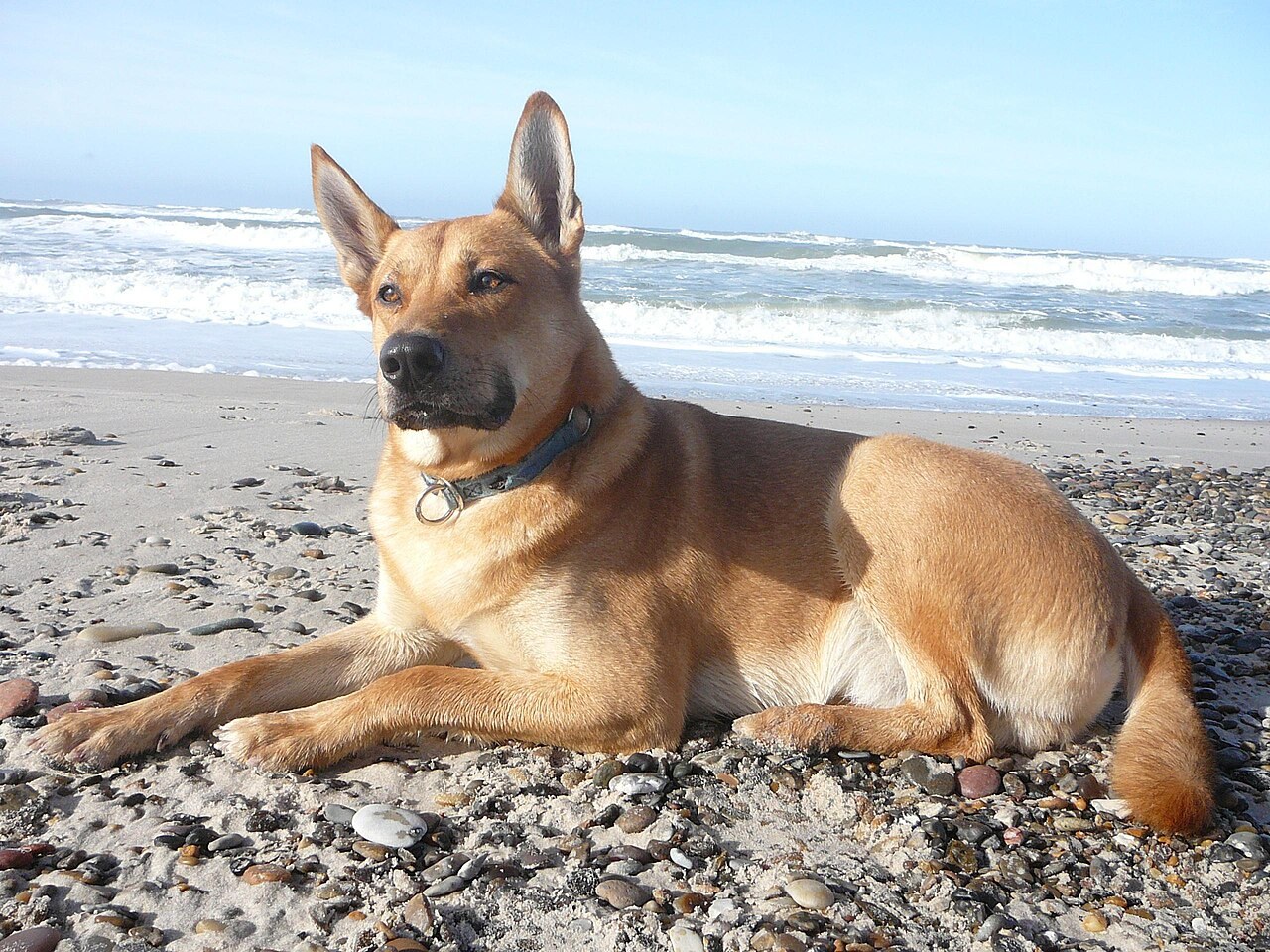
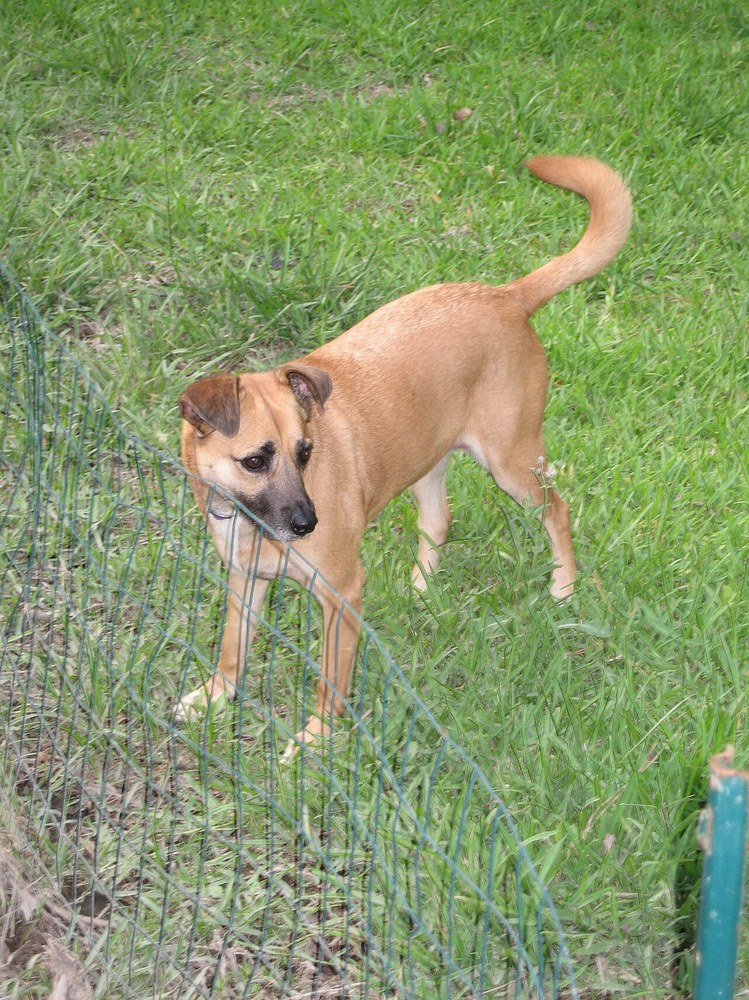
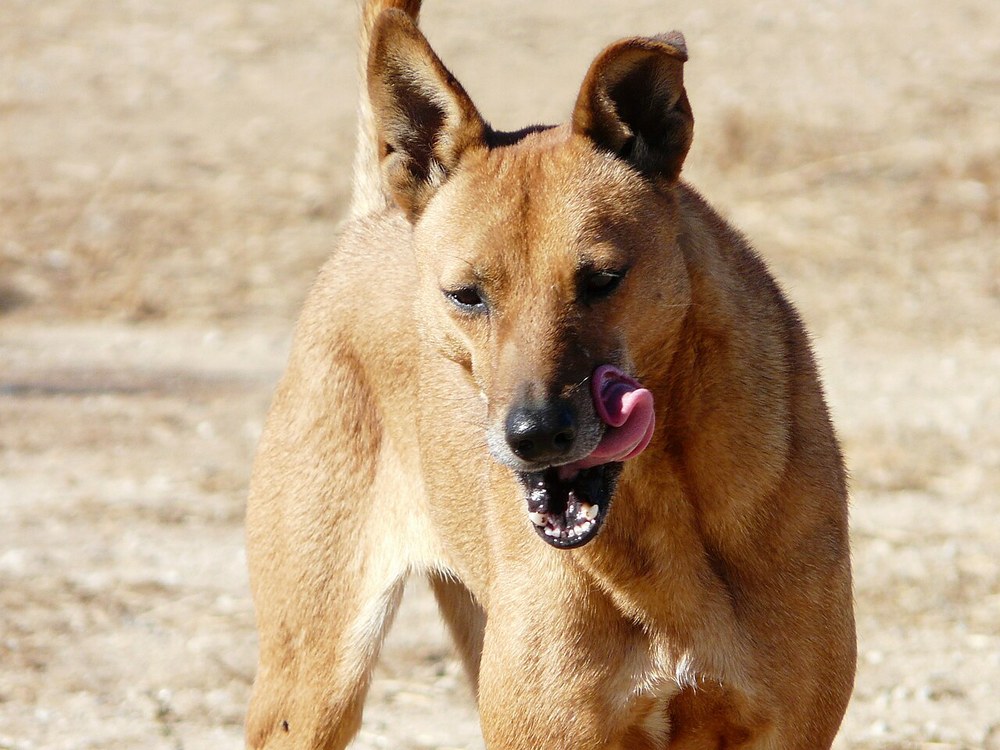
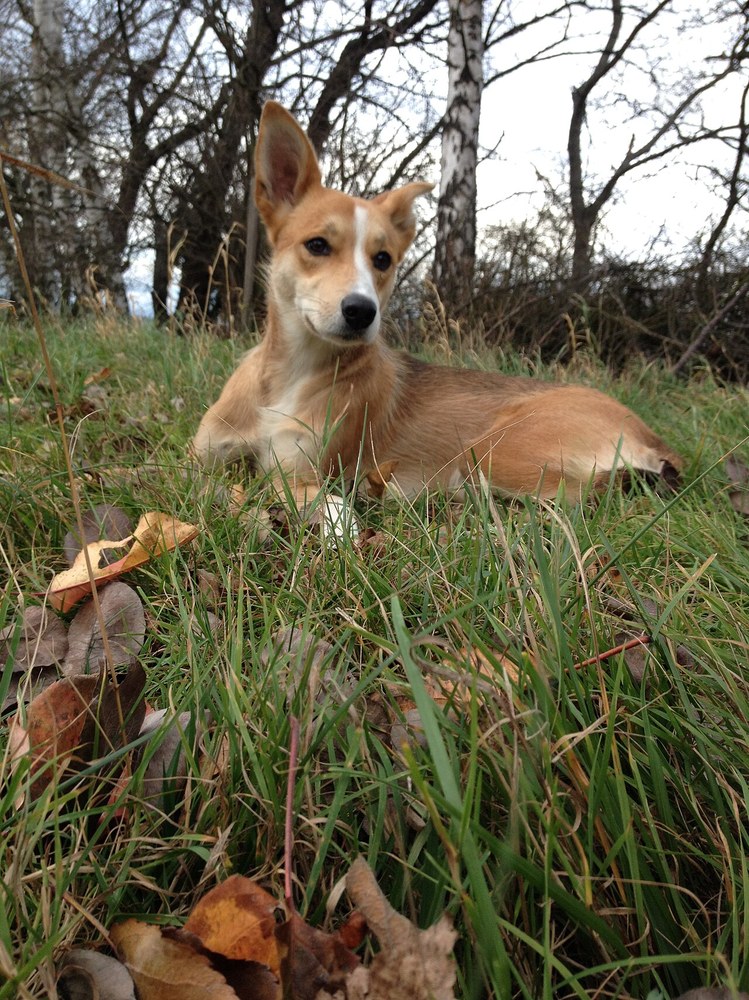
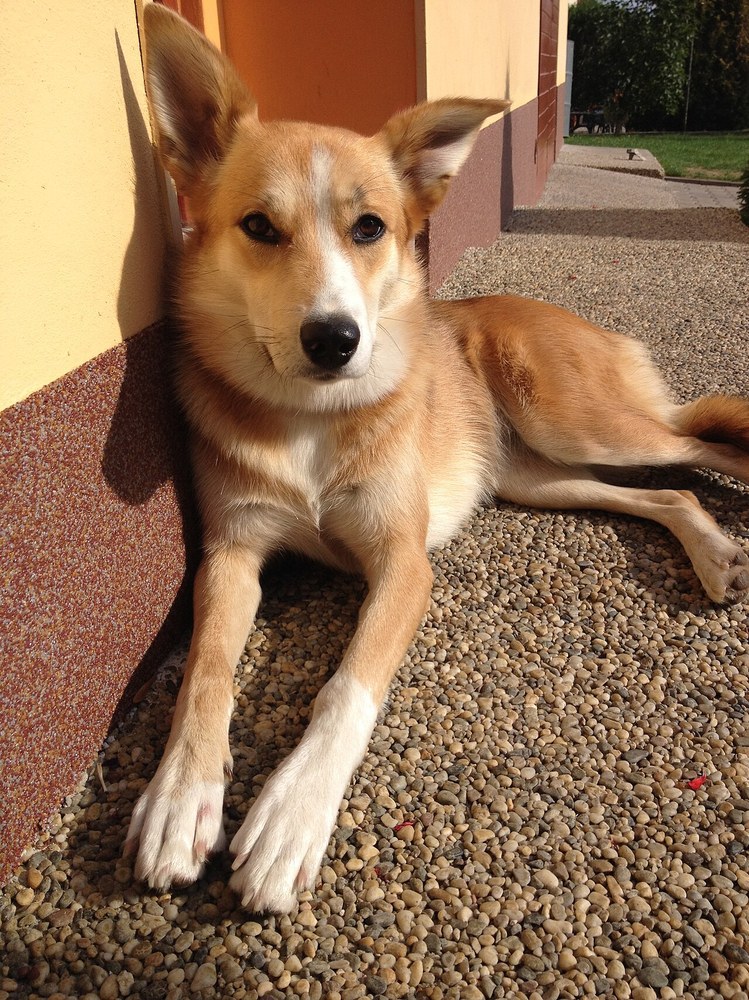
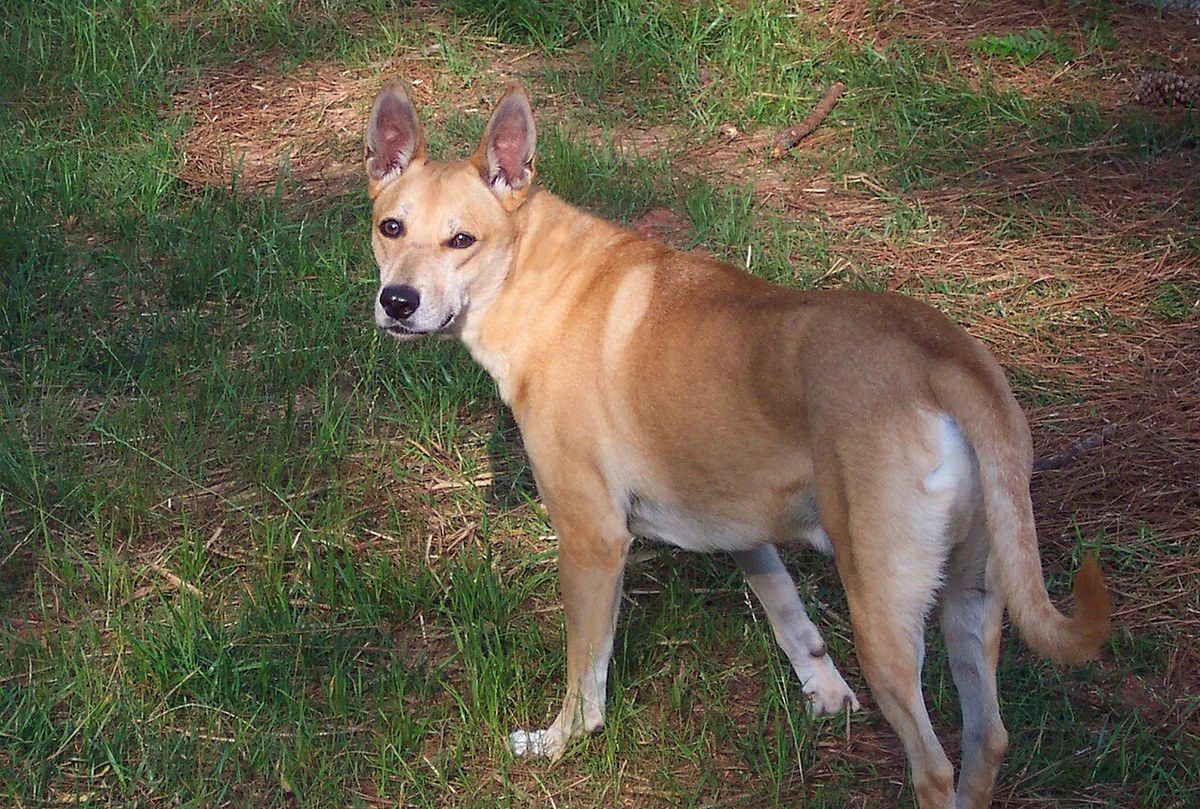
People notice the look first: the fox-red coat, the big upright ears and the curled, fish-hook tail. Then they notice how carefully a Carolina Dog watches a new person before it decides to come any closer.
The calls I get are usually about a rescued dog that hides when guests arrive, slips its collar on a walk, will not toilet outside in a new garden, or gets out under the fence and stays out for an hour. Sometimes it is a dog that is perfect at home and a different animal in a busy town.
These dogs do well with low pressure. A safe space indoors, a secure fence and harness, short and predictable walks, food-based training and guests who ignore the dog until it is ready. Given time, many become affectionate, funny and surprisingly easy companions.
Usually about 45–61 cm (17.5–24 in) at the shoulder
Weight
Usually about 14–20 kg (30–44 lb)
Energy
Moderate to high
Coat / shed
Short, dense coat that thickens in winter; usually ginger to red-fawn, sometimes with pale markings, a darker saddle or black and tan. Moderate seasonal shedding
Job
Free-living dogs of the south-eastern US pine woods and swamps; later kept as companions, and still often found through rescue
Temperament in one minute
Carolina Dog temperament: what they are like at home
Short answer: Carolina Dogs are medium, ginger, prick-eared primitive dogs from the south-eastern United States. They are loyal and gentle with their family, often shy with strangers, alert, clean and good at escaping, with a strong urge to chase small animals. They need a quiet home, a secure fence and harness, about an hour to an hour and a half of calm walks and sniffing a day, and patient, food-based training at the dog's own pace.
Are Carolina Dogs affectionate?
Yes, with their own people, once they trust them. Teach short absences early.
The common four are shyness with guests, escapes, chasing small animals and weak recall outside. The list below links a guide for each.
Living with a Carolina Dog in an apartment
Possible for a calm adult with daily sniff walks, if the building is not too busy and noisy.
Breed history
From the pine woods of the South to family homes
Generations of living on their own made a dog that is careful, clever and quick to look after itself.
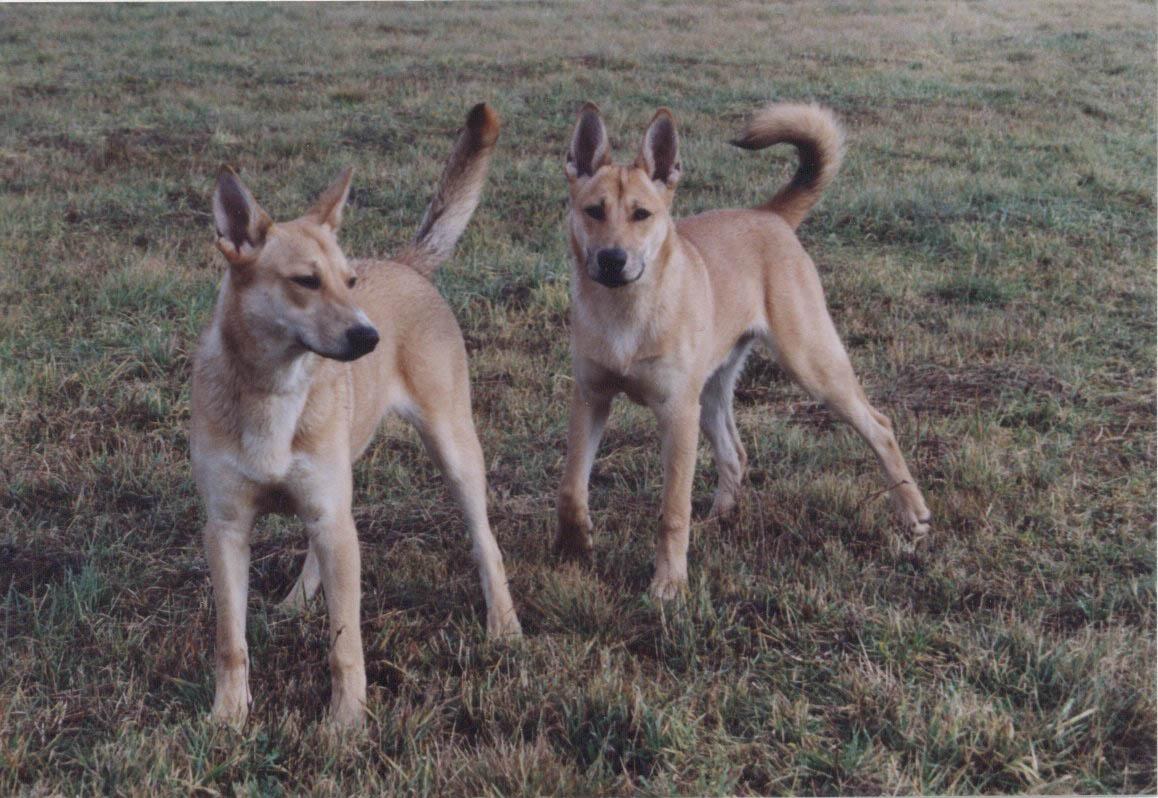
Two Carolina Dogs together: these dogs often feel safest with a calm dog friend nearby.
South-eastern US · 1970s
Dogs found in the woods
In the 1970s the American biologist I. Lehr Brisbin began studying free-living dogs in remote woods and swamps around the Savannah River area in South Carolina. They looked alike: medium size, ginger coat, upright ears and a curled tail, much like dingoes and other pariah dogs.
These dogs hunted small animals, raised their pups in dens and lived in small groups. Brisbin and others began keeping and breeding some of them, and the name Carolina Dog stuck.
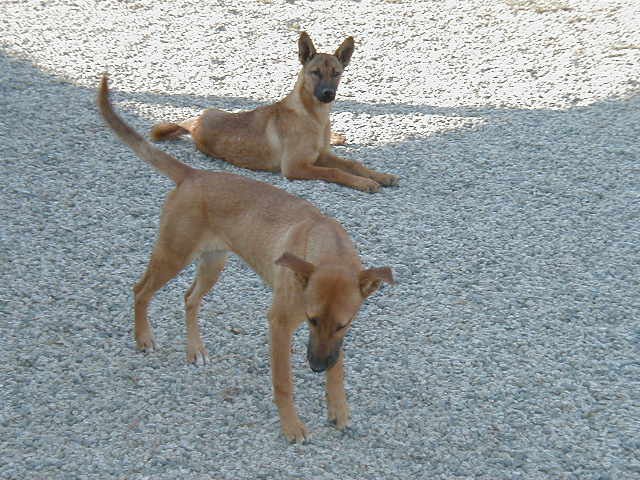
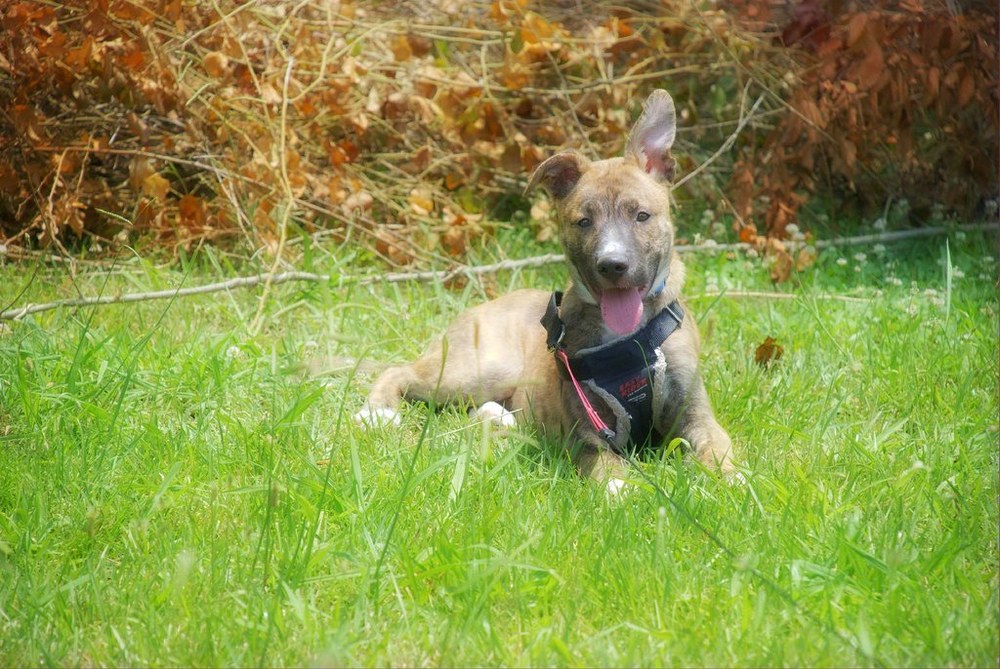
Carolina Dogs at a rescue in California: many dogs of this type still reach their homes through rescue groups.
From 1995
A breed with an open question
The United Kennel Club recognised the breed in 1995, and the AKC lists it in its Foundation Stock Service. The registered population is still small.
Genetic studies suggest some of these dogs carry old lines linked to early dogs in the Americas, but a ginger, prick-eared dog from a shelter is not proof of breed. For training, that question matters less than the dog in front of you.
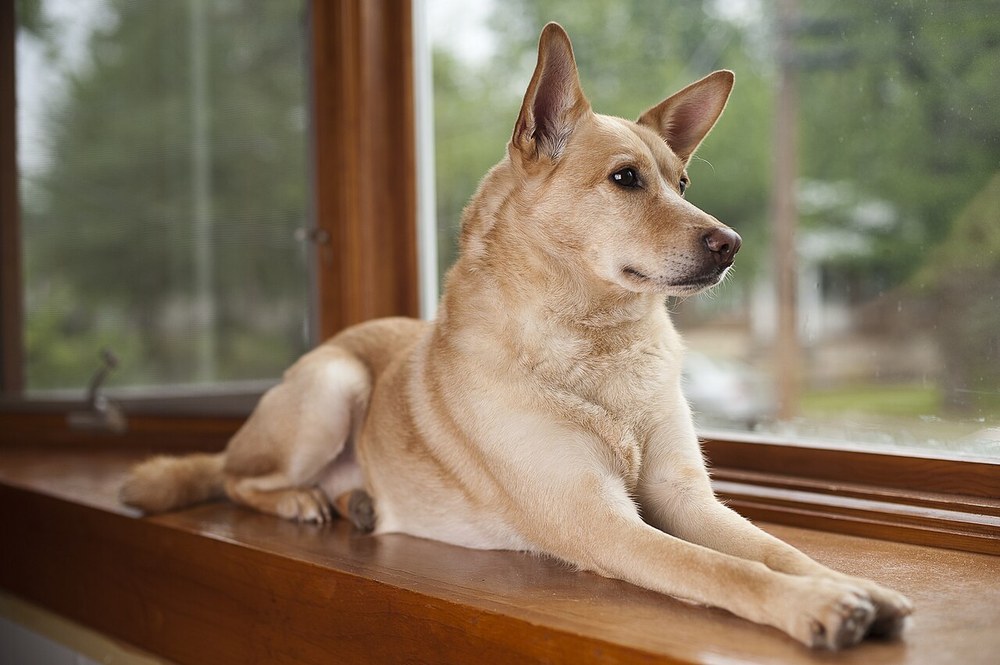
A Carolina Dog relaxing at home: once these dogs feel safe, they settle into a quiet daily routine.
What the breed was bred for
Careful outside, close at home
A settled Carolina Dog is loyal, gentle and often quietly playful with its family. Many get on well with other dogs, especially one calm dog they live with.
It is also wary with strangers, sensitive to pressure and loud noise, quick to chase small animals and good at escaping. It was shaped by living on its own, so it watches, thinks and then decides.
A good Carolina Dog day is calm, predictable and full of sniffing
Most adult Carolina Dogs need about an hour to an hour and a half of activity a day: walks on quiet routes with lots of sniffing, a safe run on a long line or in a secure field, and food games at home. Calm and routine matter as much as the amount.
Morning · quiet route
Same path, lots of sniffing
A shy dog relaxes on a route it knows. Walk early, away from traffic and crowds, on a well-fitted harness with a long lead, and let the dog sniff as much as it wants.
Check the fence for gaps, low spots and things to climb. Many Carolina Dogs dig under or squeeze through, so stay outside with the dog until you know your garden is safe.
Ask visitors not to look at, talk to or reach for the dog. Let it watch from its bed or a room with a baby gate, and drop treats near it for staying calm.
A covered crate or a bed in a quiet corner gives the dog a safe place to rest. Keep it there by choice, with the door open, and never pull the dog out of it.
General awareness only. I am not a veterinarian. Carolina Dog owners most often notice stress in new places, collar slipping, cuts or worn pads after escapes, seasonal coat drops, nervousness at the vet and a dog that hides signs of discomfort. For red flags, leave this page and open
when to call the vet.
Escape-proof gear
A well-fitted harness, an ID tag and a microchip with your current details. See harness fit check.
Coat
Brush weekly, more when the winter coat comes out.
Vet visits
Practise handling at home with treats and ask for a calm, quiet visit. See fear of vet handling.
Health history
With a rescue dog, ask the shelter what checks were done; with a breeder, ask which checks the breed club recommends.
Most Carolina Dogs come from rescue, and many shelter dogs that look like one are mixes. With a breeder, ask to meet the mother and see how the puppies handle visitors and noise. With a rescue, ask how the dog behaves with strangers, other dogs, cats and the lead, and whether it has ever escaped.
Rescue dogs
Often adults with an unknown past.
Can be very shy at first.
Need a slow, quiet first month.
Escape-proof the house before day one.
Suits calm homes ready to let a dog take weeks or months to trust.
Breeder puppies
Few breeders, mostly in the US.
Raised with people from birth.
Still careful with strangers.
Same need for a fence and a quiet start.
Suits owners who want a known start and can wait for a litter.
Socialization windows
What to introduce — and what not to overload — by age
AVSAB-aligned in spirit: short, clean exposures at a distance the puppy can still eat,
with hygiene while vaccines finish. See the
puppy socialization schedule.
2–4 months / first weeks home
Settling in
Introduce: a safe den, a fitted harness, toilet routine, short trips to quiet places, people who let the dog come to them.
Do not overload: crowds, dog parks and visitors who reach for the dog.
~5–9 months
Growing confidence
Introduce: a name check-in, hand target, recall on a long line, calm meetings with one or two known dogs.
Do not overload: off-lead walks in open country.
~10–24 months
Teenage stage
Introduce: more varied routes, a guest routine, a solid fence check, food games for the brain.
Do not overload: pushing the dog to greet strangers.
~2–3 years
Settling down
Introduce: longer walks, new places step by step, longer calm time alone.
Do not overload: expecting a shy dog to become outgoing.
~3 years+
Steady routine
Introduce: daily walks, brushing, weight checks, calm vet visits.
Do not overload: dropping the harness because the dog seems settled.
Before you buy
Who a Carolina Dog usually fits
Fit comes down to a calm home, a secure fence and patience with a careful dog.
Good match
More likely a good fit if you…
You have a quiet home and a well-fenced garden
You like a clever, independent dog
You are happy to go at the dog's pace with strangers
You enjoy walks in quiet nature
You have no small pets, or can keep them safely apart
Mismatch risk
A Carolina Dog may be a poor choice if…
You want a dog that loves every visitor
You live by a busy road with no secure garden
You want off-lead walks in open fields from the start
You have a busy home with lots of guests and noise
You keep rabbits, chickens or other small pets loose
If you are torn between breeds
Carolina Dog vs Basenji and Canaan Dog
All three are primitive dogs: alert, clean, independent and careful with strangers. The Basenji is smaller, rarely barks and is famous for its yodel and strong chase. The Canaan Dog is the pariah dog of Israel, usually more watchful and quicker to bark at the gate. The Carolina Dog is often the gentlest of the three at home, and the most likely to start out shy.
Origin
Carolina Dog
South-eastern US.
Basenji
Central Africa.
Size
Carolina Dog
About 45–61 cm.
Basenji
About 40–43 cm.
Voice
Carolina Dog
Barks and howls a little.
Canaan Dog
Barks readily at news.
With strangers
Carolina Dog
Often shy.
Canaan Dog
Alert and wary.
Ownership without surprises
Where a Carolina Dog owner’s budget goes
Costs vary a lot by country, so treat these as budget headings, not fixed prices.
Veterinary
A yearly check-up, the vaccines your vet recommends and any checks your vet suggests for a rescue dog.
Fencing
Fix gaps, dig guards along the bottom and a gate that latches; for this dog it matters most.
Gear
A well-fitted harness, a long line, an ID tag, a crate with a cover and baby gates.
Training help
A few sessions with a calm trainer in the first months can save a lot of stress.
Adoption
Rescue fees are usually low; breeder puppies are rare and may mean travel.
A good harness and a checked fence cost less than one lost-dog search.
Before day one at home
What to prepare for a Carolina Dog puppy
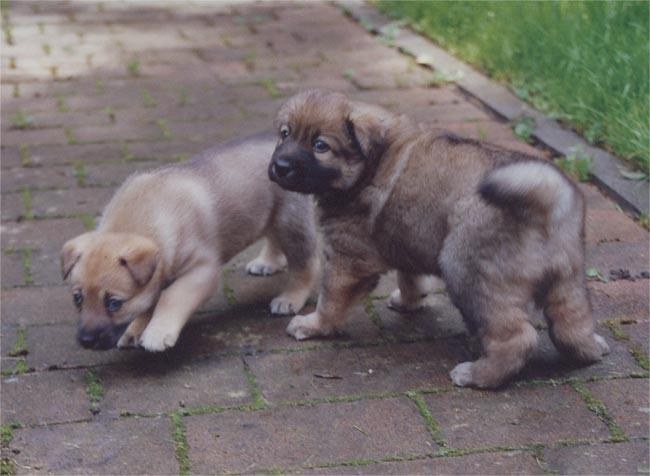
Carolina Dog puppies are bright, curious and quick, but many already show some caution with new people. Plan quiet outings, people who let the puppy come to them, a safe den, short training games and escape-proof gear from the first day.
Training a Carolina Dog works best with low pressure, food and choice
Most problems with this breed get smaller once five habits are in place: escape-proof gear, a safe den, a name check-in, a hand target and a guest routine where nobody pushes the dog.
Carolina Dogs are quick learners, but they are careful. They will offer a lot for food in a quiet kitchen and freeze or switch off in a busy park. Train where the dog is relaxed, keep sessions short and let it walk away if it needs to.
Avoid force, leash jerks and loud corrections. With a shy dog they wipe out weeks of trust. Instead, set up the day so the dog can succeed, and add new things one at a time.
Load balance
Calm first, then more
A worried dog cannot learn much. Watch the body: ears back, tail tucked, refusing food or freezing means too much. Move further away, make it easier, or go home and try again another day.
Quiet sniff walkFood gameShort lessonDen timeRest
For this dog, a calm sniff walk on a quiet path often settles it better than a long, busy outing.
A Carolina Dog that feels safe at home is usually quiet, clean and easy to live with.
Escapes and recall
How to keep a Carolina Dog safe outside
Use a harness it cannot back out of, a long line in open spaces, a fast name check-in, a hand target to call it close and a fence you have checked for gaps.
01
Fitted harness
One it cannot back out of.
02
Long line
In any open space.
03
Name check-in
A treat for each look back.
04
Hand target
Nose to hand, then a treat.
05
Fence check
Gaps and low spots fixed.
One scene close-up
Why a Carolina Dog hides from guests
For a free-living dog, caution with strangers kept it alive. A visitor who walks straight up, leans over and reaches out looks like a threat, even when they mean well.
Manage first: a safe room or bed, guests who sit down and ignore the dog, and treats tossed to the dog for watching calmly. Let the dog choose when to sniff a visitor, and end the visit before it gets tired.
A dog that growls, snaps, hides for hours or stops eating when people visit should be seen by a qualified behaviour professional, after a vet has checked for pain.
“With a Carolina Dog I never try to push it into being social. I make the world predictable, keep the dog safe from escapes and let its trust grow at its own speed.”
We look at your real week: walks, the garden and fence, visitors, other pets and how the dog spends the day. Medical questions go to your vet; I work on behaviour.
Andrew DarovProfessional dog trainer and instructor
Before we talk, note the dog's age, where it came from, how it reacts to strangers and other dogs, whether it has ever escaped, and what goes wrong first. Opens WhatsApp to Andrew.
An alert, medium-sized watchdog from the Middle East. Devoted, clever and clean; wary of strangers, barks to warn and needs calm socialising and fresh training.
A light, gentle rabbit hound from Mount Etna. Quiet and loving at home; follows scents, chases, jumps well and needs a long line, high fences and a coat in winter.
A gentle Spanish sighthound, often adopted from rescue: quiet and sleepy at home, a strong chase outside. Needs secure fencing, a long line and a warm coat.
A tall Balearic rabbit hunter and a famous jumper. Needs safe running, tall fences, a long line in open spaces and gentle training — not a free off-lead park dog.
Loose lead walking step by step: where to reward, what to do the instant the lead goes tight, and a 10-minute daily plan that stops your dog pulling.
Need a read on your exact situation?
Send me a short message about your Carolina Dog: its age, where it came from, how it reacts to visitors and other dogs, whether it has ever escaped and what goes wrong first. We rule out health issues first, then pick one skill to start with.