Canaan Dog: temperament, barking, wariness and training for Israel's national dog
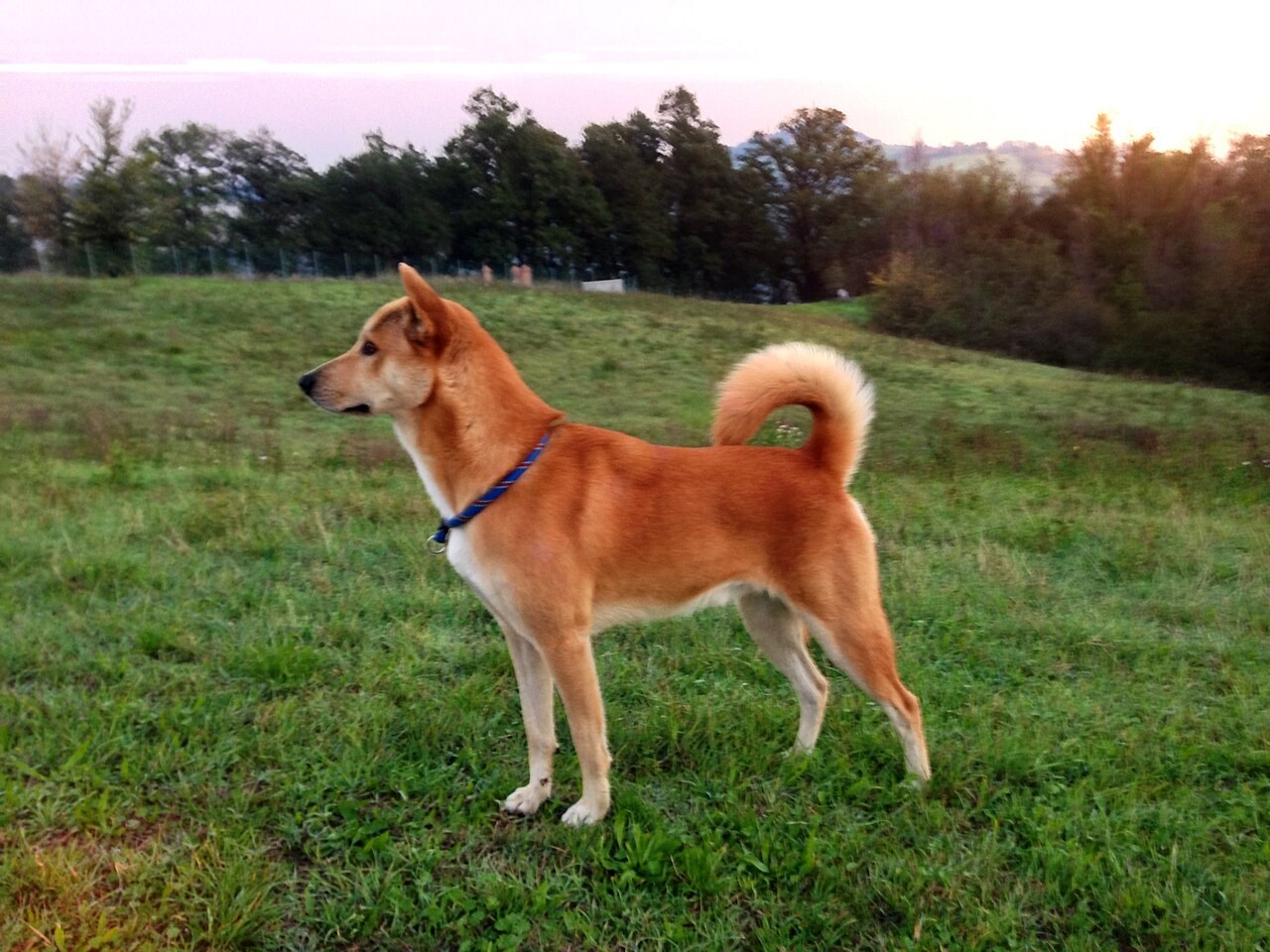
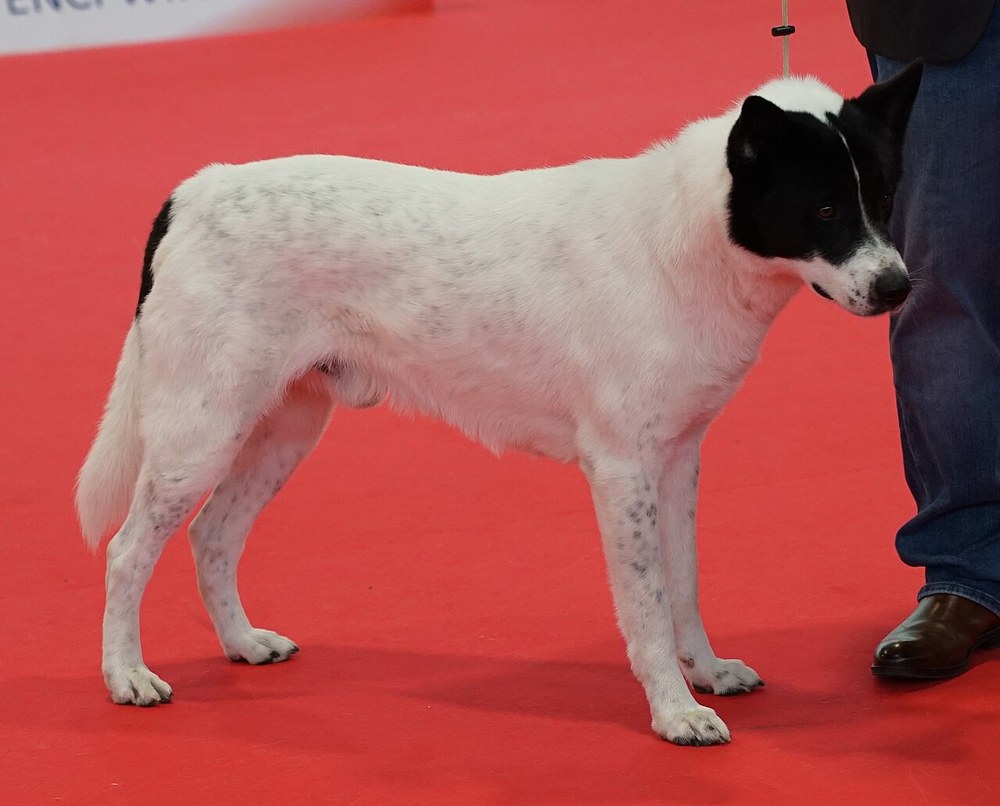
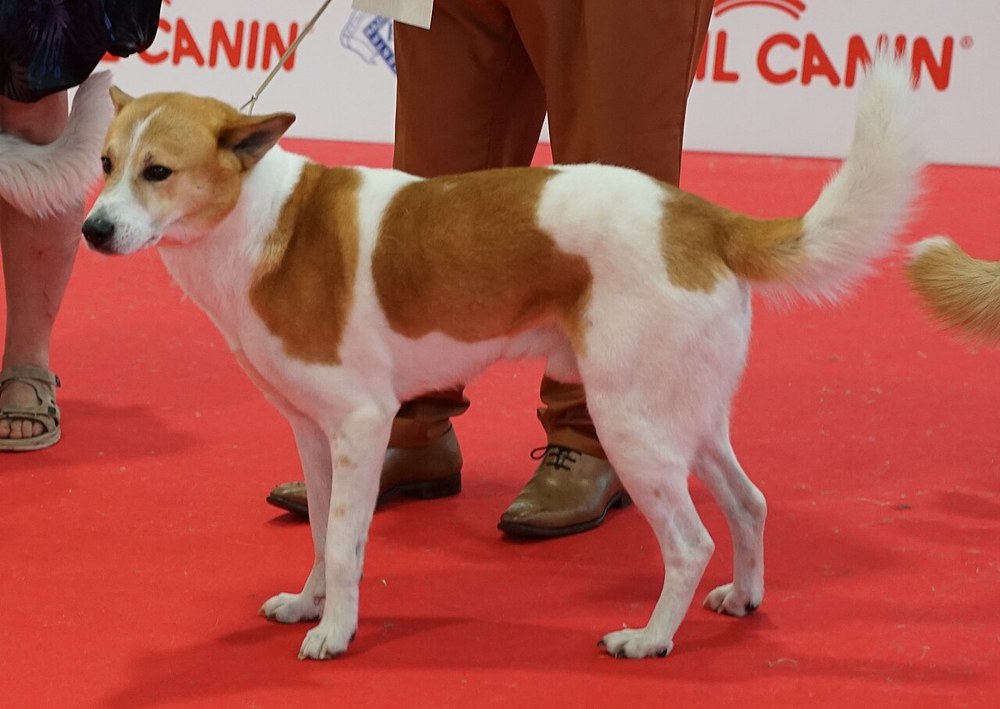
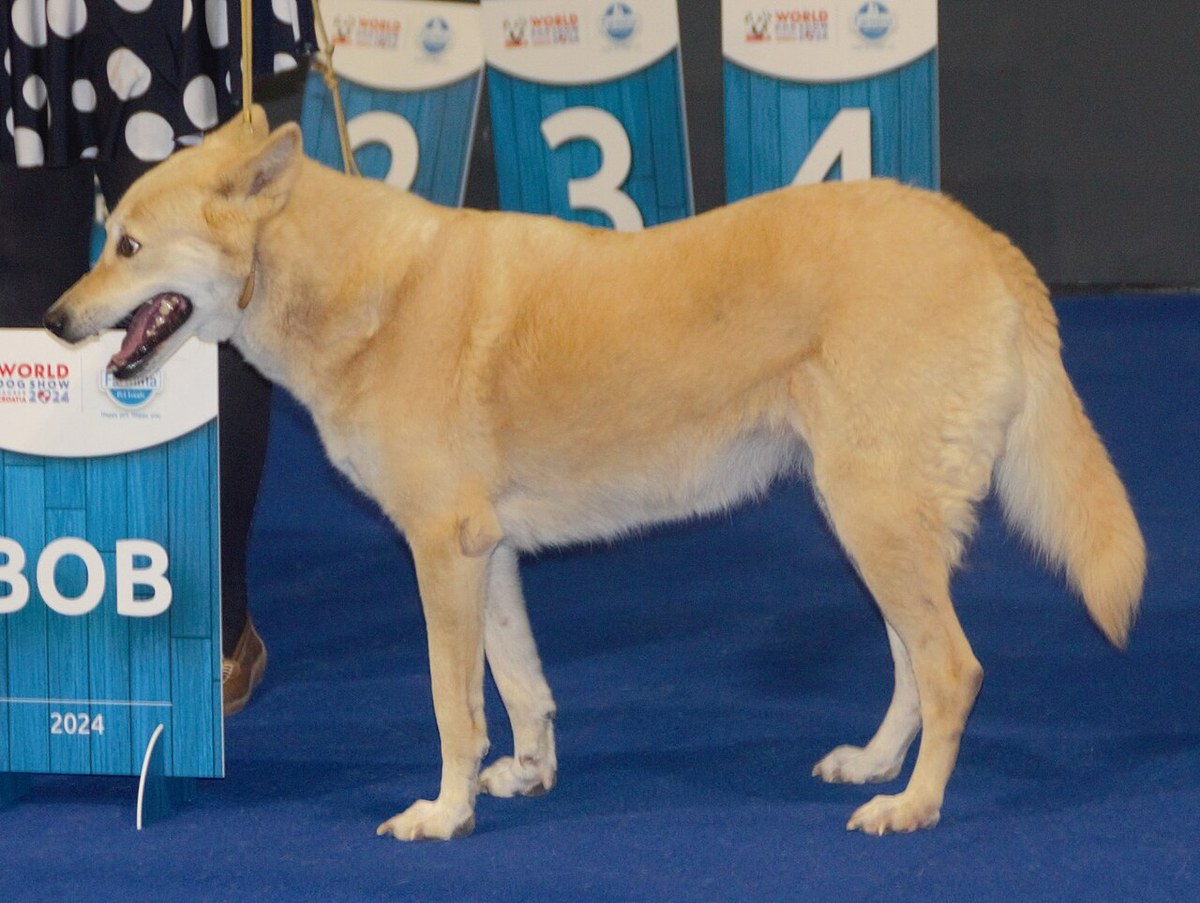
The Canaan Dog is a medium-sized, wedge-headed dog with upright ears, a bushy curled tail and a harsh double coat, descended from the free-living dogs of the Middle East. Bedouin and Druze families kept such dogs as camp guards and flock dogs, and in the 1930s they were gathered into a breed for guard and sentry work in what is now Israel. At home that means a devoted, alert, very aware dog that is cautious with anything new, barks to warn and keeps strangers at a distance. What works is calm, early and repeated meetings with the world, a quiet cue and a door routine, short training with food that changes often, secure fencing and plenty of walking and sniffing.
Job: A primitive pariah-type dog; FCI Group 5, AKC Herding group.
Energy: Alert, devoted, independent and wary of strangers.
Home: Suits a calm, consistent owner who respects a cautious dog.
A Canaan Dog is a survivor that checks everything first
People see a neat, fox-coloured dog that looks like a small shepherd or a spitz and expect an easy family pet. The Canaan Dog is loving with its own people, but it comes from dogs that lived by their wits, and it still treats the unknown with care.
The calls I get are about that caution. A dog that barks at every passer-by, backs away from visitors, guards the fence, digs holes in the garden, or gets bored and walks off after the third repeat of a cue.
My plan respects the dog's judgement. Lots of calm, low-pressure meetings with people, places and sounds, a quiet cue, a door routine, a secure garden and training that stays fresh. With that, a Canaan Dog is a loyal, clever and very easy-care companion.
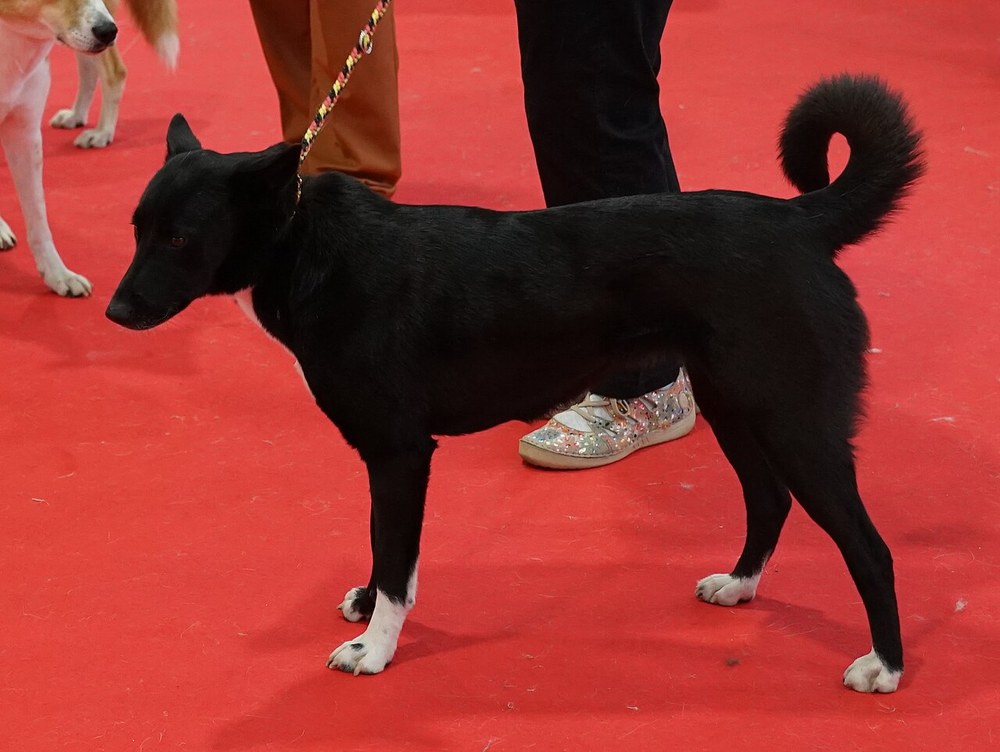
Harsh, straight outer coat with a dense undercoat that thickens in winter; sand to red-brown, cream, white or black, often with white markings
Job
Camp guard, flock dog and sentry dog descended from the free-living dogs of the region (FCI Group 5, spitz and primitive types; AKC Herding group)
Temperament in one minute
Canaan Dog temperament: what they are like at home
Short answer: Canaan Dogs are alert, devoted, clever dogs that bond closely with their family and are naturally wary of strangers. They come from free-living dogs of the Middle East that were kept as camp and flock guards, so they bark to warn, check new things carefully, guard their territory and get bored with repeated drills. They need about an hour of activity a day, calm and early meetings with people and places, a quiet cue, a secure garden and short, varied training.
Are Canaan Dogs affectionate?
Yes, with their own people, often following them around the house. Build short absences early.
Usually not at first; they watch and bark. Let them look before any meeting; see scared of visitors.
Are Canaan Dogs good with kids and other dogs?
Usually loyal with the family's children and dogs they know; careful with strange dogs. See children and guests.
Canaan Dog behavior problems to expect
The usual four are barking, wariness with guests, guarding the fence and digging. The list below links a guide for each.
Living with a Canaan Dog in an apartment
Possible with long daily walks and serious work on barking. A noisy hallway and thin walls make it harder.
Breed history
From desert camps to Israel's national dog
The history will not train your dog, but it explains the caution, the barking and the strong sense of territory.
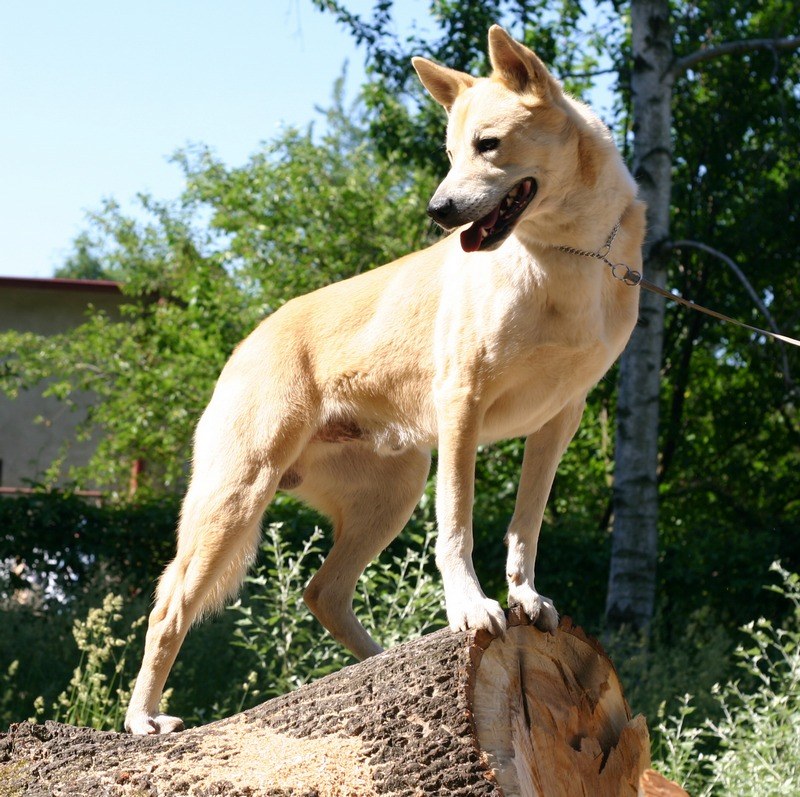
A Canaan Dog on a lookout point: the breed was kept as a camp and flock guard, and it still likes to watch its ground from a high spot.
Middle East · since ancient times
Free-living dogs and desert camps
For a very long time, free-living dogs of this type have lived around villages and camps in the region. Bedouin and Druze families used some of them to guard tents and flocks and to bark at anything that came close at night.
Only the most careful, adaptable dogs survived on their own. That is where the breed gets its quick mind, its caution with the unknown and its habit of warning first and asking questions later.
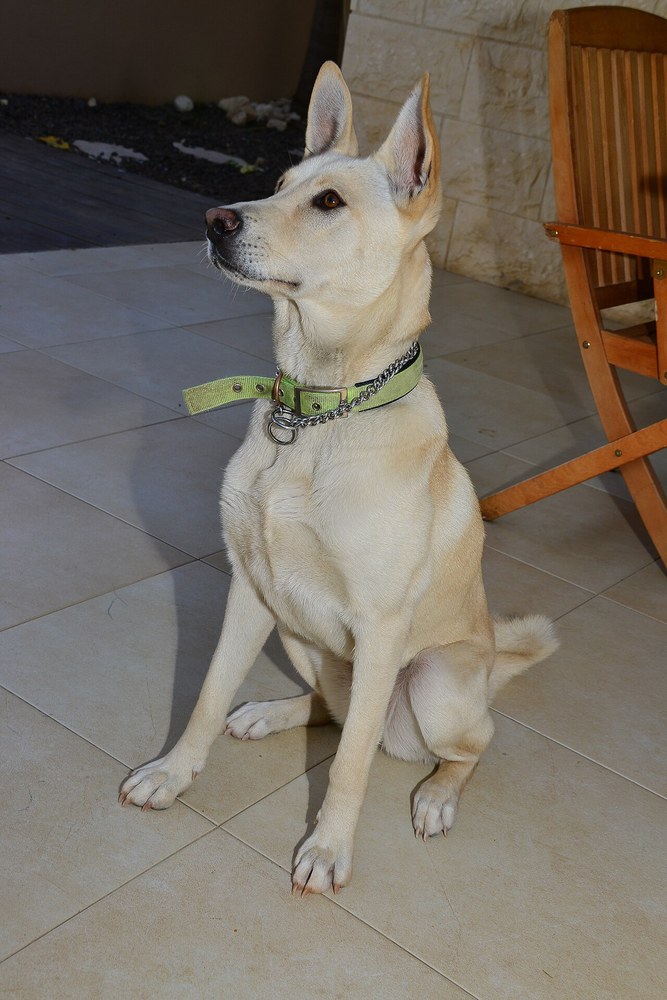
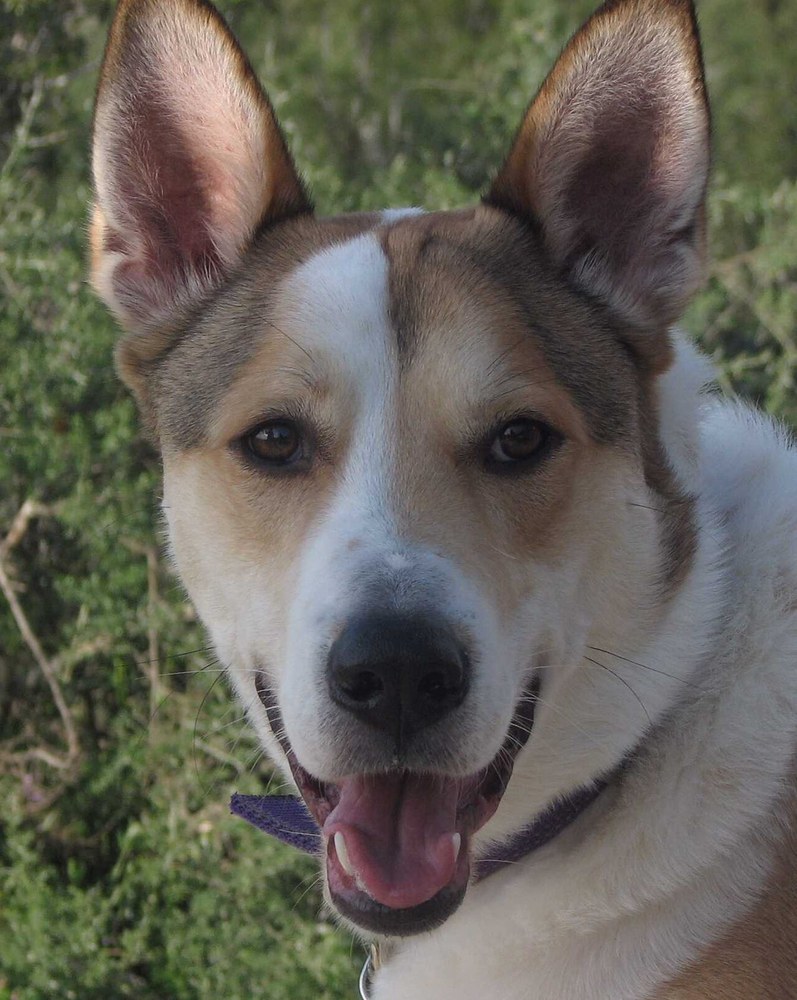
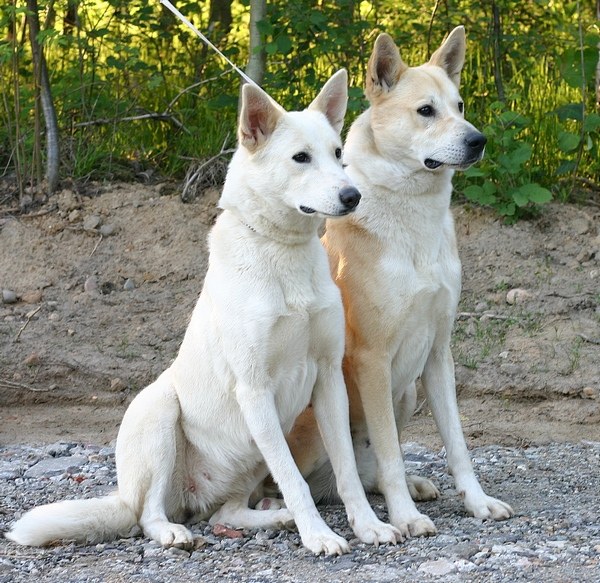
A cream Canaan Dog at home: the breed keeps the clean lines, upright ears and alert face of the free-living dogs it came from.
From the 1930s
A breed built for guard and sentry work
In the 1930s Dr Rudolphina Menzel began collecting and breeding these dogs for guard, messenger and sentry work, and during the Second World War they were also trained to help find mines. After the war some were used in other service work.
The FCI lists the Canaan Dog in Group 5 with the primitive types, and the AKC placed it in the Herding group in 1997. It is often called Israel's national dog. It is still rare, so many owners wait for a puppy.
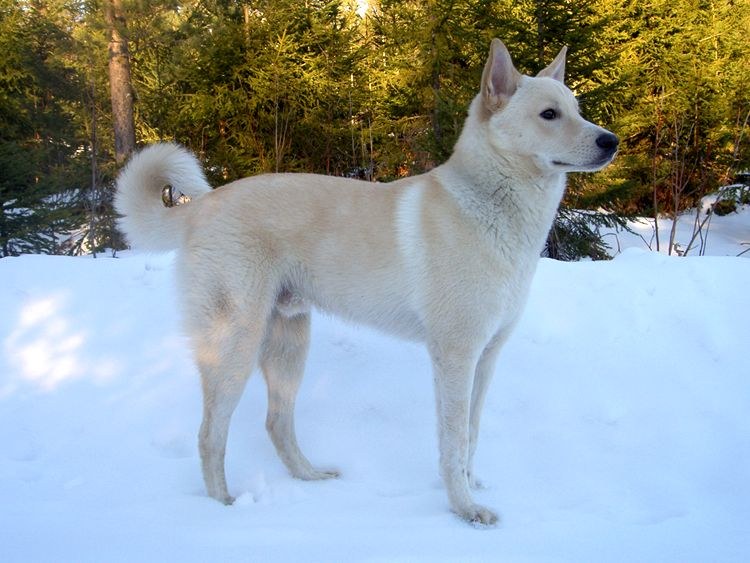
A Canaan Dog in the snow: despite its desert roots, the double coat thickens in winter and handles cold well.
What the breed was bred for
Devoted at home, on guard at the gate
With its family a well-raised Canaan Dog is affectionate, playful and loyal, and often follows its person from room to room. It learns fast and is clean and easy to keep.
It is also a born watchdog. It barks at strangers and noises, keeps its distance from new people, can be bossy with unfamiliar dogs and may dig and roam if bored. Early calm meetings and a clear daily routine make a big difference.
A good day has a long sniffing walk, a brain game, a short lesson and a quiet evening
An adult Canaan Dog usually needs about an hour of activity a day, with a long walk where it can sniff and explore, a nose or puzzle game, a few minutes of training and a calm rest. Trouble usually starts when an alert, clever dog is bored, under-socialised or left to guard the street all day.
Morning · walk
Walk, sniff and look around
Give the dog time to stand and look at things that worry it, then move on. A long walk with lots of sniffing settles a Canaan Dog far better than a fast march past things it cannot check.
Left alone outside, many dogs of this breed guard the fence, bark at passers-by or dig under it. Supervise garden time, block the view of the street and give a sandpit or a dig spot.
Ask visitors to come in, sit and ignore the dog. A Canaan Dog that is allowed to look first, then sniff, often makes friends; one that is reached for usually backs off or barks.
Night noises can keep a watchdog busy. A bed away from the front window, white noise and the same bedtime routine help the dog rest instead of guarding.
General awareness only. I am not a veterinarian. With a Canaan Dog, owners often notice trouble first as clumps of undercoat during the seasonal moult, sore pads after rough ground, a dog that suddenly avoids being touched, or worn nails after digging. For red flags, leave this page and open
when to call the vet.
Double coat
Brush once a week, and every day or two during the spring and autumn moult when the undercoat comes out in clumps.
Bathing
The coat stays fairly clean and has little smell; bathe only when needed.
Paws and nails
Check pads after rough walks and trim nails regularly.
Handling for the vet
A cautious breed: teach calm handling and muzzle comfort early. See introducing a muzzle.
Ask which screenings the national breed club recommends for the parents and see the results. Do not invent disease claims from a blog.
Lines and types
Choose a stable, healthy dog, not only the look
No bloodline selling. Canaan Dogs come mostly from small show and family breeders. Meet the mother, watch how long she takes to accept you, whether she recovers from a sudden noise, how she treats the breeder's family, and ask about health checks on both parents.
Sport and activity homes
Nose work, rally, agility or herding.
Short, varied training.
Long sniffing walks.
Calm rest days.
Suits owners who enjoy training a clever, independent dog.
Calm family homes
About an hour of activity a day.
A fenced garden with supervision.
A plan for visitors and barking.
Steady routine.
Suits a calm family that wants a loyal, alert and low-fuss dog.
Socialization windows
What to introduce — and what not to overload — by age
AVSAB-aligned in spirit: short, clean exposures at a distance the puppy can still eat,
with hygiene while vaccines finish. See the
puppy socialization schedule.
2–4 months
Meeting the world
Introduce: many calm, short meetings with people, places, surfaces and sounds; gentle handling; a toilet routine; short car rides; short spells alone.
Do not overload: pushing the puppy towards things it is unsure of, crowds reaching for it.
~6 months
Clever puppy
Introduce: name check-in, a quiet cue, recall on a long line, a bed cue, find it games, calm watching from a distance.
Do not overload: letting it bark at the window or fence all day.
~8–18 months
Teenage phase
Introduce: more practice with visitors, calm meetings with known dogs, door routine, longer walks, a sport class if you like.
Do not overload: forcing greetings, dog parks full of strange dogs.
~2 years
Settling down
Introduce: harder tricks and nose work, more freedom where it is safe, holiday and travel practice.
Do not overload: stopping meetings with new people once the dog seems fine.
~3 years+
Maintenance
Introduce: daily walks and brain games, coat care in the moult, weight checks, yearly vet visits.
Do not overload: letting the routine with visitors slip.
Before you buy
Who a Canaan Dog usually fits
Fit comes down to patience, how you feel about a cautious watchdog that barks, and whether you can keep a clever dog busy and safely fenced.
Good match
More likely a good fit if you…
You want a loyal, alert, medium-sized dog
You can give about an hour of activity a day
You enjoy short, varied training
You are happy to plan calm visits
You like a clean, easy-care coat
Mismatch risk
A Canaan Dog may be a poor choice if…
You want a dog that loves every stranger
You live with thin walls and close neighbours
You expect the dog to share a dog park with any dog
You cannot fence or supervise the garden
You prefer correction-based training
If you are torn between breeds
Canaan Dog vs Basenji and Shiba Inu
All three are ancient or primitive types with independent minds. The Basenji is a small African hound that rarely barks and chases by sight. The Shiba Inu is a compact Japanese spitz, proud and self-contained. The Canaan Dog is the most guarding of the three: a medium-sized, vocal watchdog with a strong sense of territory.
Size
Canaan Dog
Medium, about 35–55 lb.
Basenji
Smaller and lighter.
Voice
Canaan Dog
Barks to warn.
Basenji
Yodels; rarely barks.
Strangers
Canaan Dog
Wary and watchful.
Shiba Inu
Aloof and self-contained.
Independence
Canaan Dog
High; bores with repeats.
Both compares
All three think for themselves.
Ownership without surprises
Where a Canaan Dog owner’s budget goes
Costs depend on country, city and your choices. These are themes to plan for, not quotes.
Veterinary
Yearly vet visits, the vaccines your vet advises and the health tests the breed club suggests.
Grooming
A brush and an undercoat rake for the moult; little else.
Training
A small puppy class, then nose work, rally or a calm adult class.
Gear
A long line, a harness, a crate, puzzle toys and secure fencing.
Finding a puppy
A rare breed, so plan for a waiting list and travel.
Time spent early on calm meetings with people, a quiet cue and a door routine saves far more than fixing an adult that barks at and avoids every guest.
Before day one at home
What to prepare for a Canaan Dog puppy
A Canaan Dog puppy is bright, quick, clean and often careful with new things. It may need time to accept a new person or place. Have gates, a crate, chews, puzzle toys and a quiet bed ready before it comes home.
Training a Canaan Dog means calm meetings, a quiet cue and fresh, short lessons
Five skills cover most of daily life: a name check-in, a quiet cue, a door routine, recall on a long line and settling on a bed.
Canaan Dogs learn very fast with food and play, but they switch off when a task is repeated too often. Harsh handling makes a cautious dog more suspicious, not more obedient.
Be realistic about the watchdog. A Canaan Dog will always notice strangers and say so. The goal is a dog that barks a few times, then comes to you, and lets calm guests in.
Load balance
Brain work counts as exercise
Keep early walks short and calm, and add new places slowly. A limp, a sudden change in mood or a dog that suddenly avoids touch means a vet visit before more training.
Sniffing walkLook at that gameTwo-minute lessonPuzzle or find itQuiet rest
For this breed, a calm walk where it can study the world often does more than a long run.
A Canaan Dog that trusts you to handle strangers stops trying to handle them itself.
New people
How to help a Canaan Dog meet new people
Start at a distance where the dog can look calmly, reward each look, let the person sit or walk alongside without reaching, toss treats, and let the dog choose to sniff before any touch.
01
Start at a distance
Where the dog can look calmly.
02
Reward each look
Treat when it looks and stays loose.
03
No reaching
The person sits or walks alongside.
04
Let it sniff
The dog chooses when to come closer.
05
Touch last
Only when the dog asks for it.
One scene close-up
Why a Canaan Dog is so careful with strangers
The dogs this breed came from lived on their own, and the careful ones survived. Guarding camps and flocks added a habit of warning about anyone new. Caution and barking are normal for the breed, not a fault.
Work at a distance first. Let the dog look at a person, reward the look, and move closer only while it stays loose. Guests sit or walk next to you and never reach for the dog; a sniff comes when the dog chooses.
A dog that lunges, snaps or cannot relax near people needs a qualified professional; a vet check helps rule out pain.
“With a Canaan Dog, I start with calm meetings at a distance, a quiet cue, a door routine and short, fresh lessons. Respect this careful dog's judgement and you get a loyal, clever and very easy companion.”
We look at your real days: walks, visitors, the garden, other dogs and the evening at home. I am a trainer, not a veterinarian.
Andrew DarovProfessional dog trainer and instructor
Write down the dog's age, how much it walks, what it barks at, how it meets guests and other dogs and the first thing that goes wrong. Opens WhatsApp to Andrew.
For a calm, consistent family, often yes. It is loyal and playful with its own people. It is wary of strangers and a keen watchdog, so visitors and children's friends need a plan.
Is a Canaan Dog a good first dog?+
It can be for a patient first-time owner who will socialise carefully, join a class and accept a vocal watchdog. It is not a dog that will love everyone without help.
Do Canaan Dogs bark a lot?+
Yes, they bark to warn about people, dogs and noises. A quiet cue, a door routine and less time watching the street help.
Lightly most of the year and heavily during the spring and autumn moult. Weekly brushing, more in the moult.
Are Canaan Dogs good with other dogs?+
Usually good with dogs they grew up with. Some are bossy with strange dogs, especially of the same sex, so meetings should be calm and on lead at first.
Canaan Dog vs Basenji: what is the difference?+
The Basenji is smaller, rarely barks and is a sight-chasing hound. The Canaan Dog is bigger, barks to warn and is more of a guard.
Canaan Dog vs Shiba Inu: what is the difference?+
The Shiba is a smaller Japanese spitz, aloof and self-contained. The Canaan Dog is larger, more vocal and more watchful of its territory.
Why is the Canaan Dog called Israel's national dog?+
The modern breed was built in the 1930s from free-living dogs of the region and is closely linked with Israel, so it is often called its national dog.
How much exercise does a Canaan Dog need?+
An adult usually needs about an hour a day, with a long sniffing walk plus a training or puzzle game.
What health themes should I ask about?+
Ask the breeder which screenings the national breed club recommends for the parents and see the results. Tell your vet the breed. This is general awareness, not a diagnosis.
How long do Canaan Dogs live?+
Public breed references usually give about 12–15 years. Individual dogs vary.
If a Canaan Dog seems too wary or too vocal for your home
Many people love the clean lines and the clever face. The caution with strangers, the barking, the guarding of the fence and the need for fresh brain work are what to be sure about first.
A tough Louisiana working dog with a merle leopard coat and glass eyes. Loyal and smart, wary of strangers; needs a daily job, a secure fence and calm, fair rules.
A wolf-cross working shepherd from Czechoslovakia: loyal to its people, wary of strangers and a skilled escape artist. Needs company, secure fencing and an experienced owner.
The smallest Swiss mountain dog and a real cattle dog. Needs daily work, rules for heel nips and a taught off-switch — not a small Bernese for the sofa.
Training problems Canaan Dog owners ask about
Step-by-step guides for the issues that come up most with this kind of dog.
Rules for safe play between a puppy and an older dog: how long to play, signs it is too rough and when to step in. Plus rough play between adults.
Need a read on your exact situation?
Send me a few lines about your Canaan Dog: its age, how much it walks, what it barks at, how it meets guests and other dogs and what goes wrong first. We rule out health issues first, then pick one skill to start with.