dogmindlab
Work with me

Collie · Herding / Pastoral

Collie: temperament, training & herding gather

The Collie is a medium-to-large Scottish herding dog, best known in its long-coated Rough form. Most are gentle, sensitive and loyal. Life goes well with gentle, reward-based training, steady socialization, weekly brushing and quiet-at-the-door practice.

  • Job: Scottish sheepdog turned family favourite.
  • Energy: Moderate; daily walks and training.
  • Home: Needs gentle training, brushing and quiet practice.
WhatsApp consult

First, the point

A Collie is a gentle, clever herder that needs a daily job and a calm place to rest

Public breed histories describe a Scottish sheepdog made famous by Queen Victoria and later by film.

Most Collies are devoted family dogs. The challenges are barking, herding behaviour, noise sensitivity and grooming.

From the first weeks, teach handling, brushing, gentle socialization and quiet.

Talk through your situation

Height
22–26 in (56–66 cm)
Weight
50–75 lb (23–34 kg)
Energy
Moderate (walk then rest)
Coat / shed
Rough or smooth coat — sheds; the Rough coat needs serious brushing
Job
Scottish flock herding dog

Breed history

A Scottish sheepdog that became a family legend

The Collie started as a working sheepdog in Scotland. That past made a gentle, sensitive, loyal dog that loves its family and still has a herder’s alertness.

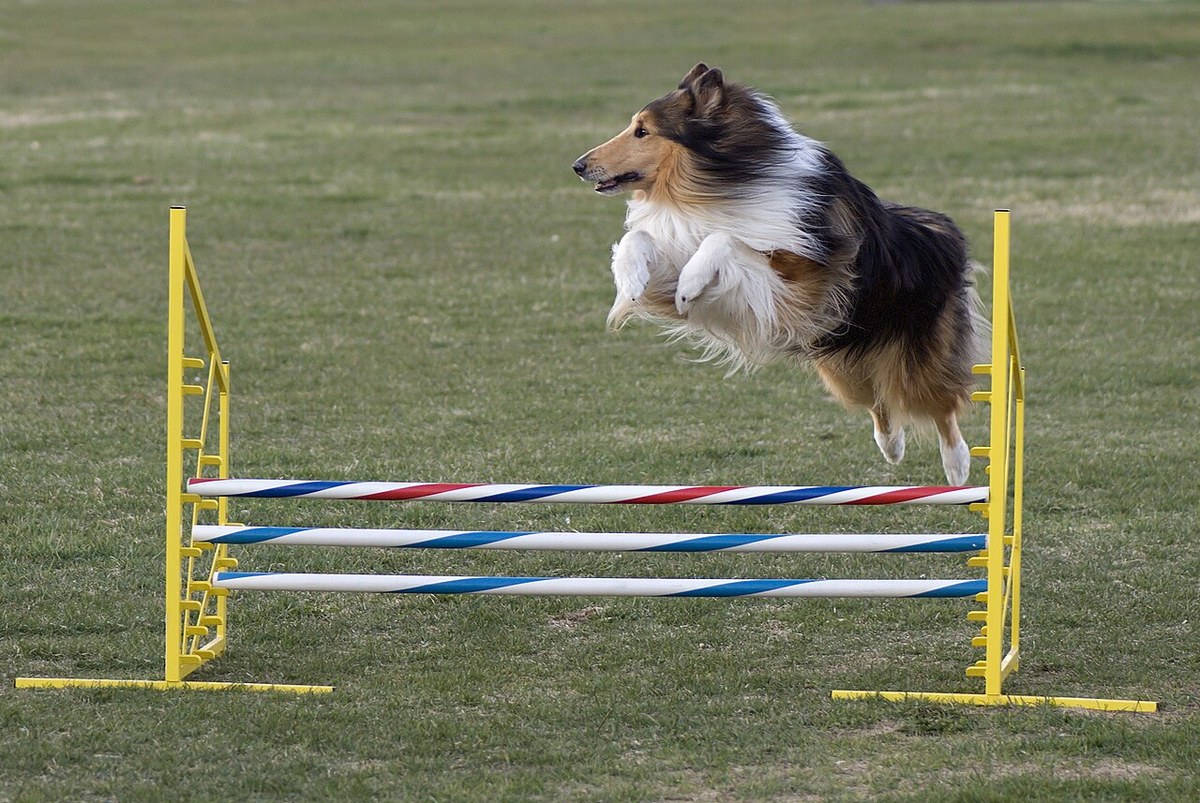
A dark sable Rough Collie at agility practice (modern photograph). Collies enjoy sports and training.

Scottish Highlands → sheepdog

Working dogs of Scottish shepherds

Public breed histories describe Collies as herding dogs of Scottish shepherds, later refined in the 19th century.

They worked closely with people, which explains their sensitivity and loyalty.

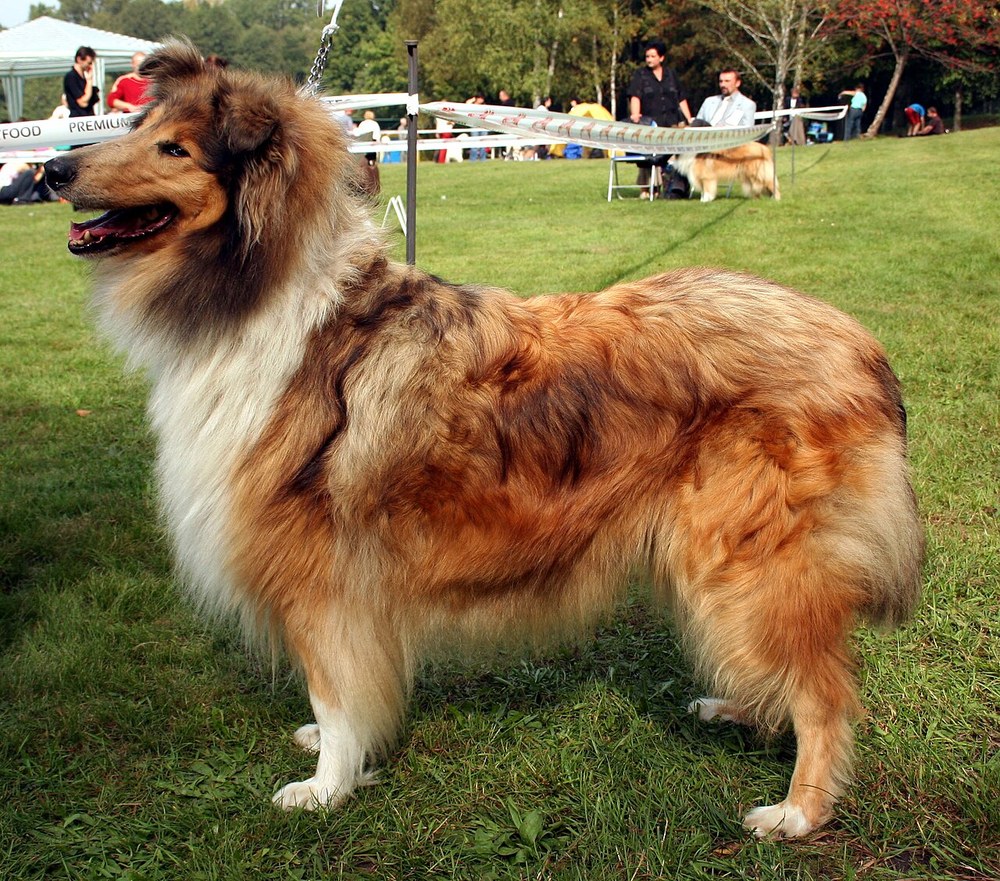
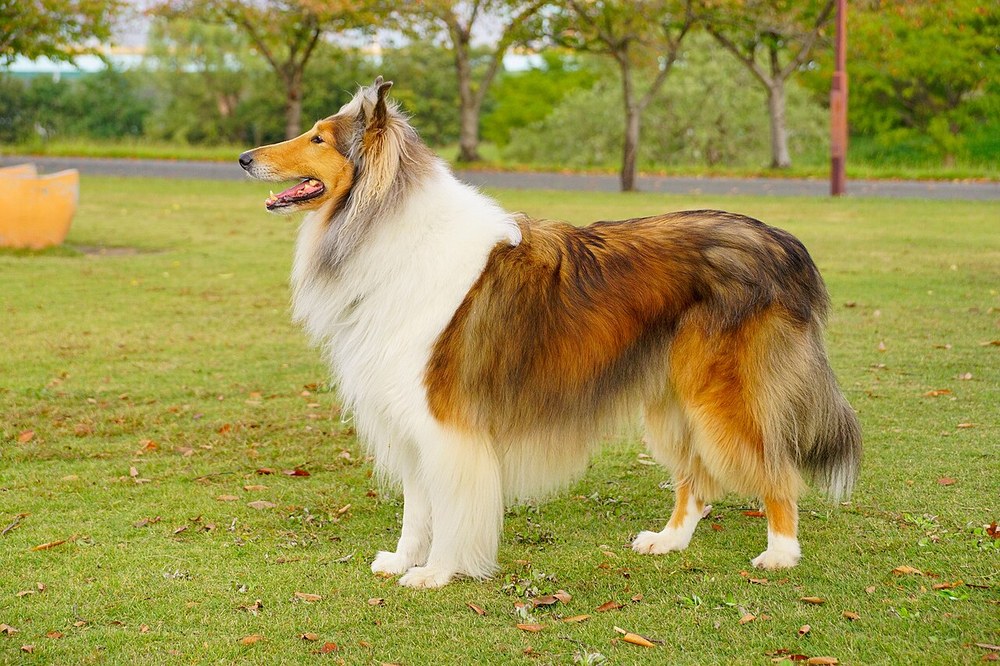
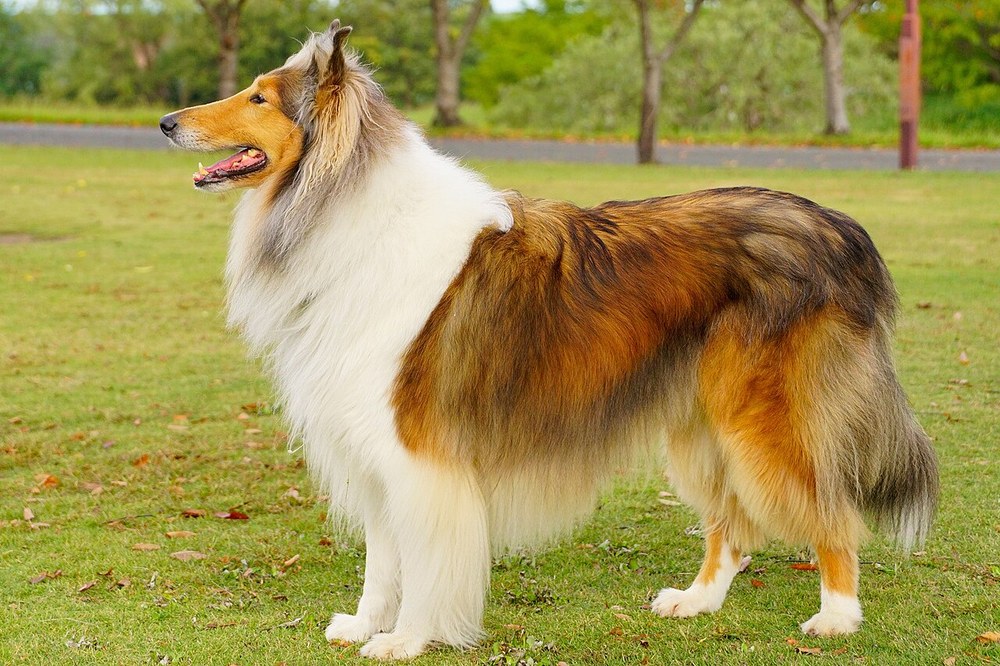
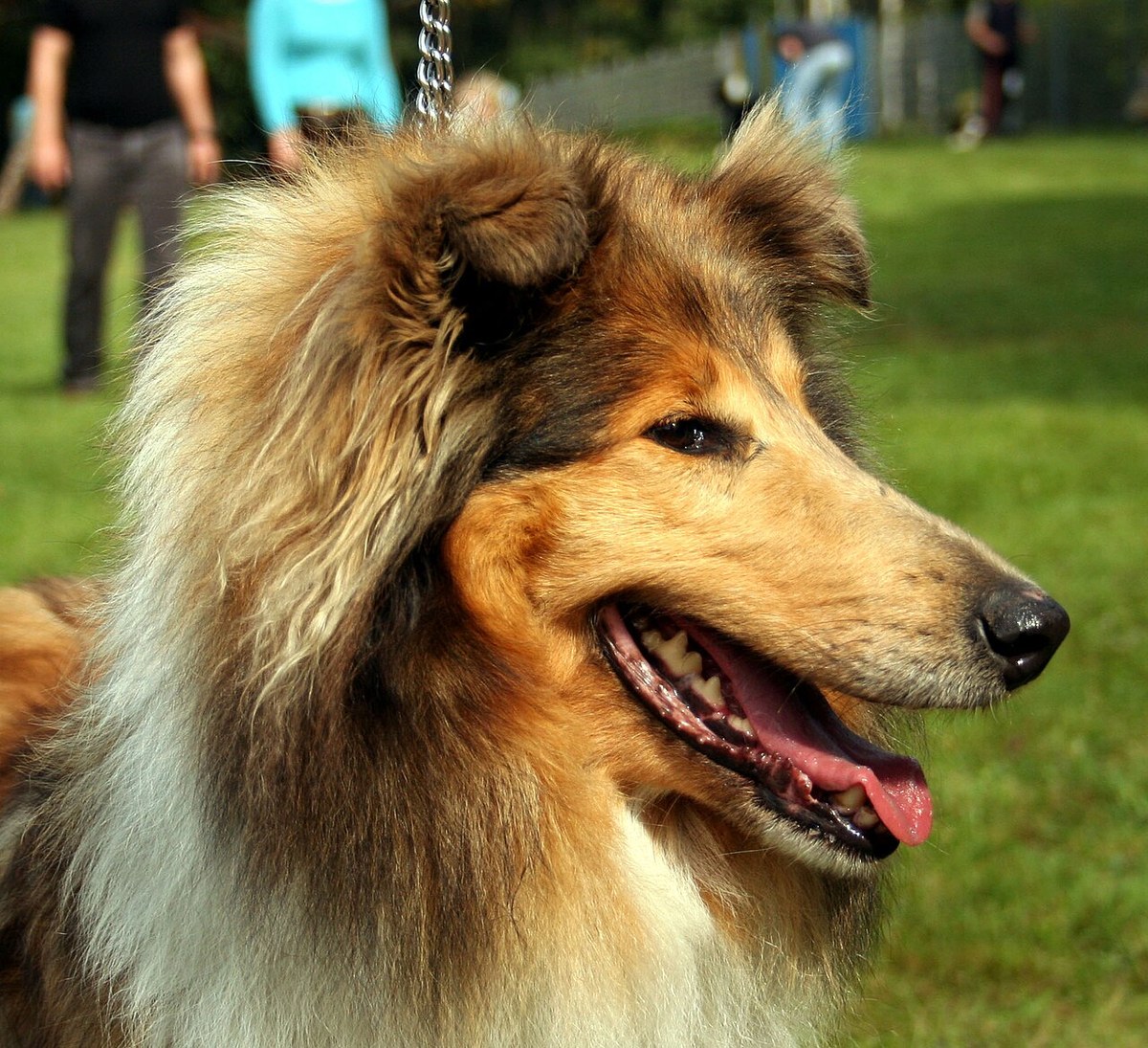
Sable Rough Collie standing on grass at a dog show
A veteran Rough Collie at a national show in Poland (modern photograph). The full mane is typical.

Victorian fashion → film fame

Royal favour and screen fame

Queen Victoria’s interest helped make the Collie fashionable, and later films and television made it world-famous.

Today most Collies are family dogs. Meet the parents and see their confidence and noise sensitivity.

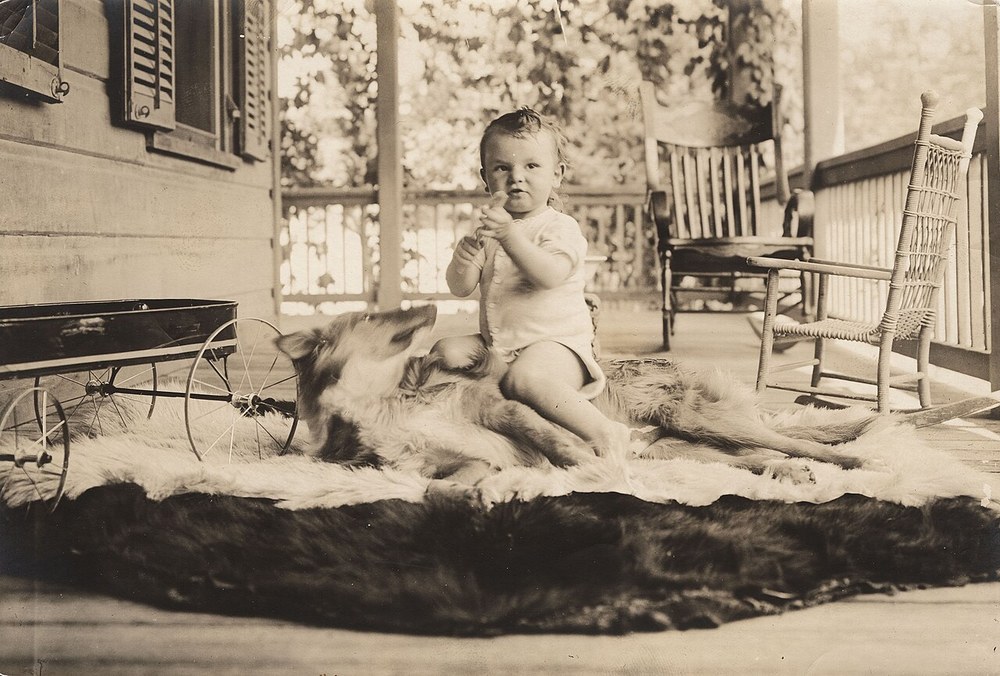
Old black and white photograph of a baby sitting on a collie on a verandah
A baby sitting on a family collie on a verandah, Fort Spokane, USA (historic photograph).

What the breed was bred for

Gentle, sensitive and loyal

In plain trainer language: Collies are devoted, gentle dogs that read their people well. Many are sensitive to noise and harsh handling.

The challenges are barking, herding behaviour, noise worries and grooming. Gentle training and steady socialization help.

  • Gentle, reward-based training
  • Steady socialization
  • Weekly brushing
  • Quiet-at-the-door practice

Public references: FCI 156, AKC Collie, RKC.

Life together

A Collie day is walks, training and family company

Collies need daily walks, brain work and to be part of family life.

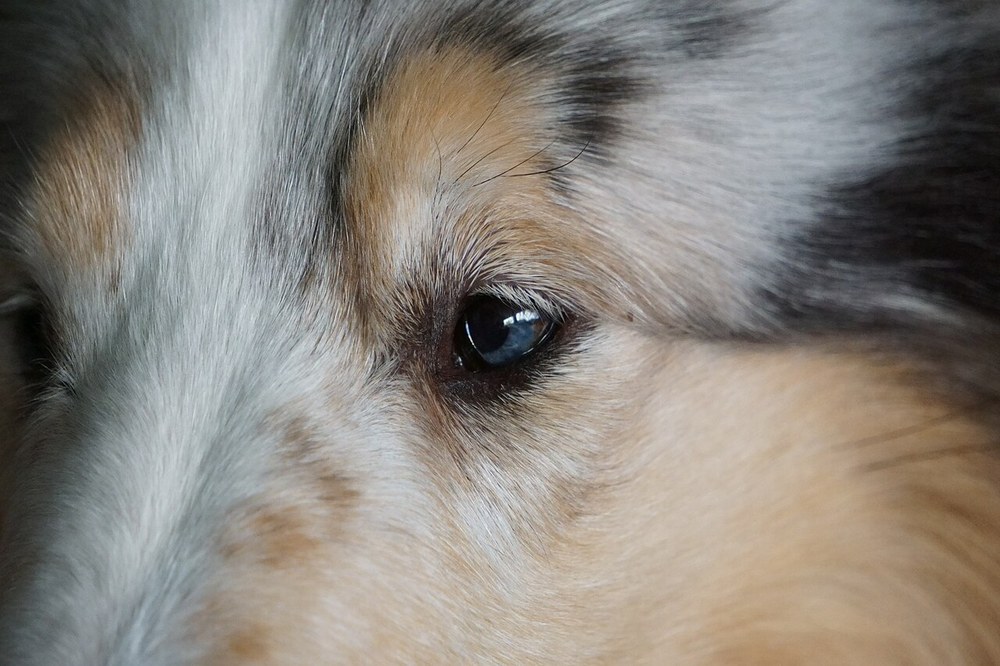
Close-up of a blue merle Rough Collie eye
Home · close-up

A gentle gaze

Collies watch their people closely and respond to gentle cues.

See name check-in.

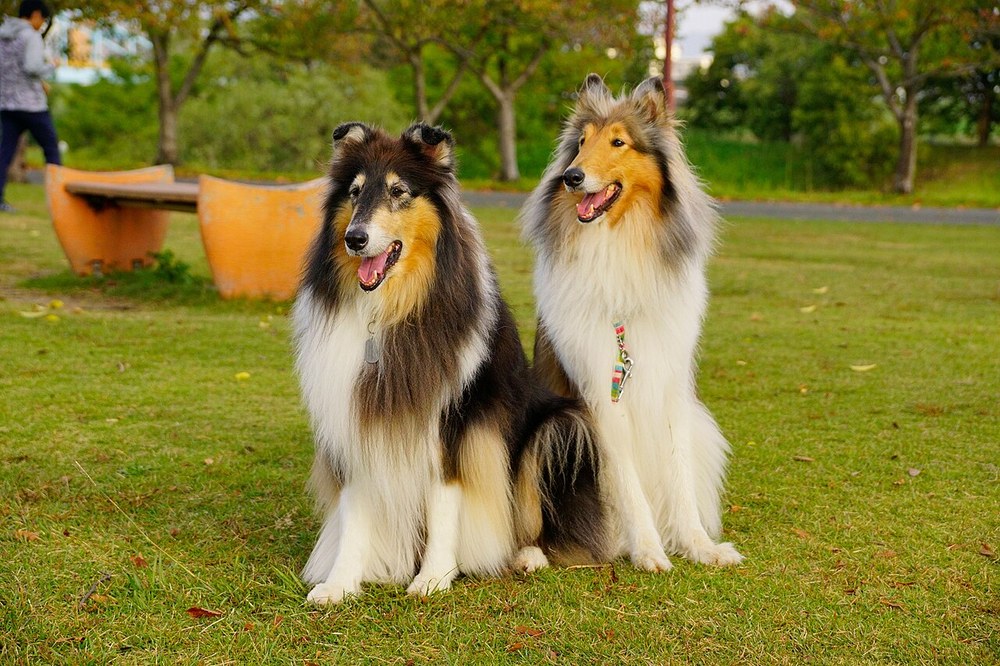
Tricolour and sable Rough Collies sitting together
Park · pair

Good with company

Many Collies enjoy other dogs.

See play rules.

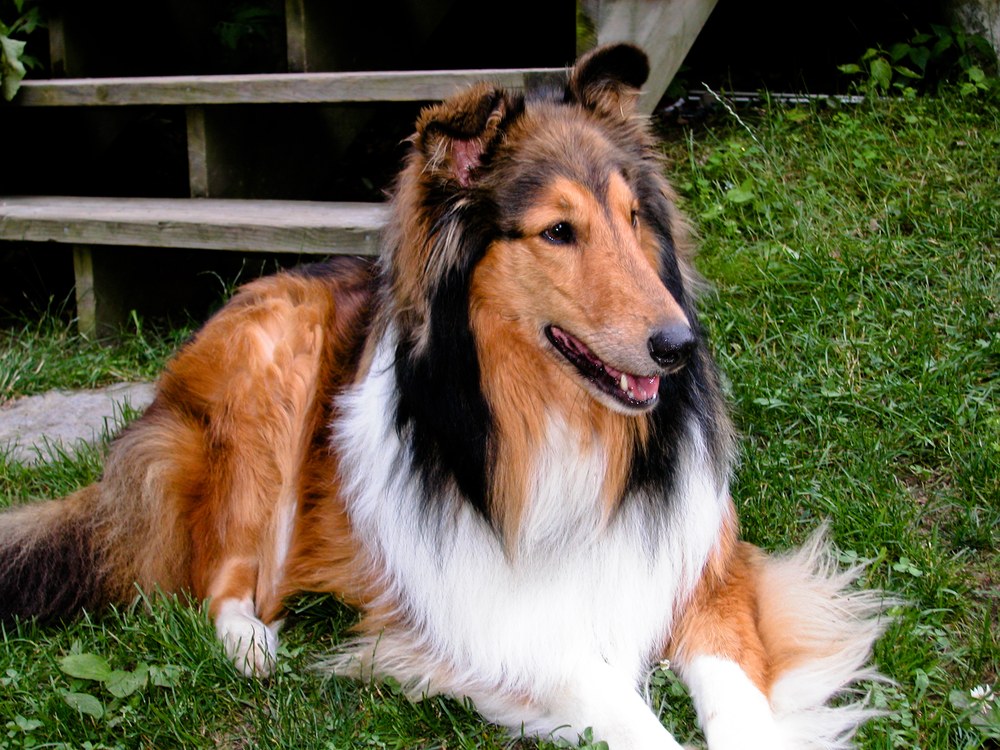
Rough Collie lying on grass
Garden · rest

A family dog

Collies like to be near the family. Build short absences gradually.

See first absences.

Care and health themes

What to watch monthly: coat, eyes, skin and weight

General awareness only — I am a trainer, not a veterinarian. Notice eye changes, skin issues or energy changes. For urgent signs, see when to call the vet.

Coat

Rough Collies have a long double coat. Brush weekly, more when shedding.

Eyes

See the vet for redness or cloudiness.

Skin

Check under the coat for mats or sores.

Medicines

Some herding breeds react to certain drugs. Ask the vet about DNA testing.

Health screening (not a diagnosis)

Ask the breeder which screenings the national breed club recommends, including eye checks and DNA tests, and see results for both parents.

Toxins

I do not publish toxin amounts. Call a vet or poison-control line if the dog eats something dangerous.

Lines and types

Rough or Smooth

The Collie comes in two coat types. In some countries they are separate breeds.

Rough Collie

  • Long, full double coat.
  • Big mane and frill.
  • Weekly brushing.
  • The famous film look.

For owners who enjoy grooming.

Smooth Collie

  • Short, dense coat.
  • Same head and build.
  • Easier grooming.
  • Same temperament needs.

For owners who want less brushing.

Socialization windows

What to introduce — and what not to overload — by age

AVSAB-aligned in spirit: short, clean exposures at a distance the puppy can still eat, with hygiene while vaccines finish. See the puppy socialization schedule.

2–4 months

Confidence

Introduce: handling, brushing, gentle sounds, toilet routine.

Do not overload: scary experiences.

~6 months

Manners

Introduce: quiet, recall, calm greetings.

Do not overload: herding children.

~12 months

Coat change

Introduce: more brushing, training games.

Do not overload: harsh corrections.

~18 months

Adult outings

Introduce: longer walks, dog sports.

Do not overload: skipping rest.

~24 months

Steady companion

Introduce: refreshed socialization.

Do not overload: barking habits.

Before you buy

Who a Collie usually fits

A Collie fits families who want a gentle, loyal dog and will train kindly and groom.

Good match

More likely a good fit if you…

  • Want a gentle family dog
  • Enjoy daily walks
  • Train with rewards
  • Will brush weekly
  • Are home a lot

Mismatch risk

A Collie may be a poor choice if…

  • Barking would be a problem
  • Dog hair is a problem
  • Long hours alone are routine
  • Your home is loud and chaotic
  • You prefer harsh corrections

If you are torn between breeds

Collie vs Shetland Sheepdog and Border Collie

Collies are compared with Shelties (smaller look-alikes) and Border Collies (working cousins).

Size

Collie Medium to large.

Shetland Sheepdog Small.

Look

Collie Long head, mane.

Shetland Sheepdog Similar, smaller.

Energy

Collie Moderate.

Border Collie Very high.

Work drive

Collie Gentle family dog.

Border Collie Intense sheepdog.

Barking

Collie Vocal.

Both compares All three need quiet training.

Ownership without surprises

Where a Collie owner’s budget goes

Costs depend on your area. Plan for these — not quotes.

Grooming

Brushes or a groomer.

Veterinary care

Ask which screenings the national breed club recommends.

DNA tests

Ask about medicine sensitivity tests.

Training

Puppy class.

Food

Measured portions.

Dog sitter

For time away.

With a Collie, grooming and vet checks are the steady costs.

Before day one at home

What to prepare for a Collie puppy

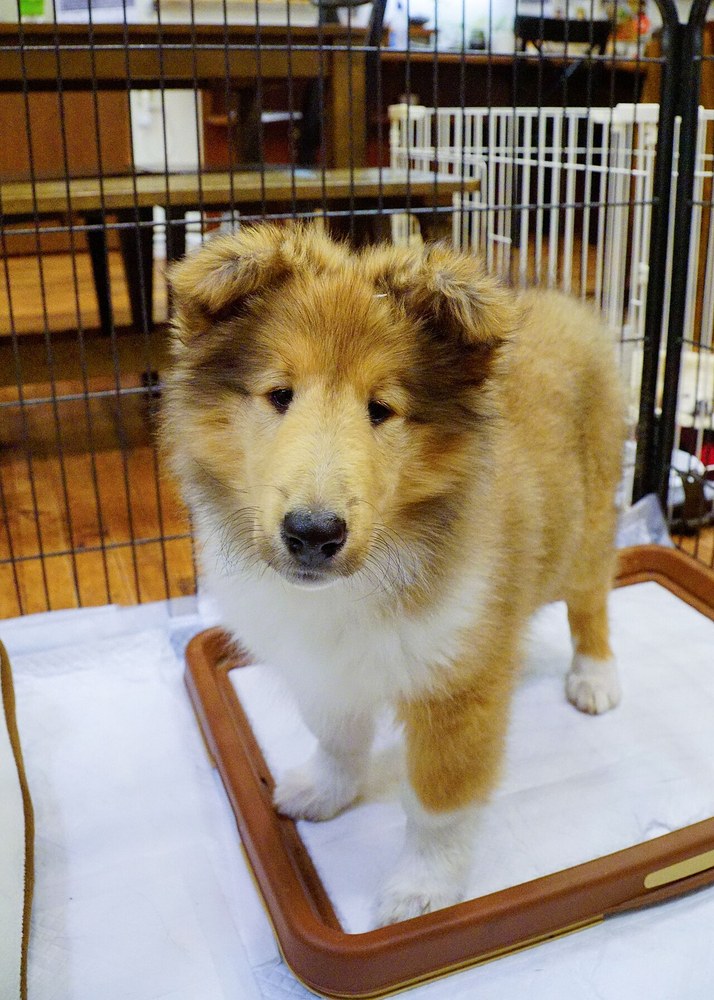
A Collie puppy is soft and sensitive. Build confidence gently and start brushing early.

If the dog is already yours

Training is gentle, clear and kind

Collies learn well with praise and food.

Focus on quiet, recall, calm greetings and confidence.

Agility, obedience and herding suit them.

Load balance

Walks and brain work

Daily walks and training suit most Collies.

Walk Train Play Brush Rest

Walks, agility, obedience and tricks suit most Collies.

A confident, brushed Collie is a gentle family friend.

Barking

How to teach a Collie to bark less

Reward quiet, manage triggers and give the dog a job.

  1. 01

    Spot triggers

    Note what starts barking.

  2. 02

    Manage

    Block windows and use gates.

  3. 03

    Reward quiet

    Treat calm moments.

  4. 04

    Teach a mat

    Send the dog to a mat at the door.

  5. 05

    Add a job

    Daily training and walks.

One scene close-up

Why your Collie barks

Collies are alert herding dogs and use their voice.

Reward quiet moments and teach a mat at the door.

If barking continues, add more training and manage windows.

Barking at the door Window barking Place

Typical household scenes

Where Collie owners most often need help

A breed page is only a starting point; the fix depends on health, environment, and the dog in front of you. Each row opens a step-by-step guide.

Practical view

“With a Collie, I train gently and build confidence. We work on quiet, calm greetings and short absences — because a sensitive dog learns best when it feels safe.”

Sessions cover real scenes: barking, herding the children, stress when left alone, and shyness with visitors. I am a trainer, not a veterinarian. No invented reviews.

Andrew Darov Professional dog trainer and instructor
WhatsApp consult

Talk through your Collie

Describe age, living setup, and where the dog breaks first — barking, herding the children, stress when left alone, or shyness with visitors. Opens WhatsApp to Andrew.

Short answers

FAQ

Is a Collie a good first dog?
Often yes, for owners who train kindly.
Are Collies good with children?
Usually gentle; supervise herding.
Do Collies shed?
Yes, Rough Collies shed a lot.
How much exercise does an adult need?
Daily walks plus training.
Is a Collie like Lassie?
Lassie was a Rough Collie.
Do Collies bark a lot?
Many do; teach quiet early.
Can a Collie live in an apartment?
Yes, with walks and barking management.
Are Collies good with other dogs?
Usually friendly.
What about health?
Ask which screenings the national breed club recommends and see the parents' results.
What is the typical lifespan of a Collie?
Public breed references often give about 12 to 14 years. Individual dogs vary.
Are Collies sensitive?
Many are; use gentle training.

If a Collie’s coat or barking is too much

If you want a gentle, friendly family dog with easier care, consider this one.

Border Collie

A brilliant, intense sheepdog that needs real daily work, training and a taught off-switch.

Shetland Sheepdog

A small, sensitive herding dog from Shetland that needs quiet training, gentle socialization and weekly brushing.

Australian Shepherd

A clever, energetic American ranch dog that needs daily training, exercise, weekly brushing and calm alone-time practice.

More Herding group breeds

Other guides from the same group in the breed library. Same group does not mean same dog: read the fit and the failure modes, not only the outline.

Dutch Shepherd

A clever, driven brindle shepherd from the Netherlands that needs structured daily work and a taught settle.

Finnish Lapphund

A Nordic herding spitz. Needs outdoor work, a clear end to alert barking and serious double-coat care.

German Shepherd Dog

A versatile German working shepherd that needs daily training, real exercise and a calm settle taught on purpose.

Icelandic Sheepdog

Iceland’s vocal herding spitz. Needs bark endings, real work and coat care through shed seasons.

Norwegian Buhund

A compact Nordic farm herder. Needs real work, clear game endings and bark management — flat life only with a serious outdoor plan.

Old English Sheepdog

A cheerful, shaggy English drover’s dog that needs a serious grooming plan, daily play and calm greetings.

Need a read on your exact situation?

Describe your Collie’s age and the scene that repeats most: barking, herding the children, stress when left alone, or shyness with visitors. We check safety first, then pick the first skill.

Written by Andrew Darov, professional dog trainer. Not veterinary advice and not a diagnosis. Not a kennel club. No invented reviews. No vaccine schedules or toxin doses. Photo credits in /images/breeds/collie-guide/credits.md.