
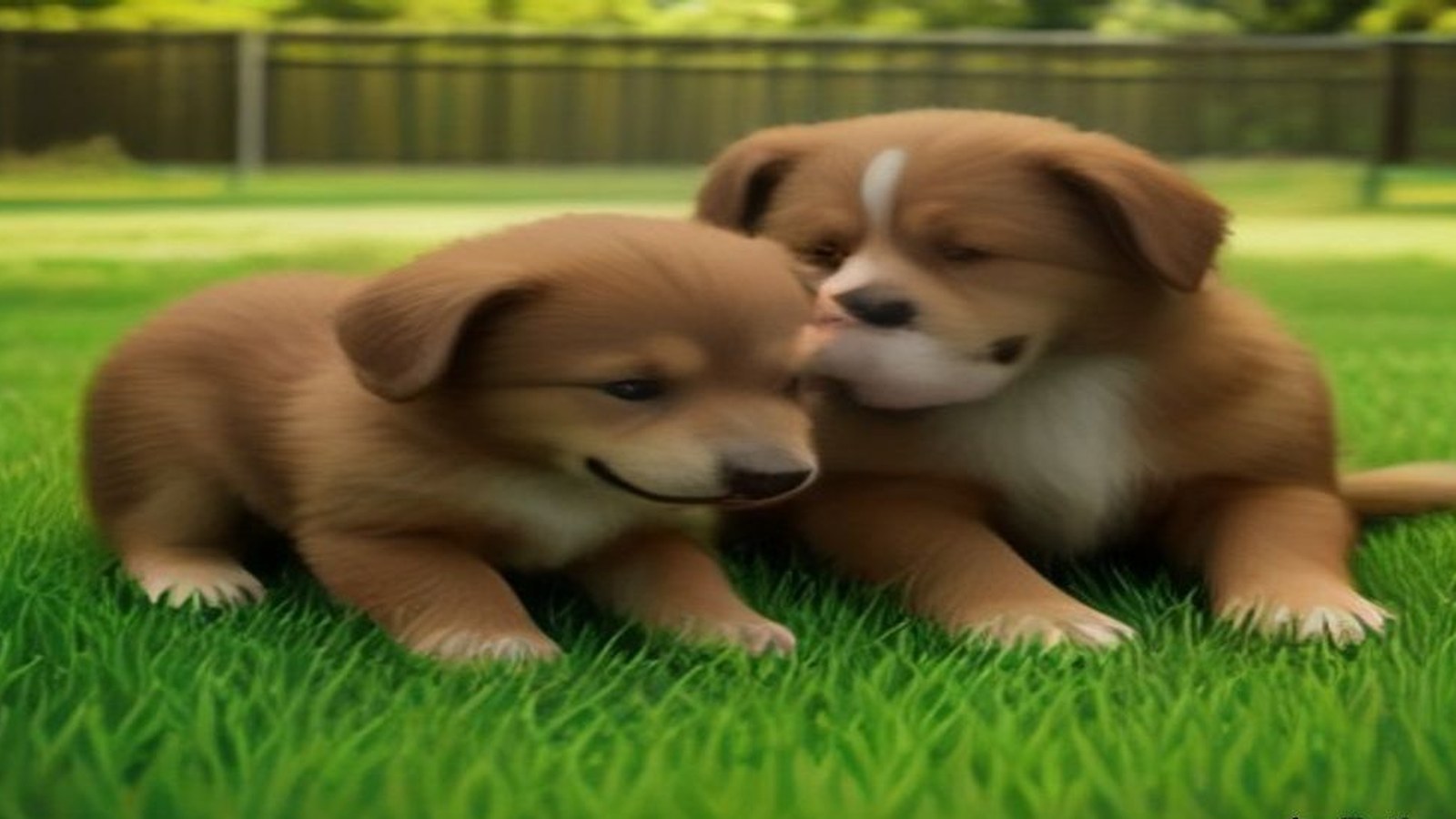
Expert Advice · Behavior · 13 min read
Puppy vs adult dog play rules: when to interrupt size and arousal mismatch
Play is legal only while both bodies stay soft. Size and arousal mismatches get interrupted early.
Puppy versus adult dog play rules are a referee job. Play is legal while both bodies stay soft and both dogs can pause. Size mismatch and arousal mismatch get interrupted early. Hoping they will “work it out” is how puppies learn bad math and adults learn that puppies are pests.
I board dogs for a month and longer as a trainer from Russia. I am not a veterinarian. No fake playgroup reviews. AVSAB’s public training position supports reward-based behavior work and careful social exposure. A free-for-all yard is not a socialization plan.
This is a behavior protocol page. Puppy biting and nipping owns mouth on human skin. Puppy socialization schedule owns short clean exposures. Introducing a new dog owns resident-plus-new house entry. Enforced naps own the overtired land-shark. A later stop-roughhousing page will own sustained rough play between peers; this page stays puppy - adult mismatch rules.
Can a puppy play with an adult dog?
Yes, under rules. The adult must be soft with puppies or at least able to leave. The puppy must have an exit and a human who interrupts. Breed labels do not replace eyes on both bodies.
Some adults teach beautiful pauses. Some adults tolerate two minutes and then escalate. Some puppies treat every adult as a moving toy. Your job is to pick matches and end sessions early, not to collect video of chaos.
US dog-park culture and UK busy recreation grounds both fail the same way when strangers’ dogs become unpaid teachers. Prefer known adults, parallel walks first when unsure, and gated intros in a yard or garden you control.
If you are only watching, you are not refereeing.
When should you interrupt puppy - adult play?
Interrupt when the picture stops being mutual.
Interrupt cues:
- puppy bowling a much larger or much smaller adult (or the reverse)
- repeated pins without a pause
- one dog trying to leave and getting hunted back
- mouths getting harder, noise climbing without reset
- adult freeze, hard stare, or snarl that the puppy ignores
- puppy scream without the adult yielding space
Call both dogs out. Use a cheerful interrupt, food on the floor, or a gate. Reward the break. Restart only if both re-engage softly. Two or three short rounds beat one long spiral.
Evening play on an overtired puppy is often sleep debt. Put the puppy down. Read enforced naps and biting and nipping if human skin is also paying the bill.
How do you set rules before they play?
Setup is the protocol.
- Screen the adult. Known soft play style, or a drag line so you can prevent bowling. Skip adults who body-slam puppies for fun.
- Pick footing you control. Fenced yard or garden, or a quiet indoor room with a gate. Not a crowded dog park as lesson one.
- Time-box the session. Start with one to three minutes. Water and a puppy nap afterward.
- Kids stay out of the pile. Children are not play equipment. See children and guests.
- End on a win. Soft bodies, treat trail apart, gate. Mark and feed disengagement. The session ends because you ended it.
If you are introducing a new adult to a resident puppy (or the reverse), borrow the wider plan from introducing a new dog. Parallel walking before floor play is still allowed.
What does healthy play look like versus a mismatch?
Healthy play: loose curves in the spine, role switches (chase and be chased), pauses, play bows or clear re-engage invitations, soft mouths, both dogs returning willingly after a break.
Mismatch: one-sided chase, repeated body slams, tucked or hiding adult, frantic puppy who never yields, mounting that becomes a fight, or arousal so high that food and name game die. Referee the mismatch. Do not narrate it as “they love each other” while one dog is done.
Size gaps need shorter rounds. A giant adult can injure a toy-breed puppy without intending harm. A bullish puppy can torment a senior. Age and joint comfort matter. When in doubt, shorten and separate.
When is puppy - adult play not a DIY referee job?
Blood, locked fights, hard stares that do not break with distance, a puppy who shuts down or panics at every adult dog, or an adult who redirects onto people. Full split. No more free play. See a qualified trainer or veterinary behavior professional in your country. See not veterinary advice if pain may explain the adult’s short fuse.
True aggression is not a weekend DIY project. Dogmindlab will not invent a triage inbox to stand in for that. A later article on stopping roughhousing between peers will cover sustained mutual rough play; do not stretch this page into that syllabus.
What are the usual failure modes?
- You spectated a long session. The ugly ending already paid. Time-box and interrupt early.
- Dog park as first teacher. Unknown adults are unpaid variables. Use known matches first.
- Overtired puppy as play partner. Sleep debt looks like play drive. Nap first.
- Kids in the pile. Small humans become part of the game. Gate them out.
- You praised through a freeze. Soft means soft. Interrupt freezes and hunts.
- You waited for blood. The criterion was already gone. End while winning.
Sources
AVSAB position statements on humane dog training and on puppy socialization as careful exposure rather than uncontrolled free-for-alls. ASPCA public overviews of common dog behavior issues. Paraphrased as public standards, not quoted as a substitute for reading the originals. avsab.org/resources/position-statements/ · aspca.org - common dog behavior issues
Questions on this page
Can a puppy play with an adult dog?
Yes, when the adult is soft, the puppy has an exit, and you interrupt mismatches early. Not every adult wants a land-shark. Not every puppy reads a polite adult snarl. You are the referee, not a spectator hoping breeds will sort it out.
When should you interrupt puppy - adult play?
When size turns into bowling, when arousal spikes past soft mouths, when one dog stops offering play signals, when pinning lasts, or when the puppy screams and the adult does not pause. Interrupt early. End while the session is still mostly good.
How do you set rules before they play?
Short sessions on neutral or known footing, adult on a drag line if needed, puppy with a rest plan after, water available, and a gate ready. No kids as part of the pile. Pay breaks. See enforced naps when the puppy’s mouth is already late.
What does healthy play look like versus a mismatch?
Healthy: role switches, loose bodies, pauses, soft mouths, both dogs re-engage willingly. Mismatch: one-sided chase, repeated body slams, tucked adult avoiding, frantic puppy ignoring every yield, or escalating noise without reset. Referee the second picture.
When is puppy - adult play not a DIY referee job?
Blood, true fights, hard stares that do not break, a puppy repeatedly traumatized, or an adult who cannot be redirected. Full split. Professional help. This page is not a fight clinic and not the later stop-roughhousing article.
Work with me
A $150 consultation or $500 monthly curatorship. Opens WhatsApp to Andrew.