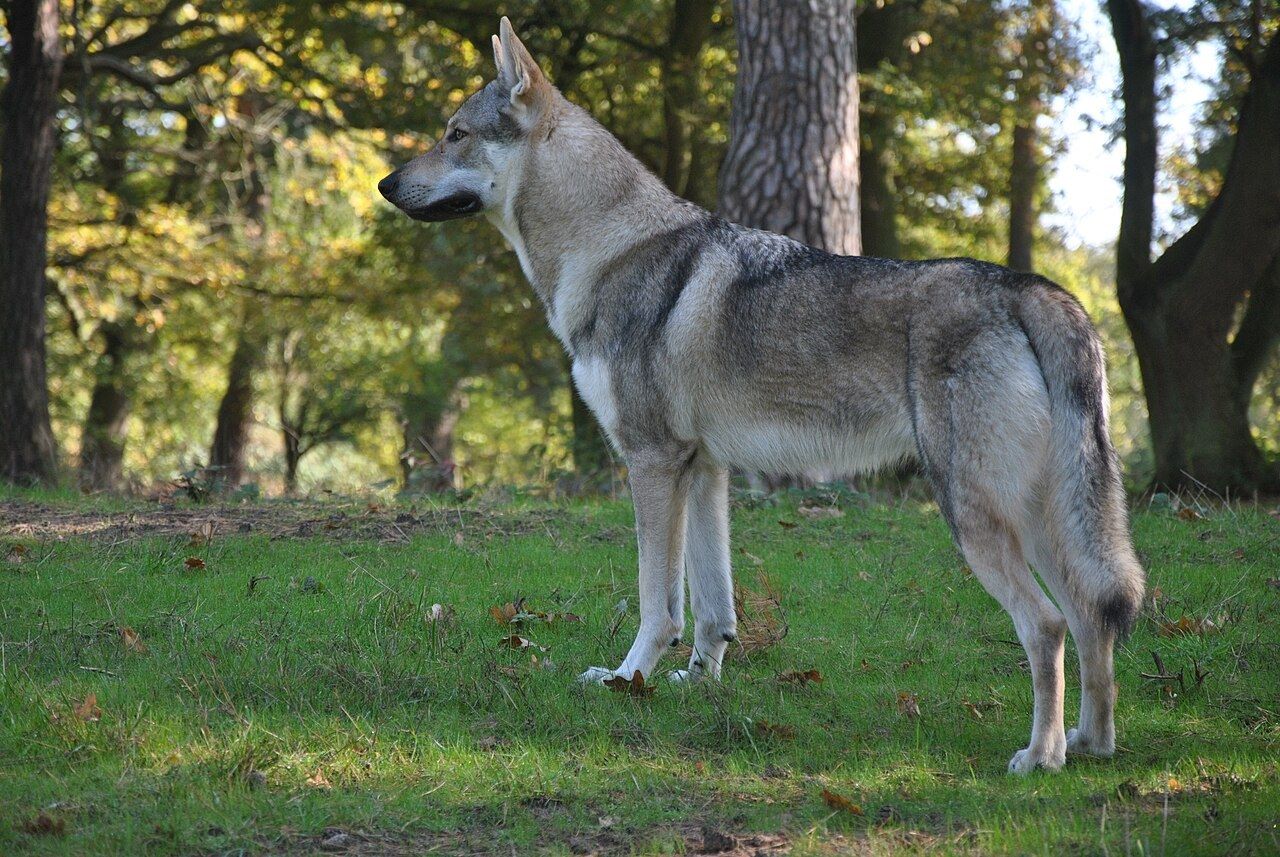
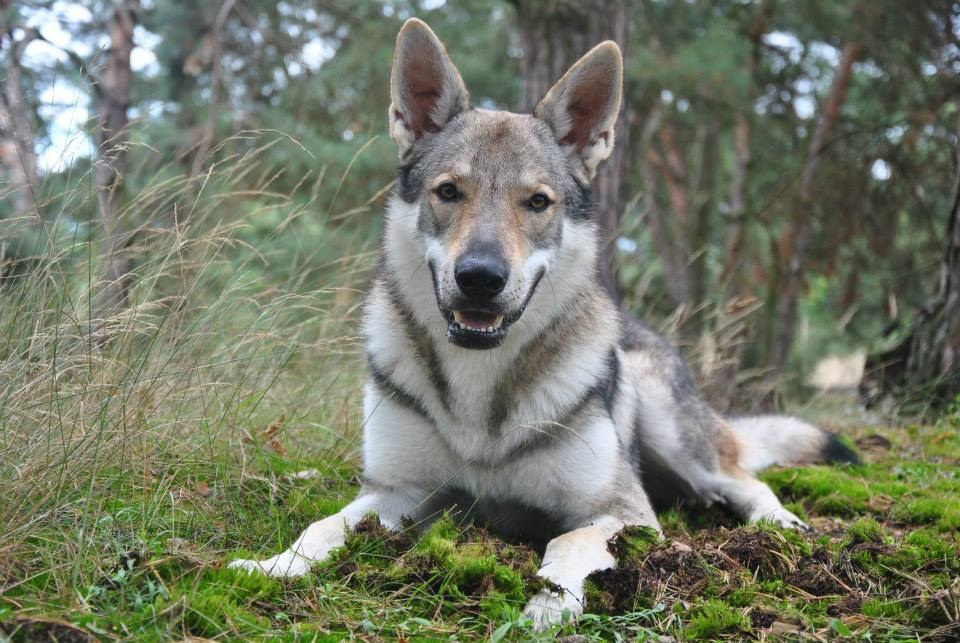
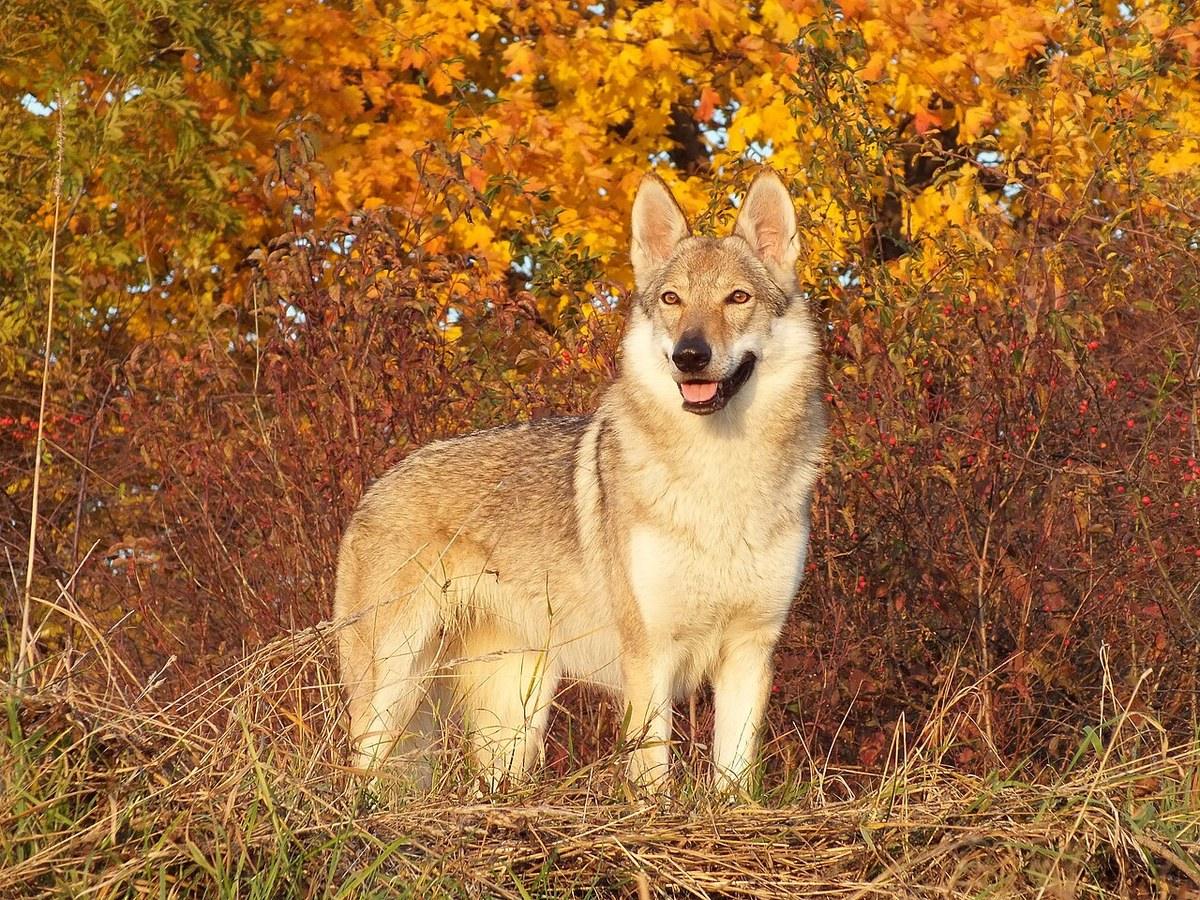
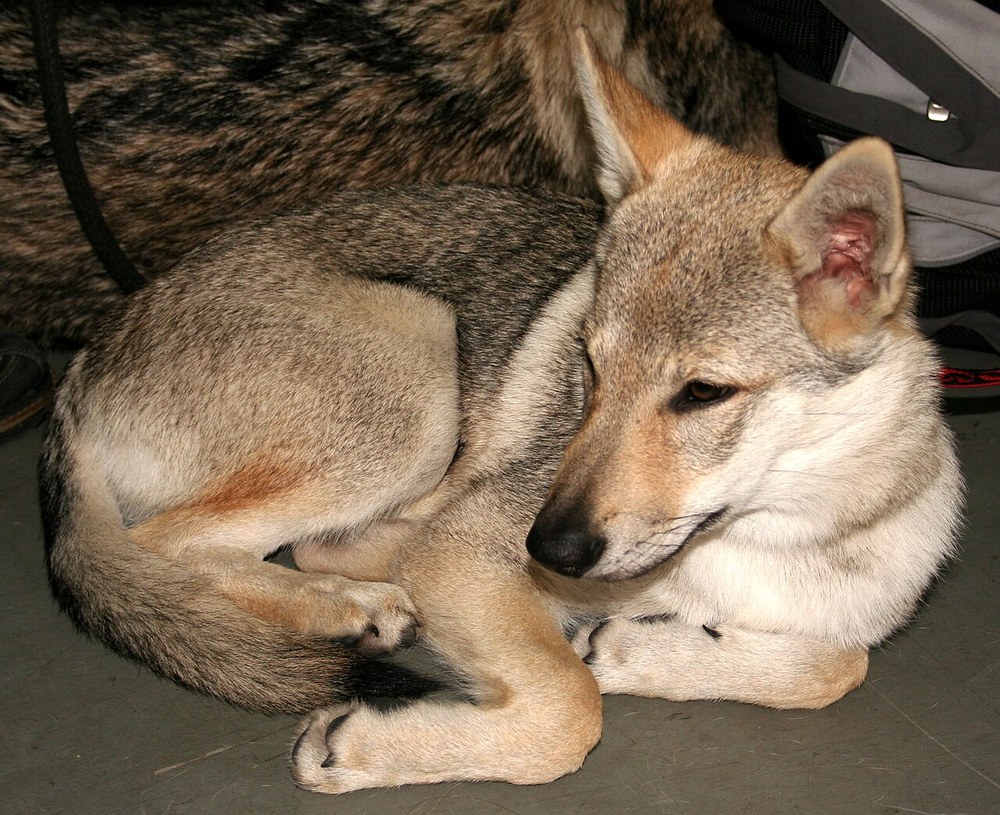
Czechoslovakian Wolfdog: temperament, escape skills and the honest truth about family life
The Czechoslovakian Wolfdog is a working breed created in Czechoslovakia from German Shepherd Dogs crossed with Carpathian wolves. You get a striking, athletic dog that bonds hard with its own people, stays wary of strangers, howls more than it barks and can get over or under most fences. What works is early and gentle socialization, very secure containment, slow alone-time training and a lot of daily movement with its people. For most families, a different shepherd is the kinder choice.
Job: A wolf-looking working shepherd from Czechoslovakia; FCI Group 1, shown as a herding dog.
Energy: Loyal to its own people, wary of strangers, slow to mature and a skilled escape artist.
Home: Suits experienced, very active owners with secure fencing and time; a poor fit for most families.
A Czechoslovakian Wolfdog is a wolf-shaped working dog with wolf-shaped habits
People see the wolf look on social media and imagine a loyal, quiet shadow. The Czechoslovakian Wolfdog can be that with its own family, but it arrives with a strong flight instinct, suspicion of new people and places, a talent for escaping and a need to be with its pack nearly all the time.
What I meet in homes that struggle is usually a young wolfdog left alone for long workdays, walked only on pavements and met by strangers who reach for it. The result is howling, destroyed doors, dug-out fences and a dog that hides or backs away from visitors. None of that is a bad dog. It is the breed in the wrong set-up.
My plan has four parts. Gentle, early socialization that never forces contact. Fences and doors that actually hold. Alone time built in tiny steps. And daily long walks, scent work and training with food, so the dog has a life with its people rather than around them.
Males at least 65 cm (about 25.5 in), females at least 60 cm (about 23.5 in) under the FCI standard
Weight
Males at least 26 kg (about 57 lb), females at least 20 kg (about 44 lb)
Energy
High; built for endurance and long distances
Coat / shed
Straight, dense double coat; yellowish-grey to silver-grey or dark grey, with a light mask
Job
Working shepherd and border dog (FCI Group 1; AKC Foundation Stock Service as Czechoslovakian Vlcak)
Breed history
How a 1950s border experiment became the Czechoslovakian Wolfdog
The history will not train your dog, but it explains the wolf look, the stamina, the caution with strangers and why this breed is so different from an ordinary shepherd.
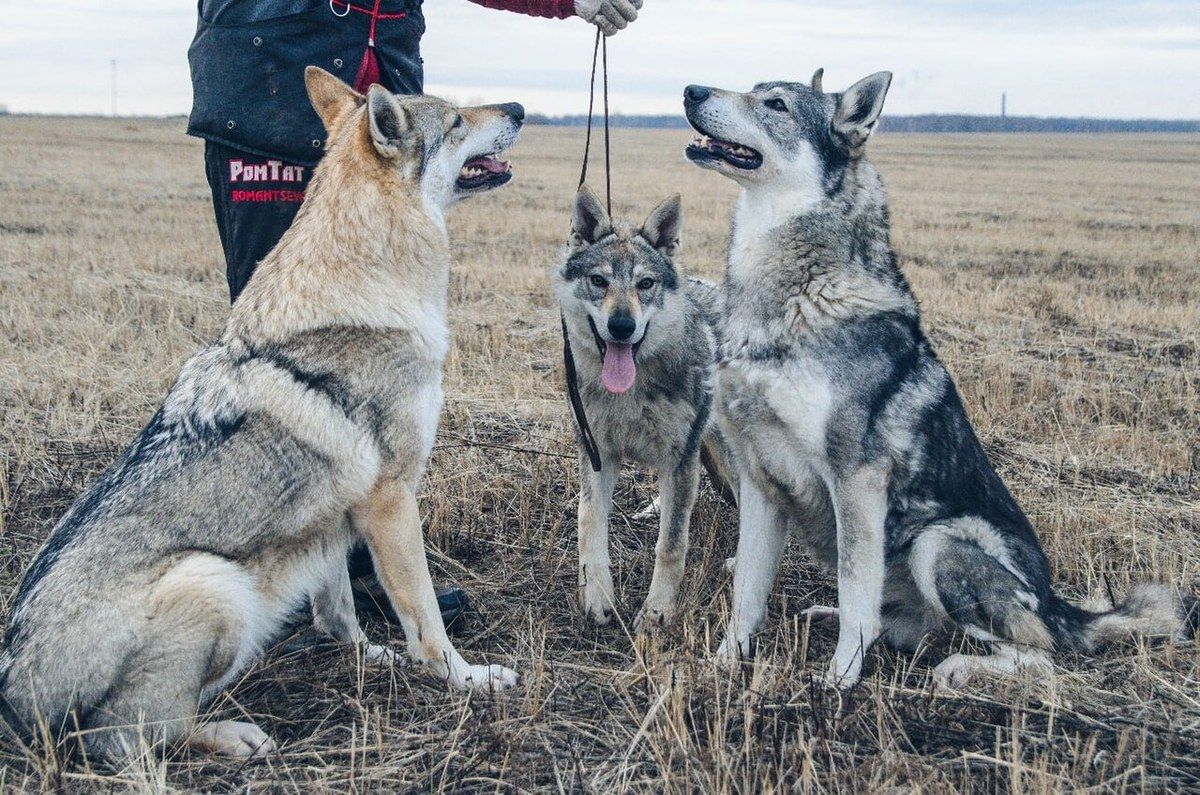
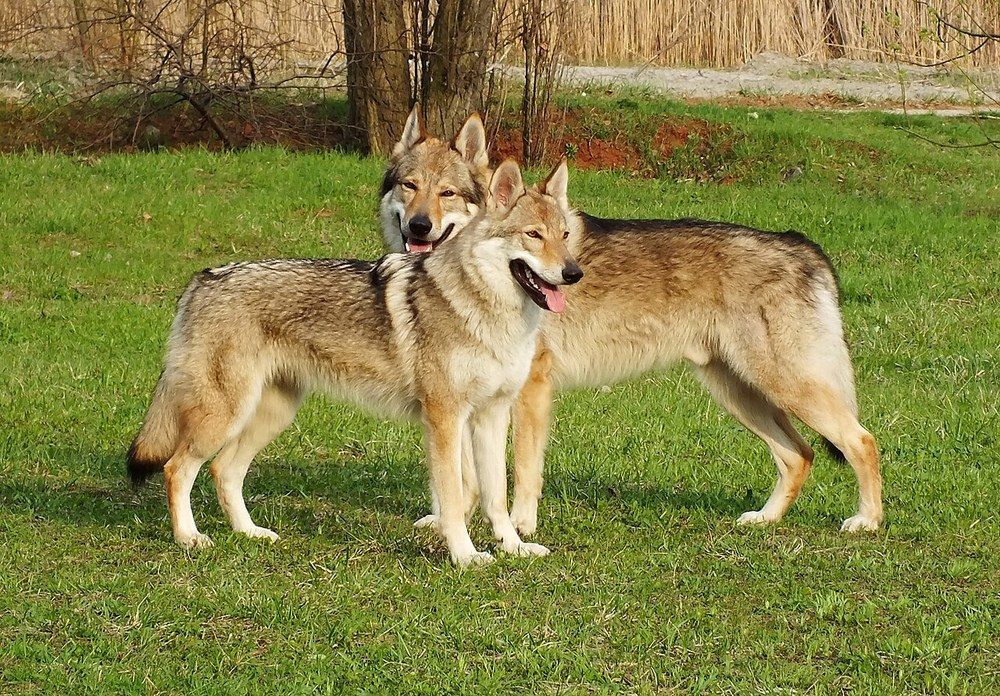
Czechoslovakian Wolfdogs out on a walk with their people: a breed that wants to move and stay close to its group.
Czechoslovakia → border work
German Shepherds, Carpathian wolves and border guards
Breed histories describe a breeding experiment that started in Czechoslovakia in the 1950s, crossing German Shepherd Dogs with Carpathian wolves. The aim was a working dog with the shepherd’s trainability and the wolf’s stamina, senses and toughness for border patrol work.
What matters for an owner is that the result still carries wolf-like traits: caution with new things, strong pack attachment, huge endurance and a habit of solving problems by escaping or avoiding rather than by asking for help.
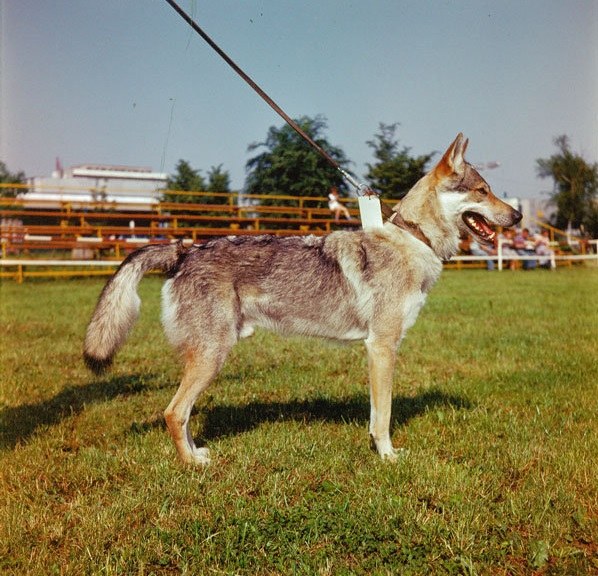
Rep z Pohraniční stráže, described on Commons as a prototype of the breed: an early dog from the border-guard breeding program.
From military project to pet breed
Recognized as a breed, then discovered by social media
Over the following decades the dogs were bred to a written standard and the breed was later recognized by the FCI. Today most Czechoslovakian Wolfdogs live as companions and sport dogs, with some in search and tracking work.
Their looks have made them popular online, and many end up in rescue when owners discover the training and containment they need. Before you buy, check local rules too, because some places have extra regulations for wolf-like breeds.
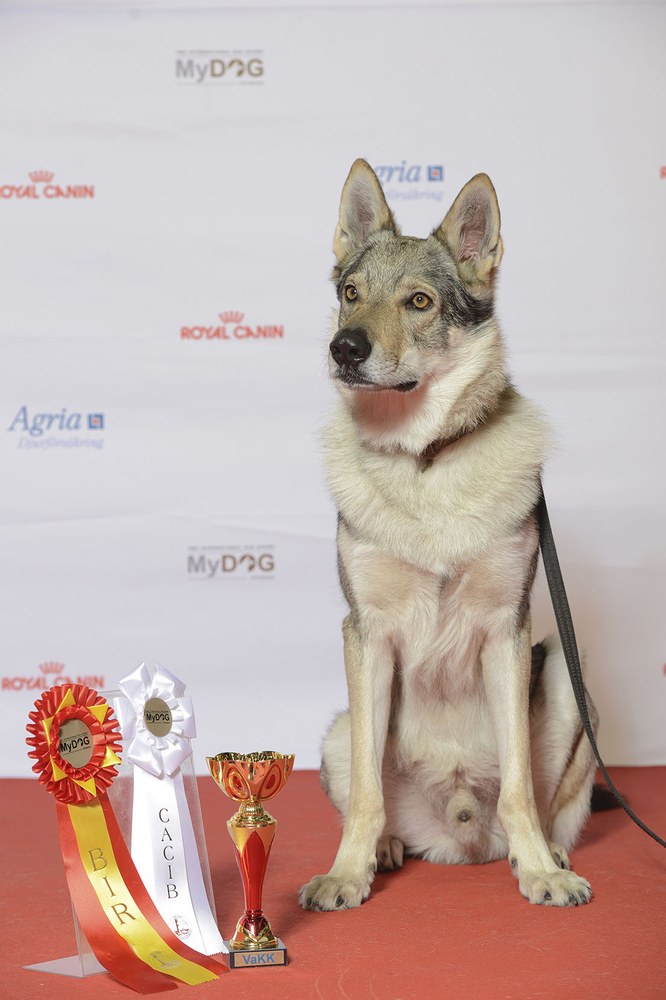
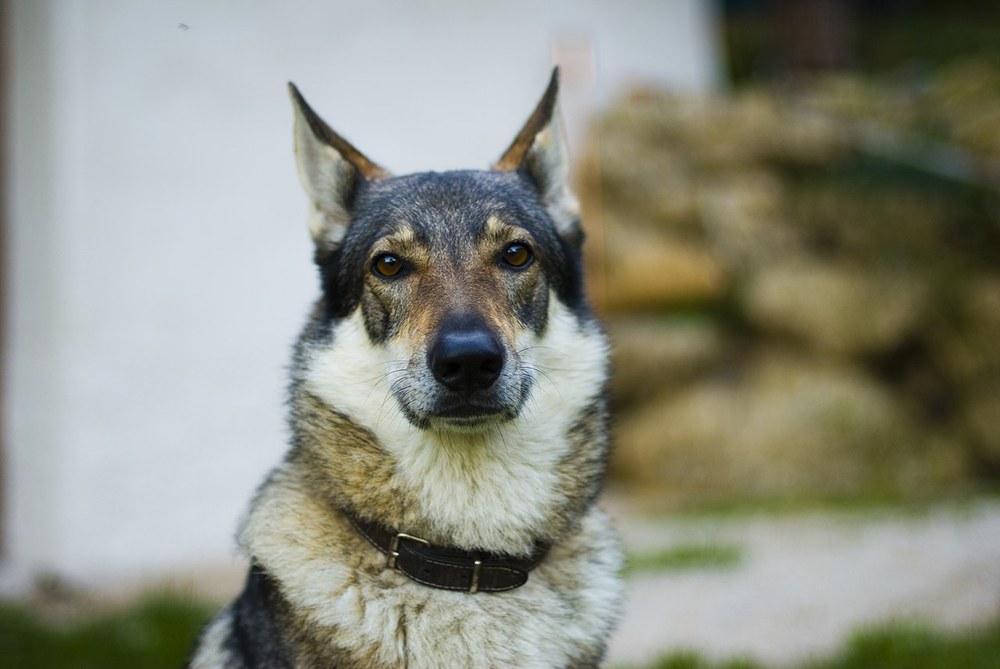
A Czechoslovakian Wolfdog champion at a Scandinavian show: grey coat, light mask and the upright ears of the breed.
What the breed was bred for
Devoted at home, careful with the rest of the world
Day to day you live with a dog that is often affectionate, playful and quietly watchful with its family. Many talk in howls, whines and grumbles rather than barks.
The same dog may freeze, back away or try to leave when faced with strangers, traffic or new places. Pushing it closer makes that worse. Patient, distant exposure and food make it better.
A good day is a long walk with its people, some sniffing work, a short lesson and a nap where it can see you
Most Czechoslovakian Wolfdogs do well with long daily walks, company most of the day and training with food in short sessions. Trouble usually starts with long hours alone, weak fences, forced greetings with strangers or a life of short pavement walks.
Morning · long walk
A long walk on a long line
This breed was built to cover distance. A long, slow walk in quiet countryside, on a long line and a harness, does more than a fast loop around the block. Let it sniff and watch. Recall stays a work in progress for most wolfdogs, so the line stays on.
Many wolfdogs enjoy a known dog companion and play rough, wolf-style games with it. Meetings with unknown dogs need care, especially between same-sex adults. Introduce slowly and on neutral ground.
Wolfdogs learn fast but get bored with repetition and shut down under pressure. Keep sessions to a few minutes, stop while the dog still wants more and use food it really likes. Hand target and name check-ins are good first skills.
The double coat needs little care most of the year, then drops in clumps when the season turns. Brush often during the shed. Practise handling of paws, ears and mouth early, because a wary adult wolfdog at the vet is hard work for everyone.
After the long walk, the dog should rest in a safe space it already likes. Build time alone a minute at a time. A wolfdog that panics alone will chew through doors, howl for hours or go over the fence.
General awareness only. I am not a veterinarian. With Czechoslovakian Wolfdogs, owners often notice trouble first as a change in movement after long runs, sore pads, or a dog that suddenly avoids being touched. For red flags, leave this page and open
when to call the vet.
Joints and growth
This is a big, slow-maturing dog. Build distance gradually in the first year and treat any limp as a vet question. See limping stop list.
Pads and long walks
Check pads after long hikes on rough ground or in snow.
Weight
Keep a lean, athletic shape. Ask your vet to judge condition. See BCS check at home.
Handling and the vet
Wary dogs need slow handling practice and calm vet visits. A muzzle trained in advance can make exams safer and less stressful.
Escapes and injuries
Dogs that climb or dig out of gardens can get hurt on wire or in traffic. Secure fencing is health care too.
Ask the breeder
Ask which screenings the national breed club recommends for the parents, and ask to see the results. Do not invent disease claims from a blog.
Lines and types
Working and companion Czechoslovakian Wolfdogs need the same secure life
No bloodline selling. Dogs differ in how shy or bold they are, how vocal they are and how much they want to escape. All of them need secure containment, company, patient socialization and lots of movement. Meet the parents in their home, and watch how they react to you as a stranger.
Experienced companion homes
Someone home most of the day.
Tall, dig-proof fencing.
Long walks on a long line daily.
Visitors who let the dog come to them.
Suits an experienced, outdoors-loving owner who wants a close bond and accepts a wary dog.
Sport and working homes
Tracking, mantrailing and canicross suit many.
Short, varied training sessions.
Build fitness slowly until about two years.
Rest days after hard work.
Suits an owner who enjoys endurance sports and patient training with a sensitive, independent dog.
Socialization windows
What to introduce — and what not to overload — by age
AVSAB-aligned in spirit: short, clean exposures at a distance the puppy can still eat,
with hygiene while vaccines finish. See the
puppy socialization schedule.
2–4 months
Home, gentle socialization and first alone steps
Introduce: calm trips to new places at a distance, food from friendly visitors, gentle handling, toilet plan, seconds of alone time.
Do not overload: crowded events, strangers grabbing the puppy, long absences from week one.
~6 months
Teenage caution
Introduce: long-line walks, short training games, more new places at an easy distance, a secure garden check.
Do not overload: forcing the puppy to greet people, off-lead trust in open country.
~12 months
Testing fences and rules
Introduce: escape-proofing, steady alone-time practice, name check-ins outdoors, calm meetings with known dogs.
Do not overload: leaving the young dog alone in the garden, assuming a fence that held at six months still holds.
~18–24 months
Growing up slowly
Introduce: gradual increase in distance, tracking or canicross if you enjoy it, relaxed routines at home.
Do not overload: heavy running before the body is mature, dropping socialization once the dog seems settled.
~3 years+
Keep what works
Introduce: daily long walks, regular new places, yearly checks, fence checks.
Do not overload: assuming the dog no longer needs company or new experiences.
Before you buy
Who a Czechoslovakian Wolfdog usually fits
Fit comes down to time at home, real containment, patience with a wary dog and whether you want an outdoor life built around long walks with your dog.
Good match
More likely a good fit if you…
You have dog experience and want an unusual, close bond
Someone is home for most of the day
You can build tall, dig-proof fencing and secure doors
You enjoy long hikes, tracking or canicross
You are fine with a dog that is shy or aloof with strangers
Mismatch risk
A Czechoslovakian Wolfdog may be a poor choice if…
You want a classic family dog that loves every visitor
You work long hours away from home
You expect reliable off-lead recall in open country
You live in a busy city flat with little green space
You chose the breed mainly for the wolf look
If you are torn between breeds
Czechoslovakian Wolfdog vs German Shepherd Dog and Siberian Husky
All three look a little alike in photos. The Czechoslovakian Wolfdog is a wolf-cross working breed: more cautious with strangers, more independent and more likely to escape. The German Shepherd Dog is a herding and working dog that is usually much easier to train and handle. The Siberian Husky is a sled dog: friendly with almost everyone but a famous runner and escape artist.
Strangers
Czechoslovakian Wolfdog
Often wary or avoidant.
German Shepherd Dog
Watchful but usually easier to socialize.
Training
Czechoslovakian Wolfdog
Learns fast, bores fast, needs food and patience.
Siberian Husky
Independent; also food-motivated and hard to recall.
Escaping
Czechoslovakian Wolfdog
Climbs, digs and jumps.
Both compares
All three need secure fences; the wolfdog and husky most of all.
Home fit
Czechoslovakian Wolfdog
Experienced owner, company all day, lots of space.
Both compares
All three are hard work without daily exercise and training.
Ownership without surprises
Where a Czechoslovakian Wolfdog owner’s budget goes
Costs depend on country, city and your choices. These are themes to plan for, not quotes.
Fencing
Tall, dig-proof fencing and secure gates are often the biggest cost.
Veterinary
Routine care plus checks the breeder and breed club suggest.
Training
Help from a trainer who knows sensitive, wary dogs.
Gear
Good harness, long line, crate or secure room, sturdy bed.
Time
Hours of company and long walks every day are the cost that never stops.
Secure containment and company matter more than anything you buy: a wolfdog that feels safe and has its people close is far easier than one trying to get out.
Before day one at home
What to prepare for a Czechoslovakian Wolfdog puppy
A Czechoslovakian Wolfdog puppy is curious and bold one day, cautious the next. Have a secure space, food for visitors to toss and an alone-time plan before it comes home.
Training a Czechoslovakian Wolfdog means trust, short lessons and secure management
The skills that matter most are few: a name check-in, a hand target, calm alone time, loose lead walking on a harness and a recall practised on a long line for life.
This breed works for food and for its people, but it shuts down or avoids when training gets harsh or repetitive. Keep sessions short and varied, and stop before the dog loses interest.
A lot of the work is management: fences that hold, doors that close, company most of the day and new experiences at a distance the dog can handle.
Load balance
Movement and company first, then ask for calm
Age, joints and heat all change what is safe. A limp, sore pads or sudden irritability mean a vet visit before more work.
Long walk on a long lineSniffing or tracking gameShort training sessionRest in a safe spaceLong nap near its people
Long walks, scent work and short lessons all count. A wolfdog left in the garden all day gets more restless, not less.
A Czechoslovakian Wolfdog that has walked for hours with its people and done a little brain work will rest instead of planning its next escape.
Alone time that holds
How to teach a Czechoslovakian Wolfdog to stay calm when left
Start with exercise and a safe space, leave for seconds, return calmly, build up the time slowly and keep the room escape-proof the whole way.
01
Exercise first
Give a long walk and a sniffing game before any alone-time practice.
02
Safe space
Use a secure room or crate the dog already rests in happily.
03
Leave for seconds
Step out, come back before the dog worries, and stay calm on return.
04
Build slowly
Add time in small steps over weeks, and go back a step if the dog howls or scratches.
05
Keep it escape-proof
Check doors, windows and fences every time, even when things go well.
One scene close-up
Why a Czechoslovakian Wolfdog howls and escapes when left alone
Most wolfdogs that howl, chew doors or go over the fence when left are not being naughty. They were built to live in a close group, and being alone is hard for them.
Start with set-up: a secure room or crate the dog already likes, a long walk first and someone home as much as possible. Then build alone time in steps so small the dog never panics.
If the dog panics, hurts itself or breaks out, get help from a qualified professional and talk to your vet.
“With a Czechoslovakian Wolfdog, I begin with three things: fences and doors that hold, alone time built in tiny steps, and strangers who let the dog come to them. Once those are in place, the wolfdog can show the loyal, playful side its family fell for.”
Sessions cover the scenes that matter: being left alone, visitors, escapes, recall outdoors and calm vet visits. I am a trainer, not a veterinarian.
Andrew DarovProfessional dog trainer and instructor
Tell me the age, how many hours the dog is alone and what goes wrong first: howling, escapes, visitors, other dogs or recall. Opens WhatsApp to Andrew.
For most families, no. It can be loyal and gentle with its own people, but it needs company most of the day, very secure fencing and an experienced, patient owner.
Is a Czechoslovakian Wolfdog a good first dog?+
Rarely. Its caution with strangers, escape skills and dislike of being alone are hard to manage without dog experience.
Czechoslovakian Wolfdog vs German Shepherd: what is the difference?+
The wolfdog is more cautious, more independent and more likely to escape. Most German Shepherd lines are easier to train and to socialize.
Can a Czechoslovakian Wolfdog be left alone?+
Only after slow, careful training, and usually not for a full workday. Many howl, chew or escape when left too long.
Do Czechoslovakian Wolfdogs bark?+
Many bark little but howl, whine and grumble. Howling can be loud enough to bother neighbours.
Can a Czechoslovakian Wolfdog be off lead?+
Only in secure, enclosed areas. In open country, plan on a long line for life for most dogs.
Are they good with children?+
Often gentle with children in their own family. They can be wary of visiting children and noisy play. Supervise and give the dog a quiet place.
How much exercise does a Czechoslovakian Wolfdog need?+
A lot: long daily walks, plus scent games or training. Build distance slowly while the dog is still growing.
Do they shed?+
Yes. The coat drops heavily when the season changes. Brush often during the shed.
Are there legal rules for owning one?+
Rules differ between countries and regions, and some places treat wolf-like breeds differently. Check local law before you buy.
What health themes should I ask about?+
Ask breeders which screenings the national breed club recommends, and tell your vet the breed. This is general awareness, not a diagnosis.
How long do Czechoslovakian Wolfdogs live?+
Public breed references often mention about 12–16 years. Individual dogs vary.
If a Czechoslovakian Wolfdog seems like more than your home can handle
It is loyal and fascinating, but the caution with strangers, escape skills and need for company do not fit most households.
The smallest Swiss mountain dog and a real cattle dog. Needs daily work, rules for heel nips and a taught off-switch — not a small Bernese for the sofa.
Rules for safe play between a puppy and an older dog: how long to play, signs it is too rough and when to step in. Plus rough play between adults.
Need a read on your exact situation?
Tell me your Czechoslovakian Wolfdog’s age and the scene that keeps repeating: howling, escapes, visitors, other dogs or recall. We check safety and health first, then pick the first skill.